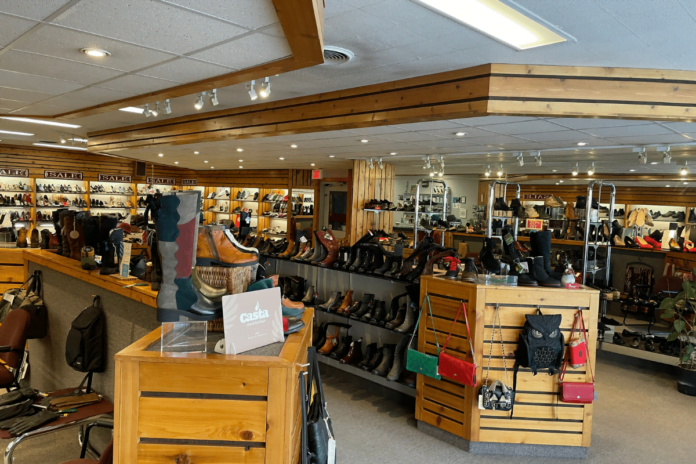
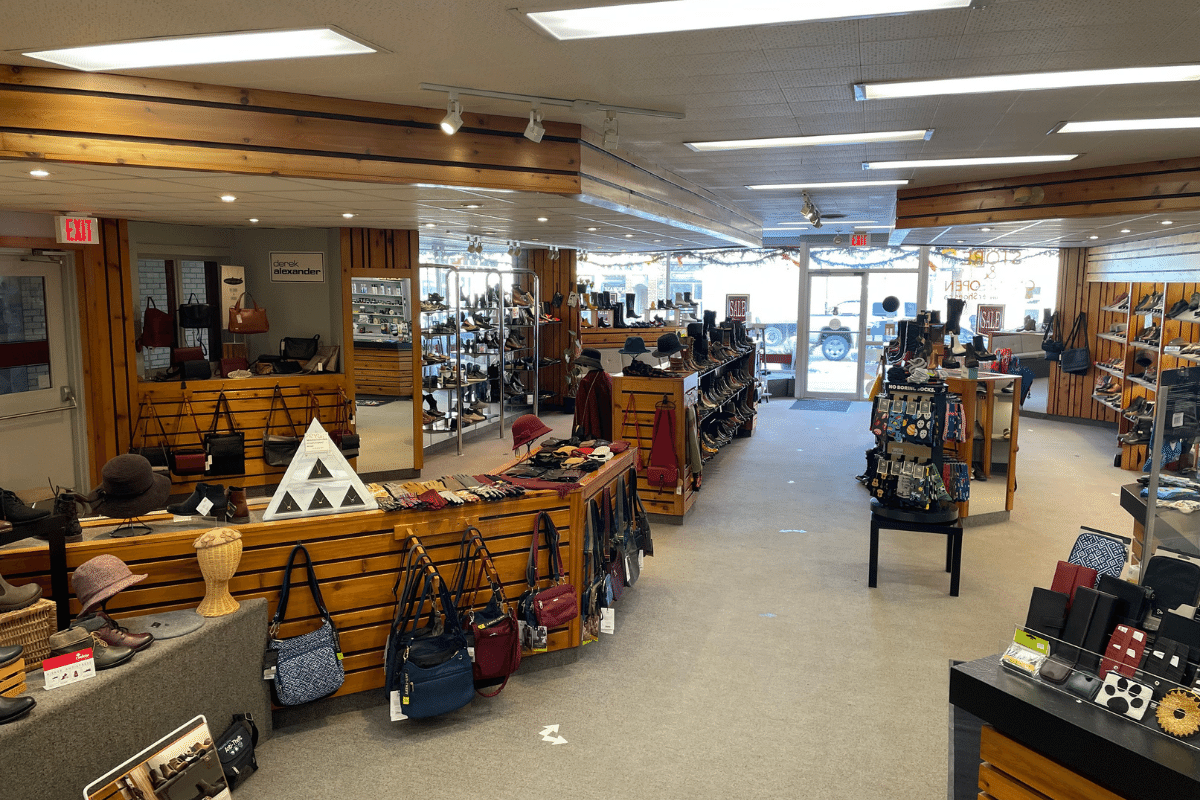
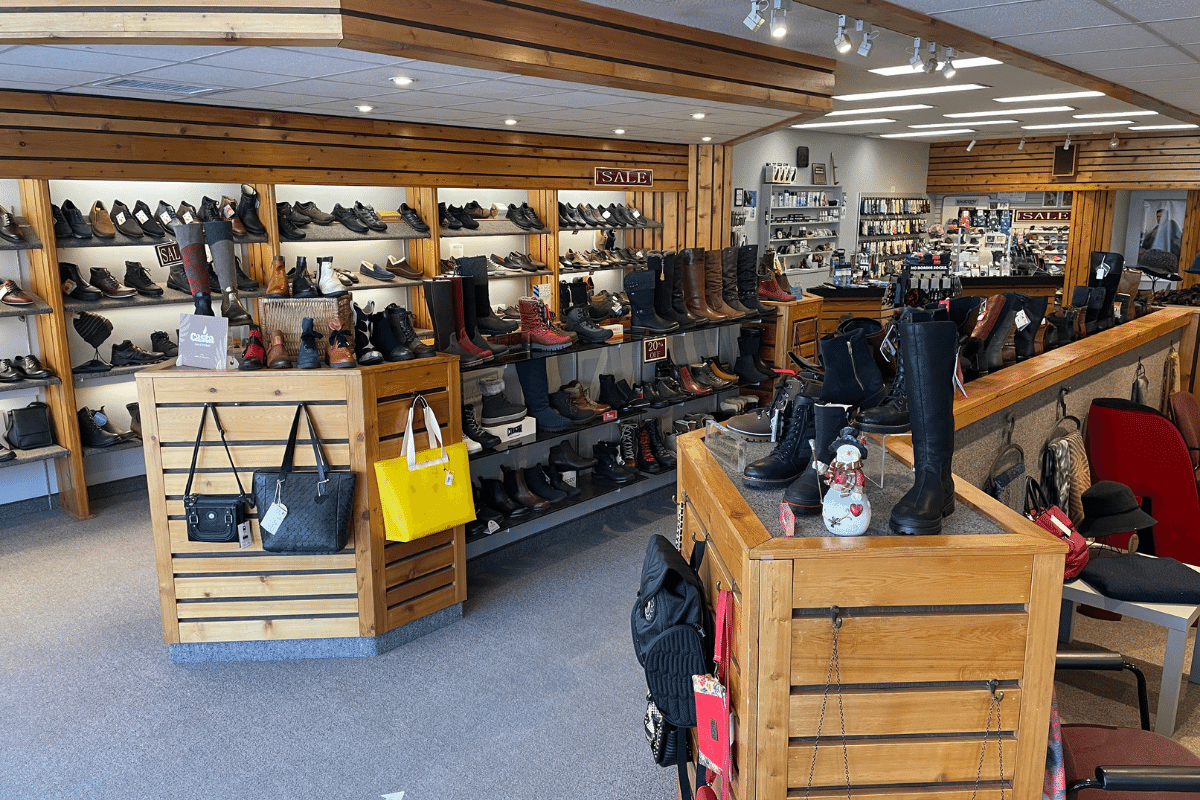
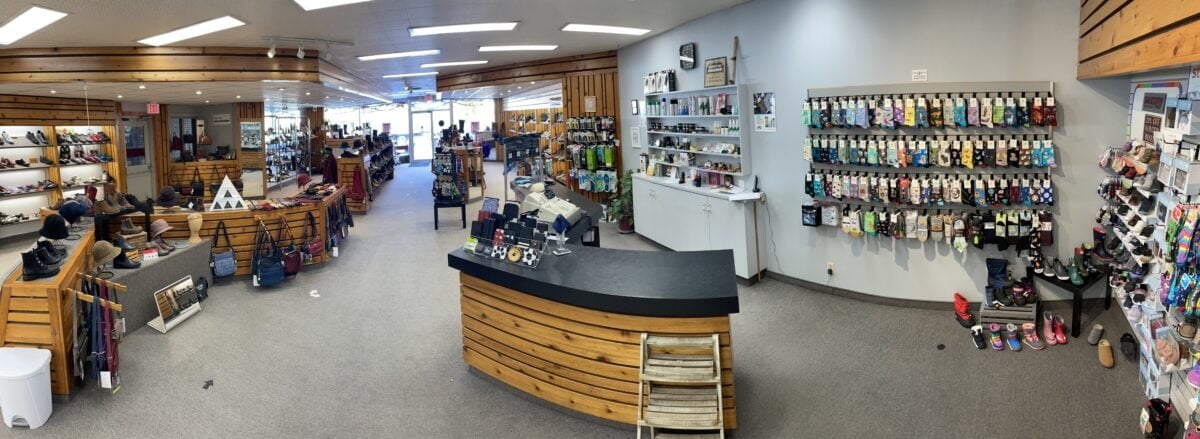
Like thousands of retailers across the country, White-Balmer Shoes has faced a tough challenge over the past two years to deal with the lockdowns and public health restrictions put in place to combat the spread of the COVID-19 pandemic.
But entrepreneur Karina Bogle, owner of the Stratford, Ontario business, turned to ecommerce and the eBay platform to keep the store alive and thriving during the difficult time.
Bogle took over White-Balmer, which has been in business for 41 years, just before the pandemic began in March 2020. The store is located on the main street in the heart of Stratford.
“The first wave of the pandemic hit about seven months after I owned the store. I was just learning still how effectively to run a shoe store when I was forced to temporarily close. So I really had to pivot quickly and find new ways to generate sales and move inventory. Like most retailers I started offering curbside pickup and doing local home deliveries but I also knew at the start of the pandemic that was the time I needed to expedite my ecommerce plans,” she said.
“The pandemic really created the opportunity for me to build and launch whitebalmershoes.com and after that was up and running I linked that inventory to eBay’s global marketplace which has been really successful and now I can embrace both instore and online shopping which allows me to reach many more new customers and even the website for local business it’s been really great because customers are able to pre-shop and see what we have instore and if we stock in what they’re after so that they can come in and zero in on what they’re after and work with our knowledgeable staff.”
The website was launched in April 2020 and she started using eBay in December 2020.
“I had experience selling personal items on eBay. So I was already familiar with the platform. I was just trying to find new ways to reach more people and it turned out to be a really great way to extend my audience and reach people globally,” said Bogle.
“Through my website it’s just North America but on eBay I’ve been selling to people in Australia and all over the world which has been exciting.”
Image: Karina Bogle Image: White-Balmer Shoes
The retailer sells footwear for men, women and children, handbags and accessories, gloves, scarfs, hats, umbrellas, socks and shoe care products.
“I’m planning to increase my sales team and introduce new products, expand further on to the existing products. Definitely continue to grow ecommerce, find ways to make my website stronger, and actually get to work with some eBay experts who are going to work with me and advise how to best grow sales and be more visible to their audience. So I definitely plan to continue on with that,” said Bogle.
In Ontario currently, retailers are allowed 50 per cent capacity in their stores due to the latest COVID lockdown restrictions.
“I don’t think that has been what’s caused such negative impact on retail stores especially in destination shopping areas like what Stratford is. I think the major issue is that the restaurants have to be closed so it’s not as desirable for people to go downtown shopping when there’s nowhere they can go inside to eat and the uncertainty of being able to find a public washroom,” explained Bogle.
Retail Insider is streamlining its Canadian retail news from around the web to include a handful of top news stories that can be viewed quickly during the day. Here are the top stories from the past 24 hours.
Podcast [Interview] The Importance of Insurance for Retailers in Canada
Craig and Danish Yusuf of Zensurance discuss the implications for retailers not having proper insurance and how the pandemic has changed things.
The Interview Series podcast by Retail Insider Canada is available on Apple Podcasts, Stitcher, TuneIn, Google Play, or through our dedicated RSS feed for Overcast and other podcast players. Also check out our The Weekly podcast where Craig and Lee discuss popular content published on Retail Insider which is part of the The Retail Insider Podcast Network.
Drop us a line at Craig@Retail-Insider.com. You can also rate us in Apple Podcasts or recommend us in Overcast to help more people discover the show!
Background Music Credit: Hard Boiled Kevin MacLeod (incompetech.com). Licensed under Creative Commons: By Attribution 3.0 License. http://creativecommons.org/licenses/by/3.0/
The Sporting Life retail store in Collingwood, Ontario has literally risen from the ashes after a devastating fire that gutted the building on January 27, 2020.
“It was a complete loss,” said Andy Hotson, General Manager of the Collingwood store. “It was thoroughly investigated and it was undetermined (the cause).
“Immediately the next day there was a meeting with all of our staff and I remember going to the building and cars pulling up beside me and honking and rolling down their windows and walking down the street. I’ve been there since 2002 so I know a lot of these people in the community, they know me – expressing their condolences and everybody being super supportive.
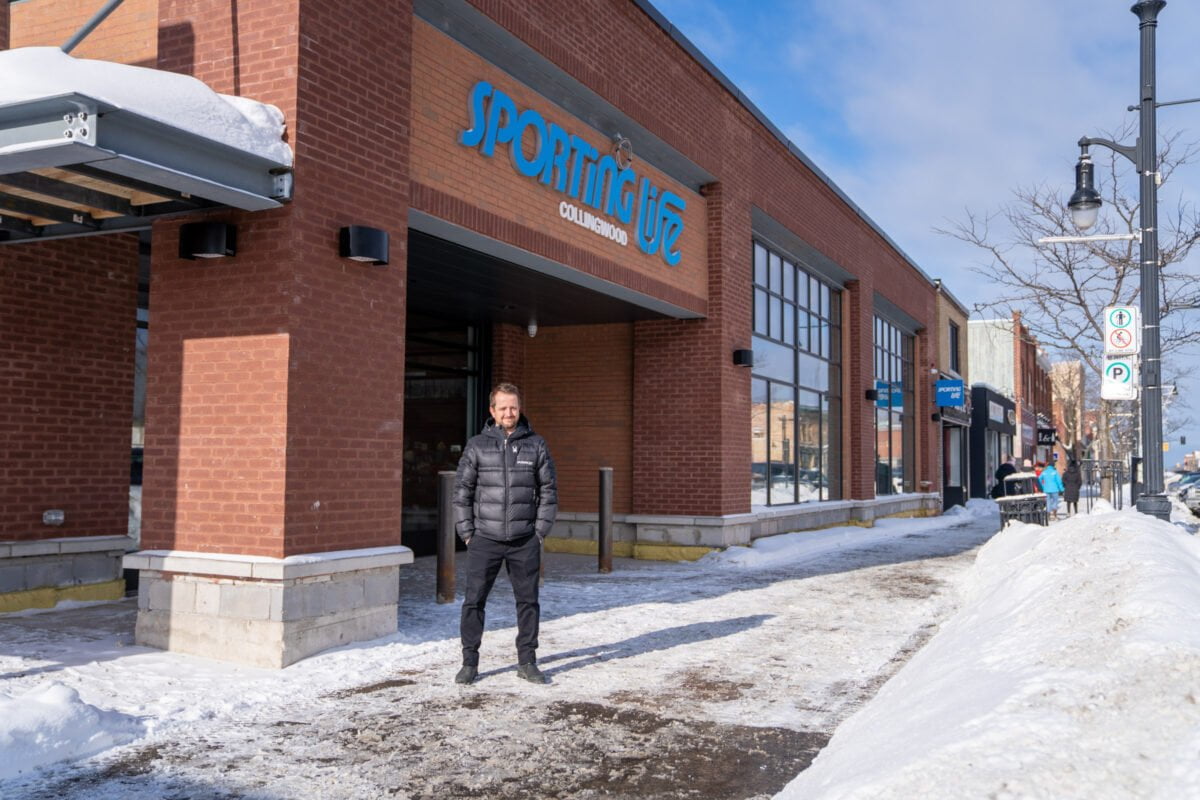
Andy Hotson, Store Manager of Sporting Life in Collingwood (Image: Sporting Life)
“For me with the community being super supportive, our head office, everybody within our company being super supportive, it was just kind of thinking where do we go from here. We will grieve obviously but we’re going to come back better than ever – thinking Sporting Life 2.0 at the time.”
The store originally opened in December 2002 and was the fourth retail location under the Sporting Life banner.
After the fire, a temporary smaller store was established nearby in December 2020 until the new store was rebuilt from the ground up. Construction started for the new store on the original site in the spring of 2021. The new store opened November 20.
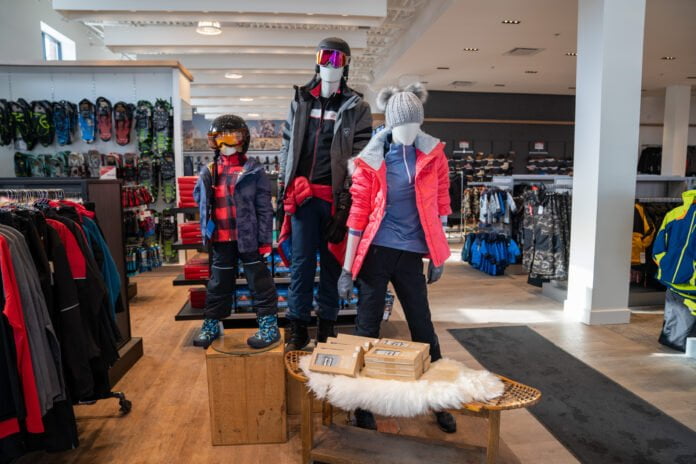
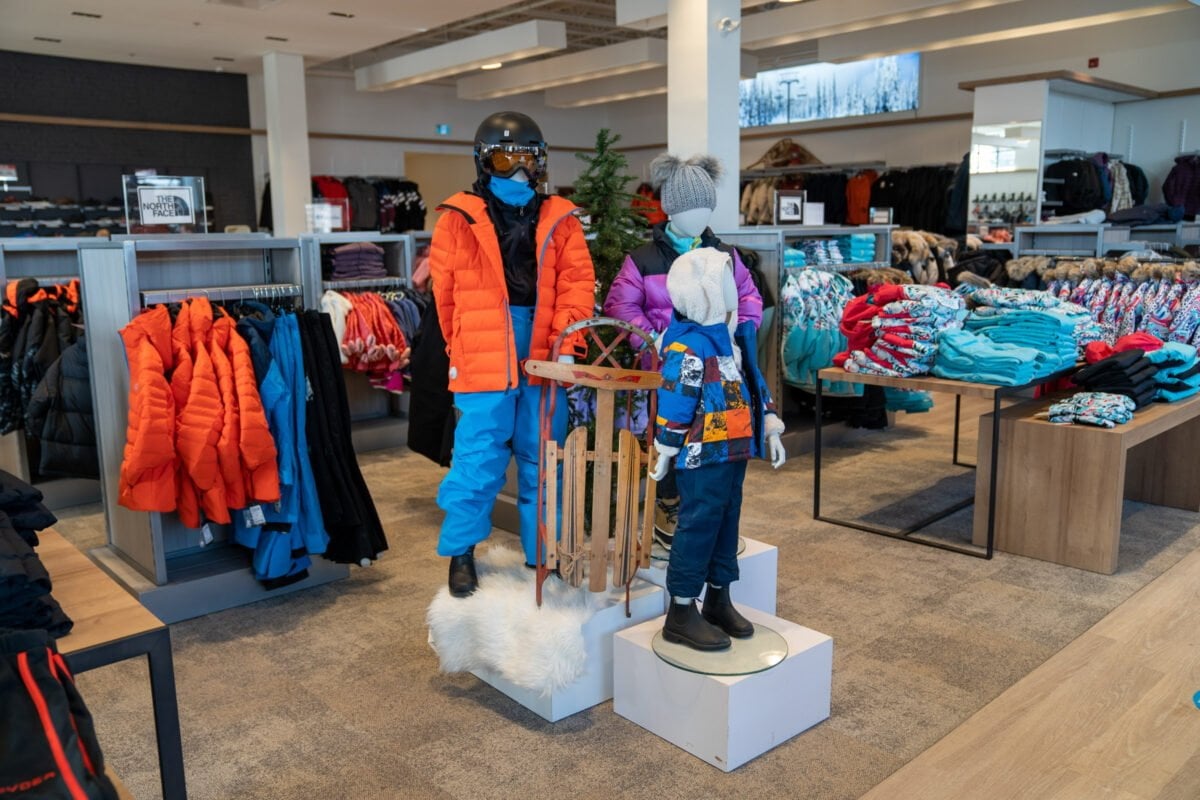
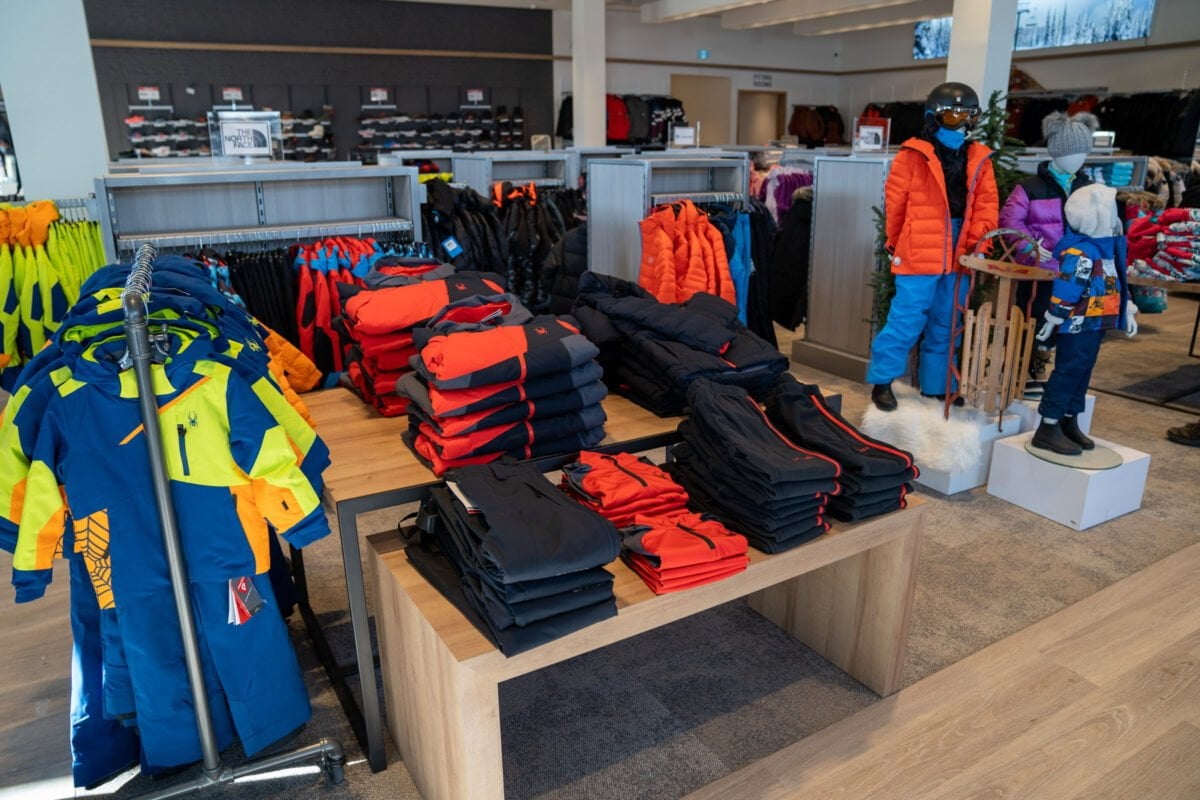
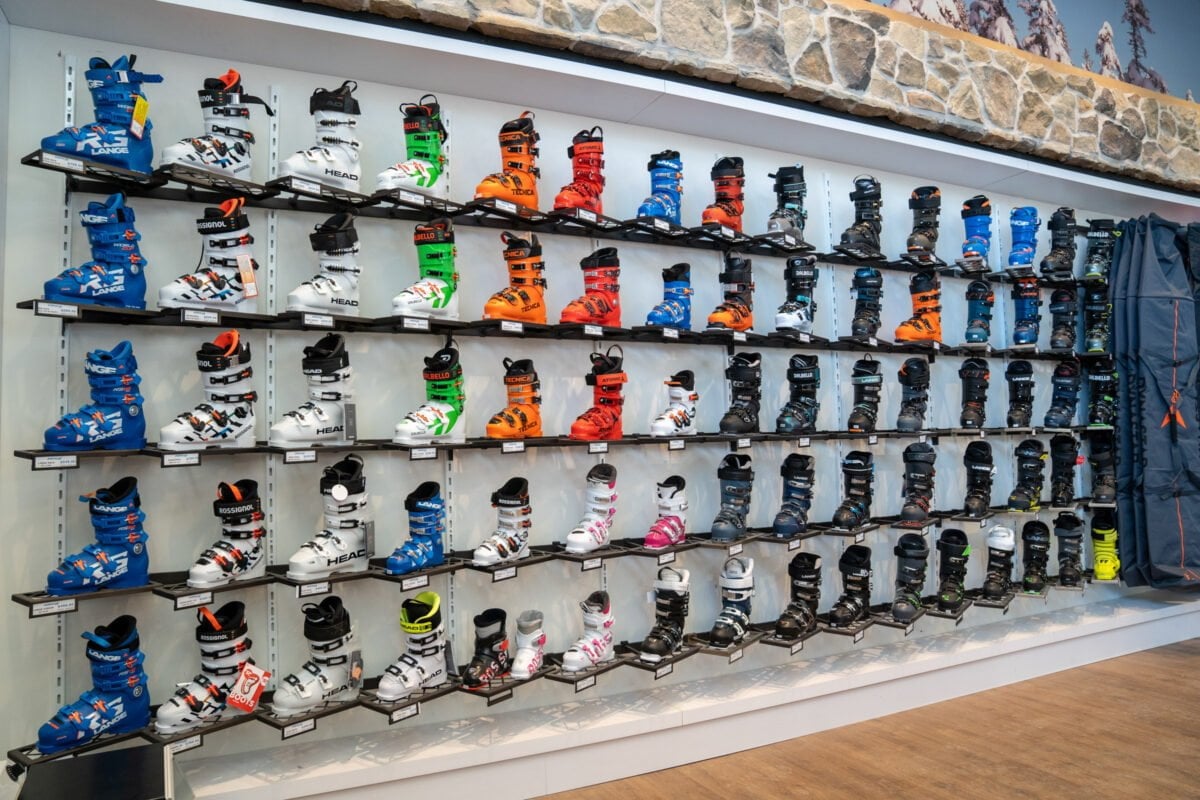
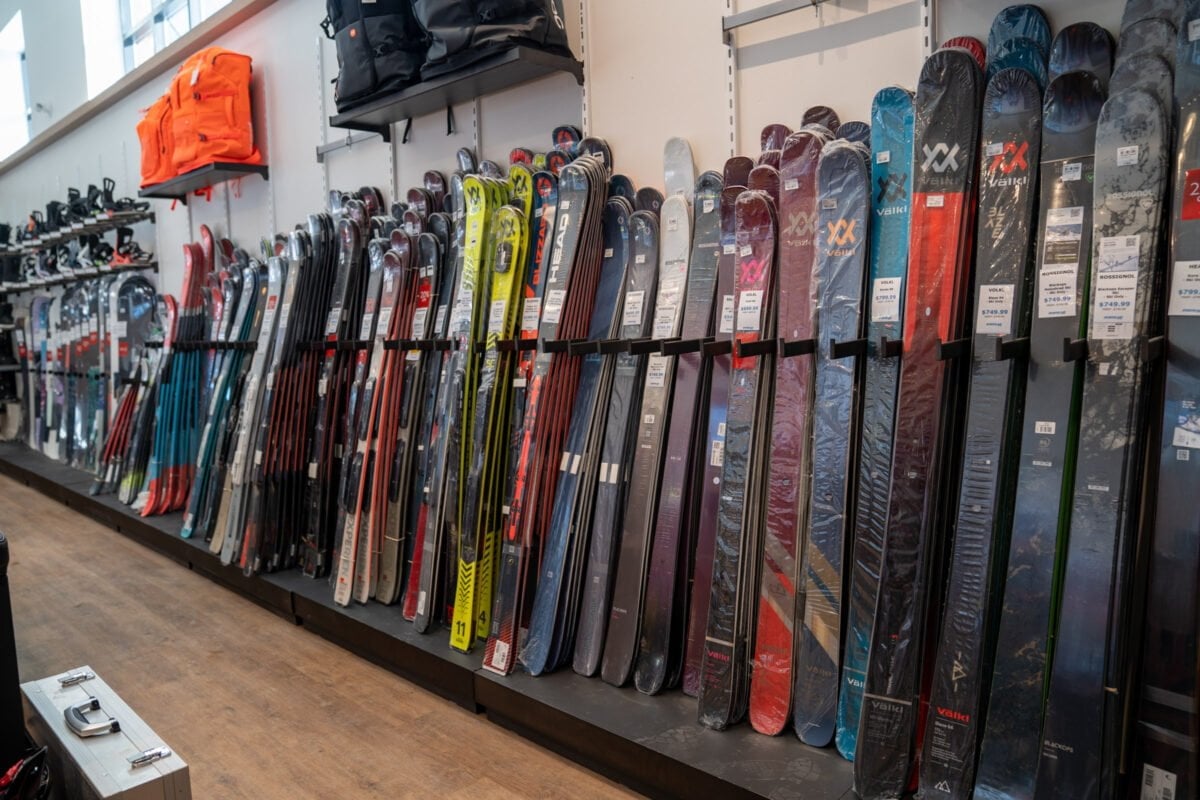
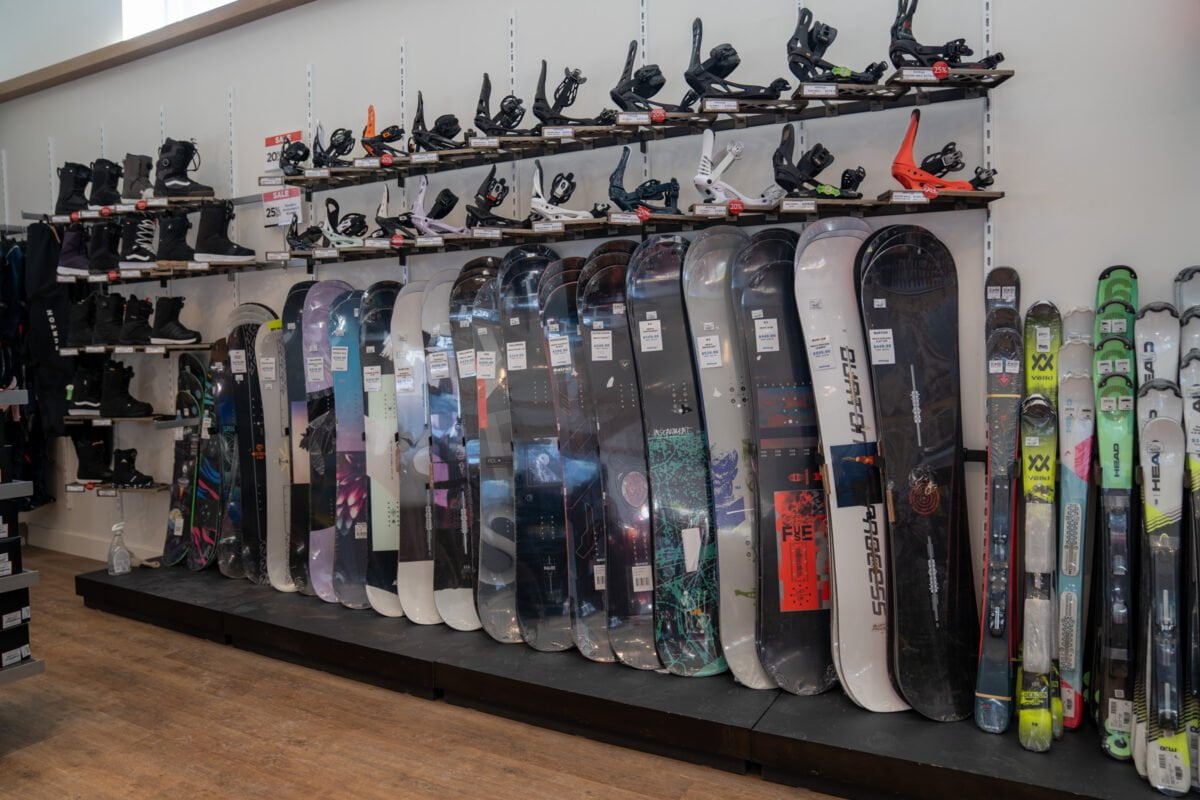
“It’s obviously a brand new building. Better layout. More modern. I think more customer and staff friendly in the sense of being new with new amenities and big open windows, kind of an open concept. But also we are in kind of the downtown of Collingwood and it’s considered an historic area. I think the architecture fits in with the downtown. It’s a great new building but really fits in. Lots of natural light and just a great space,” said Hotson.
Sporting Life Collingwood (Image: Sporting Life)Sporting Life Collingwood (Image: Sporting Life)
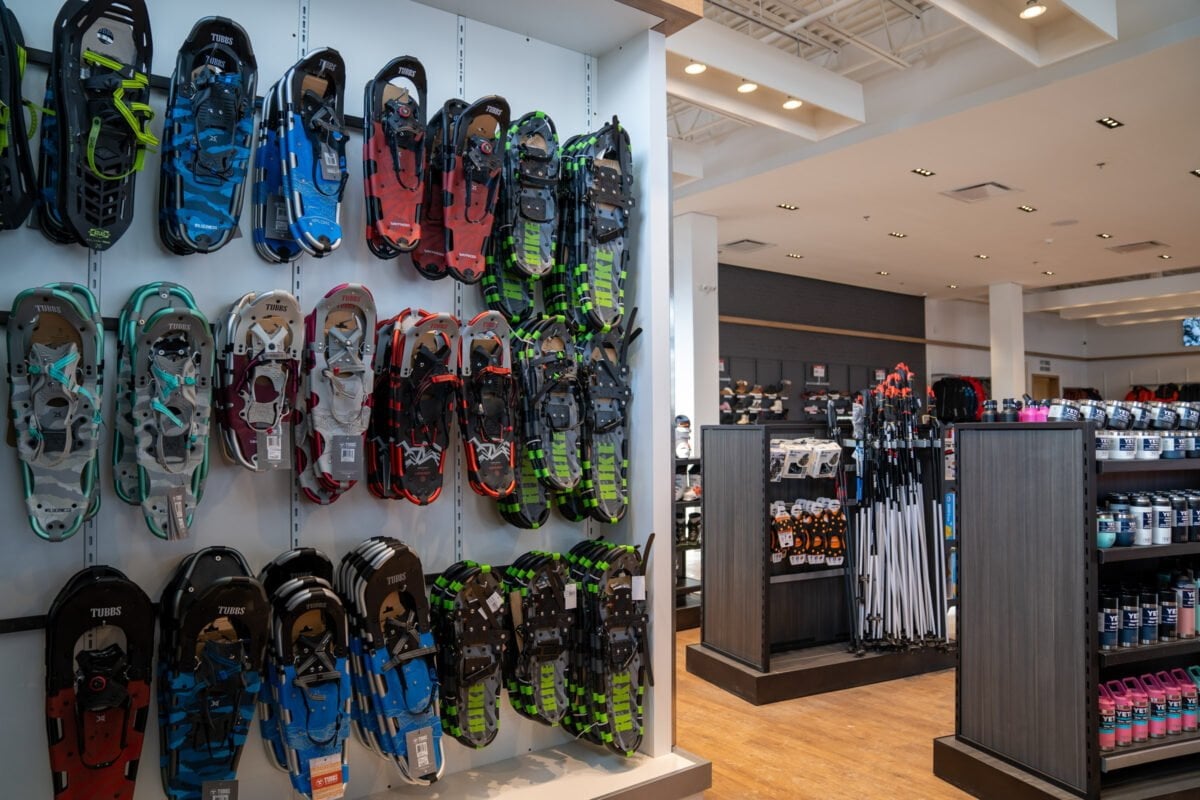
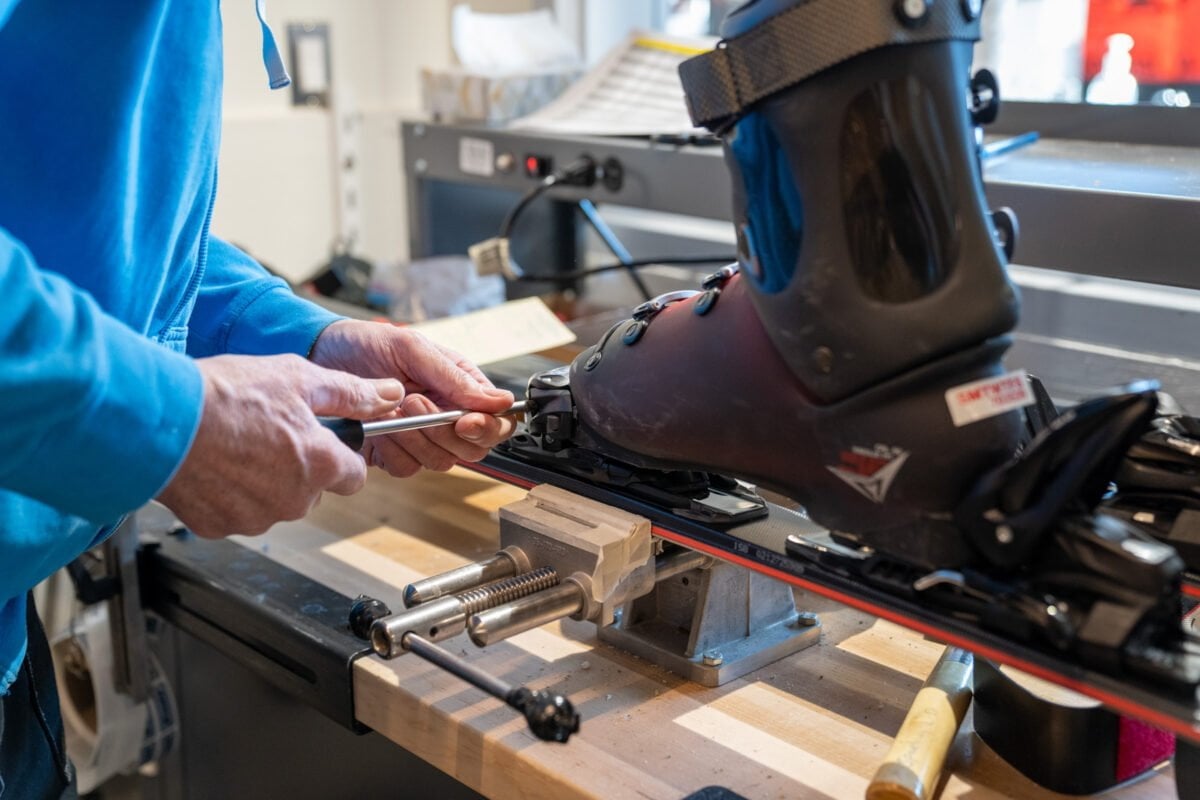
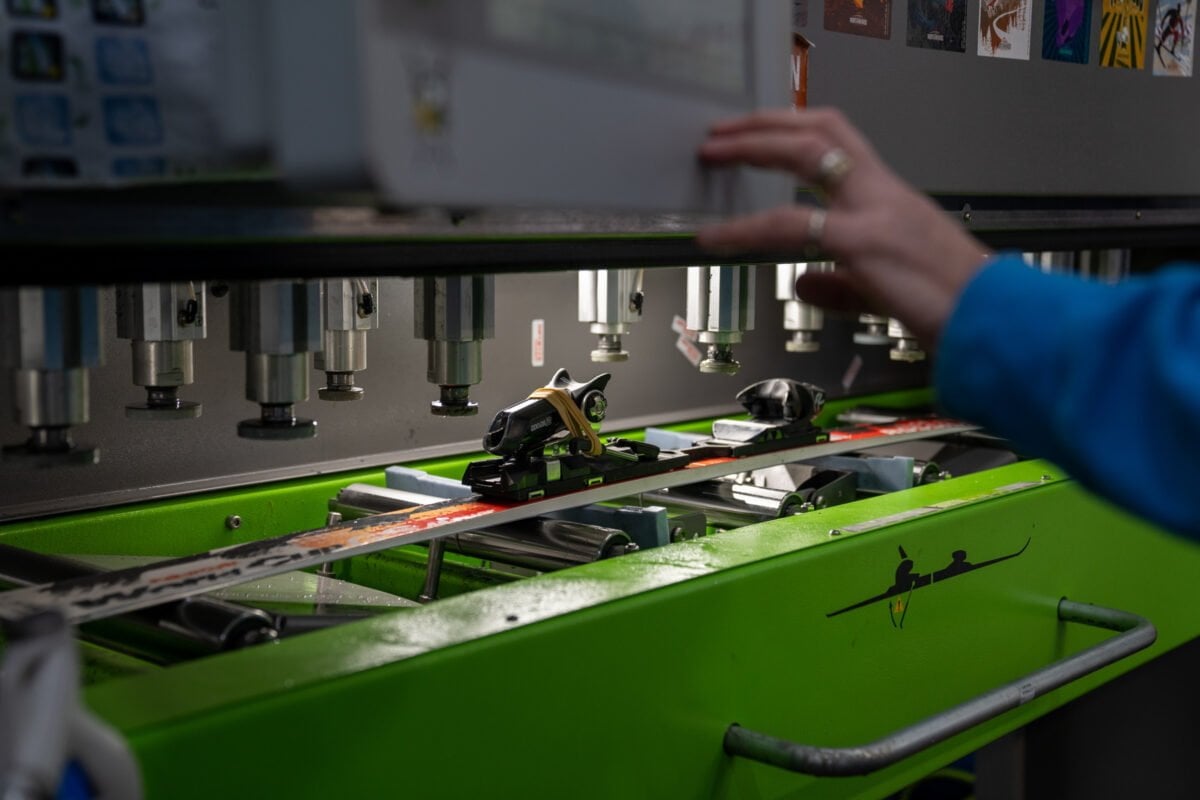
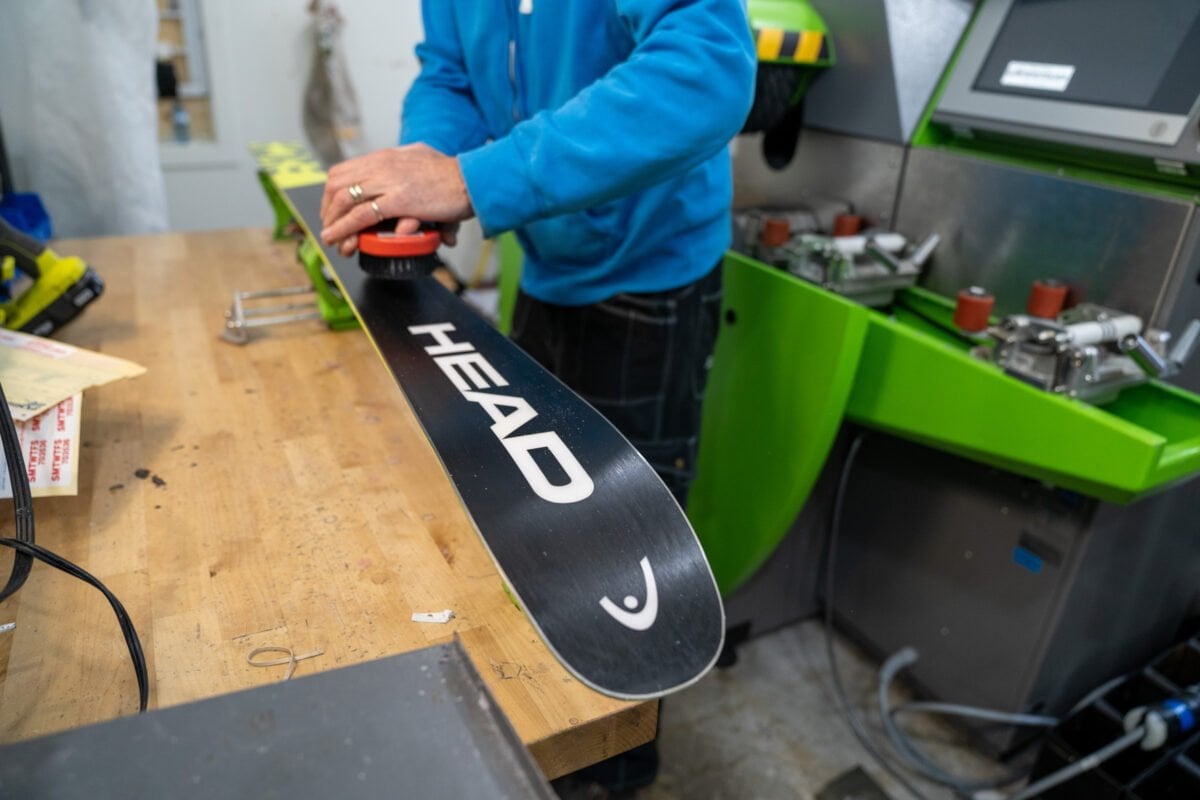
The location is about 10,000 square feet and includes state-of-the-art equipment like the Wintersteiger, used to tune skis.
“The community reach was great. Not only our customers of course but even other local businesses. The Mayor even. Other retailers. Competitors of ours and all of our vendors. All of the people in the community no matter where myself or my staff were going to the grocery store, going out skiing, they would just stop and say ‘we love your store and can’t wait for the new store to open. That’s our store’,” said Hotson.
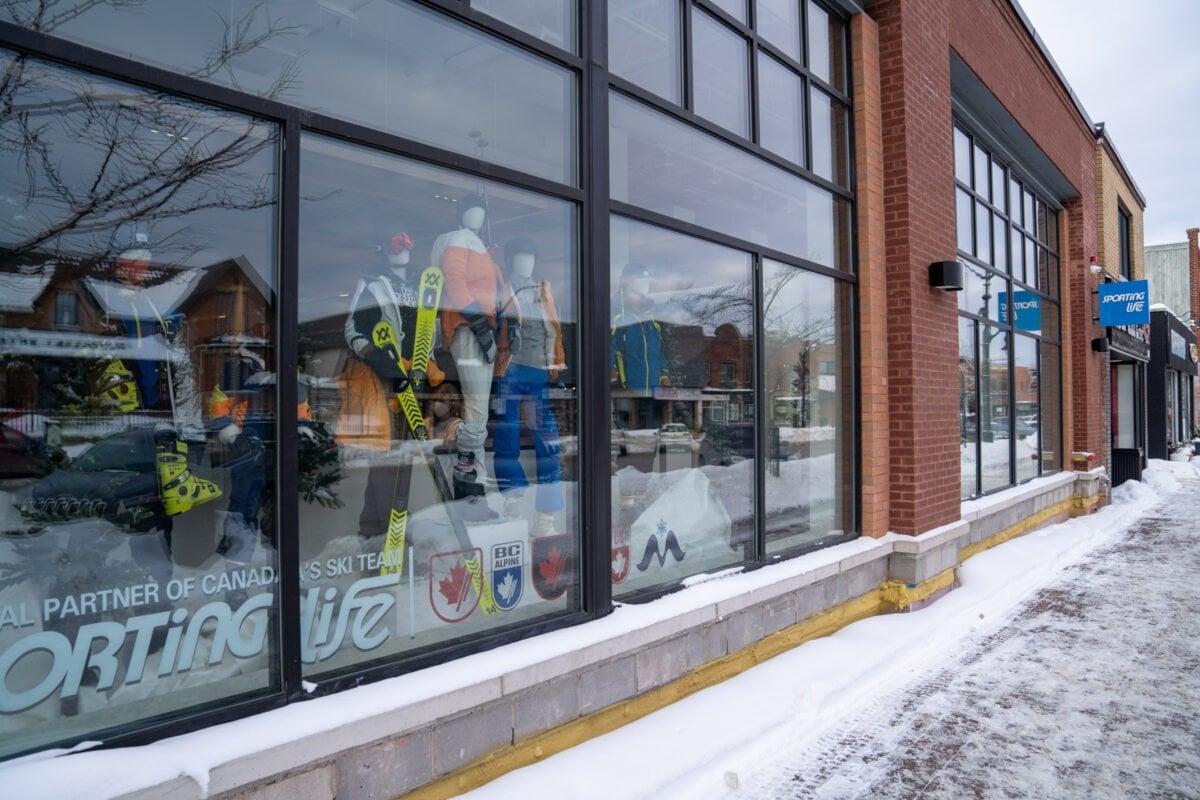
Sporting Life is partners with Alpine Canada, Alpine Ontario and the National Ski Academy, which the brand is celebrating 20 years of partnership since 2002. As partners, the brand provides athlete support from ski tuning and boot fitting to expert advice. It is also Canada’s Ski Team’s trusted source for product, service and advice.
“The Collingwood community didn’t have their Sporting Life to turn to when it burned down,” shared the brand. “But now we’re back and Collingwood has their community’s favourite spot to go to get expert advice and a unique assortment of the latest & greatest premium product. People come to visit to pass the time and talk ski & snow with Sporting Life experts, because there’s this mutual love and passion for the sport.”
Howard Israelsohn, Chief of Staff for the Sporting Life Group, said the brand has 11 stores across Canada. The general format is bigger than Collingwood with about 30,000 square feet.
“It’s really important for us to be in a place like Collingwood because Sporting Life is all about active outdoor and Collingwood represents that,” he said.
Melanie Auld Jewelry has expanded from its Vancouver base with the opening of a new Toronto boutique on the bustling Ossington Avenue strip.
The new location features on-the-spot piercing, permanent bracelet welding and jewelry engraving along with a wide selection of the brand’s fine and demi-fine jewelry collections.
It also includes the MA Studio which is an in-boutique annex at the back of the store housing a bracelet welding station, a jewelry engraving station and a dedicated piercing room.
Melanie Auld Jewelry Boutique in Toronto (Image: Melanie Auld)
“The MAJ Boutique in Toronto really speaks to what our brand is all about at its core, and that is, jewelry that celebrates personal connections,” said Auld, who founded the brand in 2013.
Melanie Auld
“With MA Studio, we wanted to create the perfect place to mark life’s special moments, giving our customers the opportunity to honour and celebrate their own experiences.”
Auld had been previously working in jewelry with her brand in the US prior to starting MAJ. The first brick and mortar store was opened in Vancouver in June 2019. The location remains in the South Granville area on West 6th Avenue. Prior to that, jewelry was sold online and sold throughout various retailers such as Nordstrom.
“Initially we started out doing wholesale and with our own e-commerce site,” she said.
Melanie Auld Jewelry Boutique in Toronto (Image: Melanie Auld)
“Originally when I started the brand it was more of like an artistic, creative outlet and we would sell to lots of specialty boutiques and retailers and we really followed that typical fashion calendar where you had collections every spring and fall. Going to trade shows. Trying to get new accounts. But over time we connected more to our customer, and actually we started a collection with Jillian Harris and it was called our Adorned collection, it was all about initials and telling your story. That led us down this path of personalized pieces and seeing how it resonated with our customers and how much they connected in being able to personalize their own piece and have so much meaning behind what they were wearing . . . it actually started us down what I would say now is our path.”
Auld said the brand decided not to continue its wholesale side of the business in order to connect to its customer more closely and to be able to offer them the more personalized jewelry experience.
“It just felt it wasn’t conducive to wholesale any longer as we were getting more into connecting our customer to their jewelry in a very personalized way,” she said. “After we opened our boutique in 2019, and being able to have that physical presence, and having our customer be able to come in, it was very eye opening having that direct relationship with them. It was the following year we decided to no longer offer our jewelry to wholesale.”
Auld said the brand’s business has done really well throughout the pandemic. Vancouver and Toronto are the brand’s leading markets online and customers from Toronto were constantly asking when a physical store would open in their city. For Auld, it just felt like the next step to take in the company’s growth.
Melanie Auld Jewelry Boutique in Toronto (Image: Melanie Auld)
“Right before COVID took hold in February 2020 we went to look at a few different areas in Toronto. In Vancouver, we have quite a neighbourhood community kind of feel. We’re a little bit off the beaten path. Not necessarily on a high foot traffic street,” she said. “And we really wanted to make sure that in Toronto we had the same feel with potentially higher foot traffic. But the same feel of it being like a community because our brand is so much about connections to people, places and things.
“It was really important that we found a community that felt like there was energy and there’s so many amazing restaurants, independently owned boutiques, and it felt like a really good synergy for us in Ossington.”
The brand is currently renovating another space in Vancouver on 4th Avenue in Kitsilano with a planned opening this summer. The new store will also have an MA Studio like the Toronto store.
“Our plan is to keep our 6th Avenue store open by appointment only and be more like a personal shopping fine jewelry experience there,” said Auld.
Lack of Talent Causing Retail Staffing and Employment Conundrum in Canada: Interview
Circumstances that have pervaded over the course of the past couple of years, since the onset of the pandemic, have challenged humanity worldwide, providing us all with a host of hardships, inconveniences, disruptions and obstacles to overcome. It’s a period that’s been mired in uncertainty and disarray, resulting in a tumult that’s been felt by everyone, everywhere. Within the retail industry, the impacts of the COVID-19 virus have been far-reaching, negatively effecting numerous aspects of the business. With respect to store operations, these negative effects have been most dramatically emphasized by a labour and staffing crisis that’s only now, it seems, beginning to ease, with a recent surge in hires within the Canadian economy and subsequent decrease in unemployment. Despite this positive trajectory, however, there remains a sense of dubiousness within the retail sector. And it’s a dubiousness, according to President of Best Retail Careers International Inc. and retail staffing expert, Suzanne Sears, that’s rooted in challenges that extend beyond retailers’ struggles to simply fill roles within their organizations.
“The number of new hires that were recorded in Canada throughout the months of November and December were completely off the charts,” says Sears. “There was a number of them back in November as a direct result of an increasing comfort among the general public. People were becoming much more confident in their ability to safely head back out into public spaces, malls and other venues, as well as in returning back to the workplace. There’s a growing assurance among people because of the high rates of vaccinations in the country. They feel safer knowing that most people around them have been double vaccinated. Even after the spike in Omicron cases, that assurance continues to grow. This, combined with the fact that pent-up savings among consumers, who have greater access to product than services, are making purchases. This has created demand for work in warehousing, shipping, supply chain, buying, stores, e-commerce, and right on through the entire operation. When there’s a surge in business, more people are needed to process the orders. However, with so many new hires, are these roles being filled with the right talent?”
Shortage of appropriate skills
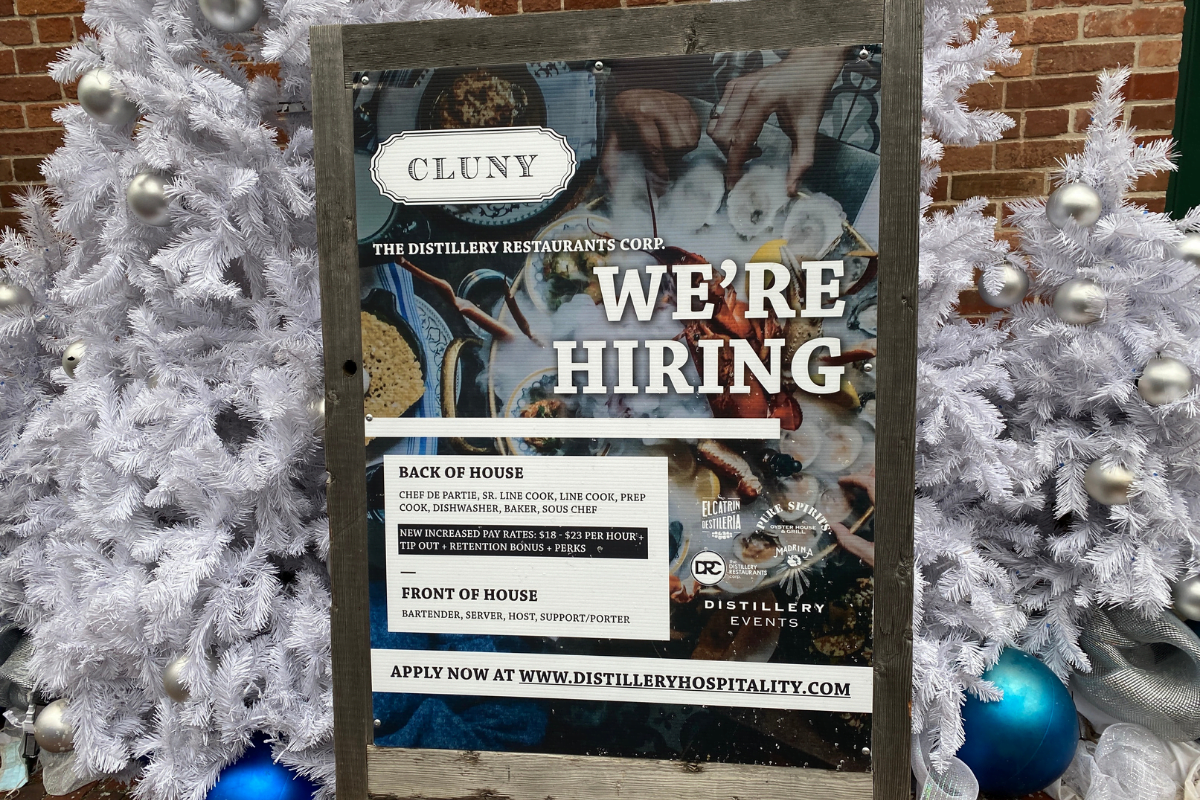
Cluny Hiring Sign in the Distillery District (Photo: Dustin Fuhs)
Recent data released within Statistics Canada’s Labour Force Survey reveals that an astounding 154,000 jobs were added to the country’s economy in November, far exceeding the 38,000 additions that were expected. In December, a further 55,000 new hires were recorded, leading to an unemployment rate of 5.9 percent and a near return to pre-pandemic levels. In addition, the survey finds that nearly all of the gains in employment were made in Ontario and Saskatchewan, with a distinct rise in full-time employment and subsequent decrease in part-time work. It’s a trend that is, as Sears points out, driven primarily by an uptick in consumer demand. However, it’s also representative of retailers’ need to now fill positions that were vacated as a consequence of the pandemic and associated mass lockdowns. And, adds the retail staffing expert, much of that need is showing up in skilled management positions.
“Since the start of the pandemic, there have obviously been a number of people who have dropped out of the workforce,” she recognizes. “Many have made the decision to retire. And others have found fruitful side gigs that they’re happy with. This has created more vacancies than retailers have ever seen, creating more opportunities in senior positions than could ever have been expected prior to COVID-19. However, the real need is in the middle of the organization within positions that require a high degree of skill and expertise and a real knowledge of the industry and the ways in which retail ticks. As a result, many organizations are finding that the pool of available talent to draw from to fill the vacancies has nearly been decimated. When there was a surplus of talent, which wasn’t that long ago, most organizations wanted to steal the top performers from other organizations. It allowed them to onboard people and get them to hit the ground running with minimal training. Today, they’re finding that they need to hire the people who simply want the job, hoping that they have relevant experience and skills that are close to what they’re looking for, and that they’re teachable.”
Store level stresses
Sears goes on to explain that as a result of retailers’ inability to attract the appropriate talent to their organizations, many are realizing that a substantial amount of training is being required to onboard most new hires. In some cases, drawing from a diluted talent pool means training from the ground up. It’s a reality that’s forcing many within the industry to at least start to reassess and enhance their current onboarding strategies and processes and the personnel within their organizations who can adequately transfer and impart the necessary information new hires require in order to perform and excel at their jobs. It’s something that, according to Sears, is placing a great deal of stress on many retailers and other businesses, causing a ripple effect through the entire organization, as the employment and talent landscape continues to evolve.
“If you just look at street level retail and individual store locations, there is suddenly an enormous amount of stress placed on retail managers,” she asserts. “They are typically not equipped to be trainers. It’s not part of their job and hasn’t been for decades. So, the pressures involved in their day-to-day activities are multiplied. Then, when you move up the chain to the district managers, they’re being torn to shreds because they’re the ones that are supposed to be providing the leadership for the store managers. How is anyone expected to execute an effective and accurate performance review when more than half of the retail staff aren’t adequately trained? And in many cases, it all leads back to the human resources departments which have traditionally not done a very good job of exploring and investing in training programs that address anything beyond running the cash register. And, when you consider issues like diversity and mental health, training has become a big umbrella that most HR departments just aren’t equipped to handle – something that’s been highlighted by our current shortage of talent.”
Greater emphasis on training and development
It’s a situation that, as Sears explains, impacts the entire organization, restricting their ability to grow and innovate. However, she also points out that perhaps the most detrimental effect that a dissatisfactory onboarding and training program has on any retailer is reflected in the levels of service that their staff have been enabled to provide. And, given the amount of focus that’s been paid by the industry over the course of the past number of years on developing ecommerce capabilities and digital service, a focus that’s only intensified throughout the pandemic period, it may be time for many within the industry to shift their attention to the experience that’s being provided in-store. And then, in order to deliver the exceptional service and experience that customers are increasingly looking for, Sears suggests that organizations conduct a formal review of the value that their brands place on training.
“Consumers have generally been giving retailers a pass for poor service of late because of COVID-19. But that won’t last forever. Soon, people will start to vote with their feet. Retail has always been about customer service. Most retailers and brands profess to know this and to be able to deliver an exceptional experience. But, the fact of the matter is that most don’t. Going forward, customer service is going to serve as an even greater differentiator for brands than ever before. And those who realize this will be those that will quickly separate themselves from their competitors. In order to create that separation, they need to hire more, hire sooner, hire faster and provide all new hires with a minimum 30-day classroom-level training program. In addition, they need to do a much better job of mentoring talent within their organizations to enable their employees for success. In short, they need to put much more emphasis on training and developing their talent as quickly and effectively as possible, viewing it as the most meaningful investment that they can make with respect to the future and continued growth of their brands.”
Retail Insider is streamlining its Canadian retail news from around the web to include a handful of top news stories that can be viewed quickly during the day. Here are the top stories from the past 24 hours.
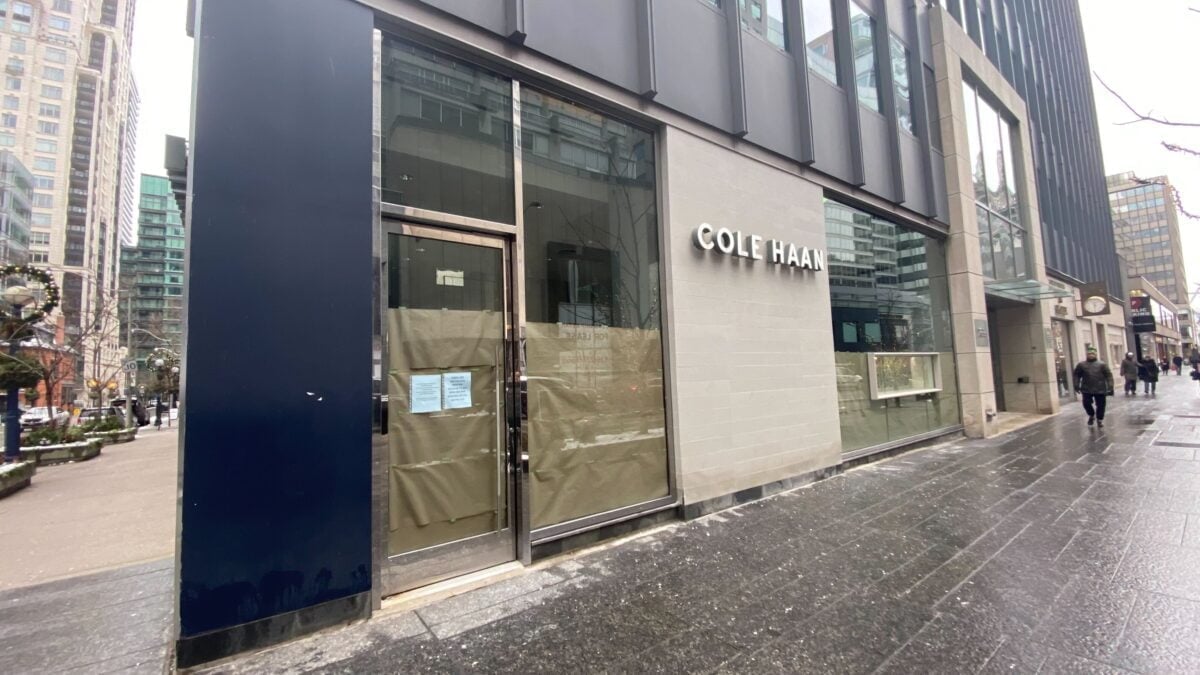
A large Rolex store will be replacing Cole Haan on Bloor Street in Toronto according to sources. The store will be operated by Royal de Versailles jewellers and could become one of the largest Rolex stores in North America when it opens.
Rolex will occupy the corner retail space of 101 Bloor Street West, located at the southwest corner of Bloor and St. Thomas Streets. The building which includes an office tower also contains multi-brand jewellery retailer Royal de Versailles which currently operates a 700 square foot Rolex boutique space with a small facade and signage on Bloor Street.
That presence for Rolex will expand substantially this year with the new standalone corner store by Royal de Versailles which will be a welcome addition to the rapidly changing Bloor Street retail offering.
Rolex will occupy about 1,850 square feet of the former ground floor of the Cole Haan space which spans just over 2,700 square feet. A listing showed a basement level available with over 2,800 square feet of space. DWSV Realty listed the space.
Click for interactive Google MapShuttered Cole Haan on Bloor Street (Photo: Craig Patterson)
Cole Haan shut its only standalone full-priced Canadian store just before Christmas, and the space has been cleared out in anticipation of construction for the new tenant. Cole Haan opened on Bloor Street in 1991 to fanfare along with other US-based brands including Tiffany & Co. and Talbots.
In the immediate area, several developments will change retail on Bloor Street. Urban Toronto recently reported that the row of stores on Bloor across St. Thomas Street from the new Rolex store will be redeveloped with a tall residential tower with over 12,000 square feet of retail space at its base. Across the street, the block including the current Harry Rosen store and 80 Bloor W. office tower will also see a significant tower development that has been approved.
Bloor Street has seen several recent changes on its luxury stretch between Bay Street and Avenue Road. The Zegna store, operated in partnership with Harry Rosen, shut in December after operating for about 2.5 years at 100 Bloor Street West next to Hermes. Other new retailers opening on Bloor Street this year include Lafayette 148 at 130 Bloor Street West (negotiated by DWSV Realty representing both the landlord and tenant) as well as Anne Fontaine and Paris Baguette at 110 Bloor Street West. More negotiations are said to be underway and Retail Insider will follow these stories.
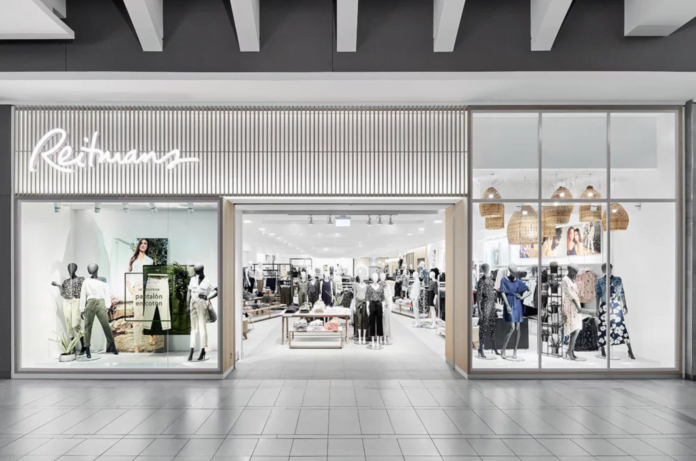
Reitmans' New CF Carrefour Laval boutique. Photo: Reitmans
Canadian retail giant Reitmans recently announced it has emerged from its restructuring proceedings through the Companies’ Creditors Arrangement Act and its President Stephen Reitman said he’s confident that its brands (Reitmans, Penningtons and RW&Co.) will flourish.
“We now begin a new chapter in our company’s almost 100-year history,” wrote Reitman in a publicly-released letter. “We remain a proudly owned and operated Canadian company, committed to serving millions of people across this country.”
Reitmans had filed for creditors’ protection on May 19, 2020.
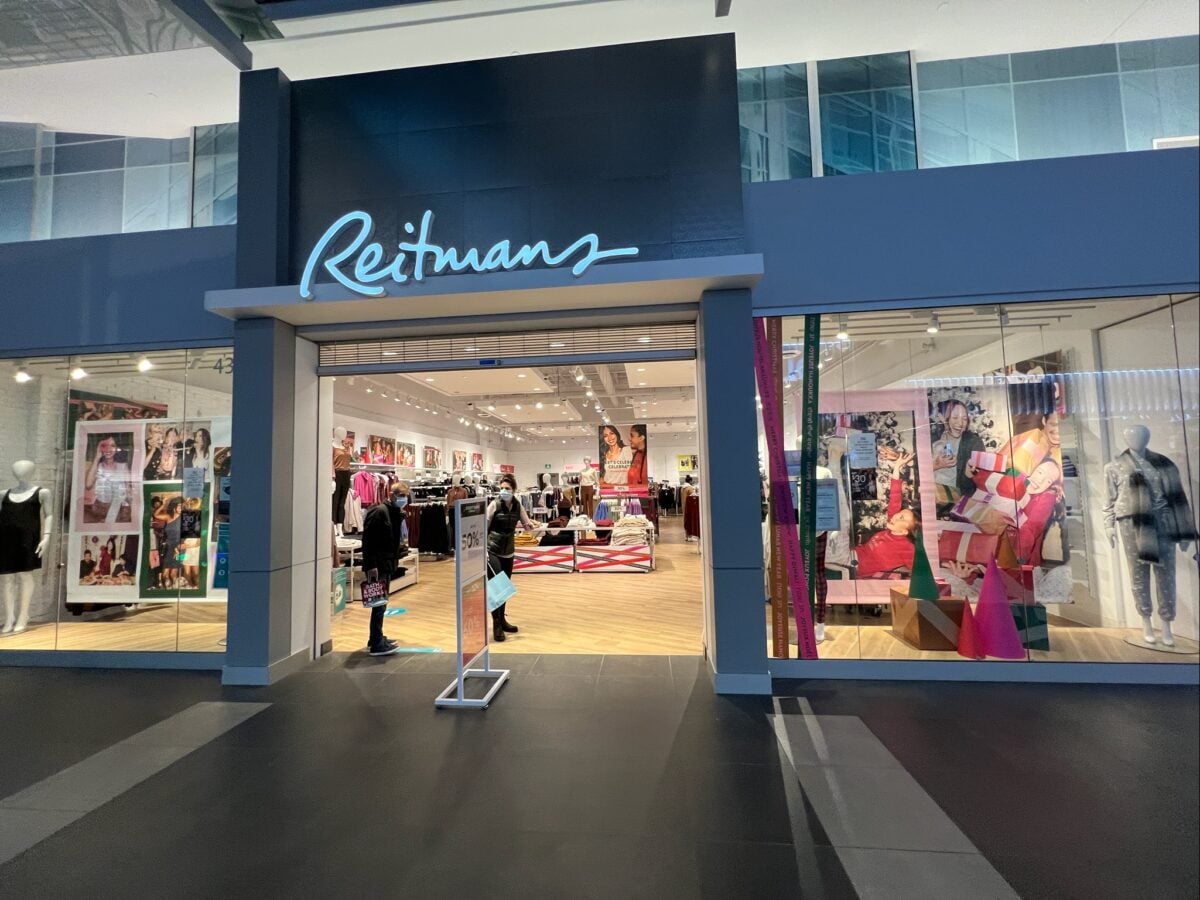
Reitman’s at Tsawwassen Mills in Delta, BC (December 2021). Photo: Lee Rivett.
Stephen F. Reitman
In a recent news release, the retailer said it has paid to the Monitor appointed under the CCAA process, Ernst & Young Inc., the aggregate amount of $95 million with the Plan of Arrangement. It also announced it had entered into a senior secured asset-based revolving facility of up to $115 million with Bank of Montreal.
“The Credit Facility has a term of three years. Funds advanced under the Credit Facility will be used, among other things, to finance the amounts payable under the Plan of Arrangement and to fund Reitmans’ working capital needs and for its ongoing general corporate purposes, including new store openings and renovations,” said the retailer.
“As many of you know, Reitmans (Canada) Limited has been a family-run business based in Montreal for over ninety years,” wrote Stephen Reitman. “During this time, our organization has confronted difficulties and experienced great success. I have always been extremely proud of how our employees and leadership team have handled these ups and downs, and the resilience they have demonstrated.
“Nothing could have prepared us for the challenges we faced in the beginning of 2020.
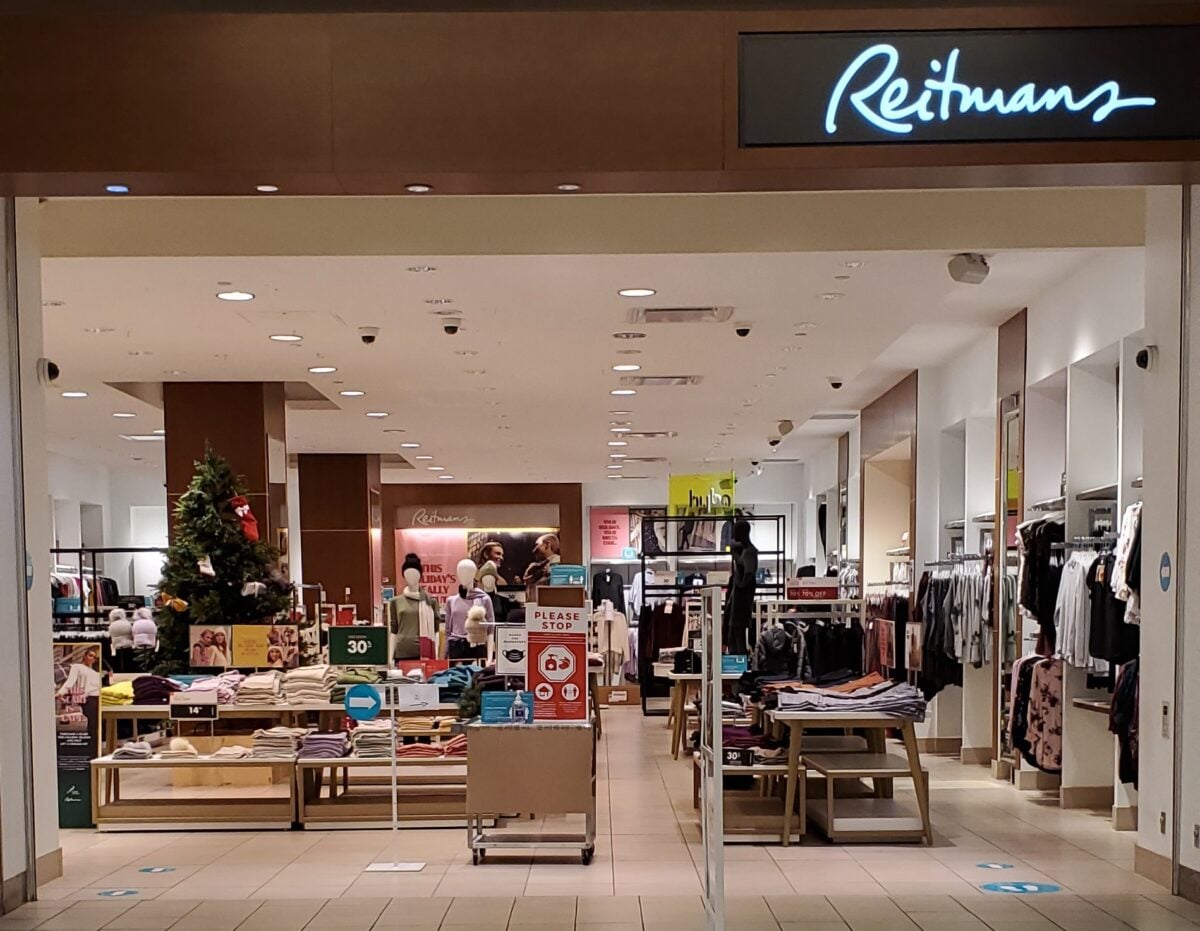
Reitmans at Metrotown – Photo by Geetanjali Sharma
“With the start of the pandemic and the temporary closing of all 575 of our retail stores in March, we became completely reliant on our e-commerce business. It became clear that we would have to change our business model due to the uncertainty of when our stores would reopen. On May 29, 2020 we entered the Companies’ Creditor Arrangement Act (CCAA) in order to restructure the company and modify our work methods and processes. We were forced to close two beloved brands, Thyme Maternity and Addition Elle, and we made the painful decision to let go many dedicated and hard-working employees.”
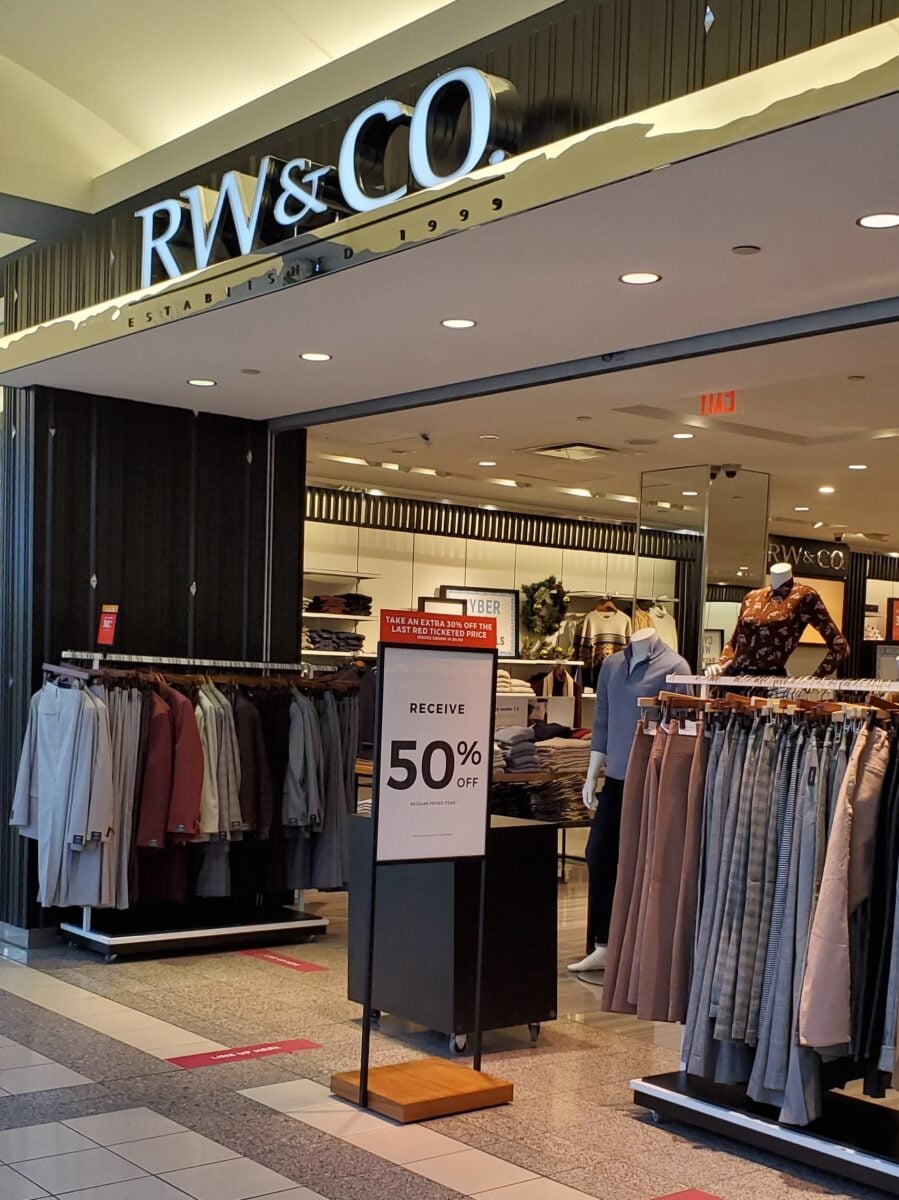
In its latest press release, the retailer said it operates 412 stores consisting of 241 Reitmans, 93 Penningtons and 78 RW&CO.
In December, the company released its financial results for the third quarter of its fiscal 2022, ending October 30.
Sales for the third quarter of 2022 increased by $14.8 million, or 9.1 per cent, to $178.2 million, primarily due to an increase in store traffic and number of transactions, as customers transitioned back to a “brick and mortar” shopping experience, it said.
RW&CO at Metrotown – Photo by Geetanjali Sharma
Gross profit for the third quarter of 2022 increased $19.8 million to $101.4 million as compared with $81.6 million for the third quarter of 2021. Gross profit as a percentage of sales for the third quarter of 2022 increased to 56.9 per cent from 49.9 per cent for the third quarter of 2021.
“The increase both in gross profit and as a percentage of sales is primarily attributable to lower markdowns and promotional activity in the third quarter of 2022 combined with a favourable foreign exchange impact on U.S. dollar denominated purchases included in cost of goods sold, partially offset by higher merchandise freight costs as the global shipping industry disruption required an increased usage of air freight shipments to meet customer demand,” said the retailer.
In his letter Stephen Reitman said: “When I reflect upon our experiences over the last 22 months, I am struck by the number of people, both within and outside of our organization, who enabled us to emerge successfully from CCAA, and who have supported us during this most difficult time.
“While the uncertainty of Covid-19 may continue, I am confident that Reitmans (Canada) Limited and our brands, Reitmans, Penningtons and RW&CO., will flourish. I look to the future with hope and optimism for us all, our partners and our valued customers.”
Metro on Front Street in Downtown Toronto (Image: Dustin Fuhs)
In many parts of the country, Canadians are now reporting a growing number of empty grocery store shelves. It’s happening here, in the United States, and in many other parts of the industrialized world; it’s not just a Canadian phenomenon.
Before Omicron, empty shelves were already visible, but few noticed. They were sporadic in the fall as supply chain woes continued, and our food industry was essentially experiencing supply chain fatigue. After many months of dealing with public health protocols, labour issues, and higher input costs (which tends to create more tension across the supply chain), something had to give.
But due to its viral viciousness, Omicron just made matters worse. Most food companies, from farm to store, have been operating with 20 to 30 percent fewer people available to handle the work. And most of the time, the labour involves perishable goods. For many farmers, processors and retailers, waiting is just not an option.
The storyline for January 2022 at the grocery store is not the same as it was in March 2020. Far from it. Most concerningly, supply chain issues are the driving factor behind food shortages and rising costs—not consumer demand. Shortages of both toilet paper and food were the result of consumer panic coupled with a collapsing food service industry. This time around, supply chain challenges are Omicron, the winter weather, and (of course) public health measures at the border, which may have compromised its fluidity.
Nevertheless, while Omicron was a “gut punch” to the food industry, vaccine mandates for truckers are robbing the industry of the oxygen it desperately needs right now.
Canadians are likely underappreciating how the border is so critical to North America’s food security. Whether you are for or against global trade, Canada has an unforgiving northern climate, along with a moderate population size living in one of the world’s largest geographic areas. Unless a sector builds a significant competitive advantage, and some have, it is difficult to produce food in Canada while keeping affordability for consumers in check. The vaccine mandate disqualified anywhere between 8,000 to 16,000 Canadian truckers from crossing the border; on the American side, about 125,000 drivers. With such a high absence of people, food access will undoubtedly become an issue.
Additionally, if food continues to cross the border, and it probably will, expect that food to be more costly. To motivate truckers to cover the Canadian market will likely come at a price. Reports suggest that getting a truck to cover the Canadian market is 25% more expensive compared to just a few days ago. Higher logistical costs, like anything else involving the supply chain, will catch up to consumers. That’s the reality of supply chain economics. And with fewer people driving around, major buyers will be prioritized over smaller ones. Many processors will have a harder time getting the ingredients they need to manufacturer the food we buy every day, on both sides of the border.
With food distribution, short-sighted government interference can generate market failures, more disruptions and, yes, more empty shelves at the grocery store.
However, the food industry has been able to deal with a lot over the past several decades. The pandemic has been nothing if not challenging, but it has continued to execute and deliver the goods, despite some government-level lack of forethought. The regulatory environment has always been a pain for the food industry, and always will be. The pandemic is no different. Canadians should not underestimate how resilient our food industry is. Consumers may not always find what they want at times, but they will always find what they need at the grocery store. This is due to the work and effort of companies, and people willing to deal with whatever is thrown at them.
Now, a trucker convoy against vaccine mandates at the border has raised almost $800,000. The convoy will continue into next week. It blames news outlets for the collective “COVID-19 hysteria”, as it’s called. Truckers have every right to protest, but transporting goods is what we need them to do. The convoy itself is not likely to make much of a difference.
Meanwhile, Canadian consumers should know they will be fine. Operations across the supply chain are incredibly choppy right now, but they will continue to find what they need, albeit with fewer choices. Some of the choppiness is policy-induced, but it is what it is. Still, expecting perfection at the grocery store for the next little while would be unreasonable.