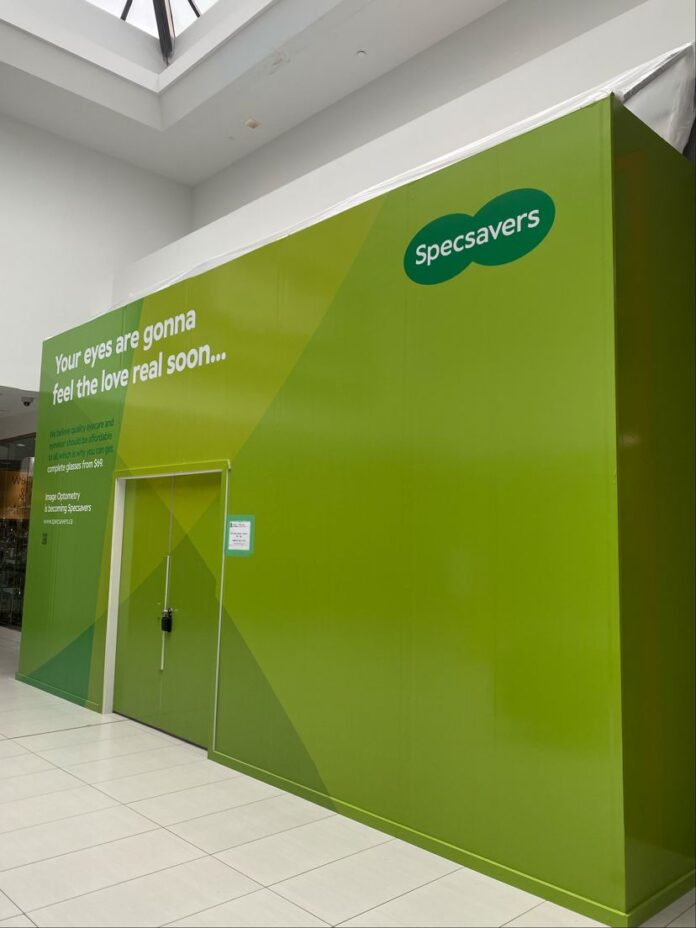
There are currently 12 Specsavers locations operating in the province of British Columbia:
Chilliwack (Cottonwood)
Coquitlam (Coquitlam Centre)
Delta (Scottsdale)
Vancouver (Dunbar)
Vancouver (Kingsway)
Vancouver (Kitsilano)
Langley (Willowbrook Mall)
Surrey (Guildford Town Centre)
Kelowna (Orchard Park)
Burnaby (Lougheed Mall)
Nanaimo (Woodgrove)
Abbotsford (Sevenoaks)
Specsavers was founded nearly 40 years ago in the U.K. by optometrist husband and wife team, Doug and Mary Perkins, who set out to provide best-value, quality eyecare to everybody. There are now more than 2,300 Specsavers locations serving 41 million patients and customers in the U.K., the Republic of Ireland, the Netherlands, Sweden, Norway, Denmark, Finland, Spain, Australia, and New Zealand – and now Canada.
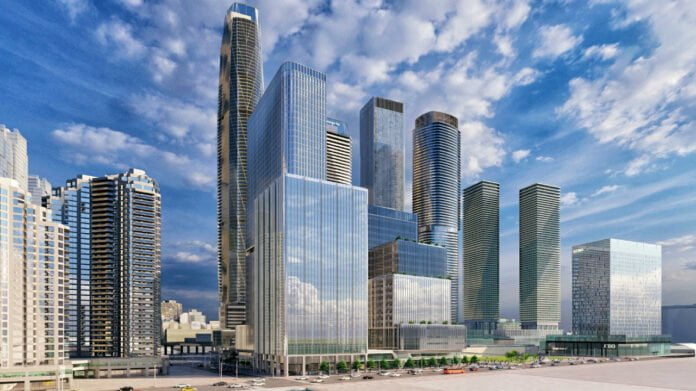
Pinnacle One Yonge Commercial (Image via Hariri Pontarini Architects)
UrbanToronto has launched a new database of developments in the Greater Toronto Area.
If you’re looking to track real estate development in the GTA, this new database service is for anyone interested in development, planning and scouting for new locations.
Edward Skira, President/Co-Publisher of UrbanToronto.ca, said the website tracks development of all sorts in the GTA.
Edward Skira
“It basically tracks everything from Burlington to Oshawa to Newmarket and everything within Toronto, Mississauga, Brampton and so forth,” he said. “We have our discussion forum. That’s how we started in 2002 and over time we built up a database of all the projects that are happening, all the companies that are attached to the projects and we are also a media site, so we do something like five to seven stories a day. They’re all focused on development one way or the other.
“We do about two million page views a month on UrbanToronto. We do about 300,000 unique visitors a month. We have very strong social numbers. And we have a newsletter with about 6,000 subscribers.”
“(The database) is a brand new addition to our offering,” said Skira. “We are a media company. So we do help with marketing and such. But in the last year or so we’ve become much more of a data driven organization. We have company listings and there’s about 200 subscribers to that. We have a newsletter that’s an industry-focused newsletter and it attracts development and that goes out every morning at 7 a.m. And we have about 130 subscribers to that and that’s a paid newsletter.
CIBC Square (Image: Ivanhoé Cambridge)
“UrbanToronto takes our database of projects and companies and allows subscribers to access it and take all the information on every project and every company and play with the day. So you can slice and dice the data in a million ways. You can track development in a very specific neighbourhood or across the entire GTA and that’s the brand new addition to the company.
“We’re tracking everything from a small townhouse development all the way to CIBC Square which is a massive office complex being constructed downtown right now. Everything within. We track residential, we track hotels, we track industrial, we track retail, we track offices. Every asset class.”
Skira said the database is geared for companies in the business who want to track what’s happening. It could be a developer who has a piece of land that they want to figure out what to do with. The platform has a map where you can draw a radius of a kilometre or four kilometres around that location and pull all the information about everything that is happening in that area.
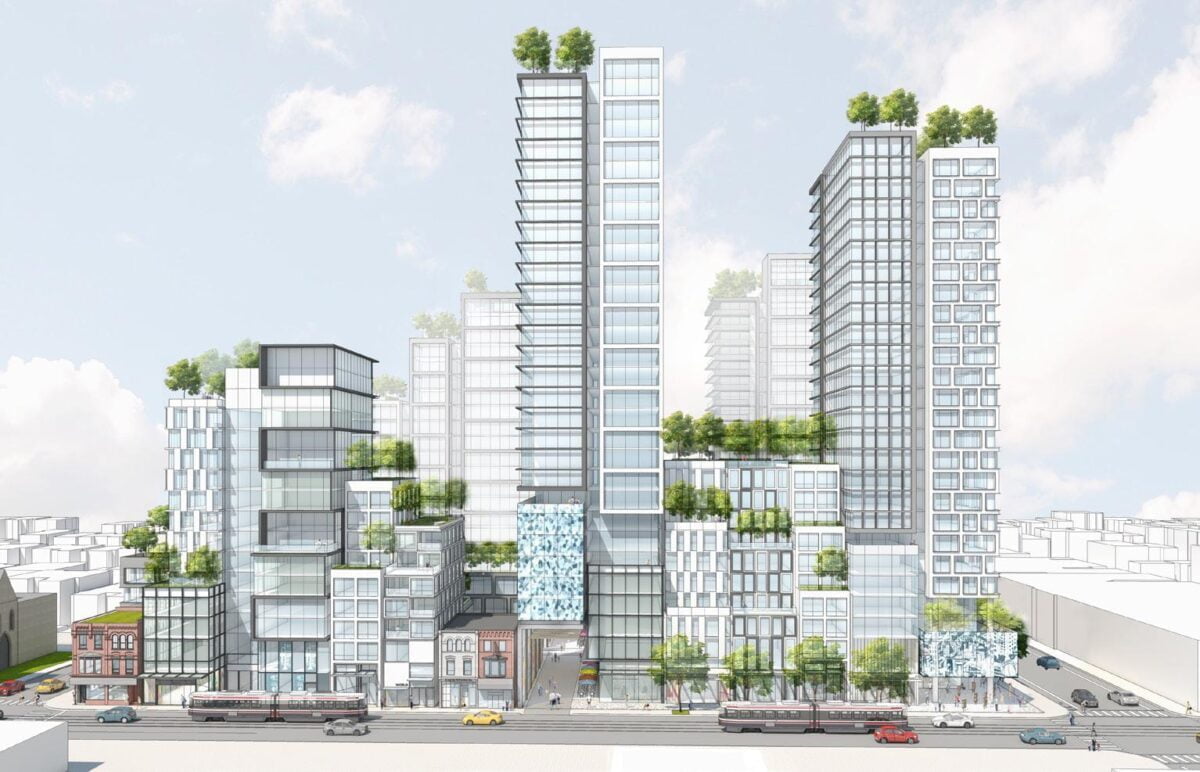
Mirvish Village (Rendering: Henriquez Partners Architects, Diamond Schmitt Architects)
Developers, architects, realtors, a bank, a grocery chain, retailers have all shown interest in the database.
Companies can create a report for a certain neighbourhood or address that would identify how many residential homes are being proposed for the area and the potential population growth in a specific area based on what development projects are there.
“It’s an important tool for anybody that wants to see where development is going. Retail, transit, school boards. You can do very specific stuff but you can also look overall. You can break it up by cities. You can do a report that’s just Toronto or you can do a report that’s just Toronto Ward 7. We have the tools to be able to slice and dice the data in all sorts of ways,” said Skira.
Skira said the database tracks all the city applications on a daily basis. There’s an update page where people can see all the new projects sorted by date.
“So those 2,500 projects in our database can be looked at in all sorts of different ways.”
Druker talks about the spike in new franchises this year, the number of net new jobs, how growth is in every province with Alberta leading the way, how the sector contributes to the Canadian economy and who is attracted to owning a franchise.
The Video Interview Series by Retail Insider is available on YouTube.
Connect with Mario Toneguzzi, a veteran of the media industry for more than 40 years and named in 2021 a Top Ten Business Journalist in the world and the only Canadian – to learn how you can tell your story, share your message and amplify it to a wide audience. He is Senior National Business Journalist with Retail Insider and owner of Mario Toneguzzi Communications Inc. and can be reached at mdtoneguzzi@gmail.com.
Also check out the other series offered by Retail Insider, including The Weekly podcast and The Interview Series, which are both available on Apple Podcasts, Stitcher, TuneIn, Google Podcasts, or through our dedicated RSS feed for Simplecast and other podcast players.
The number of international arrivals in Canada continues to increase with the easing of travel restrictions and that’s good news for retailers and small business owners operating in tourist destinations such as Banff, Alberta.
And more people traveling within the country is also a positive sign for tourist areas which were impacted in the past two years with business closures and restrictions.
Paul Shaw
Paul Shaw, Interim Director, Media & Communications, Banff & Lake Louise Tourism, said visitation for 2022 is off to a really strong start as Banff National Park visitation for the first quarter was 666,222, which is the highest number the area has seen in at least seven years.
“Indicators are telling us we are going to have a strong summer season,” he said, adding that visitation overall to the National Park in 2021 was higher than 2020 (3.6 million in 2021 versus 2.9 million in 2020) but not higher than 2019 (3.9 million).
“Closures and restrictions, while necessary at times, took a heavy toll. The lack of international visitors left many businesses struggling and the smaller businesses were hardest hit,” he said. “Tour operators who guide visitors through the park had a difficult time staying afloat through the pandemic, despite appealing to Canadian consumers with new guided activities like e-biking and mountain biking. Hotels had far fewer bookings during the pandemic. Average occupancy was 41 per cent in 2021, compared to 71 per cent in 2019.
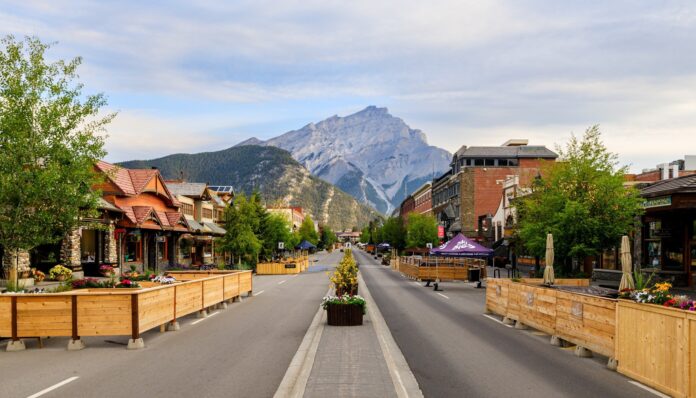
Bear Street (Image: Robert Massey / Banff Lake Louise)
“There are good indicators of recovery. Banff and Lake Louise have been recovering faster than some other places, but we can’t be complacent. The industry needs continued support from government, there are labour challenges to address, and we have an important role in marketing the destination. We need the continued return of international visitors for a full recovery, and the signs there are positive. We know there’s a great demand for travel and that travelers are looking for nature, wide open spaces and outdoor activities. That’s exactly what we have to offer, and we expect to be a popular destination this summer.
“A lot of small businesses felt frustrated by the uncertainty the pandemic brought over the past two years. Looking ahead, there’s a sense of optimism about the future. With that in mind, we’re excited to be developing a 10-year Tourism Master Plan, working with businesses and our community to create a shared vision for the future of tourism in Banff National Park.”
Michael Kehoe, broker/owner of Fairfield Commercial Real Estate, who leases retail space in the mountain resort, said the Banff/Lake Louise market is recovering faster than other resort markets in Canada.
“They’re expecting a strong summer with strong numbers of day visitation and they’re also expecting the international market to come back in a robust way,” said Kehoe.
“The regional customer for Banff/Lake Louise has always been the bread and butter, that rubber tire market has always been strong in Banff and they expect that to continue this year. There are continuing challenges with labour in the resort markets.
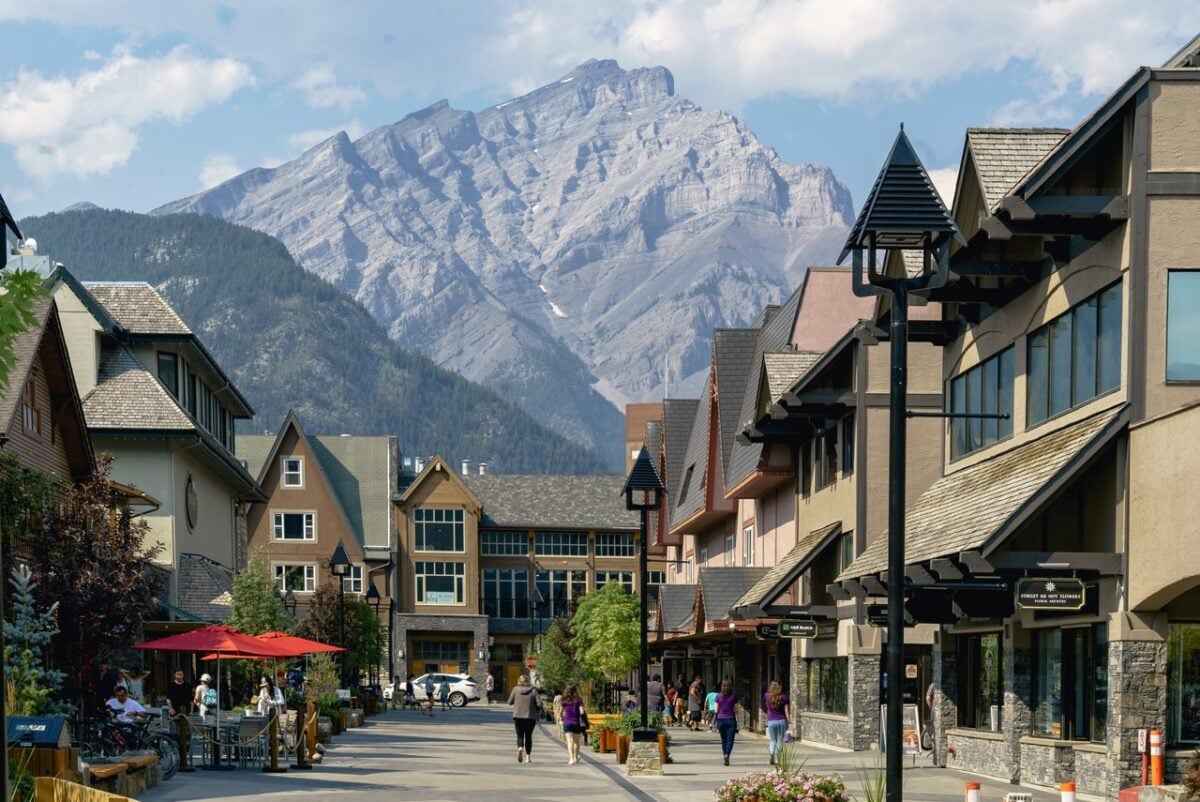
Image: Banff & Lake Louise Tourism
“On the commercial real estate side, vacancy rates are extremely low. Traditionally, there hasn’t been a lot of turnover. Throughout the pandemic period there’s been very little turnover on the retail and the food service side and rental rates have remained stable and escalated for prime locations. And there’s strong demand for national and international brands for good locations, especially in the apparel category.”
Retailers located in tourist destinations across Canada are buoyed by the increasing numbers of travelers today. According to Statistics Canada, in March, the number of international arrivals to Canada increased compared with March 2021, but remained below 2019 levels, before the COVID-19 pandemic.
“While residents of overseas countries made over five times the trips to Canada in March 2022 than during the same month in 2021, it was under half (43.0 per cent) of the trips observed in March 2019,” said the federal agency.
US residents made almost five times the trips to Canada in March 2022 than in March 2021. However, this represented less than one-third (31.9 per cent) of the trips taken in the same month in 2019, it added.
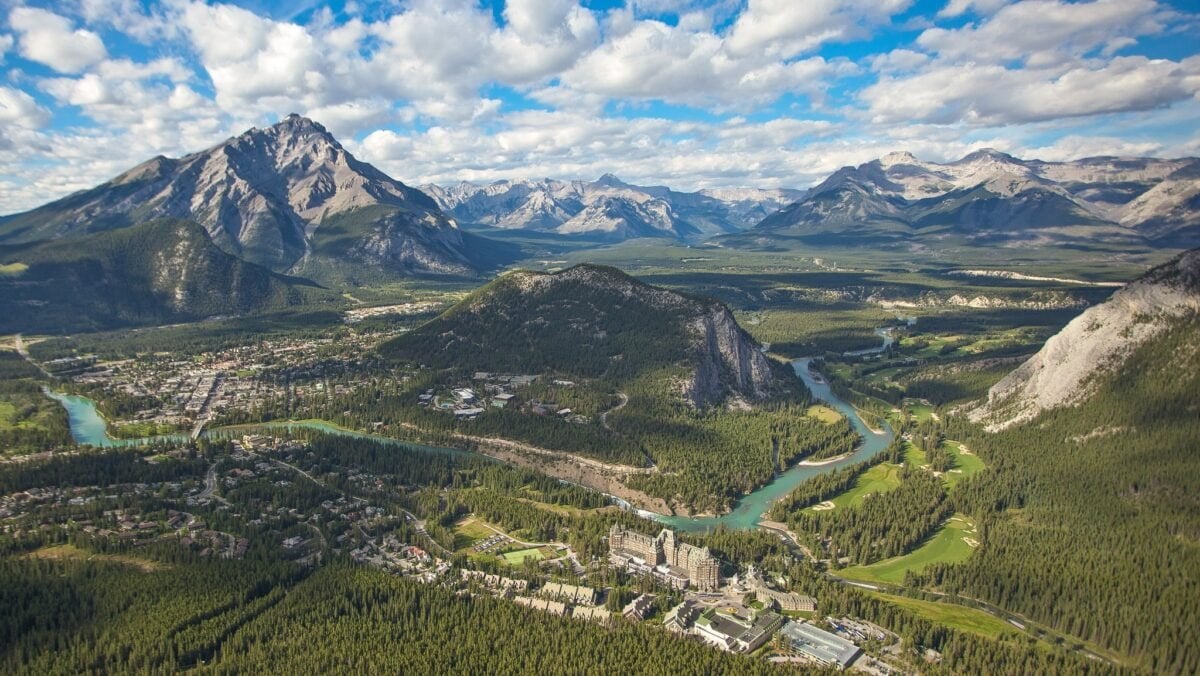
Image: Banff & Lake Louise Tourism
“In February, the Government of Canada announced a phased easing of travel requirements issued in late 2021 to combat the Omicron variant. As of February 28, travellers entering Canada were given the option of providing a negative COVID-19 rapid antigen test, taken the day prior to their scheduled flight or arrival at the land border,” explained StatsCan, adding that restrictions as to where international passenger flights could arrive in Canada were lifted, and such flights were, once again, permitted to land at all international Canadian airports.
Kehoe said there is a lot of pent-up demand from everywhere for travel and for outdoor adventure experiences, dining and shopping.
“In the resort markets, art galleries have done extremely well and the food and beverage was the first to recover as we emerged from the pandemic. People were out drinking at the bars and pubs, going out for dinner. So that’s been a positive factor that we’ve noticed,” he said.
“What we’ve heard in other resort markets in Canada like Jasper or Whistler or Niagara on the Lake, sales are robust, there’s strong footfall and demand for space is very high.”
Retail Insider is streamlining its Canadian retail news from around the web to include a handful of top news stories that can be viewed quickly during the day. Here are the top stories from the past 24 hours.
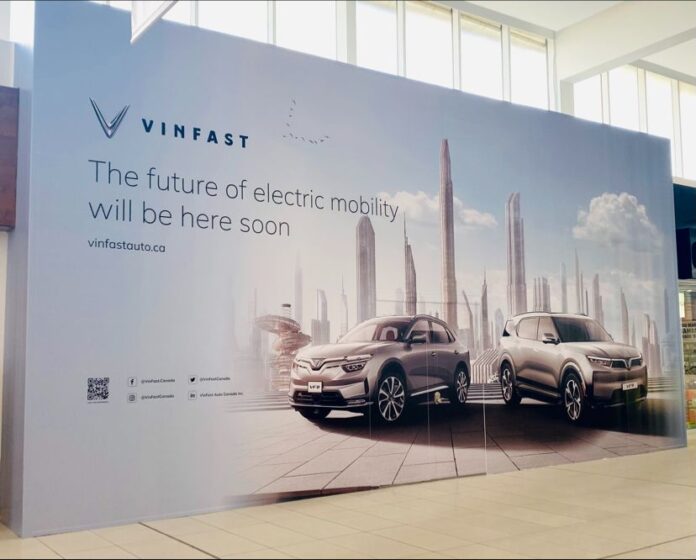
This location would become the first location for Vinfast in the province of British Columbia.
Trevor Thomas from brokerage JLL Canada negotiated the lease for this Vinfast location. Landlord Larco owns Park Royal.
After the February 2022 announcement for its Canadian expansion, Vinfast announced in April 2022 plans for an initial public offering (IPO). In May 2022, Vinfast announced that it would be moving its headquarters to Singapore.
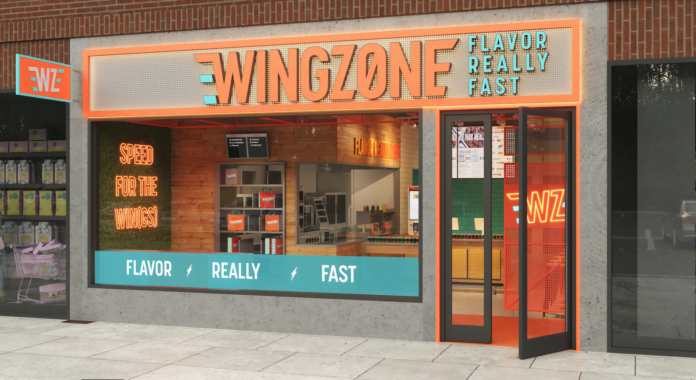
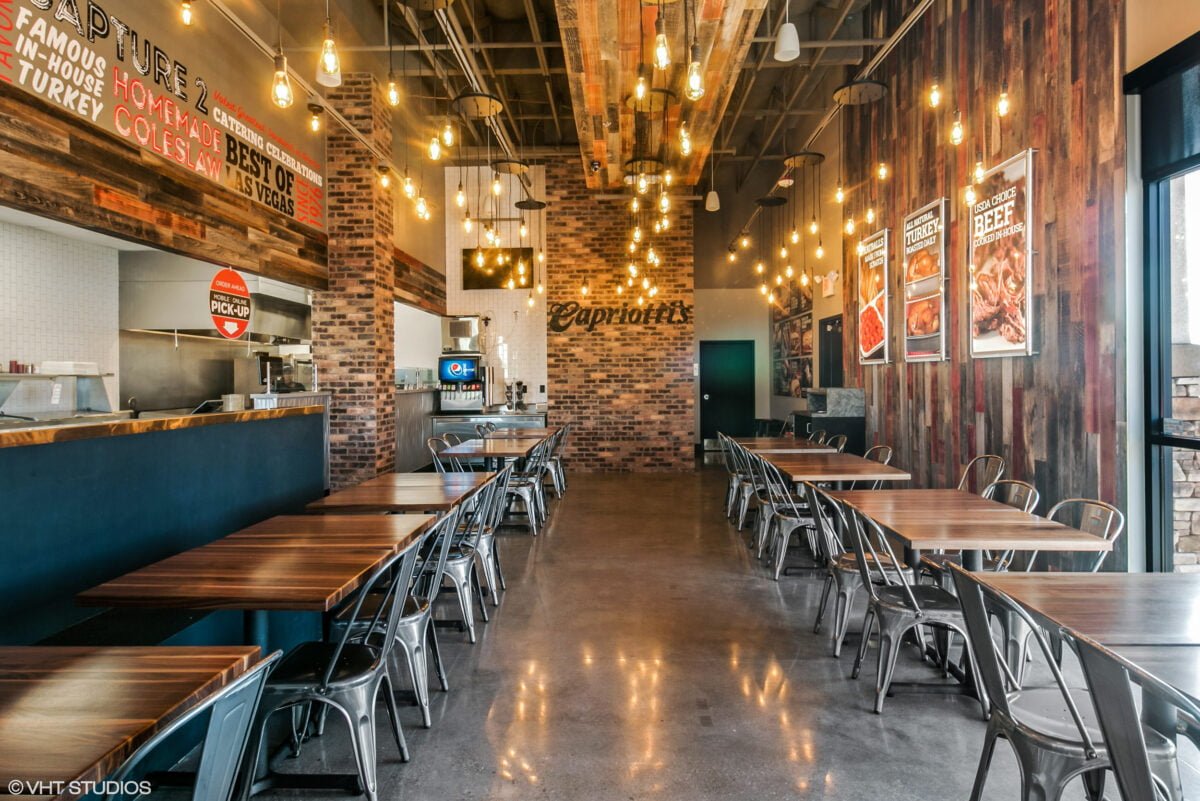
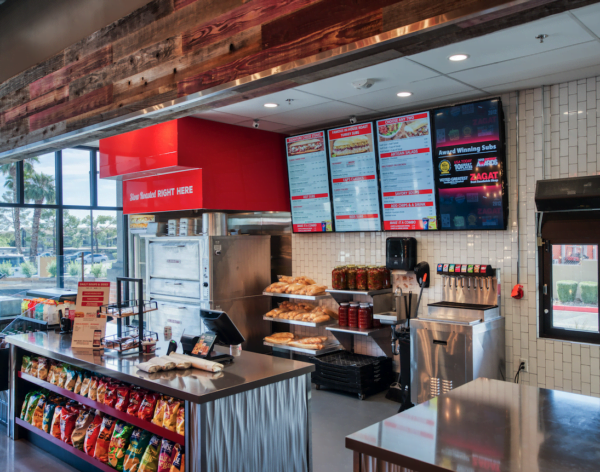
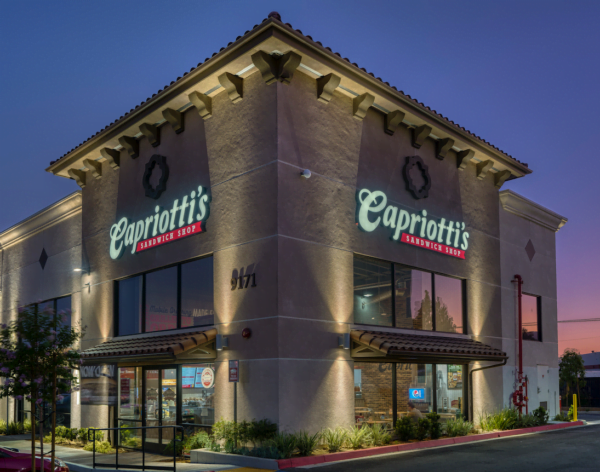
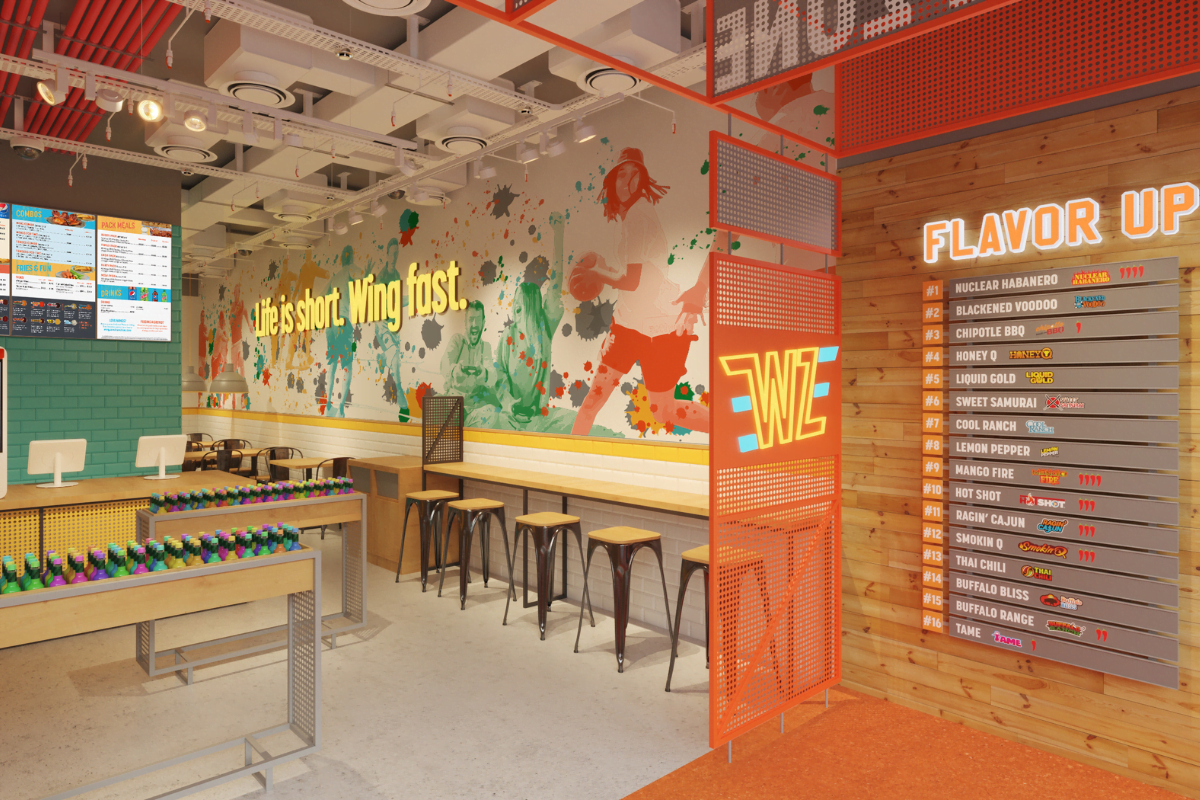
American fast casual restaurant brands Capriotti’s and Wing Zone are planning a major expansion into the Canadian market.
Jeff Young, of SCALE FRANCHISE and Chief Development Officer for both brands in Canada, who is leading the franchise development in Canada, said the brands want to focus initially on the Greater Toronto Area, which will be a springboard to the rest of Canada.
“As a seasoned industry leader, I have been keenly watching both brands experience explosive growth in the United States who have been named ‘Top 10 by Fast Casual Movers & Shakers’ and are amongst the restaurant industry’s fastest growing franchise concepts,” he said.
Image: Capriotti’s
Image: Capriotti’s
Image: Capriotti’s
“Currently there are approximately 200 Capriotti’s units in operation and approximately 300 Capriotti’s units under development and 57 Wing Zone units in operation and over 100 Wing Zone units under development.
“Building from the enormous success and momentum in the USA, both Capriotti’s and Wing Zone are ideally poised to become market leaders in the respective sandwich and chicken categories in Canada.”
Capriotti’s was founded in 1976 in Wilmington, Delaware by siblings Lois and Alan Margolet, specializing in the sandwich segment of the market.
Wing Zone was founded more than 30 years ago and acquired by Capriotti’s in 2020. Wing Zone was founded in 1991 in Gainesville, Florida by Matt Friedman and Adam Scott, who created a variety of chicken wings with award-winning flavours.
Rendering: Wing Zone
“I see huge growth potential in Canada and initially we want to look at a development plan of one per 100,000 – 150,000 population base – as a benchmark, a balanced market penetration,” said Young.
“While we anticipate high demand for the brand, we’re not going to over-saturate the market. We’re not going to compromise the brand by over-developing in the market.
“I believe there’s definitely a market for that premium sandwich category and that’s exactly what Capriotti’s represents. Very high quality, very flavourful, premium ingredients. So that’s where the brand will see its niche in the market.”
Young said the chicken category has exploded during the pandemic.
“It’s comfort food. It travels well. It’s a bit of a different business model than Capriotti’s in that it’s mostly takeout and delivery through the delivery aggregators. It can be 80 to 85 per cent off-premise consumption,” he said.
“What makes Wing Zone unique is really two things. One is our cooking process. It’s a two-stage cooking process and you finish the wings off in two minutes. So it’s a quick turnaround time. Also we’ve just done a 20-unit multi-unit franchise deal with Wing Zone Labs in Los Angeles that utilizes Miso’s Flippy 2 Robots which are going to be replacing kitchen staff. I think that’s the future of a lot of QSR (quick service restaurant) concepts as obviously labour issues become more of an issue for operators. Technology is going to be a driving force for Wing Zone and obviously their flavours. They’ve got award-winning flavours, fantastic products. Big, thick, juicy plump chicken wings.
“I strongly believe that the consumer market and franchisees alike will embrace the brand even though there’s lots of representation of chicken in the Canadian marketplace. There’s some distinct points of difference with Wing Zone.”
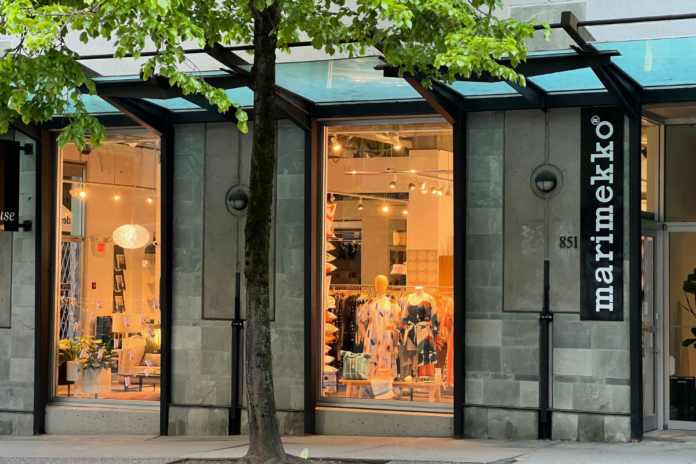
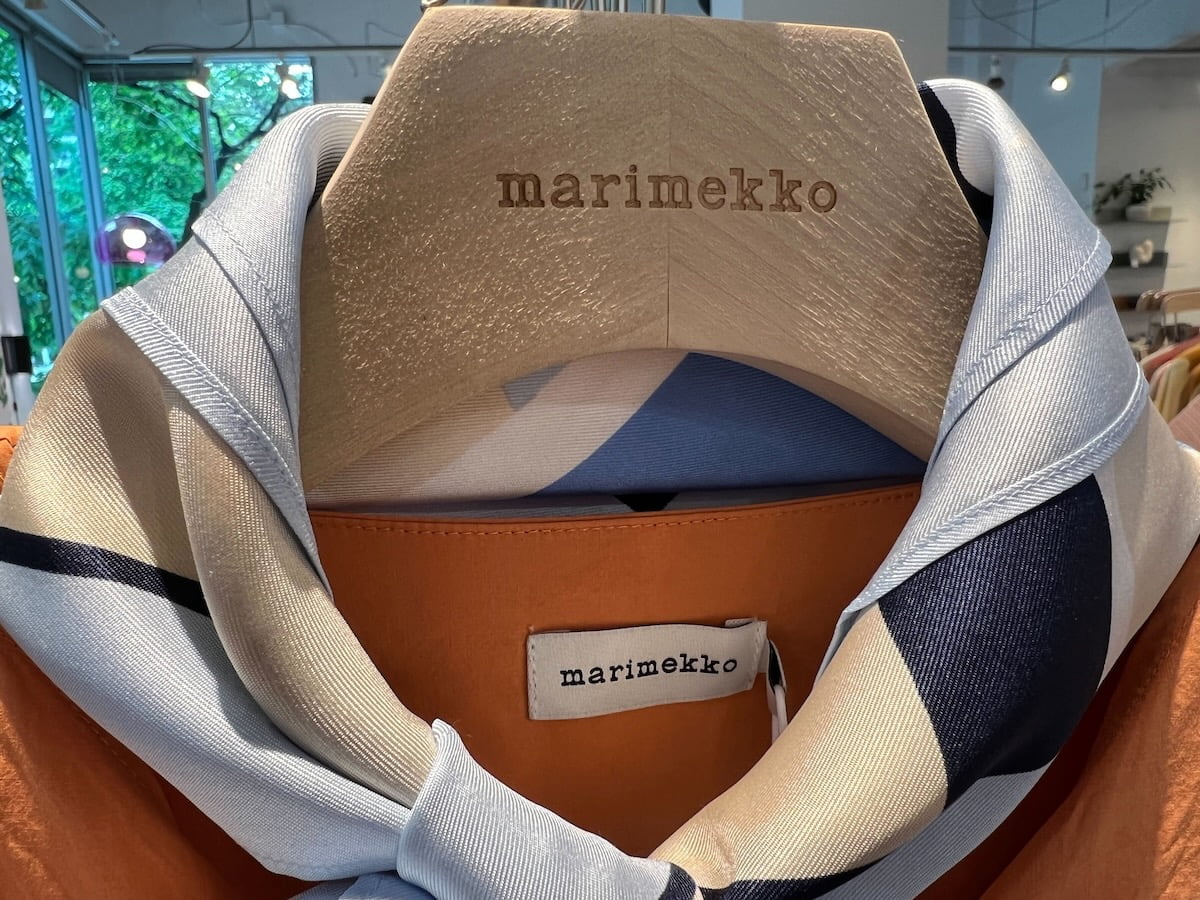
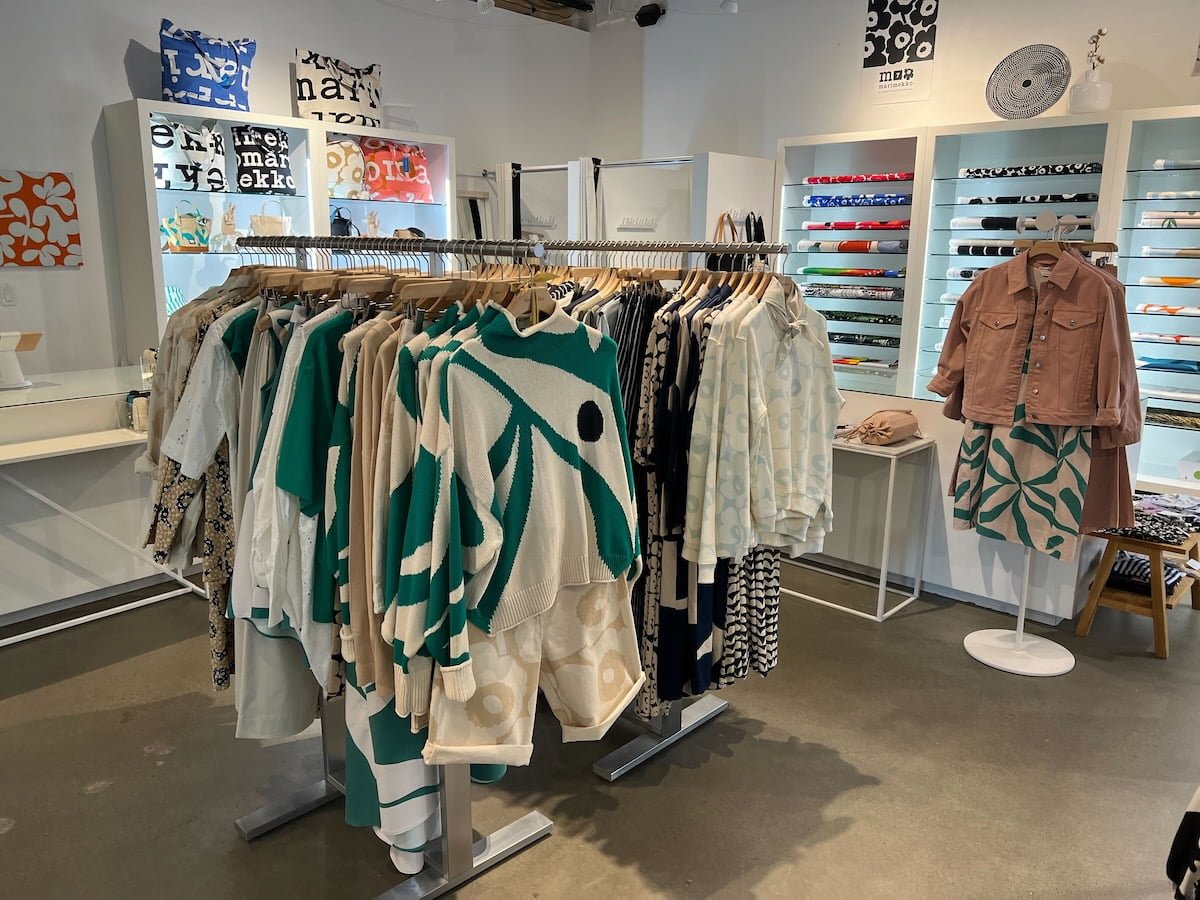
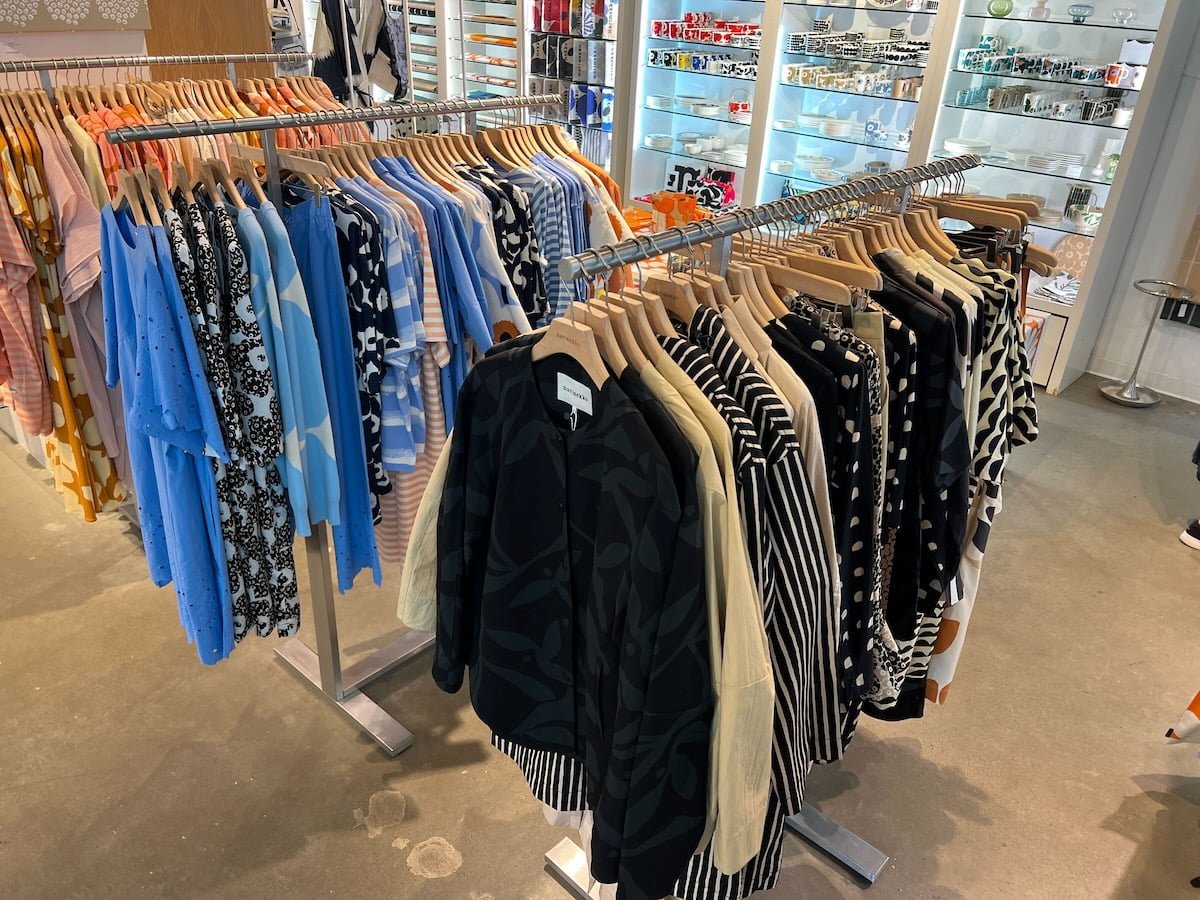
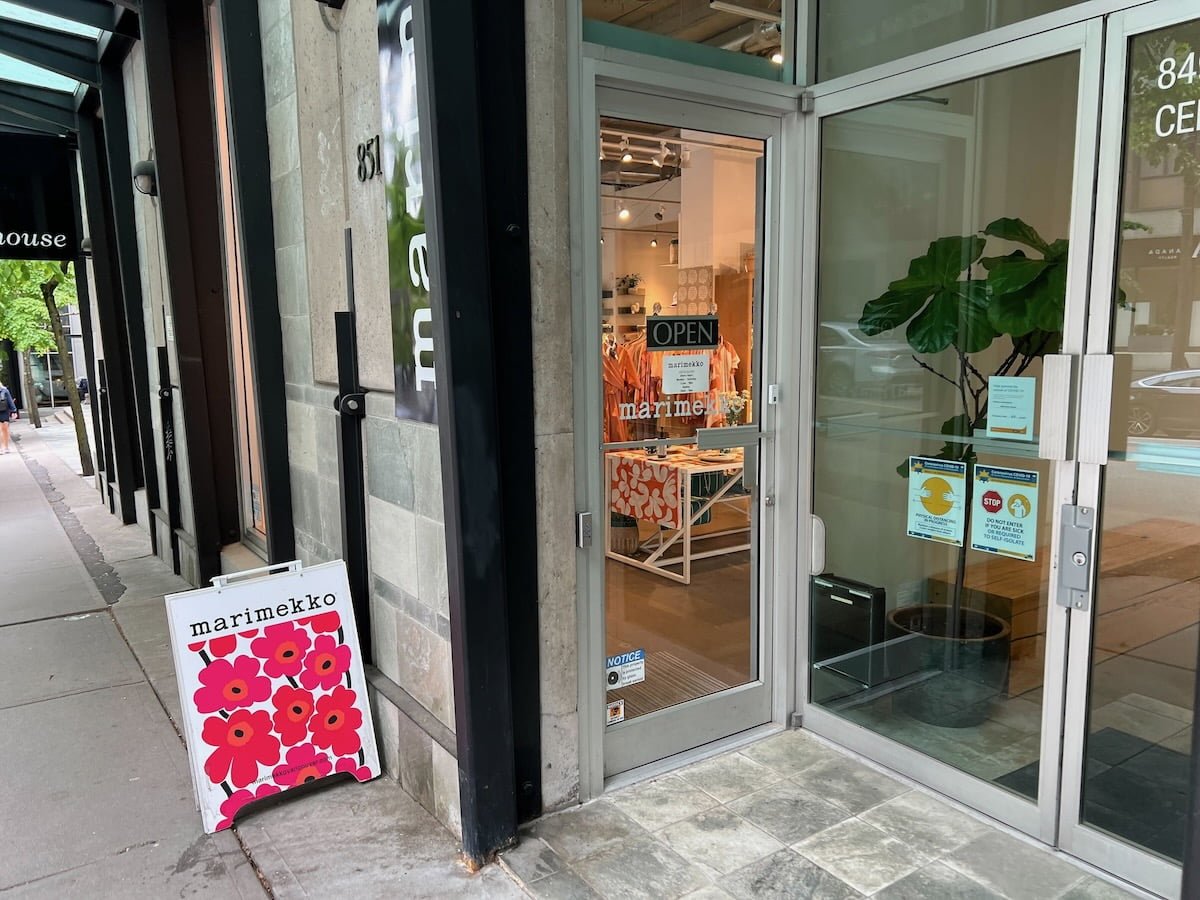
Marimekko at 851 Homer Street in Vancouver (Image: Lee Rivett)
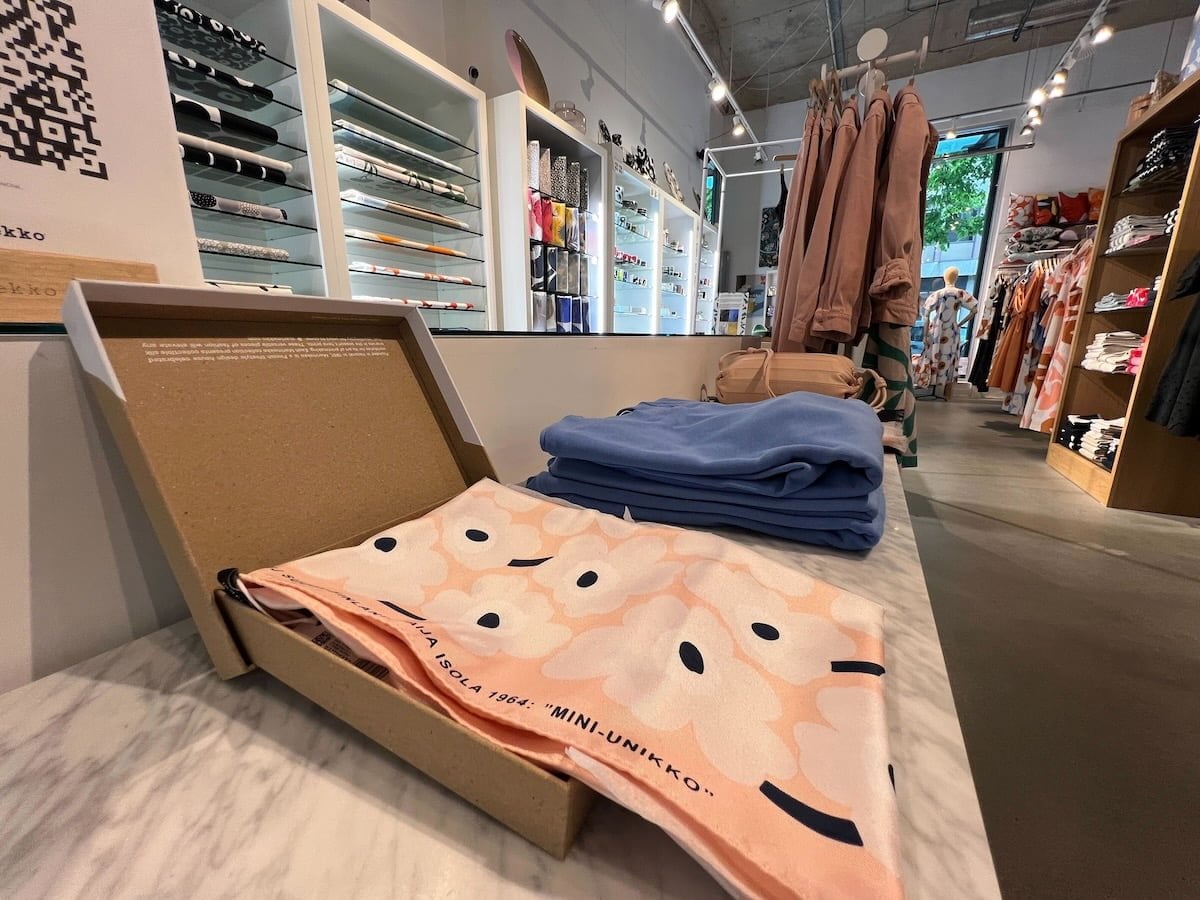
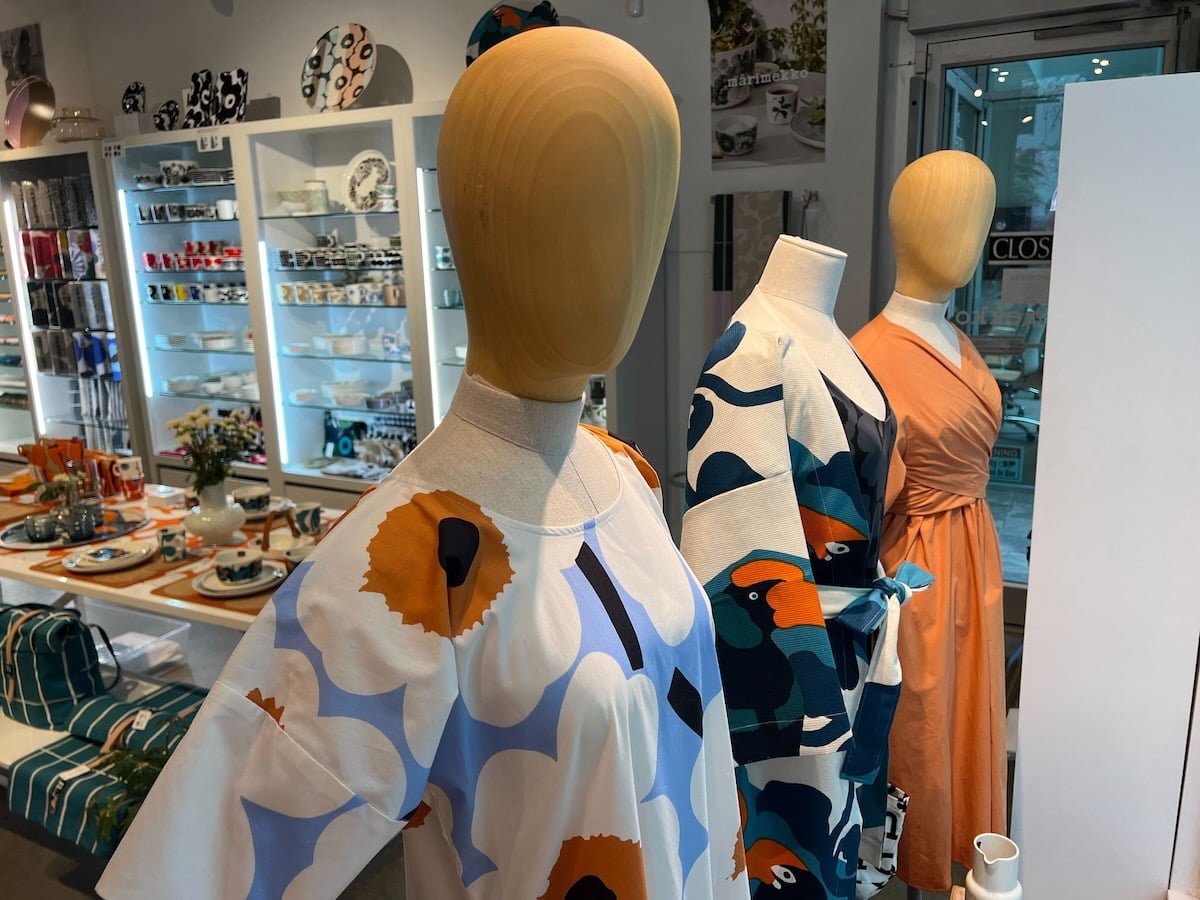
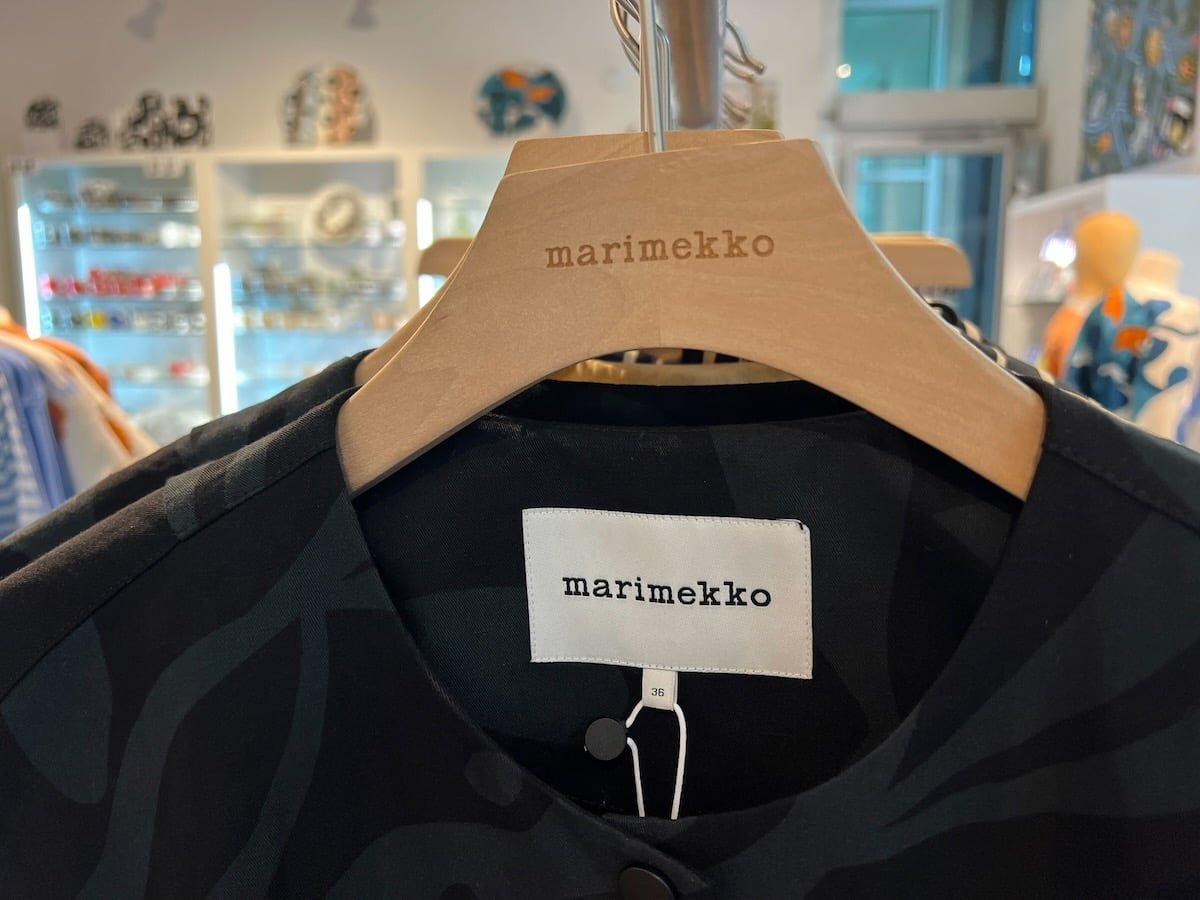
Marimekko is known throughout the world for its luxurious, colourful, and unique designs – and Vancouver is home to the only Marimekko concept store in Canada.
Established in 1951 by Armi Ratia in Finland, the products and designs are created in Finland and are shared with the world. They have 150 stores, including locations in Norway, United States, Denmark, Japan, China, Australia, Hong Kong, Thailand, Canada, and more.
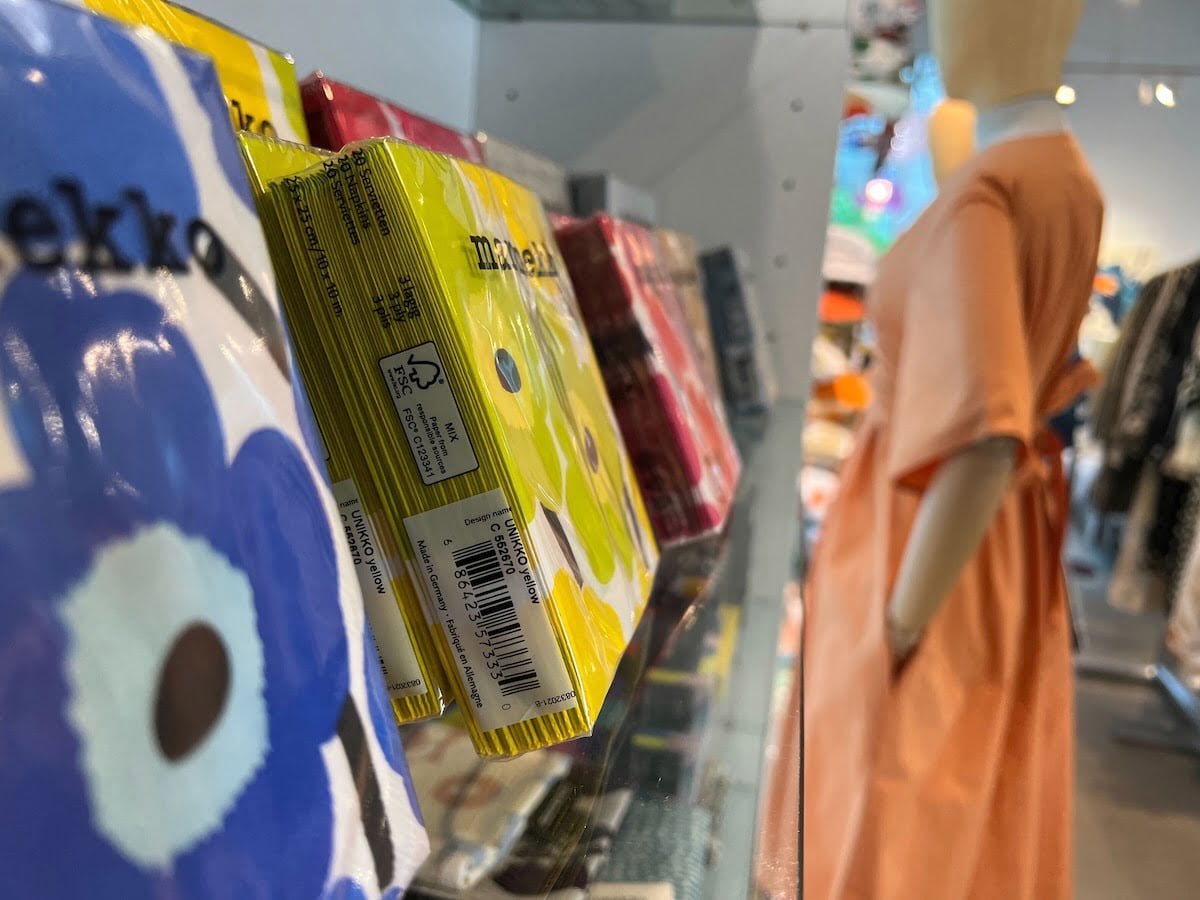
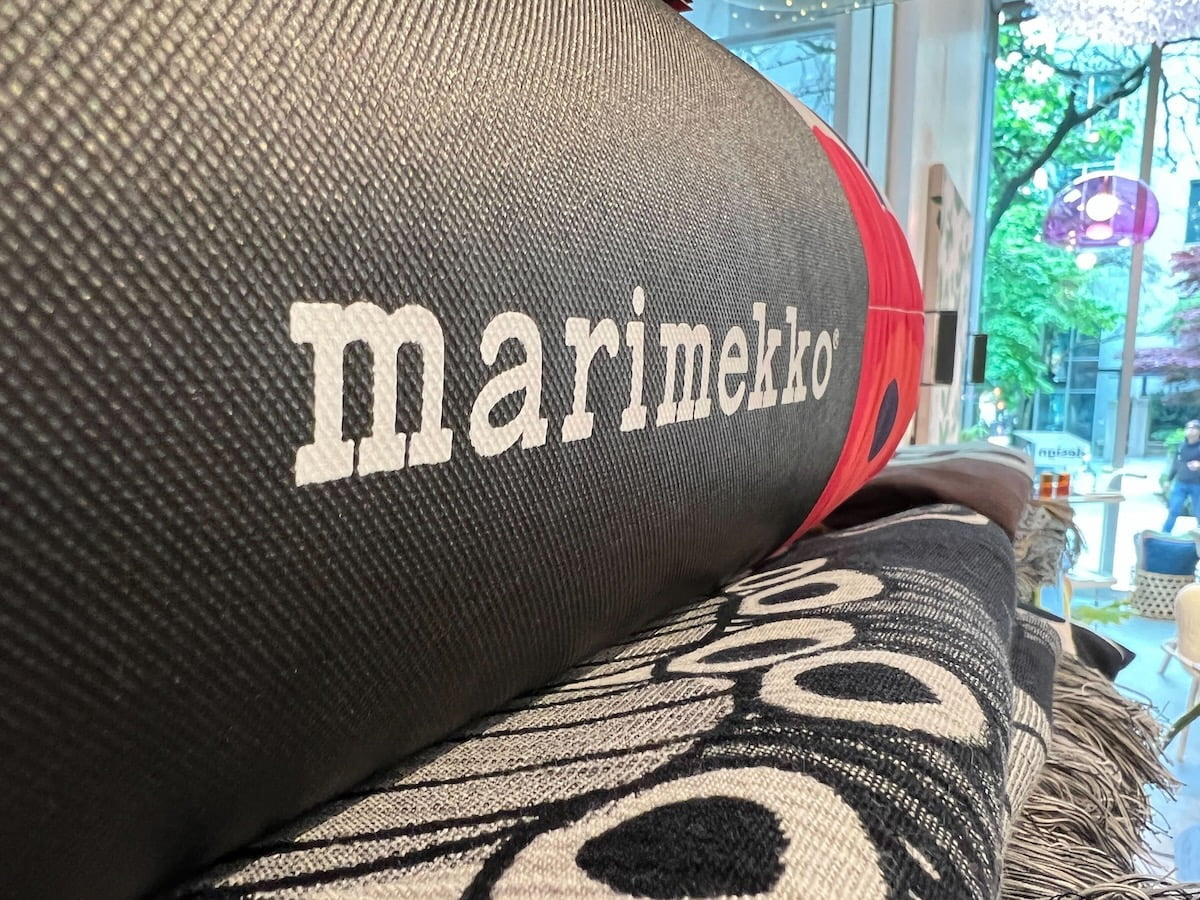
Celebrating its 70th anniversary last year, Marimekko is recognized by the iconic poppy and “is an established brand that has great quality that everything is made to last decades and to be passed on,” says Nateish Wilman, the General Manager of the Marimekko store in Vancouver.
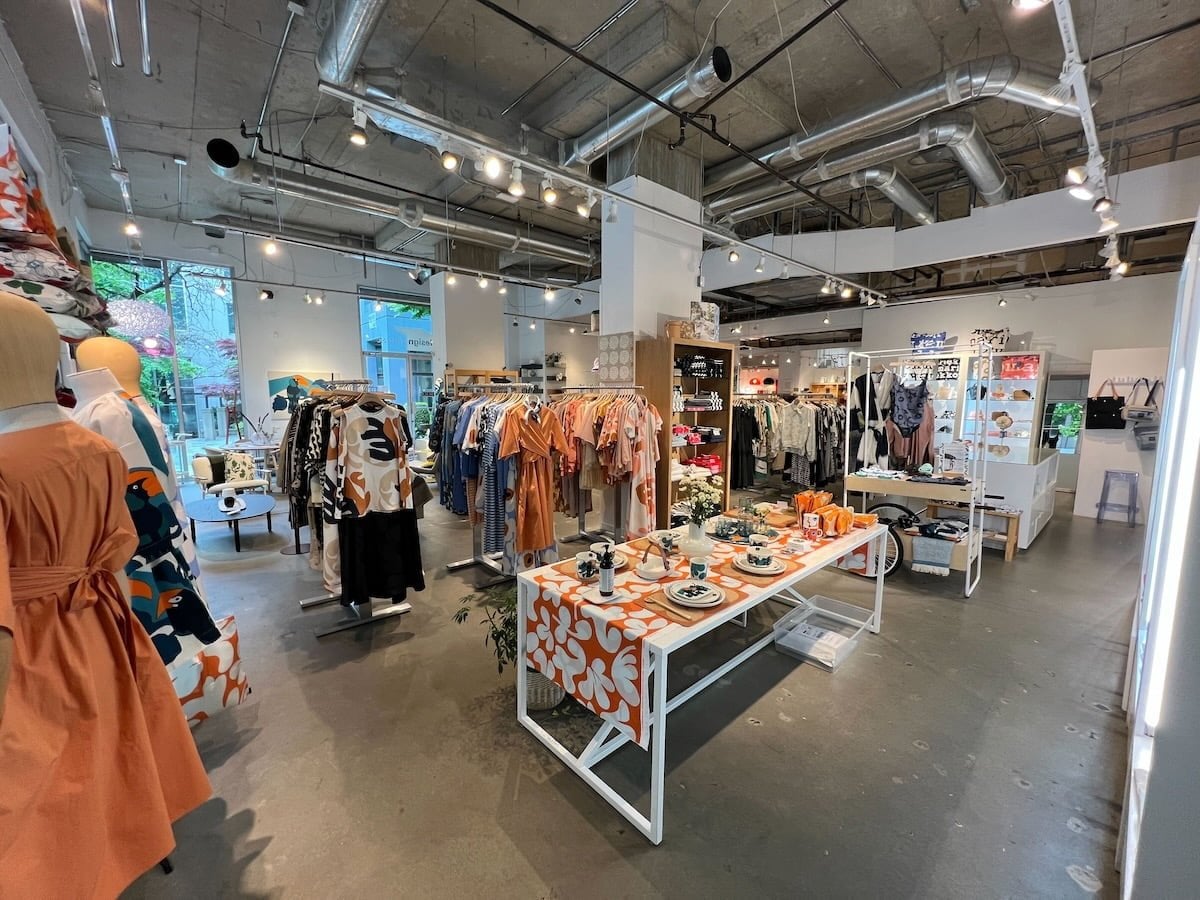
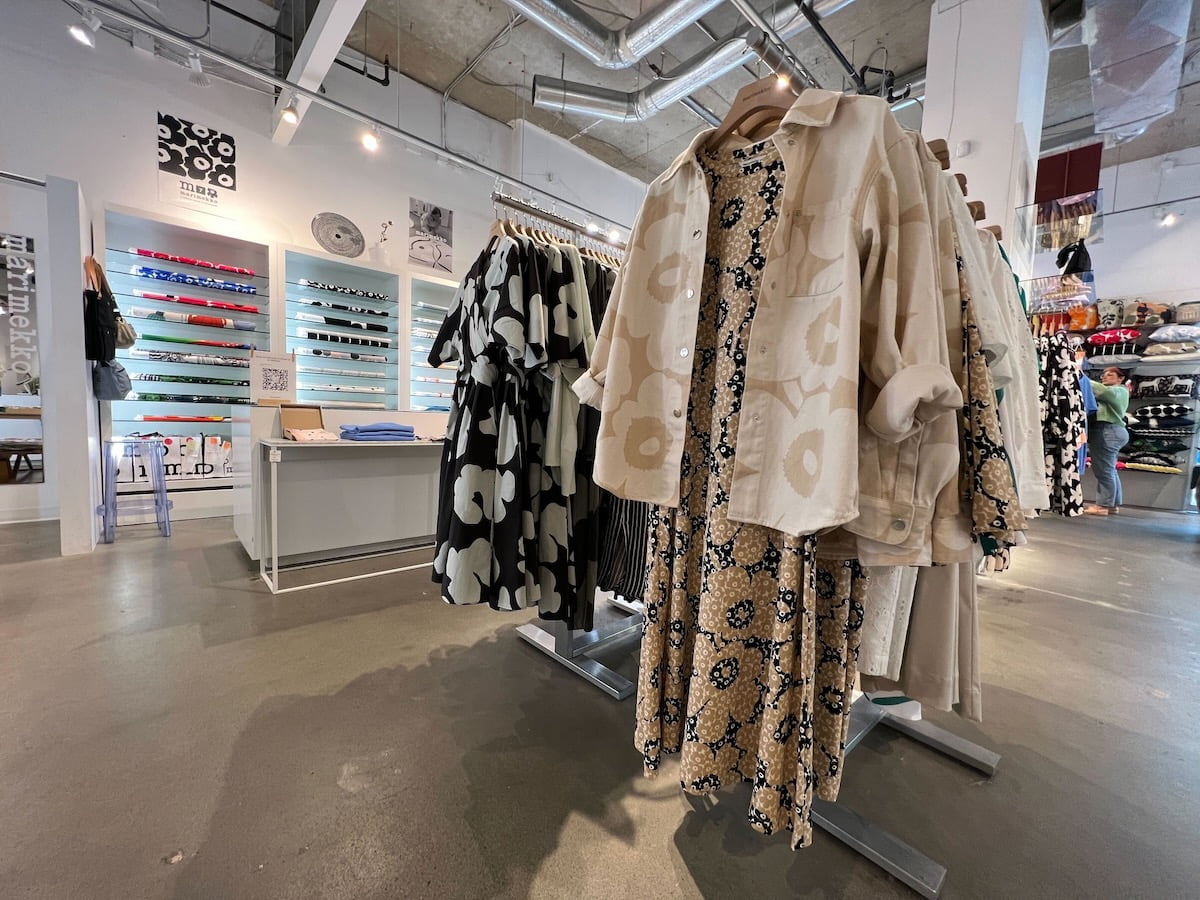
Marimekko at 851 Homer Street in Vancouver (Image: Lee Rivett)
Located at 851 Homer Street, you can find all the classic Marimekko collections. The location has been home for just over a decade, but the concept store has been in Vancouver since 1998.
“We have actually worked with Marimekko for almost 20 years, it was previously owned by a couple who loved Marimekko,” says Wilman. When the store first opened, the owners were only offering Marimekko’s table wear collection, but after a few years of working for Marimekko, they reached out and offered the brand’s full collection.
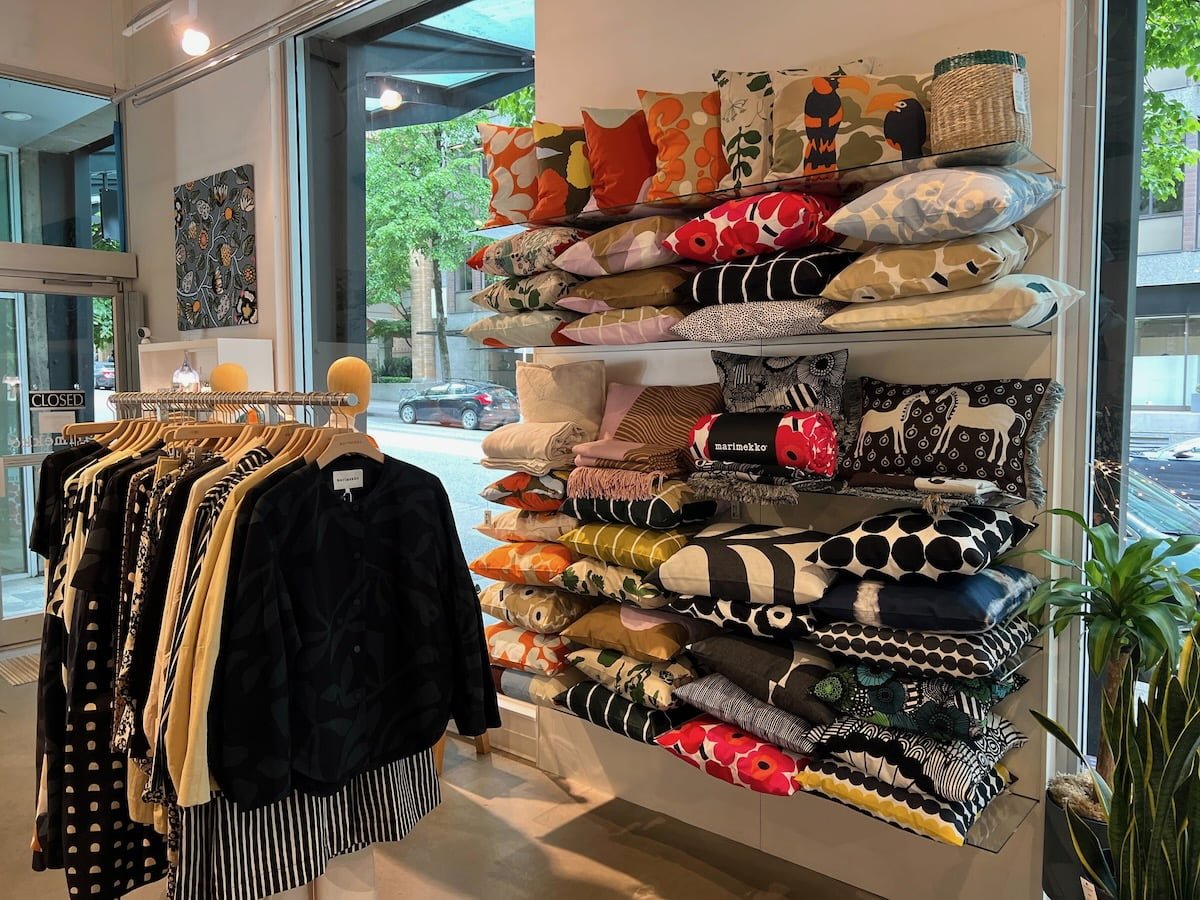
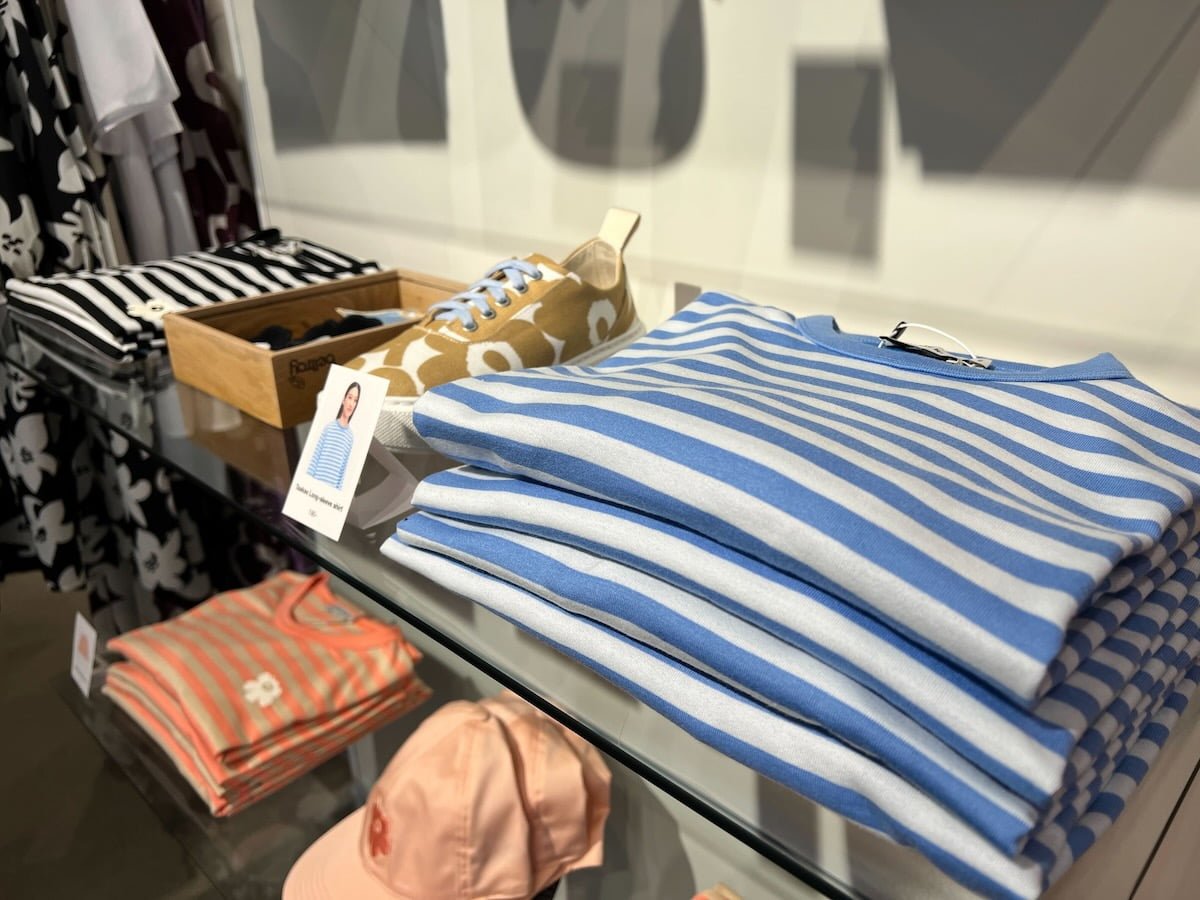
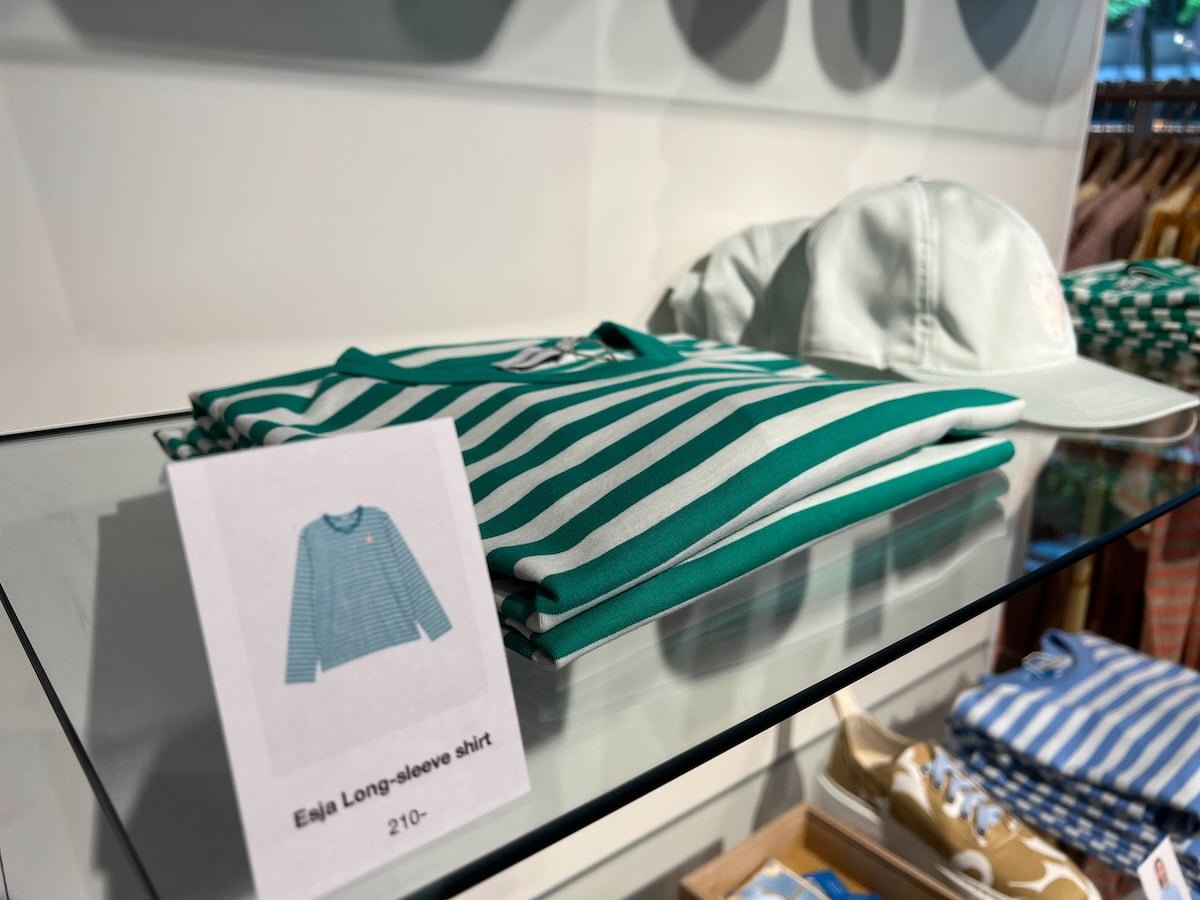
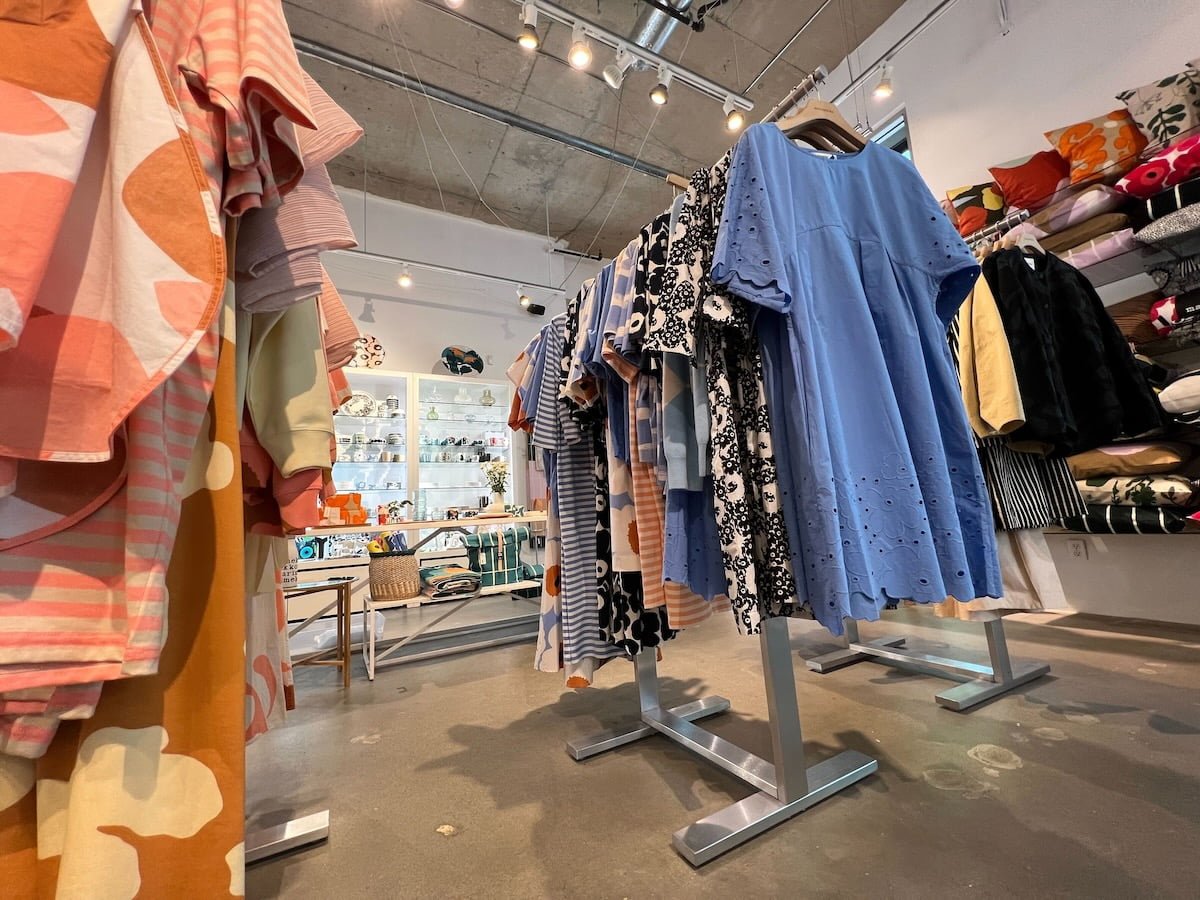
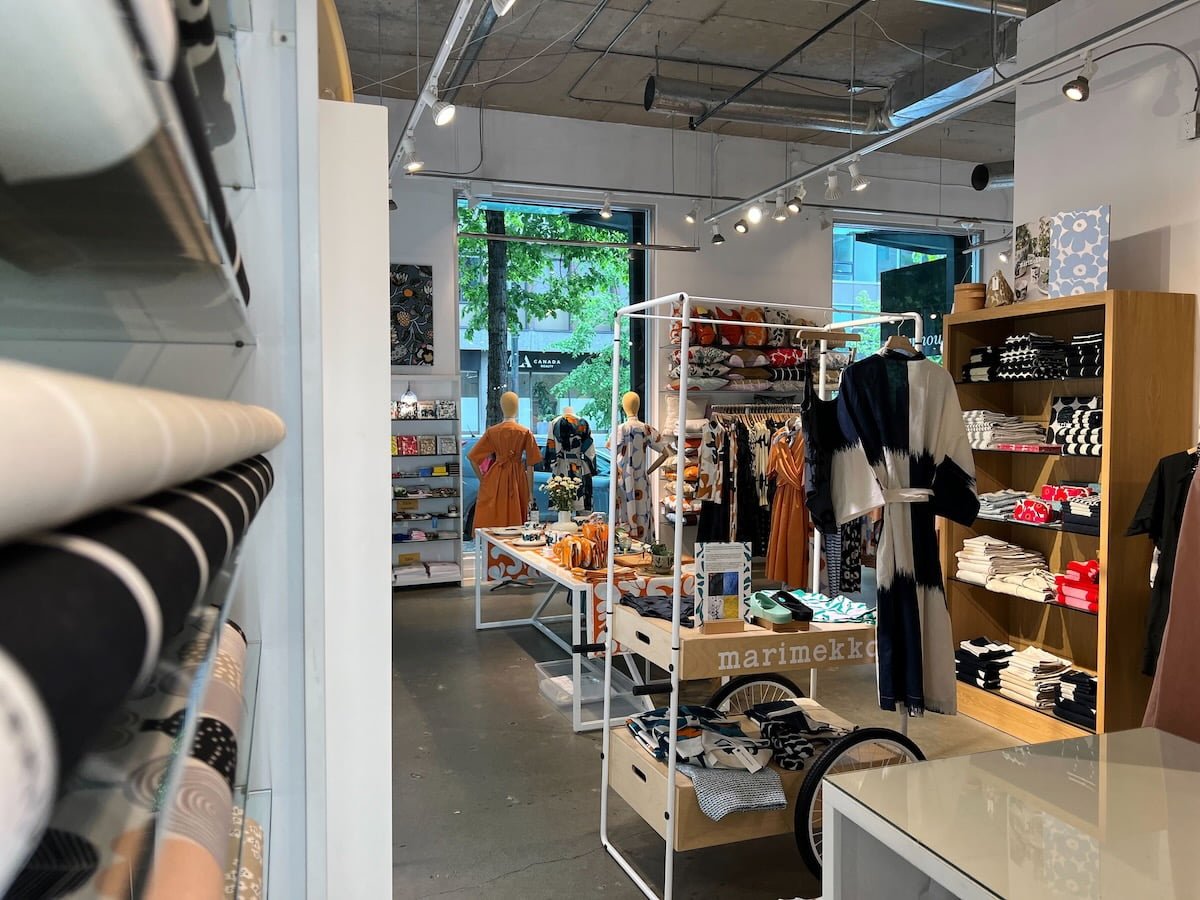
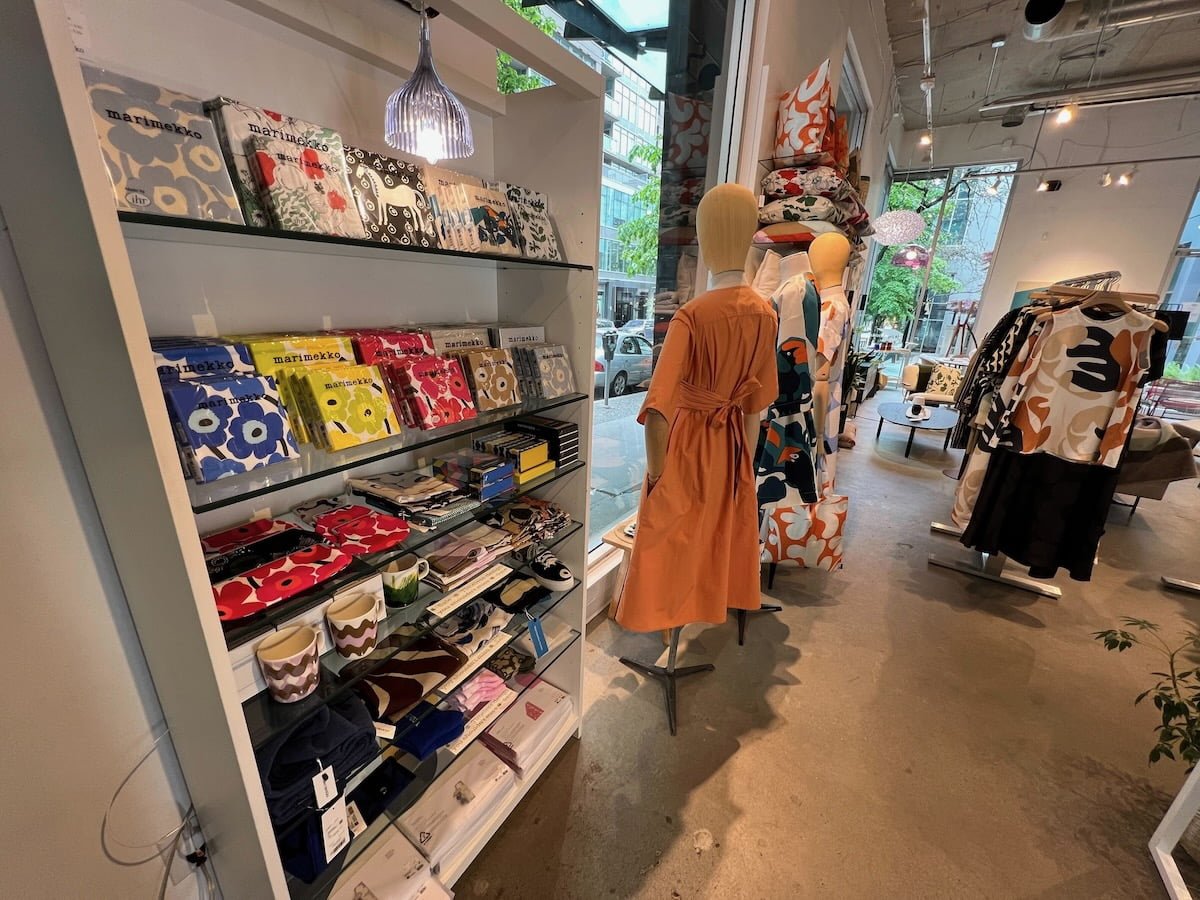
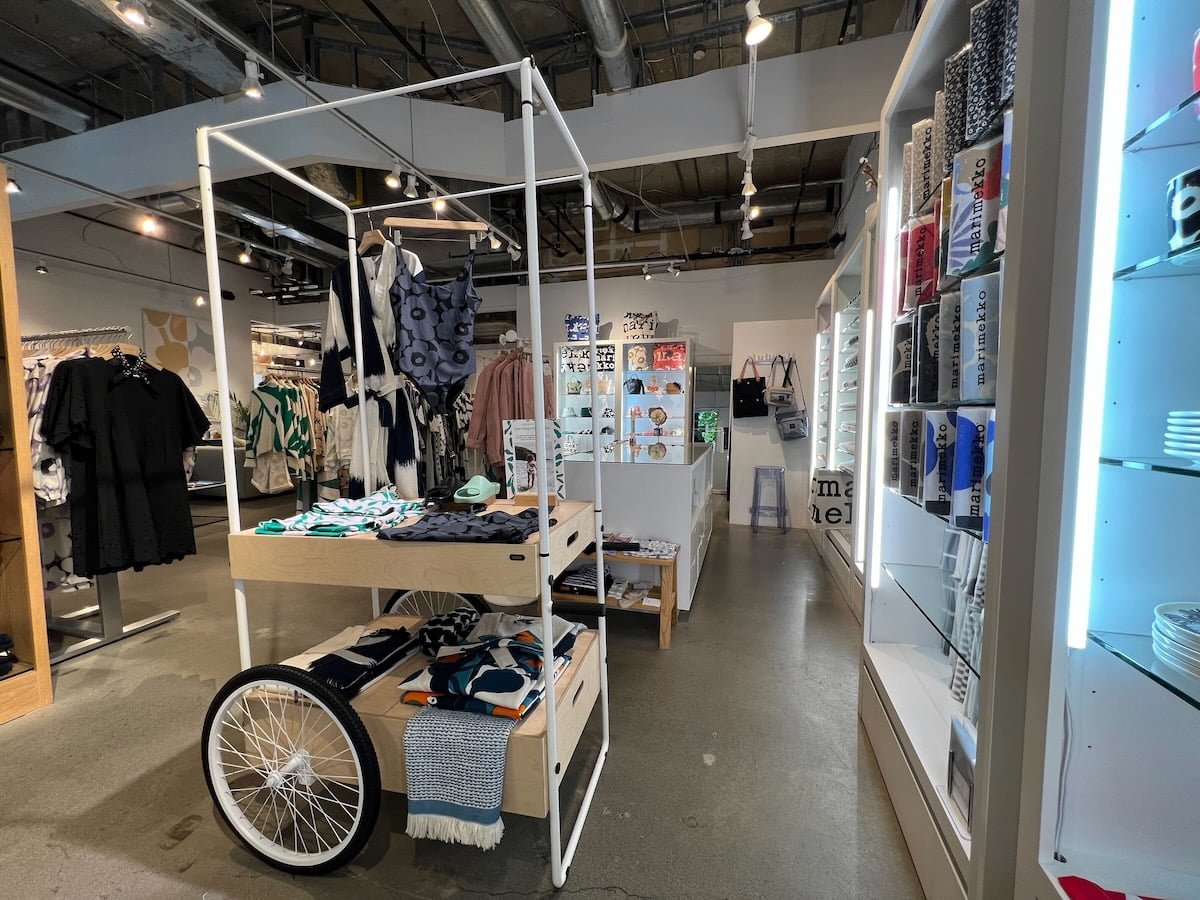
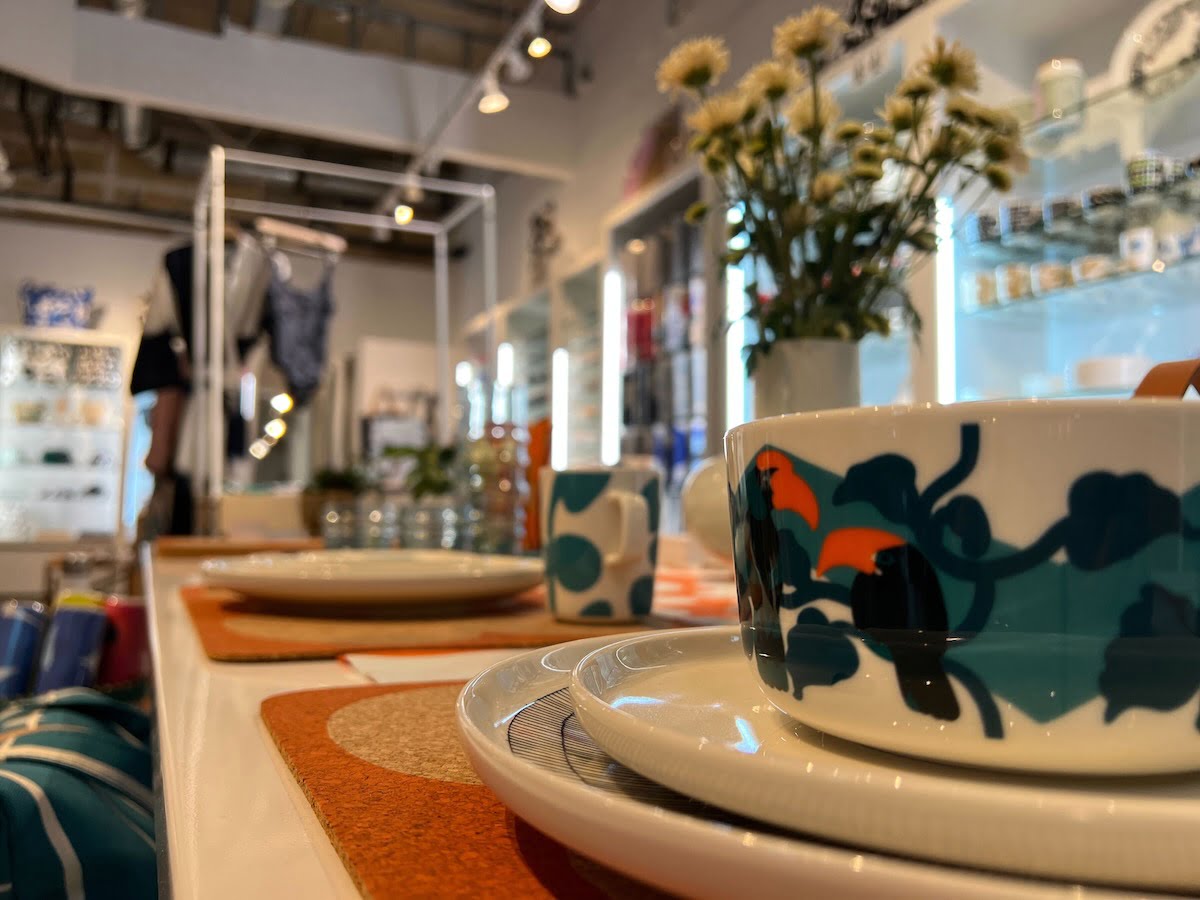
The store is a smaller space, but Wilman said they carry a range of Marimekko products. You can find home wear, clothing, bags, accessories, bedding, bath, and blankets.
Neighbourhood Shop
Marimekko at 851 Homer Street in Vancouver (Image: Lee Rivett)
The team of three have a strong connection with the surrounding community.
“We know our clients names and there is only three of us who work here, but we carry the most beautiful brands. It is a lovely balance for us that we have this incredible design with all of this history, but it is still just a neighbourhood shop,” says Wilman.
When asked about expanding to other cities in Canada, Wilman said maybe down the road, but right now they feel very fortunate to be able to share Marimekko products and its history with its customers.
Vancouver was decided as the concept store because of its large Finnish population and it shares some similarities of Finland.
“I think it is kind of funny. You might not think Finland and Vancouver are similar, but Finland can be so rainy and grey and so you bring in all these happy looking colours and that is the same here,” says Wilman.
Collections
Marimekko at 851 Homer Street in Vancouver (Image: Lee Rivett)
Currently the store is in the process of obtaining the new summer collection, but Wilman says this collection will be different than usual.
“There has been a big focus on the fit of the dresses which is cool. So, we have really noticed that they are a lot more wearable, and it is easier to find the size and what will work for you. The creative director has also introduced some sweet, more subtle detail,” says Wilman.
As for customers favourite collections, it depends on Seasons says Wilman. During summer months, customers are mostly buying dresses and in the winter months, customers focus on being cozy with home accessories.
“For myself, I probably go with the home wear,” says Wilman. “I really like the bed and bath. The quality of the textiles are just so beautiful, so when you curl up in them you can just feel that luxury and know they will last forever.
Marimekko collections can be seen even on Television shows such as Suits, Modern Family, Grace and Frankie, Star Trek, and Star Wars.
Marimekko at 851 Homer Street in Vancouver (Image: Lee Rivett)
Marimekko began in 1949 when Armi Ratia started designing patterns for women’s clothing and she had her first fashion show in 1951, placing her brand on the spotlight. A few years later in 1954, the Marimekko logo was created.
The idea of Marimekko was to bring long lasting clothing that would be different and stand out, and Ratia succeeded. For example, in 1964, the well known Unikko (Poppy) pattern was born.
After Ratia’s death in 1979, Marimekko still thrives and starts to expand worldwide, including opening its first store in China in 2010 and continues to expand.
Sustainability and Long Lasting
Marimekko at 851 Homer Street in Vancouver (Image: Lee Rivett)
Marimekko is also creating new ways to be sustainable, one idea is using recycled fabric for its products. The Vancouver store will be participating in these new plans soon. The Marimekko website makes it clear being sustainable is important to the brand and they are passionate about reducing its footprint.
“So much of what we consume is so disposable and that is really the opposite of Marimekko”, says Wilman. “It is about getting that classic beautiful design that will last forever, and every piece has the name of the artist who made it, so it is a cool connection to the history or Marimekko when you get a new piece,” says Wilman.
Marimekko at 851 Homer Street in Vancouver (Image: Lee Rivett)Marimekko at 851 Homer Street in Vancouver (Image: Lee Rivett)Marimekko at 851 Homer Street in Vancouver (Image: Lee Rivett)Marimekko at 851 Homer Street in Vancouver (Image: Lee Rivett)Marimekko at 851 Homer Street in Vancouver (Image: Lee Rivett)Marimekko at 851 Homer Street in Vancouver (Image: Lee Rivett)Marimekko at 851 Homer Street in Vancouver (Image: Lee Rivett)Marimekko at 851 Homer Street in Vancouver (Image: Lee Rivett)Marimekko at 851 Homer Street in Vancouver (Image: Lee Rivett)Marimekko at 851 Homer Street in Vancouver (Image: Lee Rivett)Marimekko at 851 Homer Street in Vancouver (Image: Lee Rivett)Marimekko at 851 Homer Street in Vancouver (Image: Lee Rivett)Marimekko at 851 Homer Street in Vancouver (Image: Lee Rivett)Marimekko at 851 Homer Street in Vancouver (Image: Lee Rivett)Marimekko at 851 Homer Street in Vancouver (Image: Lee Rivett)
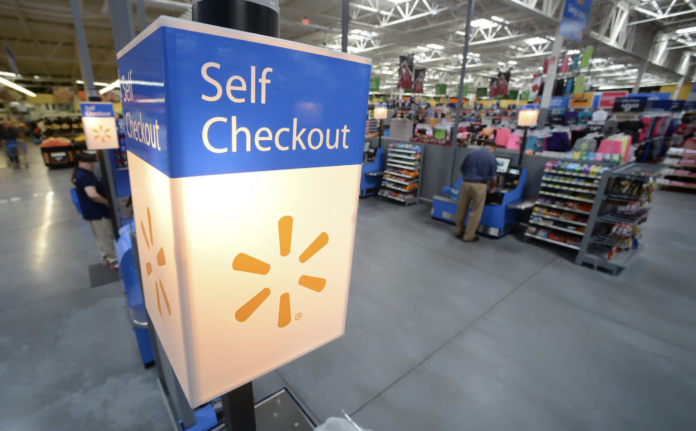
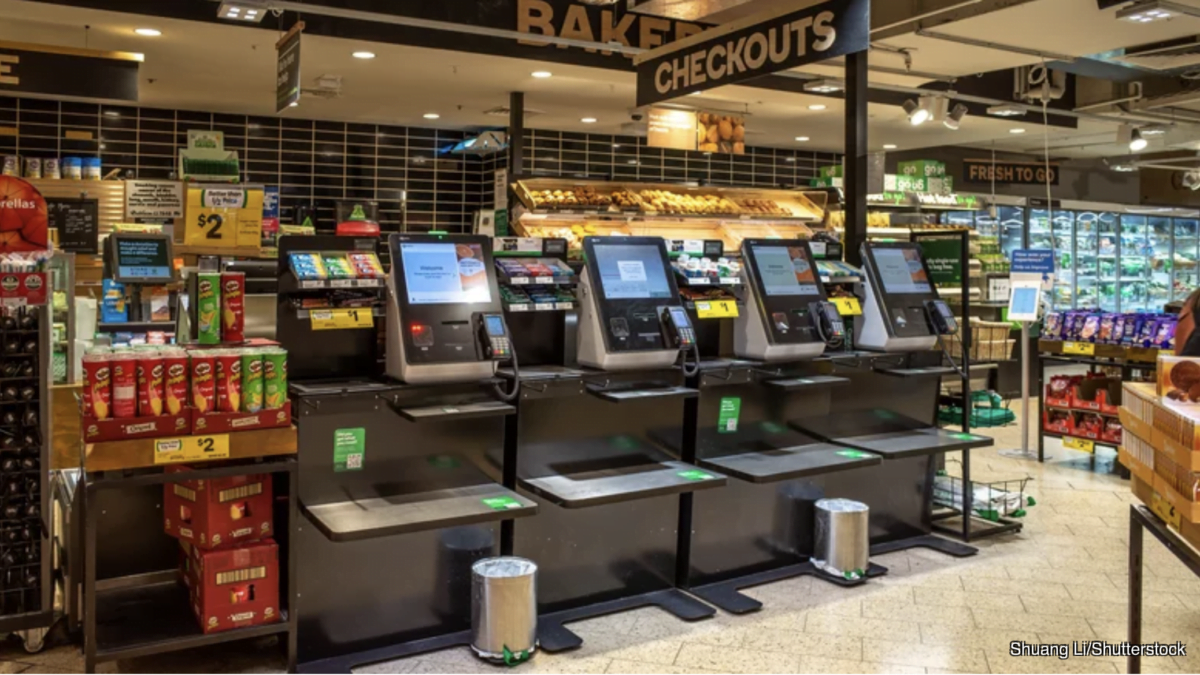
Self-checkouts have long been the unloved of retail. In the beginning nothing worked as it should, especially at the grocery store where an order for 20 items brought a new form of despair. Even if the presence of self-checkouts bothered many, Canadians have now apparently befriended them in some way.
Less than a year ago, data from Dalhousie University indicated that, for the first time, self-checkouts were becoming the preferred option for customers when leaving the grocery store. No less than 53.2% of Canadians were identified as intending to use self-checkouts regularly in the future. For young people, 60.1% of Gen Z (born between 1997 and 2005) and Millennials (born between 1981 and 1996) planned to use more of these tills without a cashier. Before the pandemic, in 2019—according to CivicScience—only 19% of customers aged 55 and older felt ready to use self-checkout checkouts, compared to 35% of customers aged 35 to 54. At the time, cashiers remained the preferred option for all demographics. Consumers used to love to hate these machines. Today, things have changed.
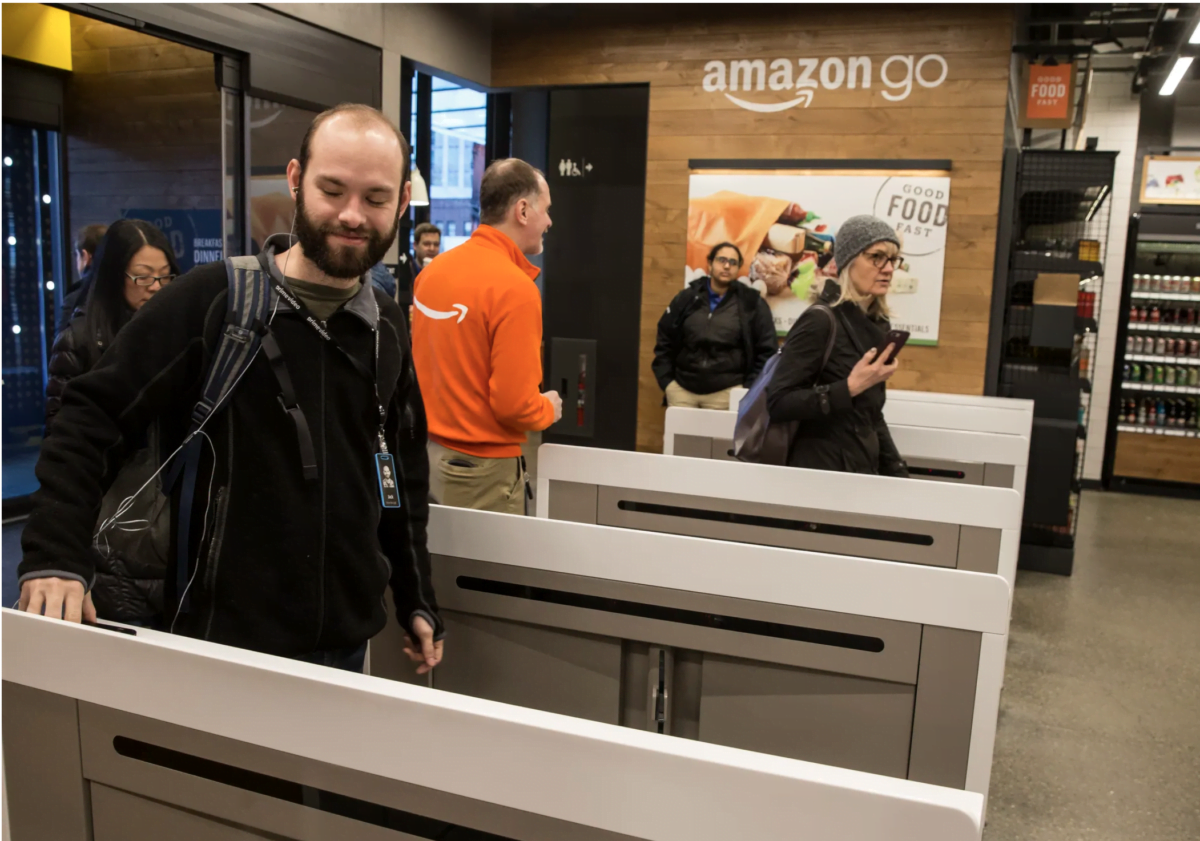
All told, self-checkouts are becoming more popular than ever, even surpassing serviced checkouts. According to a survey conducted by Dalhousie University, in partnership with Caddle in early May, a whopping 75% of Canadians have used self-checkouts while visiting the grocery store at least once in the past six months. Moreover, 85.1% of Canadians said they were satisfied with their experience. Interestingly, 47% of Canadians say they are willing to visit a cashier-less grocery store where all purchases are captured by digital sensors that allow consumers to add what they want to their basket and leave the premises without going through any checkouts at all. Amazon Go is the most well-known model for this right now. That number was much lower before the pandemic.
Amazon’s first cashierless convenience store in Seattle. Photo: Stephen Brashear/Getty Images
Technology is increasingly being accepted by consumers at the grocery store. But the technology itself is also improving, becoming more intuitive and efficient. Instead of just offering to consumers another option to exit the store while dealing with the optics of seeing machines stealing jobs, grocers are clearly committed now and are no longer holding back.
During the pandemic, cashiers were considered heroes, and everyone wished them a raise. The big chains have even been criticized by our elected officials for abandoning certain compensation programs that offered employees better conditions. The reality though, is that hiring and retaining staff remains challenging. It’s even worse with our labour shortage situation. Automation and robotics are slowly becoming priorities in the agri-food sector, especially in both the food service and retail industries.
For consumers, once choices are made, few want to wait in line to pay. Waiting to pay for your groceries is so 2019. Some want to chat and socialize, of course, but many just want to get what they need as quickly as possible and then socialize elsewhere. Nothing wrong with that either.
Food retailers, along with all of us, are accepting the fact that the labour market is changing and workers in the agri-food sector will want to perform different, more sophisticated tasks and functions that require advanced knowledge and skills. Gone are the days of hiring people to do repetitive tasks. In short, machines are replacing jobs that no one wants to fill.
With these technologies however, we are asking customers to do more work, without compensation. Financial institutions made a major shift decades ago with ATMs. At the time, customers were asked to do more while promising lower bank charges. We now know that quite the opposite has happened.
Unlike banks, the work done in grocery stores is a matter of food safety and security. The cost of food and how it’s handled matters a great deal to everyone. If self-checkouts mean **higher **prices in the future, consumers don’t benefit. But grocers will. The idea of taxing companies that opt for this kind of technology and directly affecting consumers has been floated from time to time. It’s now time to revisit the concept. Or at least, why not offer a reward or incentive for using these machines, such as actual money or discounts. If consumers must do more work during each visit to the store, they must also benefit from it, one way or another. Technologies will redefine the social contract grocers have with all of us. With more technologies, our rapport with grocers will change. It’s not a bad thing, as long as consumers benefit, somehow.
Retail Insider is streamlining its Canadian retail news from around the web to include a handful of top news stories that can be viewed quickly during the day. Here are the top stories from the past 24 hours.