Advertisement
Advertisement
Home Blog Page 879

BRIEF: Saint Laurent Opens at West Edmonton Mall, Starbucks Opening 1st Sustainably-Constructed Storefront

Saint Laurent Opens at West Edmonton Mall

French luxury fashion brand Saint Laurent (formerly Yves Saint Laurent) has opened its third standalone Canadian store at West Edmonton Mall in Edmonton. The 2,900-square-foot store is the latest luxury brand to open in North America’s largest shopping centre.

The boutique features a range of ready-to-wear fashions for women and men as well as bags, accessories, jewellery and footwear. One source noted that many of the staff in the store formerly worked at Holt Renfrew and thus have client lists to target shoppers in the region. An expanded assortment of fashions are expected to be included for the spring season amid uncertainties pertaining to the pandemic.

Best Edmonton Mall recently toured the mall and provided a photo tour for Retail Insider that we will run next week. One photo showed a small crowd of shoppers waiting to get into the Saint Laurent boutique, which is a good sign. Gucci will open a 5,000-square-foot store next to Saint Laurent next spring, with a Louis Vuitton store that opened last year being located next to the new Gucci.

Retail construction build specialist Amachris Corporation built the new Edmonton Saint Laurent store. They were responsible for all general contracting work and installation of interior finishings. Precision construction was required right down to the millimetre to install the exquisite floor to ceiling marble and metal in the beautiful new store. Amachris also completed the renovation of the Saint Laurent shop-in-store at Saks Fifth Avenue in downtown Toronto and has worked with several other luxury brands.

West Edmonton Mall is expected to secure more luxury brand stores in 2021 following the closure of Holt Renfrew in downtown Edmonton in January of this year.

Read more about Saint Laurent coming to West Edmonton Mall, including a full analysis here.

Rendering of Starbucks Canada's first sustainably-constructed drive-thru cafe. Rendering: Starbucks
Rendering of Starbucks Canada’s first sustainably-constructed drive-thru cafe. Rendering: Starbucks

First Sustainably-Constructed Starbucks Café to Open in Canada

Starbucks Canada has announced the first-of-its-kind, sustainably-constructed Starbucks drive thru café in Canada, assembled in just six days, with near-zero construction waste and designed to reduce energy needs for heating and cooling compared to standard construction builds.

Designed, manufactured, and constructed by Vancouver-based green building company Nexii Building Solutions, the Starbucks drive-thru café – set to open in early 2021 in Abbotsford, B.C. – represents a significant step forward in the company’s aspirations to operate more eco-friendly stores, a key component of the company’s global sustainability strategy which aspires to store more carbon than the company emits; reduce waste sent to landfills; and provide more freshwater than the company uses.  Starbucks has set ambitious sustainability targets to cut its carbon, water, and waste footprints in half by 2030.

“Buildings and construction can have a substantial impact on Canada’s environmental goals,” says Catherine Anderson, vice president of Store Development at Starbucks Canada. “Working with like-minded innovators like Nexii, we are excited to lead the industry in modelling the benefits of green construction and share what we learn with others to help action meaningful, global change.”

Starbucks has been a global leader in designing its cafés to achieve LEED® (Leadership in Energy and Environmental Design) certification standards since 2005, ensuring energy and water efficiencies and using sustainable building materials.

“All aspects of the Nexii system – from the products we create to the way we assemble our buildings – are designed with sustainability at the core, so that we can create affordable, green buildings,” says Stephen Sidwell, CEO of Nexii, who adds that as Nexii panels create a thermally efficient, airtight envelope, the Starbucks building will require less energy to heat and cool compared to standard construction builds, greatly improving energy efficiency over its building lifecycle, lowering operating costs.

Please click here for a timeline of Starbucks sustainability initiatives.

Kijiji logo
Kijiji logo

Kijiji Canada Poaches Loblaw Exec for General Manager Role

Kijiji Canada has announced the addition of Herman Paek, a seasoned e-commerce veteran. Joining Canada’s number one classifieds platform and online marketplace as its General Manager, Herman brings with him a long track record of leadership and success in Canada’s digital economy.

Herman Paek headshot

Most recently he was Senior Vice President at Loblaw, leading e-commerce and digital for the organization. As a founding member of the Loblaw Digital team, he played a leading role in transforming it into one of Canada’s most prominent e-commerce brands.

“Kijiji is an iconic brand that continues to have a tremendous impact with Canada’s consumers, small businesses and automotive industry. I’m excited to join such a talented team and look forward to working with them and our partners as we deepen our connection with our buyers and sellers, reinforce our commitment to the Auto industry through Kijiji Autos, and explore new ways of serving our audiences,” said Paek.

Paek’s arrival comes as Kijiji continues to build momentum in the Canadian market. By listening and responding to the needs of its customers, the company has played a leading role in fuelling a $27.3 billion second-hand economy that has grown in size annually since 2015. With the launch of Kijiji Autos in 2019 to expand on Kijiji’s country-leading online automotive marketplace, the company has solidified its position as a trusted marketplace for buyers and dealers, tracking 4.1 million monthly unique visitors in September 2020.

With Paek as part of the team, Kijiji will continue to solidify its position as a trusted marketplace for all Canadians, and as the country’s number one classifieds platform that reaches more than 15 million visitors each month.

Children interacting with one another in McCarthy Uniforms' face masks. Photo: McCarthy Uniforms
Children interacting with one another in McCarthy Uniforms’ face masks. Photo: McCarthy Uniforms

McCarthy’s Reinvents School Fundraising for the Age of COVID and Rounds Out PPE Line With Masks for Toddlers

Building on its commitment to support Canadians through the COVID-19 pandemic, McCarthy Uniforms, through its non-uniform line, Navy & White, is now offering McCarthy Rewards, a cashback fundraising program that gives 5% of the price of all purchases right back to schools or community groups (sports teams, camps, workplaces, etc.). With restrictions on in-person activities, many schools and other organizations are struggling to find ways to raise funds this year—McCarthy Rewards is the solution.

McCarthy Uniforms' 'donut mask' designed specifically for children. Photo: McCarthy Uniforms
McCarthy Uniforms’ ‘donut mask’ designed specifically for children. Photo: McCarthy Uniforms

The program allows schools to raise money while offering easy access to spirit wear — comfy apparel and accessories such as T-shirts, hoodies, gloves, fanny packs, and masks, customized with their school logo or other personalized artwork.

Any organization can build a custom program through McCarthy Rewards, whether they have a uniform program with the company or not, and reap the benefits of 5% cashback.

“We’re hearing that student and parent councils are struggling this year to find convenient ways to raise funds for schools, which would normally happen through pizza lunches, bake sales, and subscription programs,” says Vanessa Iarocci, president of McCarthy Uniforms. “There is a huge sense of financial burden from COVID-19, so we worked quickly to find a solution to help our communities raise money from purchases they already make.”

The fundraising program extends to McCarthy’s line of COVID-safe necessities, including its new mini masks, designed to fit children aged three to six. These comfortable non-medical masks feature fun designs by kids, for kids, and have adjustable toggles so they grow as your kids do. The new mini masks join McCarthy’s popular line of cost-effective kids’ and teens’ masks, and all are made of breathable 100% Egyptian cotton.

“With kids and teens wearing masks all day in school, it’s incredibly important that their masks fit comfortably,” says Iarocci.

SPINCO's 'Podium' at-home stationary bike. Photo: SPINCO
SPINCO’s ‘Podium’ at-home stationary bike. Photo: SPINCO

SPINCO and Echelon to Unveil SPINCO’S First Connected Bike to Home Market

Canada’s largest spin studio, SPINCO, has announced the launch of its first home fitness bike, Podium, alongside connected fitness industry leader, Echelon Fitness. This relationship is set to usher in a new generation of fitness bikes featuring state-of-the-art technology that transforms workouts into unparalleled fitness experiences, competing with Peloton which is also seeing significant market growth.

Flagship retail locations are set to open in Spring 2021. SPINCO operates 18 studio locations across Canada and has more than 150,000 members. This born-and-bred Canadian company has grown significantly every year since its founding in 2014, earning a reputation for cultivating a strong community of riders committed to physical and mental wellbeing.

“Our bike was created with our passionate riders in mind,” said Michelle August, Founder of SPINCO. “When you step inside a SPINCO studio, there is an unexplainable feeling that riders experience and we set out to recreate that raw experience at home with custom content created just for them. We believe that the result is a bike that is true to our brand and an exceptional addition to our in-studio programming.”

Podium will feature immersive content that is exclusively Canadian made and curated by SPINCO’s top instructors from across the country. Additionally, riders will also have 24-7 access to the Echelon catalogue of live and on-demand workouts.

SPINCO's 'Podium' at-home stationary bike. Photo: SPINCO
SPINCO’s ‘Podium’ at-home stationary bike. Photo: SPINCO

“There were no shortcuts when we created this product,” said August. “Great steps were taken to ensure our bike was approachable, intuitive and met the needs of today’s consumer. We have included key features that truly set us apart, including a 22-inch HD touch screen, 32 levels of electronically controlled resistance, best-in-class components and innovative aesthetics that are perfect for any rider.”

SPINCO would not have been able to make this bike a possibility without the support of Echelon. “SPINCO came to us with a unique value proposition that truly excited our team,” said Echelon Founder and CEO Lou Lentine. “Our DNA is so similar, delivering incredible fitness that drives brand love and a sense of true community. The commitment to their clientele pushes them to keep innovating and we know that dedication will make their at-home product an incredible success.”

The SPINCO bike will be available exclusively at www.spincopodium.com for $1999.00 with guaranteed delivery in spring 2021.

GH+A Design Studios logo

GH+A Design Studios Wins Five Design Awards

Design firm GH+A has announced that it has won five awards for design excellence. GH+A design studios is a proud collaborator on the following projects:

  • ICSC Global Awards North America
  • Category: Renovations/Expansions projects under 150,000 square feet
  • Project: CF Chinook Centre Dining Hall, Calgary, AB
  • Prize: Silver
  • ICSC Global Awards North America
  • Category: Renovations/Expansions projects over 500,000 square feet
  • Project: Devonshire Mall, Windsor, ON
  • Prize: Silver
  • ICSC Global Awards North America
  • Category: Renovations/Expansions projects over 500,000 square feet
  • Project: Devonshire Mall, Windsor, ON
  • Prize: Sustainable Gold
  • DrivenxDesign London Design Awards
  • Category: Interior Design – Retail –
  • Project: RS No.9 Carnaby St., London, UK
  • Prize: Silver
  • Canadian Interiors Best of Canada Awards Competition
  • Category: Retail & Showroom
  • Project: Canada Goose, Beijing, China
  • Prize: Winner
Mastermind Toys Play Preview logo

Calling all Inventors, Manufacturers, and Vendors – Mastermind Toys Wants to See Your Very Best Products for 2021

Mastermind Toys is looking for the next best toys and games with its Mastermind Toys Play Preview initiative. For inventors, manufacturers, and vendors, it could be your chance to capture the Mastermind Toys team’s attention and become a part of the brand’s 2021 plans.

For years Mastermind category buyers have relied on toy fairs around the world to assemble its curated assortment of toys. Due to COVID-19, this simply won’t be possible, and so with an eye on its 2021 offering, Mastermind Toys is excited to announce that it will be hosting a Mastermind Toys Play Preview — a virtual toy fair with vendors worldwide.

Mastermind Toys is Canada’s largest specialty toy and children’s book retailer, with 68 stores coast-to-coast and a wonder-filled website. As Canada’s Authority on Play, Mastermind Toys works harder to be ahead of the trends and discover the very best in play—always with an eye on the end consumer. Great products for every age and stage drive the brand, and Mastermind Toys is very thoughtful in its product selection.

To learn more visit https://www.mastermindtoys.com/pages/mastermind-toys-play-preview

Read More Briefs From Retail Insider:

Canadian Optical Brand ‘Clearly’ Relaunches Brick-and-Mortar Store Expansion After 7 Year Hiatus

Exterior of new Clearly store in CF Chinook Centre. Photo: Clearly

Eyewear retailer Clearly, based in Vancouver, has opened its fourth retail location with plans for further growth in the brick and mortar space.

The company, which began in 2000 as strictly an online retailer, opened its first store in Calgary, at CF Chinook Centre on December 21, to complement its existing two retail locations in Vancouver (on Robson Street and West 4th Avenue) and one in Toronto (on Queen Street).

The first retail location opened in 2013 on Robson Street.

Clearly was originally founded by a local entrepreneur in Vancouver but the company was bought by EssilorLuxottica in 2014. The company has a distribution and production centre in Vancouver as well.

According to CEO, Clearly has Plans for Future Expansion in 2021

“We have a plan to potentially expand as well in the next year,” said Arnaud Bussieres, CEO of Clearly.

“We are a digital brand and we were the first ones in the market to sell contact lenses, eyeglasses and sunglasses online. We have one mission, which we live and breathe, to eradicate poor vision in the world. There’s roughly 2.7 billion people worldwide and just here in Canada two million people. So what we are trying to do is to fulfill that mission by bringing affordability, bringing access and creating awareness about the importance of good vision and eye health and providing solutions for the consumers.

“We have the most affordable and the widest I would say range of products on both eye glasses, sunglasses and contact lenses and we do that with a nice mix of ecommerce and in store as well.”

The company has about 200 employees.

The company says that nearly 25 percent of Canadian children experience vision issues which can lead to learning at a slower rate, developing a negative self image and experiencing frustration with learning.

Exterior of new Clearly store in the CF Chinook Centre. Photo taken in late November. Photo: Retail Insider

“Vision problems are almost impossible to identify without a proper, comprehensive eye exam, especially in young children who aren’t yet able to recognize – let alone explain – that something doesn’t feel right. Whether it’s spotting a crucial problem that can save their vision or simply making it easier for a child to see letters on a page, a 20-minute sit-down with an optometrist can change the course of a child’s entire life,” said Bussieres.

He said the rationale for the company to have a retail network is primarily to offer its access and service to more consumers.

“We really believe that the best experience you can have buying eyeglasses is to start with an eye exam. Today the only and the best way to get an eye exam is actually to have an optometry clinic and have an appointment with an optometrist. So that’s why we’ve been looking at opening more stores. It’s a great way for consumers to discover the brand, experience and test the product, and get some advice around what is the right frame for me, what is the right lense for me,” said Bussieres.

“So we really use those retail locations as eye health centres where we can have eye exams and then education centres where we can really ensure the best service and the best experience for consumers to get the best products.

“Chinook is our fourth store and we are contemplating opening more stores in order to have good coverage in other parts of the country not only Vancouver, Calgary, and Toronto. So we are not yet in a place where we can say we are going to open next month in this location. But we are looking at the opportunities there. Doing that in partnership with the rest of the industry, with the rest of the group as well, because we are owned by Essilor. That’s the process we are in right now and how we are going to move forward next year.”

Ecommerce continues to be a strong component of the company’s operations.

“It was growing very, very fast up until this year. We’ve been fortunate to operate a business that has been 95 percent ecommerce. We’ve enjoyed the very, very fast growth. We are probably the third largest online retailer for optical goods in the world and we’ve doubled the size of the business in the last five years and we intend to double it again in the next three years. The growth has really exploded and it’s driven by a lot of consumer adoption of online purchases of optical goods,” said Bussieres.

Samsung ‘Business TV’ Video Screens Meeting Growing Need for Contactless Communication in Local Retail Businesses

Photo: Samsung
Photo: Samsung

In the spring of this year, Samsung introduced its Business TV to the Canadian market as a new offering for businesses. The advanced television technology provides affordable and easy-to-use digital displays with cutting-edge innovations. Retailers that are already using it say that the dynamic video screens are a welcome addition to their businesses.

The Samsung Business TV technology can be programmed for a wide range of messaging such as menus and products offerings, producing dynamic visuals that get a consumer’s attention. The easy-to-manage digital signage provides contactless communications which are especially desirable during these challenging times.

Samsung Business TV was designed for small business owners as a user-friendly screen that delivers a brilliant visual experience for 16-hours a day, seven days a week, with ultra-high-definition displays in a range of sizes to fit any space.

Businesses that have already implemented the Samsung Business TV technology say that they are spending less time dealing with technical issues and thus have more time to spend focusing on their business. The Business TV technology, they say, helps maximize digital communication on-site to showcase creative and advertising content alongside TV programming, all at once.

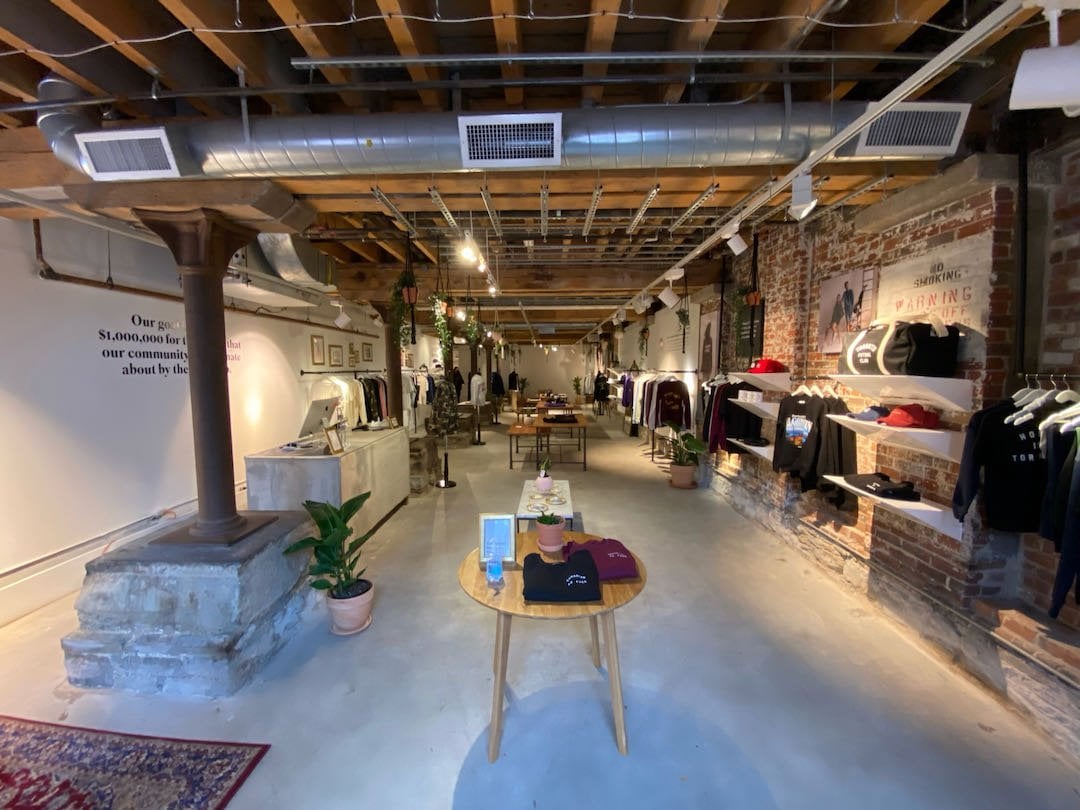
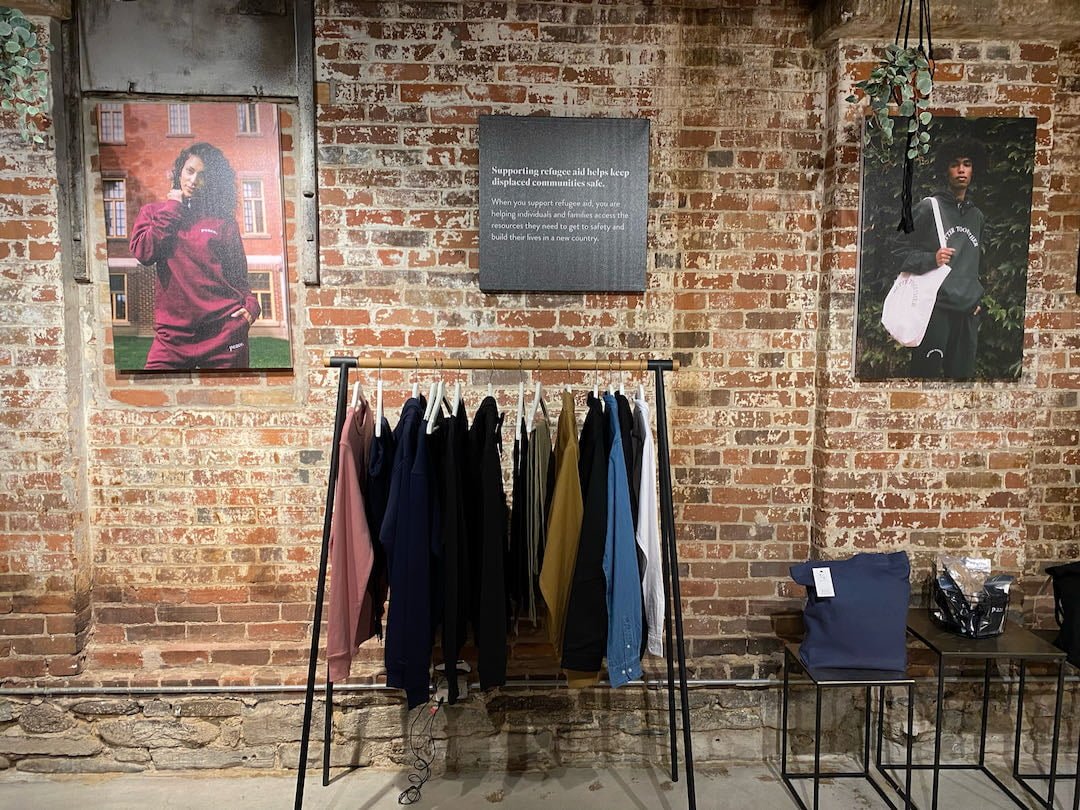
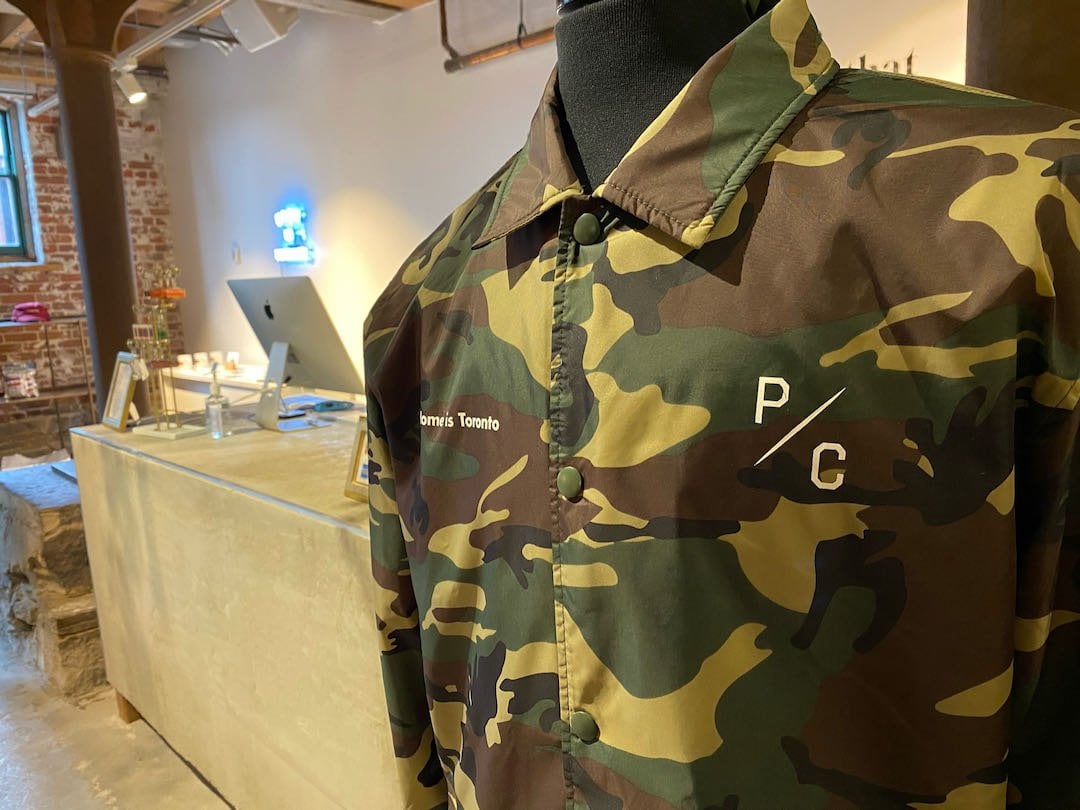
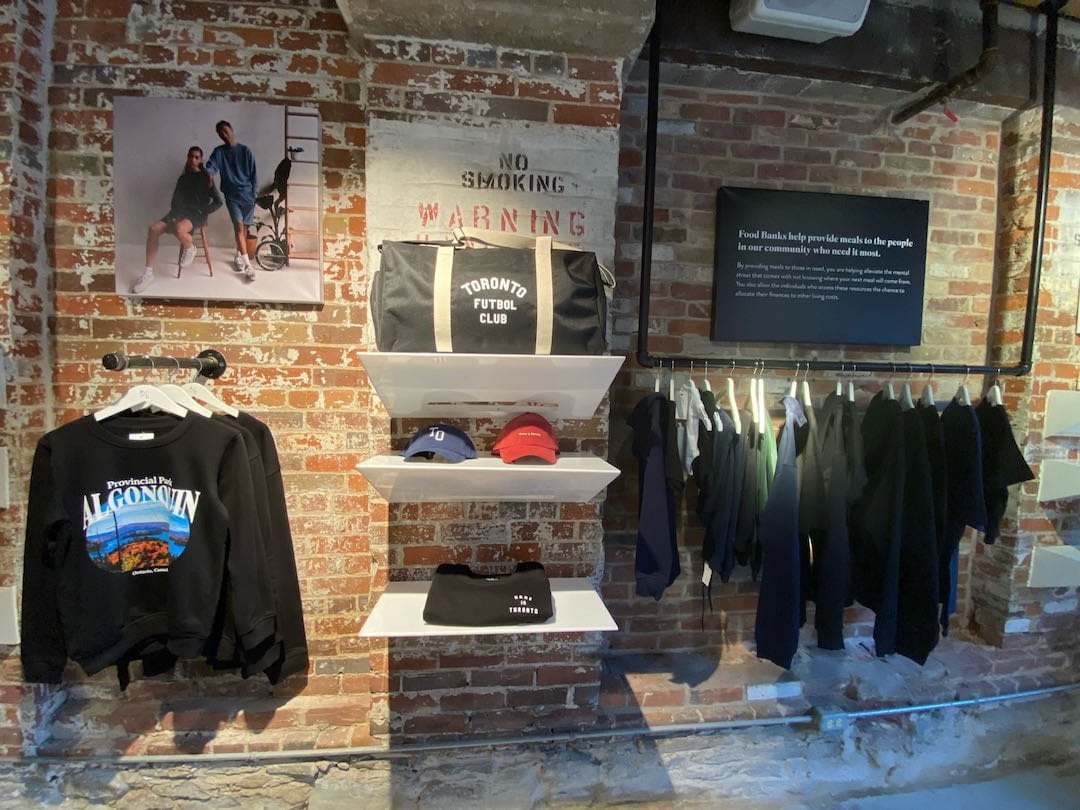
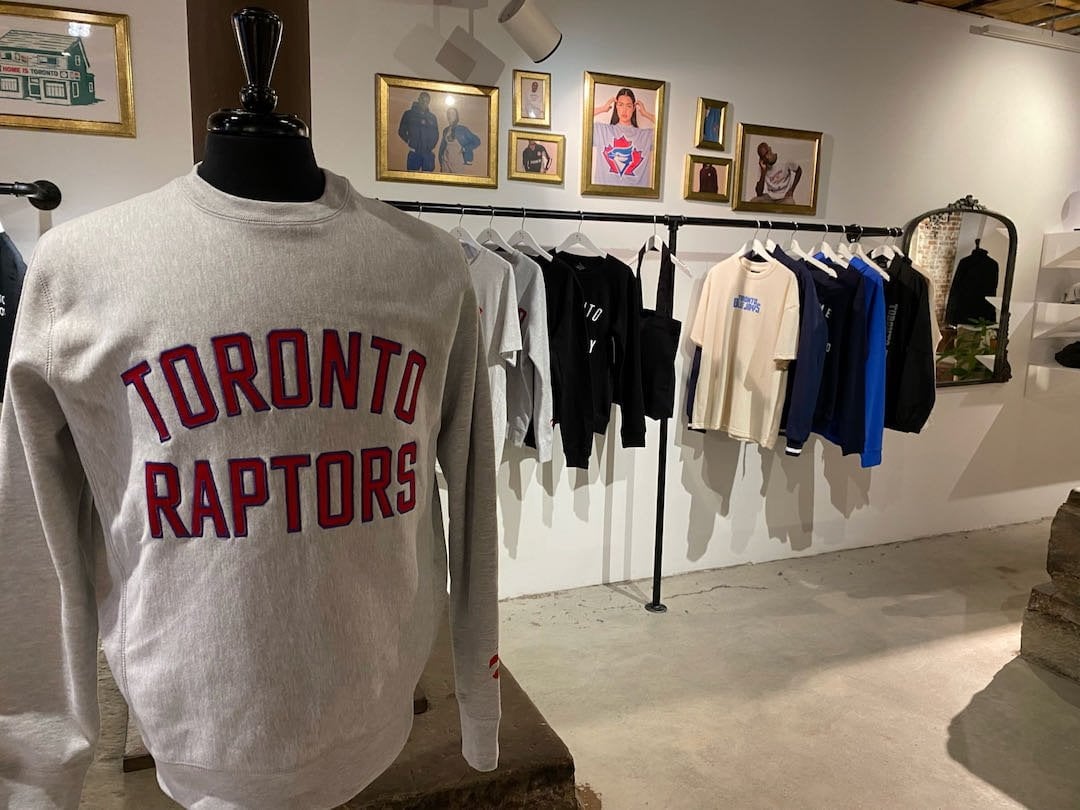
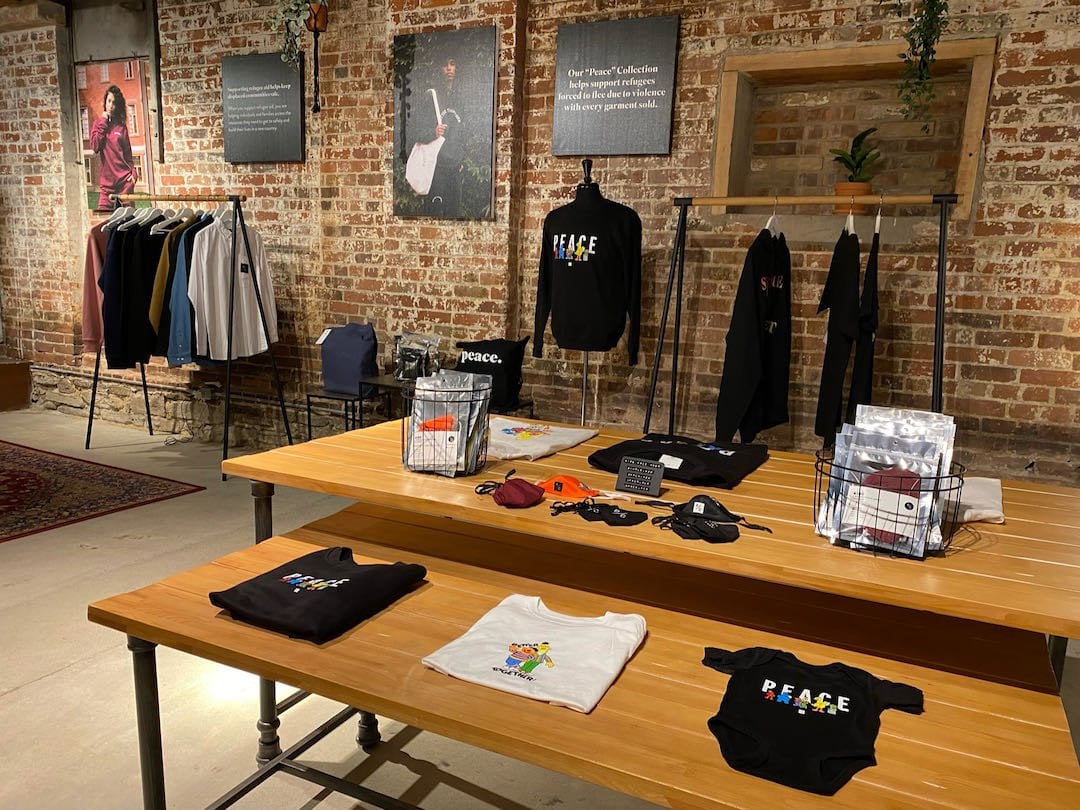
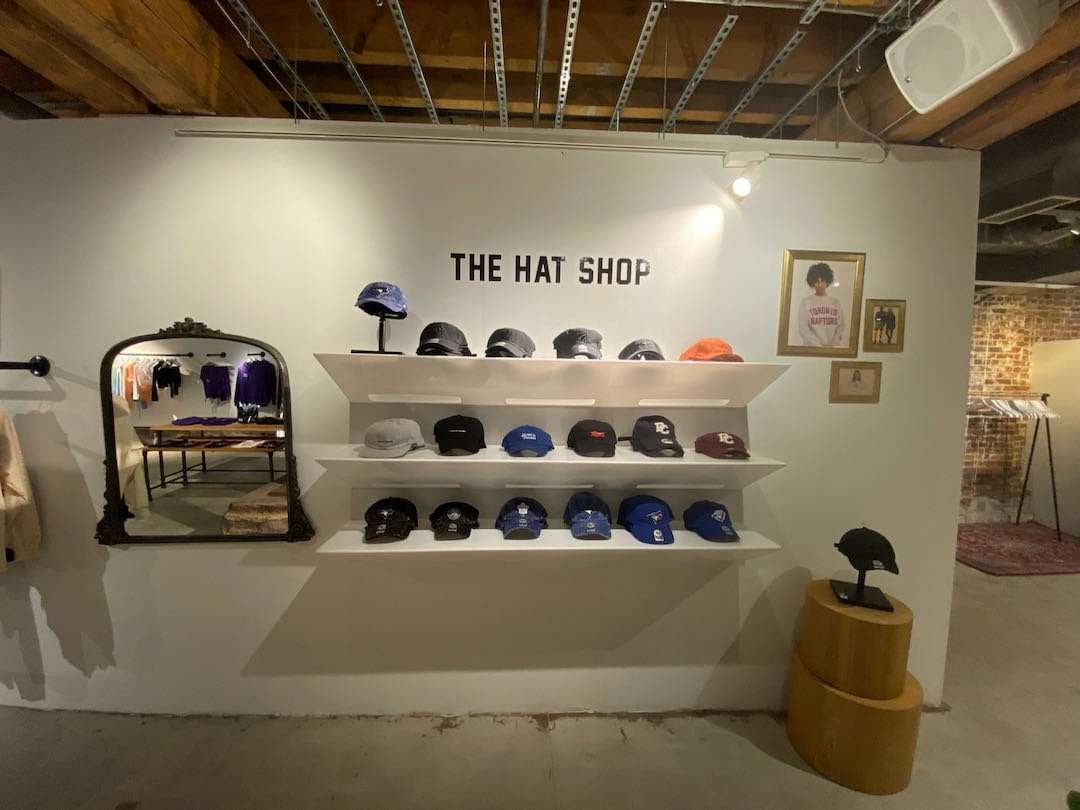
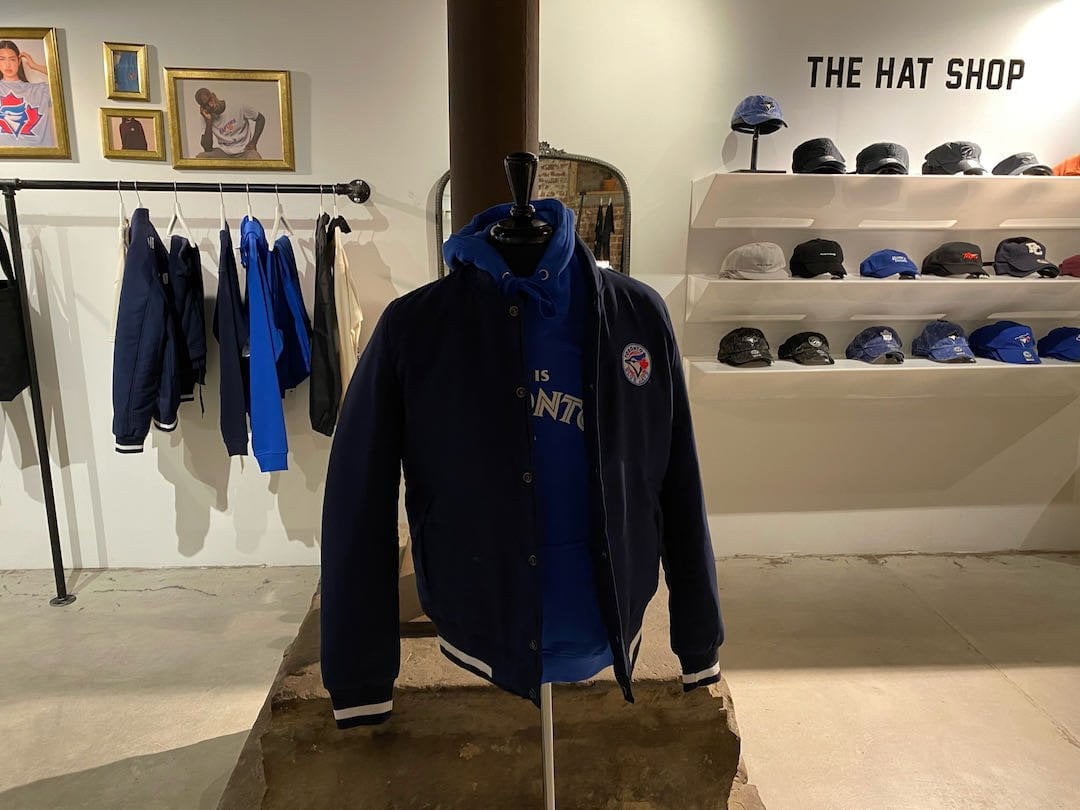
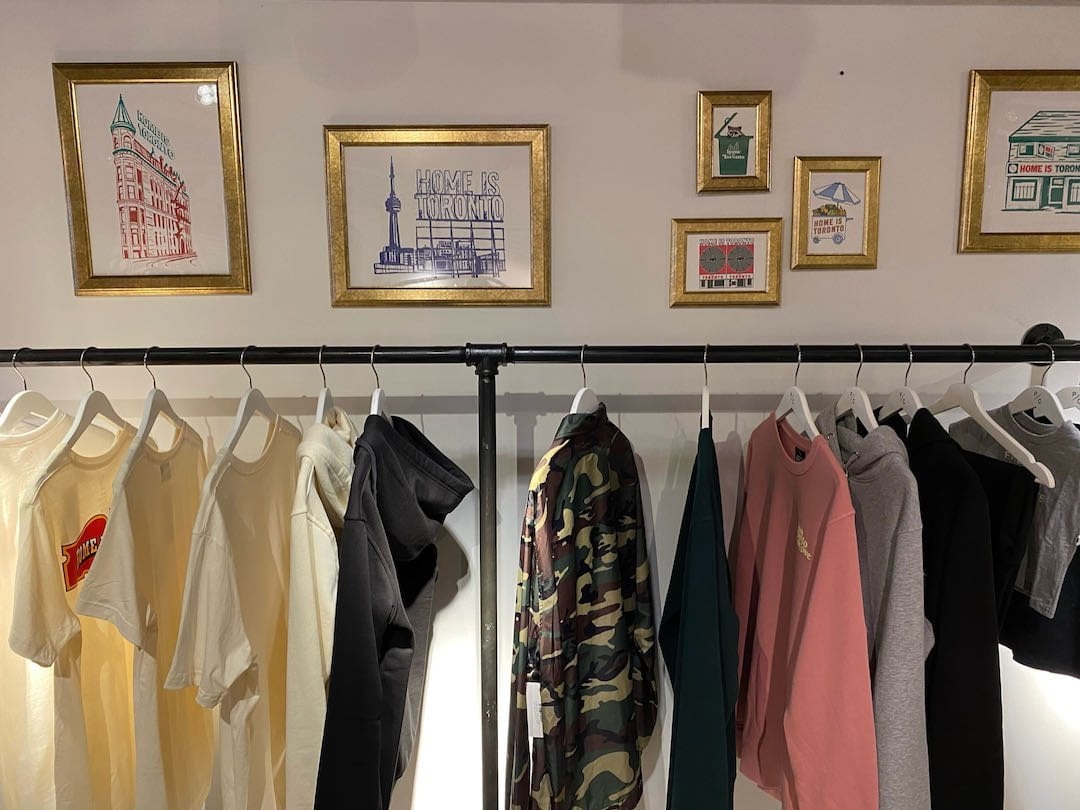
One store that recently installed Samsung Business TV is retailer Peace Collective, which operates a store at 131 Ossington Avenue in Toronto. “Inside our Ossington Peace Collective location, we run a gourmet milkshake bar called Peace Treats that sees really high foot traffic,” said Roman Hessary, Head of Growth and Managing Partner at Peace Collective.

Samsung Business TV. Photo: Samsung

“We wanted a digital screen that was as clean as possible to complement our minimalist style. The Samsung Business TV fit perfectly into what we were looking for. It replaced two TVs and allowed us to display both our menu and visual content on one screen, which we can update and control through a simple app on our device,” he said.

Another Toronto-based retailer, Cheese Boutique, found that it was easily able to showcase its offerings on the dynamic Samsung Business TV screens that were installed this year at Cheese Boutique’s storefront at 45 Ripley Avenue in Toronto’s Swansea neighbourhood.

“In the boutique, we want to be able to promote our cheeses, showcase our own content and run TV programming for our customers,” said Co-Owner and Maître Fromager Afrim Pristine. “Previously, we had a graphic designer creating templated content and an AV technician updating our screens constantly.”

“Samsung Business TVs give us pre-loaded templates for everything we could possibly need from seasonal sale to promotions to motion-embedded content.” Mr. Pristine went on to say. “It gives us the premium visuals we were spending a lot of time trying to make from scratch with a few easy clicks in the Samsung Business TV app.”

Samsung’s aim was to make its Business TV product cost-effective for small businesses, while also making it easy to use.

“We know many business owners are time-strapped and have limited resources but need to keep up with customers’ expectations in our technology-friendly environments. Samsung Business TV was designed to offer businesses of all sizes a simple and affordable solution that they can manage themselves and quickly integrate into their business to ensure they are meeting customers’ needs,” said Mary Peterson, Vice President, IT & Enterprise Solutions at Samsung Electronics Canada. “I’m thrilled to see the technology driving value for our customers,” she went on to say.

Samsung brought together the brand’s expertise in commercial signage displays with its advanced TV technology intending to provide businesses with impactful visuals.

During these rapidly changing times amid the pandemic, digital signage from Samsung helps businesses dynamically communicate how they are operating and serving their communities while maintaining physical distancing. With Samsung Business TV, for example, retailers can showcase store-entry bulletins such as store hours and customer capacity, physical distancing and safety protocols and product availability and promotions. The digital displays can also facilitate checkout guidance such as wait time and customer lineup details, branded messaging and community support and pick-up or checkout procedures.

TVs with advanced visual capabilities have become more affordable for businesses as visual display technology continues to be approved and costs come down. In today’s media-saturated environment, many small business owners are saying that they want to directly manage their own digital and video channels, leaving behind outdated and costly printed materials that were previously used for customer communication.

The Business TV lineup from Samsung delivers an eye-catching visual experience with ultra-high-definition resolution in a range of sizes to fit any space or budget. The Crystal Display ensures optimized colour expression while the High-Dynamic Range improves brightness levels to better catch the attention of potential customers.

Samsung Business TV also comes with an impressive three-year warranty.

Small businesses are attracted to Samsung’s Business TV for its ease of use, which is a good thing particularly when a storefront has only one or two people working within. The technology was developed to enable quick and simple set up. Business owners or employees can easily switch on their Samsung Business TV and follow the how-to guide on the screen. The guide explains how to download the Samsung Business TV app, available for Android and iOS devices, and how to pair the two together.

An automatic running feature maximizes the convenience of the Samsung Business TV range. Users can control settings using an On and Off Timer. Once the TV switches itself on an initial set-up, it will auto boot the Samsung Business TV App which means that the TV can run automatically each day without the need to reprogram. Paired TVs will automatically show on a user’s Android or iOS device, which allows users to deploy content to the TV or even on multiple TVs at once. The Samsung Business TV range also offers an operating time of 16 hours a day, seven days per week.

Users can quickly and effortlessly play professional content on their TV screens by choosing from a range of pre-designed templates, then editing their selected image and text before sending it to the TV. The app includes a mobile-friendly user interface for easy content editing and supports more than 100 templates for non-experts. These include over 30 L-Bar templates which allow companies to play promotion content while TV programming remains on screen. Motion-embedded templates and seasonal promotion templates can be updated periodically.

The Samsung Business TV range also includes secured pairing with the Samsung Business TV app using an easy PIN code setup. It further includes a panel button lock and a USB port lock for added security to give business owners peace of mind.

The range of Samsung Business TVs includes full-size variation with 43, 50, 55, 65, 70, and 75-inch size options available in Canada. Featuring a sleek design in carbon silver, the Samsung Business TV provides a truly immersive viewing experience.

For more information on Samsung’s SMART signage offerings, including Samsung Business TV, please visit https://www.samsung.com/ca/business/smart-signage/all-smart-signage/.

*Partner content. To work with Retail Insider, email: craig@retail-insider.com

Special Edition 22: The Future of Shopping Centres in Canada and How they Can Compete with Amazon

Special Edition 22: The Future of Shopping Centres in Canada and How they Can Compete with Amazon

An off-schedule podcast discussion with Matt Crowell, Founder & CEO of GetintheLoop. Craig and Matt discuss the future of shopping centres in Canada in a time of digitization as retail heads online, and how the shopping centre has a potential advantage over Amazon.

Interview Details

The Weekly podcast by Retail Insider Canada is available on Apple Podcasts, Stitcher, TuneIn, Google Play, or through our dedicated RSS feed for Overcast and other podcast players.

Subscribe, Rate, and Review our Retail Insider Podcast!

Follow Craig:

Follow Retail Insider:

Listen & Subscribe:

Share your thoughts!

Drop us a line at Craig@Retail-Insider.com. You can also rate us in Apple Podcasts or recommend us in Overcast to help more people discover the show.

Toronto Grocer Rabba Partners with Paramount Fine Foods on New Regent Park Storefront

Rabba - By Paramount. Photo: Foodservice and Hospitality Magazine

Two iconic food brands based in Toronto — Rabba Fine Foods and Paramount Fine Foods — are partnering for an innovative and unique kitchen concept that combines the best of both businesses.

Rabba Fine Foods will open a new local market in Regent Park in early 2021 and it will feature a pilot concept called Rabba Kitchen – By Paramount, a shop-in-shop takeout counter that will offer freshly-made meal options with a Middle Eastern-inspired menu.

Rabba Kitchen – By Paramount Set to be Rabba’s 35th Location

It will be Rabba’s 35th location.

“We’ve been great fans of Paramount Fine Foods over the years,” said Jack Rabba, Founder of Rabba and a dedicated Toronto-area grocer since 1967. “This collaboration is a result of many months of planning and, of course, many enjoyable taste tests. I can assure you the final product passes with flying colours, and a very satisfied appetite.”

Rick Rabba, President of Rabba, said the company is always offering its customers quality products and selection and “we’re expanding the breadth of our offering with a very high quality brand that everyone knows and loves”.

Exterior of Paramount Fine Foods Restaurant on the corner of Adelaide and Spadina in Toronto. Photo: BlogTO

“We’re working towards opening multiple locations. Because of our longstanding relationship we’ve had in the past, the offerings complement each other just from a taste perspective,” he said, adding that the Regent Park location offers the right demographics for the concept.

“It’s urban customers looking for convenience who are familiar with Mediterranean cuisine and are familiar with Rabba’s offering. It’s really the exact right place for both brands to be.”

Rabba Fine Foods is a local market and convenience store which is open 24 hours a day in neighbourhoods throughout the Greater Toronto Area.

Exterior of Rabba store in Toronto. Photo: Rabba

Paramount Fine Foods is a global Middle Eastern cuisine restaurant chain with 74 locations, primarily in Ontario, but with two locations in British Columbia, three in Edmonton, one in Quebec, with two being built. Locations also exist in England, Beirut, Pakistan, and in Africa. The first location was 2007 in Mississauga.

“The region of the Middle East has long been revered for its flavours, spices and wholesome meals,” said Mohamad Fakih, founder and president of Paramount Fine Foods. “Together with Jack Rabba and his team, we’ll be able to honour our common roots while sharing our love of food with even more people than we could achieve on our own. In these times of pandemic, it’s more important than ever for all of us to celebrate life’s greatest, often small and humble, pleasures.”

Paramount to Launch Butcher Shop & Restaurant Concept Within Rabba

He said the partnership with Rabba includes Paramount launching its butcher shop and restaurant concept within a Rabba location.

“It will actually complete the image of what Rabba needs,” said Fakih. “Especially if you look at supermarkets today. They’re bringing in and including ready-made food made by specialists instead of just making it, box it and sell it. So here the consumers are actually buying it from the franchise inside their own supermarket.”

One butcher shop will be opening in a Rabba store in Mississauga where Paramount took a corner of about 1,200 square feet. The first location will open in mid-January.

“Having us available in a supermarket will make us available to more clientele, more footprint and a great location. Rabba is very well known to be located very well in a location. Very smart business locations. He has secured them years and years ago. Those locations will provide us higher sales,” said Fakih.

He said the pilot project — Rabba Kitchen – By Paramount — has intentions to start with five Paramount restaurant locations inside Rabba.

“We’re putting in there Paramount and our new fried chicken concept called Krispo,” added Fakih.

Read More Related Articles From Retail Insider:

Afterpay Bolsters Merchant Offering With Introduction of Cross-Border Commerce

Known for its innovation in the ‘buy now, pay later’ space, the Australia-based provider of the fast-growing alternative payment option is helping to disrupt a long-standing cartel-like domination held by major credit card companies over consumer lending. It’s empowering its users, allowing them the freedom to take greater control over their spending and finances. And now, with its announcement of the introduction of cross-border commerce functionality to its services, Afterpay is further enabling its merchant network, opening up their storefronts and offering to the company’s rapidly expanding legion of consumers around the world.
Rapid Growth and Adoption

Currently available in Australia, Canada, New Zealand, the United States, and the United Kingdom, where it’s known as Clearpay, Afterpay is helping to transform the payments industry, allowing consumers to receive products immediately and pay for their purchases over four interest-free installments. And, with more than 11.2 million active users shopping with nearly 64,000 retail brands to date, the popularity and adoption of the payment option among both merchants and consumers is evident and continues to upsurge. It’s representative of the expeditious growth of the company that began its operations just five years ago, and a reflection of the strength of the network it’s cultivated to this point. And, according to David Katz, Afterpay’s Chief Product Officer, the addition of cross-border functionality to its services reenforces the company’s proposition and the benefits available to its users.

“For both the merchant and consumer, it’s really all about increased opportunity,” he says. “Afterpay enables connections between buyers and sellers. And with the introduction of cross-border commerce to our services, we’re providing consumers with more storefronts to shop, and merchants with the chance to connect and engage with more shoppers. As a company, we thrive on bringing merchants and consumers together. The addition of cross-border commerce really helps us strengthen our offering and supports our continued growth.”

Addressing a Consumer Shift

The launch of cross-border commerce allows Afterpay merchants to open their ecommerce sites to consumers in Australia, Britain, Canada, and New Zealand, with plans to make the functionality available in the United States next year. With an estimated 21 percent increase in global cross-border ecommerce sales in 2020 compared to last year, the announcement of its offering couldn’t be more fortuitously timed. And given the current climate that’s been influenced so dramatically by the COVID-19 global pandemic, Katz suggests that the potential benefits to retailers could be game-changing.

“COVID-19 has altered just about every aspect of the lives of people all over the world,” he asserts. “Specific to the retail industry, its impacts have led to a shift in consumer behaviour and an acceleration of ecommerce use. It presents retailers with a massive opportunity, particularly small and medium size businesses that are without a global presence, to open up their virtual storefronts to Afterpay’s engaged and enthusiastic shoppers around the world and capitalize on a trend in consumer behaviour that we believe will be long-lasting.”

Ecommerce Tipping Point?

Afterpay first introduced cross-border commerce capabilities in Australia and New Zealand back in March 2019. And, according to the company, it helped deliver an astounding 576 percent growth in year-over-year sales for its merchant partners in the countries. The company also says that as a result of the introduction of cross-border commerce, the number of merchants in Australia and New Zealand now selling outside of their borders has grown by ten times. And when combining these impressive results with numbers that emerged in a recent report developed by fintech research specialist, Kaleido Intelligence, which suggests that worldwide cross-border ecommerce spending will break the $1 trillion mark by 2022, representing fully 20 percent of global ecommerce activity, it seems as though Afterpay and its merchant partners may be poised to welcome and reap the rewards of a long-awaited global ecommerce tipping point.

“There’s no question that the opportunities for retailers related to ecommerce, particularly around selling to consumers outside of local markets, are significant,” says Katz. “Everyone at the company has put in a lot of dedicated work toward making sure that we can provide this additional channel for our merchants and consumers. And we’re really pleased to have been able to make the functionality available just in time for the busy holiday season.”

Continued Innovation and Enhancement

In addition, according to Katz, the company has also been working tirelessly in an effort to support the success of its in-store payment solution, which it recently rolled out in the United States. Also available in Australia and New Zealand since 2016, the solution allows Afterpay users to make payments at brick-and-mortar locations with a virtual, contactless Afterpay card that’s stored in their digital wallet. It’s a signal of the company’s intent to further disrupt the credit card industry and commitment to continue fulfilling its mandate to help its growing community of consumers realize “financial freedom, transparency and a fairer future” through a powerful omnichannel tool that also offers support for the success of its merchants on all channels. The company plans to soon introduce its in-store payment solution in each country across its network. And, although there has not yet been an announcement concerning the inclusion of cross-border functionality within its in-store solution, Katz promises that the company continues focus on improving its services to enhance the experiences and successes of its consumers and merchant partners.

“Afterpay set out to help transform a complacent payments industry and invigorate the consumer, empowering them financially and connecting them with their favourite retailers. We’ve enjoyed incredible success with our service and offering to this point. And we’re committed to continue enhancing what we provide our users ongoing, innovating to constantly upgrade and develop ways to improve the retail payment experience for both consumers and merchants. We’re combining this outlook with our aggressive plans for global expansion in an effort to extend our presence and services around the world and to continue growing the ever-expanding network of Afterpay users.”

Commercial Real Estate in the New World: Free Webinar on January 14

The Montreal chapter of the Canadian Italian Business Professional Association (CIBPA) is hosting a free webinar entitled Real Estate in the New World. Don’t miss this great opportunity to hear from leading real estate professionals who will provide insights into the current state and future outlook of the industry, spanning from office to retail. [Sign Up Here]
The free webinar will take place January 14, 2021 at 12 noon Eastern/9am Pacific Time.

Moderated by Angela Civitella, CEO & Founder, Intinde and Vice-President, CIVDEV, learn from the experience and expertise from leading real estate professionals, including:

Interested in attending? Sign up here.

Italian Luxury Brand ‘Golden Goose’ to Open 1st Standalone Canadian Store at Yorkdale in Toronto

Interior of the Golden Goose Flagship in Milan, Italy. Photo: A13 Studio

Upscale Italian fashion brand Golden Goose, known particularly for its pricey sneakers, will open its first standalone Canadian store soon at Toronto’s Yorkdale Shopping Centre. It’s the latest luxury brand to move into Yorkdale, which has become Canada’s epicentre for luxury brand stores.

The Golden Goose store will span about 1,600 square feet in a retail space immediately south of the Louis Vuitton flagship store that opened in October. Yorkdale’s Golden Goose will feature a full range of fashions for men, women, and children including the brand’s popular sneakers, ready-to-wear clothing, bags, and accessories. The store was expected to open this month though there may be delays given recent COVID shutdowns.

The store was expected to open this month but because of pandemic related lockdowns, the opening has been delayed. Ontario Premier Doug Ford is expected to announce a province-wide 28 day shutdown that will see Golden Goose’s opening delayed until early 2021.

Golden Goose was founded in Venice, Italy in the year 2000 by Alessandro Gallo and Francesca Rinaldo. The company was owned by Italian fund DGPA SGR between 2013 and earlier this year when Golden Goose was sold to investment firm Permira. The deal closed in June and Permira is now spearheading a direct-to-consumer store expansion which launched under the previous owner.

Globally, Golden Goose operates about 95 stores in major markets. Seventeen of those stores are located in the United States. Two Golden Goose stores are located in New York City — on Madison Avenue and in Soho, with other stores located in primary and a few secondary markets. Enclosed shopping malls house the majority of Golden Goose’s US stores including the Mall at Green Hills in Nashville, Lennox Square in Atlanta, Northpark in Dallas, Scottsdale Fashion Square near Phoenix, and Houston Galleria, among others.

Construction hoarding at Toronto’s Yorkdale Shopping Centre. Photo: JM
Click image for interactive Yorkdale mall floor plan

More Golden Goose Stores Could Open in Canada

More Golden Goose stores could open in Canada. Given the number of locations in Asia, the Vancouver market could very well become home to a Golden Goose retail store. Toronto’s Bloor-Yorkville area, which continues to add new luxury brand stores, could be another target. Given that Golden Goose has opened stores in markets such as Nashville, there is a possibility that the brand could eventually open mall-based stores in markets such as Edmonton and Calgary and the Montreal market might also support at least one Golden Goose storefront.

In Canada, Golden Goose footwear is available at various retailers. Hudson’s Bay carries an expansive assortment for women, while Holt Renfrew carries the footwear line for both genders. Nordstrom and other retailers in Canada also carry the pricey Golden Goose sneakers that are typically priced in the $600 to $900 range depending on style. Some might be turned off by the ‘aged’ look of many of Golden Goose’s footwear styles which appear to have been worn previously with an element of being ‘dirty’.

Toronto’s Yorkdale Shopping Centre has become the epicentre of luxury brand retail in Canada, housing more luxury stores than Toronto’s Bloor-Yorkville area and downtown Vancouver. Toronto’s Bloor-Yorkville, which will see the addition of Isaia and The Webster stores in 2021, will see a unique resurgence that could see the neighbourhood gain market share.

Dress Pants Optional: How Retailers Are Dealing With Changing Consumer Habits

Delivery man with packages

By Brent McKnight

The COVID-19 pandemic is disrupting consumer habits. Canadians developed an intense interest in baking in the early days of the crisis, leading to flour and yeast shortages. They bought less sunscreen in the absence of tropical vacations, and they are dressing down in sweatpants while working over Zoom.

Consumer habits form around regular patterns of daily activity such as commuting, working and recreation. As these patterns change, so do consumer habits.

When people stop commuting, their spending habits change. (Manny Fortin/Unsplash)

These changing habits are having a significant impact on independent, Main Street retailers, particularly during the holiday season. To adapt in 2021 and beyond, retailers need to strengthen their ability to connect with existing customers and capture new customers as habits change — perhaps permanently.

There is no doubt that COVID-19 is putting a great deal of stress on many small Canadian retailers. Forced shutdowns were a major challenge in March at the start of the pandemic, and then again for certain regions, including Toronto and Peel in Ontario, since November.

As the crisis hit, I started interviewing independent retailers to understand the challenges they were facing in an ongoing study.

Consumers Developing New Habits

Habits are repetitive consumer behaviours that are tied to commuting patterns, hobbies, brand loyalties and preferences, as well as social behaviour. COVID-19 has caused significant disruption to consumer habits because people are working from home, restricting social behaviour and travel, and in general reflecting on what is most important to them.

These disruptions to consumer habits present both risk and opportunity for retailers. On the one hand, retailers are dealing with long-time customers whose habits are changing. For example, one comic book retailer in a medium-sized southwestern Ontario city noted that some of its comic book collectors suddenly stopped collecting — the result of personal reflection, perhaps, or shifting priorities.

Others had doubled down, spending more money on comics they might have otherwise spent on trips to a Comic-Con conference.

These changing habits are not isolated to comic books. A Dalhousie University study found that 4.2 million more Canadians are ordering food online than they were before the pandemic and this trend isn’t expected to dissipate.

More generally, customers are picking up new habits such as baking and or other leisure-time hobbies in the absence of other options, like going to the movies. These are all changes that influence consumption habits.

Stay Close to Customers, Double Down on Service

For retailers seeking to benefit from these new habits, this is a time to stay very close to customers and double down on service and engagement. Be inquisitive and thoughtful about how to reach existing and new customers in creative ways.

This might seem counter-intuitive in a time of social distancing, Plexiglas and face masks. However, retailers have demonstrated tremendous creativity in maintaining and creating connection with customers. They’re reaching customers using social media, including Instagram and Facebook.

One women’s fashion retailer in a small southwestern Ontario city typically holds fashion shows to highlight new seasons of clothing. With COVID-19 restrictions, the show shifted online.

Others are using Facebook Live or Zoom calls to show inventory to customers, either en masse or through personal “tours.” Well-established retailers are even using email and telephone to reach loyal customers.

In delivering products and services, many local retailers have sought to add value for stressed-out customers. From jewellers to kitchen supply stores, retailers hand-delivered products to customers, strengthening relationships in the process.

At physical locations, retailers offered curbside pickup and appointments to show products to customers who were nervous about COVID-19 or at high risk. Providing a safe environment for customers has been the top priority for most retailers in my study so far.

Head tailor Soheil Khorrami, left, demonstrates a safe way to fit a blazer for a customer at Tom’s Place in Kensington Market in Toronto in June 2020. THE CANADIAN PRESS/Nathan Denette

Keep Online Presence Focused on Main Street

There has been a big move towards online shopping during this pandemic, even among smaller retailers. It’s expected that this online focus will remain after COVID-19.

However, while an independent retailer’s online presence is critical, online options risk blurring the line between Main Street shops and behemoths like Amazon. Customers who shop at smaller retailers are different, looking to shop local and benefit from personal service, and so independent retailers need to keep the focus on these value propositions, using the internet as a support.

Screenshot of Ben McNally Books Twitter page

This means recognizing that an online presence isn’t a panacea for Main Street retailers, but rather another tool to engage customers and strengthen human connection.

Many Main Street retailers are keenly aware of the risk of losing customers permanently due to COVID-19, and are focusing on building a strong online footprint in support of their physical, community-based presence. As we head into 2021 and the end of the pandemic is in sight due to new vaccines, those efforts are particularly important.

Brent McKnight is an Associate Professor in the DeGroote School of Business at McMaster University.

Read More of The Conversation From Retail Insider:

5 Ways Canadian Retailers Can Capitalize on Interactive Tools

A new aspect of Ikea's app that allows consumers to virtually place an augmented piece of furniture in their home to see how it looks before they buy it. Photo: Ikea

By Devin Partida

Canadian retailers have faced a tough year. 2020 brought the COVID-19 pandemic, with spikes and waves of the virus fluctuating. As vaccines slowly come about, it’s important for retailers to focus on their economic recoveries.

The main way to come back stronger than ever is to capitalize on the latest interactive shopping tech tools. Here are the five areas to focus on for next year:

Virtual Shopping

Whether a consumer shops on an app or on the retailer’s site, virtual shopping is the next big thing. Some sites have already begun immersive, 360-degree explorations of a fully furnished room or set. Consumers can explore the furniture and accessories and get tips.

Ikea has developed a function on its app where consumers can virtually place an augmented piece of furniture in their home to see how it looks before they buy it.

Another option for virtual shopping is for consumers to look around the store from the site. No entry is necessary — they can see everything that specific Canadian retailers have in stock at the moment.

Interactive Displays

Touch screens are the best way to provide an experience for customers to interact with that will lead them to a purchase. For instance, the Ralph Lauren flagship store in New York City has touch-screen mirrors that make suggestions and recommendations for consumers based on the clothes they’re trying on. They can also see what’s in stock in the store or call for assistance.

Other displays like Hello Sense are also interactive platforms where consumers can get assistance and personalized recommendations for any of their needs. Interactive displays are clean, sleek and easy to use, leading to higher chances of a purchase.

Pepper, the Japanese-based AI assistant. Photo: SoftBank Robotics

Assistants

In-store and online, assistants guide consumers in numerous ways and meet their needs. Online interaction could be something as simple as a chatbot that answers questions and recommends items to a customer based on their purchase history or preferences.

As for in-person stores, robotic assistants are becoming more common. Canadian retailers can work with robots like Pepper, the Japanese-based AI assistant, to answer consumer questions, guide them to specific products and make suggestions. Pepper is programmable, meaning retailers can program it to help in whatever way they’d like.

If not a robot, retailers can opt for standard interactive systems that show inventory and can assist consumers in finding items.

Audio and Visual Experiences

Direct interactive tools work wonders, but indirect experiences can also enhance a consumer’s shopping trip. The audio and visual experience that goes into a Canadian retail store can be a factor that draws people in.

The Hunter flagship store in Japan has a moving ceiling that mimics the sky. Other places focus on music or calming sounds. Retailers may also use window displays that feature various products and items from the store.

The architecture of a brick-and-mortar store can also draw consumers in. Greener structures are environmentally friendly and add an intriguing factor that helps stores stand out.

Instagram's new shopping tab. Photo: Instagram
Instagram’s new shopping tab. Photo: Instagram

Social Media Sales

Social media is a powerful tool for retailers of all kinds. It’s a way to connect with consumers, no matter what forces keep stores closed. Sales through social media are now more interactive than ever.

Instagram recently introduced the shopping tab where consumers can find personalized items based on their browsing history. Here, Canadian retailers should monopolize the field and advertise their products. Then, they can draw more people in right from social media.

Since social media users are already interacting with a social platform, Instagram and other social media sites are now some of the latest, most innovative places to find sales.

A Canadian Retail Recovery

With these steps, Canadian retailers can focus on making their stores as interactive and engaging as possible. These five areas will draw consumers in and boost revenue — a critical feat for a pandemic recovery. Now is the time for retailers to get with the latest modern technology so Canada can pull ahead in the retail game.

Devin Partida

Devin Partida is a writer and blogger, as well as the Editor-in-Chief of ReHack.com