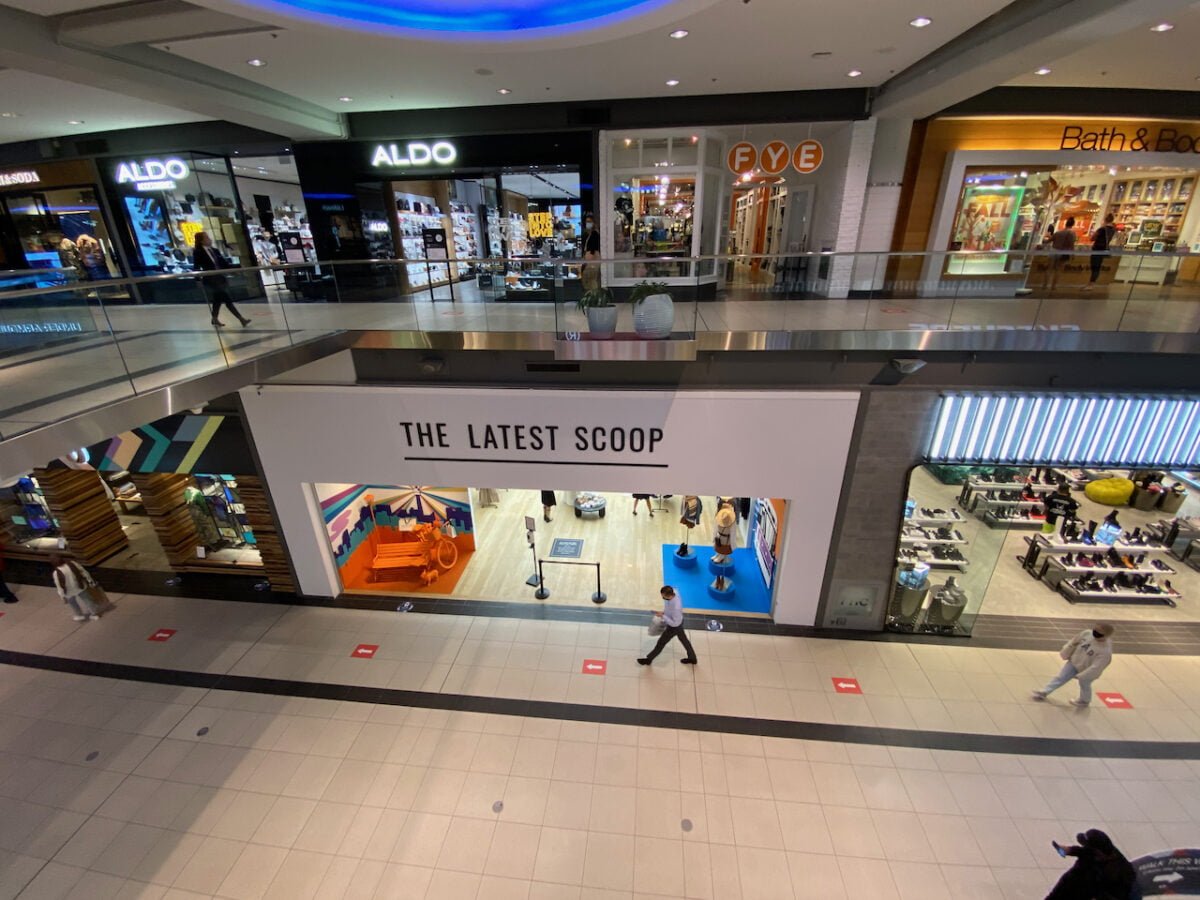
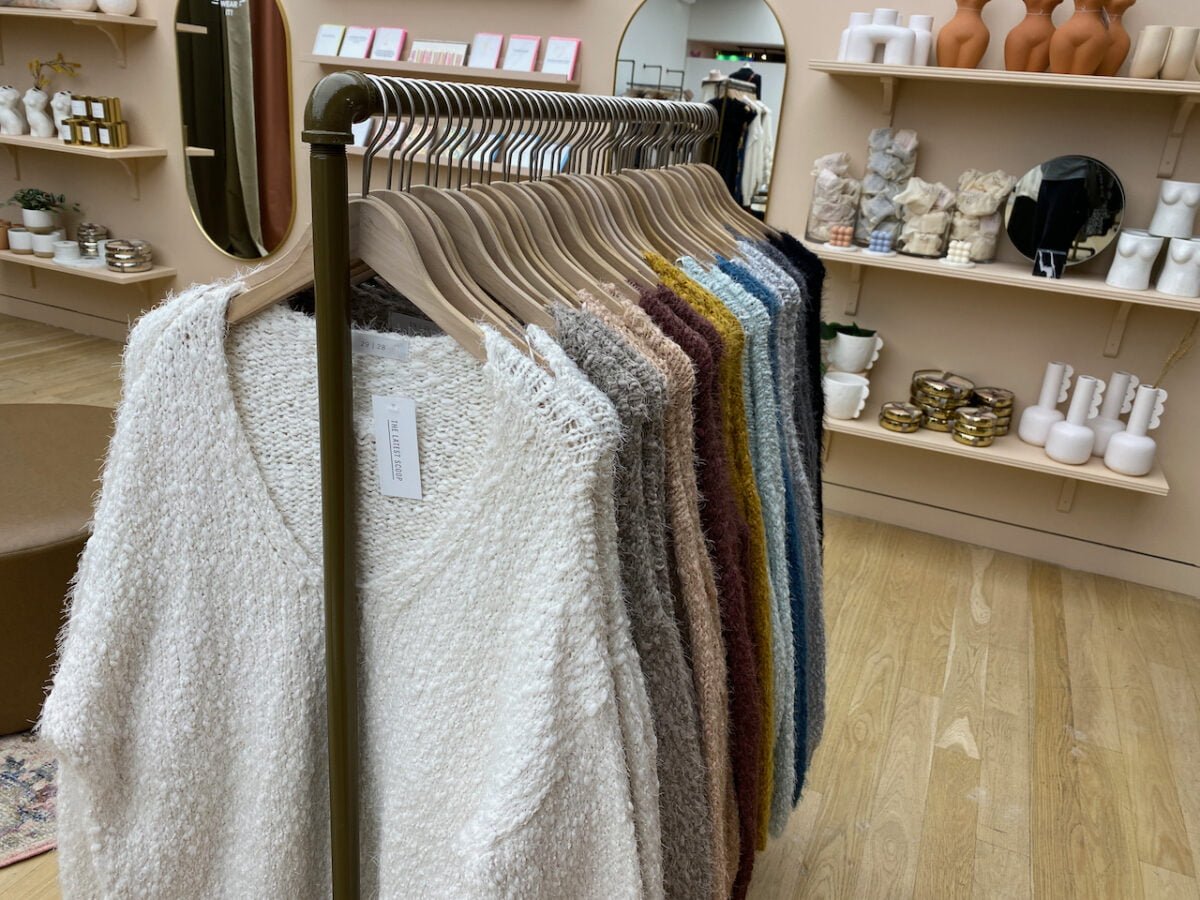
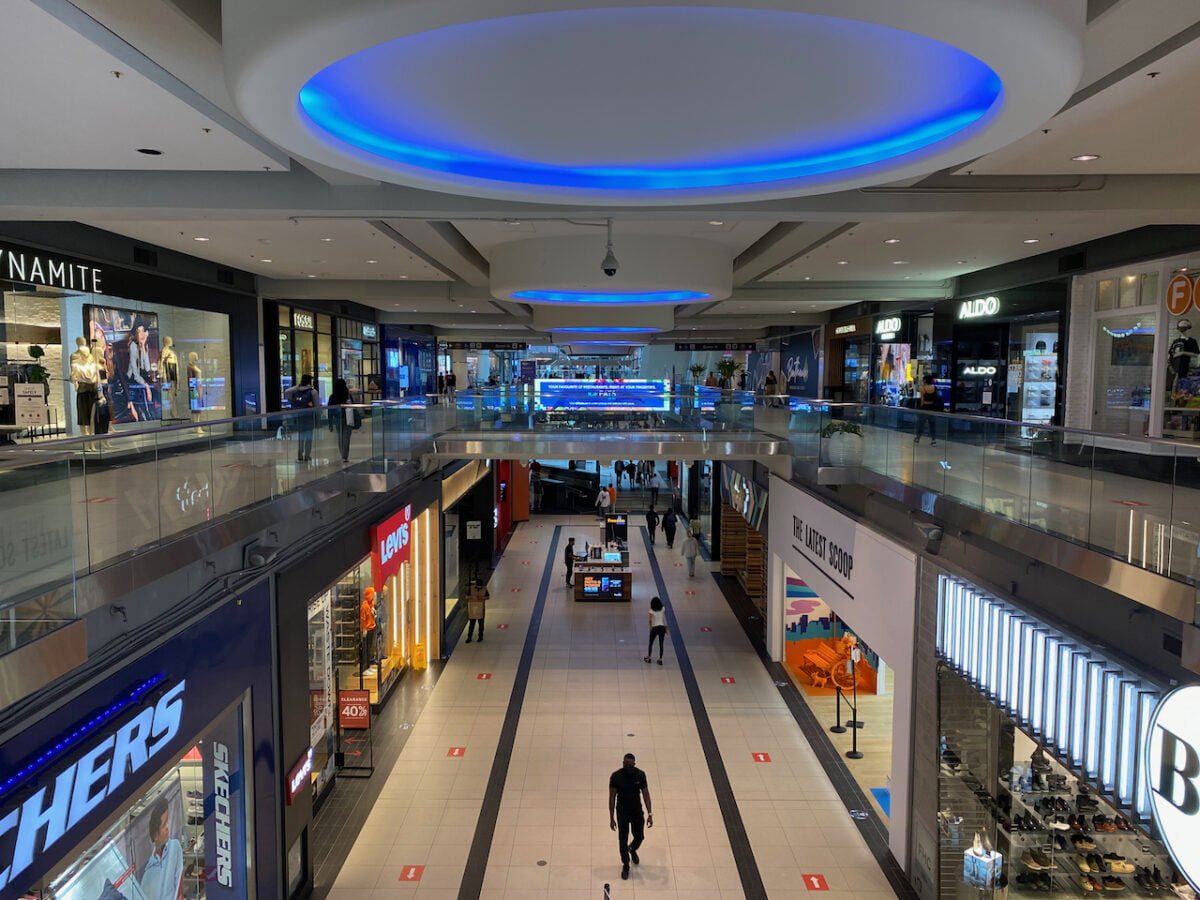
The store takes over a vacated Microsoft location which shuttered in 2020. The technology giant shuttered all 83 physical stores worldwide in June 2020, affecting seven Canadian locations in BC, Alberta and Ontario.
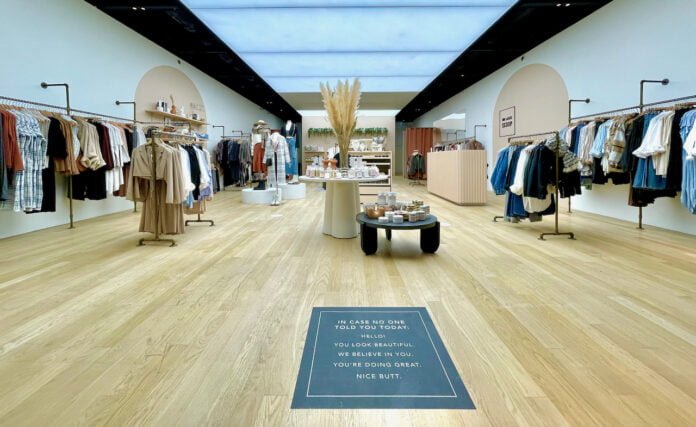
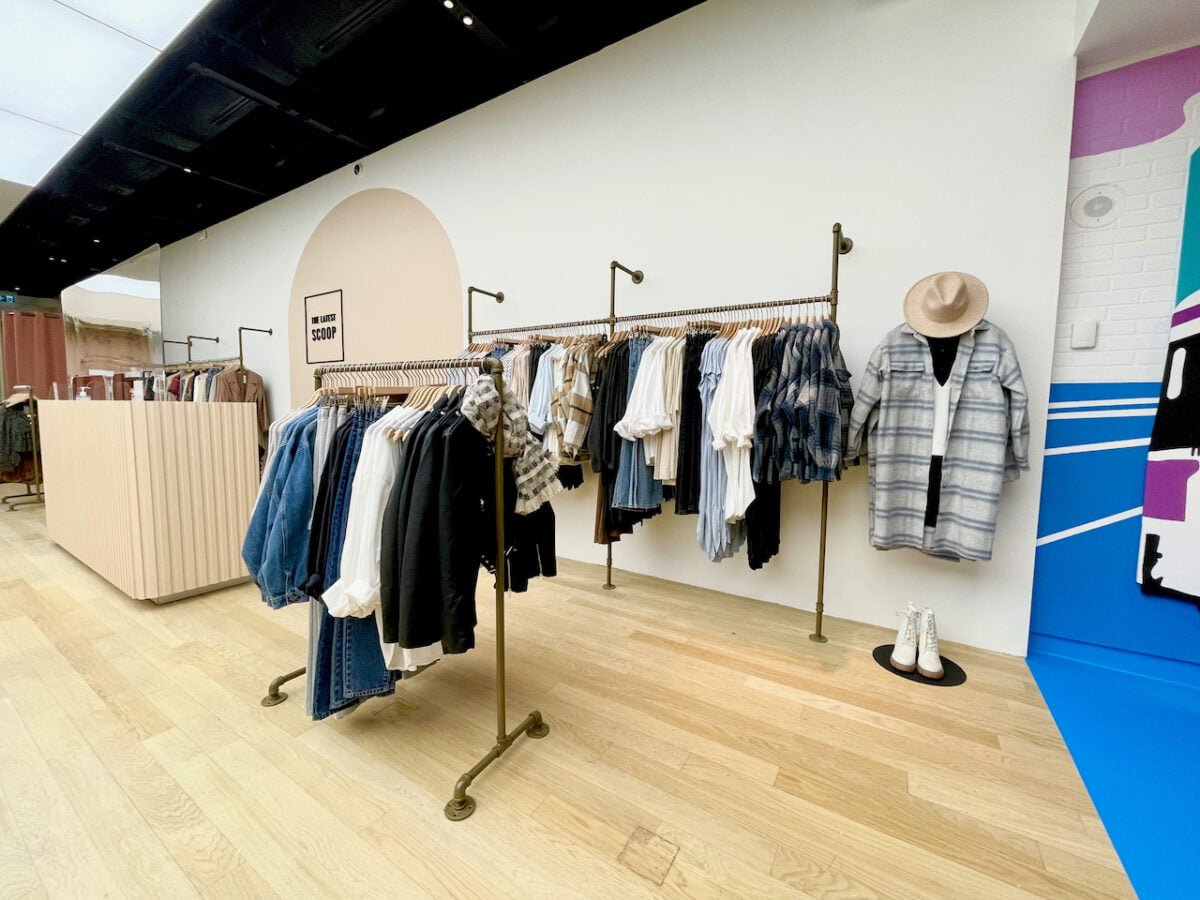
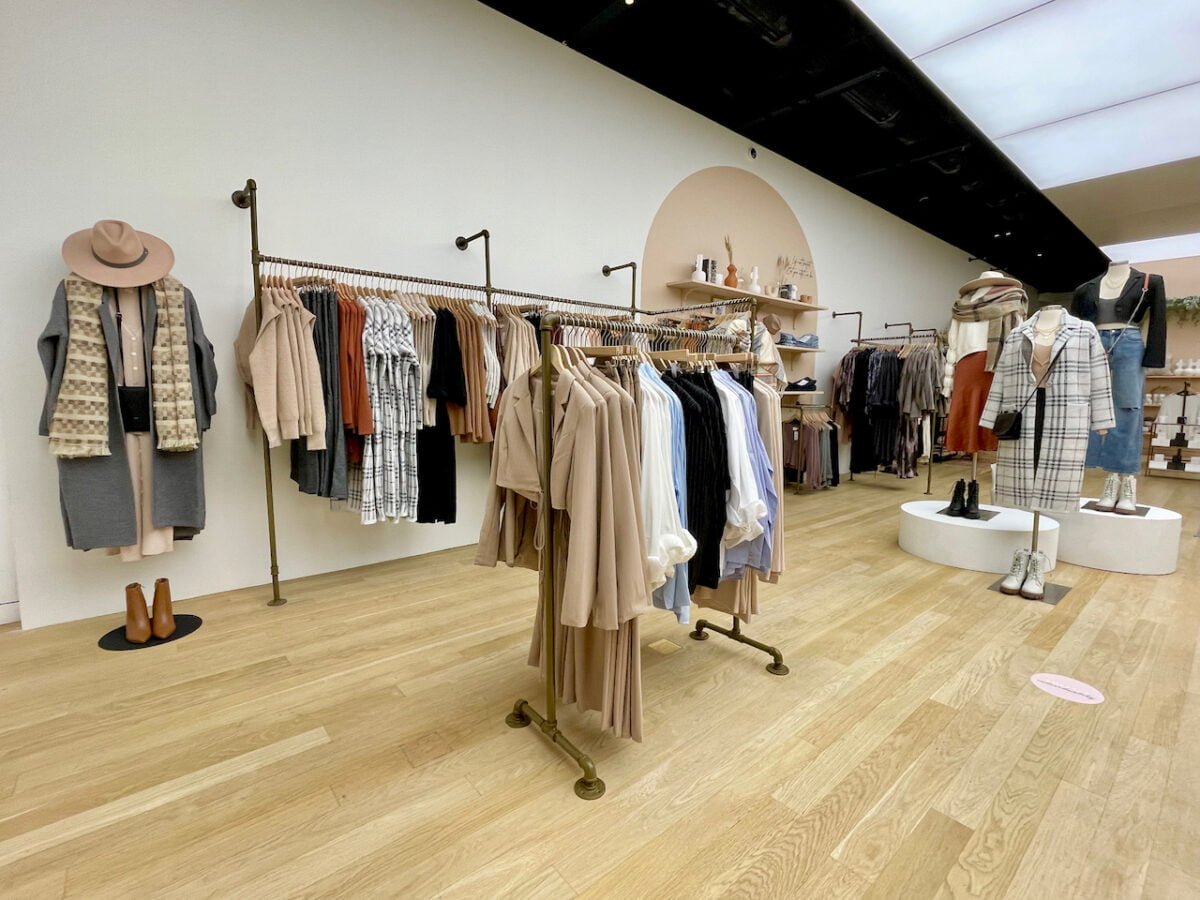
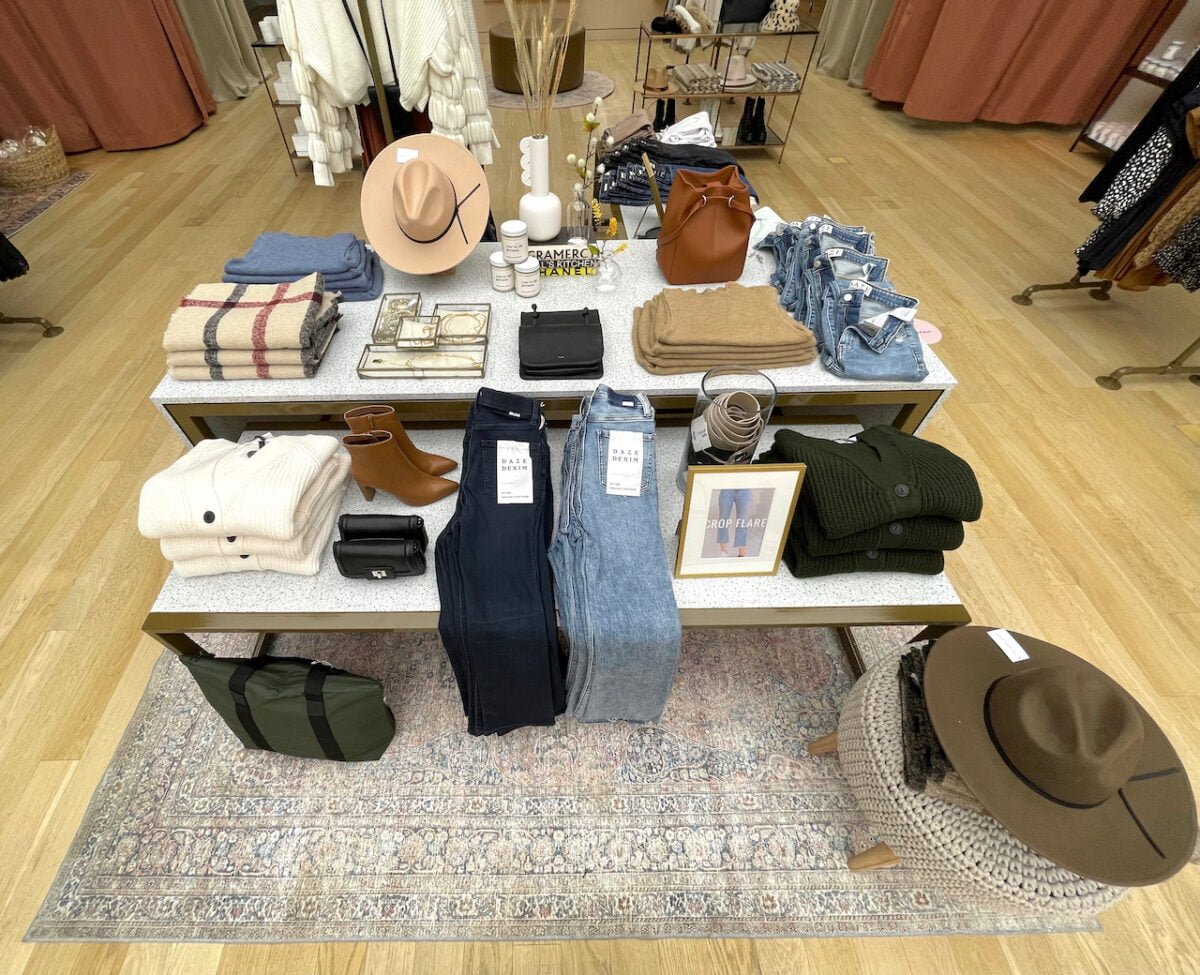
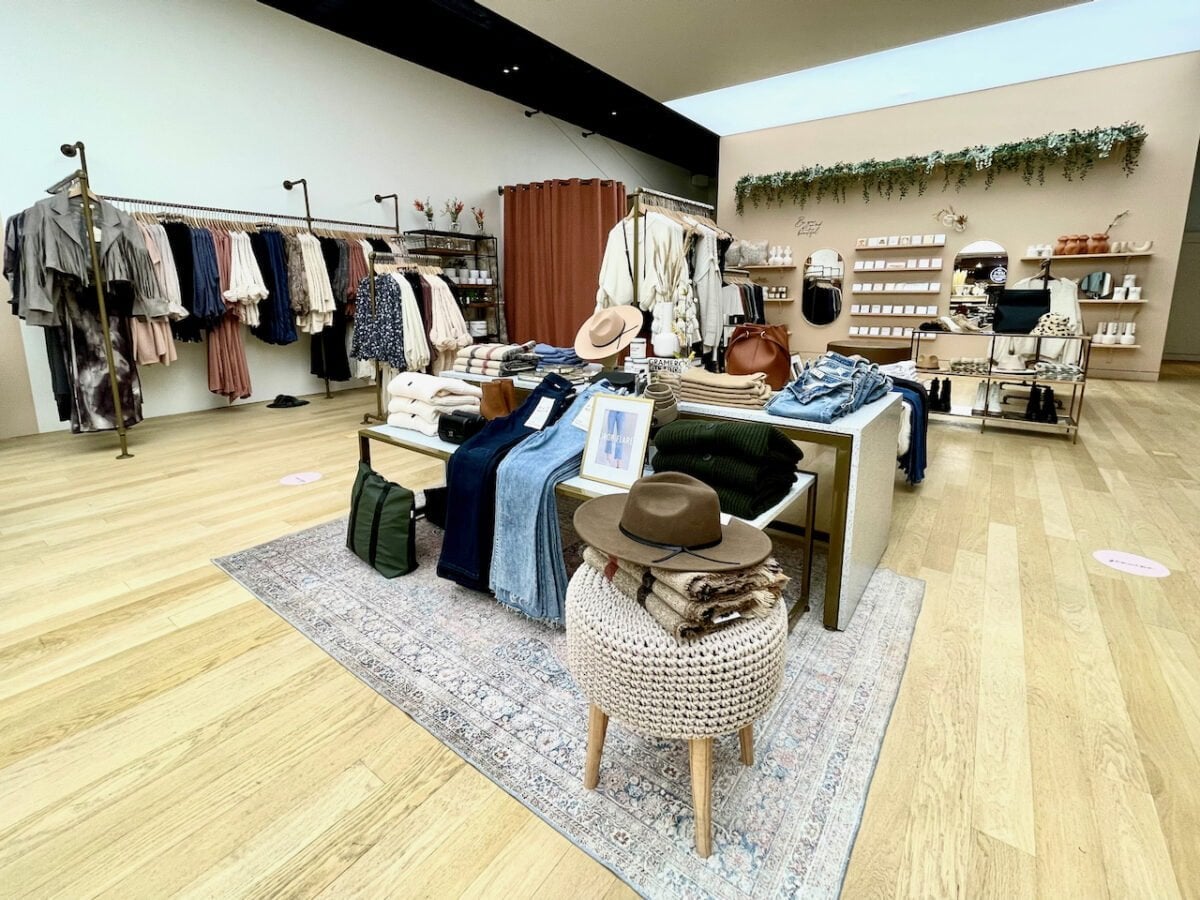
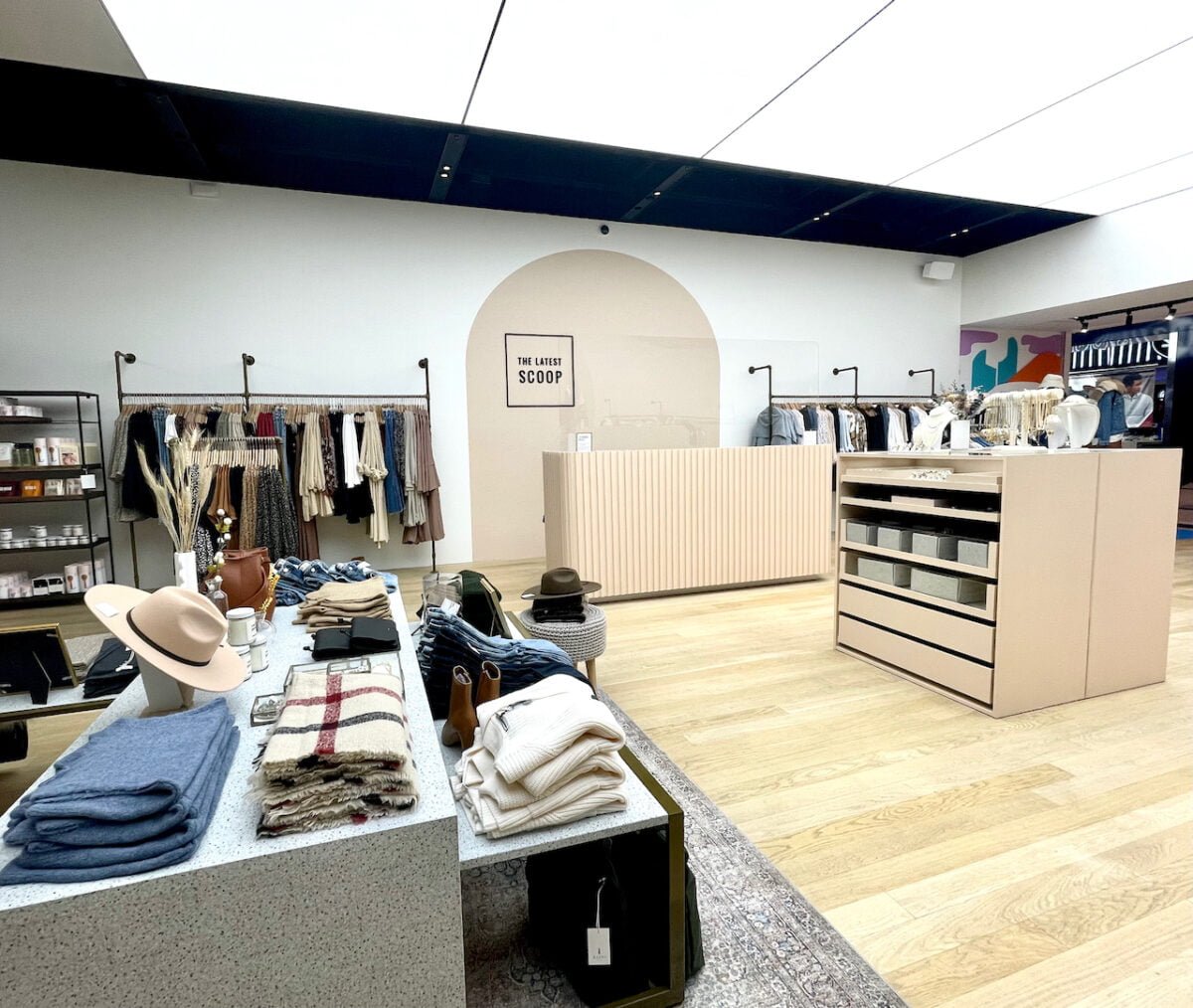
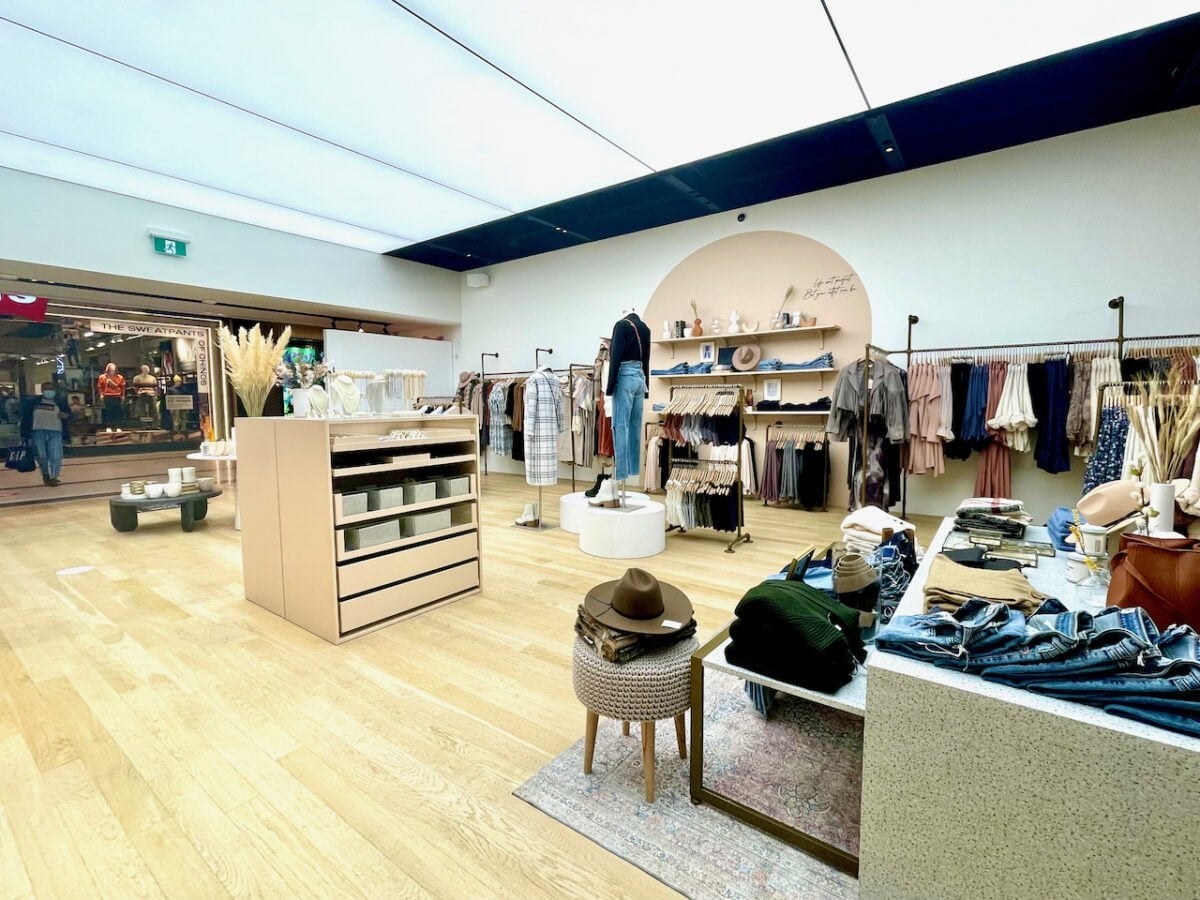
CF Toronto Eaton Centre has provided the opportunity for The Latest Scoop to enter into a pop-up lease, which is evident in the layout and build-out of the store. As part of the agreement, the brand erected temporary walls so as not to disrupt the permanent structure of the existing Microsoft store.
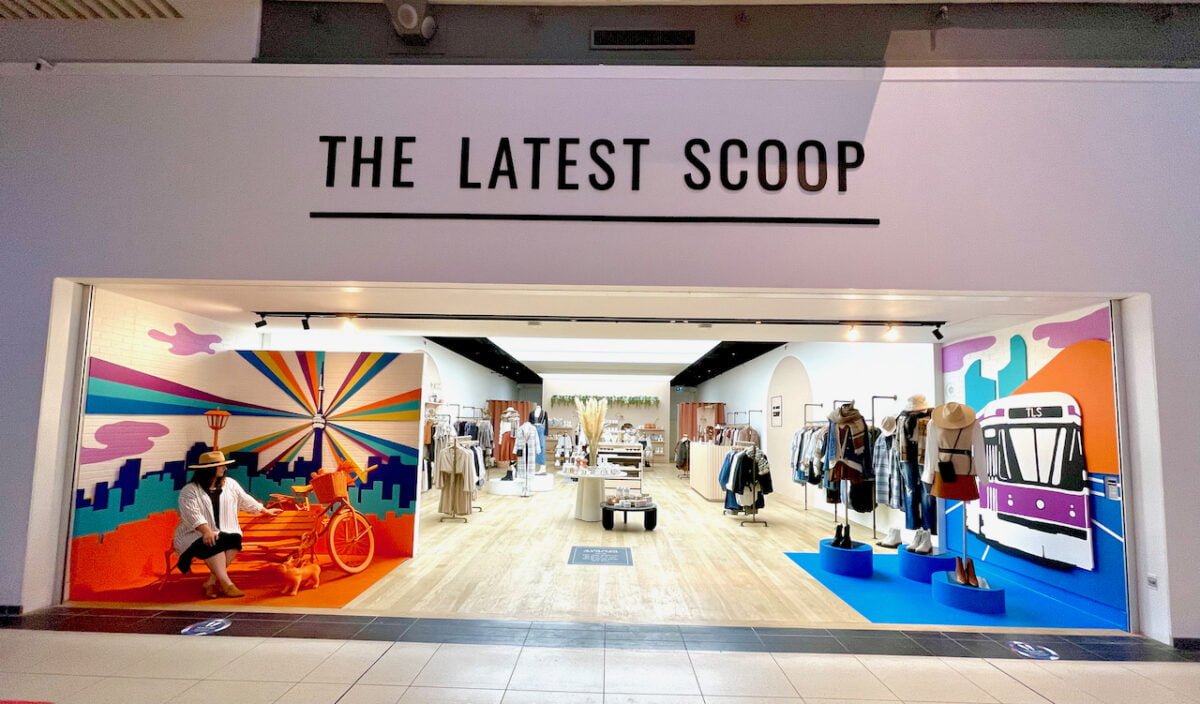
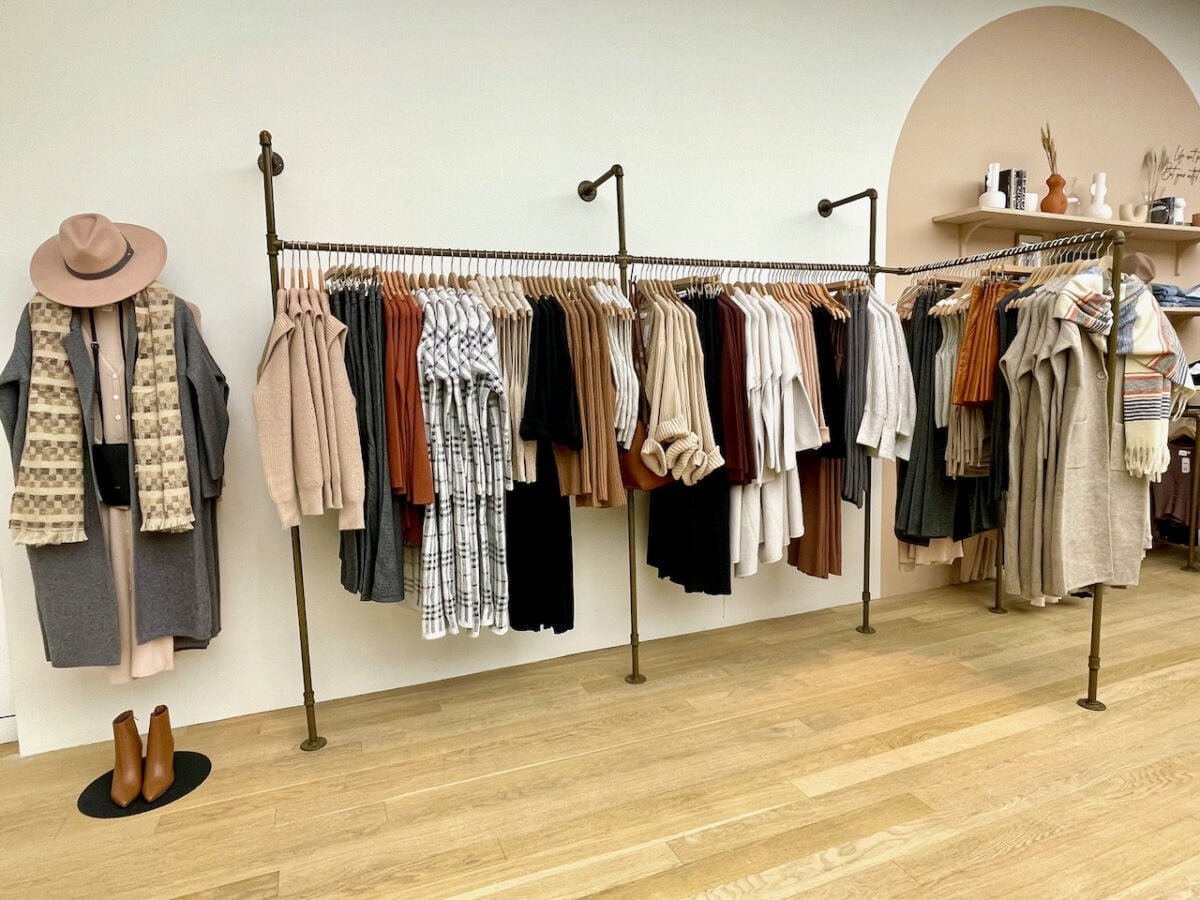
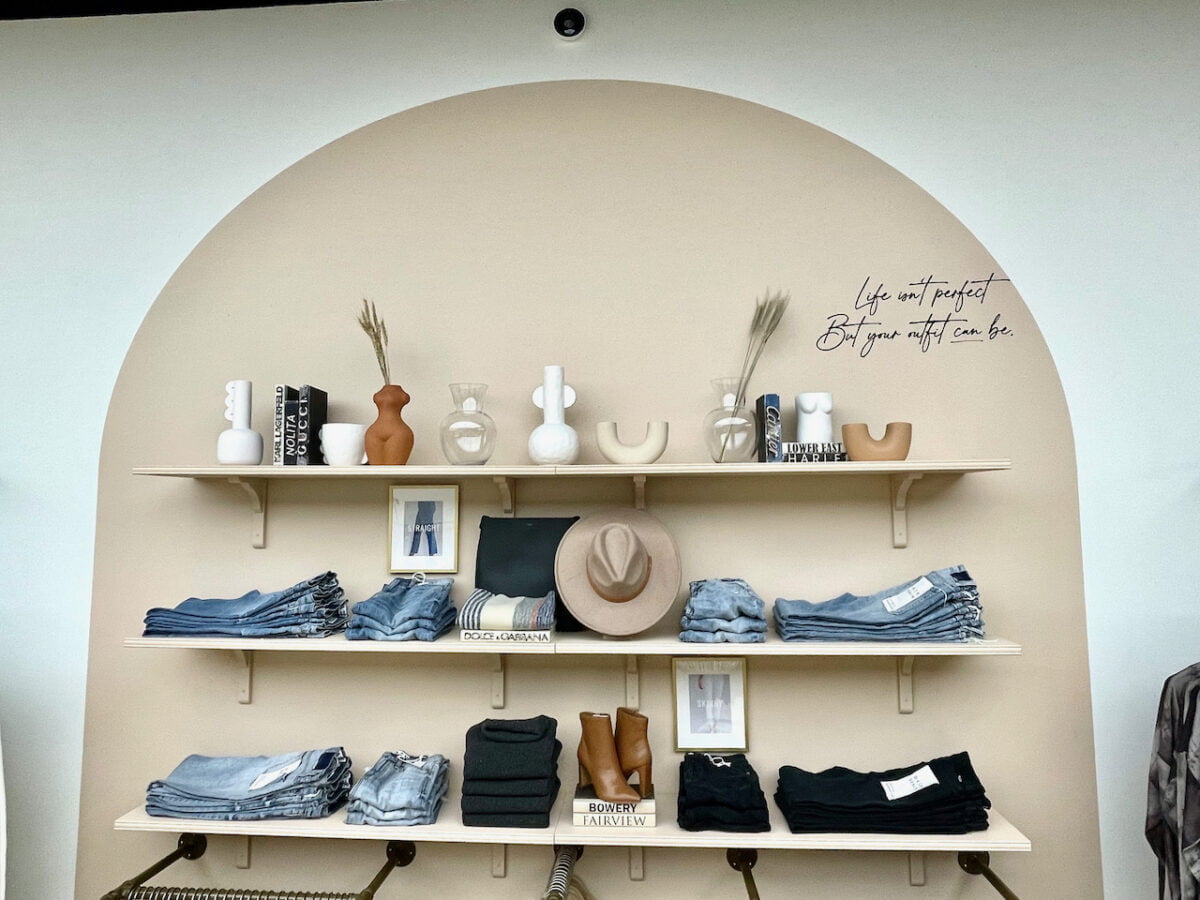
The Latest Scoop at CF Toronto Eaton Centre (Image: The Latest Scoop)
Adrien Nichol
“Cadillac Fairview has been great to work with. The nature of going into pop-up locations is that you’ve got different constraints,” shared Adrien Nichol, CEO of The Latest Scoop. “Our team is so adaptable that we were able to work within the structure to come up with a solution that you see today.”
“Whether we are opening in CF Toronto Eaton Centre or a main street storefront, we are able to engage with customers who may not know about the brand and turn them into long-term fans.”
Stefano Tirone
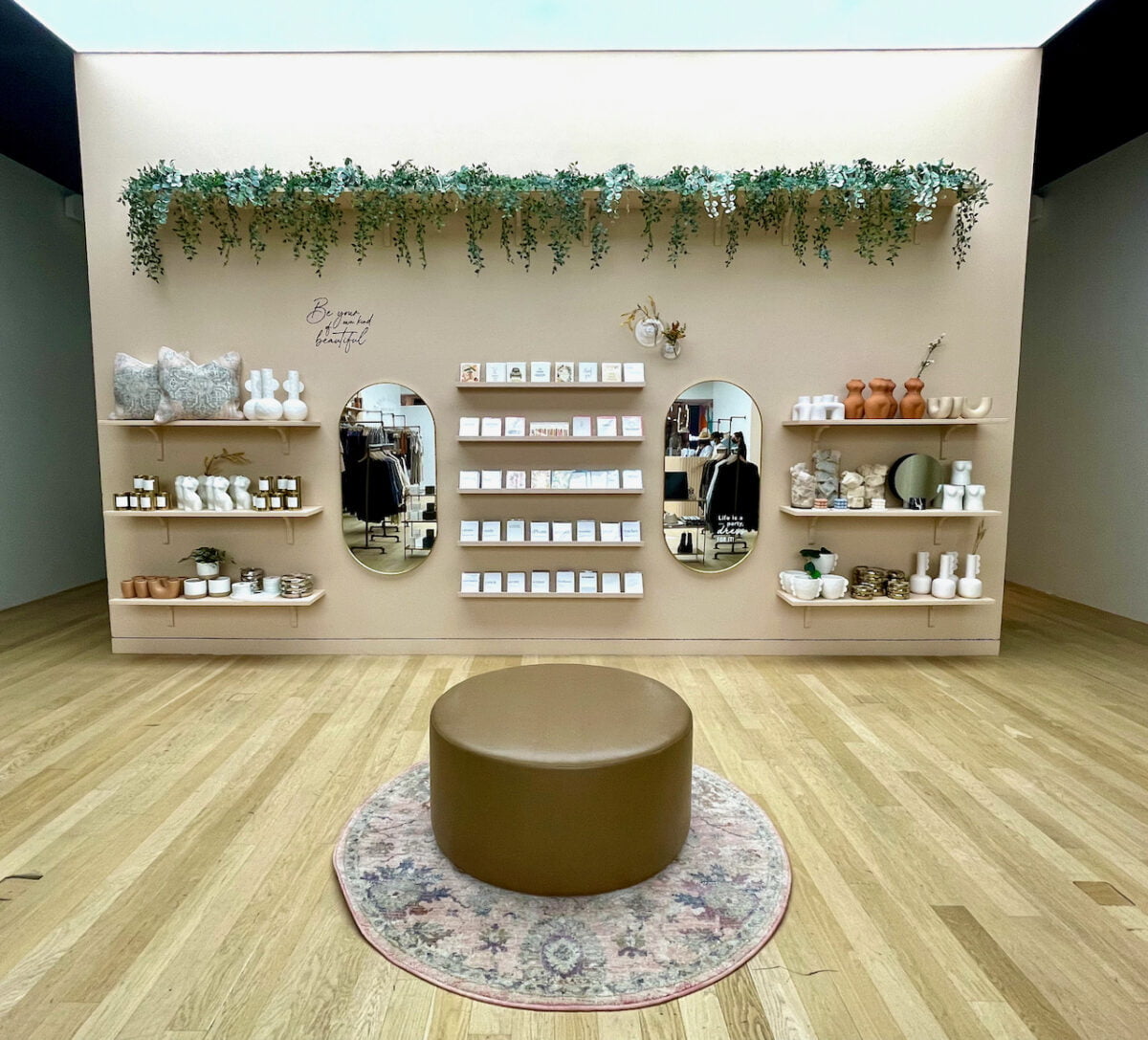
The CF Toronto Eaton Centre pop-up will have nods to their other stores, with added features that were designed specifically for the high-traffic location.
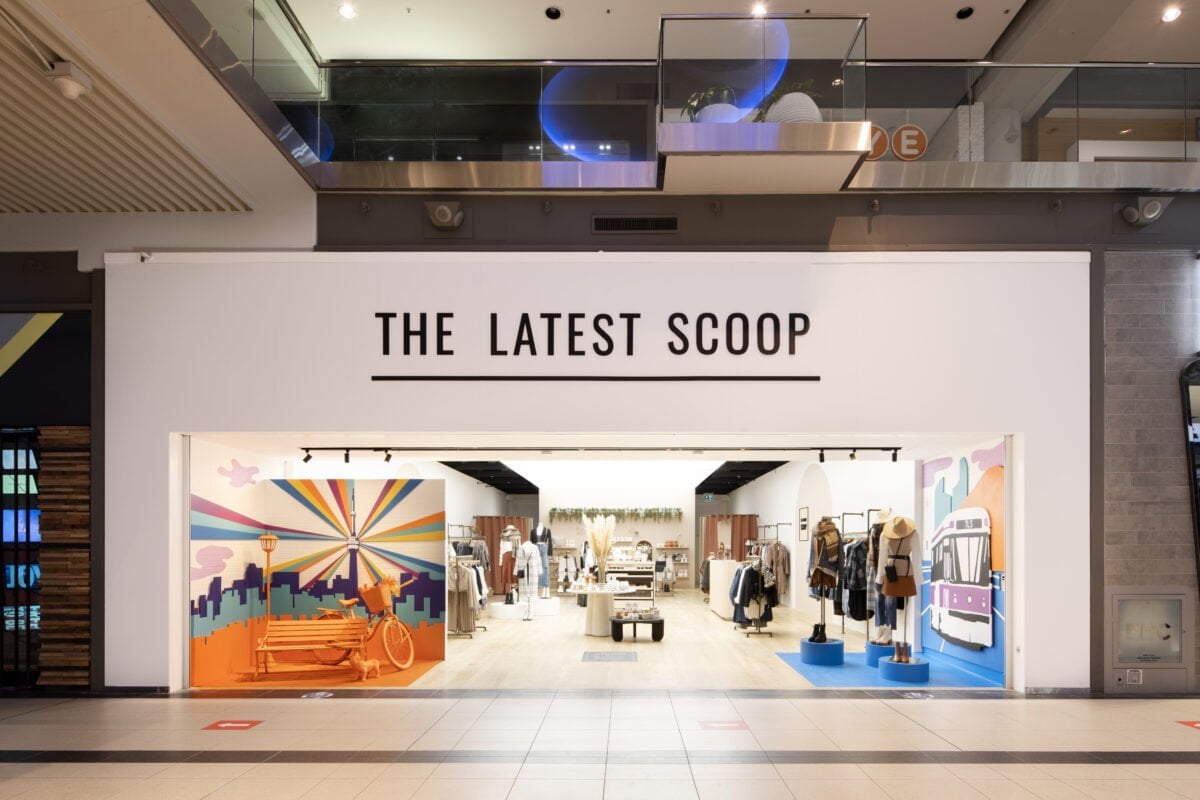
Two window designs were created by Stefano Tirone, a Local Muralist and now the Creative and East-coast Visual Merchandising Manager for The Latest Scoop.
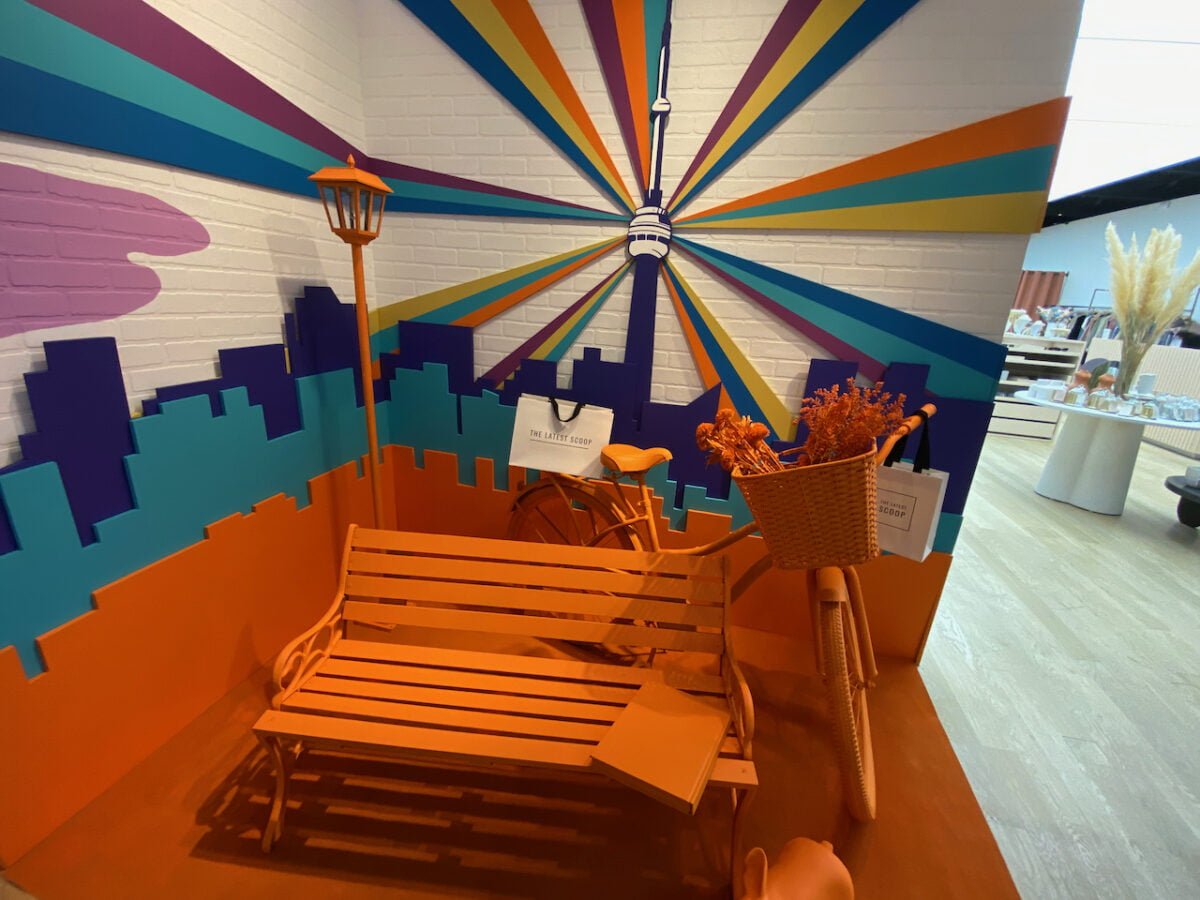
The store also includes an instagrammable window, highlighted by orange physical features and the CN Tower & Toronto skyline in the background.
The Latest Scoop at CF Toronto Eaton Centre (Image: Michelle Flores – Esteras/The Latest Scoop)
Founded in Vancouver in 2004 as a pop-up shop, The Latest Scoop has expanded into eight locations in Vancouver, Calgary and Toronto.
In 2018, Retail Insider covered the first location in Toronto, a 2,900 square foot store on Ossington Avenue. The brand has since opened a store at 700 Queen Street West in 2019, which would make the CF Toronto Eaton Centre location the third store for The Latest Scoop in the downtown core.
The Latest Scoop at CF Toronto Eaton Centre Photos
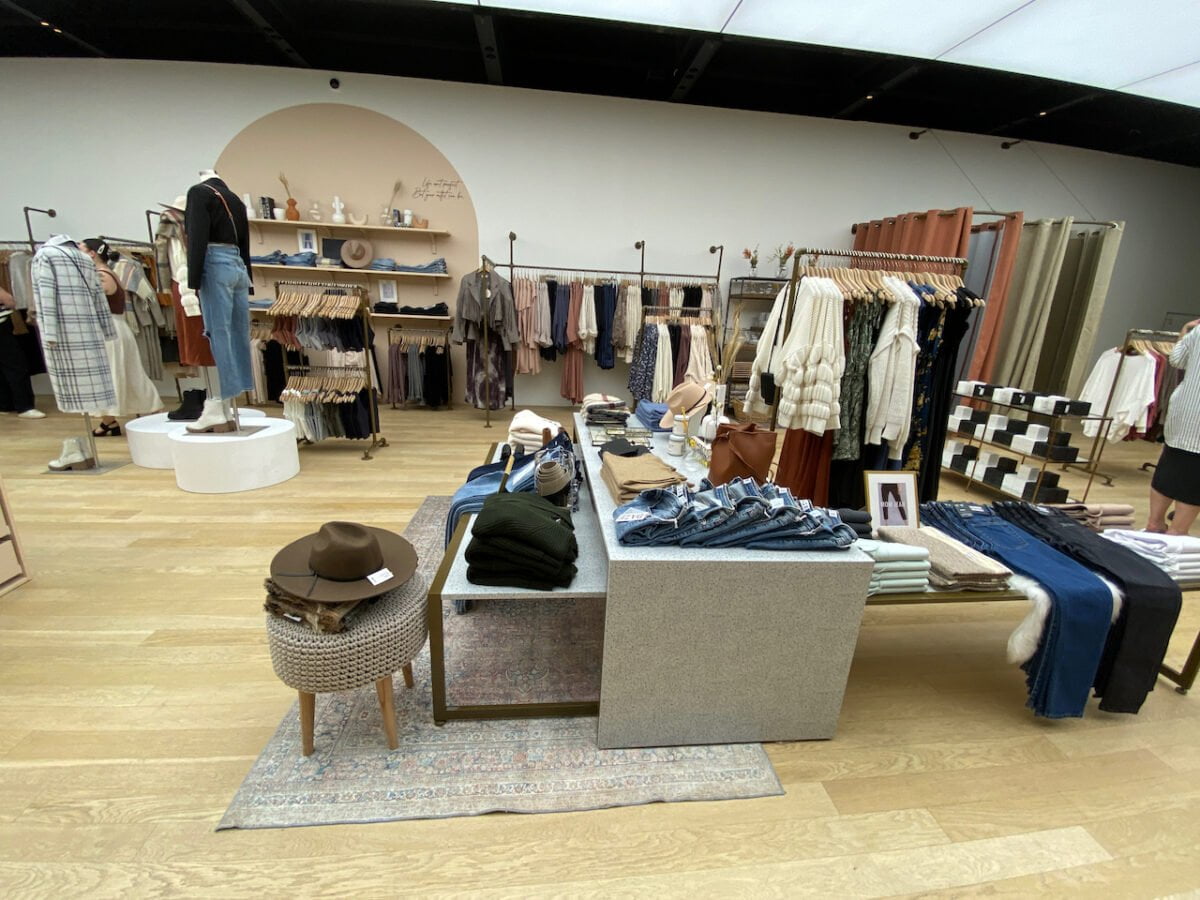
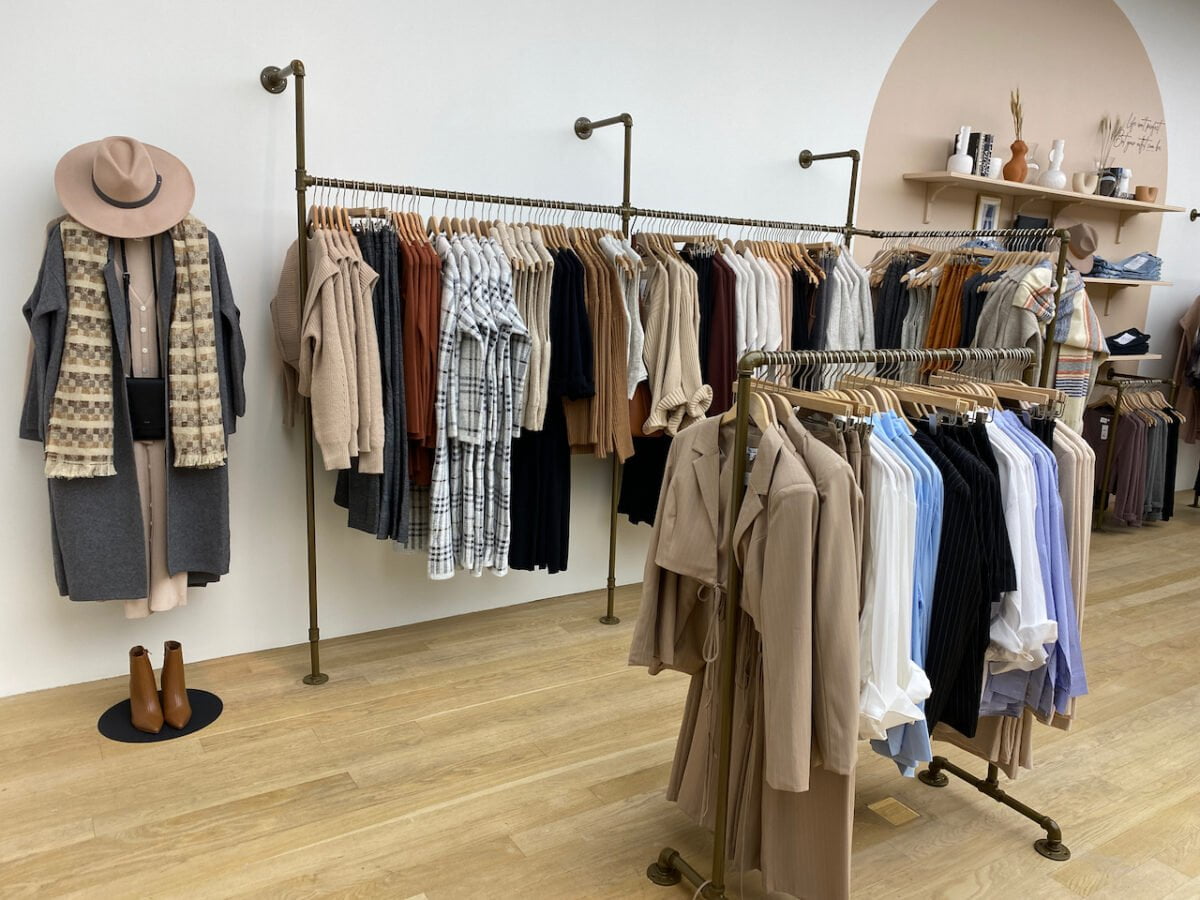
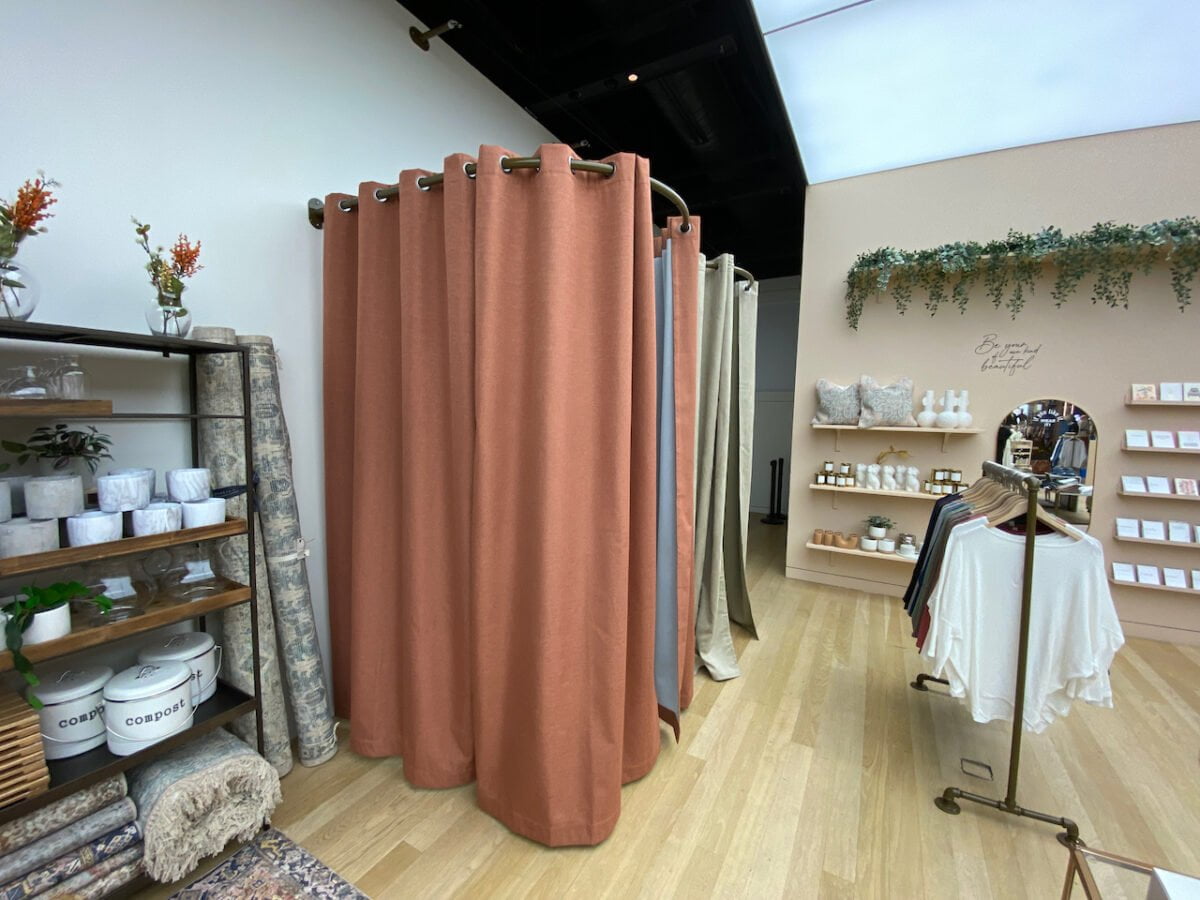
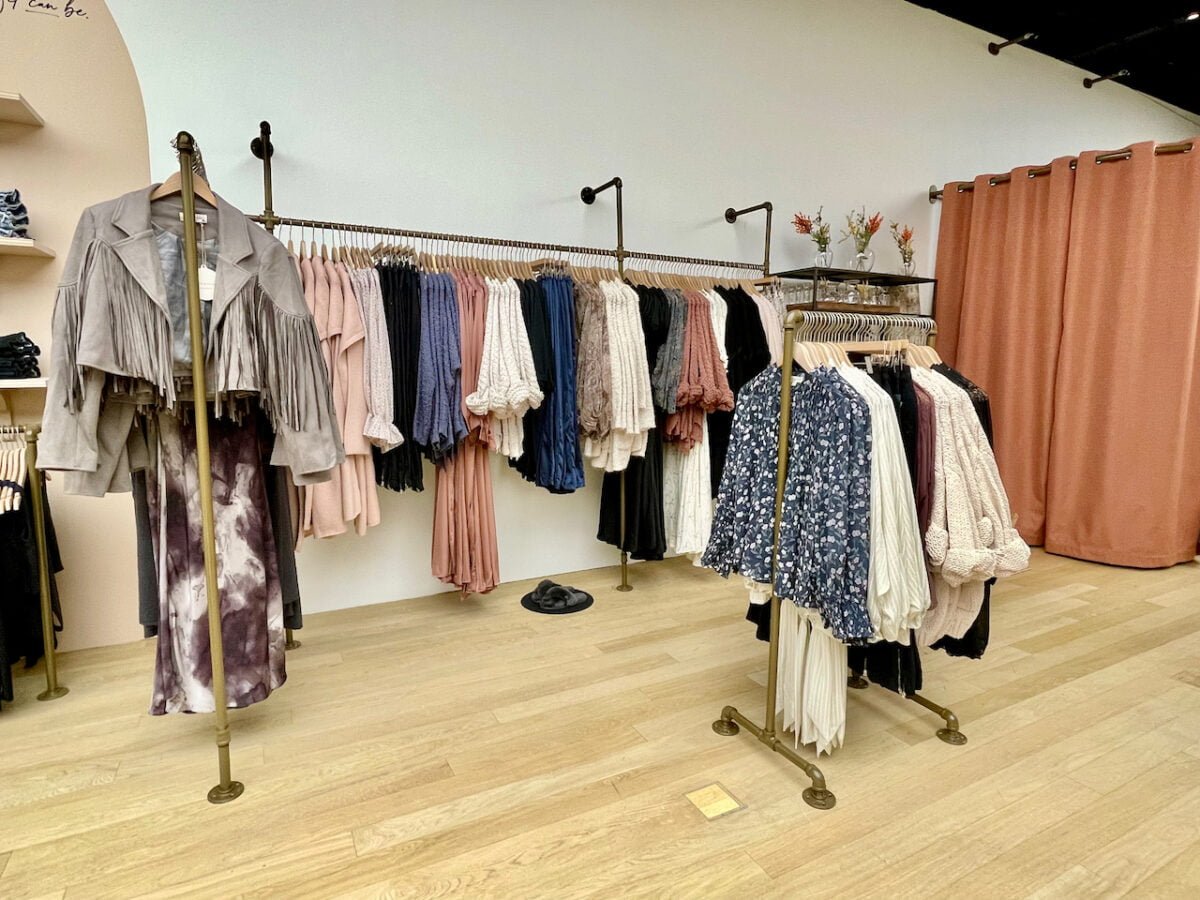
The Latest Scoop at CF Toronto Eaton Centre (Image: Dustin Fuhs/Retail Insider) The Latest Scoop at CF Toronto Eaton Centre (Image: Michelle Flores-Esteras/The Latest Scoop) The Latest Scoop at CF Toronto Eaton Centre (Image: Dustin Fuhs/Retail Insider) The Latest Scoop at CF Toronto Eaton Centre (Image: Dustin Fuhs/Retail Insider) The Latest Scoop at CF Toronto Eaton Centre (Image: Dustin Fuhs/Retail Insider) The Latest Scoop at CF Toronto Eaton Centre (Image: Dustin Fuhs/Retail Insider) The Latest Scoop at CF Toronto Eaton Centre (Image: Dustin Fuhs/Retail Insider) The Latest Scoop at CF Toronto Eaton Centre (Image: Dustin Fuhs/Retail Insider) The Latest Scoop at CF Toronto Eaton Centre (Image: Michelle Flores-Esteras/The Latest Scoop) The Latest Scoop at CF Toronto Eaton Centre (Image: Michelle Flores-Esteras/The Latest Scoop) The Latest Scoop at CF Toronto Eaton Centre (Image: Michelle Flores-Esteras/The Latest Scoop) The Latest Scoop at CF Toronto Eaton Centre (Image: Michelle Flores-Esteras/The Latest Scoop) The Latest Scoop at CF Toronto Eaton Centre (Image: Michelle Flores-Esteras/The Latest Scoop) The Latest Scoop at CF Toronto Eaton Centre (Image: Dustin Fuhs/Retail Insider) The Latest Scoop at CF Toronto Eaton Centre (Image: Michelle Flores-Esteras/The Latest Scoop) The Latest Scoop at CF Toronto Eaton Centre (Image: Michelle Flores-Esteras/The Latest Scoop) The Latest Scoop at CF Toronto Eaton Centre (Image: Michelle Flores-Esteras/The Latest Scoop) The Latest Scoop at CF Toronto Eaton Centre (Image: Michelle Flores-Esteras/The Latest Scoop) The Latest Scoop at CF Toronto Eaton Centre (Image: Dustin Fuhs/Retail Insider)
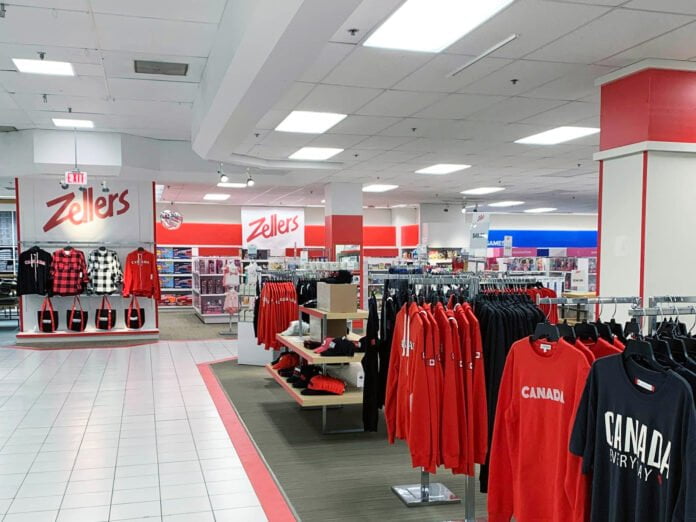
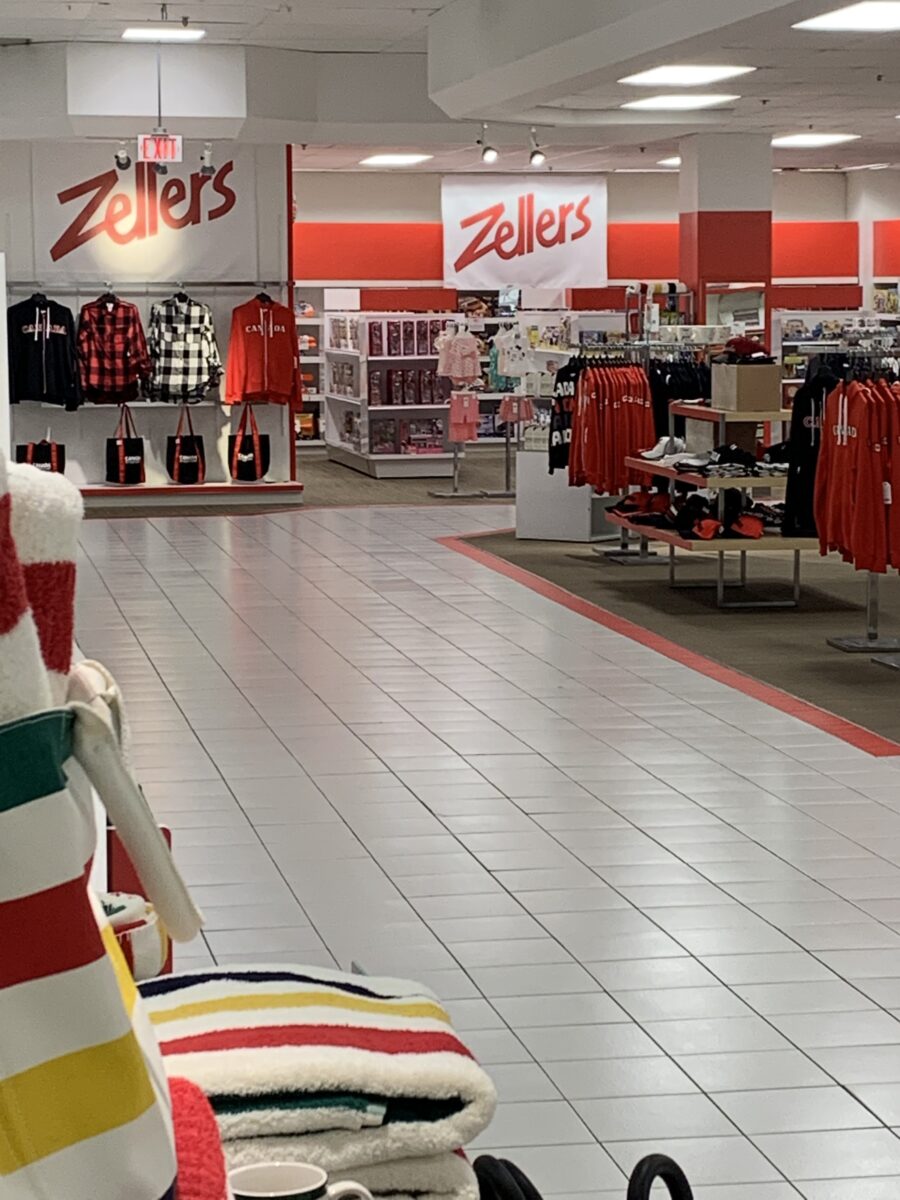
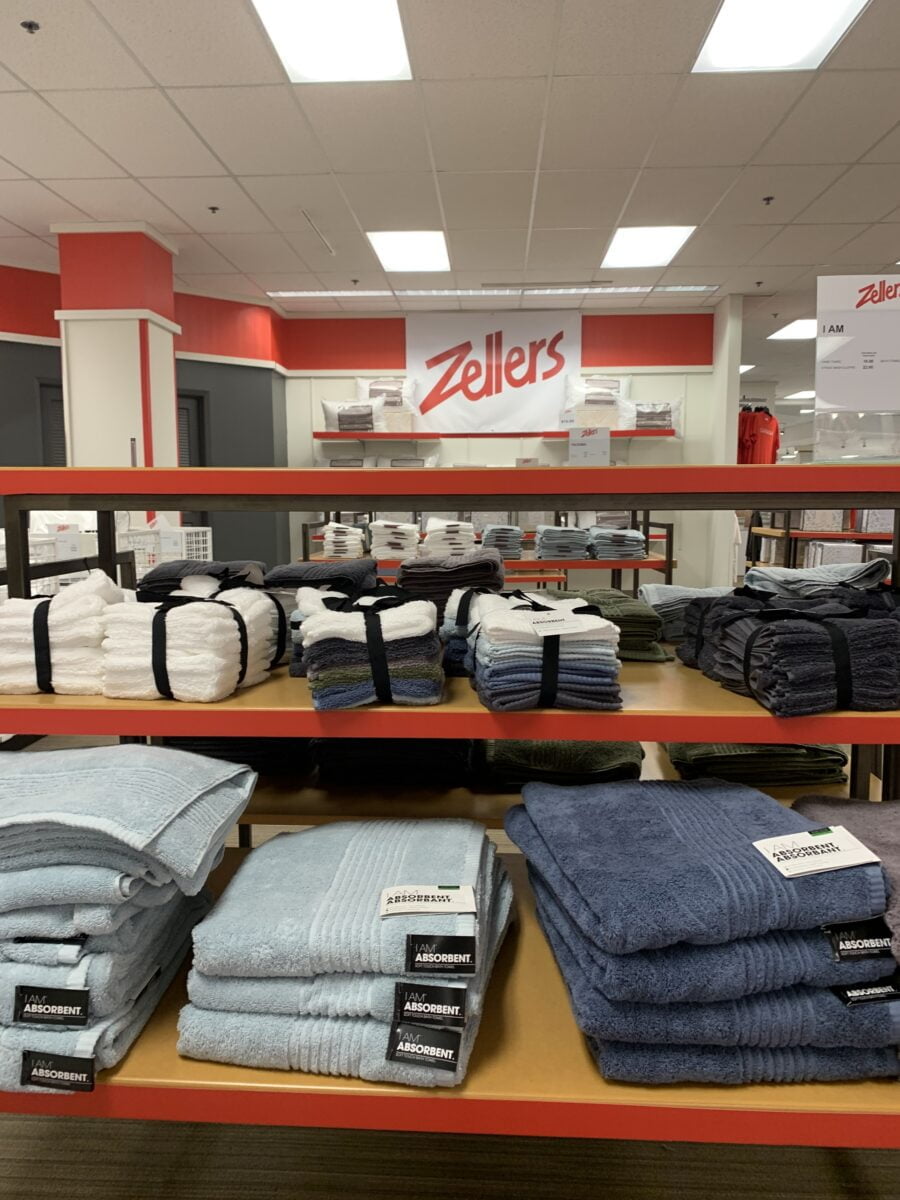
Zellers at Hudson's Bay Burlington Centre. Photo: Sean Tarry
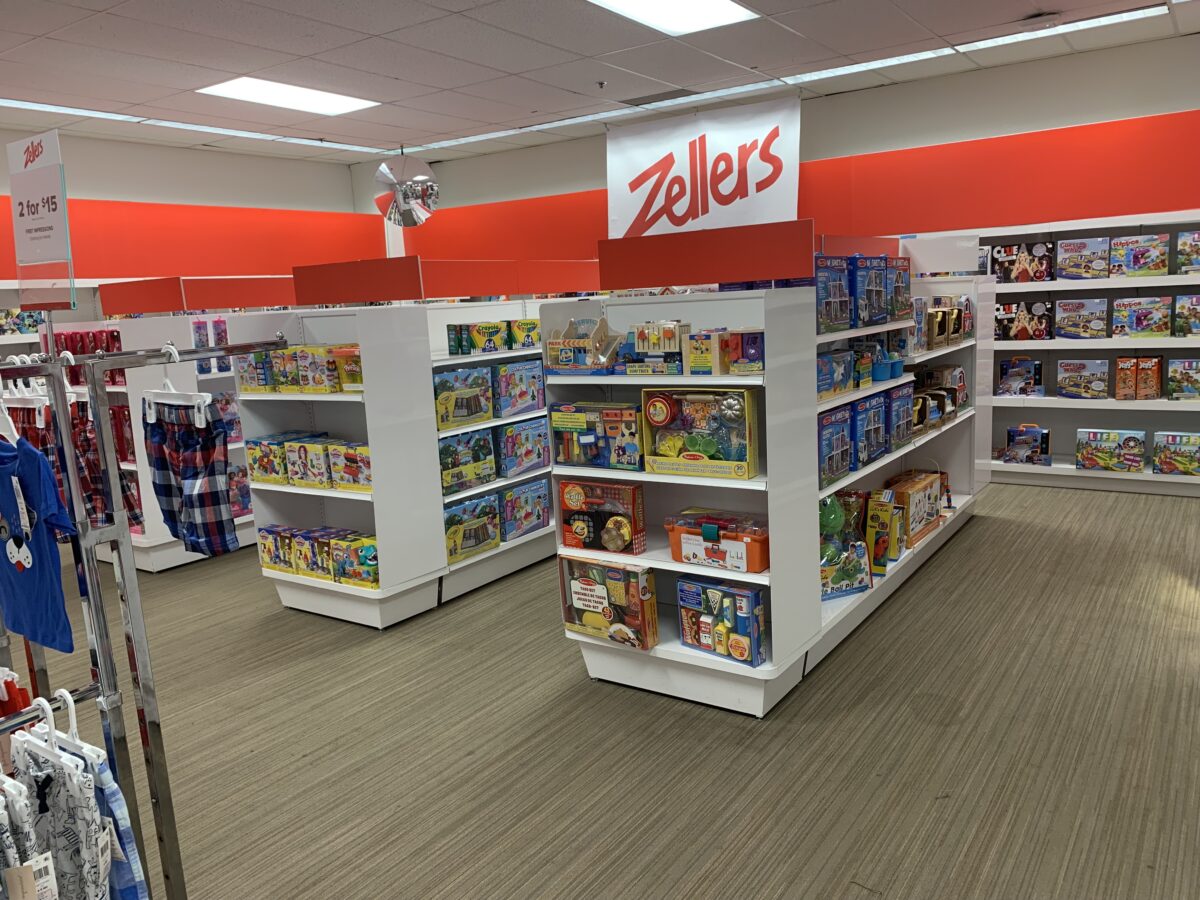
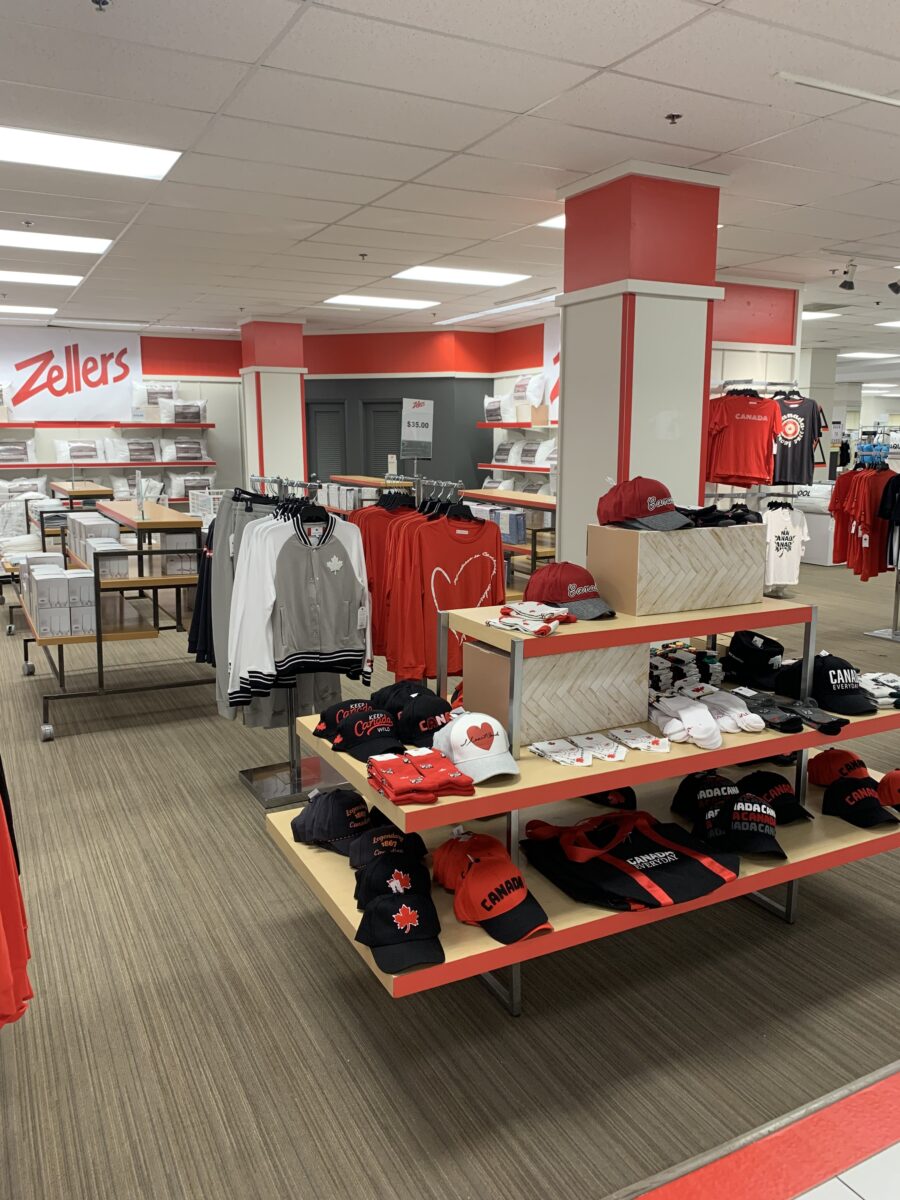
Hudson’s Bay recently launched a Zellers pop-up shop-in-store at its Burlington Centre location near Toronto, and more Zellers pop-ups could follow according to the retailer.
The Burlington Zellers pop-up is a “fun and nostalgic experience with one of HBC’s most beloved brands,” according to Hudson’s Bay which still owns the rights to the name of the Zellers chain which once had a network of stores across the country.
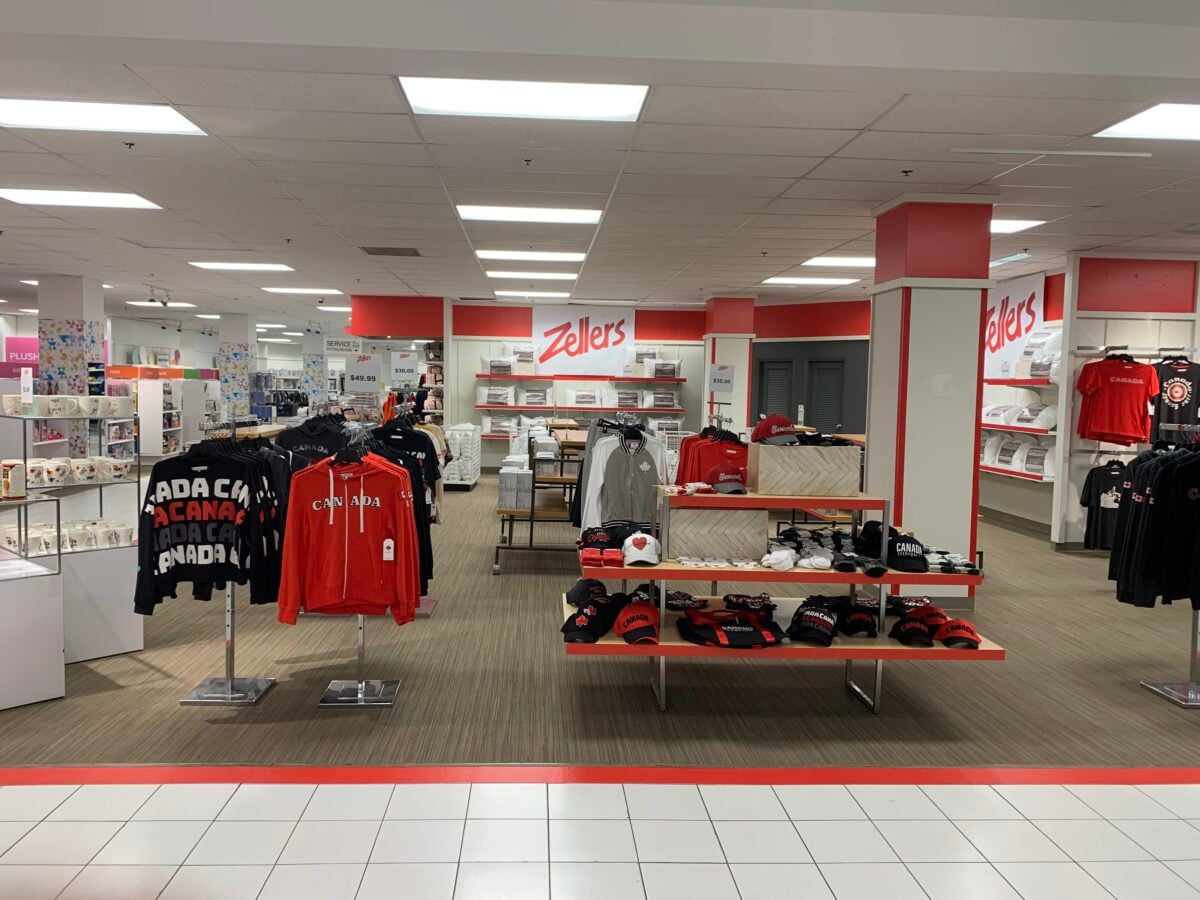
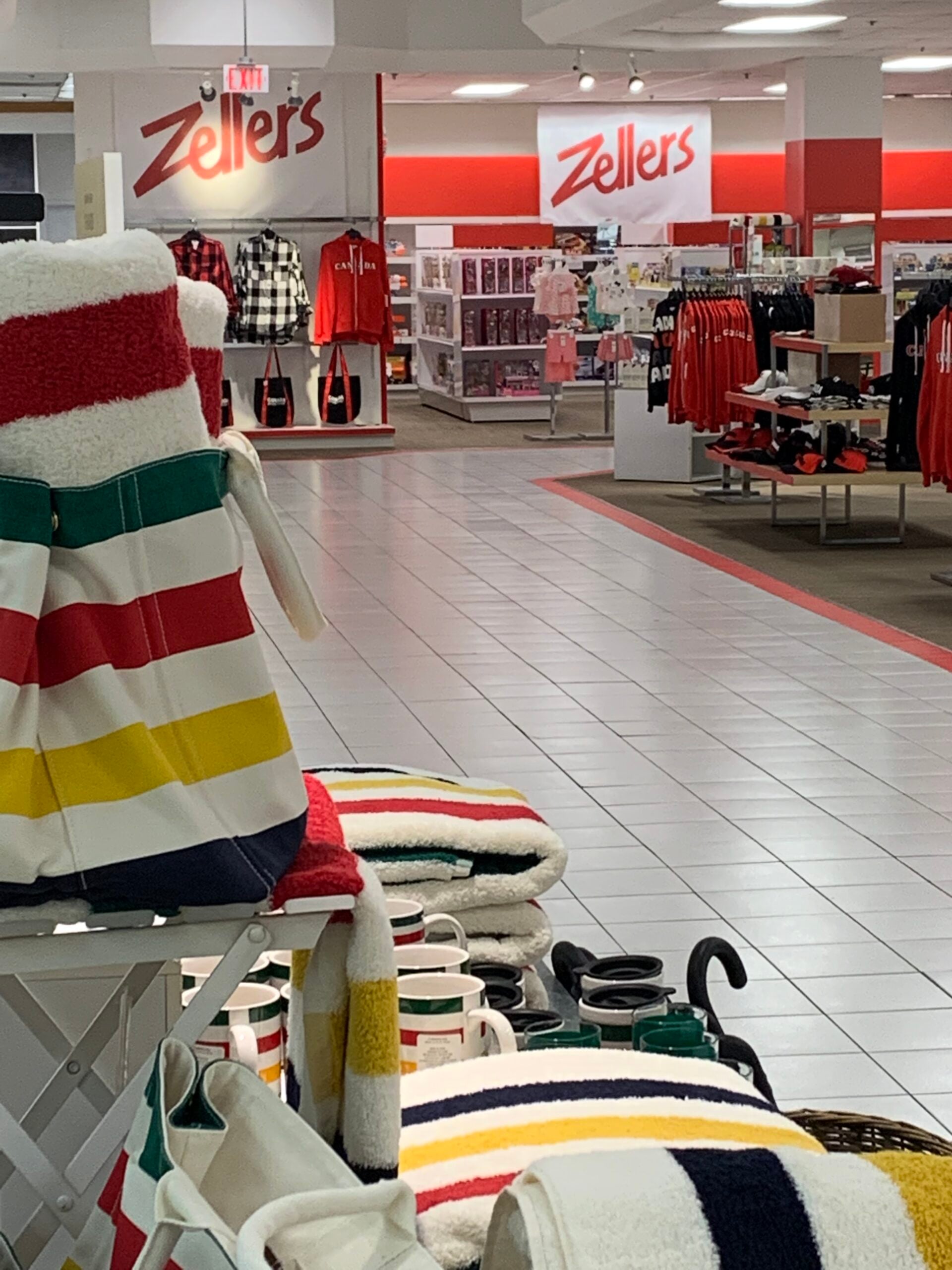
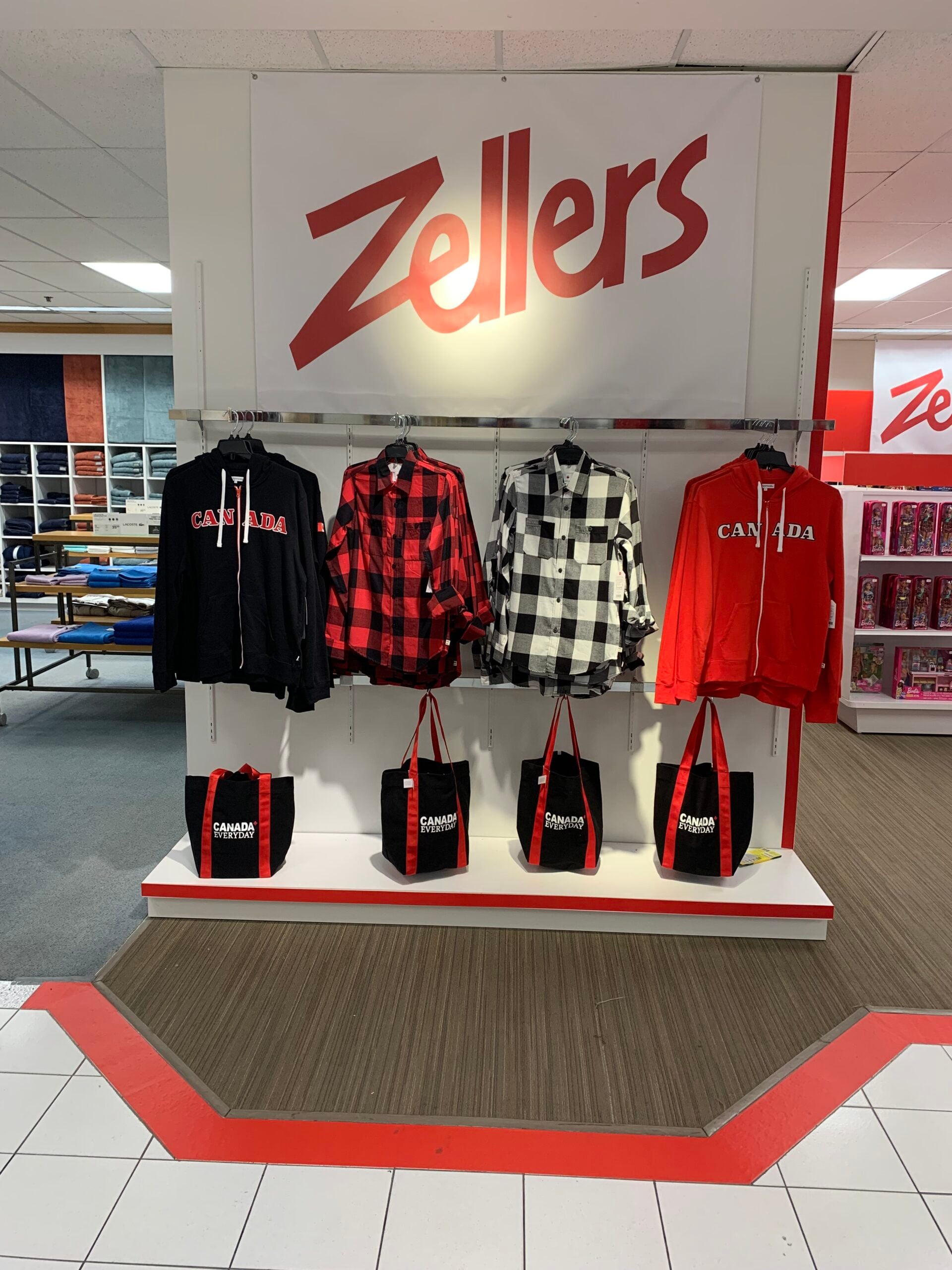
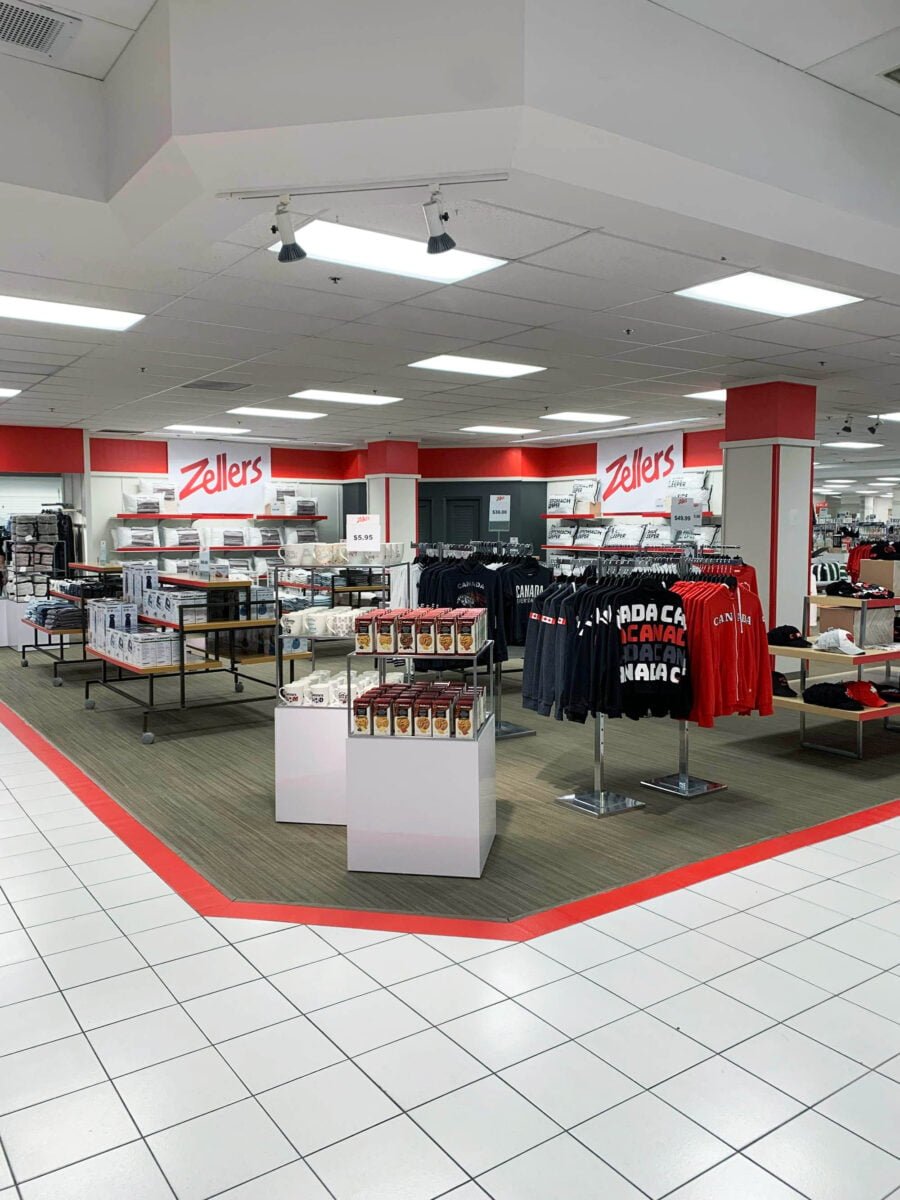
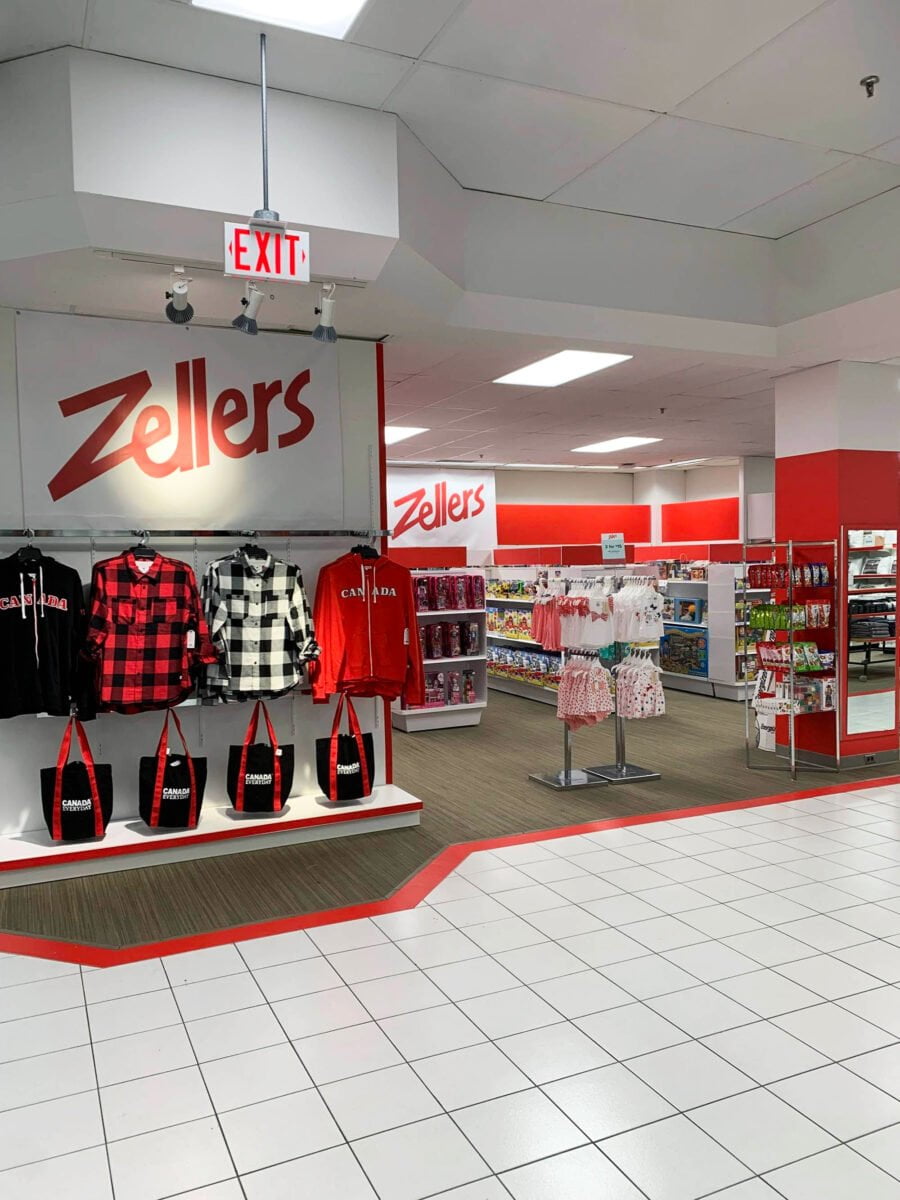
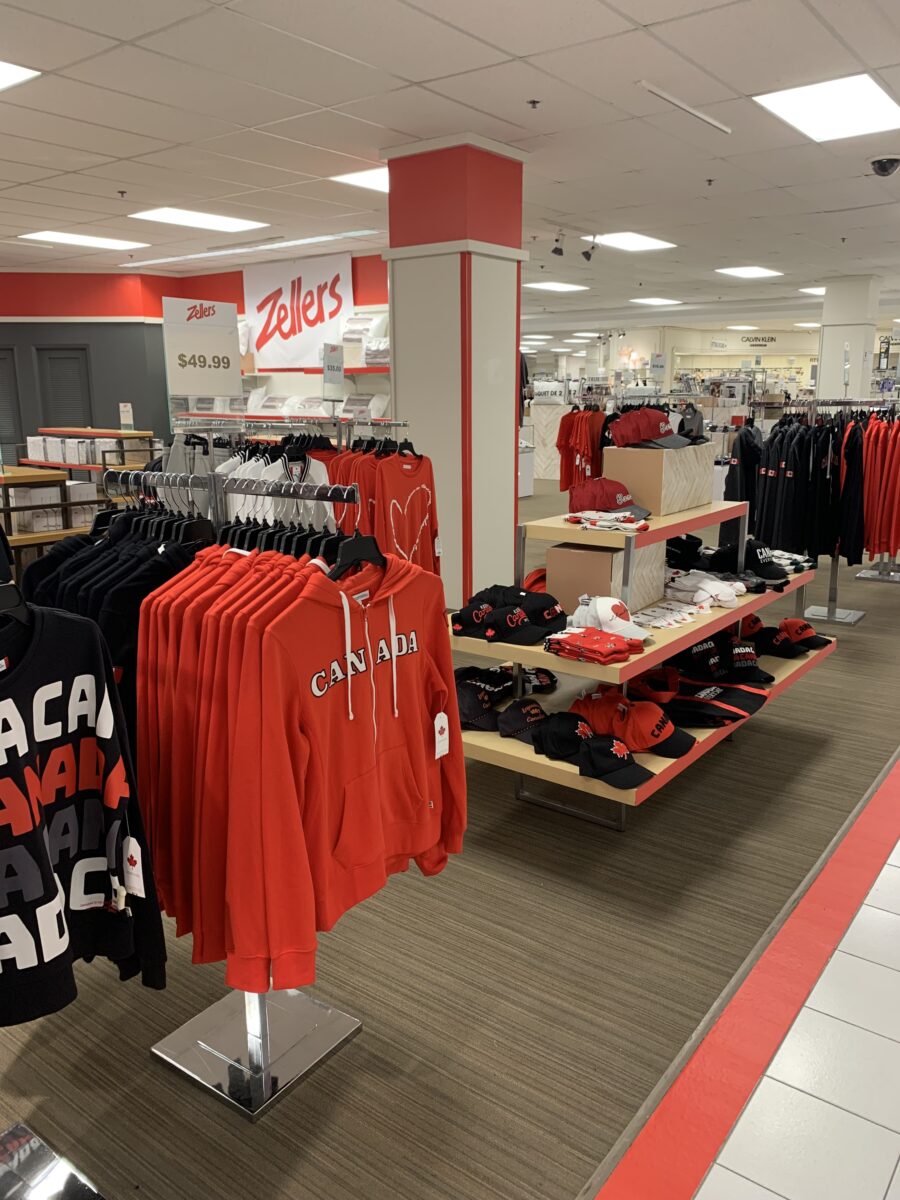
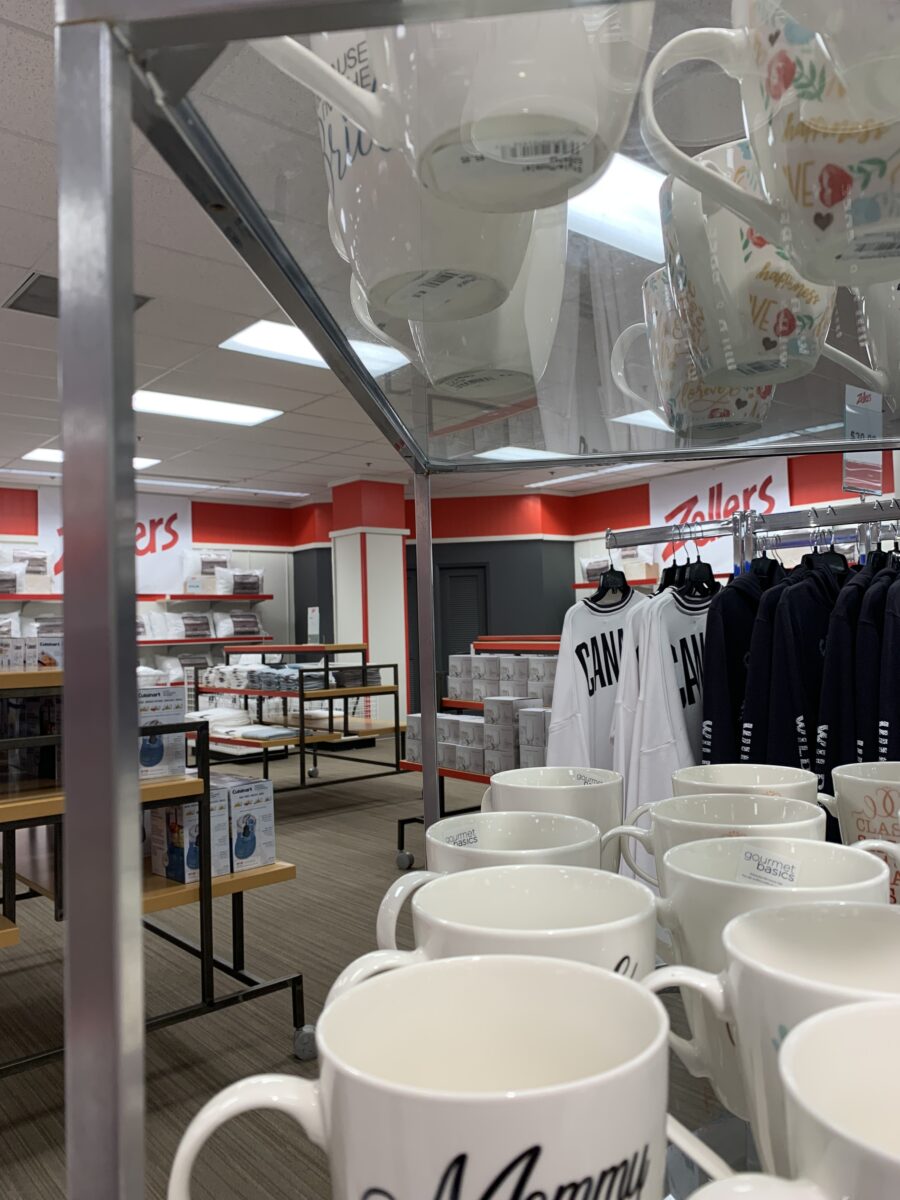
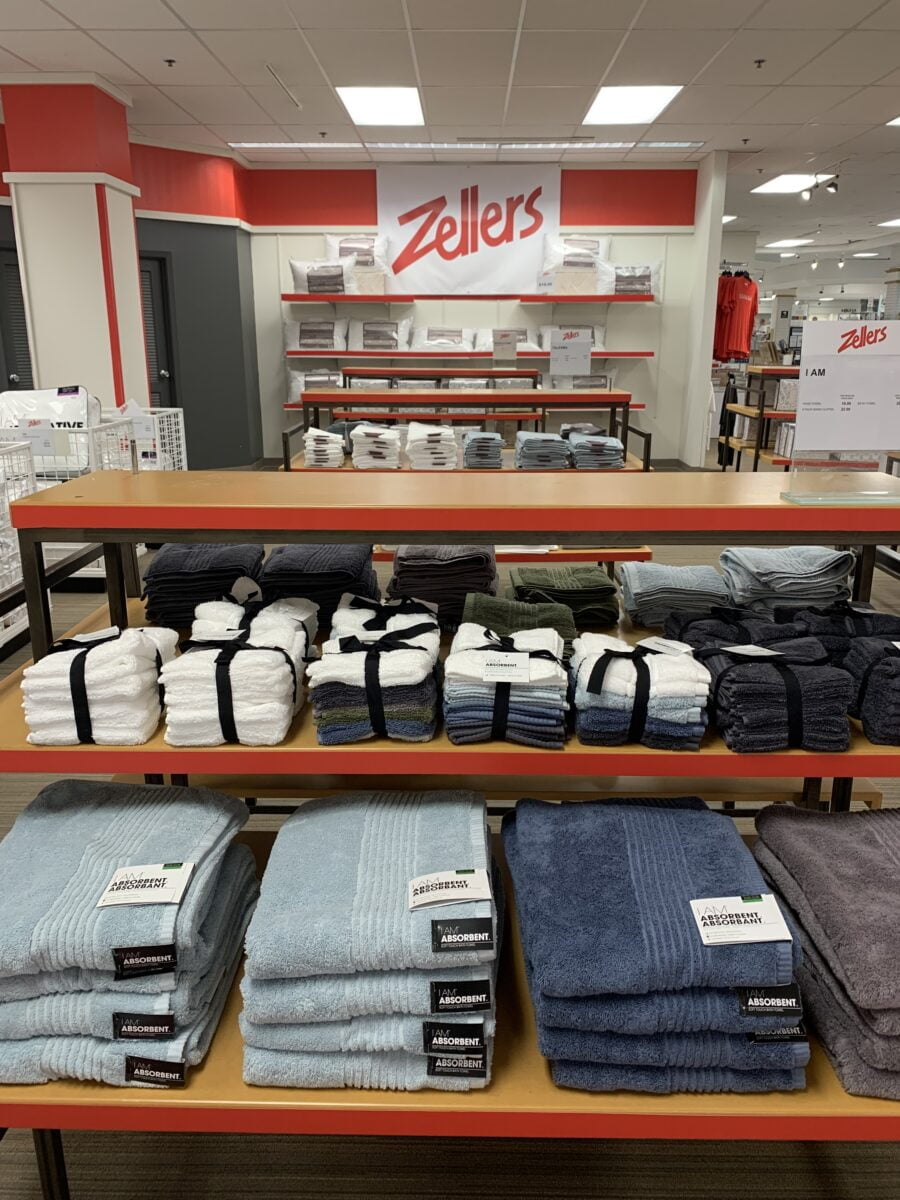
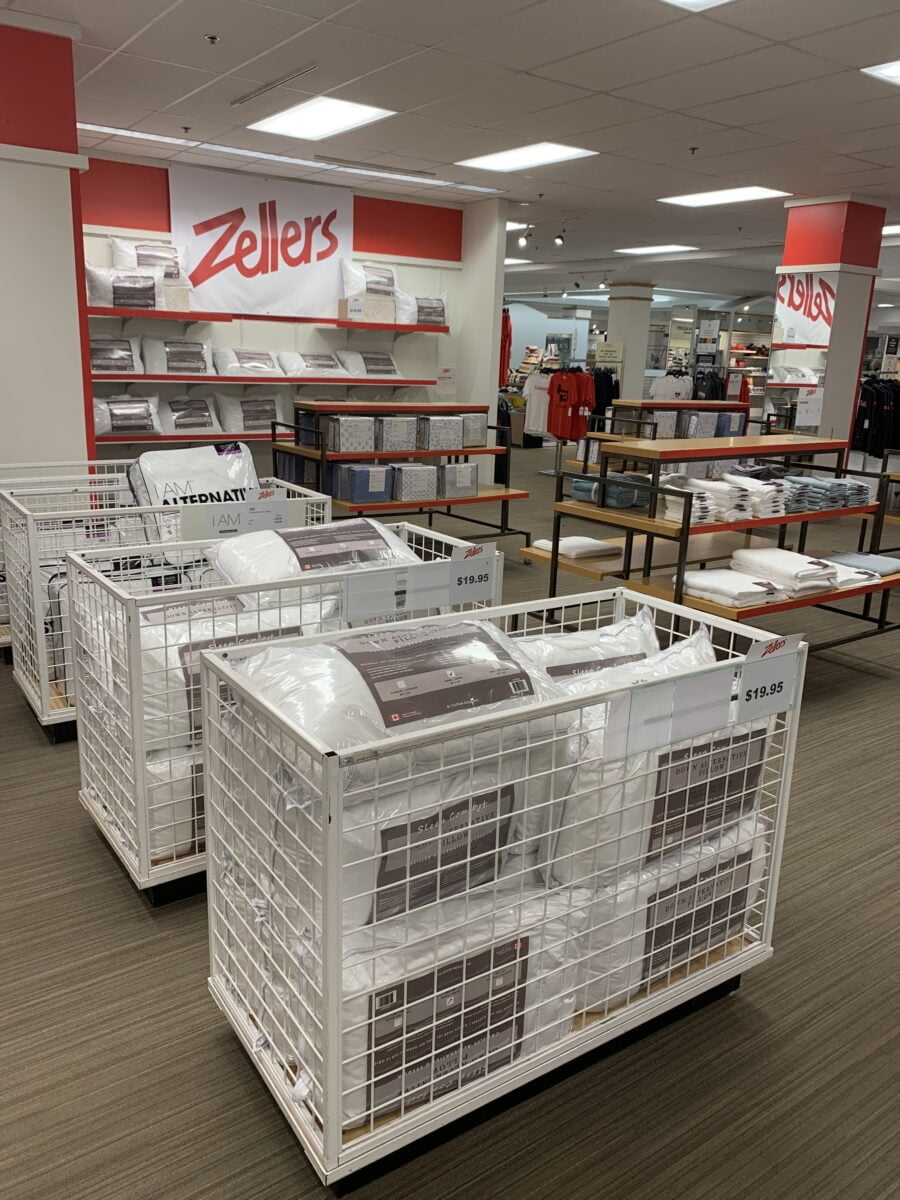
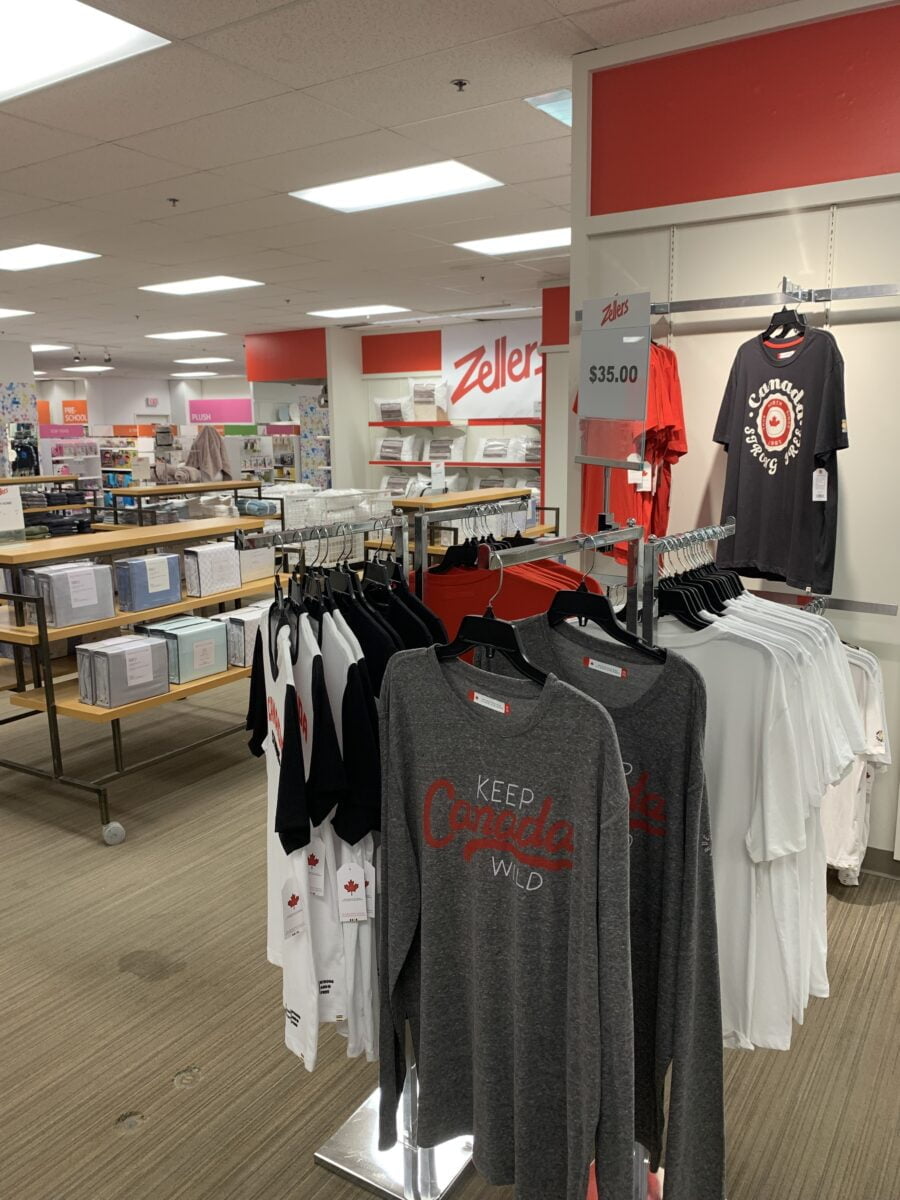
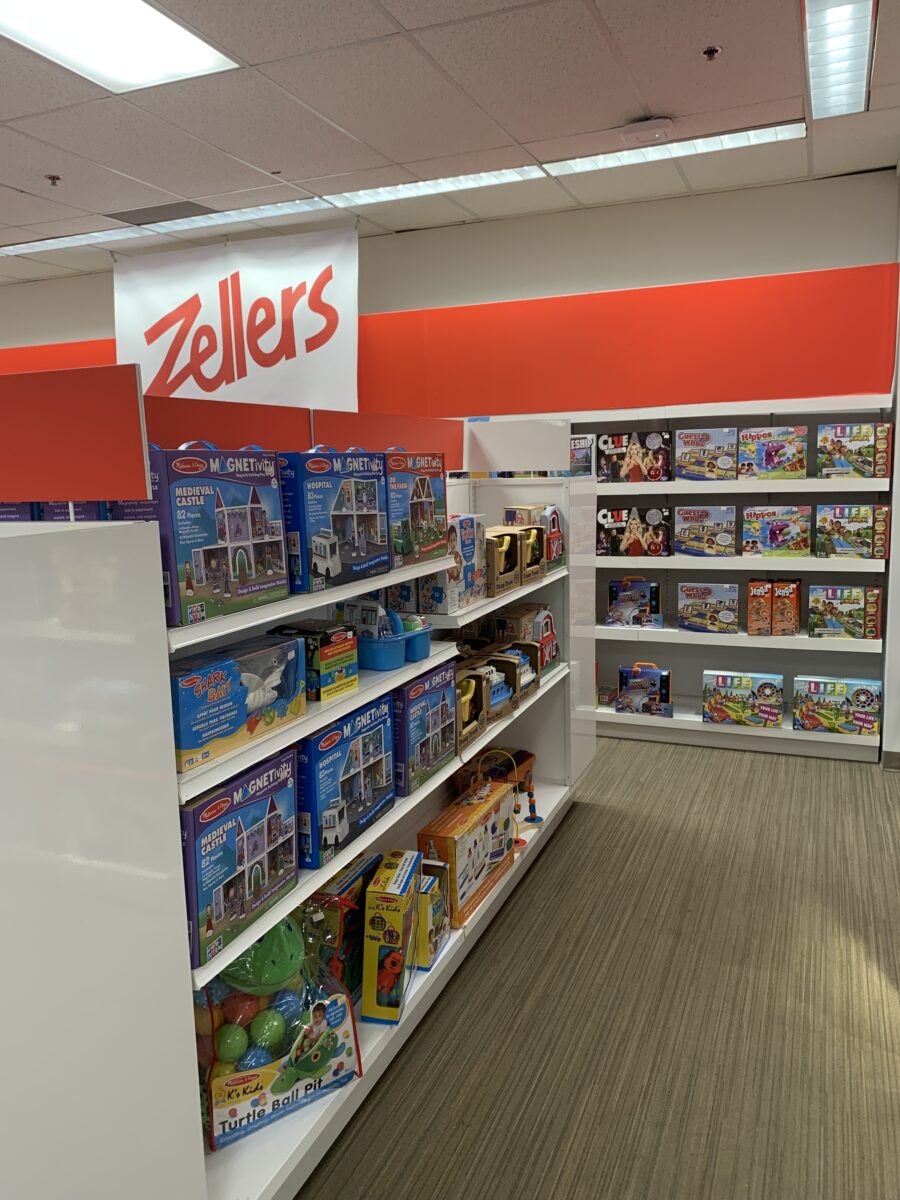
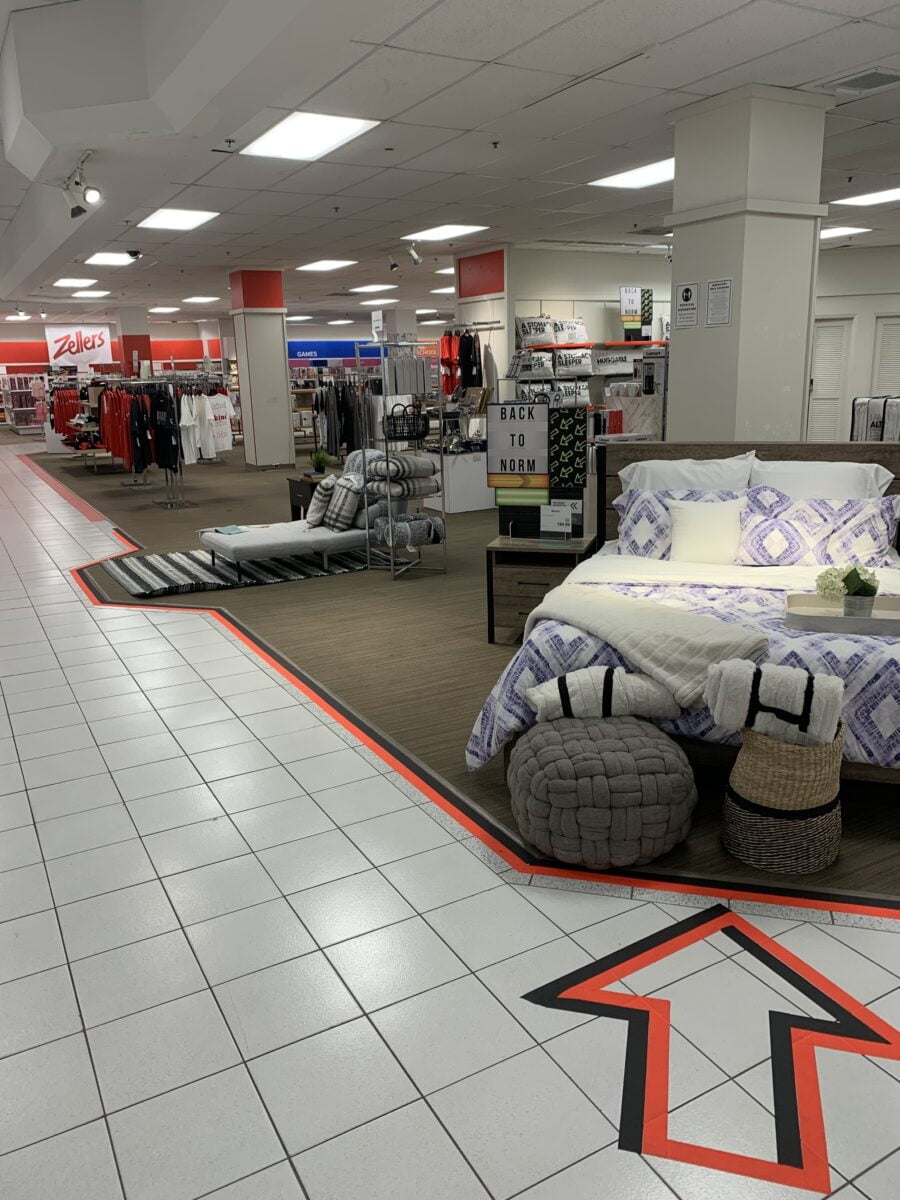
The Zellers pop-up at Burlington Centre features a range of products including Canada-themed apparel and home goods. Red floor tape indicates the boundaries of the Zellers space located on the second floor of the Hudson’s Bay store.
Not present is Zellers mascot Zeddy which for years was part of the retailer’s marketing. In 2012 Zeddy was ‘adopted’ by Camp Trillium after fans voted in Zellers’ final facebook campaign EVERYTHING MUST GO!, marking an end to almost three decades with his Zellers family.
Zellers at Hudson’s Bay Burlington Centre- Photo by Sean Tarry
More Zellers pop-ups could open inside of Hudson’s Bay stores according to a Hudson’s Bay Company spokesperson, though no further details are available at this time.
At its peak in the 1990s, Zellers had over 350 stores in Canada — the entry of Walmart into Canada impacted Zellers’ sales particularly in the early 2000s which resulted in the retailer losing significant market share. In January of 2011, the Hudson’s Bay Company announced that it would sell the leases for up to 220 Zellers store to Minneapolis-based Target for $1.825 billion dollars. HBC retained 64 locations initially and liquidated the chain in early 2013.
The Hudson’s Bay Company operated three Zellers stores in Ontario until early 2020, and those locations acted more as clearance centres for products from Hudson’s Bay store. Zellers as Canadians knew it shut down in March of 2013 after the Hudson’s Bay Company divested most of the store leases to Target which was entering the Canadian market. Target operated in Canada until early 2015 when it exited Canada after seeing significant losses and operating challenges.
In the 1980’s, Zellers’ marketing slogans included “Only you’ll know how little you paid” and “Shopping anywhere else is pointless”. In the late 1980’s and early 1990’s the popular “Where the lowest price is the law!” was used in Zellers advertising. Included were animated commercials featuring Batman and Robin with the villains like the Joker, the Penguin, Catwoman and the Riddler.
Zellers at Hudson’s Bay Burlington Centre – Photo by Sean Tarry
Zellers at Hudson’s Bay Burlington Centre – Photo by Sean Tarry
In the 1990’s, Zellers adopted the slogan “Truly Canadian”. Between 1997 and 2000, “Better and Better” was a slogan and “Everything from A to Z” was part of the retailer’s marketing messaging between 2000 and 2013.
Value-priced Zellers was founded by Walter P. Zeller in London, Ontario, in 1931. The Hudson’s Bay Company acquired Zellers in 1978. The Zellers logo, visible on the last two remaining stores, was adopted in 1975. In 1976, Zellers thrived with sales in excess of $400 million annually and in the same year, discount chain Fields acquired the Zellers chain. Joseph Segal, who at the time was president of Fields, became president of Zellers as part of the transaction.
In 2008, the Hudson’s Bay Company and its subsidiaries, including Zellers, came under the ownership of NRDC Equity Partners, which was headed by Richard Baker. Hudson’s Bay’s namesake stores were positioned as more upscale under the creative direction of retail veteran Bonnie Brooks, while Zellers was seen as a drag on the business.
Additional Photos from the Zellers at Hudson’s Bay in Burlington Centre:
Zellers at Hudson’s Bay Burlington Mall – Photo by Sean Tarry Zellers at Hudson’s Bay Burlington Centre Zellers at Hudson’s Bay Burlington Centre Zellers at Hudson’s Bay Burlington Mall – Photo by Sean Tarry Zellers at Hudson’s Bay Burlington Mall – Photo by Sean Tarry Zellers at Hudson’s Bay Burlington Mall – Photo by Sean Tarry Zellers at Hudson’s Bay Burlington Mall – Photo by Sean Tarry Zellers at Hudson’s Bay Burlington Mall – Photo by Sean Tarry Zellers at Hudson’s Bay Burlington Mall – Photo by Sean Tarry Zellers at Hudson’s Bay Burlington Mall – Photo by Sean Tarry Zellers at Hudson’s Bay Burlington Mall – Photo by Sean Tarry Zellers at Hudson’s Bay Burlington Mall – Photo by Sean Tarry Zellers at Hudson’s Bay Burlington Mall – Photo by Sean Tarry
California-based Apple Inc. held its annual fall Apple event announcement last Tuesday showcasing new iPhones, the next Apple Watch and new iPad variants.
Throughout the pandemic, most Canadians shifted their focus to spending on necessities versus vacations and luxurious shopping – all the while, saving billions of dollars.
Now retail experts are expecting much of that cash to start flooding back into the retail economy.
“The back to school numbers are in and they were unbelievable. People have this feeling that they’ve missed out on two years of their lives and they’re sitting there and they’re thinking I didn’t spend any money, I didn’t travel anywhere, and let’s treat ourselves. Let’s spend the money on things maybe we wouldn’t have before because we were spending it on other things,” she said.
“There’s this sense of loss but there’s also this euphoric sense that you’re getting when you go to the store and you bring something back with you. I think the Christmas season is going to be absolutely brilliant for retailers. We’re seeing footfall traffic for example in the Lansdowne Shopping Centre in Richmond, BC, a 20 per cent growth over 2019 numbers even pre-pandemic because we’re seeing that people need to get out there, they need to be social and they need to spend some money and just feel human.”
During the initial stages of the pandemic, people spent money on their homes but they didn’t spend it on themselves, she added.
“We’ve all been sitting in this virtual world and feeling like it’s my turn now. Let me go get my nails done. Let me go out for a bite to eat with some friends. And really enjoy the aspect of being out,” said Cantkier.
“As we stand on the eve of a revenge spending phenomenon in Canada, it’s also important to recognize that we’ll be stepping back into a retail world that looks, feels and functions differently than the pre-pandemic shopping culture — and that’s a good thing, for the most part.
“We’re still social creatures at the end of the day. There are things that you just cannot do online. The things that people are doing online is where you’re seeing that shift in technology and experience. Retailers have responded.”
She said research indicates online retail will account for 13.4 per cent of all retail this year, up from 6.9 per cent in 2019, according to data from eMarketer. She said Canada’s total retail sector will surge this year, growing by 6.4 per cent after falling back by nearly five per cent during the 2020 pandemic year, according to the Canada E-commerce Forecast.
She said the decline in store traffic will start to reverse by the fall and retailers will need to adjust and strengthen their offerings as shoppers start coming back in large numbers.The number of retail tenants offering an e-commerce platform doubled during the pandemic, yet 77 per cent of tenants still say profitability is highest when customers shop in-person, according to Colliers’ new Retail Recovery report.
“I think even before the pandemic the customer journey was important,” said Cantkier. “What’s leading us back to bricks and mortar and where we’re seeing all of those online retailers looking at bricks and mortar is because the customer journey is so cyclical. It may start online and it used to end there. That customer journey has to be fulsome. It can’t have that sort of stop and start. It has to come full circle now.
“The customer journey has changed. It’s no longer simply about visiting a store; it now involves an overall brand experience through the omnichannel platform. Having done their research online, customers arrive at the store already knowing exactly what they want – in many cases, knowing more about a product’s features and benefits than the sales associate. The role of the in-store sales associate must be elevated to someone fully versed in the product they are selling, who can understand and find a solution for the customer’s needs.”
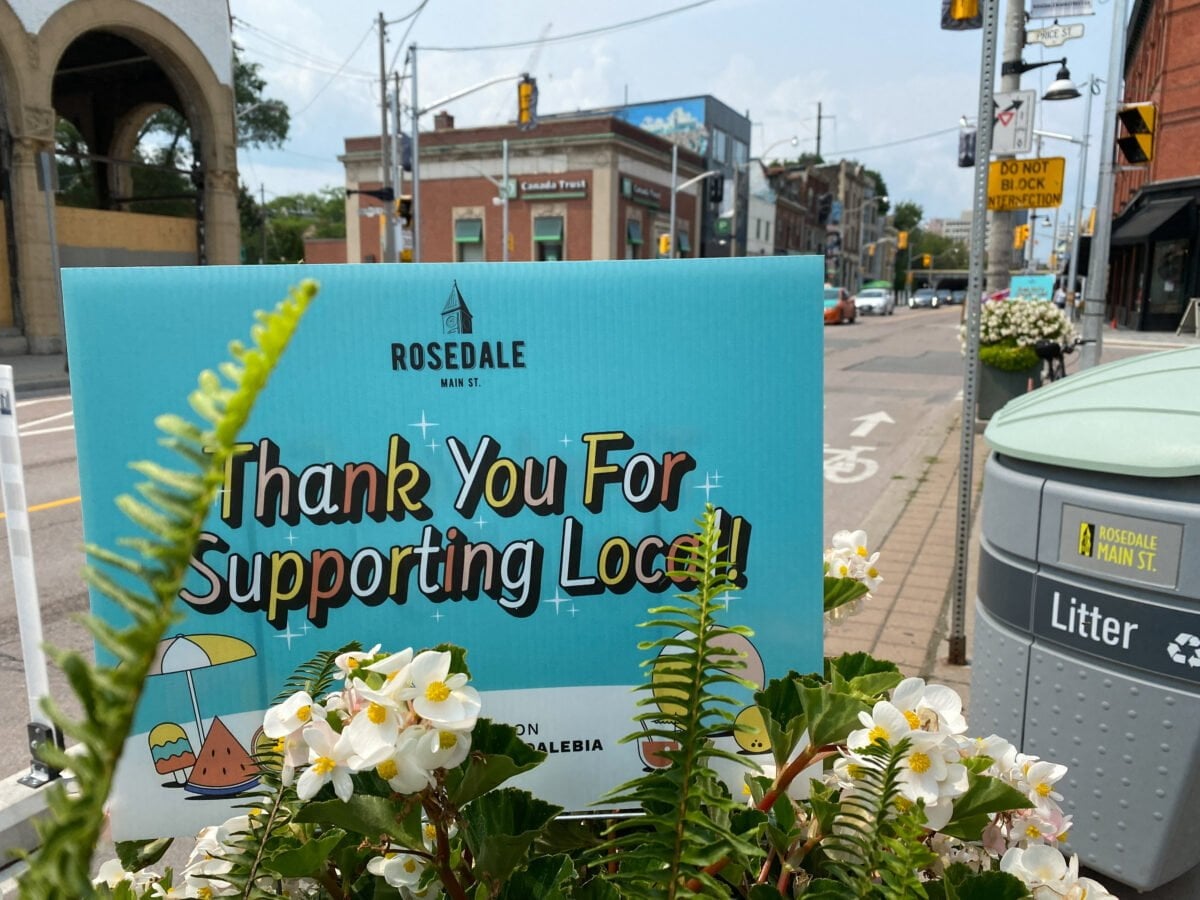
Rosedale BIA Supporting Local – Photo by Dustin Fuhs
She said retailing has less to do with the product but with the experience in getting that product. Brands are now also responding to what’s important to the customer – sustainability, the local nature of products, responding to causes. The trend is retailers responding to what’s important to consumers.
“During the pandemic, retailers had to extend themselves and find innovative ways to support the customer journey. For a time, that journey went online, but as revenge spending takes off, customers will increasingly be turning their attention to items that require interaction, feeling, touching and trying on,” said Cantkier.
“Additionally, high-tech shopping will help set the winners apart in the retail business. New augmented reality such as virtual, or smart, mirrors and artificial intelligence such as personalized item suggestions and tailored sale notifications should emerge as priorities for retailers. We can expect to see more appointment-driven shopping, personal shopping services and specialized one-on-one interactions.These shifts will be born out of our need for safety while also emerging as a byproduct of buying more expensive products that require an elevated experience.”
Cantkier said grocery store anchored centres and high service fashion are poised to thrive.
“Grocery store anchored centres are the catalyst for all the other services and all the other shopping that you’re doing. It’s not going to go away. We need food, drugs and alcohol. Those centres do really well because there are the complementary services and tenants,” she said. “The grocery is really the anchor for it and they really did thrive.
“What we’ve seen with fashion is fashion has become a very challenging category to be in right now. People are focused either on getting something that’s really remarkable, really high end, really great quality. And they’re going to thrive. They’re absolutely here to stay and we’re seeing that in shopping habits and in the sales per square foot numbers that we’re looking at.”
By Bruce McAdams, Associate Professor at University of Guelph and Rebecca Gordon, Graduate Student at University of Guelph.
Restaurant operators across Canada are struggling to find enough staff to run their operations. This labour crisis has been highly publicized by Canadian media as a “labour shortage.”
A recent survey by Restaurants Canada found that 80 per cent of food service operators were finding it difficult to hire kitchen staff and 67 per cent were having trouble filling serving, bar-tending and hosting positions.
Should the chronic hiring struggles of Canadian restaurants be referred to as a labour shortage, or can it be more accurately portrayed as a retention issue fuelled by a lack of decent work? Does the use of the term labour shortage take the onus off of restaurant operators for creating these shortages, and instead place it on Canadian job-seekers?
First job for many Canadians
A 2010 Canadian Restaurant and Foodservice Association report found that 22 per cent of Canadians worked in a restaurant as their first job — the highest of any industry. The study also found that 32 per cent of Canadians have at one point worked in the restaurant industry.
These statistics show that millions of Canadians have been introduced to restaurant work and the industry has enjoyed a seemingly endless supply of labour for decades. So why is it that the restaurant industry is burning through so many people?
Our research on restaurant work conditions shows that working in a restaurant is difficult, requiring the sacrifice of work-life balance due to long hours and unpredictable schedules. While restaurant work can be rewarding and fun, it can also be low-paying, stressful and physically demanding, all of which can have a negative impact on mental health.
A waiter wearing protective equipment collects the bill at a restaurant in Saint-Sauveur, Que. THE CANADIAN PRESS/Ryan Remiorz
Many restaurant workers spend at least eight hours a day on their feet with no time for breaks or meals. Workers are also required to forgo their social and family life by having to work late nights, weekends and holidays.
Many restaurant workers almost never know precisely when their shifts will end, and tend to be placed on unpredictable split shifts or “on call” shifts to save labour costs.
Toxic work environment
The restaurant industry has also been rampant with sexual harassment, abuse and toxic work environments.
A Statistics Canada study found that hospitality workers have the worst job quality out of any industry. This was largely due to low earnings, the inability to take time off, no paid sick leave, a lack of training opportunities and no supplemental medical and dental care.
This same study found that 67 per cent of hospitality workers work in jobs with work conditions that fall below decent work levels.
So what exactly is “decent work?” It’s a concept established by the International Labour Organization and is linked to the United Nation’s Sustainable Development Goals. Decent work establishes universal conditions of work that are central to the well-being of workers.
These conditions are considered to be minimum labour standards that include living wages, work hours that allow for free time and rest, safe working environments and access to health care. Decent work is considered a human right but based on the conditions of restaurant work, it appears the Canadian restaurant industry is struggling to provide it to all of its employees.
Bartenders and wait staff wait for the lunch hour rush as patrons sit on the patio of a Toronto restaurant. THE CANADIAN PRESS/Nathan Denette
Exodus of workers from the industry
Through our research on restaurant work, and via conversations with many restaurant employees across the country, we’ve learned that many are fleeing the industry because the work is a grind. What’s more, they don’t see any future in a job that will continue to hinder their well-being.
The pandemic allowed workers time to find jobs in other industries that provide more stability and feature regular work schedules, vacation time, higher pay and benefits.
These workers often felt neglected, and that their employers did not believe they were worth investing in.
While there are certainly good restaurant employers, the industry as a whole has failed to improve working conditions because historically, there were always new people to fill roles.
That raises the question: Could the continuous reference to a labour shortage in the restaurant industry actually be creating a lack of urgency in addressing longstanding issues of work quality?
A waitress serves patrons at a restaurant in Carstairs, Alta. . THE CANADIAN PRESS/Jeff McIntosh
If restaurants want to operate at full staff in the post-pandemic future, they need to invest in their employees because, after all, it’s impossible to run a restaurant without people working in it.
The restaurant industry has always spent money, time and resources to attract customers and increase revenues. It’s long past time for restaurant operators to consider their employees internal customers, and put as much effort into providing great experiences for them as they do for their external customers.
A good place for operators to start is by providing decent and dignified work for all that provides decent wages, benefits and healthy working conditions.
Toronto-based department store retailer Hudson’s Bay’s online division The Bay is collaborating with San Francisco-based social media technology innovator Pinterest in a strategic partnership.
In a first-of-its-kind bilingual digital platform, the experience will include “Pinnable” products curated through trends. Consumers are able to build shoppable boards based on atmospheres and departments, including Kitchen Essentials, Bedding and Furniture. The boards will lead shoppers to thebay.com to complete the purchase.
Martin Svensson
“On Pinterest, we know what trends are about to take off because people come to Pinterest in the early planning stages of the shopping journey,” shares Martin Svensson, Retail Head of Industry, Pinterest.
“97% of top searches on Pinterest are unbranded, which is why Pinterest is such an effective place to reach people when Pinners are actively looking for inspiration. Working with The Bay to reach customers at the initial stages of the design journey was an important aspect in building a valuable resource for shoppers.”
“The Bay is helping Canadians shop for their home with simplicity and confidence,” Allison Litzinger, Vice President of Brand, The Bay. “With this digital lookbook, customers have the ability to discover trends and envision their spaces with quality products, and take the leap from ideation to reality seamlessly.
Allison Litzinger
“This collaboration with Pinterest is reflective of The Bay’s digital-first innovation and how we are elevating the online shopping experience, bringing colourful, attainable luxury into the homes of Canadians.”
Hudson’s Bay operates 86 full-line locations and The Bay operates thebay.com, featuring Marketplace. The e-commerce business is the 6th largest in Canada. Both The Bay and Hudson’s Bay are under the HBC brand portfolio.
Pinterest is a visual discovery engine with over 300 billion Pins saved worldwide, with interests ranging from home renovation, travel, food and retail. The tech company recently announced that they had secured three floors at 85 Richmond St. West in downtown Toronto for the Pinterest Canada head office.
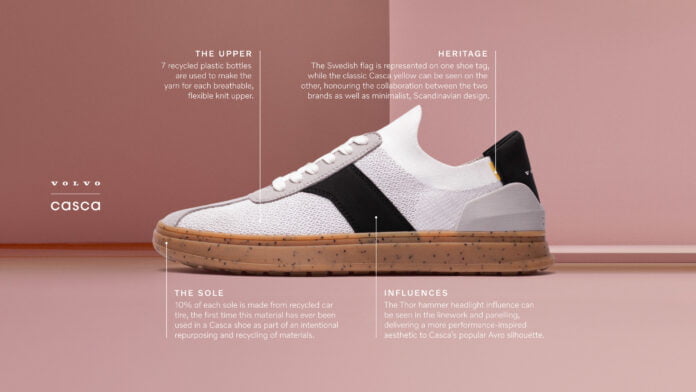
Volvo Cars Canada and Casca Footwear take steps toward a sustainable future with an inspired shoe (CNW Group/Volvo Car Canada Ltd.)
Volvo Cars Canada and Vancouver-based Casca footwear have launched a limited-edition sneaker in support for World Car Free Day. The collaboration is said to be intended to help people live a more sustainable life and move fluidly between driving and walking.
As part of the campaign, Volvo Cars said that it recognizes that it is critical to do what the company can to be part of the solution to protect the planet, whether it’s taking the small step to encourage Canadians to walk or cycle on World Car Free day or drive an electric or plug-in hybrid vehicle to reduce carbon emission.
The launch on September 22 coincides with World Car Free Day. The shoe will be available to Canadians for purchase ($198 CAD) at https://ca.casca.com/pages/volvoxcasca on that day. The design is inspired by the pure electric Volvo XC40 Recharge.
“We’re excited to team up with Casca footwear who share similar values and combine our passions for sustainability, technology, and understated modern design,” said Matt Girgis, managing director of Volvo Car Canada Ltd. “At Volvo Cars, we are committed to setting the highest standards of sustainability in mobility and that goes beyond electrifying our fleet to transforming all aspects of our business. The shoe we have created with Casca in celebration of World Car Free Day, is one way to recognize the many steps we are taking on our journey to climate neutrality.”
Volvo Cars Canada and Casca Footwear take steps toward a sustainable future with an inspired shoe (CNW Group/Volvo Car Canada Ltd.)
Unique features of the new shoe include:
The sole – 10% of each sole is made from recycled car tire, the first time this material has ever been used in a Casca shoe as part of an intentional repurposing and recycling of materials.
The upper – Seven recycled plastic bottles are used to make the yarn for each breathable, flexible knit upper.
Heritage – The Swedish flag is represented on one shoe tag, while the classic Casca yellow can be seen on the other, honouring the collaboration between the two brands as well as minimalist, Scandinavian design.
Influences – The Thor hammer headlight influence can be seen in the linework and paneling, delivering a more performance-inspired aesthetic to Casca’s popular Avro silhouette.
Both companies noted similarities which lead to the partnership including:
Using Recycled Materials:Volvo Cars says that it aims to increase the share of recycled and bio-based materials in their vehicles by 2025. And by 2022 Casca says that it has committed to their knit uppers being made from recycled or renewable materials.
Having Ethical Production:Volvo Cars says that it aims to be a recognized leader in ethical and responsible business as the first car manufacturer to use blockchain technology. Casca says that it is committed to ethical manufacturing of its shoes, ensuring employees are paid a set living wage and personally visit every factory they work with to ensure high ethical standards.
Being Energy Efficient:Volvo Cars’ global plants are powered by over 80% climate-neutral electricity. Casca leather treatments are water-based, cured with low-energy UV, and leather sludge waste is reduced by 95% and recycles 70% of water on-site with a state-of-the-art treatment facility.
Japanese fashion retailer Uniqlo announced this week that it will double its store count in the Montreal area by opening two new locations in the spring of 2022. The new stores follow the opening of Canada’s largest Uniqlo store in downtown Montreal last year as well as a second suburban location in Laval.
The two newest Montreal area Uniqlo stores will be located at CF Fairview Pointe-Claire and at CF Promenades St. Bruno. CF Fairview Pointe-Clair is on the western part of the Island of Montreal and is considered to be one of the region’s top shopping centres with over a million square feet of space and about 175 stores. CF Promenades St. Bruno is a highly productive shopping centre in the Montreal suburb of St. Bruno with 1.186 million square feet of space and almost 230 stores.
At both malls, Uniqlo will compete with a range of retailers in the fast-fashion and value-priced space. Common tenants to both shopping centres that will compete with Uniqlo include H&M, the Gap, Zara and other retailers at a similar price point. Uniqlo will also compete with some of the in-house brands at large-format retailer La Maison Simons which currently operates in St. Bruno and will be opening a location at CF Fairview Pointe-Claire next year.
The opening announcement coincides with Uniqlo’s beginning to recruit staff for the two new stores. The endeavour may be a challenge as the job market in the Montreal market is tight with recruiter Suzanne Sears saying that there are more jobs than applicants.
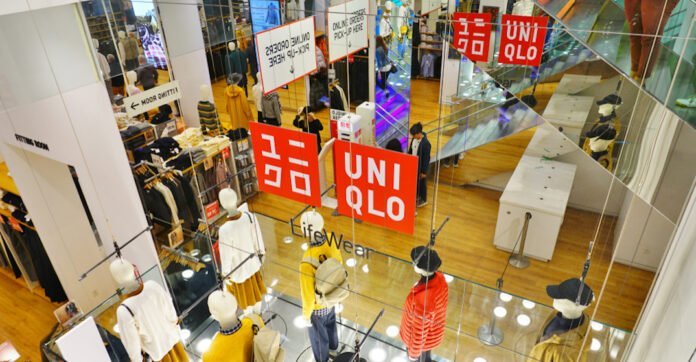
Exterior of Uniqlo store. Photo: Uniqlo
Uniqlo’s expansion in the Montreal market signals confidence in brick-and-mortar retail at a time when e-commerce has been exploding over the course of the pandemic. Brokers and landlords are saying that many retailers and food-related businesses are in the process of expanding while looking to a future without pandemic restrictions.
Uniqlo’s first store in Montreal opened in October of 2020 in the city’s downtown core at the Montreal Eaton Centre. It remains the largest Uniqlo location in Canada with over 40,000 square feet of leased space facing Ste-Catherine Street. In March of this year, a second smaller suburban Montreal Uniqlo store opened at CF Carrefour Laval north of the city.
Uniqlo entered the Canadian market in September of 2016 when it opened a flagship store at CF Toronto Eaton Centre in Toronto. A second Toronto flagship opened a month later at the Yorkdale Shopping Centre. Uniqlo now has seven stores in the Greater Toronto Area with other locations being at Square One in Mississauga, Vaughan Mills north of Toronto, CF Markvile in Markham, Upper Canada Mall in Newmarket, and at Oshawa Centre in Oshawa.
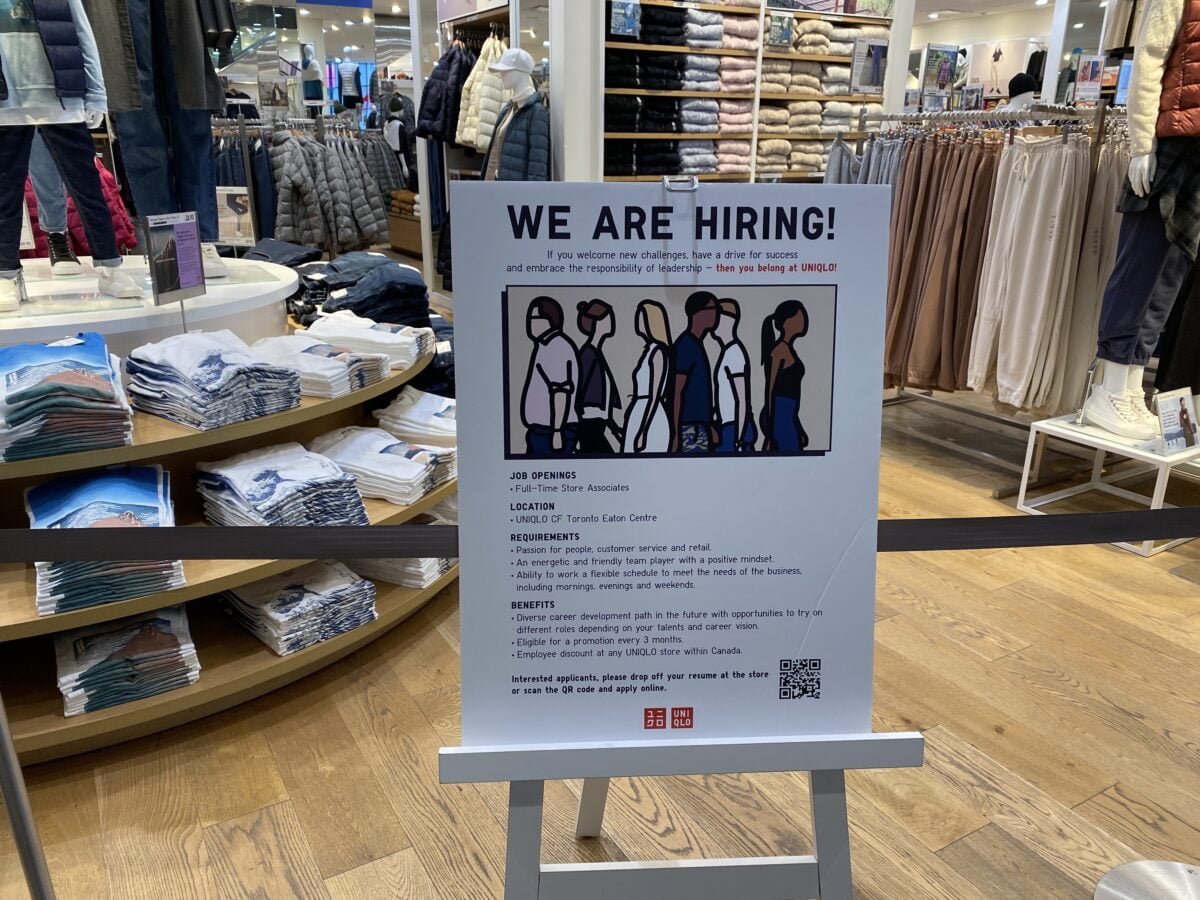
Uniqlo Hiring Sign at CF Toronto Eaton Centre – Photo by Dustin Fuhs
Uniqlo’s first store on the West Coast opened at Metropolis at Metrotown in Burnaby in October of 2017, and subsequently opened locations at CF Richmond Centre in Richmond, Coquitlam Centre in Coquitlam, and Guildford Town Centre in Surrey.
Uniqlo is also absent from downtown Vancouver and a store is expected there. Other Uniqlo store locations are expected to open in major markets in Canada as the retailer continues to seek to grow market share.
Uniqlo is owned by Fast Retailing Co. Ltd. which is one of the world’s largest fashion retailers. Worldwide sales ending August 2020 were USD $19.06 billion. Uniqlo operates store locations globally.
Last month, Uniqlo shocked many when it announced that it was shutting its store at 830 North Michigan Avenue in Chicago. The 60,000 square foot retail space on the struggling ‘Magnificent Mile’ is in a building that was occupied by luxury department store retailer Bonwit Teller from 1949 to 1970 and then I.magnin until the early 1990s.
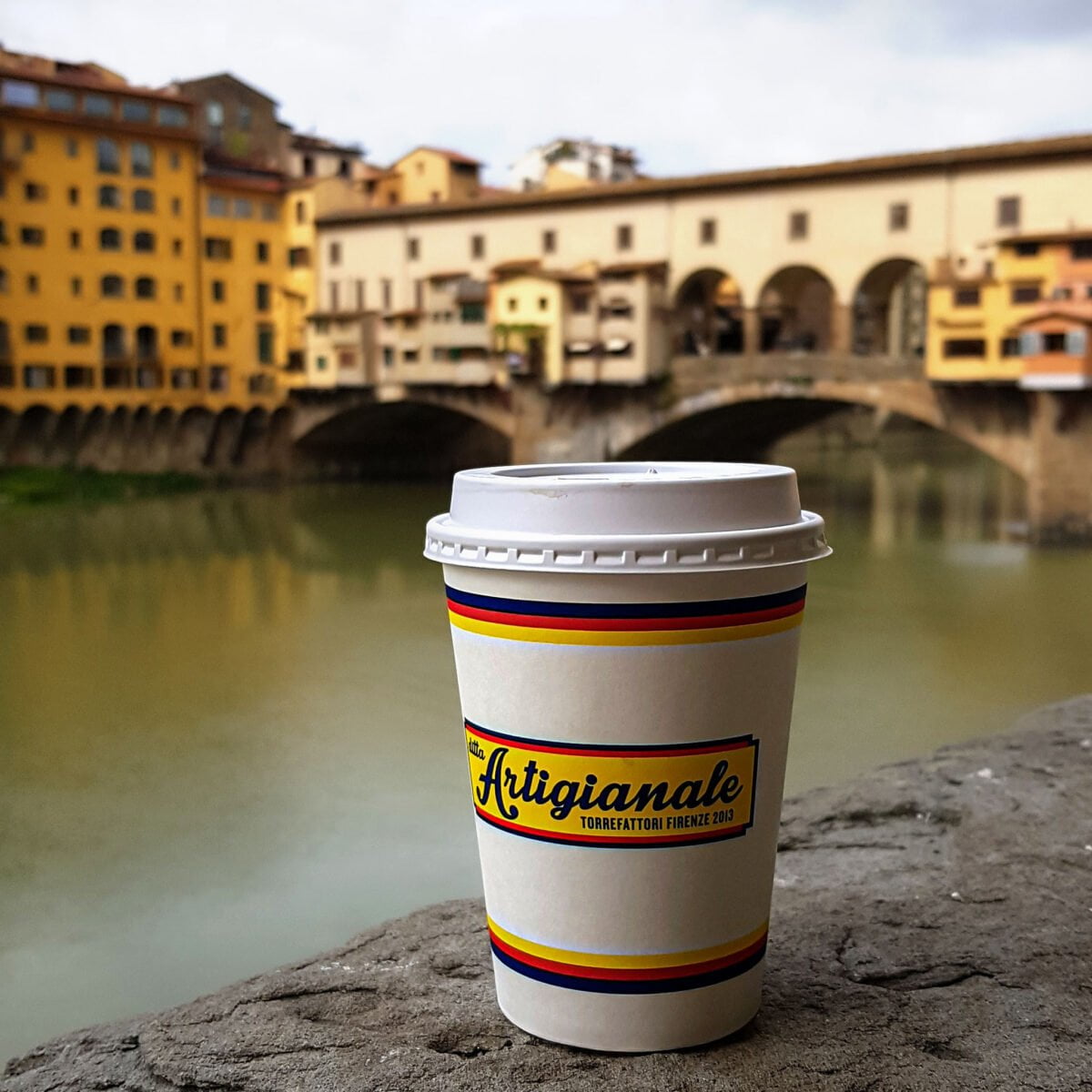
Ditta Artigianale, Italy’s preeminent artisanal coffee roaster, is expanding its footprint from three stores in Florence to add its first North American location in Toronto.
The Toronto flagship location will be opening in the Garment District at Richmond Street West and Bathurst Street West – which has seen huge development in the past five years with more to come.
Francesco Sanapo
The brand was founded in 2013 by Francesco Sanapo, a world-renowned barista and roaster, and Patrick Hoffer.
“Opening Ditta in Toronto is a dream come true for me. When I created the Ditta Artigianale concept, I always thought it would become an international company featuring a fine Italian touch and showing the world a new wave of Italian coffee. This is a big opportunity for me, for Ditta, for Italy, showing and sharing the high quality of Italian specialty coffee. I cannot wait to serve Ditta’s coffee to the people of Toronto,” said Sanapo, who is the company’s CEO.
“You can’t imagine how excited I am to spread my coffee in Canada, in Toronto.”
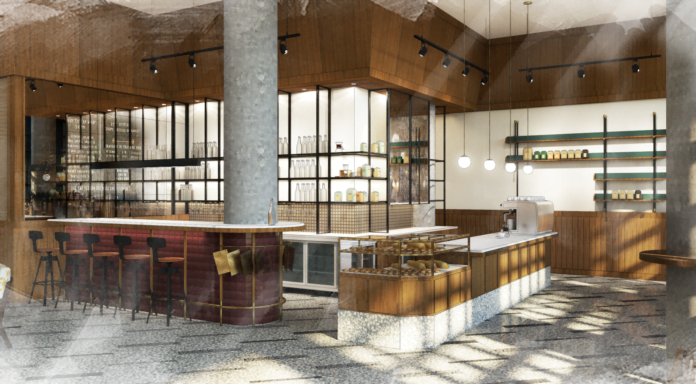
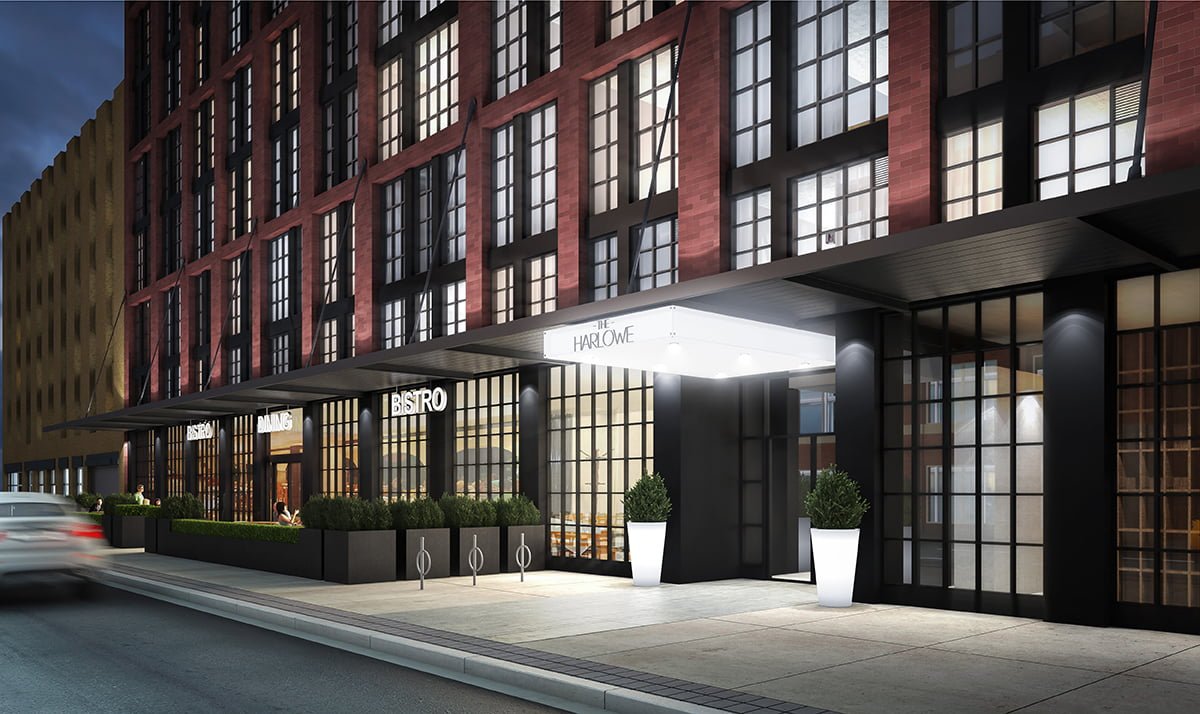
The new cafe will be located on the ground floor of The Harlowe condominium apartment building and will be open for coffee, pastry, brunch and signature cocktails in the evening.
Image: Ditta Artigianale
And the company plans to open new locations in Canada and the United States in the future.
You could say coffee is in Sanapo’s blood. He is the personification of coffee, winning Italy’s best roaster in 2019 and twice being a finalist in the World Barista Championship. His love has spread to the current staff who have won four Italian barista championships.
Staff from Toronto will have the opportunity to train in Florence to ensure the same rules and protocols are followed across the pond making for an experience equal in quality.
The new cafe will open its doors in the spring of 2022 and aside from being open during the day for coffee and brunch fare it will also radiate at night as a slick cocktail bar featuring Peter in Florence, Italy’s first Tuscan-made artisanal gin founded by Ditta’s co-founder Hoffer.
The Harlow (Rendering: LAMB DEV. CORP)
Alexander Zeleniuch
Alexander Zelenuich, the company’s Chief Operating Officer, said the company has built a really strong base in Florence and pre-COVID Florence was hopping with tourists and students – a big part of the customer base – with many of them from North America.
“In Canada and the USA, it’s common to go to a coffee shop and work and socialize, hang out. That didn’t exist in Florence and was very rare in Italy. And so that’s why we had so much success here,” he said. “What we realized is that there would probably be demand for this kind of model outside of Italy, especially if we hit the Italian notes just right. So we keep it within specialty coffee but with an Italian touch.
“One of the major points that makes us unique compared to some of the other peers out there in the field is we also have a sister company if you will that’s a separate company but it’s a gin company, and it’s an artisanal gin company called Peter in Florence and it’s produced 30 minutes outside of Florence. We grow 10 out of the 14 botanicals that we use to distil the gin.
“And what makes Ditta really special is that given we’re paying rent 24 hours a day most coffee shops close at 5 or 6 and that’s it. They just do coffee, maybe some light bites. We said well we have this gin company, why don’t we turn it into an aperitivo bar. We don’t need to stay open all night. We don’t need to do dinner service. But let’s keep the same quality we have for coffee and apply it to cocktails. When I joined I thought something like this would drive in North America. It’s logical to move there because there’s demand for specialty coffee, there’s demand for craft cocktails and it’s all with a very Italian soul and Francesco is the heartbeat behind that soul.”
Zelenuich said the company’s expansion plans are quite ambitious to scale in the next few years. There is still room for growth in Florence. Then from there it’s focused on Toronto to open a few more there and in Canada.
Ayana Miller, operating partner of Ditta Artigianale Canada, said the company is looking at about five locations in the GTA first, mirroring the same strategy as what it has done in Italy with Florence as the base.
“Really building momentum in a certain area and creating the foundation that’s very strong and then expanding outwardly in Canada as well. There is also plans of opening a location in Los Gatos, California too, right in the Silicon Valley, which is also known for its love of coffee,” said Miller.
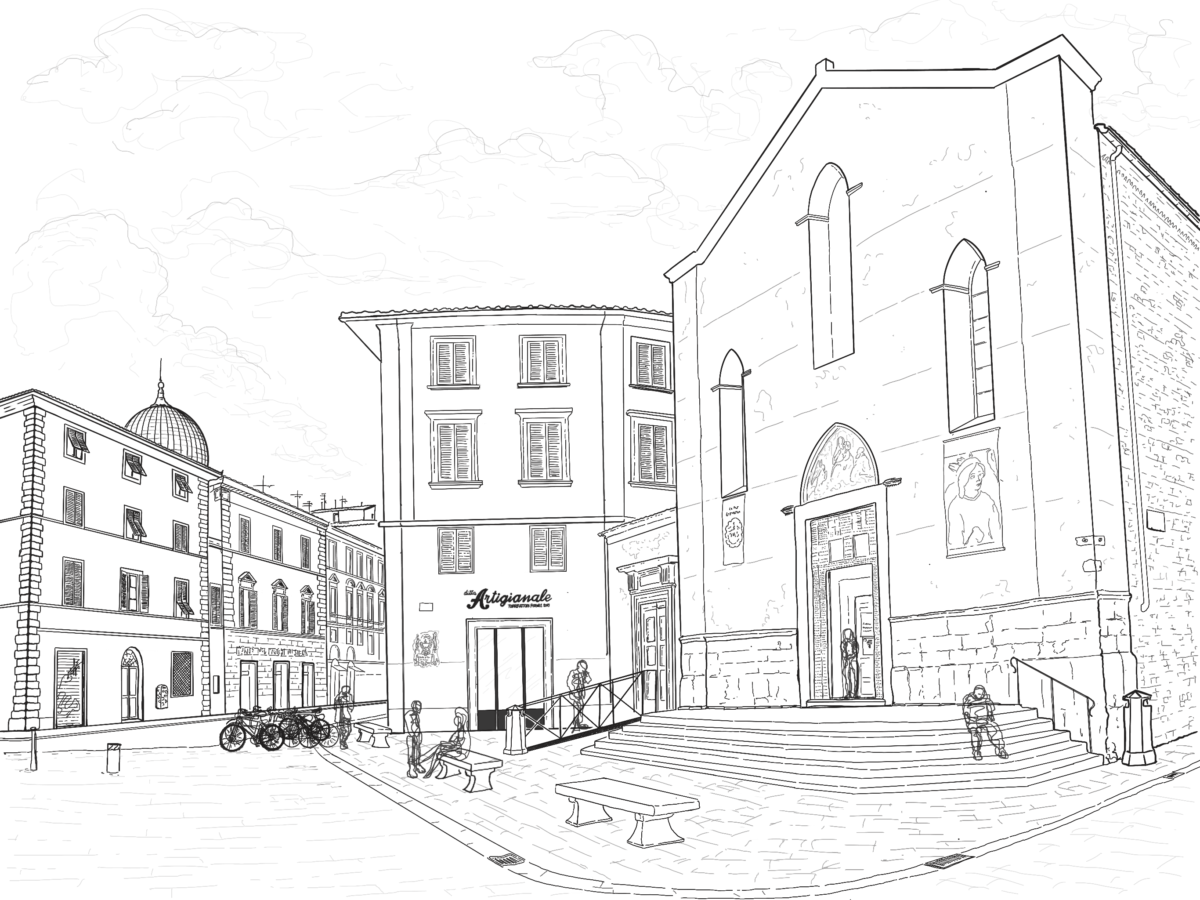
Ditta Artigianale – Via Carducci
Ditta Artigianale – Via dello Sprone
Ditta Artigianale- Via de Neri
“What brings that unique twist to Ditta is that it has that Italian soul even if you look at the design of everything, the intention behind everything. This special vibe, this dolce vita, that Ditta Artigianale holds has spoken to so many that we have an association with the luxury brands such as Dolce & Gabbana and Brunello Cucinelli in terms of the Peter in Florence gin.”
Ditta brings high quality coffees to Italy and the world with a focus on total transparency and sustainability throughout the supply chain. The brand’s philosophy is based on researching the most exclusive micro-lots, establishing direct relationships with producers and engaging in special roasting techniques to give consumers a unique, quality-orientated experience, said the company.
The company said the concept was inspired by the third wave roaster movement, displaying coffee as another example of exquisite Italian craftmanship.
“I want to protect my company to grow up in a really good way, in a healthy way. That’s the reason why we haven’t opened up yet in Milano or in Rome,” said Sanapo. “Just because I’m protecting the growth of my company.
“As a coffee lover, more than expert, more than everything, what I want to keep always on my way to spread out coffee is every coffee I serve I want to make richness. This can appear in very simple things, but that doesn’t happen very often. I spend part of my life travelling to find the best coffee.”
Jackson Turner of CBRE negotiated the Ditta Artigianale lease deal on behalf of the brand.