Home Blog Page 994

Boathouse to Open at CF Toronto Eaton Centre in the Fall

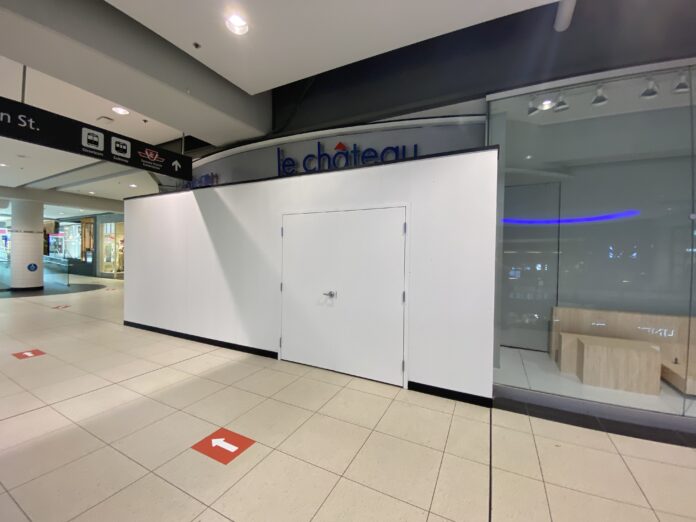
Future Boathouse Location at CF Toronto Eaton Centre - Photo by Dustin Fuhs

The Ontario-based fashion retailer will be moving into Toronto’s downtown core again and taking a high-traffic location in the CF Toronto Eaton Centre.

Boathouse closed its long-time location at the corner of Yonge & Edward Streets pre-pandemic. Being steps from Yonge Dundas Square gave the brand curb-appeal, but the decision to close the store didn’t mean that they were exiting the market entirely. That location in The Atrium has since opened as a West 49.

Fast forward to March 2021 when Retail Insider helped to break the news that Boathouse and Blackwell Supply Company would be expanding into a number of closing or announced-to-be-closing Le Chateau leases and the question came up about the Toronto Eaton Centre.

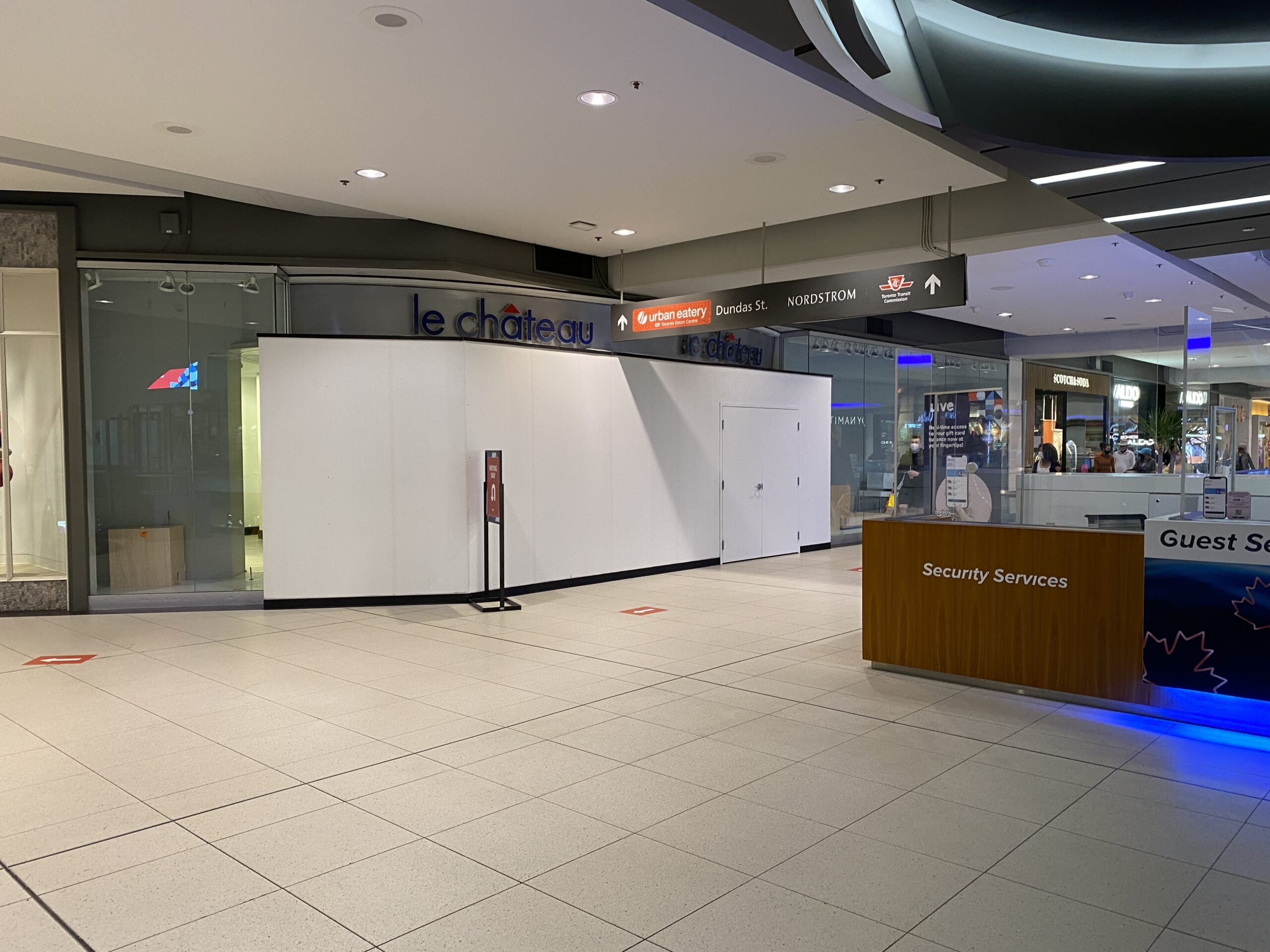
With the help of a Linkedin post from Janet Weatherhead, Director of Sales and Operations for Boathouse/Blackwell Supply Company, the brand can share that they are indeed moving into the 2nd level location that was recently vacated Le Chateau. The store is scheduled to open in September 2021.

We will be bringing more announcements from the Toronto Eaton Centre, as the property will be announcing a number of new tenants as shopping centres begin to re-open and move into full capacity in Ontario.

Podcast [CEO Interview]: FYidoctors Expands with Medical Aesthetics

Craig speaks with Dr. Alan Ulsifer, CEO of FYidoctors, discussing the optical company’s expansion into medical aesthetics. Dr. Ulsifer reveals that his company is expanding further in Canada as well as into the United States and eventually globally.

The Weekly podcast by Retail Insider Canada is available on Apple Podcasts, Stitcher, TuneIn, Google Play, or through our dedicated RSS feed for Overcast and other podcast players.

**Podcast Sponsor (MSC): As one of the world’s leading container ship lines,  MSC is promoting a sustainable business model that goes far beyond the ‘business as usual’ approach. [Read more on MSC’s Sustainability Program]

Discussed this episode:

Subscribe, Rate, and Review our Retail Insider Podcast!

Follow Craig:

Follow Retail Insider:

Listen & Subscribe:

Share your thoughts!

This image has an empty alt attribute; its file name is Apple-Podcast-Logo.png
This image has an empty alt attribute; its file name is EN_Google_Podcasts_Badge_2x.png

Drop us a line at Craig@Retail-Insider.com. You can also rate us in Apple Podcasts or recommend us in Overcast to help more people discover the show!

Background Music Credit: Hard Boiled Kevin MacLeod (incompetech.com). Licensed under Creative Commons: By Attribution 3.0 License. http://creativecommons.org/licenses/by/3.0/

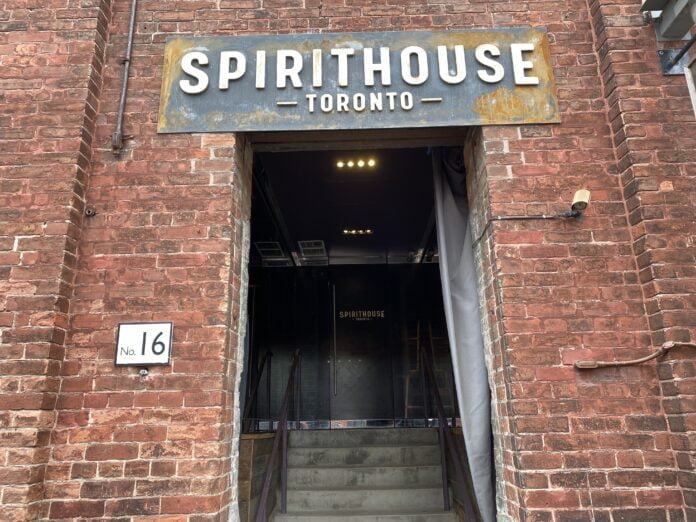
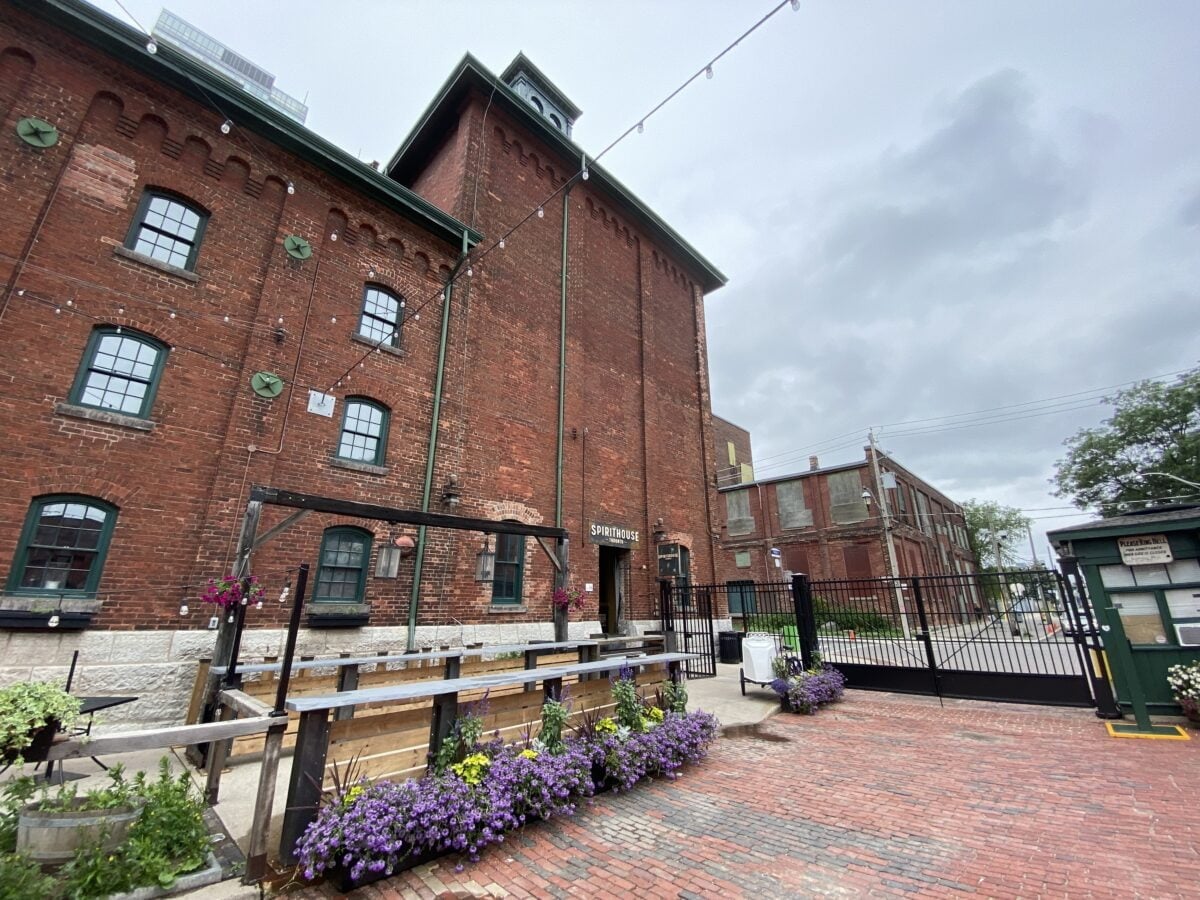
The Historic Distillery District Adds SpiritHouse Toronto

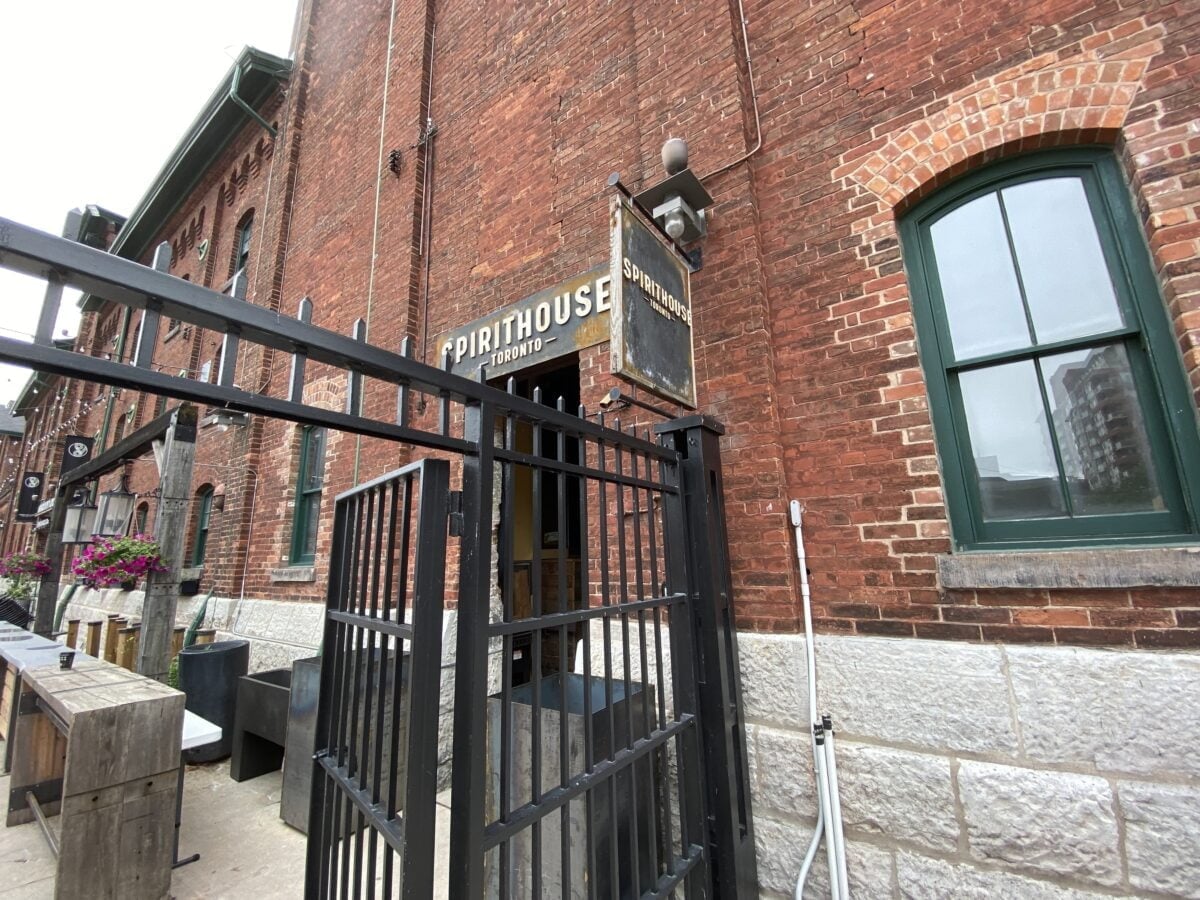
SpiritHouse Toronto in the Distillery District - Image by Dustin Fuhs

“Purveyors of fine spirits. Makers of spectacular cocktails. Merchants of all that is drinking.”

SpiritHouse Toronto will be opening up a new entertainment venue inside The Distillery District, which will see the brand come back to life after selling their location at 487 Adelaide St. W (King West) back in 2018. Owned by industry veteran Len Fragomeni, the bar will be joining their sibling-company Toronto Institute of Bartending, and Founder’s Original, a premium ready-to-drink cocktail company which sells it canned and bottled bar-quality cocktails across the country. Both are conveniently located directly above in the same building after relocating to the Distillery in 2018.

Len Fragomeni

SpiritHouse Toronto will have its Patio Popup live Aug 5th, while the inside space is polished up for a full fall opening. Cocktail offerings will include SpiritHouse’s signature assortment of smoked Old Fashioneds along other menu classics such as their English Therapy, Netflix N’ Chill, Whisky with Benefits and Mayan Remedy. They will also be resurrecting their self-guided whisky flights such as The Kentucky Bourbon Trail as well as the extremely popular Discover Scotland, which allows customers to learn and sample whiskies from the six major scotch regions. Food will not fall short, but limited to tapas style offerings that pair well with spirits and cocktails.

“This time around we’re going to add another layer to the experience”, says Len Fragomeni. Everything you taste from and with, will be available in their retail storefront for customers to experience at home or gifting. “Everything from our specialty glassware to our custom-made barrel-stave flight boards will be available for purchase. We want our customers to be able to bring our experience home and share our passion for all that is drinking refined with their friends, family and colleagues. We have so many more exciting experiences to share, and our entire team is excited for this next chapter in Toronto’s spirits and cocktail scene. It’s going to be a fun second go around. ” 

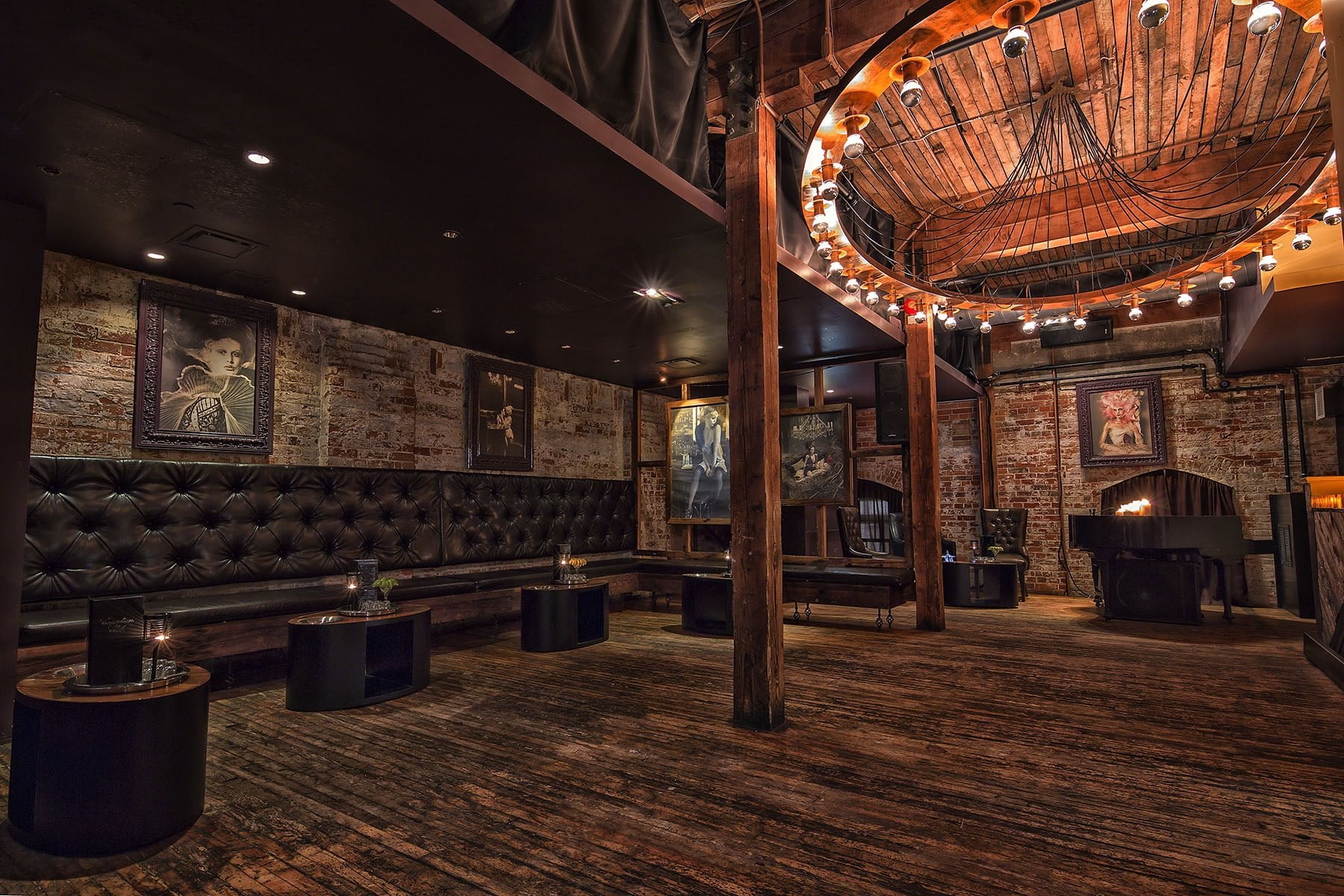
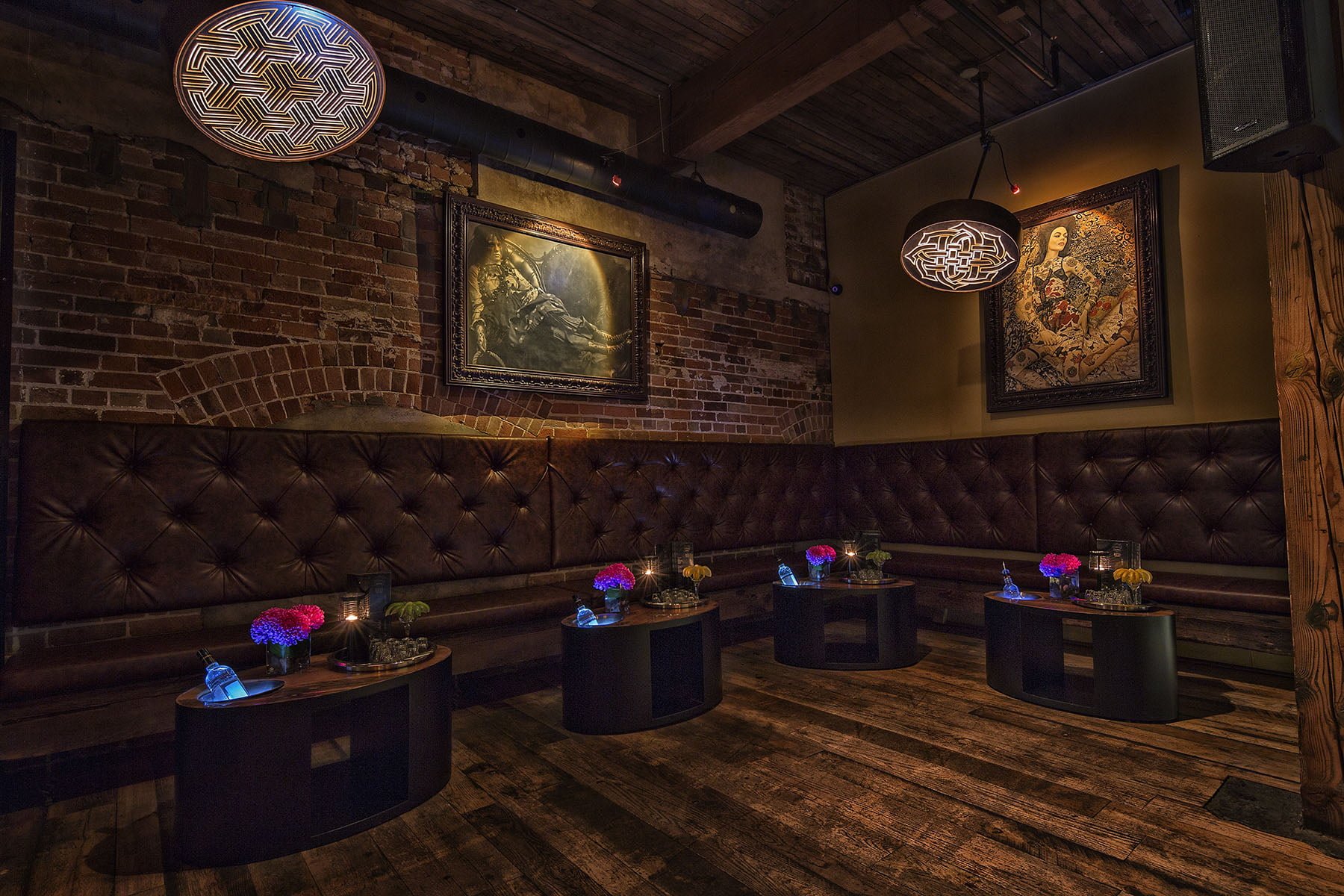
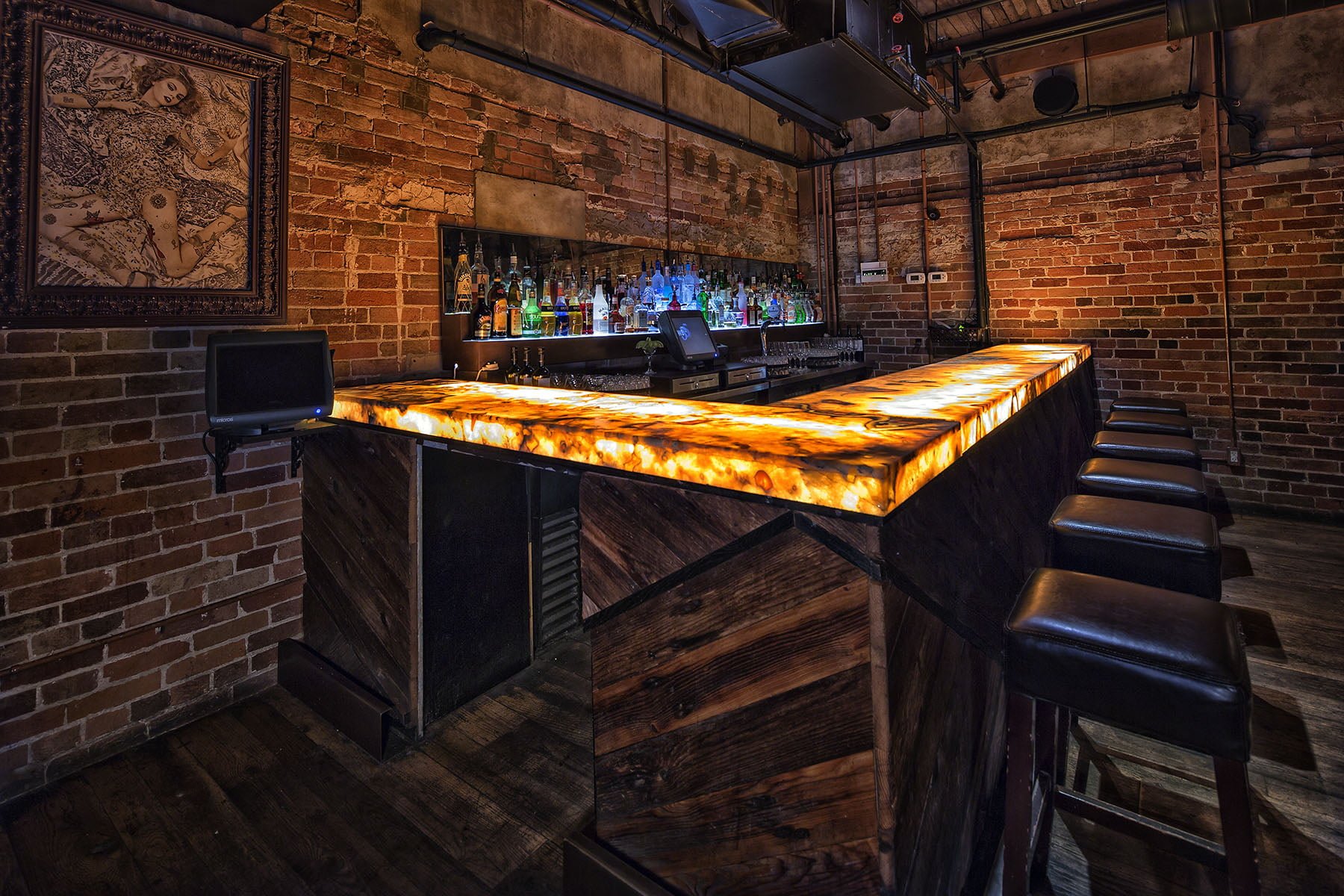
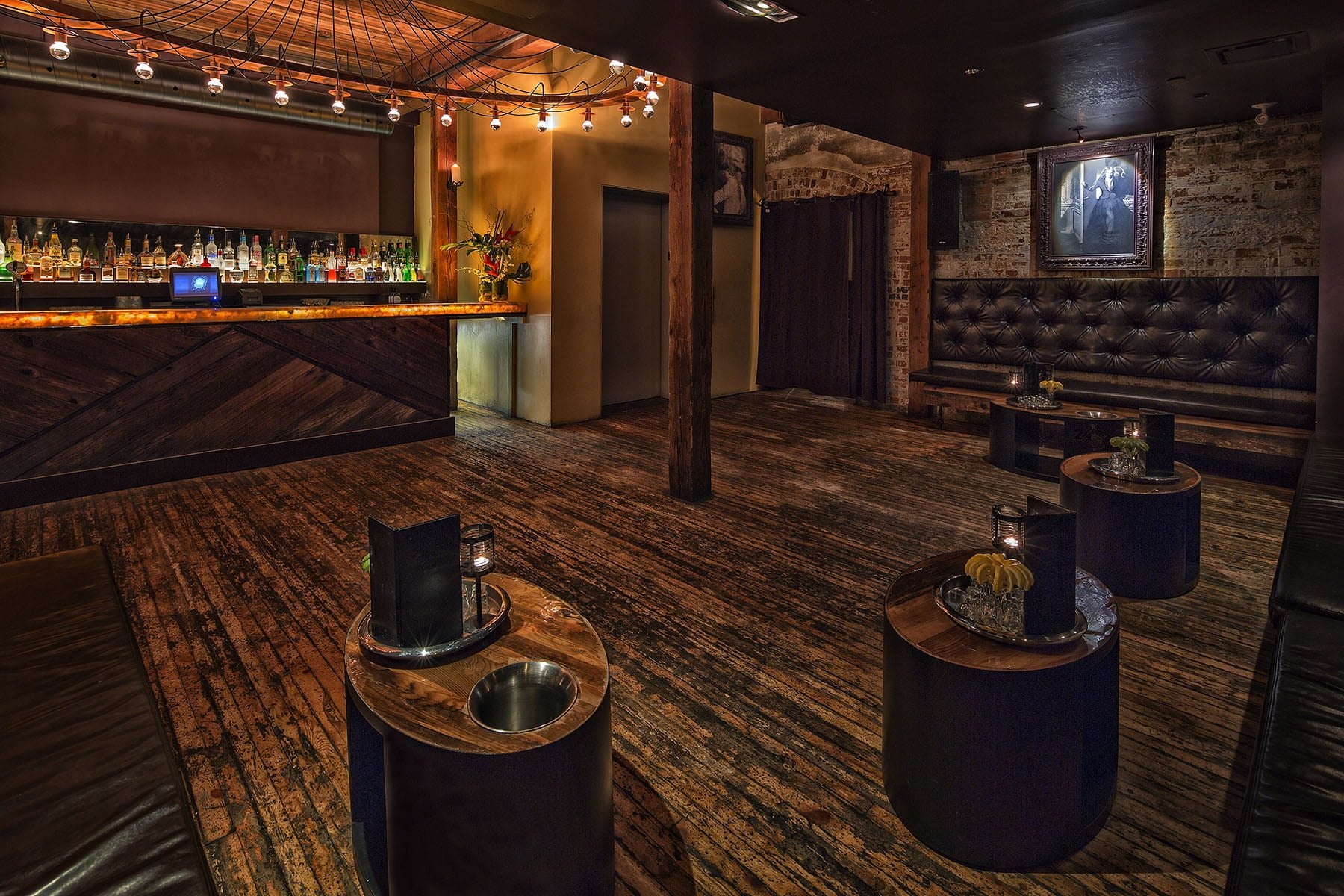
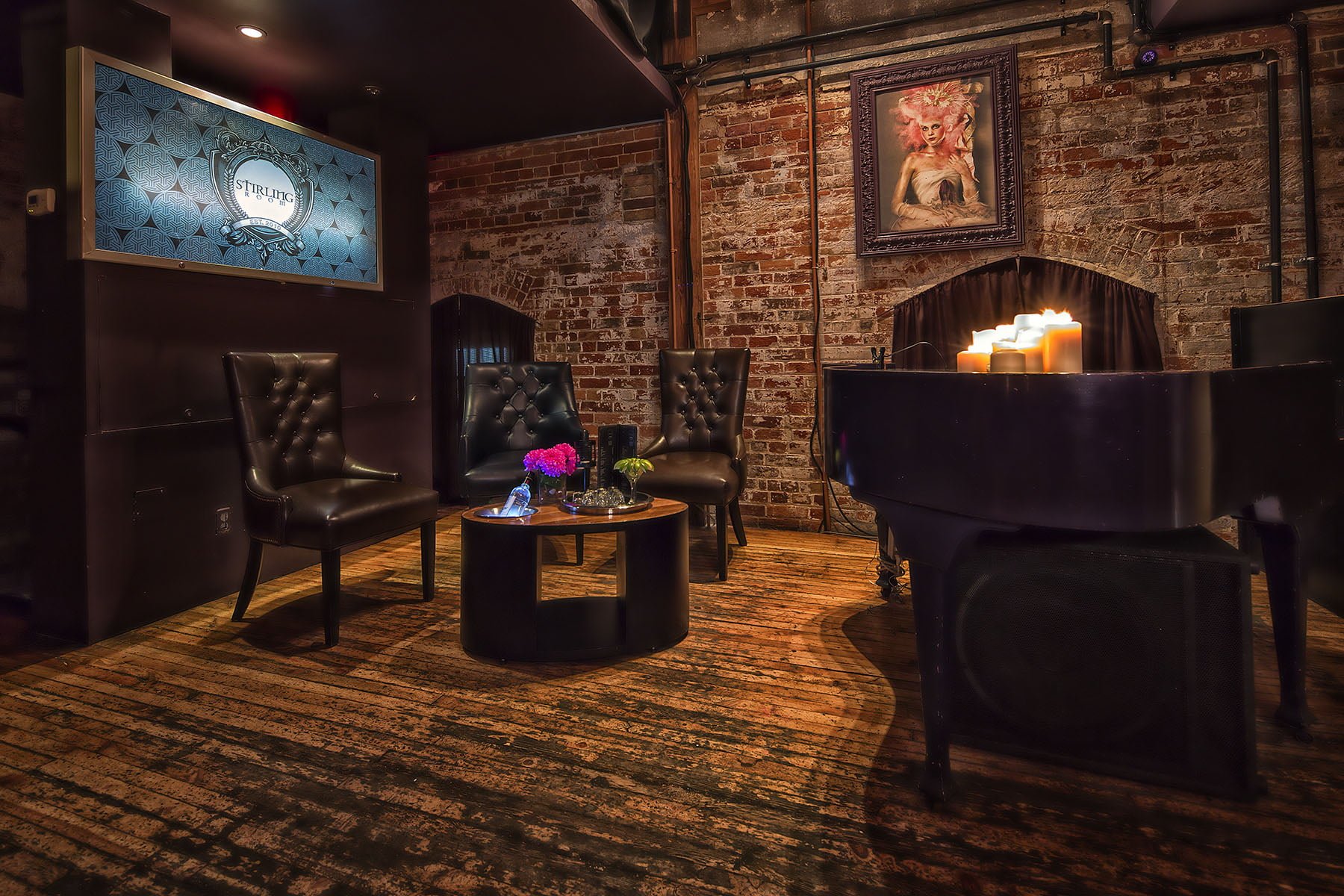
The brand will be taking over the former Stirling Room, which opened in 2010 and had incorporated the unique architecture of the Distillery into a club that was highly attractive for private events. We’ll be including photos of the Stirling Room below, as it will give context into the space that will be transforming into SpiritHouse Toronto.

This new entertainment venue will be joining a growing community of new tenants in The Historic Distillery District. We will be bringing more announcements from the area, as the property isn’t done filling out their roster.

SpiritHouse Toronto in the Distillery District – Image by Dustin Fuhs

Canadian Retail News From Around The Web For July 8th, 2021

Canadian Retail News From Around The Web

Top Stories: National

Central/Eastern Canada News

Western Canada News

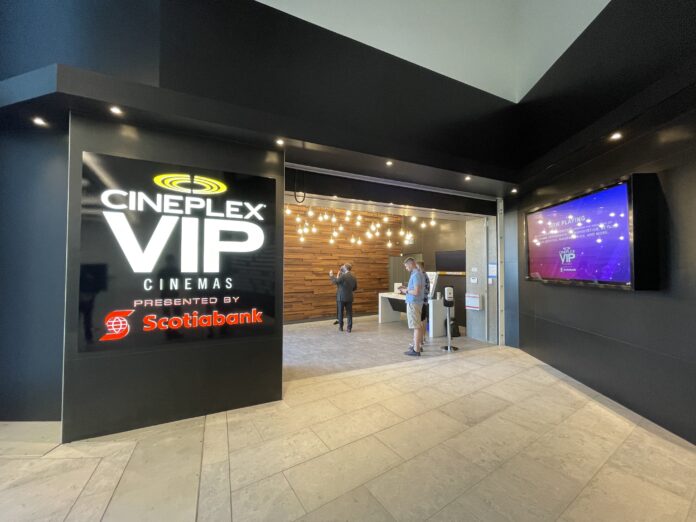
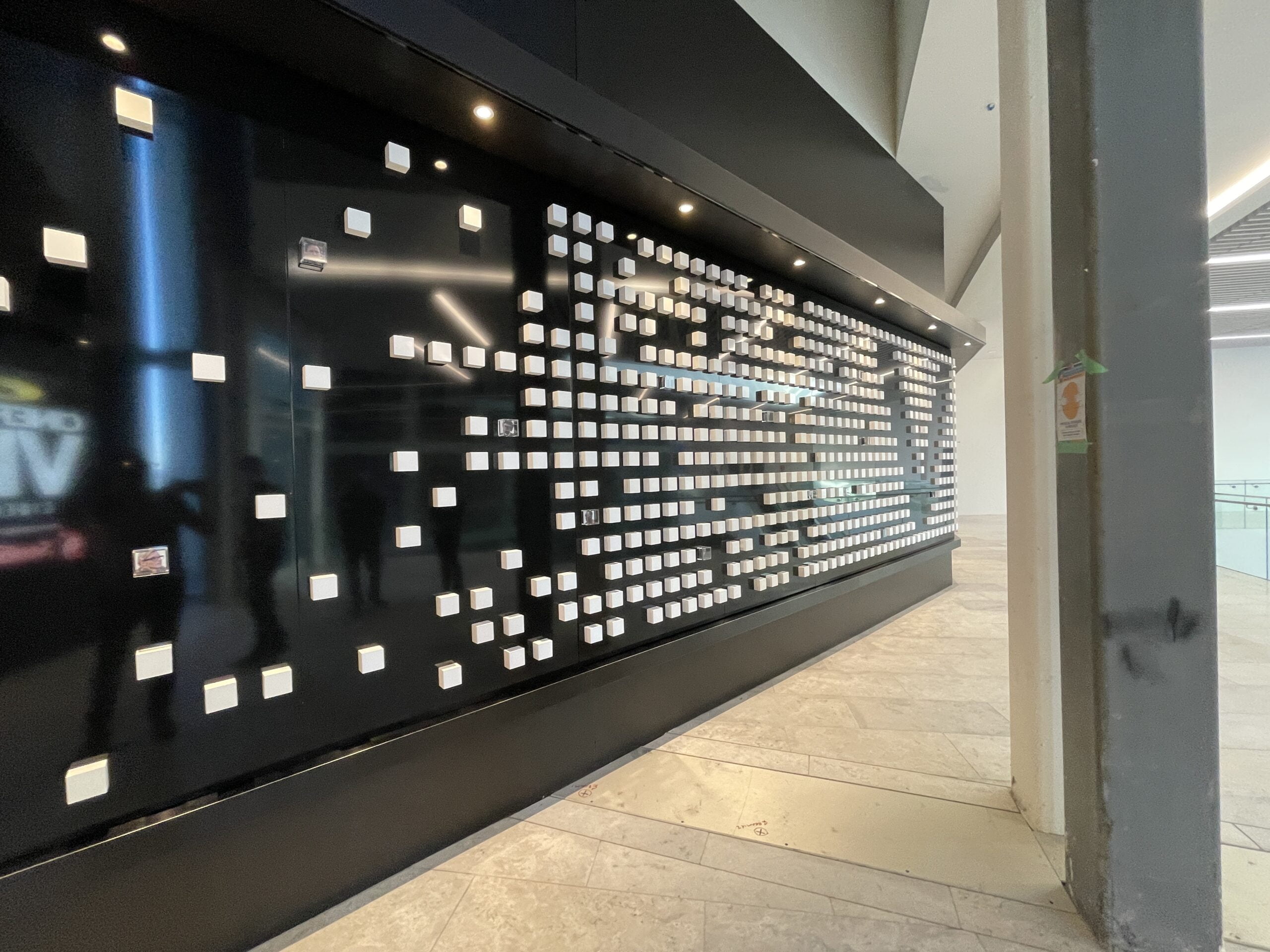
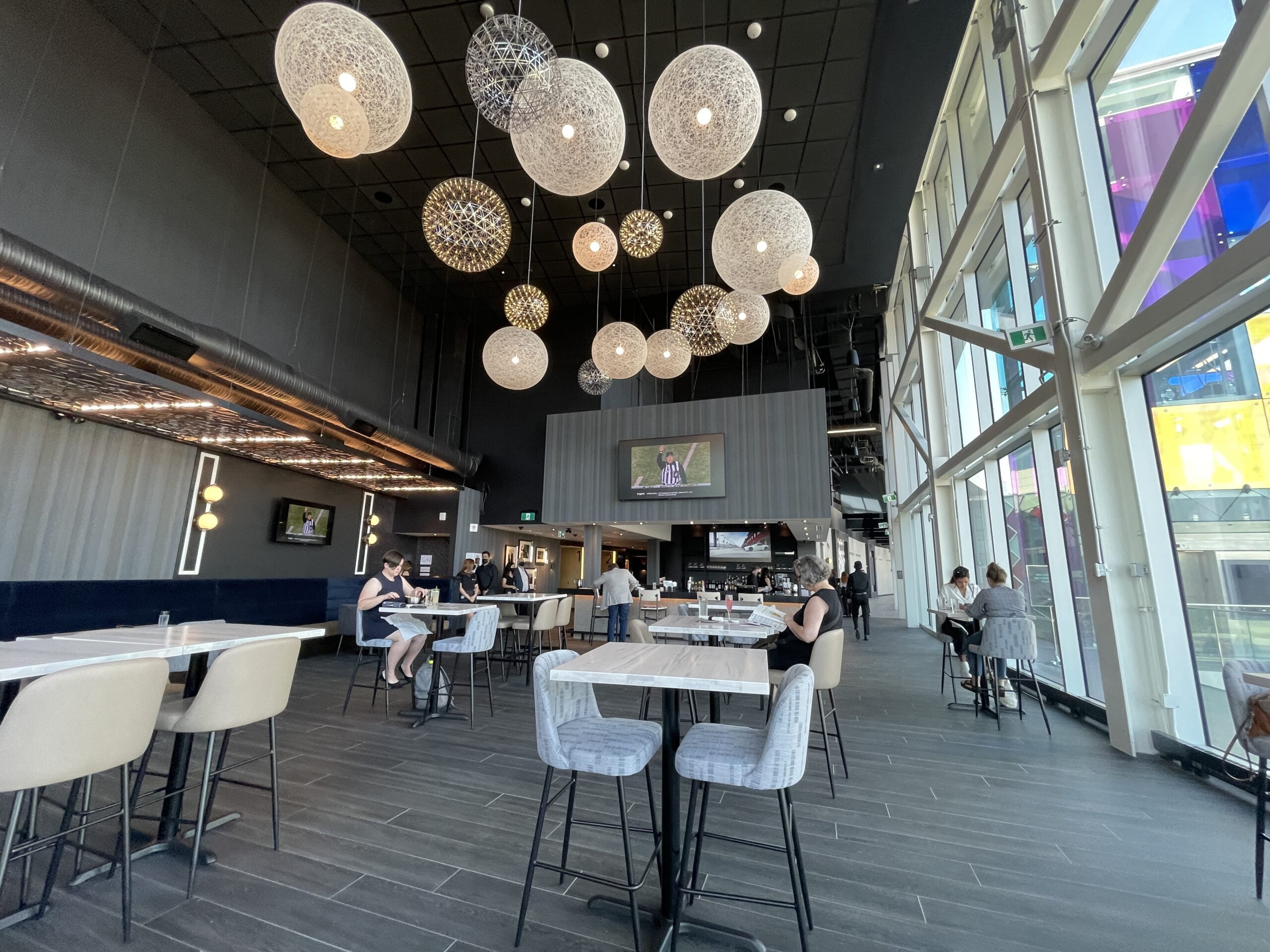
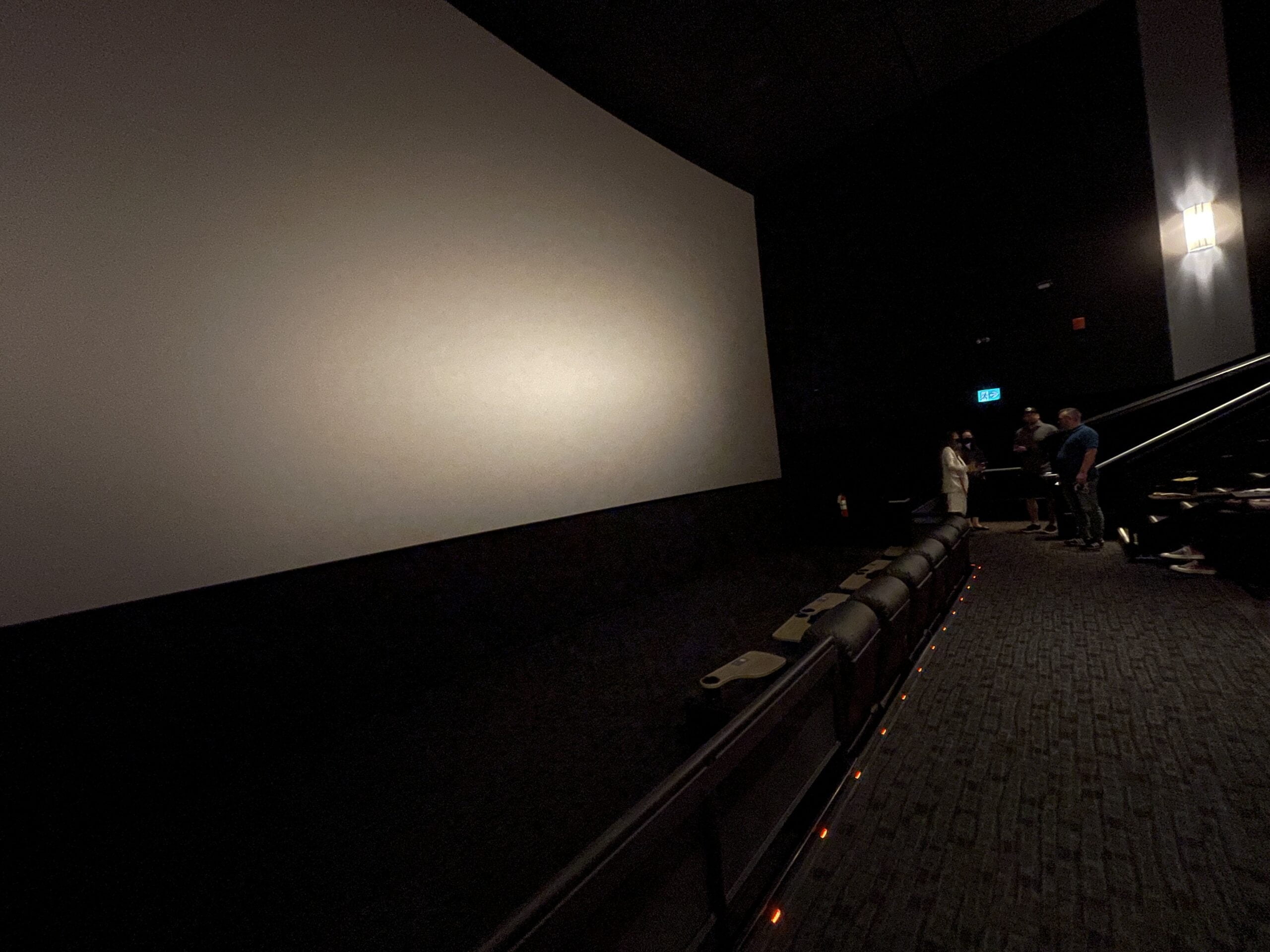
Adult-Only Cineplex VIP Cinemas Opens at The Amazing Brentwood

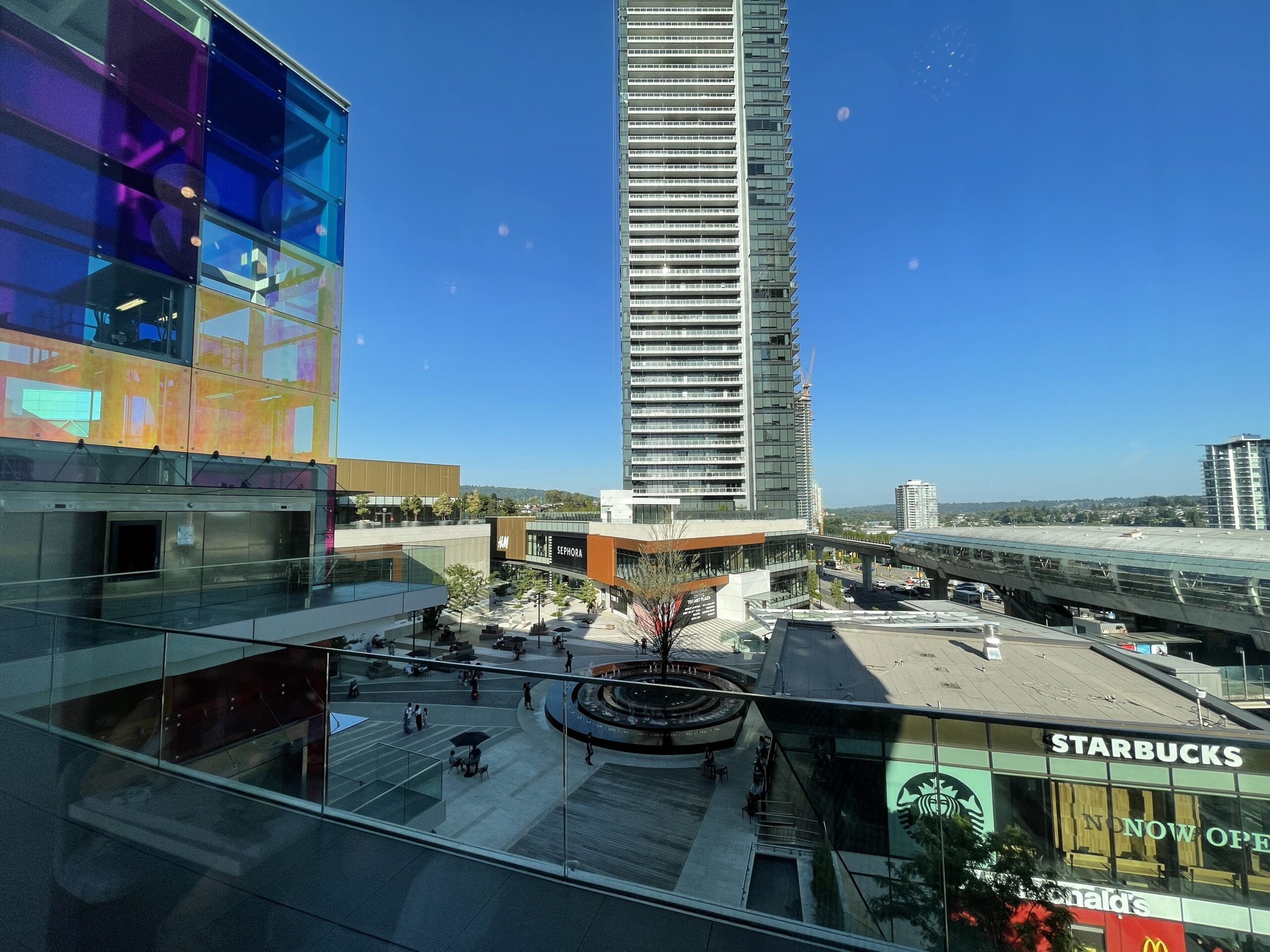
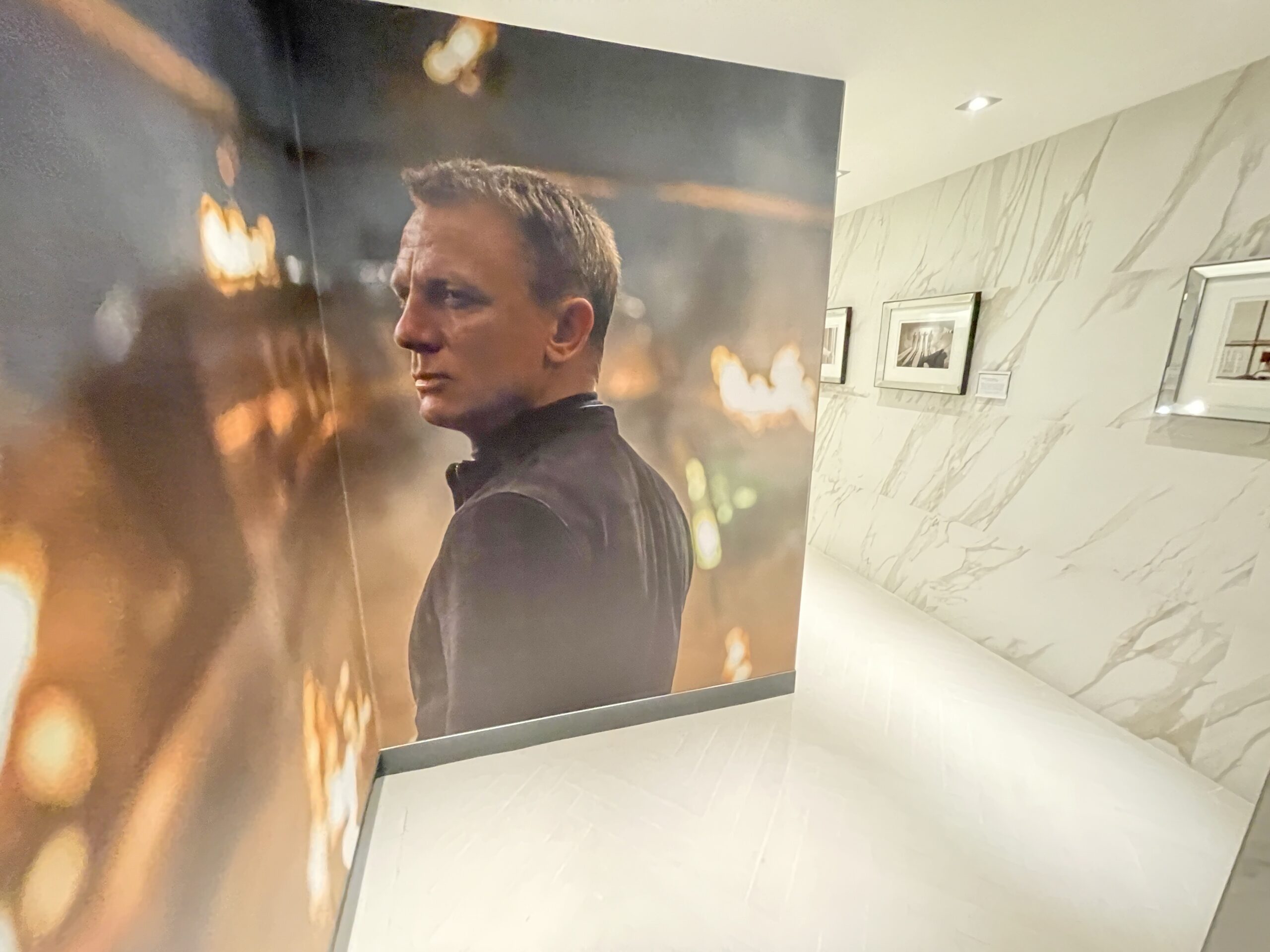
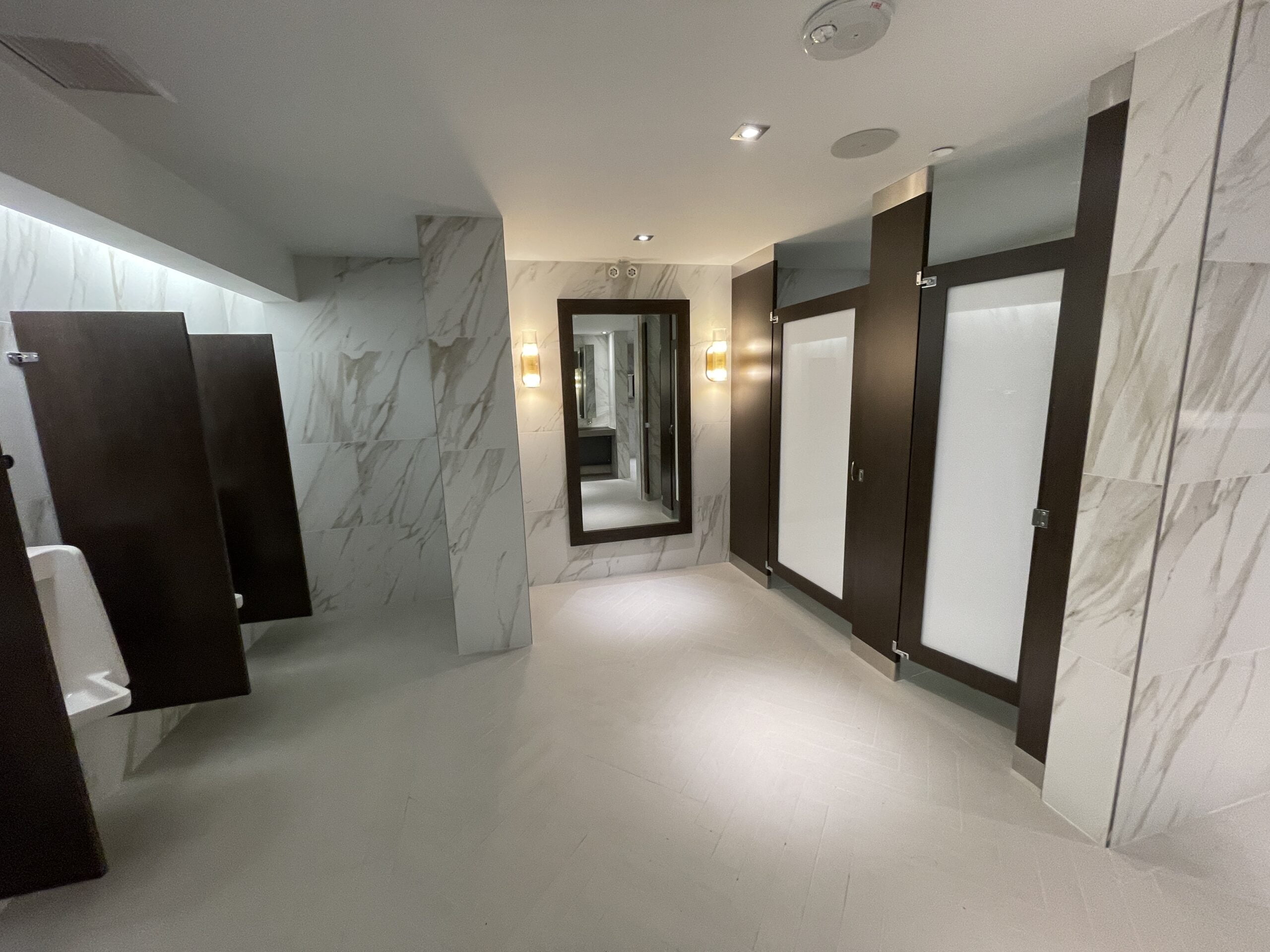
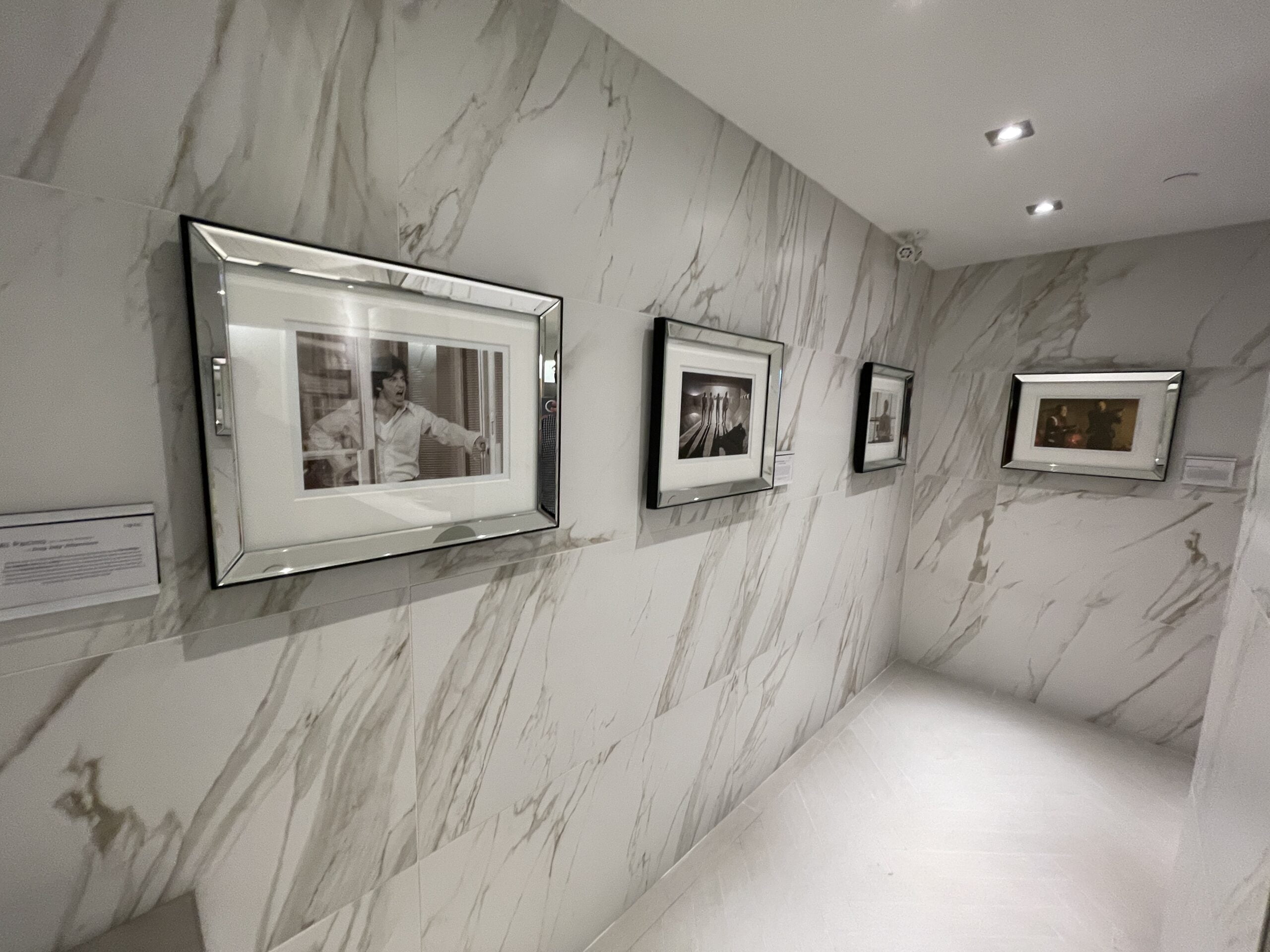
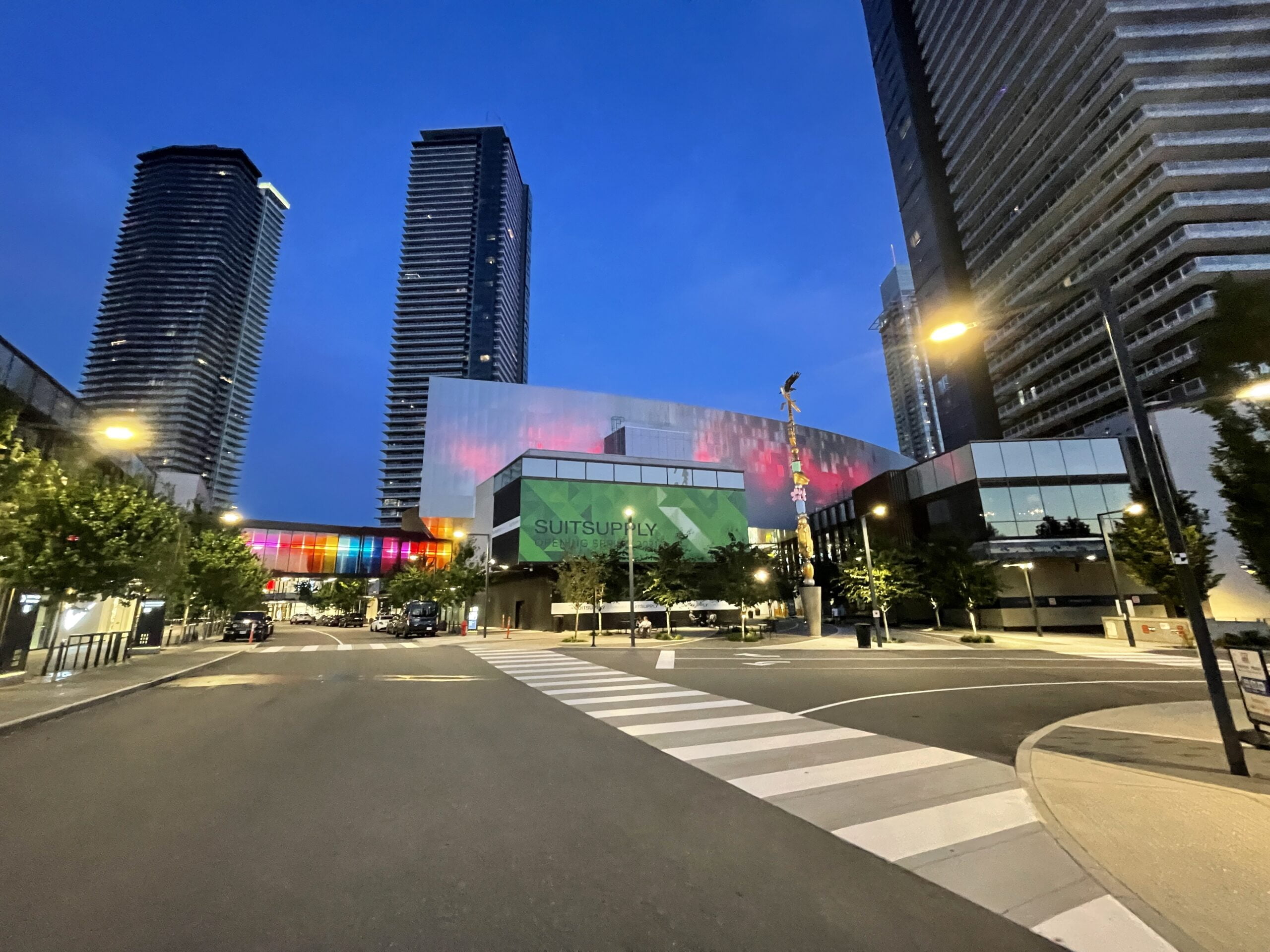
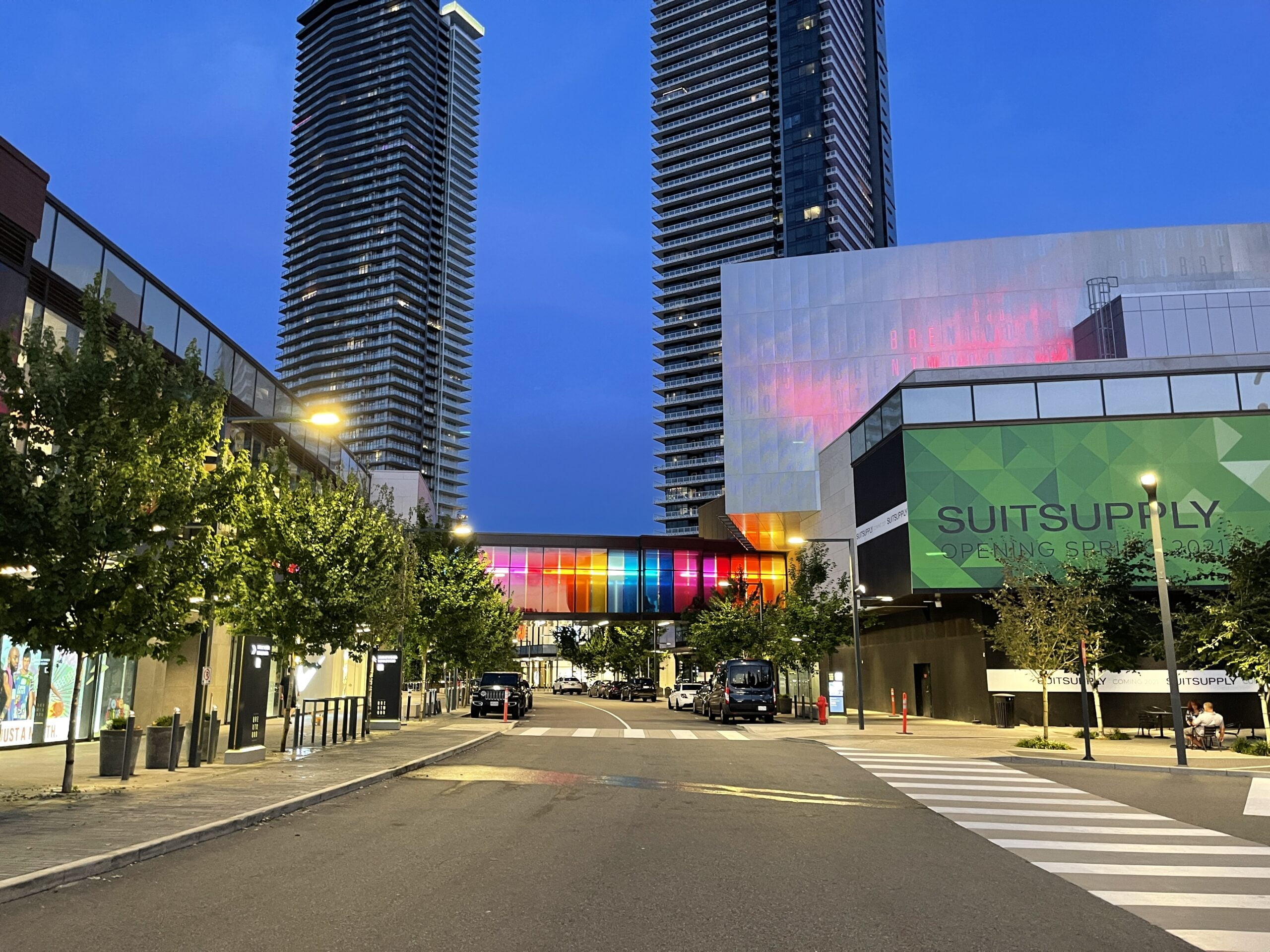
Cineplex VIP entrance at The Amazing Brentwood
Cineplex VIP entrance at The Amazing Brentwood. Photo: Lee Rivett.

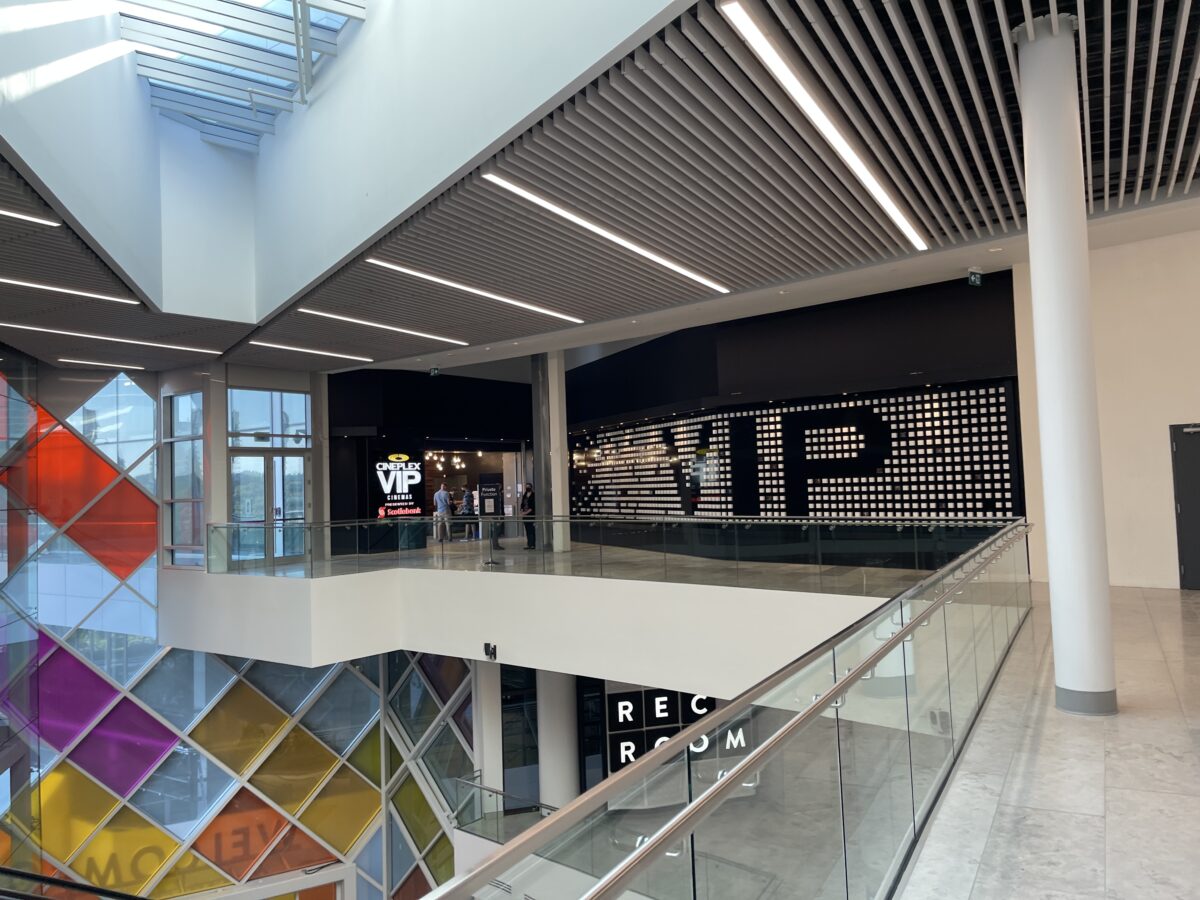
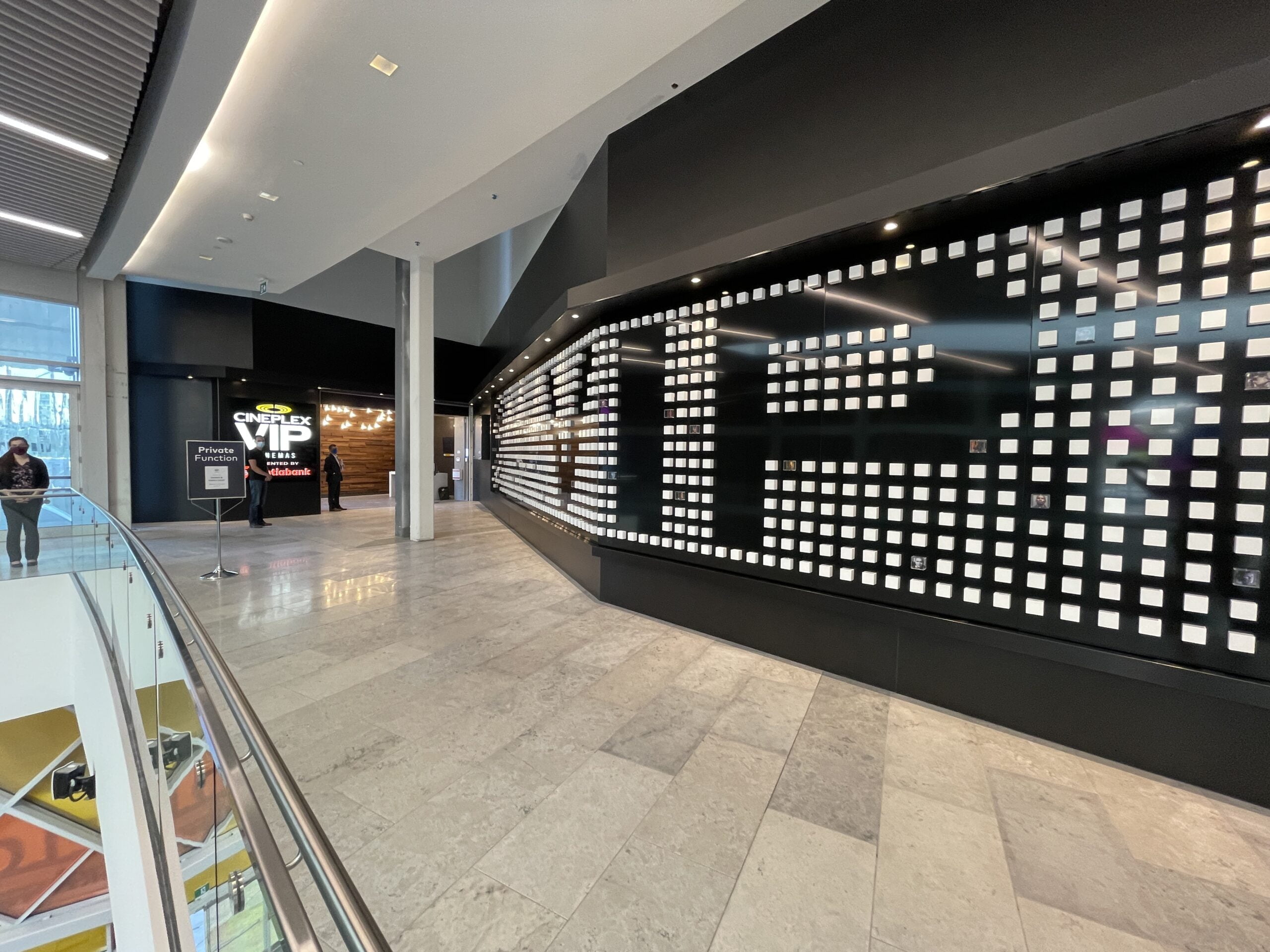
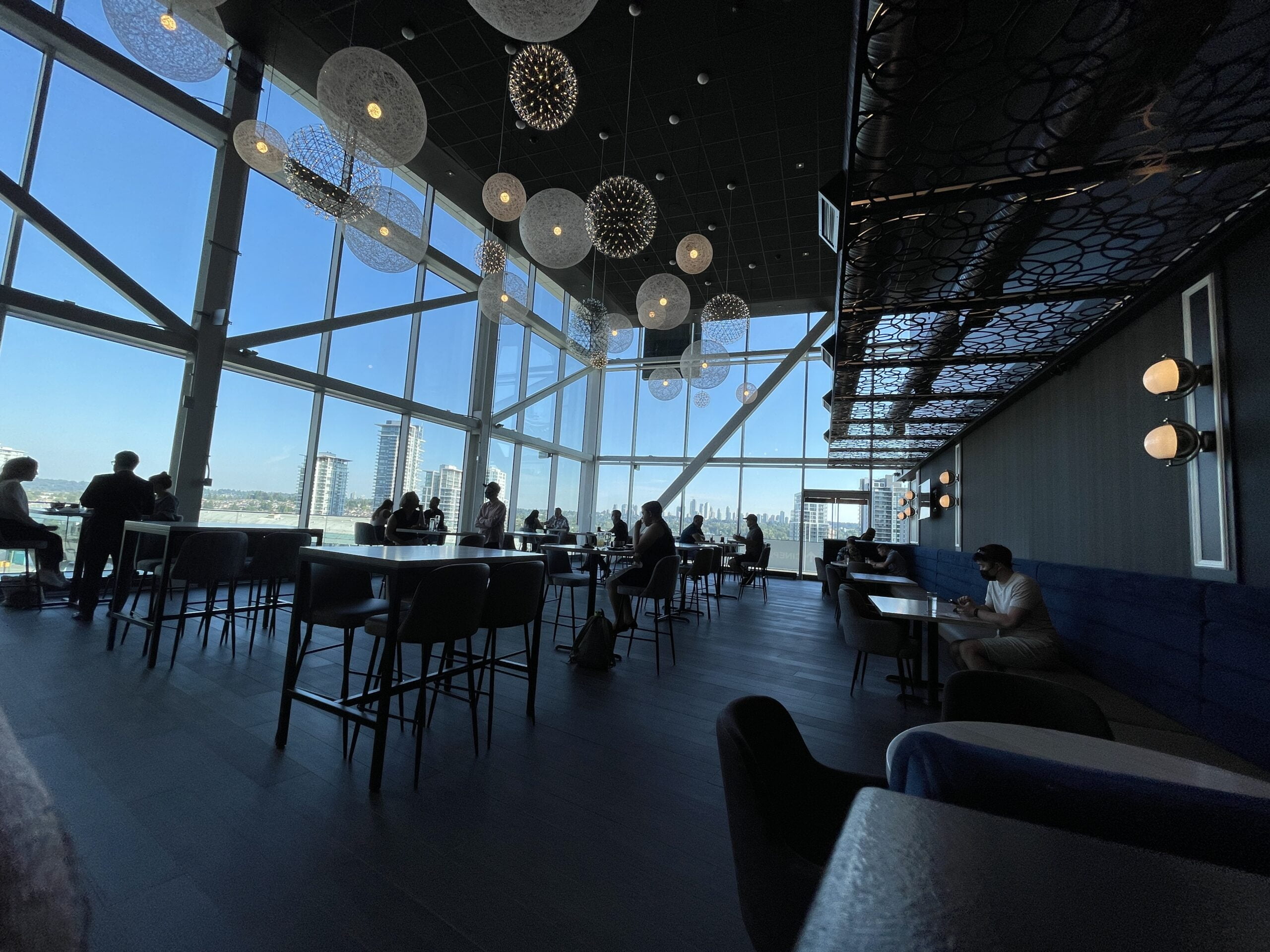
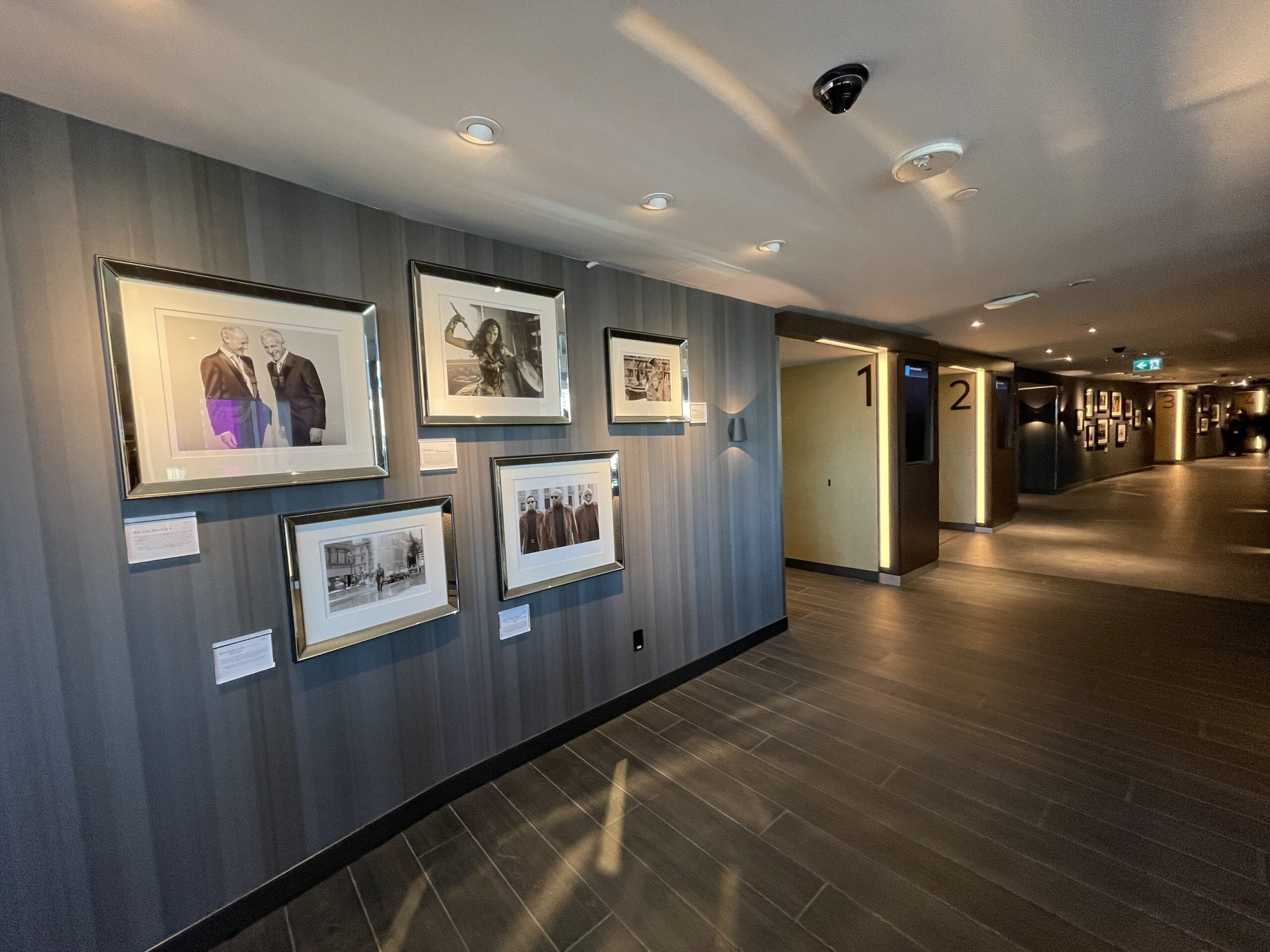
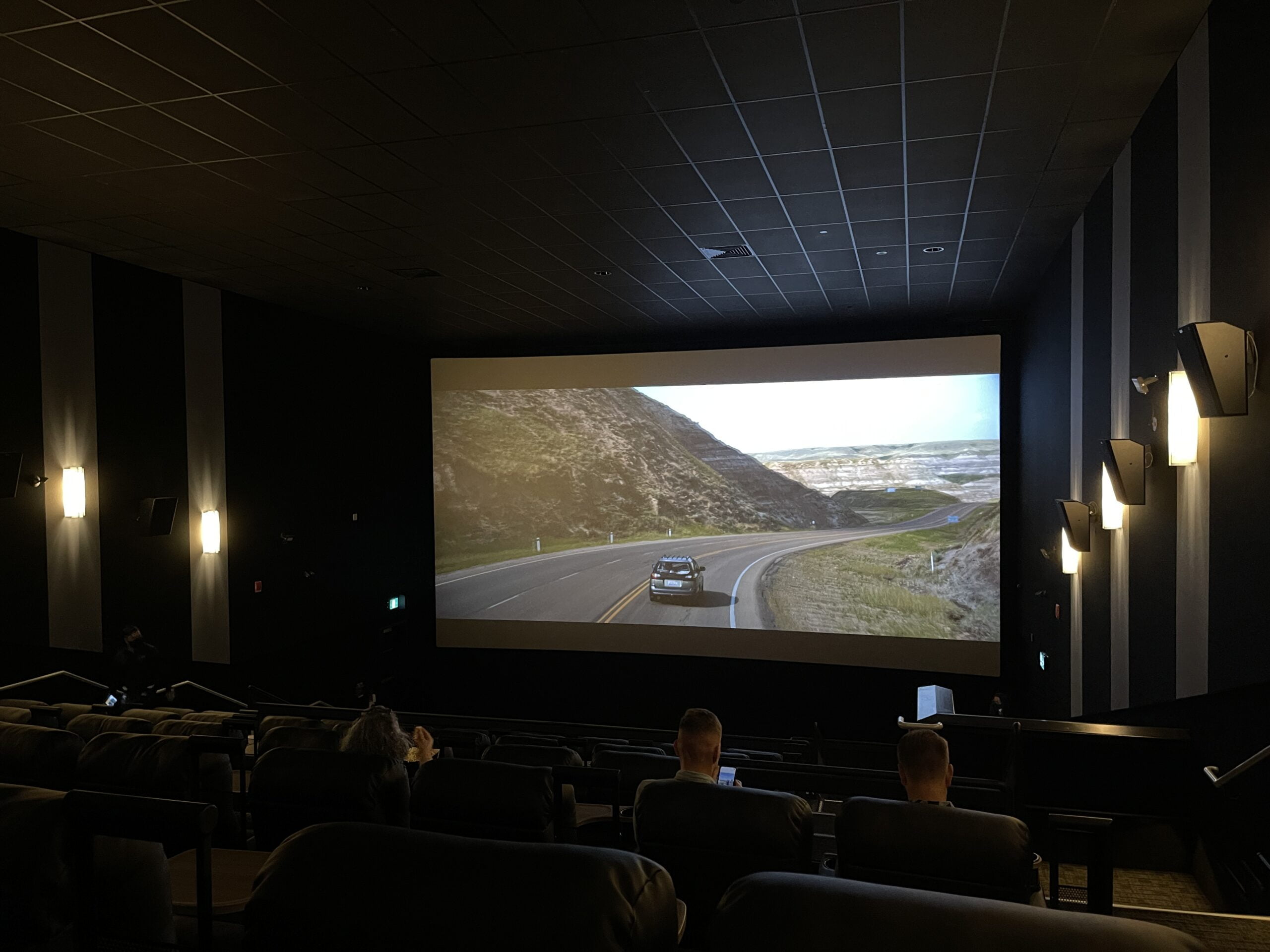
Toronto-based Cineplex opened its fifth VIP Cinema in British Columbia at The Amazing Brentwood shopping centre in Burnaby on July 7, 2021. The facility boasts five adult-only (19+) auditoriums, with a combined capacity of 380 seats, spanning a space of 21,000 square feet. The opening follows closely on the heels of the opening of the first British Columbia location of The Rec Room opening earlier the same week spanning 44,000 square feet.

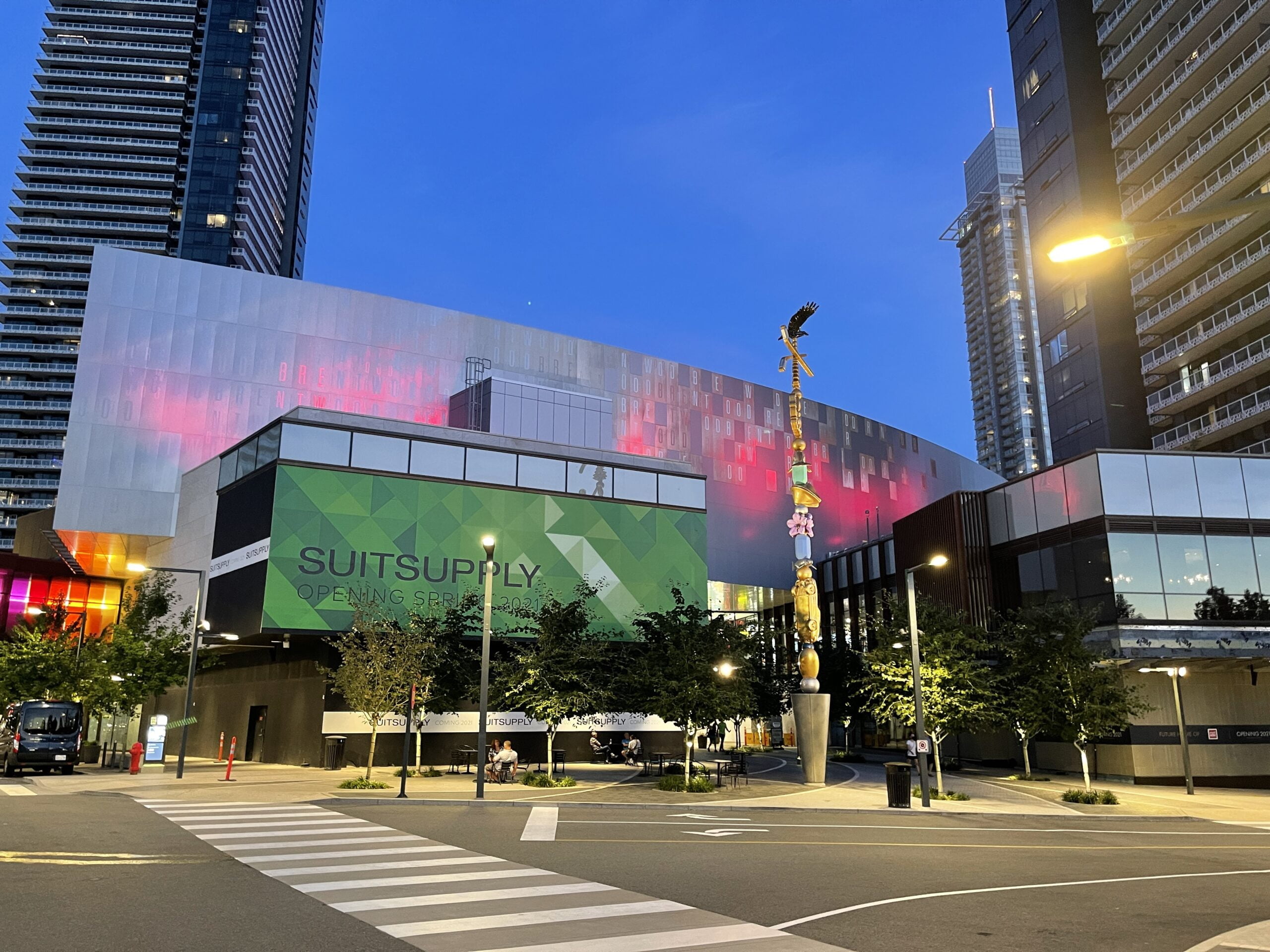
Cineplex VIP entrance at The Amazing Brentwood
Cineplex VIP entrance at The Amazing Brentwood. Photo: Lee Rivett.

Similar to The Rec Room, the Cineplex VIP cinemas caters to the adult-only demographic by exclusively hosting five (19+) auditoriums and no other theatre formats (for example, family-friendly IMAX, UltraAVX™, D-BOX Motion Seats, etc.).

Brentwood will be Cineplex’s fifth VIP Cinema in the BC Lower Mainland. Other VIP locations are in Abbotsford, Coquitlam, Marine Gateway in Vancouver and Park Royal which opened late 2018. Canada’s top malls are increasingly adding non-retail attractions to attract consumers. 

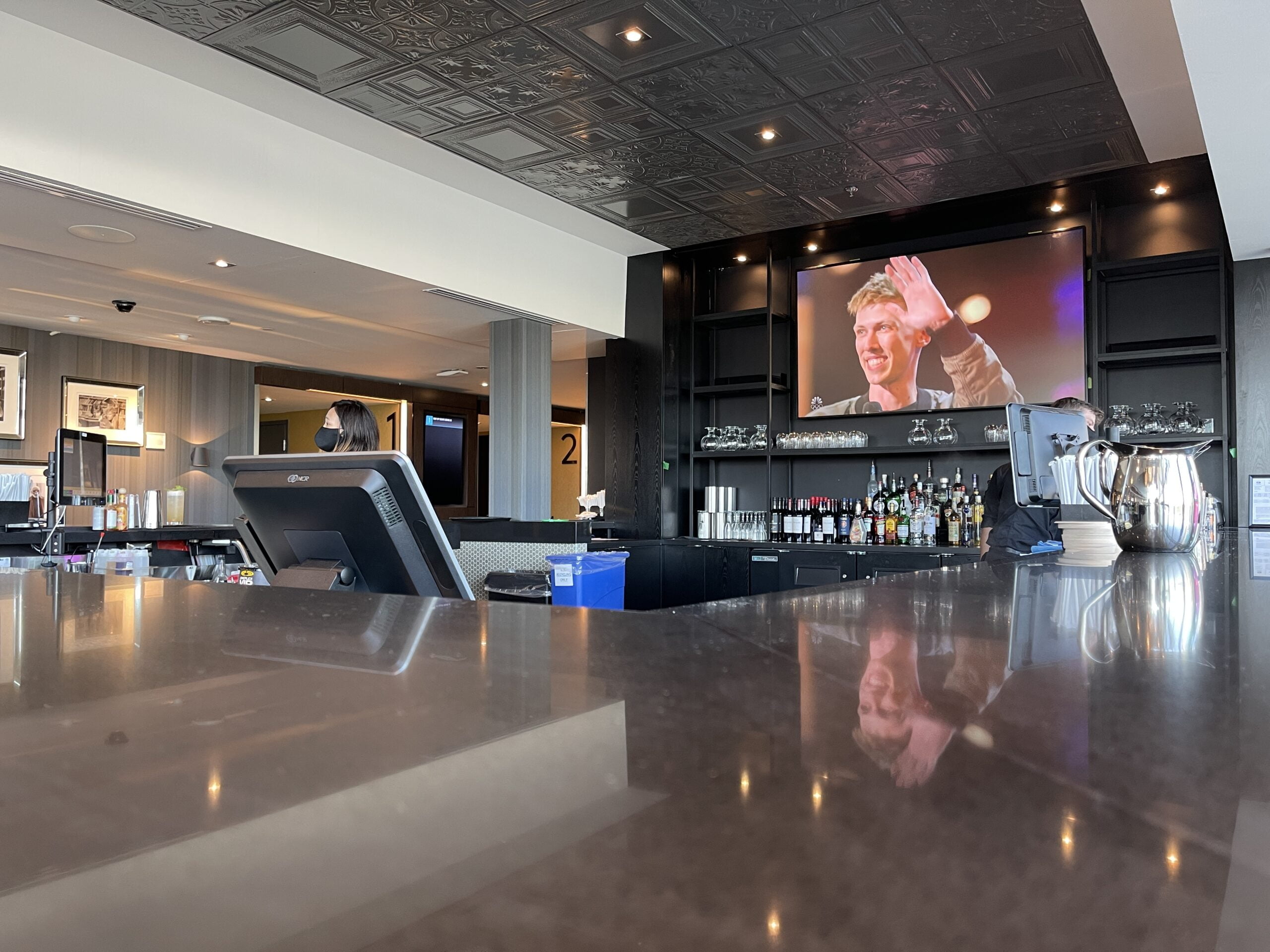
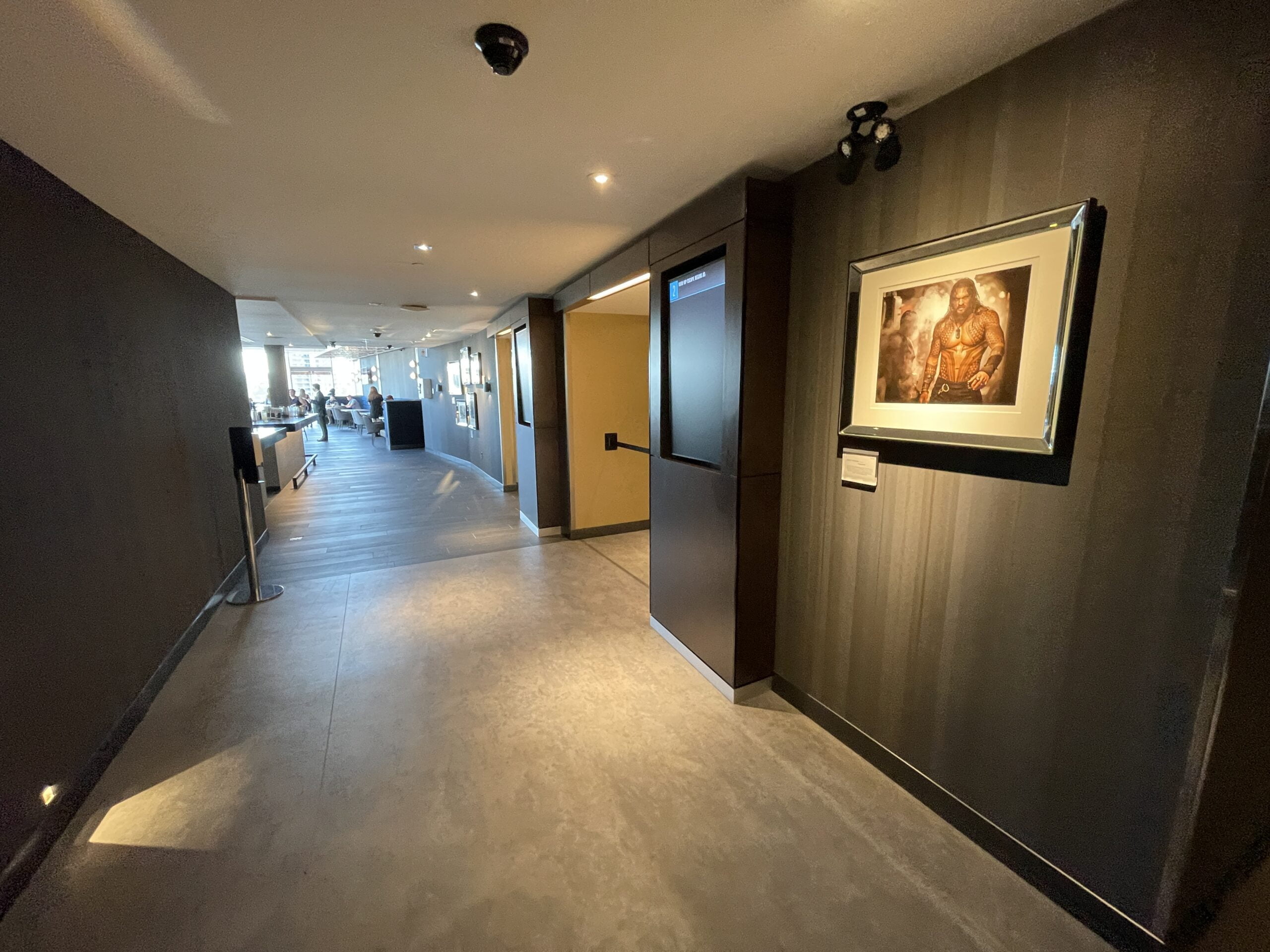
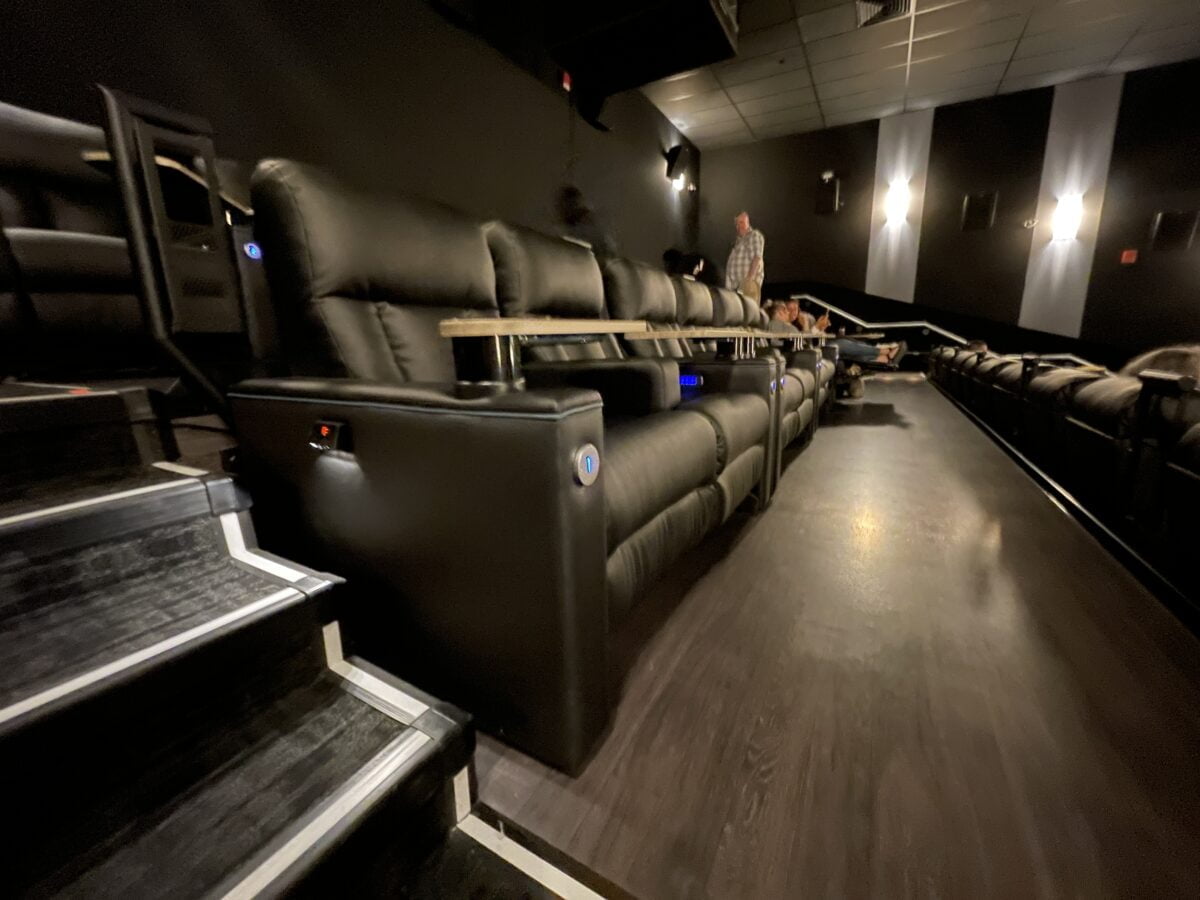
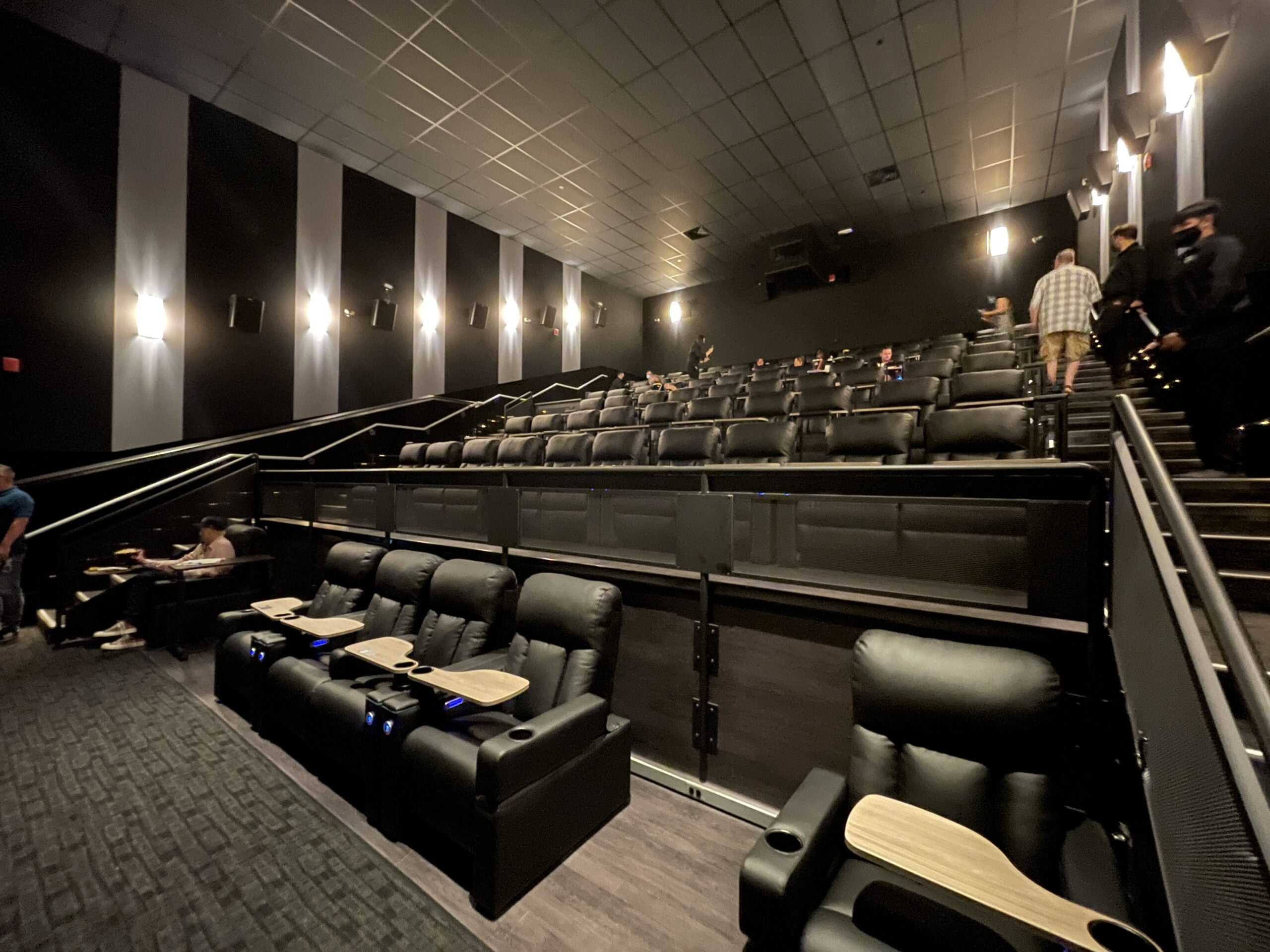
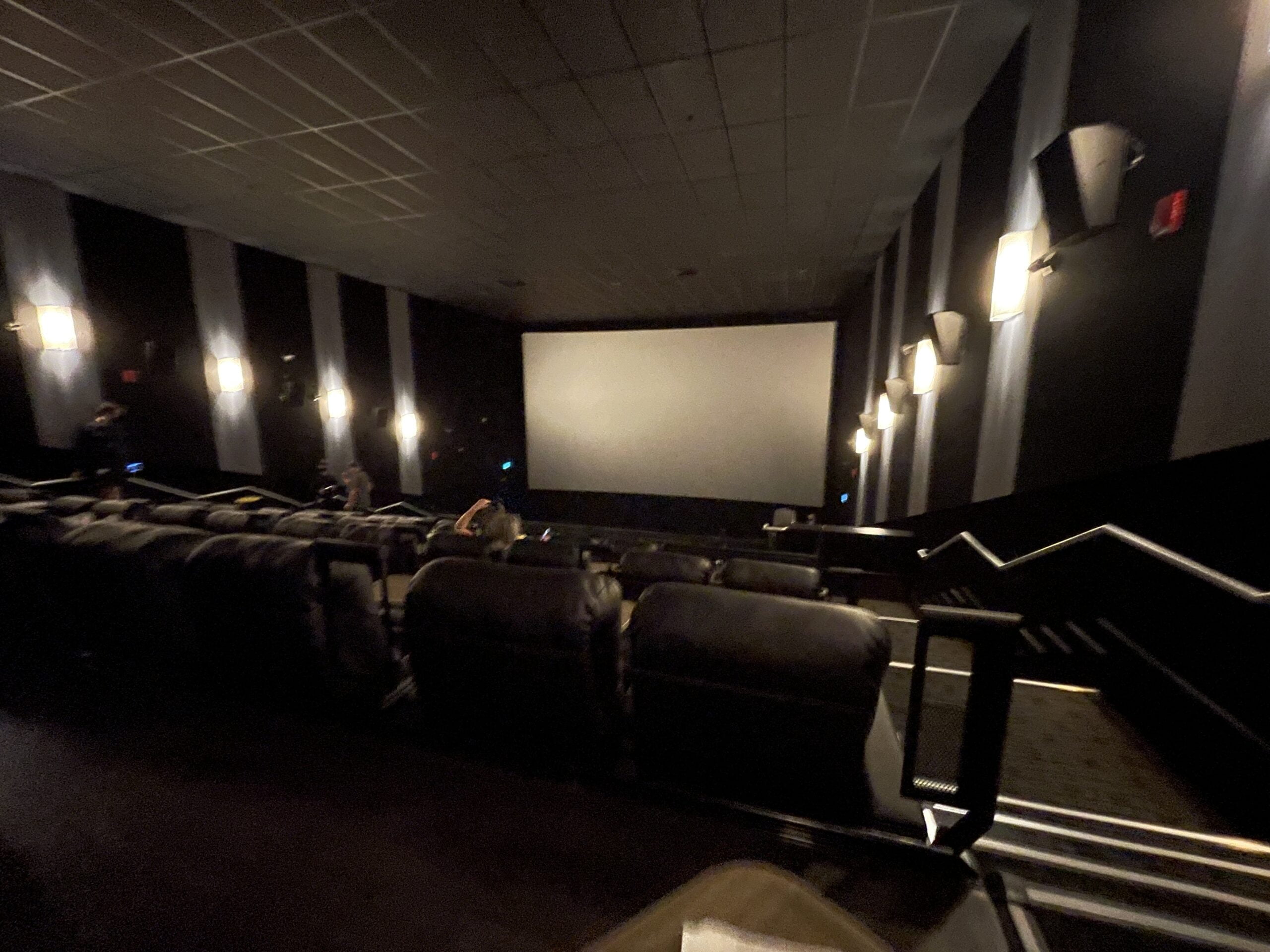
Cineplex’s VIP Cinemas feature luxurious reclining seats, and are for adults only because they’re licensed to sell alcohol. Guests can order from a wide selection of wines, spirits and premium craft beers, as well as food such as popcorn, fresh salads, burgers, artisanal cheese plates, charcuterie boards and flatbreads. Items are available in the lounge, or can be delivered right to one’s theatre seat.   

For the time being, as a health safety measure, the Brentwood theatre is operating at a reduced 50-person capacity or 50% of regular capacity per auditorium, whichever is greater. This adds to the practices of reserved seating for pre-planned physical distancing and enhanced cleaning between screenings.

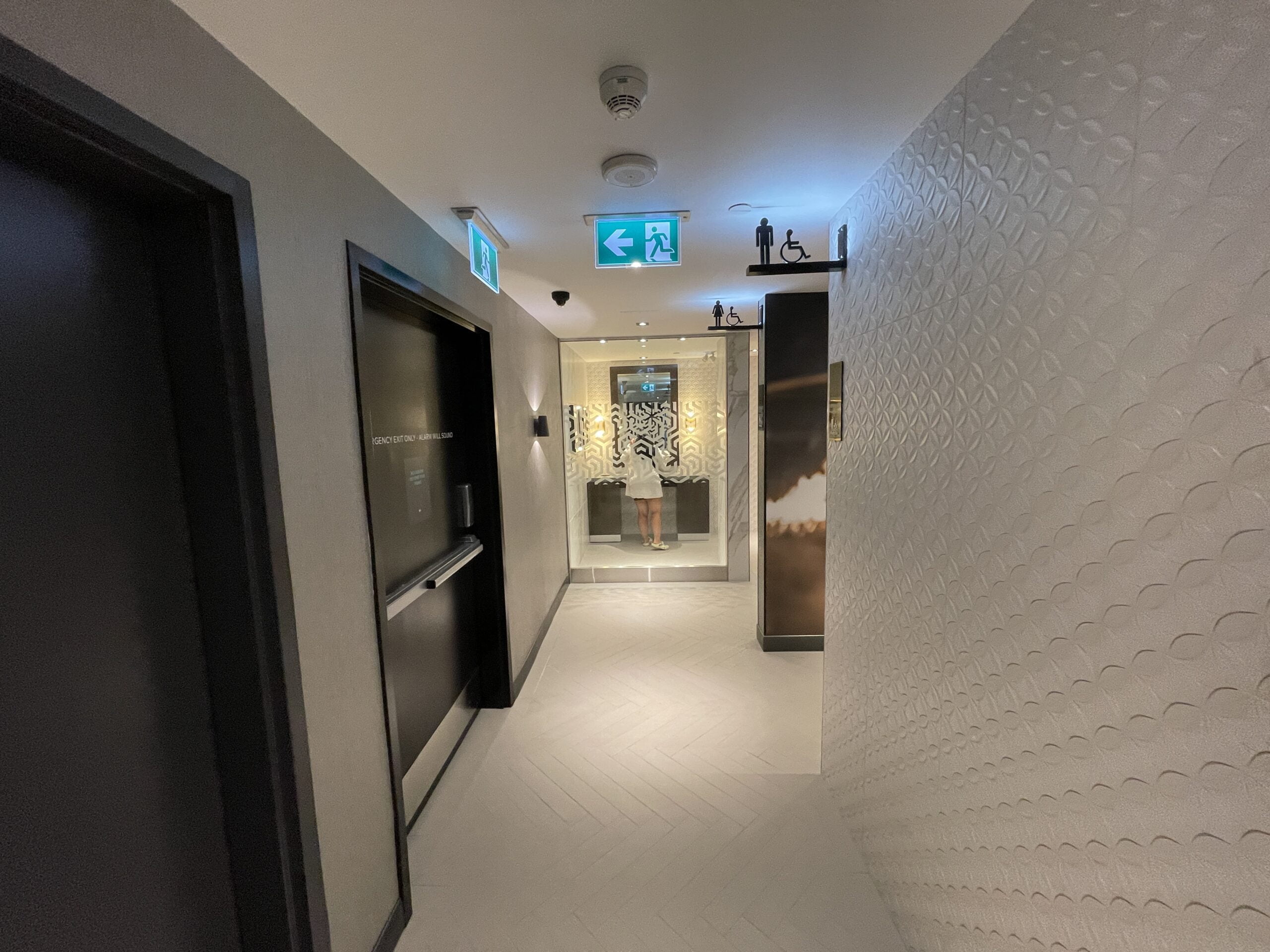
Theatre seats at Cineplex VIP at The Amazing Brentwood
Theatre seats at Cineplex VIP at The Amazing Brentwood. Photo: Lee Rivett.

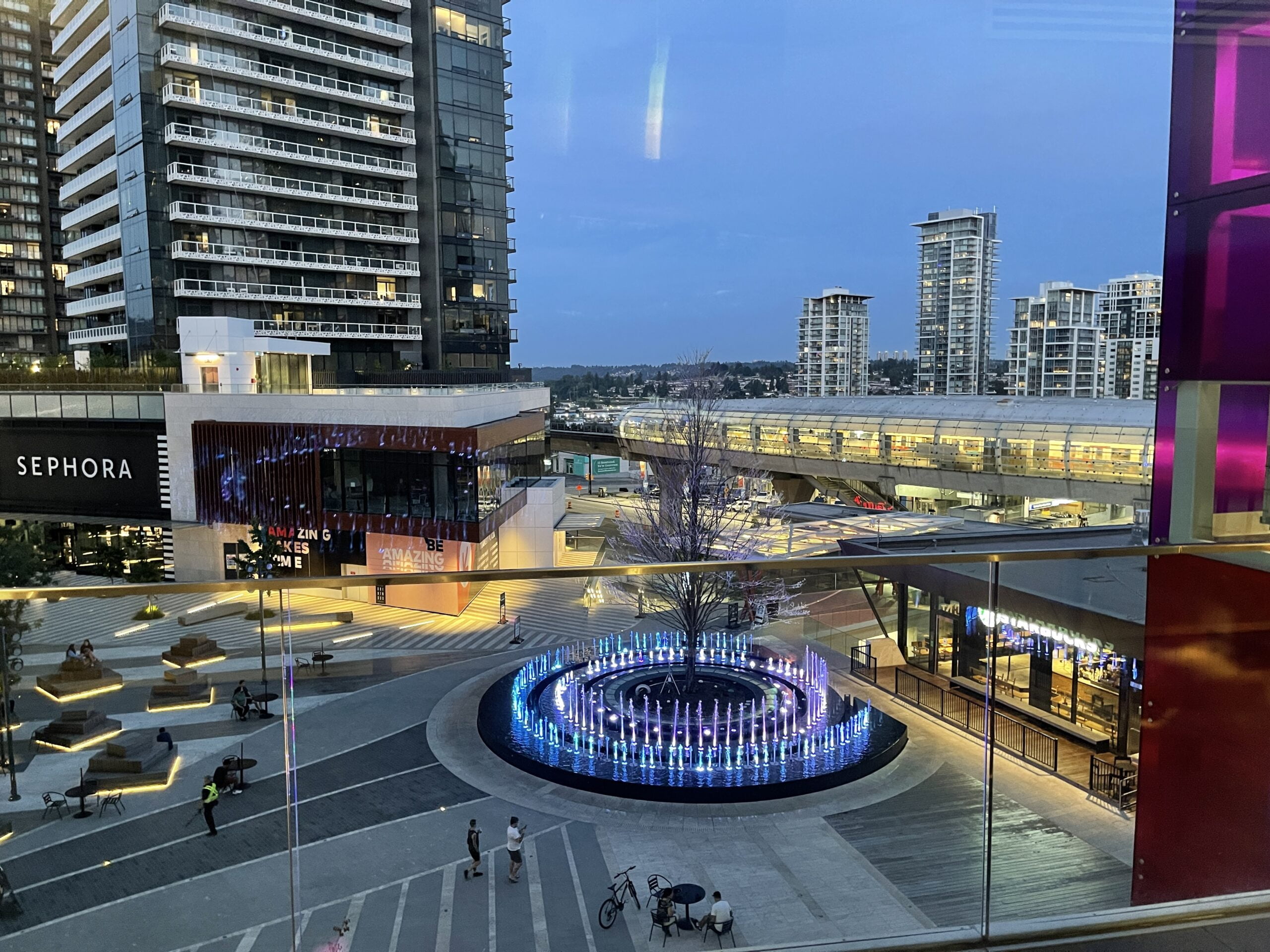
The grand opening is a highly visible and major milestone for Shape Properties in showing progression in its master plan for The Amazing Brentwood after purchasing the shopping centre in 2010. Retail Insider recently featured the Phase 1 transformation of retail and restaurant amenities in a photo tour. The addition of The Rec Room is key in furthering the goal of Shape Property “to become the ultimate gathering place”.

Related Retail Insider Articles

L’Occitane en Provence Opens Vancouver Boutique Following Digital Experience Format

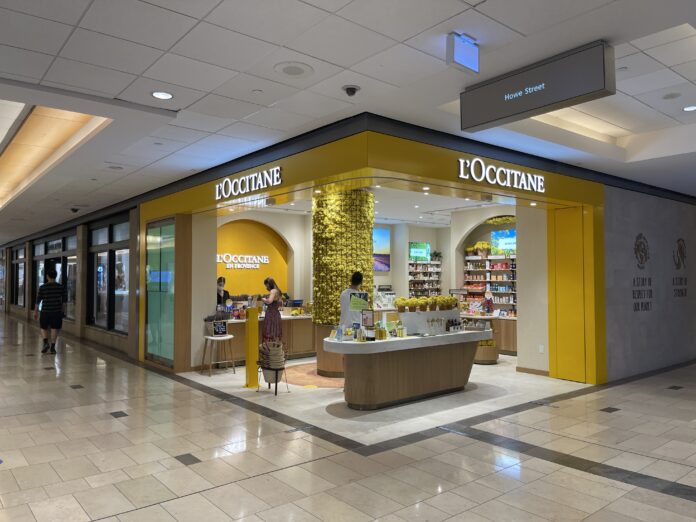
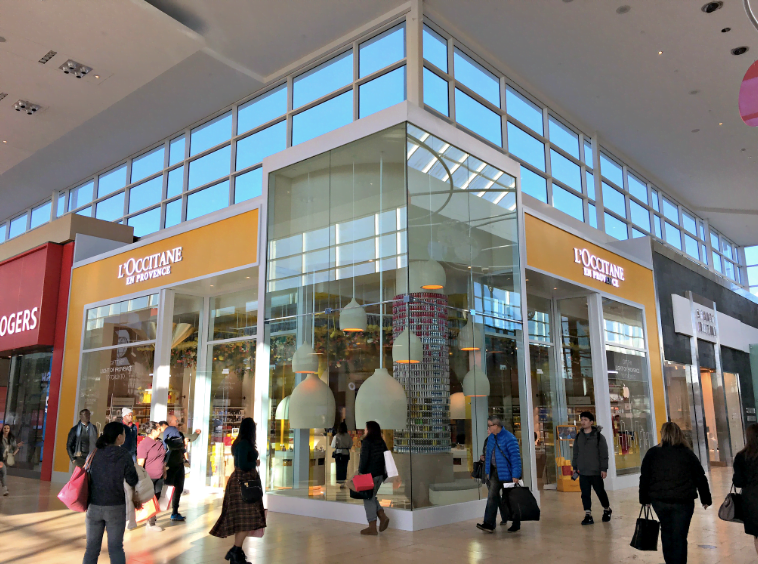
L’Occitane en Provence at CF Pacific Centre in Vancouver (July 2021)
L’Occitane en Provence at CF Pacific Centre in Vancouver (July 2021). Photo: Lee Rivett.

Upscale French beauty company L’Occitane en Provence, known for its skincare, body care, and fragrances, opened a 1,000 square foot boutique at CF Pacific Centre in downtown Vancouver.

Under Construction L'Occitane space in October 2020 during "CF Pacific Centre Tour in Vancouver"
Under Construction L’Occitane space in October 2020 during “CF Pacific Centre Tour in Vancouver”. Video: Lee Rivett.

The brand previously chose Canada as its launch point for its first-ever immersive digital experience multi-sensory store in December 2017 by opening the renovated 1,605 square foot retail space at Toronto’s Yorkdale Shopping Centre. The new CF Pacific Centre location follows the same style as Yorkdale.

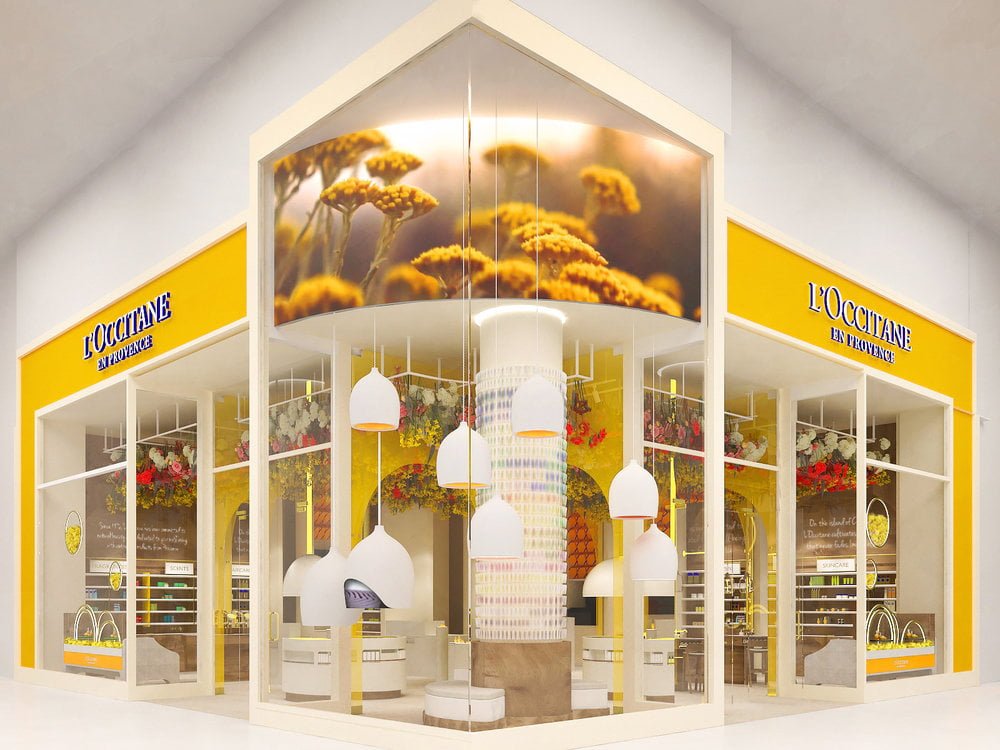
L’Occitane en Provence Yorkdale
(RENDERING SHOWING THE FACADE VIDEO SCREEN, NOT VISIBLE IN OUR TOP PHOTO)

New Horizon Mall Near Calgary Marks More than 50% Occupancy as it Opens Entertainment Concept

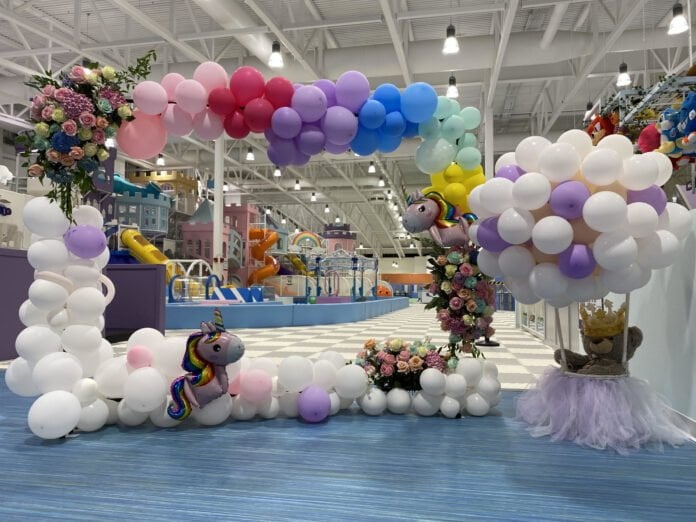
Sky Castle at New Horizon Mall - Image DHZ Media

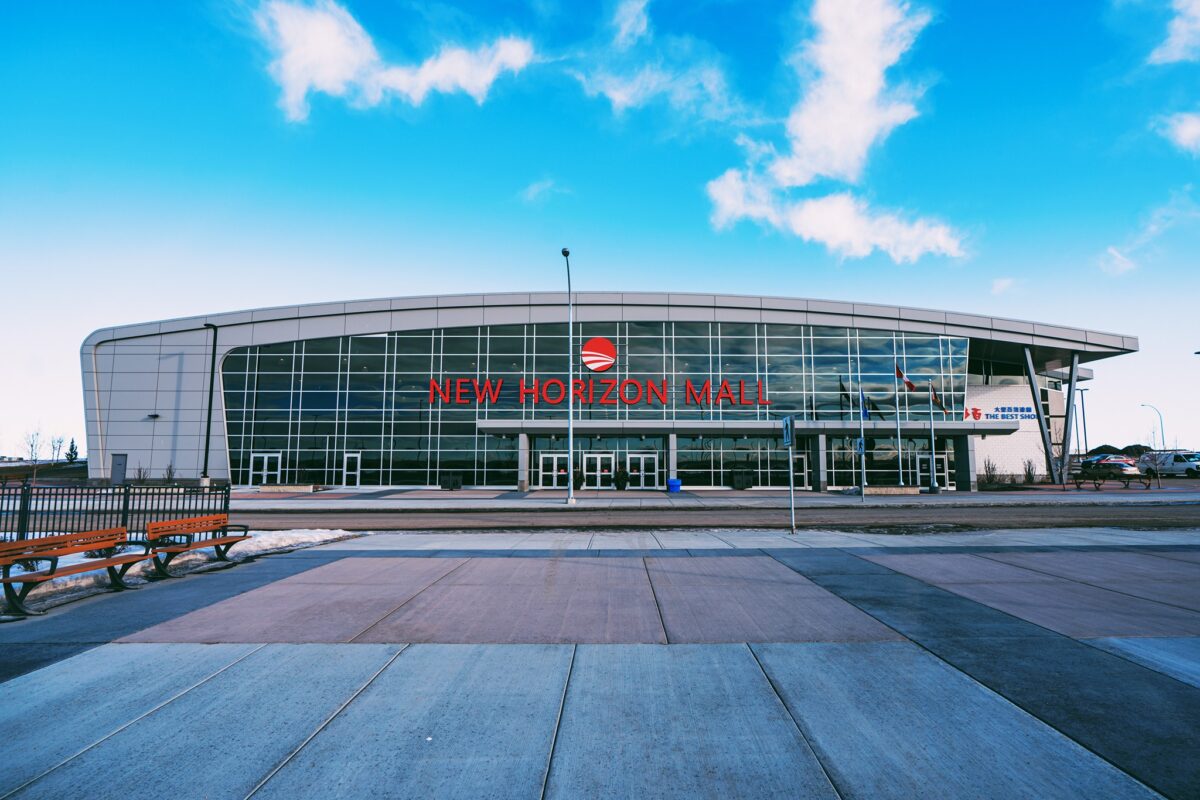
A massive family entertainment centre has become a key anchor for the New Horizon Mall, just outside of Calgary city limits in Balzac, and could be a ‘game changer’ for the shopping centre.

Sky Castle is now the largest anchor tenant at approximately 34,000 square feet, followed by the Best Shop and Prairie Horizon Fresh Market. These three tenants collectively occupy approximately 74,000 square feet at New Horizon Mall, which is about 320,000 square feet.

The mall is about 53 per cent occupied/leased on a square footage basis with more than 100 stores open on a regular basis.

Toronto based, Torgan Group, with its partner, MPI Property Group (collectively “NHM Inc.”) developed New Horizon Mall. NHM Inc. retained approximately 30 per cent ownership of the Mall, about 114,000 square feet of space, and owns the larger units and has leased approximately 86 per cent of units owned.

CLICK FOR INTERACTIVE GOOGLE MAP

As Alberta’s first condo mall, stores at New Horizon Mall were sold and owners either operate their own store or lease to another store operator – 98 per cent of the total retail space has been sold. New Horizon Mall had a slow start before COVID-19 hit and continues to be a work in progress. Construction of New Horizon Mall was completed by Ledcor Construction in 2018.

A condominium board was set up to run New Horizon Mall and to represent all unit owners. An onsite management team is employed by this board to manage day to day operations and headed by General Manager Bob Parsons.

“We wanted a strong anchor tenant that would attract shoppers and families and found the perfect partner in Sky Castle,” said Ellisa Asaria, director, leasing, New Horizon Mall Inc. “I’m already getting more interest from entrepreneurs thinking of opening shops that appeal to kids and parents. Without question this is a game changer for our marketplace.

Ellisa Asaria

“Sky Castle is an exciting addition to New Horizon Mall. It is a major children’s attraction which will result in families coming to experience all the mall has to offer. While we had interest from different operators for our larger units, we felt that the addition of Sky Castle would bring forward our vision of New Horizon Mall.

“New Horizon Mall is quickly achieving our vision of a destination offering unique products, local businesses and great experiences. With the opening of Sky Castle, New Horizon Mall has taken another important step to become Calgary’s most unique shopping experience. Whether it is auto shows, craft fairs, scavenger hunts, cultural celebrations or other events, the mall has something for everyone. As the province and the country reopen, we hope to support the entrepreneurial spirit at New Horizon Mall and across the City.”

Sky Castle finalized its lease in early 2020 but the global pandemic significantly delayed construction and opening.

“Overall, we have noticed that business owners have more confidence in the retail market and there has been a pronounced uptick in leasing activity. People have a sense that there is light at the end of the tunnel and things are now starting to return to normal. We are optimistic about the future provided that we don’t have further pandemic restrictions,” added Asaria.

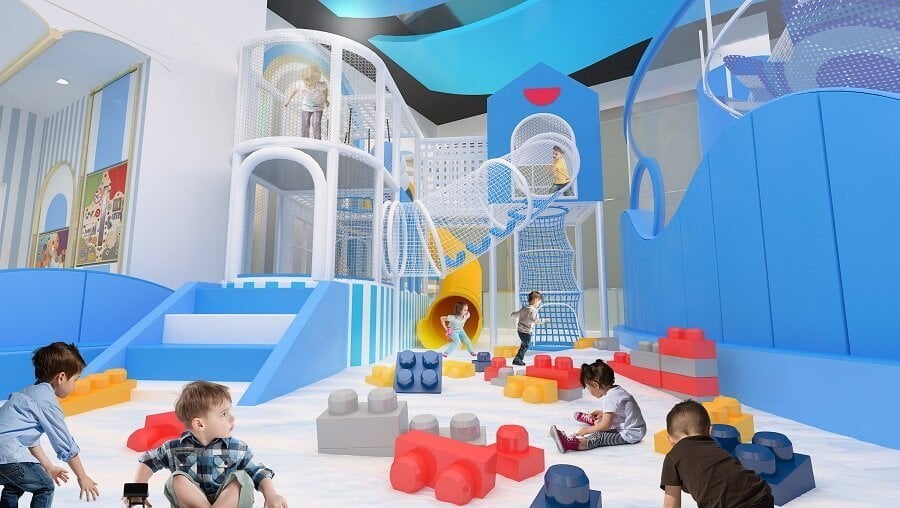
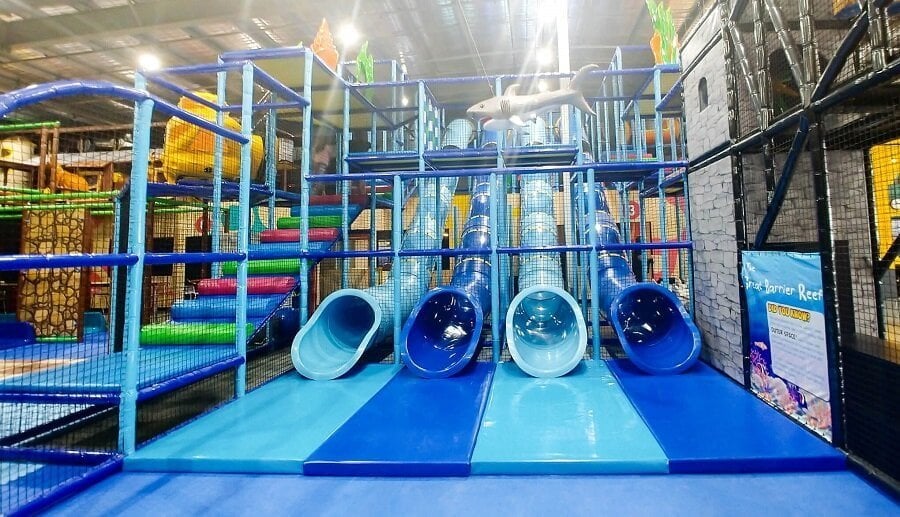
Han Liu, one of the partners in Sky Castle, said the concept is an indoor playground geared for children 10 years old and under. It has many slides, a snow castle, a donut slide, a Ninja area and a car track with theme rooms for birthday parties and private events.

“New Horizon Mall has always been my first choice. When I was looking for locations, I went to a couple of dozen locations out there. New Horizon Mall, the environment, the building itself, is just perfect for the indoor playground and also I like the idea of there are so many local businesses and entrepreneurs downstairs. I’m a community guy and I think this is definitely a community theme that would be very helpful for the longevity of the business,” said Liu. The play area is located on the second floor of the mall near the food court.

Parsons said COVID has been really tough for all retailers but with the province reopening and Sky Castle now open, the mall is optimistic about the summer.

Image: New Horizon Mall

“We are already noticing that shoppers are making a real effort to support local merchants and we think this is a turning point,” said Parsons.

“Since Sky Castle has opened there’s been considerable interest. I think the timing is right relative to the pandemic and Alberta’s positions and Alberta Health Services position relative to COVID and the different stages we’ve gone through for reopening. I think we’re well positioned for that. On a go forward basis lots of people have reevaluated what they’re doing as a family to make money and we’re positioned for small business incubator, small footprint opportunities in terms of retail. There really aren’t that many shopping centre or strip centre opportunities that have 150-square-foot retail units for rent out there.

“So a unit owner looking to rent their space they may have a 150-square-foot single unit. They might have a double unit of roughly 300 feet and there’s not that space available in the marketplace – readily available. I think the opportunities are there now that we’ve got a third anchor driving traffic through the mall with the other retailers we have. Things have turned the corner in terms of interest and popularity.”

Virtual and Augmented Reality Technology to Entirely Change the Retail Shopping Experience in Canada: Interview with ‘Retail Prophet’ Doug Stephens

The digital age. It could be argued that its development began nearly three quarters of a century ago when Alan Turing created the Automatic Computing Engine – a digital computer with memory and the capacity to store information. And it’s commonly accepted that its progress was hastened by the Silicon Valley revolution of the 1980s which yielded such inventions as the Internet and laid the groundwork for the birth of mobile devices, social networks, big data, and computing clouds. However, it seems in many ways that we are only now truly beginning to enter the digital realm, realizing for the first time at least a small portion of technology’s potential and the ways in which its components and innovative applications can help support and enhance real human experiences. As retailers slowly climb out of the murk of the pandemic toward the reopening of communities and cities everywhere, they are increasingly looking toward modern digital solutions that can help differentiate their offering and improve engagement with consumers. It marks a new era of digital exploration for retailers. And, according to Doug Stephens, proficient industry analyst and Founder of the consultancy firm Retail Prophet, it also represents a starting point toward a new kind of retail reality.

“Within 10 years the practicality of physical retail as a primary means of distribution of product will have run its course,” he proffers. “Digital technology will allow for almost all of the functionality that consumers look for in physical stores, namely customer service, trial and almost immediate gratification through same-day and even same-hour shipping. This is probably common-sense masquerading as insight given what we already see shaping up in the market. Therefore, we won’t need physical stores anymore as a means of accessing products. However, that does not negate the value of stores as a media channel and I believe that’s precisely where their new value will lie. Physical, human and social experiences will be at a premium in a world where we’re all spending more of our lives online. Astute brands are already moving in this direction, treating their physical stores as a key media channel for the purpose of customer acquisition and measuring them accordingly.”

Approaching the ‘Metaverse’

Though the environment that Stephens describes may not come to full fruition for another decade or more, it’s one that he sees as an inevitability nonetheless, culminating in the creation and evolution of the ‘Metaverse’ – a term coined in Neal Stephenson’s 1992 science fiction novel ‘Snow Crash’ that’s used to help describe a parallel reality, consisting of and supported by a confluence of virtual worlds which people will be able to pass in and out of seamlessly. It’s a fascinating thesis which, enabled through the development of virtual and augmented reality technologies, is set to dramatically change the ways in which people live their lives and the means they leverage to engage with their favourite brands.

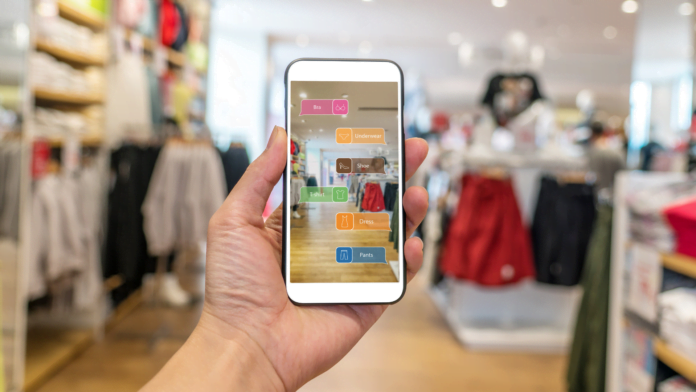
“The first shoe to drop is going to be that the old grid-based web experiences of today are going to give way to more immersive, intuitive and social shopping experiences,” explains Stephens. “Already, tech startups like Obsess are creating unique store environments that are redefining entirely the nature of digital shopping experiences. They also just raised $10M US in funding to accelerate those efforts. We’ll also see more and more brands adopting augmented reality to solve real consumer problems like the ability to try a product before buying it. All of these interim steps, however, are leading us toward a completely new internet. The ‘Metaverse’ represents a place in which people can engage in, commune in and of course shop in. The internet will cease to be something we use and become more like a place we spend a portion of our day living inside. We’ll even begin buying virtual products, clothing, jewelry and cosmetics inside the ‘Metaverse’ as increasing numbers of us begin communing, entertaining and working in the virtual world.”

Investment and consumer appetite

Indeed, if investment is an indicator that can be trusted, it seems the development of the ‘Metaverse’ is already well and truly underway. According to market research firm, Technavio, the virtual and augmented reality markets are set to explode, growing by $162.71 billion US and progressing at a compound annual growth rate of nearly 46 percent between 2021 and 2025. And, it’s investment that’s aligning nicely with current consumer sentiment around the desired use of these technologies in a retail setting. Recent data generated by Google – one of the largest players committed to the development of virtual and augmented reality technologies, along with other digital titans like Facebook, Microsoft and Samsung, to name a few – shows a penchant by today’s consumer to explore and understand the capabilities of the tools. The multinational tech giant says that global search interest in virtual reality continues to grow at a remarkable rate, while two-thirds (66%) of consumers surveyed say that they are interested in using augmented reality technology to help support their shopping experiences, with 6 in 10 stating that they want to be able to visualize where and how a product could fit into their lives. The data adds up to generate an image of what’s to come for retailing and the bold digital domain that we’re entering.

Refocussing and redefining purpose

Despite the anticipated advent of the ‘Metaverse’, however, and the possibilities that advancements in virtual and augmented reality technologies represent for the future of retailing, Stephens cautions those operating within the industry in their pursuit of acquiring and implementing such innovations. He recognizes the investments that are being made as well as those that will surely follow during the course of the next 6 to 18 months or so, but cites a retailers’ understanding of the value they offer to the consumer as the most important outcome of their current efforts. Then, and only then, can they begin crafting and honing the experiences they provide and the tools and solutions that they’ll leverage in order to support those experiences.

“It’s going to be essential for retailers to offer their customers something different and unique going forward,” he asserts. “The competitive environment coming out of the pandemic is going to be fierce. Amazon and other major global marketplaces have literally stoked their war chests into overdrive and are now building for a new era of their own evolution. In an effort to compete against them, large national retail players are building out third-party marketplaces, adding tens of thousands of new products and categories. In this environment, it’s going to be imperative that all other retailers refocus their brands with the aim of serving a very defined and clear purpose in the life of their customer. To begin, every brand needs to reflect on their offering and determine whether or not they provide their customer with a clear and definitive answer to a question in the market. Once they’ve established a renewed clarity of purpose, they’ll have to ensure that every nuance of the customer experience with their brand supports that purpose and positioning and brings it to life. Anything less and a retailer will become a sitting duck.”

He goes on to explain that once a brand has determined a clear understanding of their proposition to the customer, it can then begin to consider the exploration and implementation of technologies like virtual and augmented reality. However, he suggests strongly that any retailer seeking to do so should approach the task with the end-user at the heart of every decision it makes.

“The objective, always, should be to solve real consumer problems, alleviate points of friction and/or add experiential delight to every customer engagement,” he explains. “If a new consumer-facing technology doesn’t check any of these boxes then the brand should be questioning the investment. With that said, the only way a brand can determine a technology’s utility is to explore, experiment and test to understand where their application may add value.”

Current innovation and future state

Of course, there are already some within the industry that have been exploring the use of these technologies for some time in efforts to enhance the experience that they offer customers and create a more seamless engagement. Ikea for example is making excellent use of augmented reality to help consumers plan their decorating and design projects. Warby Parker is using the same technology to help redefine how consumers shop for eyeglasses. And personal care and beauty retailer Sephora has long offered its Virtual Artist tool that allows users to apply virtual makeup on themselves in real time using their smartphones to test the aesthetics of the product before making a purchase. And, although these tools have not yet been perfected by any means, they satisfy a need that the consumer has on their journey with the brands – a satisfaction that Stephens says is critical to provide, with or without the use of these technologies.

“It’s safe to say that as we move forward, we’ll see virtual and augmented reality play a greater role in shaping our online and in-store experiences,” he says. “But retailers have to be careful to not treat these technologies as novelties or frivolities. Instead, they have to begin by really digging into the design of their customer experiences and identifying aspects of the experience where AR for example can present a true solution or alleviate friction. The first step is to blow out your brand’s customer experience to truly understand every moment and micro-moment in the shopper’s journey. Some brands only possess a vague, superficial sense of their experiential architecture. Without understanding each micro-moment, where it takes place and the consumer’s need state, it’s impossible to make cogent decisions with respect to technology. Once that architecture is in place, however, a brand can then begin to examine it to find opportunities to introduce technology that can add value. Without an understanding of the value, effect or utility you’re attempting to deliver, every technology looks like a good idea, and attempts to implement could result in a waste of effort and resources for the retailer and a frustration for consumers.”

As investment continues to pour into the virtual and augmented reality markets, the savviest of retailers are heeding Stephens’ advice, seeking a clear understanding of the ways in which these modern technologies can help elevate their brands through enhanced engagement. And, given the overwhelming yearning for experiences that’s anticipated in a post-pandemic world, it’s likely that their understanding will be sought with force, ushering in a true digital age of innovation and creativity. It’s been a long time coming since Turing’s 1946 invention, to arrive at this precipice of technological transformation and the materialization of science-fiction premonition. And now that we’re here, the next logical destination with respect to virtual and augmented reality technologies and their use by humans is headlong into the future.


Sleep Country Canada Opening 2 Super Hubs Amid Explosive Retail Growth: Interview

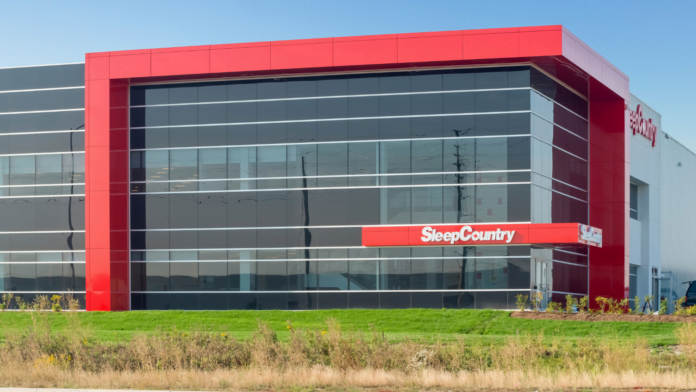
Image: Sleep Country Canada Head Office

Sleep Country Canada is opening two new super hubs to drive operational efficiencies and unlock the next chapter of the company’s growth story.

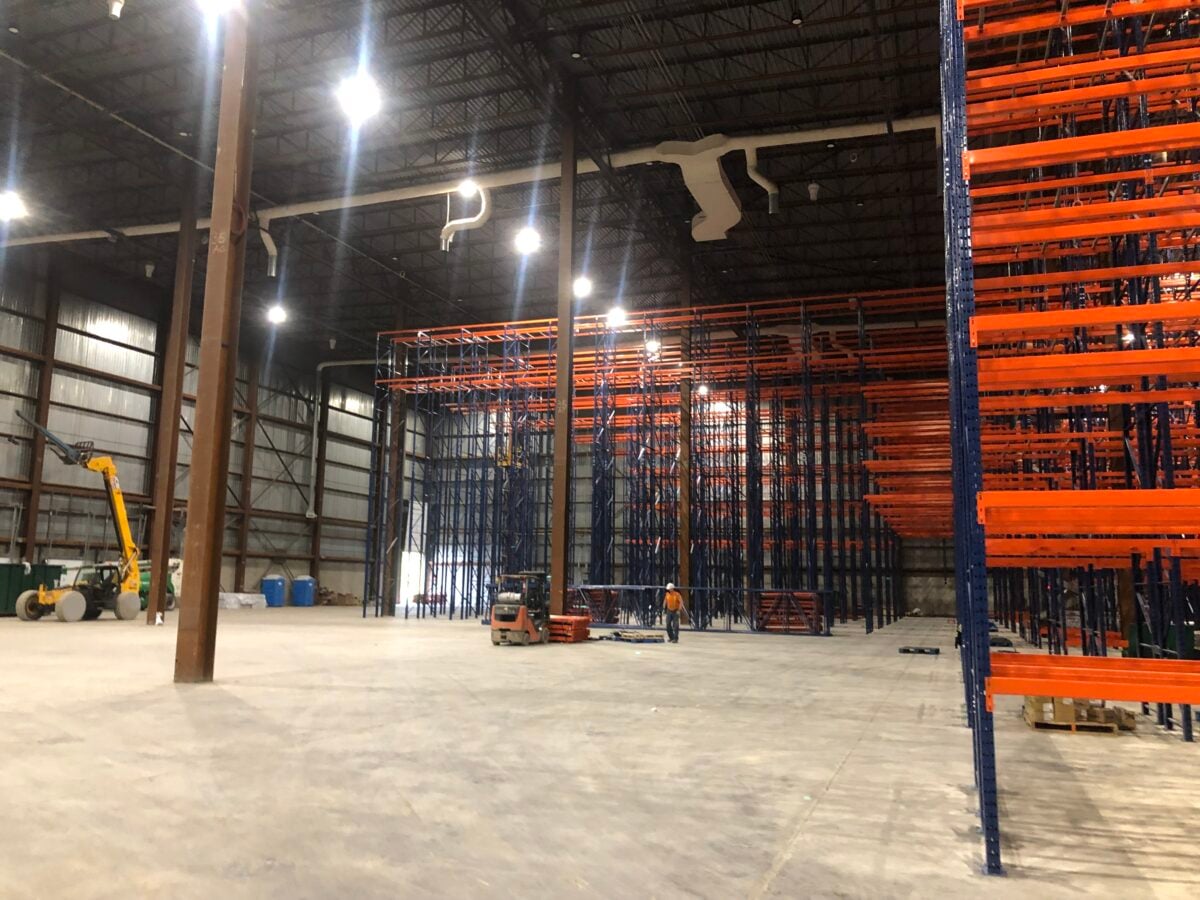
The new hubs, in Calgary and Belleville, will increase the retailer’s storage capacity by 65 per cent. The storage hubs add 278,000 square feet to the company’’s existing network of 17 strategically located fulfillment centres. The Belleville hub will be located in a former Sears warehouse building.

Sleep Country is Canada’s leading omnichannel specialty sleep retailer with a national retail store network and e-commerce platforms. It operates under three retail banners: “Sleep Country Canada” with omnichannel operations in Canada excluding Québec; “Dormez-vous?” with omnichannel operations in Québec and “Endy“, Canada’s leading direct-to-consumer online sleep solutions retailer.

It has 287 stores across Canada. 

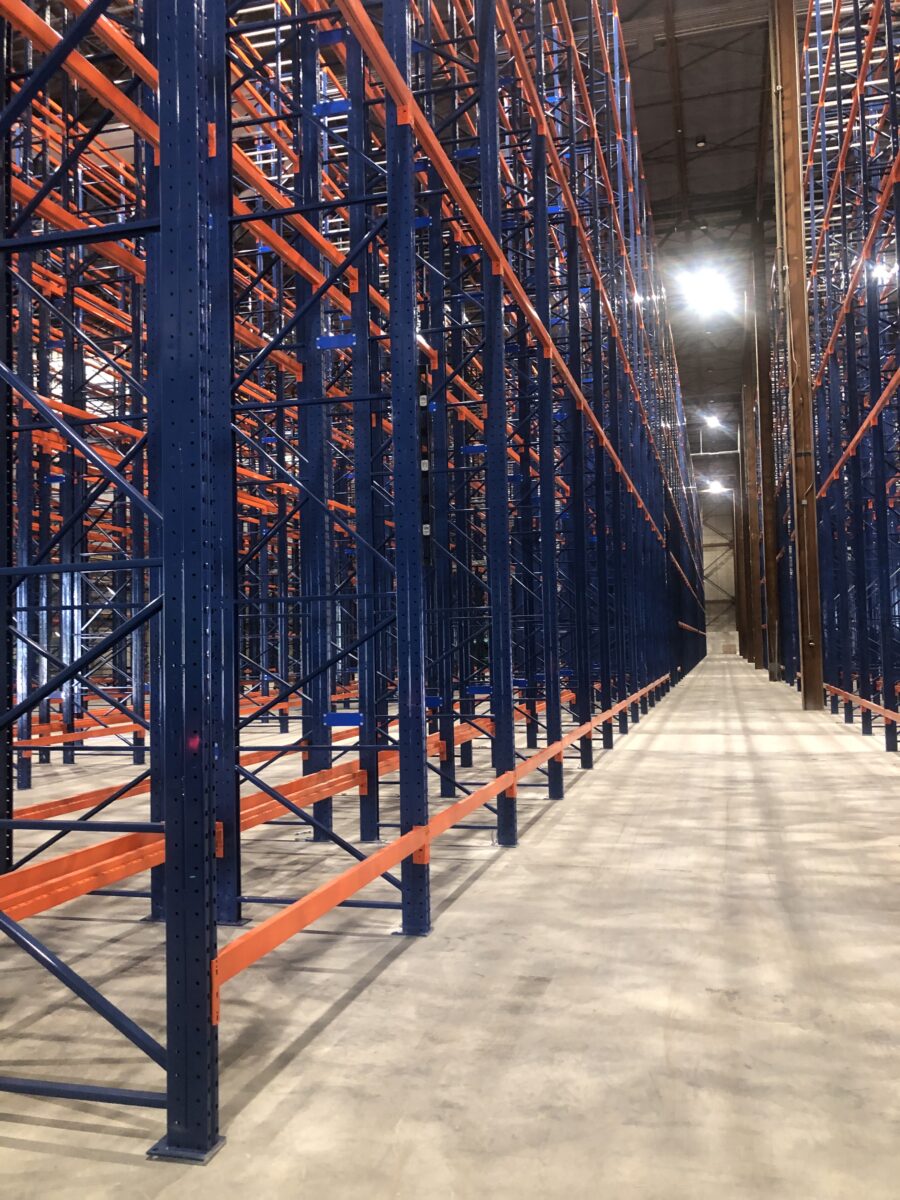
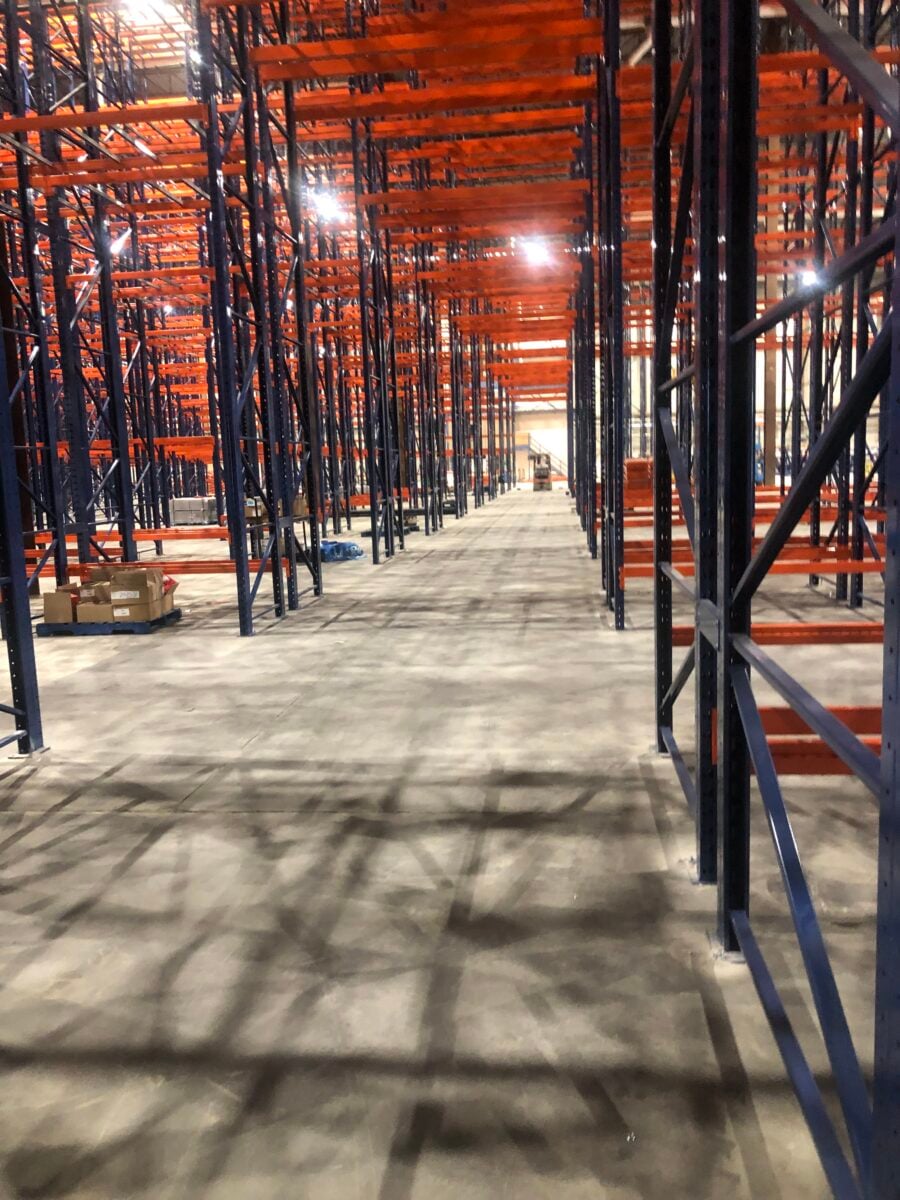
Inside of the Sleep Country Canada Super Hub (Image: Sleep Country Canada)

Stewart Schaefer, President, Sleep Country and Dormez-vous, said the new storage hubs will enhance and improve the overall supply chain logistics for the company.

Stewart Schaefer

“These new storage hubs further support our promise to deliver world-class customer experiences at each and every touchpoint,” he said. “Last year, we took advantage of market opportunities to secure competitive pricing for these facilities that will support our aggressive growth plans for years to come. Our record-breaking results and the overwhelmingly positive response from Canadians over the past year made this the perfect time to take the next step in our strategic growth roadmap.

“After 27 years in business, we know that investing in a powerful physical infrastructure is an important strategic element of our competitive advantage and an essential catalyst to support our growth. With these new storage hubs, we are well-positioned to execute growth opportunities including establishing new vendor partnerships, category and product innovation, improving our direct overseas sourcing capabilities and online marketplace expansion.”

The new storage hubs feature advanced technology, providing the retailer with efficiencies in fulfillment and distribution to support its growing direct import program for accessories and bed in a box, with expanded margins. The company said the new facilities will also ensure flexibility in receiving, picking and packing inventory to service its expanding online business and establish the infrastructure required to fuel Sleep Country’s aggressive future growth plans. The new storage hubs will reduce the company’s need to expand its existing fulfillment centre square footage in premium priced markets.

Schaefer said the hubs will handle the storage of containers of the product, lightening the load of the fulfillment centres but also putting them back to what they were originally designed for – to get goods in and out.

“Going forward those fulfillment centres will receive from our local supplier goods that are going in and out and will also receive from these two hubs which is our own storage that will populate and feed the other distribution centres both on the east coast and the west coast,” he said.

Schaefer said the company will continue to grow its store base.

“COVID has definitely shaken the world a little bit in how they look at the world in terms of bricks and mortar and e-commerce. There’s no question of that. Our e-commerce business exploded during COVID but at the same time while COVID was happening we were still opening stores and our stores were performing unbelievably well. The new stores we were opening were exceeding our expectations,” he said.

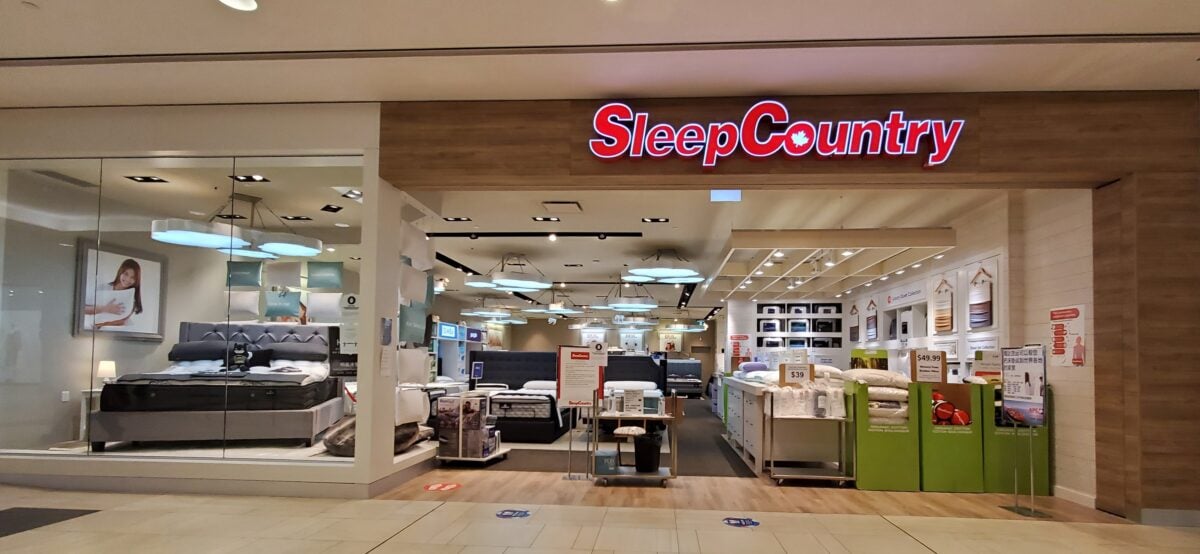
Sleep Country at CF Richmond Centre. Photo: Geetanjali Sharma
“But what we actually found out during COVID which was surprising when our stores were closed obviously you could only shop online but given the choice by the customer of having the e-commerce experience and the stores the fact of wherever they begin their journey whether they started on their phone, there is a visit to the store in that they were going in, testing the beds. The journey may have begun on the phone, may have involved the store, maybe concluded at the store, maybe concluded online, but the store was part of that journey.

“Our plan continued exactly the same way even more so as we look for great opportunities because some people have not been so fortunate and some real estate has become available. We’re going to continue to open up stores – eight to 12 stores is our plan, as we said a few years ago, every single year and that hasn’t changed.”
Canadian Retail News From Around The Web For July 7th, 2021

Canadian Retail News From Around The Web

Top Stories: National

Central/Eastern Canada News

Western Canada News