Despite all the hype over the past six months since cannabis became legal in Canada, most existing retail dispensaries are rather similar in their concept and overall aesthetic. That includes modern interiors with lots of glass counters, while also all selling the same basic products – capsules, dried flowers and accessories. Given that the same supply channels are supplying the same product, up-and-coming cannabis retailers are now looking to differentiate their storefronts by creating unique ‘experiential’ spaces.
Retail Insider interviewed one new retailer that is based in Toronto, with plans to branch outward once permitted by legislation.
Getting The Basics Right
Jeremy Potvin, co-founder of Weedbox (WDBX), believes they’re doing things in a unique way. “The tip of our spear is retail,” he explains. “The team we’ve put together is exceptional. You’ll be hard pressed to find – in the cannabis space – another company that has a retail team like ours.”
When Jeremy and his business partner, Lorilynn McCorrister, launched the company, they committed to connecting with consumers first and understanding them as best as possible. They built their brand around this customer-centric philosophy and the retail concept grew from there.
They spent most of 2017 with the team at Tokyo Smoke getting to know the market and learning from their wins. Through that experience, Jeremy and Lorilynn realized that physical retail was going to be the most important part of their success. E-commerce is one of their “prongs ”, but it is a layer, not the core focus. Bricks and mortar stores are the sweet spot, especially in the consumable world.
Differentiation In The Crowded Marketplace
“From the beginning, WDBX looked at being bigger than just a cannabis company,” says Lorilynn McCorrister, co-founder. “Brand is a badge, a community that people want to be a part of. Cannabis use doesn’t define you. We set out to build a lifestyle brand with cannabis at the centre as opposed to a cannabis lifestyle brand.”
One of the first things they did was hire Sydney Beder, a veteran fashion executive who has had success with Lululemon and just ended a 6-year stint with Roots, where he helped turn the Canadian icon around. He’s a legend in the retail world.
“Syd got our concept immediately. So we developed a strategy to create a bigger brand, bigger community and a bigger audience for us,” says Lorilynn. “We looked at cannabis products in all its forms – beautiful and sustainable hemp clothing and organic cotton, which is great for the environment. It’s so much more than the itchy clothing many people think of. There’s a huge opportunity that’s being missed in things like bedding, incense and candles.” (Using it in skin care and wellness products isn’t currently legal but is something they’re keeping an eye on and can add to their offerings later.)
In It For The Long Term
One of the main questions Jeremy and Lorilynn asked when determining their locations was “How can we service a community for 25 years from one location?”
They believe it’s about creating a store to match consumers’ patterns and how they shop. Above all, the location must be convenient.
“Our stores are architectural masterpieces,” says Jeremy. “But they’re in real locations. We’re not interested in fancy addresses.”
To design these masterpieces, WDBX has partnered with Alex Hutchison of Studio Marlowe, who also designed the simple yet stunning Casa LaPalma. She shares their sustainability values so tries to source local and reclaimed building materials. She managed to source some incredible hemp products (hemp fibre mixed with concrete).
Instead of the stores that most dispensaries are creating – massive space with glass counters with lots of product, WDBX want to create an immersive, elevated experience.
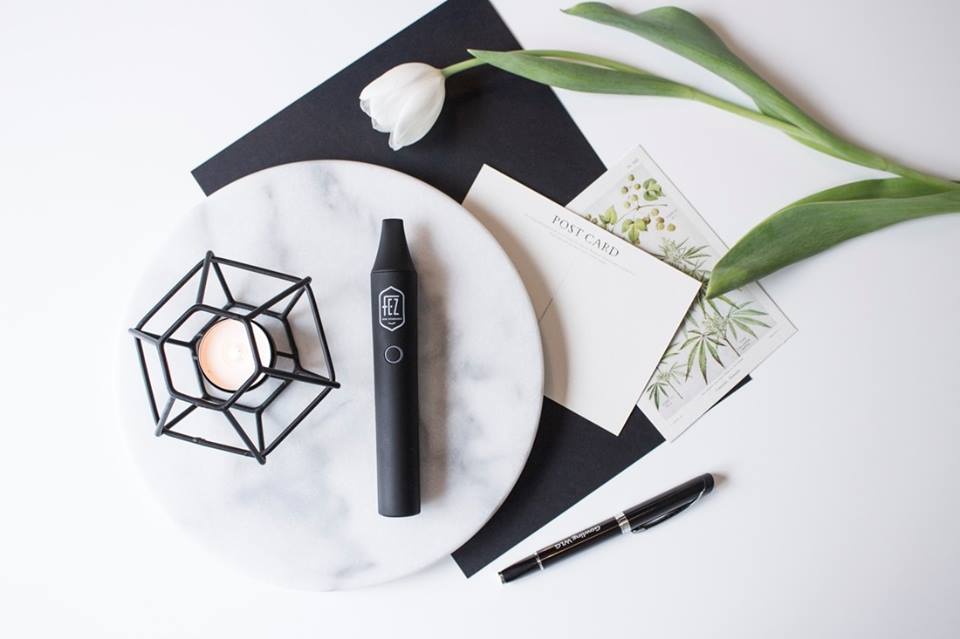
“You walk into one of our stores, and you come home to our brand,” explains Lorilynn. “You want to know more about it, it’s an exciting and enticing experience.”
They’re planning a variety of store sizes and floor plans. The stores will offer an area for customers who are looking for a bit of cannabis education, or who just want a self-serve kiosk. And then there is the experienced customer who wants to connect with a salesperson but already knows what they need.
Some of the solutions out there for cleaning bongs and pipes are full of chemicals that you don’t actually want to put your mouth on. How do you clean your accessories? Let us know! https://t.co/y871SyBzcY
— WDBX (@weedboxio) February 13, 2019
We’ve gathered four of the most common myths about marijuana and its purveyors and debunked them with facts for your (and perhaps your concerned aunt’s) convenience https://t.co/fLb0aPmnQO
— WDBX (@weedboxio) November 26, 2018
Next Steps
Because WDBX wasn’t a winner in the Ontario government’s initial license lottery, the company is currently waiting to see when the next tranche of licenses will be available. In the meantime, it’s steaming ahead with its lifestyle brand retail strategy.
“This hasn’t affected our plan,” says Lorilynn. “It’s just delayed our timing. We assume there will be more licenses coming out later in the spring.
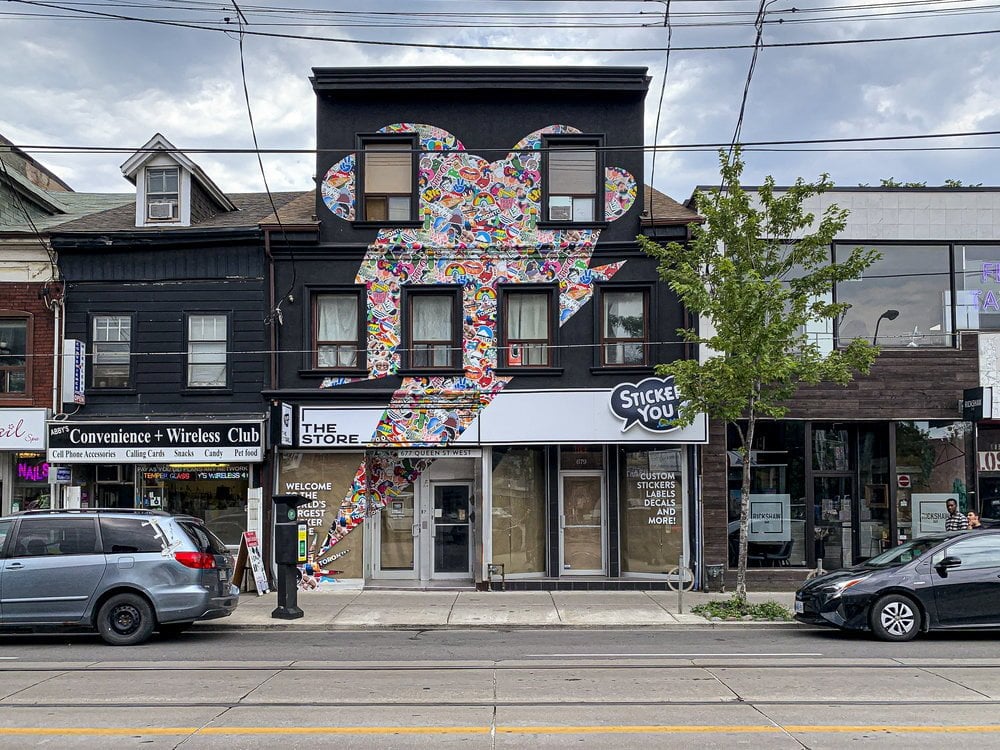
WDBX’s first lifestyle store will open at Queen Street West and Ossington Avenue, in the former Jonathan and Olivia store. But thoughtful planning is required around their other pending leases – it’s very difficult to transition a lifestyle store into a cannabis store. With dispensaries, your building infrastructure must include security considerations like vaults, safes and security systems.
While their other stores are scheduled around the GTA, plans for the future also include a 20-acre property (possibly opening in the summer of 2021). A Hwy 400 gateway property, it will service those who travel to the Georgian Bay, Muskoka and Honey Harbour areas. It’s mixed retail to deliver a shopping experience (including WDBX product) to the people on their way to cottage country and for boaters coming into the waterway system.
So What About That Lottery?
In late 2018, The Alcohol and Gaming Commission of Ontario (AGCO) determined that the current cannabis supply could only support 25 store locations. A lottery was held to determine the winners who would be among the first to open dispensaries across the province. Anyone could apply, and thousands of people did, including lists of people who may or may not know anything about cannabis or running a business. From the thousands of applicants, a third party adjudicator chose the winners, with the unsuccessful candidates going onto a waiting list. WDBX is Number 3000 on that list.
Many felt the process was flawed. A major fear within the legitimate cannabis companies is that the lottery will negatively impact the consumer experience – if it’s their first time using cannabis, they may not return if they have a bad experience in a less than reputable store.
“We’re worried about going backwards – if lottery winners do this wrong, the public sentiment might not progress the industry forward,” explains Lorilynn.
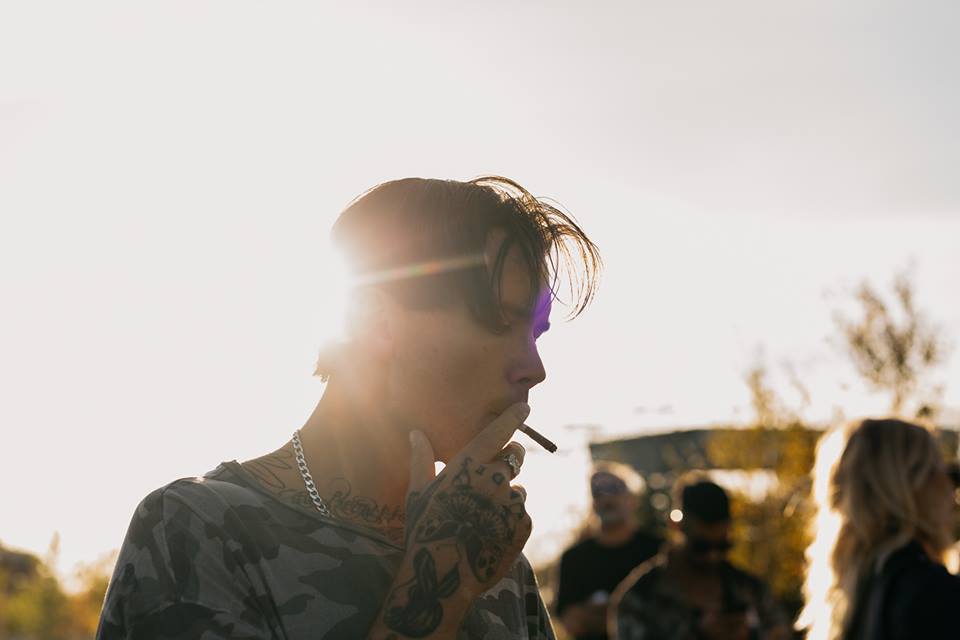
Another part of the issue is trying to convert a black market to an efficient, legal market and supply chain. And changing perceptions that cannabis users are everyday people – and not the typical “stoner in mom’s basement” – will also suffer if these first stores are unprofessional.
Larger, Multi-national Companies
Jeremy acknowledges that the price of entering the cannabis space is very high. The lottery was an opportunity to level the playing field between the smaller businesses and the larger multi-national companies with deep pockets. Unfortunately, many of the lottery winners are unprepared and unable to open a cannabis store by April 2019 (a requirement if you won the lottery). So they’re partnering with these big companies, getting large cheques because they won but they have no background in the space and the multi-nationals are running their stores anyway.
“In an attempt to create a fair system, they’ve created an incredibly unfair system,” Jeremy points out.
Stay tuned for future articles on this developing story. Rules and guidance change weekly and it’s difficult for cannabis retailers to make and implement an effective plan.
Unique Marketing Will Set WDBX Apart
Typical retail stores have a variety of advertising options when trying to reach customers, but public marketing for cannabis is incredibly restricted.
Realizing they need to be very innovative and creative to attract customers, WDBX turned to technology. They’ve hired front-end and back-end developers and have begun building data engines. Recently, they recognized many of the solutions they’re creating on the technology side would help the entire industry; the data they collect, the way they’re driving consumers, the way they’ll be able to help their own retail space.
“Our stores alone are our competitive advantage because of the way we think about retail, the way we’ve built our space and how consumers get to interact with materials in our stores,” adds Jeremy. “The way we can attract consumers and make their experience that much better with technology is 100% unique to our company. There’s no other cannabis company building what we are.”
Only time – and more cannabis licenses – will tell.
Rebranding To “Somewhere Variety”
A rebrand is in the works for their customer retail play and WDBX will be changing to Somewhere Variety later in the spring. WDBX will remain their parent company. But Somewhere Variety is more inclusive of the holistic brand they’re building. The massive technology solution that will be very meaningful to consumers will also be announced at that time.
Who To Contact:
Please contact Jeremy Potvin directly at jp@weedbox.io for more information.