By Carl Boutet
If you were to ask me about the greatest trend of the last decade that has had the deepest impact on retail, I would suggest it is brands’ desire to have a more direct relationship with their customers.
For the first part of that decade, gaining that relationship was mostly a question of leveraging the digital channels created by social media and marketplaces. These same channels quickly launched many “Digital Native Vertical Brands” such as Warby Parker, Dollar Shave Club, Casper among many others. Legacy brands also chose to emulate (or acquire) these strategies in a bid to cut out the middleman (ie. the mass retailer) and gain a tighter relationship with their customers while gaining economic margins.
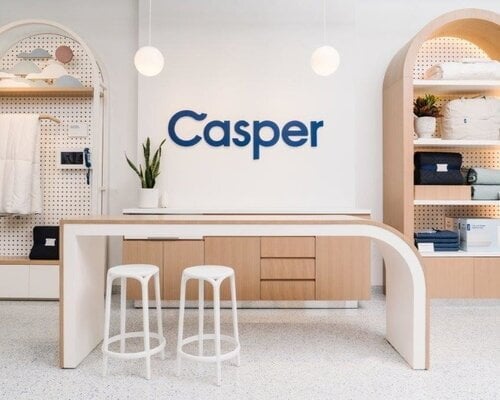
PHOTO: CASPER 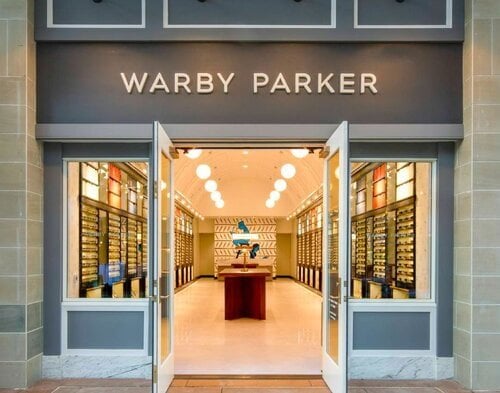
PHOTO: WARBY PARKER
The later part of the last decade saw these same brands realise that digital channels had their limits in cost-effective reach & depth spurring the need for investments in physical retail. Even the all-mighty Amazon realized this need and is iterating on a half dozen physical store concepts with more in the pipeline. It became apparent that for brands to truly manifest themselves they needed to create high-touch environments, that went well beyond transactional into the inspirational.
This is at the very core of what has “disrupted” retail and caused the implosion of many legacy retailers whose competitive advantage was built on logistical effectiveness controlling access to these very same brands that can now go direct. Especially those serving an “average” consumer that no longer exists.
Here are some retailers I consider “won” the last decade:
Best Retailer: Nike
Why: Full vertical integration, seems to have the best systems to acquire data (Nike+) and leverage it (acquisitions of Zodiac & Celect) then acts on with how it builds and merchandises its stores (ex. Melrose).
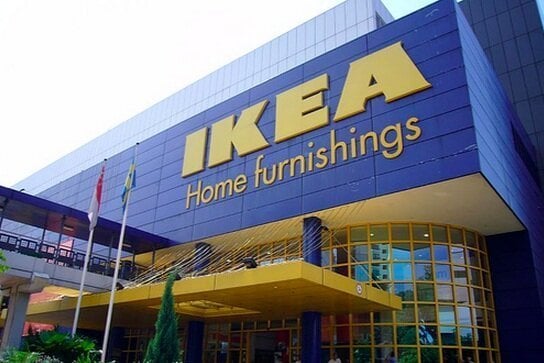
Runner Up: Ikea
One of the few retailers that seems to be able to cater & iterate to all regions and demographies with a continued strong sense of self.
Best Technology: Cloud Computing
Why: Has levelled the playing field for retailers who can now rapidly and cost effectively access complex solutions that were once long and costly to deploy (think POS, CRM, marketing stack, etc). Also what fuels marketplace platforms.
Runner Up: Augmented Reality
Although still has a long way to go, the possibilities seem endless for this technology to augment any environment. Bandwidth, processing and decent hardware have probably held it back. Expect that to change with 5G.
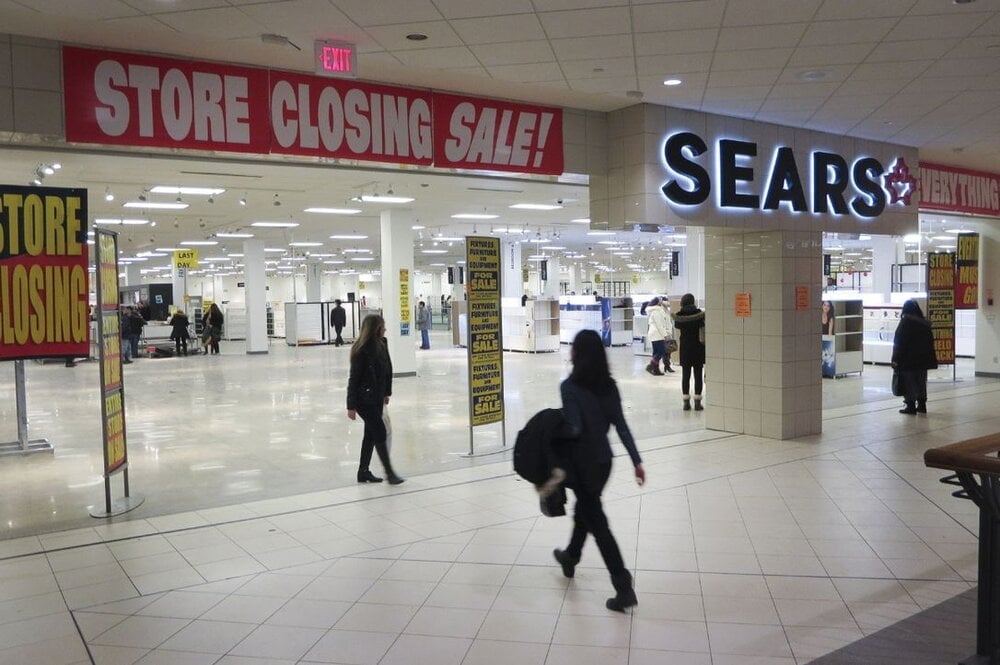
Retail Loser of Decade: Sears
So much to say here but it’s already been written. I’m mostly sad for the many good people that tried to make it work but never got the support they deserved from their main investor.
Runner Up: Hudson’s Bay Company
I really hope they can salvage the longest running corporation of the Americas and one who Canada owes much of its economic development to for nearly 350 years.
Worst Technology: Beacons
A perfect example of when a technology is in search of a customer problem to solve. A reminder that this dynamic must be the other way around. Important lesson for all of us who get excited by the technological possibilities without really understanding the customers need for it. The good news is the experiment has taught us much about empowering associates and launched many other solutions that seek to but messaging in a context of time & location.
Now for the next decade…
We’ll continue to see the previous decade’s “directness” amplify as even established legacy retailers (those that are still around) behave like brands, become more agile in their go-to-market approaches, leverage their brand equity and organic traffic. In other words, many (especially department stores) will see themselves as platforms for brands. That is not to say that they will succeed as their economic models are still focused on generating 3rd party product margin.
However, the focus of the next decade will or should be: Sustainability.
Like my broad definition of “retail” that includes hospitality & entertainment (the blurring of those lines will be another strong trend of the next decade), my definition of sustainability goes well beyond the usually associated environmental connotation.
True sustainability must also include social and economic concerns.
Meaning that retailers will need to have a more holistic approach to running their businesses. Their decisions will need to take into consideration the impacts on the environment, its stakeholders all the while being economically feasible. What you might have heard referred to as the triple bottom line. There is even a “B Corp” certification process that some brands & retailers are now pursuing to demonstrate this new more holistic approach.
Today that effort will differentiate your brand. In a couple of years, it will put you at par. By the end of the upcoming decade, failure to adopt this approach will be a real detriment that could (should) sink the business.
Speaking of differentiation, this pursuit for broader sustainability will also fuel much of how retailers will seek to distinguish themselves. Here, I continue to use my adapted version of the Kahn Retail Success Matrix to create the Retail Relevance Index built on measuring 4 vectors: Purpose, Value, Convenience, and Delight.
I’ll be sharing more on that structure in a book that I’ll be releasing in the second half of 2020 where I will address how these broader sustainability goals will drive relevance for retailers & brands.

Retailers to look out for in the next decade:
The Wildcard
Anything that can come out of India. The market where the global retail winner will probably be decided.
Technology to Look Out for
Already mentioned how 5G will continue to augment & blur the digital/physical divide. Beyond that, I’m also fascinated by prescriptive analytics and digital objects in the context of the personalization/privacy paradox.
With all that said, I leave here with a quote that Ron Johnson from Enjoy Technologies and the person who led the creation of the Apple Stores shared with me on stage a couple of months ago: “There has never been a time where being bold and courageous is more needed in retail than now. Static retail is dead retail”. So on those fine words, I wish you all a tremendously successful & fulfilling 2020 and the decade to come. Let’s all elevate this industry together.
Carl Boutet is the Chief Retail Strategist at StudioRx