

The Chapter 11 filing by Saks Global marks one of the most consequential moments for luxury department store retail in more than a decade. While the filing is a U.S. restructuring, its implications extend beyond American borders, particularly for Canadian brands, landlords, and suppliers that remain intertwined with the Saks ecosystem.
Saks Global, which owns Saks Fifth Avenue, Saks OFF 5TH, Neiman Marcus, and Bergdorf Goodman, entered bankruptcy protection under the weight of billions of dollars in debt, deteriorating vendor relationships, and weakening sales momentum. The filing comes a bit over a year after Saks orchestrated a $2.65 billion acquisition of Neiman Marcus Group, a deal that was intended to consolidate power in U.S. luxury retail but instead accelerated financial strain.
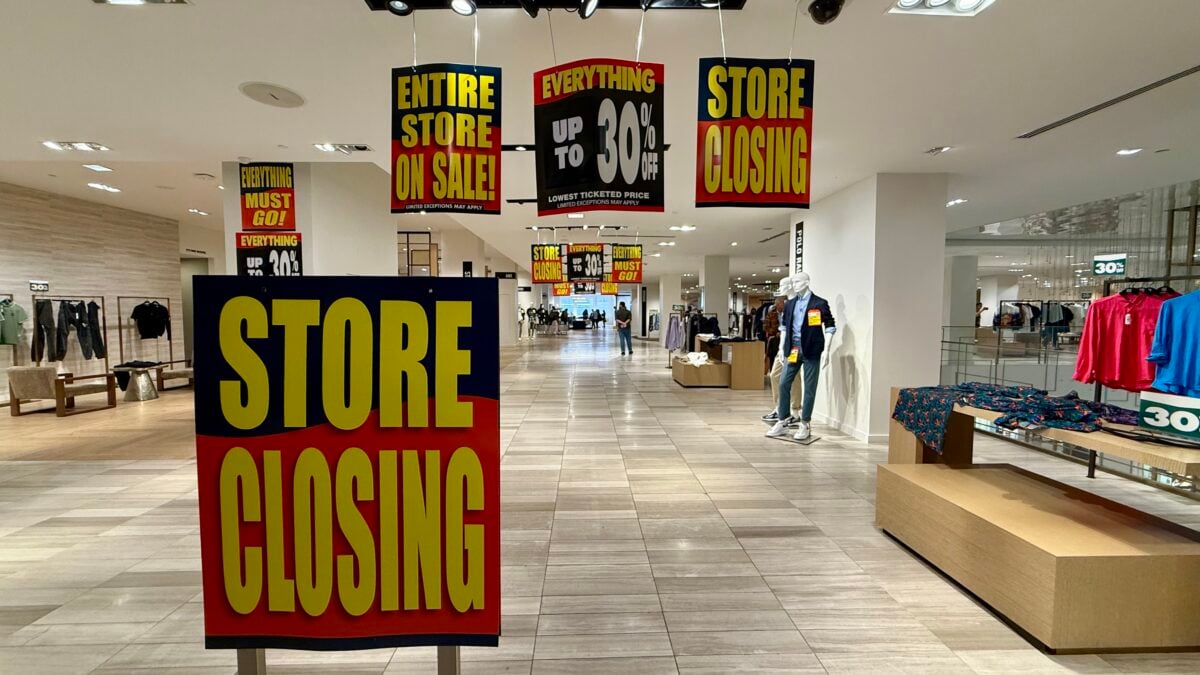
For Canadian retail watchers, the filing carries a familiar echo. Until June of last year, Saks operated three Saks Fifth Avenue stores in Canada, two in Toronto and one in Calgary, alongside 13 Saks OFF 5TH locations. Those stores closed during the liquidation of Hudson’s Bay Company’s Canadian business, leaving Saks Global as a U.S.-only luxury platform with lingering Canadian exposure through brands, leases, and unresolved legal disputes.
How Saks Global Came to Be
Saks Global was created shortly before Hudson’s Bay Company’s Canadian collapse, as part of a broader restructuring that carved out the luxury banners into a U.S.-centric entity. The structure deliberately separated Saks Fifth Avenue, Saks OFF 5TH, Neiman Marcus, and Bergdorf Goodman from Hudson’s Bay’s Canadian department store operations.
At the time, the move was positioned as a strategic reset that would allow the luxury business to attract investment, modernize its operations, and escape the drag of Hudson’s Bay’s deteriorating balance sheet. Instead, the separation left two fragile entities on divergent paths. Hudson’s Bay’s Canadian business entered creditor protection and liquidated. Saks Global continued operating but carried forward a debt load that ultimately proved unsustainable.
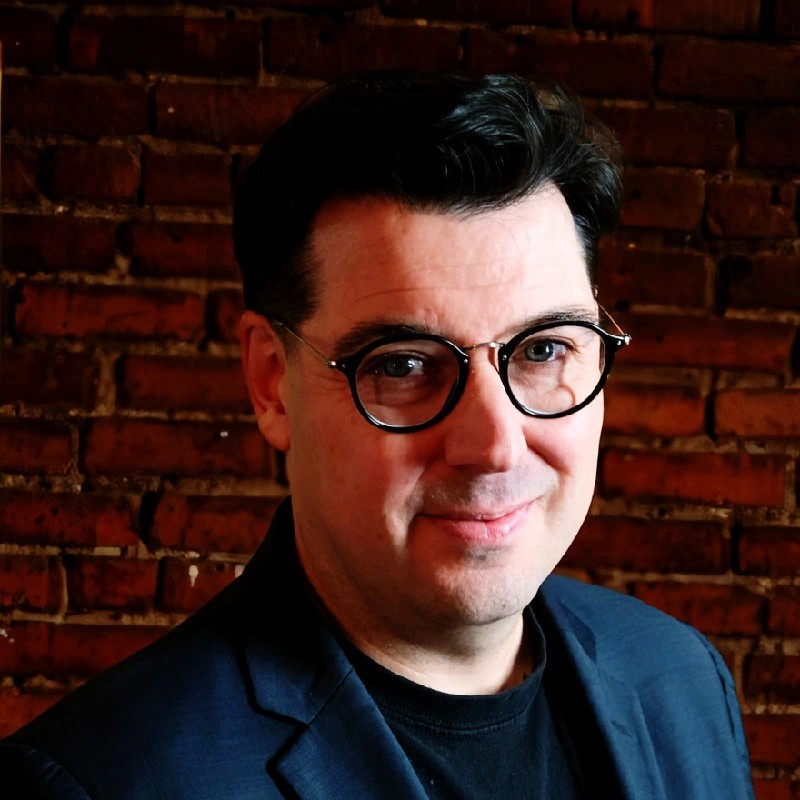
Retail analyst Carl Boutet said the timing alone raises questions. “This is happening roughly a year after the Hudson’s Bay filing in Canada,” he said. “We were already predicting this would happen because the Saks Global deal never made that much sense in the first place.”
Leadership Reset as Bankruptcy Begins
As part of the Chapter 11 process, Geoffroy van Raemdonck, former chief executive of Neiman Marcus, has returned as chief executive of Saks Global. He replaces Richard Baker, who had served as chief executive and executive chairman and was the architect of the Neiman Marcus acquisition.
“This is a defining moment for Saks Global, and the path ahead presents a meaningful opportunity to strengthen the foundation of our business and position it for the future,” van Raemdonck said in a statement released alongside the filing.
Saks Global has also appointed Darcy Penick, former president of Bergdorf Goodman, as president and chief commercial officer. According to Boutet, the leadership shift is one of the few encouraging signals to emerge from the filing.
“I have more faith in what we’re seeing right now just because Richard Baker’s no longer there,” Boutet said. “We actually have retail people running this. That matters.”
The Debt That Sank the Deal
At the heart of the Saks Global bankruptcy is debt. The company secured approximately $1.75 billion in debtor-in-possession financing to support operations through restructuring, but that funding does not erase the underlying financial challenge. Saks Global entered Chapter 11 carrying roughly $2.65 billion in obligations tied to the Neiman Marcus transaction and subsequent restructurings.
“The business equation is still very simple,” Boutet said. “They’ve got to spend less than they make. Until they get there, this doesn’t change.”
The $1.75 billion financing gives the company breathing room, but it also reshuffles creditor priorities. Debtor-in-possession lenders now sit at the top of the repayment hierarchy, pushing unsecured suppliers and legacy creditors further down the line.
“This money is to steady the ship,” Boutet said. “It is not there to make whole the suppliers who are already owed.”
What This Means for Canadian Brands
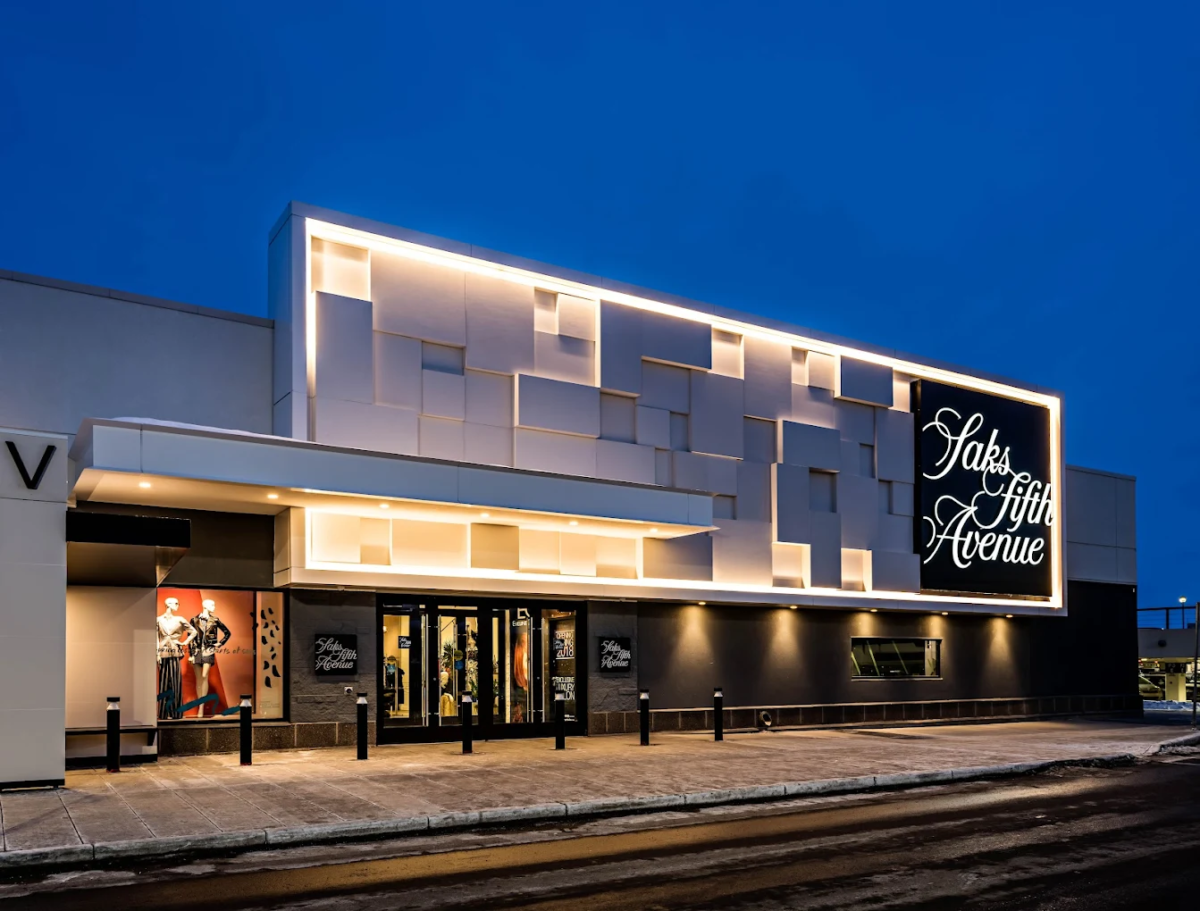
Canadian brands remain exposed through their U.S. wholesale relationships with Saks Global. Brands such as Canada Goose, Moose Knuckles, Sorel, Smythe, and TKEES continue to sell through Saks Fifth Avenue, Neiman Marcus, and Bergdorf Goodman locations in the United States.
Boutet said these brands sit in a precarious position. “For the five or six Canadian brands you can easily identify, there are probably dozens more that are owed money,” he said. “Most of them will never go on the record.”
Suppliers deemed essential to the business are likely to receive preferential treatment, while smaller or more niche brands face delayed payments or negotiated settlements at pennies on the dollar.
“We’ve seen this movie before,” Boutet said. “The suppliers they cannot live without will get priority. Everyone else lines up and hopes.”
Vendor Relationships Under Strain
Vendor confidence in Saks had already deteriorated before the bankruptcy filing. Some major luxury brands halted shipments after payment delays, while others reduced exposure. The filing formalizes what many suppliers had already assumed, that payment timelines would stretch further and recovery would be uncertain.
“The checks that are trickling in are going to the brands they absolutely need,” Boutet said. “That doesn’t mean everyone else gets paid.”
For Canadian designers and outerwear brands that rely on U.S. department stores for scale and visibility, the Saks Global bankruptcy underscores the risks of overdependence on multi-brand retailers.
The Shadow of Hudson’s Bay
The collapse of Hudson’s Bay’s Canadian business continues to cast a long shadow over the Saks Global story. While legally distinct, the two are structurally linked through shared leadership, financing arrangements, and real estate entanglements.
Saks Global has argued in court that lender actions tied to Hudson’s Bay contributed to the Canadian collapse, even as it seeks to ring-fence its U.S. luxury platform from Canadian liabilities. That separation is now being tested by litigation, particularly lawsuits from major landlords.
Cadillac Fairview, one of Canada’s largest mall owners, is suing Hudson’s Bay’s U.S. arm for more than $75 million related to former Saks Fifth Avenue leases at CF Toronto Eaton Centre, CF Sherway Gardens, and CF Chinook Centre. Those claims include unpaid rent, maintenance costs, and alleged breaches of indemnity agreements.
“Once you’re in debtor-in-possession financing, everything else moves down the priority ladder,” Boutet said. “That changes the leverage completely.”
Store Closures and the Question of Scale
While Saks Global has not announced widespread store closures, right-sizing is widely expected as part of the restructuring. The challenge is finding a balance between scale and profitability.
“When you’re dealing with a $2.65 billion capital structure, there has to be a certain size to make the numbers work,” Boutet said. “But if half the locations are bleeding money, you cannot justify keeping them.”
The risk, he added, is that aggressive cost-cutting further erodes what made Saks, Neiman Marcus, and Bergdorf Goodman distinct in the first place.
“They all risk becoming a kind of beige luxury soup,” Boutet said. “You lose the Saks-ness, the Neiman-ness, the Bergdorf-ness.”
A Changing Luxury Landscape
Even without the debt burden, Saks Global would still be operating in a dramatically altered luxury retail environment. E-commerce, brand-owned stores, resale platforms, and social commerce have permanently weakened the department store’s role as gatekeeper.
“Many of Saks and Neiman’s biggest suppliers are now their biggest competitors,” Boutet said. “That structural shift does not go away because of a bankruptcy filing.”
Luxury demand has also softened as consumers contend with inflation, slower job growth, and rising household costs. These pressures have reduced discretionary spending, even among affluent shoppers.
What Comes Next
Saks Global has said it expects to emerge from Chapter 11 later this year, but success will depend on more than balance sheet engineering. The company must rebuild trust with vendors, clarify its merchandising identity, and restore consistent profitability.
“I actually think van Raemdonck is probably the right person for the job,” Boutet said. “He understands clienteling, digital tools, and the modern luxury consumer. But leadership alone does not fix market fundamentals.”
For Canadian retailers and brands, the Saks Global bankruptcy serves as both a warning and a case study. The era of treating luxury department stores as stable, low-risk partners is over.
“This is another reminder that scale does not equal safety,” Boutet said. “If you are a Canadian brand, you have to think very carefully about concentration risk.”





Saks’ long pursuit of Neiman Marcus was always a strange endeavour that reflects the parent company’s pattern of unsustainable growth. Things could have been different if HBC had invested in its Canadian operations instead of buying dozens of stores in Europe and if it doubled down on making Saks more of an experience instead of spending enormous capital buying its competitor. Hopefully all of this becomes a valuable lesson for other retailers with grand ambitions.
Richard Baker has no idea how to run retail operations. He bankrupted Hudson’s Bay, closed down Zellers and Home Outfitters, bankrupted Saks and Saks Off 5th in Canada, he had a disastrous run with Hudson’s Bay in the Netherlands. Why would lenders give him more money? He obviously is it for his personal gain and not of the companies. Richard Baker has a big ego and he’s left a path of destruction. Not surprised to hear this news. Creditors shouldn’t lend any business he is connected to an another dime.
Meanwhile Canada’s three main metros continue to add numerous luxury mono-brand boutiques. Vancouver alone will gain 25+ luxury brands in Oakridge Park alone in 2026. Simultaneously Yorkdale never stops adding luxury retail and Royalmount in MTL has also joined the party. WEM even has few luxury brands. There are malls in the USA that have both a S5A and Neiman onsite (Fashion Show Vegas). Other instances where both are separate, yet close (or even walking distance-Beverly Hills). Also Saks Global should operate under one name. Simply operate exclusively as Saks or Neiman and put efforts to building one brand rather than two. I root for business to succeed so I hope the luxury market continues to prosper and grow in USA/Canada. Once Oakridge Park is established in Vancouver, its contribution alongside Alberni (and adjacent streets), will legitimately result in a luxury shopping destination with heavy marketing appeal. The low $CAD helps as well with Chinese and Americans visitors as deals are more likely (not guaranteed however).
it blows my mind that Richard Baker is not somehow being held accountable for this absolute mess..
So he siphon off lots of valuable real estate , engineers an acquisition that basically kills HBC and Neiman Marcus ( Saks has struggled for many years but they must have had valuable real estate Richard wanted as well?
Baker and NRDC are just doing what private equity does every time: asset stripping. HBC’s value was always in its real estate holdings. The investment made in the retail division (Hudson’s Bay, Saks, Neiman Marcus) was only enough to allow the properties to increase in value. Vendors are still owed millions of dollars. In the last few years HBC wasn’t paying their bills or paying vendors and this was entirely by design. Many staff were laid off or demoted. They maxed out their credit, stopped paying vendors then filed for bankruptcy – all to plan. They won but everybody else lost.