

As Canada welcomes an increasing number of diverse immigrants each year, retailers are urged to adapt to be inclusive. Ian Large, the executive vice president of Leger, discusses the challenges newcomers face, the impact on retail, and retail strategies coming from the first ever study: Cracking the Newcomer Code.
The report by Leger, which surveyed over two thousand recent immigrants, explores how newcomers are reshaping retail trends, from their immediate needs upon arrival, to their growing influence on the Canadian retail landscape. Leger is a national research and marketing company and has been around for about 37 years and has offices across Canada. The study was subdivided by those who have been here for less than five years and those who have been here from six to ten years.
“Our findings reveal that newcomers are not just contributing to the Canadian economy through their purchasing power; they are actively shaping the future of retail in Canada. Retailers must recognize and adapt to this shift by creating inclusive environments that cater to the diverse needs of immigrants. This goes beyond just stocking products from various cultures; it is about fostering a sense of belonging and community for all Canadians, new and established alike,” says Ian Large.

“Arriving with very little – the first bump into Canadian retail”
Large says newcomers move to Canada for very specific reasons and often come with very little.
“Half a million newcomers arrive every year and that is the target for the next couple of years. Sixty per cent of those are economic migrants – so they are coming here to work. They may have money already in their investments, but they are coming to work to establish themselves, grow, and to create a life here. They have ambitions to be part of the Canadian fabric and they want to do it very quickly.”
To settle in Canada upon arriving, newcomers who Large says are usually families, need a place to live, purchase furniture, and clothing as they are not coming with all of their personal items. “They need to stock their shelves, they need to become established because they are not coming with a container loads worth of personal effects, so this is kind of the first bump into the retail environment.”
Large says it takes the average newcomer around 20 months to become financially self-sufficient and “within that first 20 months, they don’t have a lot of money, they don’t have a lot of disposable income, and they are struggling to find a job.”
On average, Large says it takes newcomers around eight months to find a job. The report says 70 per cent of newcomers are employed and 12 per cent of those are employed in the service sector such as retail, restaurants, and in hospitality.
“They are a new source of employees who are ambitious, keen, and want to be here – it is a great opportunity for retailers.”

Large says one way to support newcomers is to hire them as if they are working, they can become financially self-sufficient: “they are being established, paying rent, and buying their household goods, so first is to employ them.”
To reach newcomers for employment, Large says the best way to do it is by going to their communities. Large suggests retailers to put up job advertisements in community services, agencies, cultural community centres, multicultural festivals, and community events. Furthermore, retailers should look at expanding the languages they use to advertise job opportunities, events, and products.
Attracting newcomers and building brand loyalty
Large suggests retailers can win over newcomers by providing a shopping experience that feels like home.
“What used to be a ethnic food corner at a typical grocery store is now all throughout the store. So providing recognizable products for newcomers is a great way to attract them and it is fantastic. Newcomers arrive seeking both familiarity and opportunity. As they navigate their first months in Canada, retailers have a unique chance to make a lasting impression.”
By having products on the shelves from abroad and celebrating cultural holidays, retailers can turn newcomers into loyal customers. Additionally, as newcomers are not financially stable for at least 20 months, providing a loyalty program that is high in value will also create loyal customers.
“Loyalty programs tailored to the needs of newcomers are more than just a marketing tool; they are an essential part of their integration into Canadian life. We understand that financial stability is a journey taking upwards of 20 months for many, so a well-structured program can be more than a benefit – it can become a lifeline. They are not just collecting points for the sake of collecting points, they are using it to help with finances.”

Large says at some point, 84 per cent of newcomers felt that it was significantly more expensive to live in Canada than they were expecting, so loyalty programs can be used to “help the newcomer feel better.”
Retailers should be offering loyalty programs that directly benefit consumers, especially newcomers who are wanting to be self-reliant. Loyalty programs such as Optimum and Scene are perfect examples of programs that are good in value and add up quickly.
Retail adaptations to newcomers
With the increase of newcomers into Canada every year, Large says there is a shift towards inclusivity and diversity in retail, including product offerings and marketing strategies.
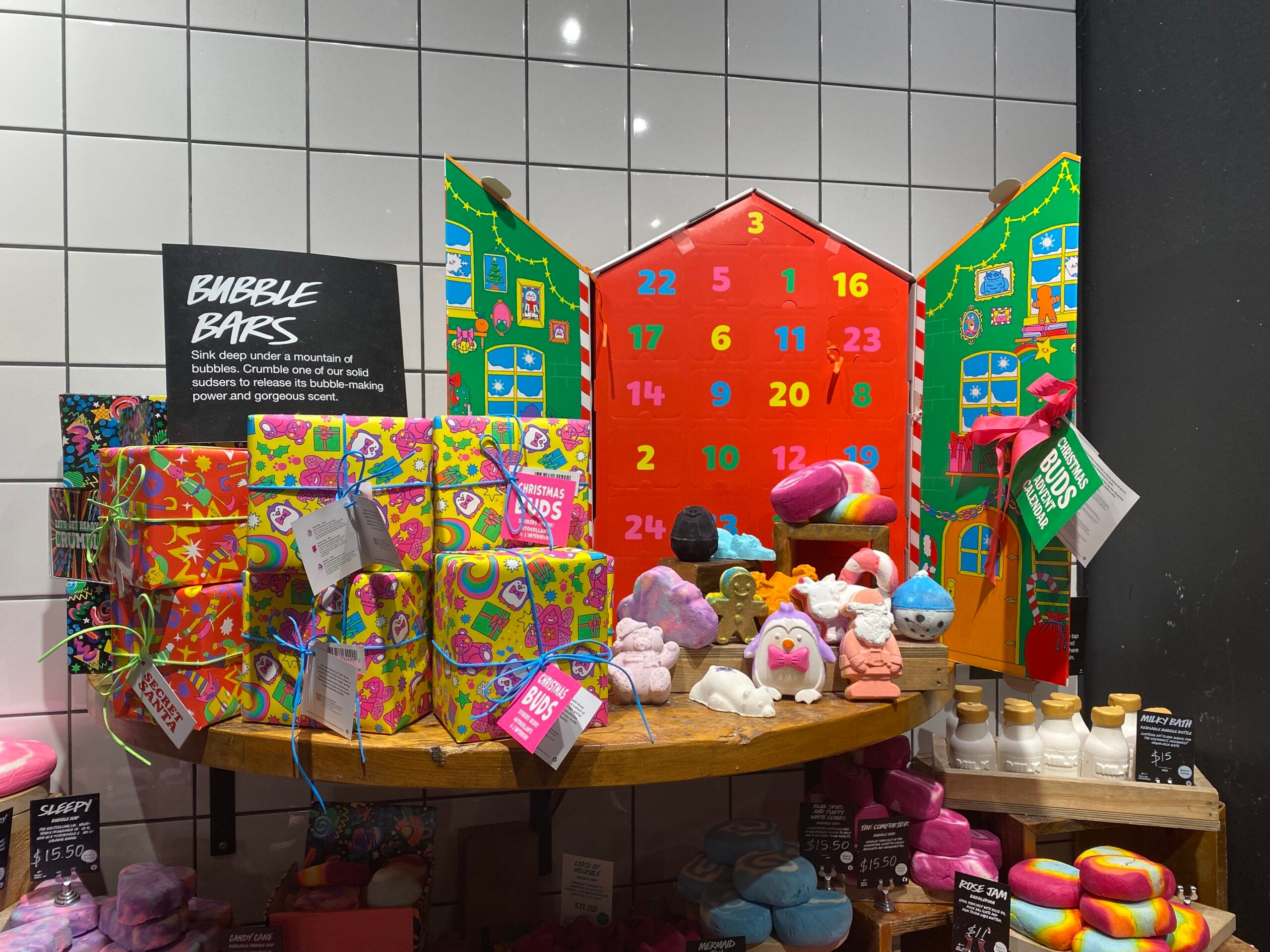
Large says retailers are adapting by stocking international brands and celebrating cultural holidays, which make newcomers feel welcomed. Large says retailers could also adapt product lines such as clothing to reflect diverse cultural norms and develop communication strategies that are addressing the challenges of being a newcomer in Canada.
“In the face of Canada’s evolving demographics, the retail industry stands at the forefront of a significant shift. Embracing inclusivity and diversity isn’t just a strategy, it is becoming our ethos. By integrating international brands, recognizing cultural holidays, and even adapting our products, we are not just selling products – we are creating a sense of belonging. Our message to newcomers is clear: ‘You are welcome here, and we value your presence.’ This approach doesn’t just benefit our businesses; it enriches our communities, making Canada’s retail landscape a mirror of its multicultural society.”
















So much of what I see in the media about immigration is based on assumptions about immigrants that are decades out of date. Through my volunteer work and the French classes I’m taking in Quebec, I meet a lot of immigrants, probably more than most Canadian-born. Many already have jobs in finance, IT and education. They’re in their twenties, thirties and forties and some, not all, have young children. They buy the same furniture and clothing that I do. Their financial struggles resemble the ones I had at the same age. Other than language, the main difference between us is the food we eat. We’re all global citizens now and this is reflected in our consumption patterns.
Excellent and interesting article. Well written and very informative. Thanks