

Luxury retail in Canada is experiencing an architectural boom, with flagship stores and expansions dominating the landscape. Yet, as Randy Harris, founder of Trendex North America, emphasizes, this growth may not reflect a proportional increase in consumer demand. In an engaging conversation, Harris shared his insights on the dynamics shaping Canada’s luxury market and the challenges ahead.
Expanding Square Footage, Questionable Demand
The recent surge in luxury retail construction has been striking. Yet Harris suggests this may not align with the actual growth of the market. “The title of my next article could very well be ‘Luxury Retail Is Booming, But Demand Isn’t,’” he said.

Luxury brands such as Saint Laurent are expanding aggressively. For example, by mid-2025, Toronto alone will house an estimated 28,000 square feet of Saint Laurent retail space. But Harris cautions against equating this growth with increased consumer spending. “It’s logical to question whether all these new stores truly expand the market or merely make it easier for existing customers to shop,” he said.
Loyal Consumers, Limited Growth
Harris highlights that true luxury consumers—those who purchase brands like Chanel or Hermès—tend to be extremely brand-loyal. “These affluent customers aren’t necessarily increasing their purchases because there are more stores,” he said.
This loyalty contrasts with aspirational buyers, often younger consumers, who save up for occasional luxury purchases. While aspirational buyers contribute to the market, they do not drive the sustained growth needed to justify doubling retail square footage.
“The affluent, brand-loyal consumer is not necessarily swayed by convenience,” Harris explained. “They know their preferred brand, and their shopping habits are unlikely to shift dramatically simply because a flagship store opens nearby.”
Timing Challenges and Deep Pockets
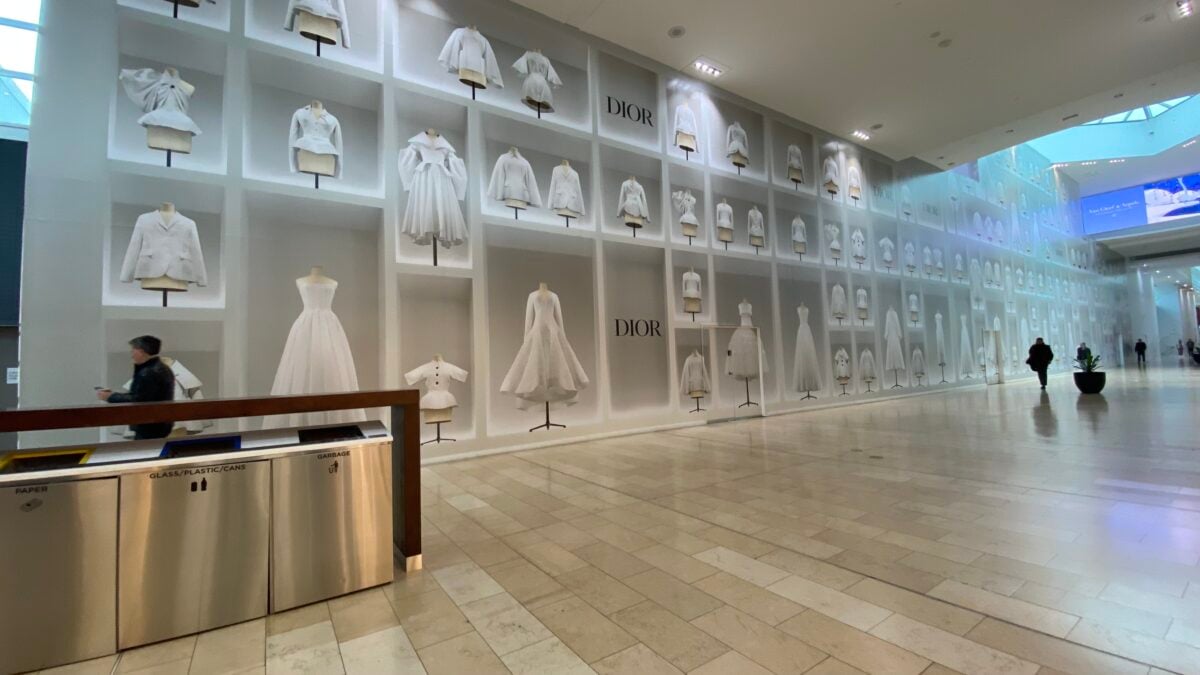
The decision to expand luxury retail in Canada was likely made years ago, Harris explained, with brands forecasting a brighter economic environment. “You don’t just flip a switch and open a new store,” he noted. “These plans were set in motion two or three years ago.”
Many luxury brands are backed by global conglomerates with significant financial resources. This means they can afford to endure periods of slow growth in Canada. “Canada is such a small part of their portfolio,” Harris said. “They can ride out a couple of lean years.”
The Role of Tourism
Tourism has historically been a significant driver of luxury retail sales. In Canada, affluent visitors—particularly from China—have played a pivotal role in years past. However, Harris pointed out that the recovery of tourism remains uncertain. “We haven’t seen the same number of Chinese visitors compared to previous years,” he said.
The weak Canadian dollar should, in theory, make Canada an attractive shopping destination for international tourists. “A favourable exchange rate is important,” Harris added, “but it’s not the sole factor. The global flow of tourists, particularly from Asia, has yet to return to pre-pandemic levels.”
This has significant implications for luxury retailers, many of whom rely on tourist spending to meet their revenue targets. “Tourism is a critical input for my analysis of the luxury apparel market,” Harris noted. “When visitor numbers are down, it’s a major headwind for the industry.”
A Misalignment of Supply and Demand
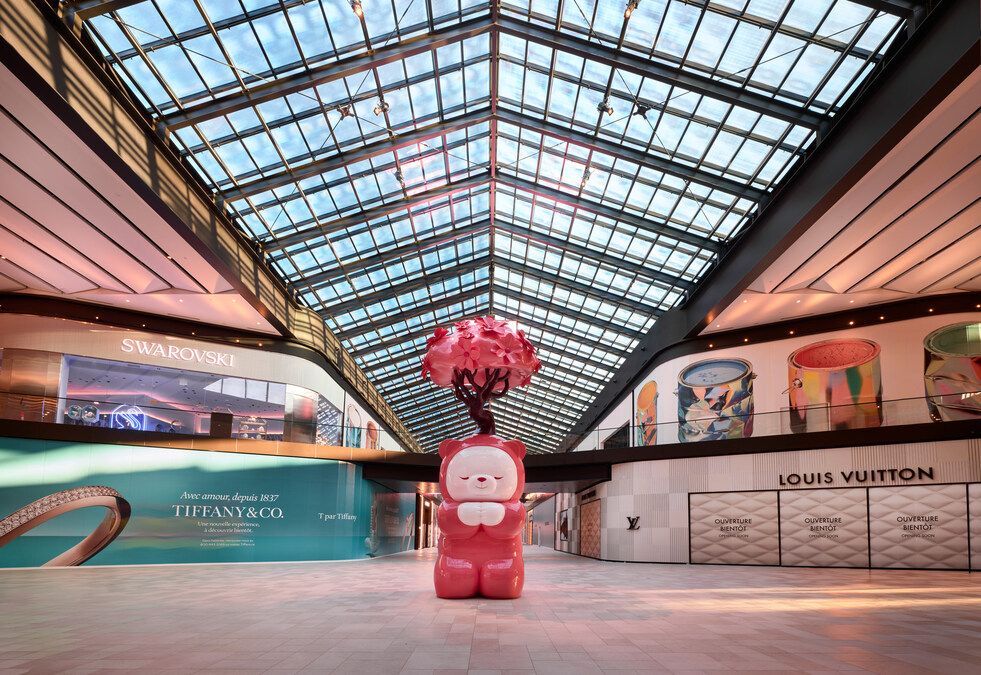
Harris’s analysis underlines the disconnect between the rapid expansion of luxury retail space and the stagnant growth in demand.
“The market hasn’t doubled, but the square footage has,” he said. He predicts that brands may face challenges in justifying these expansions, particularly as they continue to rely on affluent but finite consumer bases.
For instance, the affluent neighborhoods surrounding Toronto’s Yorkdale Shopping Centre offer a prime market for luxury goods. However, as Harris observed, “Opening a flagship store doesn’t necessarily create new customers; it just makes it easier for existing ones to shop.”
Harris also questioned whether this building boom simplifies shopping or simply overextends retailers. “Does opening a flagship store really expand your business, or does it just make it easier for customers to access your brand?” he asked.
Generational and Demographic Trends
The dichotomy between aspirational and true luxury consumers is a key theme in Harris’s analysis. “You have younger, aspirational buyers trading up,” he explained. “But the core luxury consumer is not growing at the same pace as the square footage.”
Younger buyers are often drawn to accessible luxury items, such as small leather goods or entry-level accessories. “These purchases are significant,” Harris said, “but they’re not driving the kind of sustained growth needed for these massive expansions.”
Long-Term Outlook for Luxury Brands
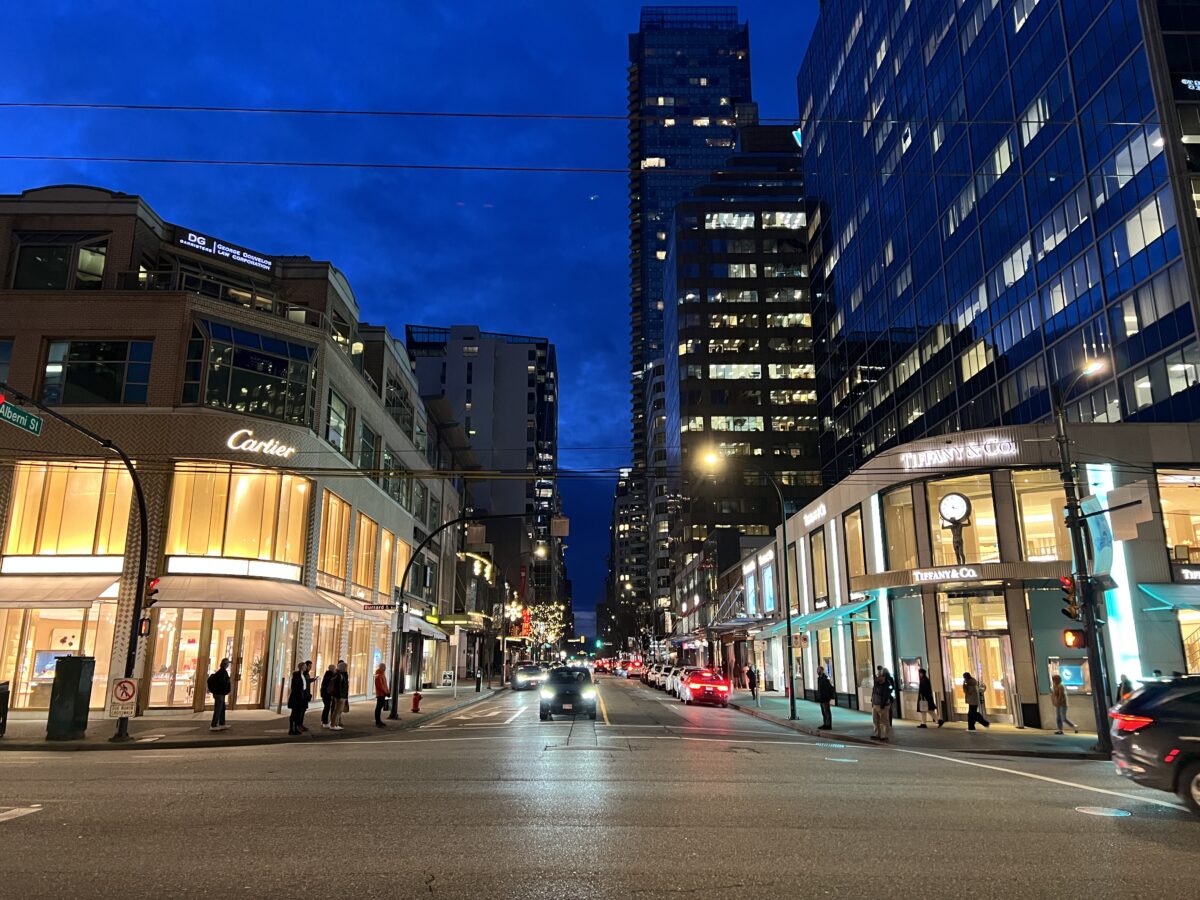
Despite current challenges, Harris is optimistic about the long-term outlook for some luxury brands. “Companies like Hermès and Saint Laurent are playing the long game,” he said. “They aren’t in any hurry and seem to be doing everything right.”
Harris noted that brands with measured, thoughtful approaches to growth are more likely to succeed. “The ones that avoid rushing expansions or overestimating the market will emerge stronger,” he said.
Brands like Hermès have demonstrated a commitment to quality and exclusivity, which helps maintain their appeal even during market slowdowns. “Hermès, in particular, has mastered the art of scarcity,” Harris said. “Their strategy ensures long-term desirability and brand equity.”
The Post-Pandemic Landscape
The effects of the COVID-19 pandemic continue to shape the luxury retail landscape. Harris noted that some expansions planned during the pandemic were based on overly optimistic forecasts. “Brands assumed the retail environment would bounce back faster than it has,” he said.
Additionally, the shift to e-commerce during the pandemic has left a lasting impact. While luxury consumers still value in-person shopping experiences, the convenience of online shopping cannot be ignored. “Retailers need to balance their brick-and-mortar investments with robust online offerings,” Harris advised.
Global Context for Luxury Retail
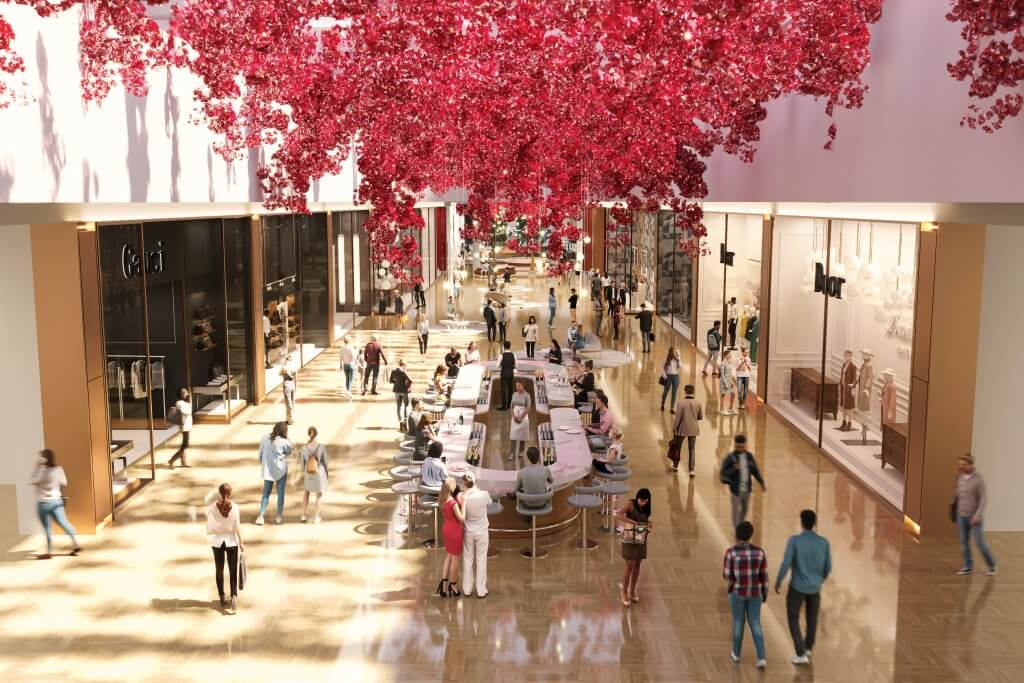
Harris also highlighted how Canada’s luxury retail trends align with global patterns. “The expansion of flagship stores is not unique to Canada,” he said. “It’s part of a broader strategy by luxury brands to solidify their presence in key markets.”
However, he cautioned that Canada’s smaller population and limited tourist appeal make it distinct from other luxury hubs like Paris or New York. “The scale here is different,” Harris explained. “Brands need to adjust their strategies accordingly.”
The future of luxury retail in Canada will depend on a delicate balance of market forces, including consumer behaviour, tourism, and global economic trends. Harris underscored the importance of aligning growth strategies with actual market demand. “It’s about more than just buildings; it’s about understanding where the market is headed,” he said.








I’m tired of luxury retail and would love to see more affordable retail that isn’t strictly online or bottom of the barrel in terms of quality/customer experience.
I always wondered how all of these shops were going to survive in the long run.