Founded in 2008, Nanuk has grown from a small Quebec-based manufacturer into a globally recognized brand specializing in ultra-durable protective cases. The company, originally known as Plasticase, was acquired by Walter Capital in 2018 and has since undergone a major transformation.
“We were a small SME with about 54 employees,” said José Chagnon, CEO of Nanuk. “Since then, we’ve tripled in size—revenue, staff, footprint, everything.”
Now operating under the new name Nanuk Gear Protection, the company aims to become a global lifestyle brand known for premium-quality cases and accessories—akin to what Yeti has become for coolers and outdoor gear.
“Our ambition is to become the Yeti of Canada,” Chagnon said. “We’re not just a case manufacturer anymore—we’re building a lifestyle brand.”

Strategic Expansion into New Markets
Nanuk’s growth has been fuelled by aggressive expansion in both product development and distribution channels. The company now does business in Europe, the U.S., and beyond.
“In 2018, we acquired a distributor in the Netherlands. Since then, our revenue in Europe has increased twelvefold,” Chagnon noted. “We also created a U.S. entity and launched our own e-commerce platform in 2020, just as the pandemic hit.”
During the pandemic, the company pivoted to meet urgent needs in the medical sector, providing protective cases for sensitive equipment like ventilators. That move helped Nanuk not only weather the crisis but accelerate growth.
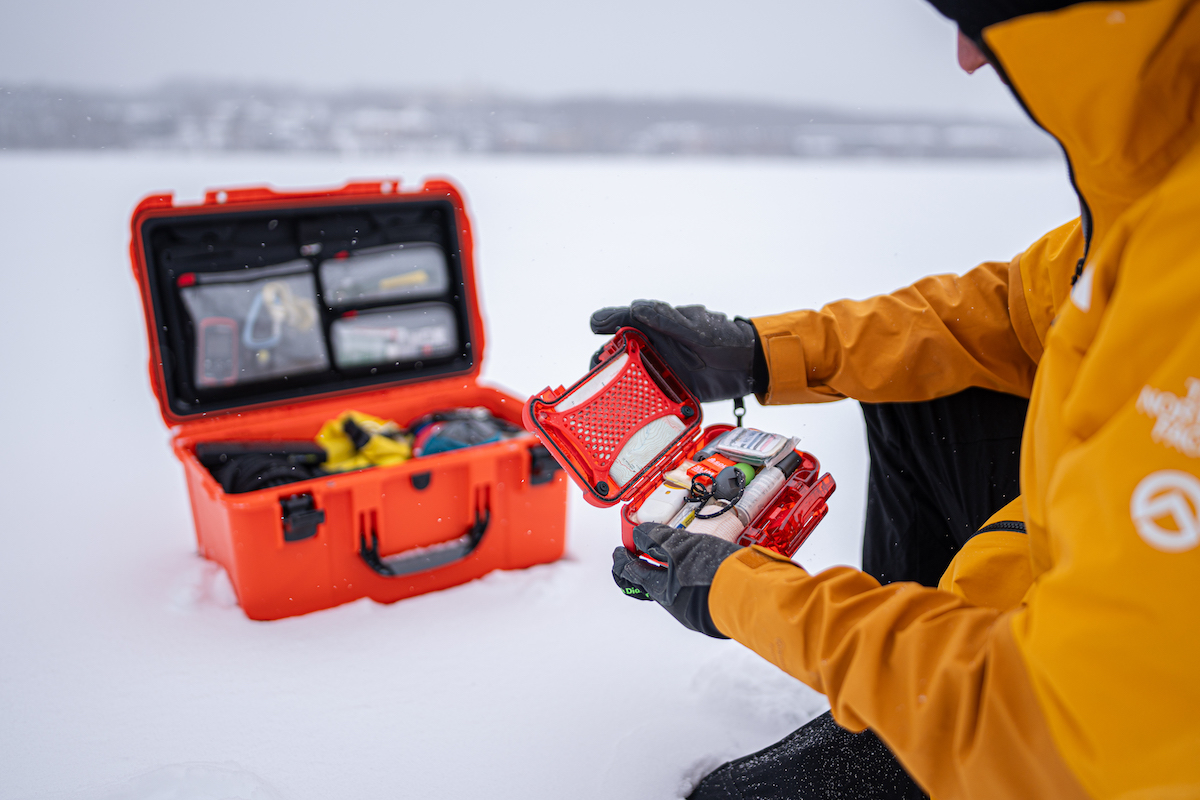
With commercial sales now accounting for 60–65% of its business, Nanuk is looking to increase consumer-facing sales. Its new backpacks, trail gear, and first aid kits are designed to broaden the brand’s appeal and reach.
Building Community Through Content
Nanuk has also been nurturing a robust online community, particularly in the photography and videography markets.
“We’ve been building up our community for years—on Instagram we have over 40,000 followers,” said Chagnon. “It’s not bad for a Quebec-based company.”
The brand’s cases are popular among photographers, drone users, and broadcasters, often sold through well-known retailers like B&H Photo in New York and Amazon, as well as Toronto-based retailers like Henry’s.
Championing Canadian Manufacturing
Manufacturing locally has remained a core part of Nanuk’s identity, even when global competition pressures companies to move production overseas.
“Yes, it can be more expensive than China,” Chagnon admitted, “but we have great partnerships and innovation here in Canada. Our products are molded and assembled locally, and 90% of our raw materials are sourced from Quebec and the rest of Canada.”
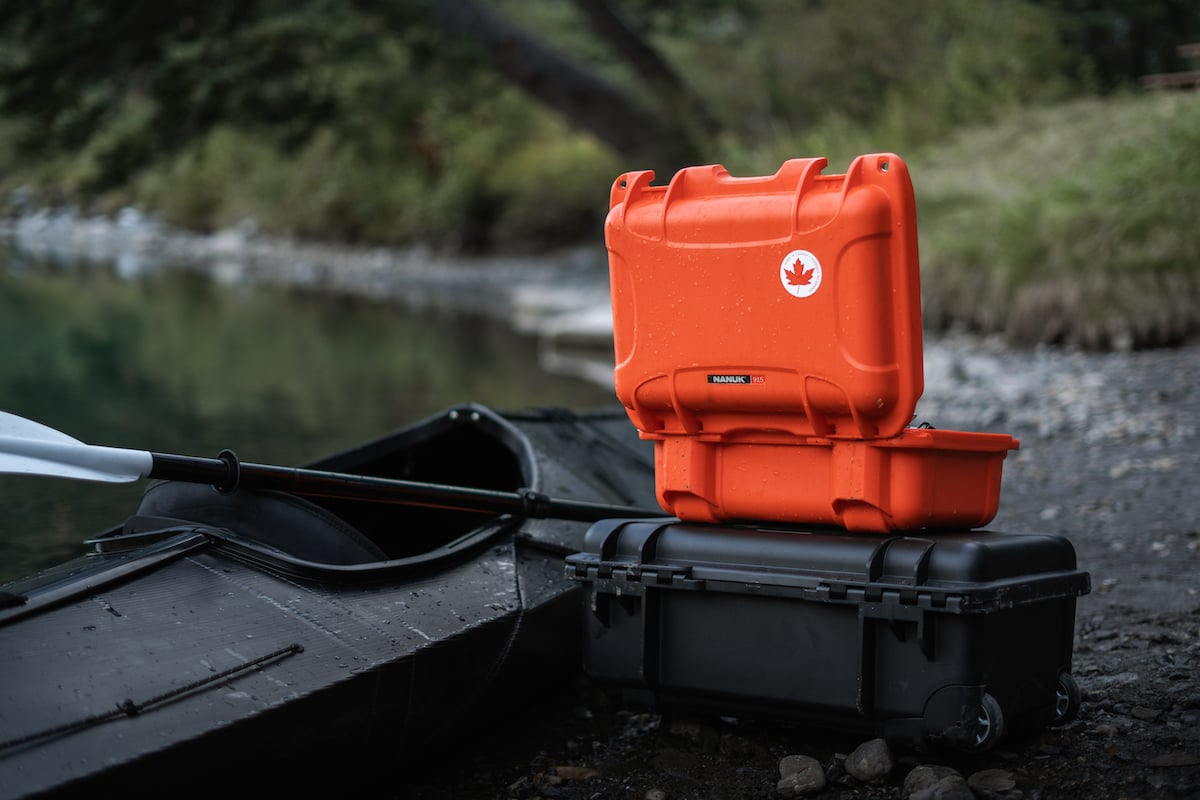
One of Nanuk’s proudest achievements is the development of its NANUK R product line, which uses post-consumer recycled plastic. This initiative—developed in partnership with Montreal-based LAVAN Group—cut the carbon footprint of each case by 50% on average.
“We’re the only company in the world producing protective cases with this type of post-consumer recycled material,” said Chagnon. “That innovation was only possible through local partnerships.”
Rethinking Supply Chains and Collaboration
Nanuk is also pushing for more inter-business collaboration in Canada to combat rising costs and improve productivity.
“If I’m shipping a 20-foot container to Australia and my neighbour is shipping another, we could combine shipments and split the cost,” Chagnon explained. “There’s so much potential in cooperative logistics.”
Chagnon is advocating for these kinds of solutions through his involvement in Quebec’s QG100 network—a group of mid-to-large exporters that share best practices.
“In Canada, we provide better living conditions for employees, and that has a cost. We need to collaborate more to remain competitive.”
Navigating Trade Uncertainty and Tariff Risks
One of Nanuk’s biggest challenges now is the looming threat of tariffs from the United States, where 60% of the company’s business originates.
“We’re preparing for the worst,” Chagnon said. “What happens if a permanent 25% tariff is imposed? We’re reviewing everything—corporate structure, spending, investments.”
Despite the threat, Nanuk has decided not to pass increased costs onto its U.S. customers.
“It wouldn’t be fair. These are partnerships we’ve built over 15 years. We’re going to honour our contracts and keep pricing stable,” he said.
To mitigate risk, the company is diversifying into Latin America, Europe, and Japan. “We’ll be in Japan in May to meet with potential distributors. It’s a huge market for photo and video.”
Eyeing the Canadian Market
Although based in Quebec, Nanuk still sees untapped potential at home. With many Canadian retailers still favouring U.S.-based protective case brands, Chagnon is pushing for more local representation.
“We’re a Canadian manufacturer, but our competitors dominate the Canadian market,” he said. “That’s something we’re working hard to change.”
Retailers like SAIL and Canadian Tire are starting to take notice. New collaborations are launching in April, including first aid kits developed with local suppliers and the new Trail Gear Connect Case Collection aimed at outdoor enthusiasts.
Expanding Product Line and Retail Footprint
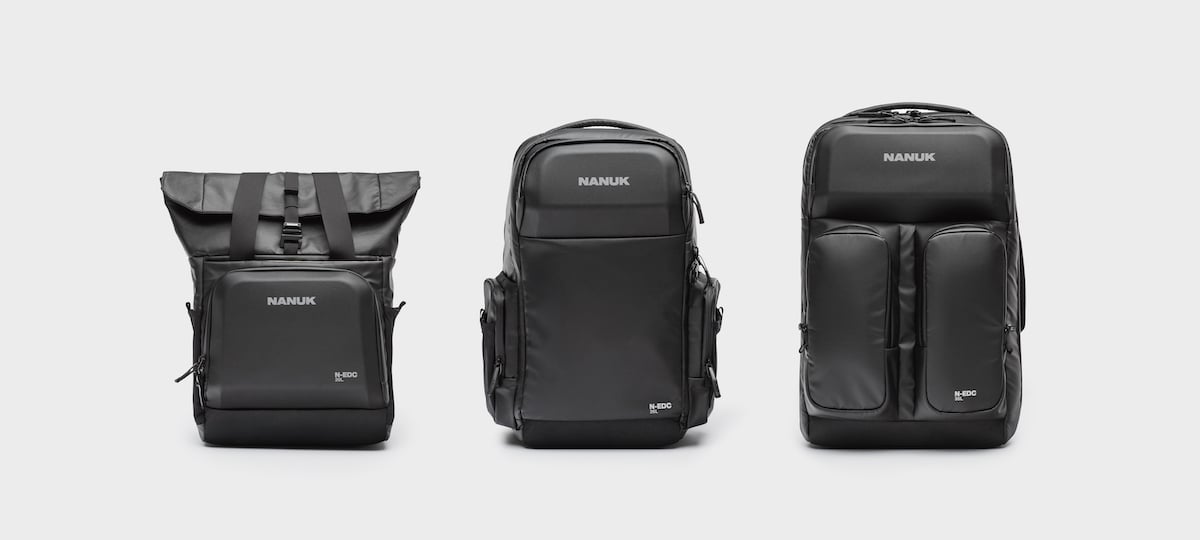
Nanuk is entering new verticals with confidence. Its recently launched EDC (Everyday Carry) backpack line is made in collaboration with a Colorado-based design firm and features durable, stylish designs with high-quality components like YKK zippers and RFID-blocking pockets.
“We’ve designed five sizes and are launching three this year,” said Chagnon. “It’s timeless, not trendy—it’s built to last.”
Other upcoming products include rifle cases, mission-critical transport gear, and expanded trail and first aid kits.
Nanuk is also in talks with Costco, Academy Sports, Bass Pro Shops, and other major U.S. retailers.
“Our products are designed with durability, function, and elegance in mind,” Chagnon explained. “When people touch and feel them, we win every time.”
Leading with Values and Long-Term Vision
At the heart of Nanuk’s business is a strong sense of responsibility—to employees, partners, and the environment.
“We have to preserve our values, even when times are tough,” said Chagnon. “We provide good jobs and support local suppliers. I’d encourage every business leader to reflect: Where are you sourcing from, and can you switch to a local alternative?”
Looking ahead, Nanuk has two clear goals: to achieve net-zero carbon emissions and to solidify its place as Canada’s go-to lifestyle brand for outdoor and protective gear.
“We want to become carbon neutral, and we want to become the Yeti of Canada,” Chagnon said. “That’s our mission—and we’re just getting started.”