

Rocky Mountain Bicycles, one of Canada’s most recognized mountain bike manufacturers, has entered a new era following its acquisition by Chaos Sports Inc., a group of four Canadian entrepreneurs. The new ownership group has pledged to honour the legacy of the West Coast brand while rebuilding its global footprint and resuming its R&D operations in North Vancouver—the birthplace of modern freeride mountain biking.
The acquisition marks a turning point for the 43-year-old company, which filed for creditor protection in late 2024 amid a combination of financial and operational challenges. The transition is being framed as both a return to Rocky’s roots and a move toward long-term sustainability under experienced Canadian leadership.
Returning to the North Shore
As part of the revitalization effort, Rocky Mountain will re-establish its research and development hub in North Vancouver. This move signals a homecoming for the brand, which owes much of its international reputation to the challenging terrain and mountain biking culture of British Columbia’s North Shore.
The new owners have stated that the company’s rider-first design ethos and deep integration with the trail-building and mountain biking communities will remain central to its mission. In addition to investing in new product development, the group has reaffirmed its commitment to the performance and durability standards that have defined Rocky’s bikes for decades.
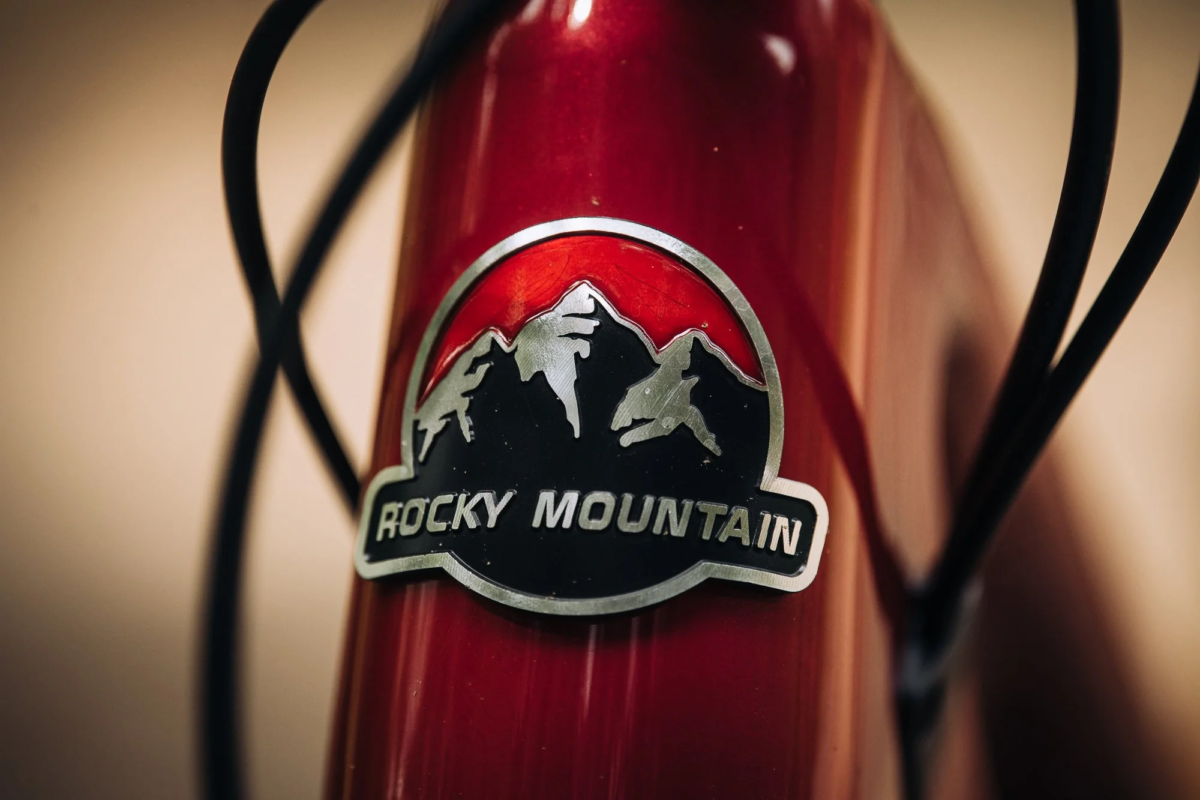
Meet the New Owners: Canadian Expertise in Outdoor and Distribution Sectors
Chaos Sports Inc. brings together four seasoned professionals from Canada’s outdoor and sporting goods industries, each contributing a unique set of skills that align with the needs of Rocky Mountain Bicycles.
Jonathan Bourgeois is known for co-founding Raccoon Skis and is a partner at Maui Bikes, a Quebec-based e-bike company. He brings deep experience in product innovation and outdoor culture, which will be critical as Rocky Mountain looks to refresh its lineup and expand into new markets.
Christian Thibert serves as president of Thibert Inc., a major player in North American distribution. His extensive background in logistics and retail strategy is expected to strengthen Rocky Mountain’s operational foundation and support its ambitions for scaled international growth.
Patrick St-Denis brings brand development expertise shaped by roles at Oakley and The North Face. His understanding of global branding and consumer engagement will be instrumental in modernizing Rocky Mountain’s marketing approach while preserving its core identity.
Jean-François Grenache rounds out the team with a strong reputation for turning around brands in challenging markets. His leadership experience is expected to play a key role in revitalizing Rocky Mountain’s business operations post-restructuring.
Together, the ownership group aims to restore stability, reinforce the company’s Canadian roots, and position the brand for long-term success in the global cycling industry.
From Grassroots Beginnings to Global Influence
Founded in 1981, Rocky Mountain Bicycles has played a pivotal role in the evolution of mountain biking in Canada and abroad. Its origins trace back to 1978, when three cycling enthusiasts—Grayson Bain, Jacob Heilbron, and Sam Mak—began modifying Nishiki road bikes to handle the demanding trails of the British Columbia backcountry. Collaborating with frame builder Tom Ritchey, they launched Canada’s first purpose-built mountain bike, the Sherpa, in 1982.
Over the following decades, Rocky Mountain became synonymous with innovation and performance. Milestones included the 1989 launch of the Stratos, its first aluminum production bike, and the 1993 creation of Race Face Bicycle Components to support high-performance cycling parts. Technologies like the Ride-9 geometry adjustment system and RTC (Race Tuned Concept) reinforced the brand’s image as a leader in performance customization.
Rocky Mountain was acquired by Quebec-based Procycle Group in 1997. Although it maintained its Vancouver-based operations, the acquisition allowed for expanded distribution and manufacturing capabilities. In 2018, Procycle rebranded itself as Rocky Mountain to unify its identity and simplify marketing efforts globally.
Despite efforts to streamline operations, the company faced mounting challenges in the years that followed—particularly in the post-pandemic market environment.
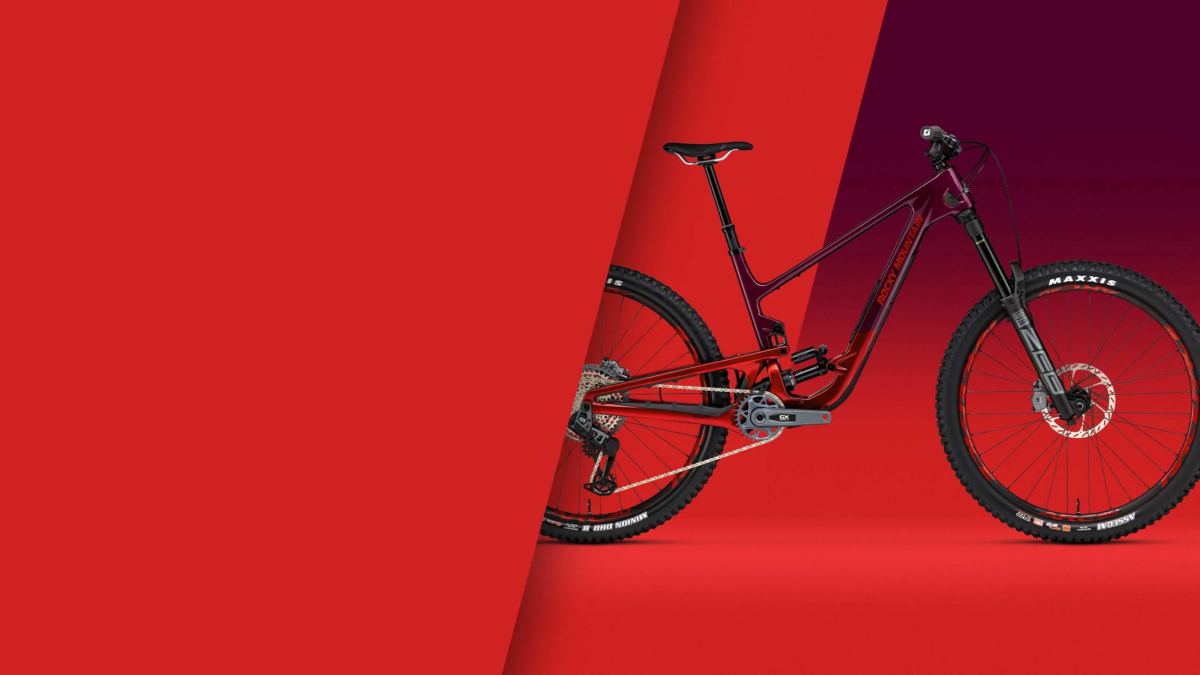
Financial Crisis and CCAA Filing
On December 19, 2024, the company’s parent entity, RAD Industries Inc., filed for protection under Canada’s Companies’ Creditors Arrangement Act (CCAA). With debt totalling approximately CAD $70 million, the filing marked a critical juncture in the company’s history.
Two key factors contributed to Rocky Mountain’s financial instability:
- Supply Chain Disruptions During the Pandemic: While demand surged for outdoor recreation during the COVID-19 pandemic, supply chain breakdowns hindered Rocky Mountain’s ability to source critical components. This imbalance led to soaring production costs.
- Post-Pandemic Market Decline: As demand normalized, bicycle prices dropped significantly. Combined with earlier inflated production costs, the company’s profit margins deteriorated rapidly.
In response to these pressures, Rocky Mountain implemented workforce reductions, including layoffs at its North Vancouver headquarters. Nonetheless, the company maintained operational continuity for warranty claims, technical support, and parts during the restructuring period.
Court Oversight and Strategic Sale
The CCAA proceedings were overseen by the Superior Court of Québec (Commercial Division), with Ernst & Young appointed as the court monitor. Under the court-supervised Sales and Investment Solicitation Process (SISP), Rocky Mountain actively sought buyers and investors to secure a viable future.
The sale to Chaos Sports Inc. was finalized in May 2025. The group’s bid was selected for its alignment with the brand’s identity, experience in outdoor and cycling sectors, and commitment to revitalizing operations in British Columbia.
Looking Ahead: A Canadian Comeback
The new owners have not released detailed financial terms of the transaction, but have confirmed that the brand will continue to operate under the Rocky Mountain name. Immediate priorities include restoring the North Vancouver R&D centre, stabilizing supply chains, and building global partnerships.
The acquisition signals a renewed focus on product innovation, grassroots engagement, and expansion into international markets where demand for high-performance mountain bikes remains strong. With a foundation built on trail-tested durability, Canadian identity, and a loyal rider community, Rocky Mountain Bicycles now enters a new era with ambitious plans to ride further and faster than ever before.







Hello, We are a specialist bicycle store (Evo2 Store). Do you now have the name of the distributor in France or Europe please? Thank you, Stéphane Ribet