For decades, mannequins in Canadian stores served a simple function: neutral, static forms designed for ease and cost efficiency. Today, that is changing dramatically. “It used to be a neutral mannequin with legs straight, arms straight, little soldiers all in a row,” said Leif Anderson, CEO of Montreal-based Gender Mannequins, in an interview with Retail Insider.
This uniform approach was driven by practical considerations. Identical mannequins were easier to manufacture, dress, and maintain. They aligned with the minimalist retail aesthetic that dominated global fashion for years. But as Anderson notes, minimalism’s reign is coming to an end.
“Over the last 10 years, minimalism became too much the norm, and it’s getting a little boring,” he explained. “You’re definitely starting to see some of the more adventurous retailers breaking out.”
Moving Toward Storytelling and Personality
Retailers are increasingly using mannequins to create storytelling vignettes that connect emotionally with shoppers. These displays replace static rows with dynamic groupings designed to resemble real-life scenarios.
Anderson observes that this trend is well established in Europe and is now arriving in Canada — though, as he points out, “Europe is always about three years ahead.”
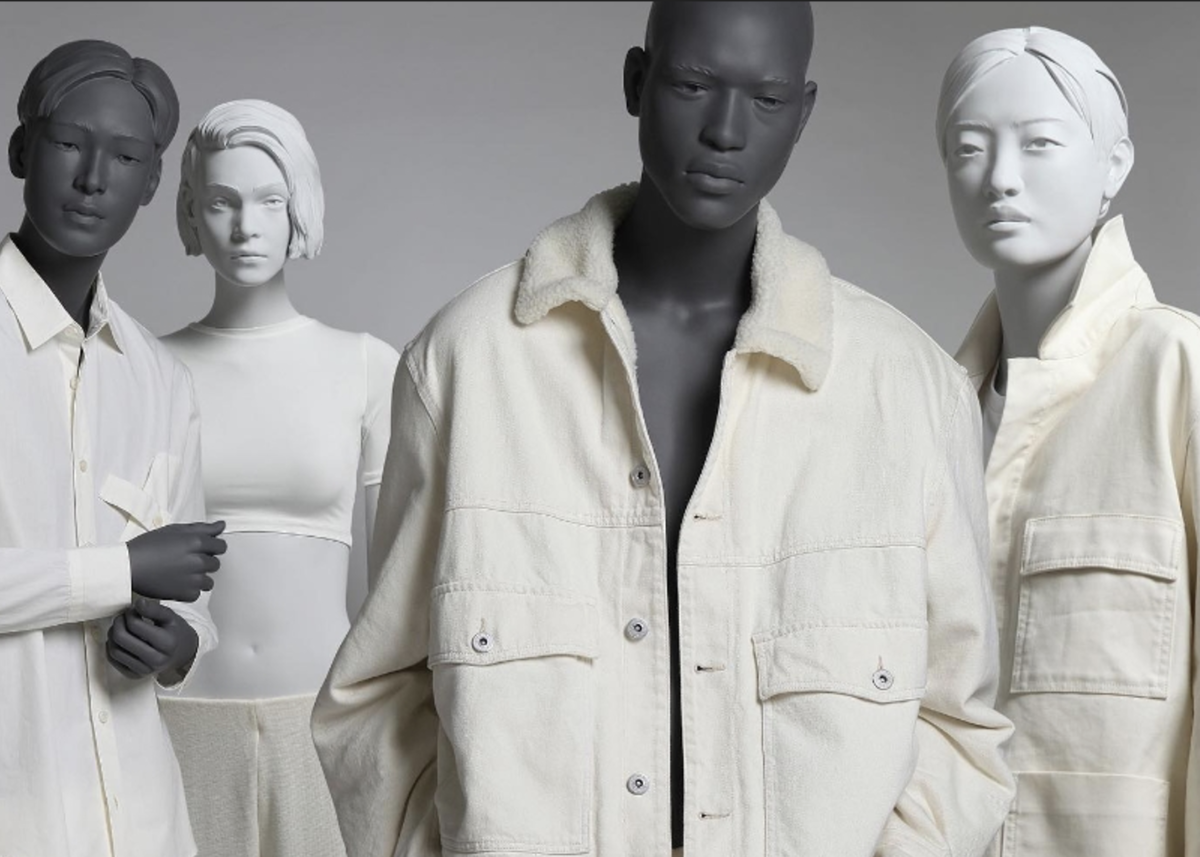
The difference is striking. Instead of oval-headed mannequins in neutral poses, stores are experimenting with sculpted features, diverse ethnic representations, and even interactive layouts. “All this creates a storytelling dynamic,” Anderson said. “It attracts the customer in a different way.”
Inclusivity and Realistic Body Types
Beyond aesthetics, inclusivity is reshaping mannequin design. While slim, model-like forms remain common, brands are increasingly adding plus-size mannequins and realistic proportions to reflect consumer diversity.
“Plus size is important. I always encourage it,” Anderson said, citing examples such as Reitmans and Knix, which have embraced multiple body types in their displays. His company even offers mannequins with mid-range proportions, neither ultra-thin nor plus-sized, ideal for lingerie and swimwear presentations.
These shifts matter because representation resonates with consumers, reinforcing brand values of authenticity and inclusivity.
Colour Trends and Materials: Goodbye Glossy White
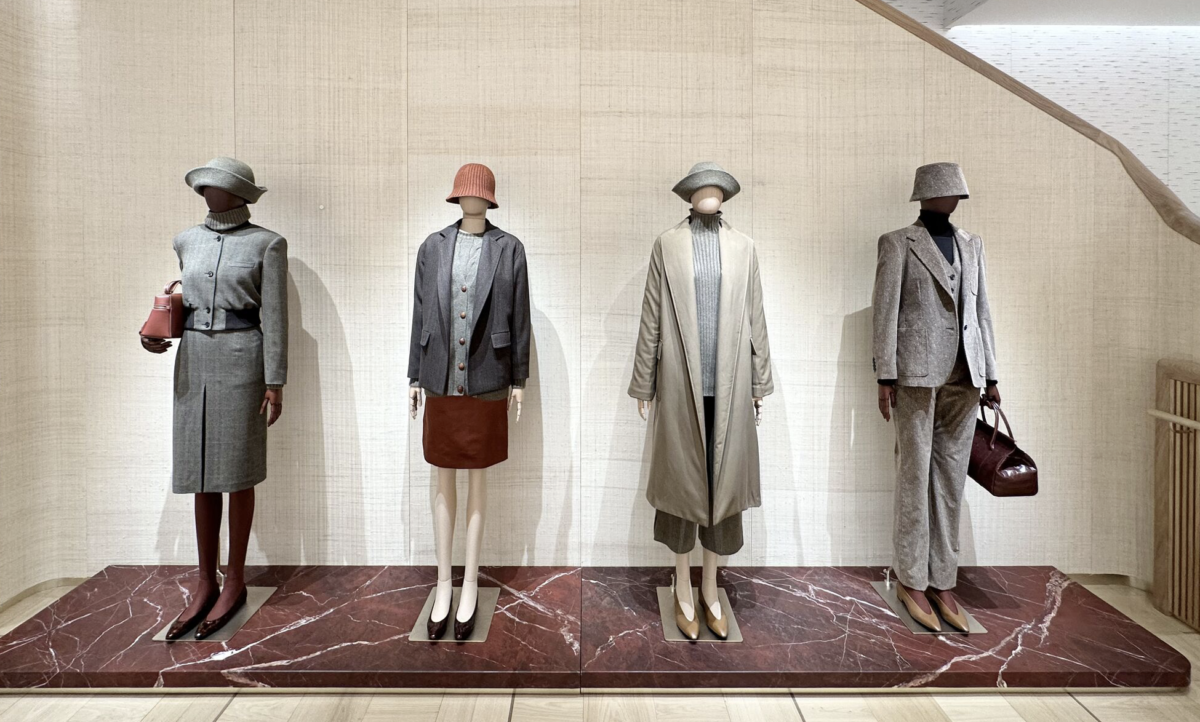
Colour is another major change. “The white mannequin is dead. Dead, dead,” Anderson declared. Today’s mannequins feature soft greys, alabaster tones, and finishes that harmonize with a store’s overall palette.
Glossy finishes, once a hallmark of luxury, have been abandoned in favour of matte and fabric-covered surfaces. Fabric mannequins paired with articulated wooden arms are a current favourite among premium retailers, offering warmth and texture that complement minimalist interiors.
Luxury brands often lead these shifts. “Right now there seems to be a huge wave of the fabric-covered mannequin with articulated arms,” Anderson said. “They’re everywhere, and they’re beautiful.”
Luxury vs. Mass Market Approaches
While high-end retailers push boundaries, fast fashion chains typically adopt trends more cautiously. Still, as consumer expectations evolve, even mainstream brands recognize the need for visual storytelling and differentiation.
Anderson notes that companies with fewer physical stores, focusing on strong flagships rather than sprawling networks, are investing heavily in in-store presentation. “Instead of having 300 stores, they’ll have 20 great stores with great visual impact,” he said. “That emotional imprint is what brings people back, even when they shop online.”
Window Displays: A Resurgent Art Form
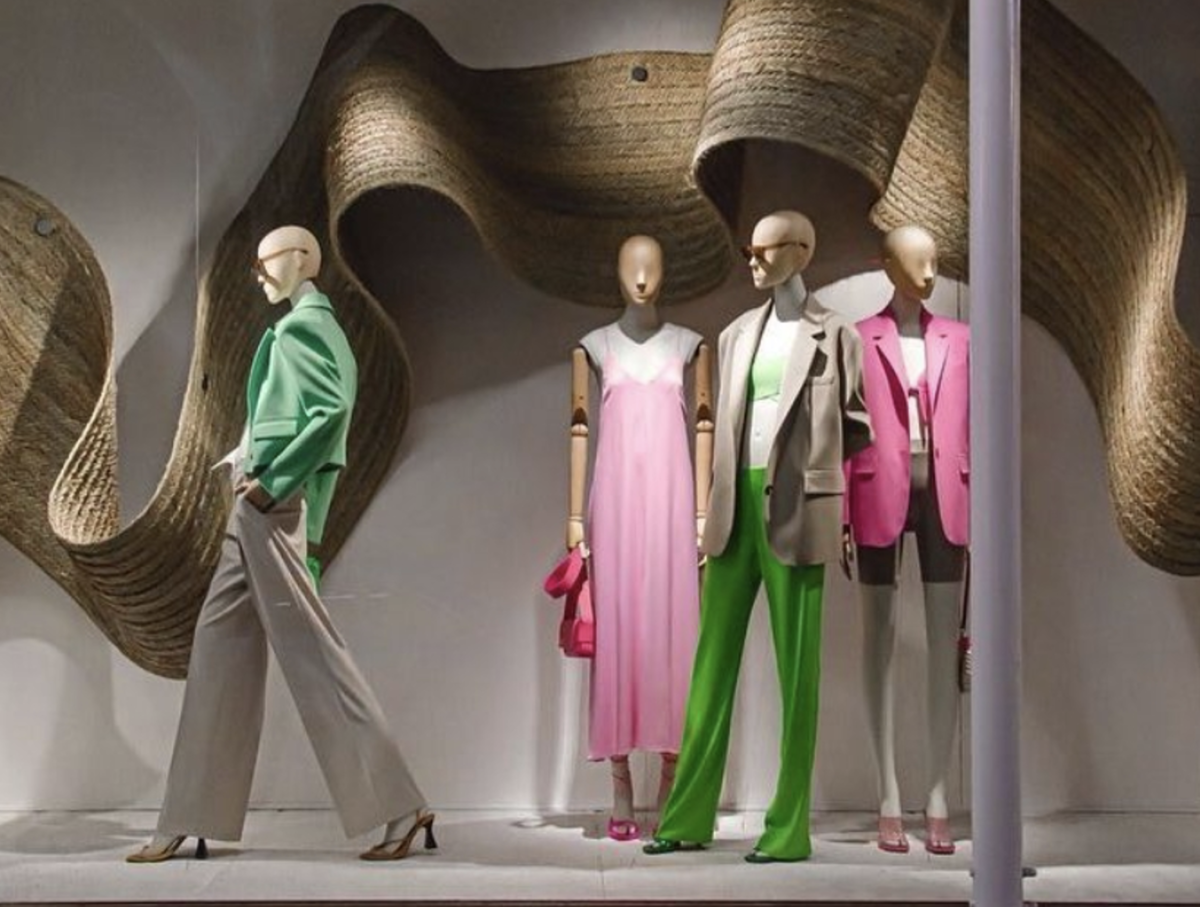
After years of neglect, window displays are making a comeback. “Minimalism was very strong, but now you’re seeing people start to make those little pockets of storytelling,” Anderson said. He credits Simons, Canada Goose, and Holt Renfrew as Canadian leaders in visually striking displays.
International players like Uniqlo also stand out for using volume and colour to create bold, inviting windows. These efforts matter because street-facing displays remain a powerful tool for capturing attention and drawing customers inside.
Environmental Challenges of Mannequin Lifecycle
One challenge rarely discussed is what happens when stores close. The recent closure of Hudson’s Bay locations, for example, flooded the secondary market with thousands of mannequins. While bargain hunters snapped up inventory, Anderson warns that repurposing mannequins isn’t as simple as it sounds.
“The problem with secondhand mannequins, especially if you’re buying in bulk, is huge,” he said. “To refurbish a mannequin costs a minimum of $250. It’s like getting a car painted, you need the same facility.”
Many of these mannequins, damaged or outdated, ultimately end up in landfills, highlighting sustainability concerns in visual merchandising.
The Business Case: Why Mannequins Matter
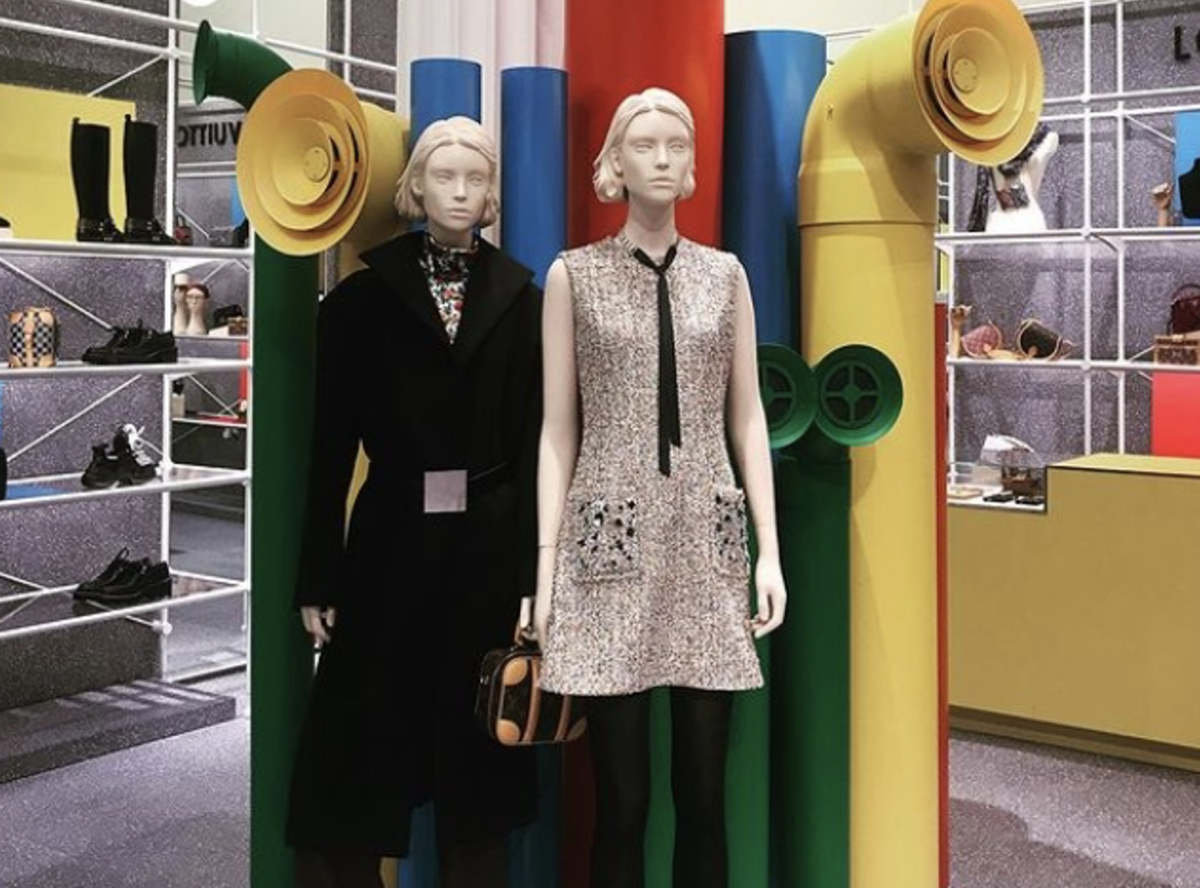
Beyond aesthetics, mannequins drive sales. According to Anderson, a garment displayed on a mannequin can sell 30% more than the same piece on a hanger. Conversely, poor-quality displays can hurt sales by the same margin.
“Bad displays can hurt your sales by 30%,” he cautioned. “Having an ugly mannequin with a scratch on its face will hurt your sales. Having something beautiful will increase them.”
This underscores why leading retailers are hiring specialized visual teams, a practice that declined in recent decades but may soon return. “You could feel it coming back,” Anderson said, noting that some brands are once again investing in dedicated window dressers and visual specialists.
Looking Ahead: European Influence and Canadian Adoption
What’s next for Canada? Expect more sculpted heads, ethnic diversity, and mannequins posed in movement — walking, running, even interacting. Anderson points to New Balance’s new flagship on Montreal’s Sainte-Catherine Street as a prime example of European-style visual merchandising making its way to Canada.
“These mannequins have character,” he said. “They use sculpted heads with sculpted hair, different colours, and very ethnic-looking faces, which are super popular in Europe right now.”
As retailers work to differentiate themselves in an increasingly digital landscape, the role of physical store design and by extension, mannequins, will only grow. Visual storytelling, inclusivity, and craftsmanship are no longer optional. They are central to the retail experience.