

A new national study released by Too Good To Go in partnership with Dalhousie University’s Agri-Food Analytics Lab is shedding urgent light on how Canadians interpret best before dates, how those interpretations drive food waste, and the financial toll this confusion creates in households across the country. The findings suggest that misreading or overvaluing best before dates has become a significant contributor to unnecessary waste, costing Canadians hundreds of dollars each year at a time when food affordability remains one of the country’s most pressing concerns.
To better understand the results and their implications for consumers, retailers, and policymakers, Retail Insider spoke with Dr. Sylvain Charlebois, Director of the Agri-Food Analytics Lab and one of Canada’s leading food system researchers. His perspective reinforces the study’s key message: Canadians believe best before dates carry a level of scientific certainty that they were never designed to provide, and this misunderstanding has real financial and environmental consequences.

A Study Designed to Measure Lost Value in Canadian Households
The 2025 study collected responses from more than 1,000 Canadians, examining how consumers interpret various food date labels, how confident they feel about those interpretations, and how best before dates influence household waste patterns. The research also estimated the average financial cost of food Canadians discard because those dates have passed.
The response data revealed a consistent theme. Most Canadians rely on best before dates as a definitive indicator of safety, even though the dates are not intended for that purpose. The result is substantial waste. According to the report, households throw out an estimated 0.38 million metric tonnes of edible food each year due specifically to misinterpretation of date labels. That volume represents nearly one quarter of all avoidable household food waste.
For Dr. Charlebois, this was not surprising. “We are throwing away a lot of money, essentially,” he said. “A lot of people think that there is a lot of substance to these dates, but not really. People need to know what these dates actually mean.”
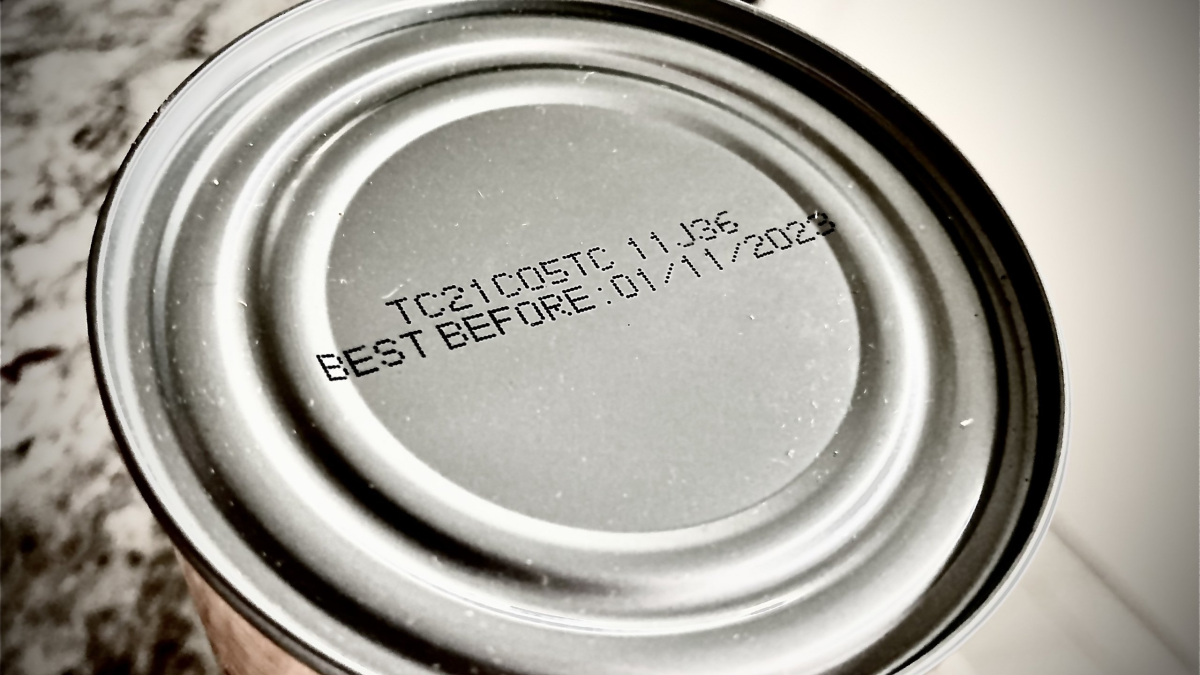
Best before dates are created to reflect quality, not safety, yet the study shows that many consumers do not know the distinction. Three in ten Canadians cannot correctly identify what a best before date represents. Confidence is high, but understanding is low, a combination that leads to predictable wasteful behaviours.
Household Costs That Add Up Quickly
The financial dimension of the study is where the impact becomes stark and relatable. On average, Canadians estimate they discard $761 worth of food annually because it has reached its best before date. One third of that amount, or approximately $246, is waste driven directly by confusion around best before dates. For a household managing rising grocery bills, that amount represents a meaningful opportunity to save.
The study also found that sixty-three percent of Canadians rely exclusively on best before dates to determine whether a food item is still edible, rather than using sensory evaluation such as smell, taste, or texture. Dairy products in particular seem to trigger the most caution. More than half of respondents said they discard yogurt or other dairy items immediately after the printed date, even if the product still appears fresh.
Dr. Charlebois emphasized that many Canadians instinctively treat these dates as hard rules. “Some people have nose tolerance and want to be careful, but if you are healthy and your immune system is healthy as well, why not take a chance,” he said. “Best before does not mean after. It does not mean unsafe. People need to be more proactive in how they evaluate the food they have.”
Packaged Goods Drive Some of the Most Surprising Waste
While consumers often associate risk with perishables like meat or dairy, the study found that packaged goods are at the center of much of the misunderstanding. In extreme examples, consumers discard products like honey, sugar, or salt after a printed date has passed, even though these foods do not spoil. Cereal and bottled beverages also commonly carry dates, encouraging consumers to discard them prematurely.
“Right now in Canada, there are best before dates on honey, sugar, salt, products that never go bad,” Dr. Charlebois noted. “People rely on these dates and take them as a point of reference, but you want to be more judgmental in terms of what they actually mean.”
He also pointed out the confusion surrounding bottled water, which in some cases has a date stamp even though the product itself cannot expire. Only the plastic packaging changes over time, yet consumers assume the liquid has somehow turned unsafe.
These examples illustrate why younger consumers appear particularly vulnerable to confusion. Among Gen Z respondents aged eighteen to twenty-four, forty percent did not know the meaning of best before dates, the highest of any demographic group. This same cohort also reported some of the highest rates of discarding items that look safe to eat.
A Shift in Consumer Behaviour During Times of Inflation
The study suggests that high food inflation has caused some Canadians to rethink how they interpret best before dates. With grocery costs steadily rising, respondents indicated they are stretching food longer than they would have in the past, rather than disposing of items automatically at the printed date.
“A few years ago, people actually threw away food before the best before date just to be sure,” Dr. Charlebois said. “But now they are stretching their dollars as much as possible. Understanding what these dates mean is very critical.”
Nearly two thirds of Canadians say they now consider food costs when deciding whether to eat a product past its best before date, and seventy-three percent cite financial motivation as a key reason they want to reduce waste.
This shift presents an opportunity for education, retailers, and policy makers to help consumers make informed decisions that save money and reduce waste without compromising safety.
How Retailers Can Support Better Consumer Decisions
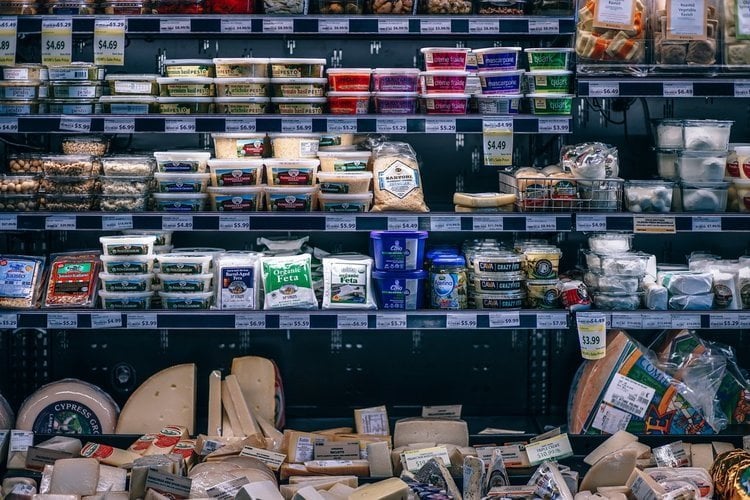
The research also provides insight into how Canadians shop and how best before dates influence behaviour at the shelf. Seventy-eight percent of respondents said they intentionally choose items with the farthest future best before date when shopping for groceries. Even when consumers know they may use the product quickly, the force of habit remains strong.
According to Dr. Charlebois, this behaviour is rooted in the way consumers view time when they shop. “Every time people go to the grocery store, they do not just buy food. They buy time,” he said. “They look for these dates because they want to make sure that when they come back from a trip or get busy, they are not wasting food.”
Retailers have an opportunity to help consumers better understand how to evaluate freshness and safety beyond a printed date. This could include clearer signage, staff education, or in-store information campaigns. Some retailers already offer discounts on items approaching their best before date, a practice that not only reduces waste but increases accessibility for cost-conscious consumers.
Dynamic pricing may also play a larger role in the future. When asked whether pricing strategies could help address waste, Dr. Charlebois agreed they can. “That could be one way to do it,” he said. “There is a secondary food rescue economy developing because people actually have more time to look for bargains.”
Apps like Too Good To Go offer another approach, enabling consumers to purchase surplus food directly from restaurants or retailers at a significant discount. “It tells you if there is overstock in whatever businesses have food available,” he noted. “You can pick it up, which is really useful. It is dealing with it more in real time.”
Is Government Intervention Needed?
The study also examined Canadians’ views on whether best before dates should be eliminated altogether. The results reveal that only twenty-seven percent of participants support removing the dates entirely, demonstrating that consumers see them as helpful even if they misinterpret them.
“People look at these dates a lot,” Dr. Charlebois said. “It is the interpretation that needs to change. I think perhaps the government should play a role in that regard.”
Rather than eliminating date labels, the research suggests governments can focus on education. Eighty-six percent of respondents said they would benefit from more information about how best before dates work, what they signify, and how they differ from expiry dates, which indicate safety rather than quality.
Clearer national guidelines or standardized labeling could help bridge these gaps in consumer understanding. Educational materials can also be distributed through community organizations, schools, or public health partners.
Technology and the Future of Food Labeling
While date labels have been used for decades, emerging technologies are beginning to shift how freshness and safety can be measured. Smart labels, which monitor the condition of a product in real time, are already being piloted. These labels can detect the presence of pathogens, changes in temperature, or other indicators of food quality and then visually alert consumers by changing colour.
“We are in an era where there are smart labels telling people when food is no longer edible,” Dr. Charlebois explained. “The technology exists. If you have yogurt in your fridge and there is the presence of pathogens, a label can turn from green to yellow to red. It is just costly at this point.”
As technology becomes more affordable, such tools could help consumers make safer and more accurate decisions about edibility. This would significantly reduce food waste driven by overly cautious interpretations of best before dates.












And not a word about using number for months. My soup says best before 10/12/2025. Us that October 12th or Dec 10th, since there is no world wide or Canadian recognized standard that I am aware of. So print the darn thing the correct way … Oct/12/2015,
I was just complaining about this!!