iStore is preparing for its next phase of growth in Canada and the United States with a strategic expansion plan that includes new airport stores and a rapidly growing automated retail program. The Montreal-based tech retailer, known for its blend of stylish product curation, airport-focused operations, and high-visibility merchandising, is scaling in response to rising demand for convenient travel tech solutions. CEO Joel Teitelbaum says the company is positioned for a strong year ahead as consumer expectations shift and automated retail gains momentum in airports across North America.
In an interview with Retail Insider, Teitelbaum detailed the company’s current footprint, operational model, and plans for expansion, along with insights on the fast-evolving dynamics of airport retail. The iStore expansion strategy includes new store openings in major US airports beginning in 2026, a rollout of automated machines in Canadian airports including Toronto Pearson International Airport, and future growth into secondary airports, hotels, conference centres, universities, and hospitals.
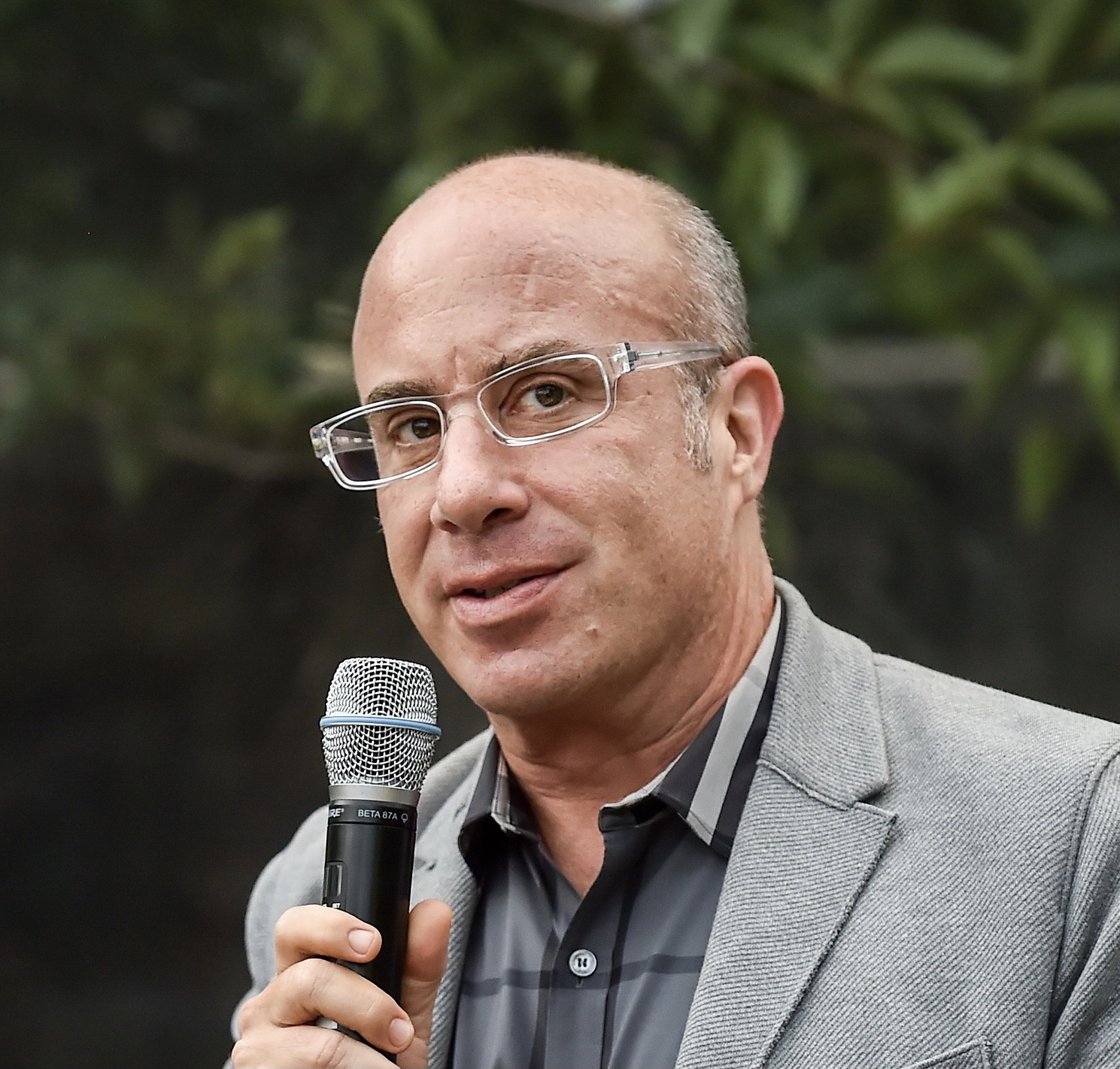
The company now operates nearly forty airport stores, with a network of more than fifty automated retail machines, and plans to reach forty stores early next year. Teitelbaum says the combination of travel retail, automated vending technology, and high-margin private label products is helping the brand scale in a category where margins are traditionally among the most challenging in retail.
A Growing Footprint Across North America
Teitelbaum says the company has reached a new milestone in its physical network. “We are almost at forty retail stores across North America. We will hit thirty eight next month, and we expect to reach forty early next year,” he explained. The newest addition will be iStore’s second location in Detroit, opening in December.
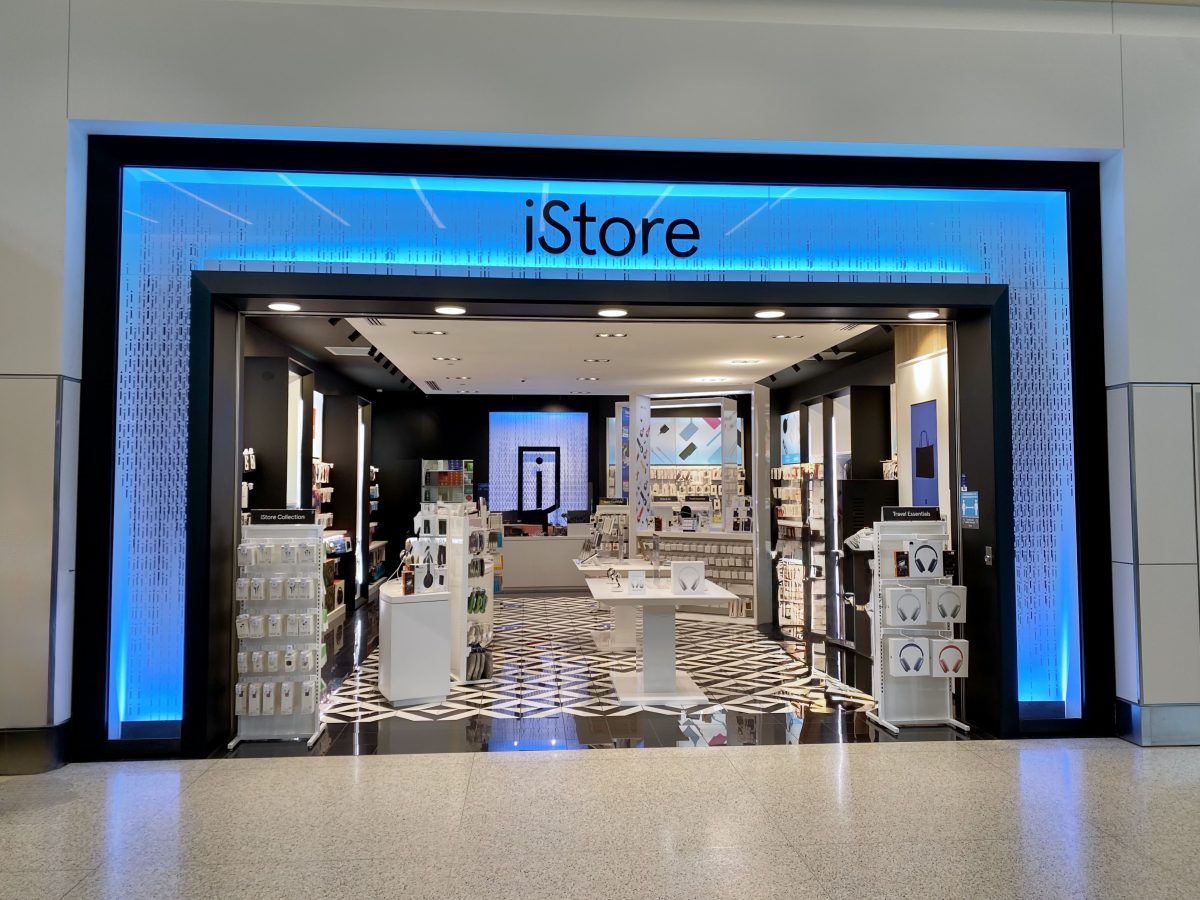
iStore and its diffusion banner, iStore Express, now operate thirty eight stores, with nine Canadian locations in major airports including Montreal, Toronto, Vancouver, Edmonton, and Ottawa. Teitelbaum notes that airports remain iStore’s primary focus, although the retail model continues to evolve due to the unique environment in which airport retail operates.
Airport operations require constant adaptation as terminals redevelop, gates shift, and non-retail uses are reallocated. Teitelbaum says that over the years the company has opened and closed nearly as many stores in Canada as it has launched, due in part to continual airport reconfigurations. Despite this, iStore expansion remains an ongoing priority, particularly as airports continue upgrading their commercial offerings.
Inside the iStore Retail Model
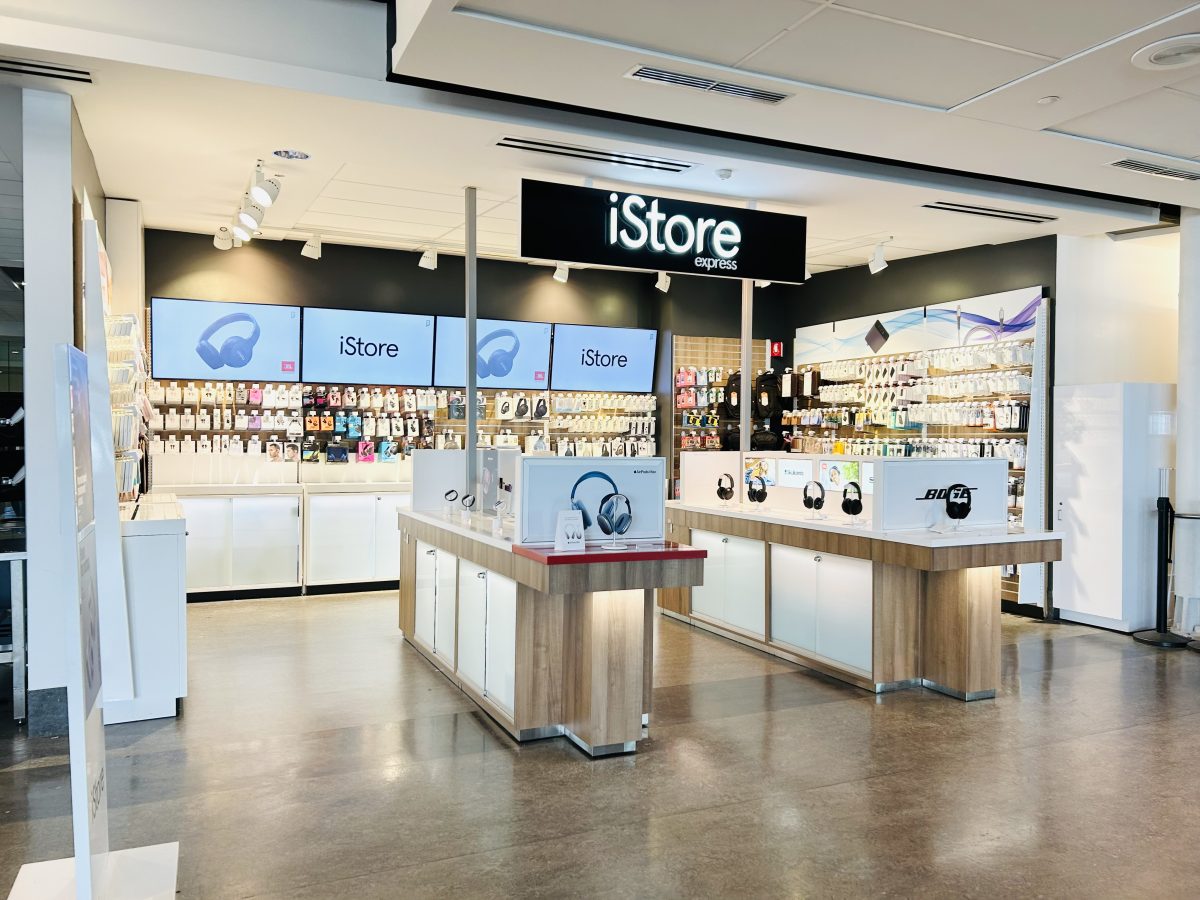
iStore operates under two fascias. The main iStore brand consists of fully built-out larger stores designed for high-traffic areas, while iStore Express locations occupy smaller footprints with lower traffic volumes. The model allows the company to operate efficiently in varied locations while maintaining brand presence in key terminals.
The company does not operate its stores directly. Instead, it partners with major travel retail operators such as Lagardère Travel Retail, a global leader with more than five thousand stores in fifty countries. “These companies are expert in travel retail. We do not actually own or operate any of our retail spaces. Our partners handle operations, and our model fits airport retail because it aligns with the RFP system airports use,” Teitelbaum explained.
The RFP process creates long lead times for new stores. Teitelbaum notes that iStore opened a new store in San Diego last month that was awarded in 2021. This makes long-range planning essential. Despite these constraints, the company expects to open at least six new stores in 2026, including locations in Atlanta, Dallas, Chicago O’Hare, San Antonio, and San Jose, with a potential sixth site still under wraps.
Automated Retail Gains Traction
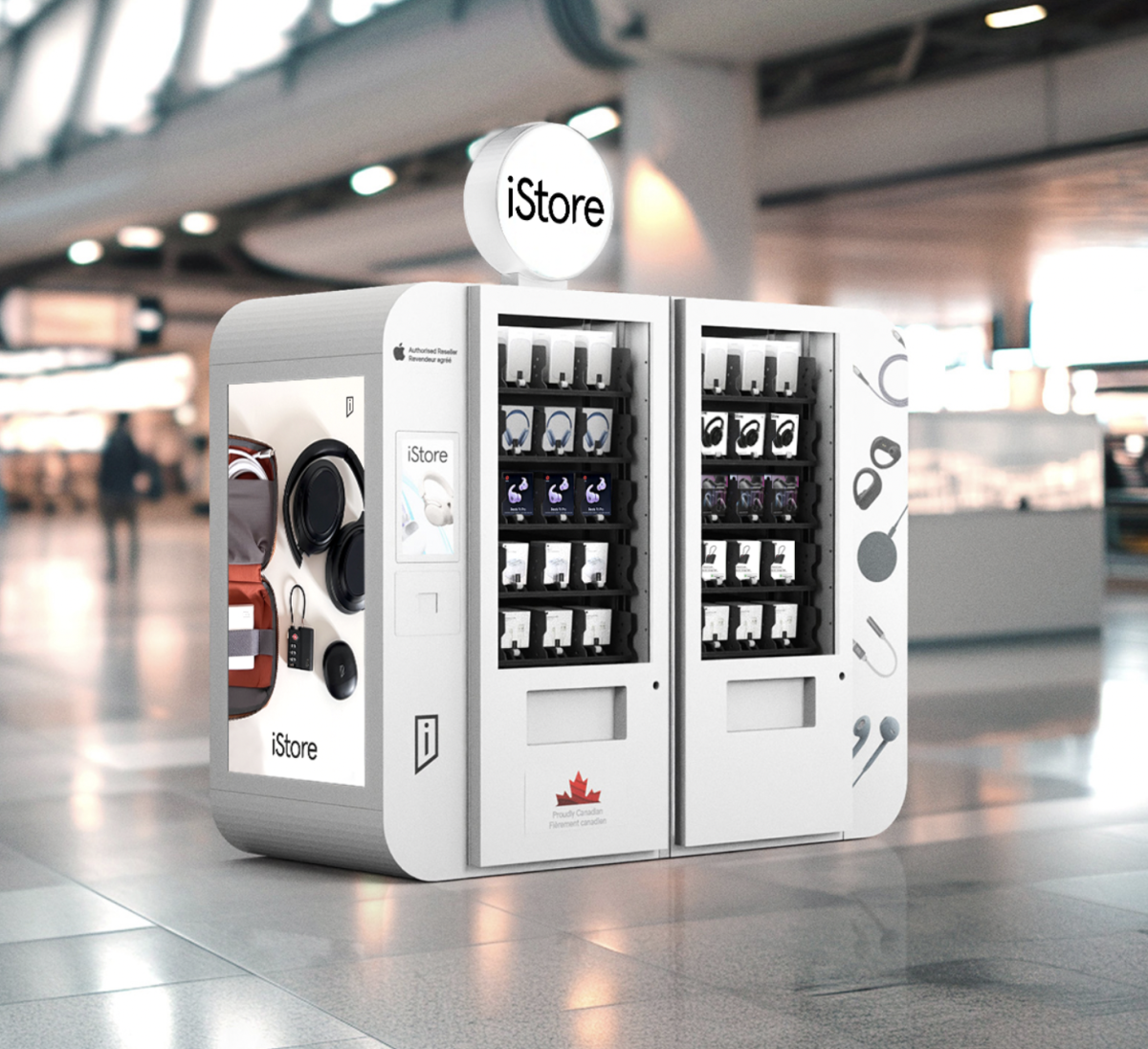
A defining pillar of the current iStore expansion strategy is automated retail, which Teitelbaum notes has quickly become a core component of the company’s growth. iStore now operates fifty one automated machines, thirty nine in the United States and twelve in Canada.
The program accelerated during the pandemic after Best Buy exited automated vending. iStore saw an opportunity to scale in airports and partnered with the former operator of Best Buy’s vending program to convert the machines and deploy new ones. Between 2022 and 2024, the company established forty machines in US airports alone.
In Canada, the strategy is expanding even more quickly due to manufacturing advantages. “In Canada, the machines themselves are produced here. It is a made-in-Canada concept end to end,” Teitelbaum said. The first two Canadian machines launched in Montreal in May, timed just ahead of Grand Prix weekend. Soon afterward, the company partnered with Toronto Pearson International Airport through a competitive RFP process to deploy ten new machines across the airport.
At Pearson, iStore works with Express Retail Group (ERG), which oversees daily operations, replenishment, and maintenance. The machines are powered by smart vending technology from Mississauga-based Signifi Solutions. As of late August, all ten were installed and active in terminals 1 and 3.
“So far, so great. Customer feedback has been excellent, and performance is exceeding our expectations,” Teitelbaum said. “About half the mix is audio. That category dominates airports. The next most important category is core accessories, including cables, chargers, and power banks.”
Product Strategy and the Importance of Margins
iStore’s ability to scale in airports relies heavily on strategic merchandising. Travel retail is one of the most expensive retail environments in North America due to concession rent structures. Fixed rent has all but disappeared after the pandemic, replaced by pure revenue-based concession agreements. In this environment, hardware products create substantial challenges because margins on phones and tablets can be single digits.
“It is all about having the right formula. If you go in and sell only hardware, you are guaranteed to lose money,” Teitelbaum said. “Margin becomes critical, and that is why private label is so important.”
The company has developed more than thirty SKUs under the iStore brand, which serve as high-margin margin “mix balancers” in both stores and automated machines. Accessories, which represent about 85 percent of the assortment, help support profitability while complementing branded offerings like Apple, Beats, and Bose.
The category mix is continually refined. Audio dominates due to travel patterns, while power banks have become increasingly important because of shifting rules around battery storage on flights. Teitelbaum says iStore works closely with TSA and other regulatory bodies to ensure its batteries are fully certified for air travel.
Understanding the Airport Customer
Airport retail demographics differ significantly from those in traditional retail environments. Customers are not there to shop. Their journeys are fixed, and their time is limited. This makes merchandising, location, and convenience paramount. Teitelbaum explains that airports analyze passenger flows carefully and allocate space accordingly. Business travelers behave differently than vacation travelers, and domestic passengers differ from international ones.
Despite these variables, iStore benefits from a built-in baseline of high-income, high-intent consumers. “Everyone has been pre-selected in a sense because they are traveling,” he said. “Airport employees also form part of our customer base, and we have programs that target them.”
Airport stores often operate from 6 a.m. to midnight, far exceeding mall hours, which creates staffing challenges. Employees require additional screening, bonding, and transportation accommodations due to airport locations. These operational demands further reinforce the case for automated retail, which requires minimal staffing.
Filling Gaps with Automated Convenience
Automated retail also allows iStore to reach locations where full stores are not viable. iStore expansion plans include additional airports across Canada in 2026, particularly in secondary and tertiary cities where retail offerings are limited. Halifax, Quebec City, Winnipeg, and Victoria are among the prime opportunities.
Teitelbaum says automated retail may eventually extend beyond airports into hotels, universities, conference centres, and hospitals. “We have tested a few non-airport locations in the US. The testing is ongoing. We think automated retail adoption is accelerating faster than in the past,” he noted.