By Supreet Barhay, Principal and Head of Retail at WZMH Architects
The recent closures of Hudson’s Bay Company stores across Canada have resulted in hundreds of thousands of square feet of prime retail space suddenly becoming vacant. These anchor stores were not merely large retail spaces; their absence creates a ripple effect that impacts landlords, local businesses, and the overall vitality of communities. But rather than viewing these closures as a loss, how can these vacant anchors be reimagined to drive future resilience and renewed purpose?
The Anchor Problem
When a major department store leaves, it takes more than just a tenant out of the equation. These anchor spaces were designed to attract foot traffic, which benefited smaller surrounding retailers and injected energy into the malls. Without the draw of such anchors, malls risk losing their vibrancy and nearby businesses face significant challenges. Traditional approaches such as replacing anchors with another large temporary retailer, introducing boutique stores, or setting up pop-ups may fill the vacancy short-term but the real need is to invest in long-term, sustainable solutions.
Adaptive Reuse: A Future-Proof Approach
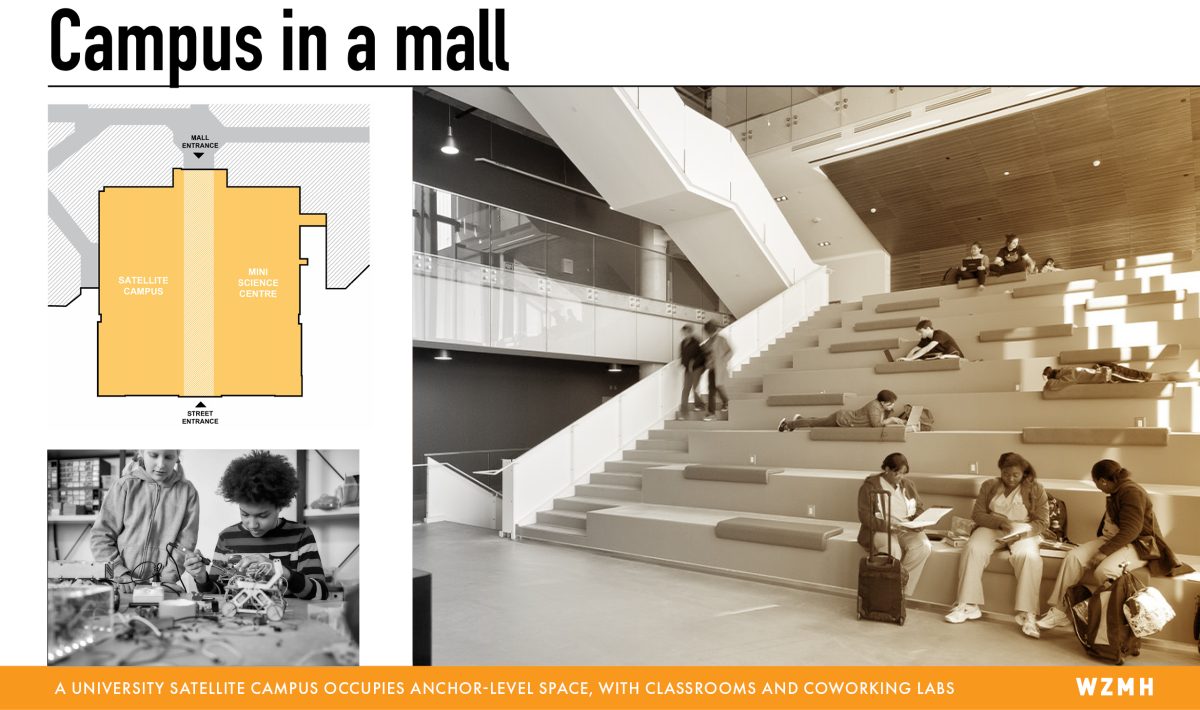
Further to backfilling empty boxes with more retail uses, adaptive reuse offers a solution that addresses urban, economic, and social needs by repurposing anchor spaces for new functions.
- Learning Hubs & Satellite Campuses: Large floorplates can be transformed into college or university facilities, including labs and classrooms. This attracts students, strengthens the local talent pool, and keeps the space active throughout the week.
- Tech & Data Centers: Vacant anchors can be reprogrammed for digital infrastructure or high-tech manufacturing, providing stable, high-yield tenants that support innovation.
- Senior Living & Mixed-Use: Repurposing anchors into residential spaces integrated with remaining retail connects the area with everyday life, increases foot traffic, and fosters modern community ecosystems.
- Health & Wellness Campuses: Clinics, fitness centers, and holistic care facilities can make malls essential health-care destinations, creating a resilient use that goes beyond typical retail cycles.
- Entertainment & Experiential Venues: Spaces dedicated to VR/AR centers, performance venues, and immersive recreation can draw visitors year-round and re-engage communities.
- Culinary Hubs & Food Halls: Transforming anchors into food innovation marketplaces gives local food creators a platform, encourages social interaction, and turns retail zones into vibrant gathering places.
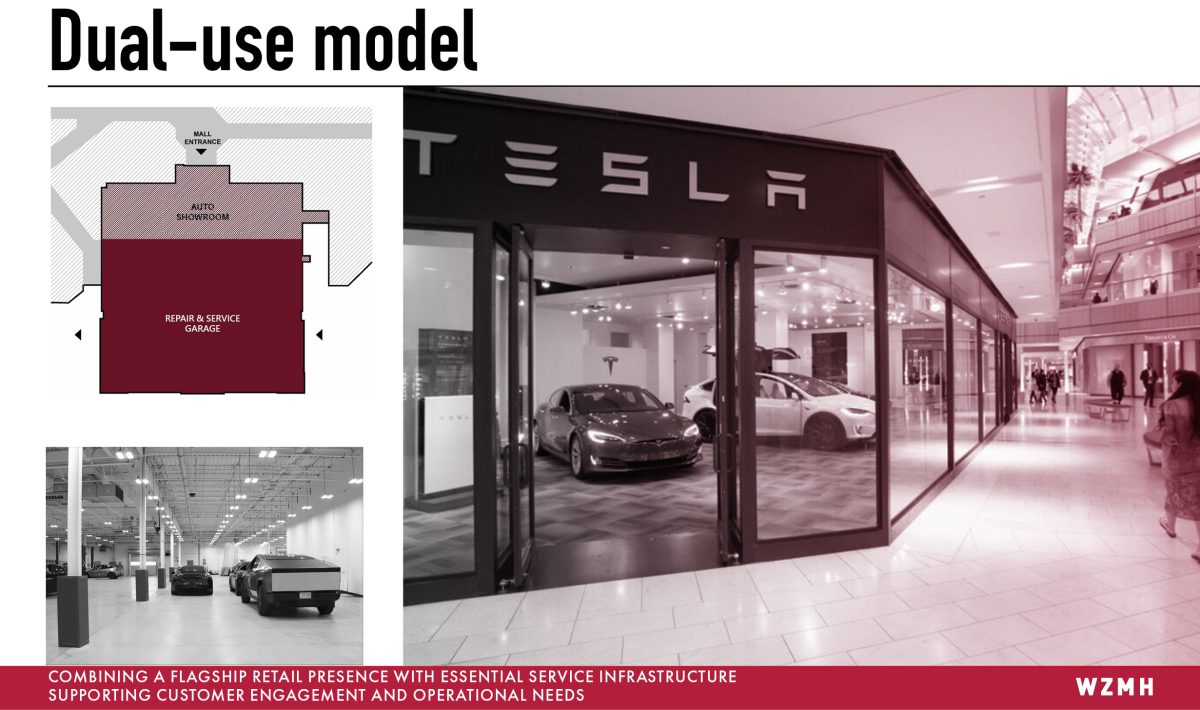
A notable example is CF Lime Ridge in Hamilton, ON, where Tesla transformed a former anchor into its largest Canadian showroom and paired it with service and repair spaces. This approach demonstrates how large floorplates can be creatively reimagined and highlights the strong potential of adaptive reuse.
Broader Economic and Design Impacts
The conversion of anchor spaces extends beyond individual projects. Mixed-use anchors breathe new life into local economies, attract diverse groups such as students, seniors, and residents, and transform formerly retail-centered districts into engaging, pedestrian-friendly destinations. These redevelopments enhance urban connectivity, provide public amenities, and encourage civic engagement.
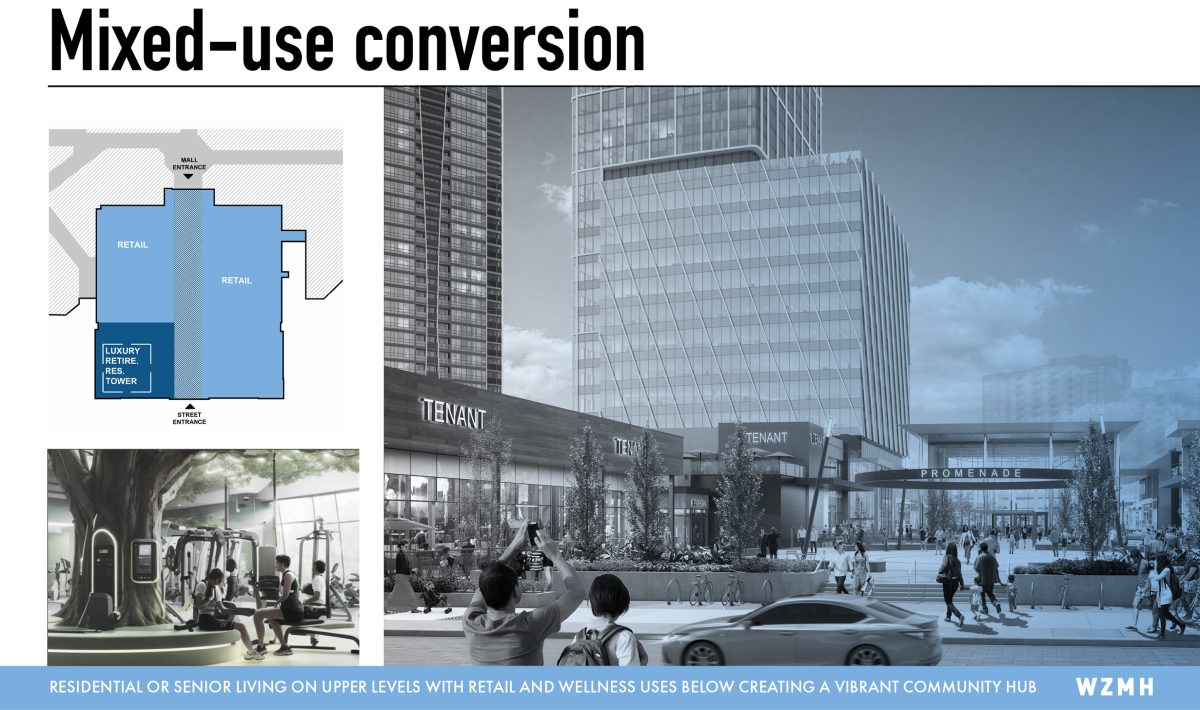
Why Adaptive Reuse Works
Adaptive reuse goes beyond a temporary fix, addressing the decline of the traditional department store by redefining what an anchor can be. These new uses turn anchors into multifunctional sites that generate traffic, deliver value, and serve multiple purposes such as economic, social, and spatial. Just as importantly, successful reuse must consider the unique characteristics of each site, its location, community context, and the specific needs of the people it serves. For landlords, this approach may offer a more resilient and sustainable tenant mix tailored for long-term relevance.
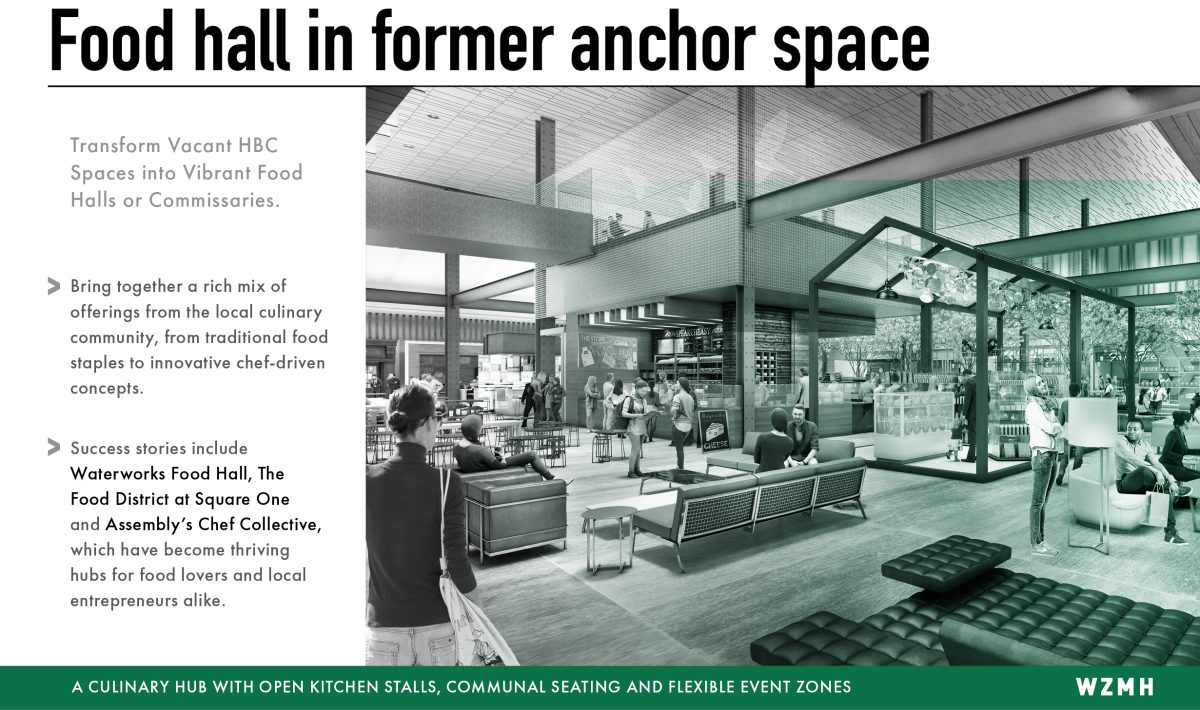
A Vision for the Future of Retail
Vacant anchor stores are not a sign of loss; in fact, they are opportunities for innovative, sustainable reuse whether it is community-focused or tenant driven. By creatively repurposing these spaces, it is possible to transform them into engines for innovation, learning, living, and connection. The retail landscape has been steadily transitioning for years, and how we seize this moment to shape meaningful, lasting change is where the real opportunity lies.