

As department stores vanish from Canada’s retail landscape, shopping centres are being forced into a period of rapid evolution—one that could reshape how Canadians experience retail. With the Hudson’s Bay Company now in court-ordered creditor protection and 74 of its 80 stores set to close by the end of June, the question arises: what comes next for the shopping centres built around these legacy retailers?
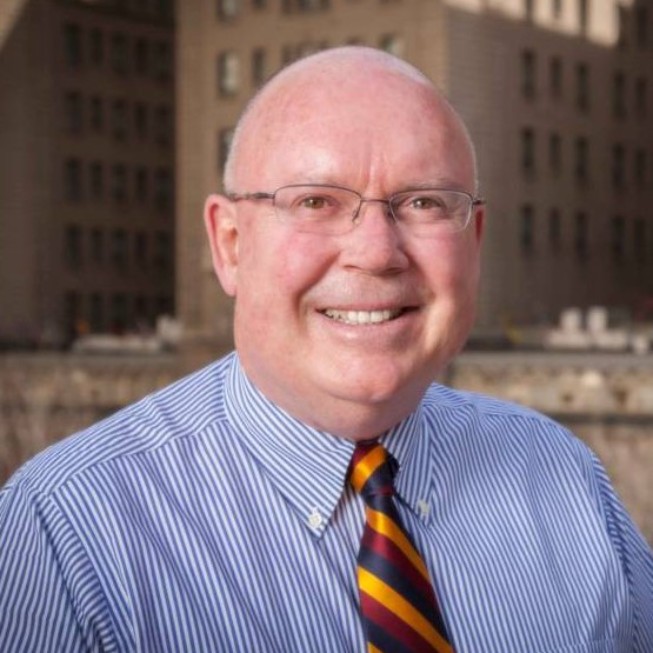
Michael Kehoe, Broker/Owner of Fairfield Commercial Real Estate, believes we’re witnessing a positive turning point. “Retailing is always changing and evolving,” he says. “This is a tremendous opportunity for shopping centres to repurpose unproductive space and move on from the department store era.”
A Shift in Power and Possibility
Kehoe describes the departure of department store anchors not as a crisis, but as a release. “It takes the shackles off huge swaths of retail space,” he explains. “And that includes the parking fields and surrounding land that were once under restrictive covenants. Landlords finally have freedom to explore new uses for these valuable parcels.”
With retail space now freed from anchor tenant agreements, landlords can innovate. Kehoe highlights that the once “sterilized” land tied to department store leases can now be repurposed. “This is great for retail,” he says. “I welcome it.”
Case Study: CF Chinook Centre
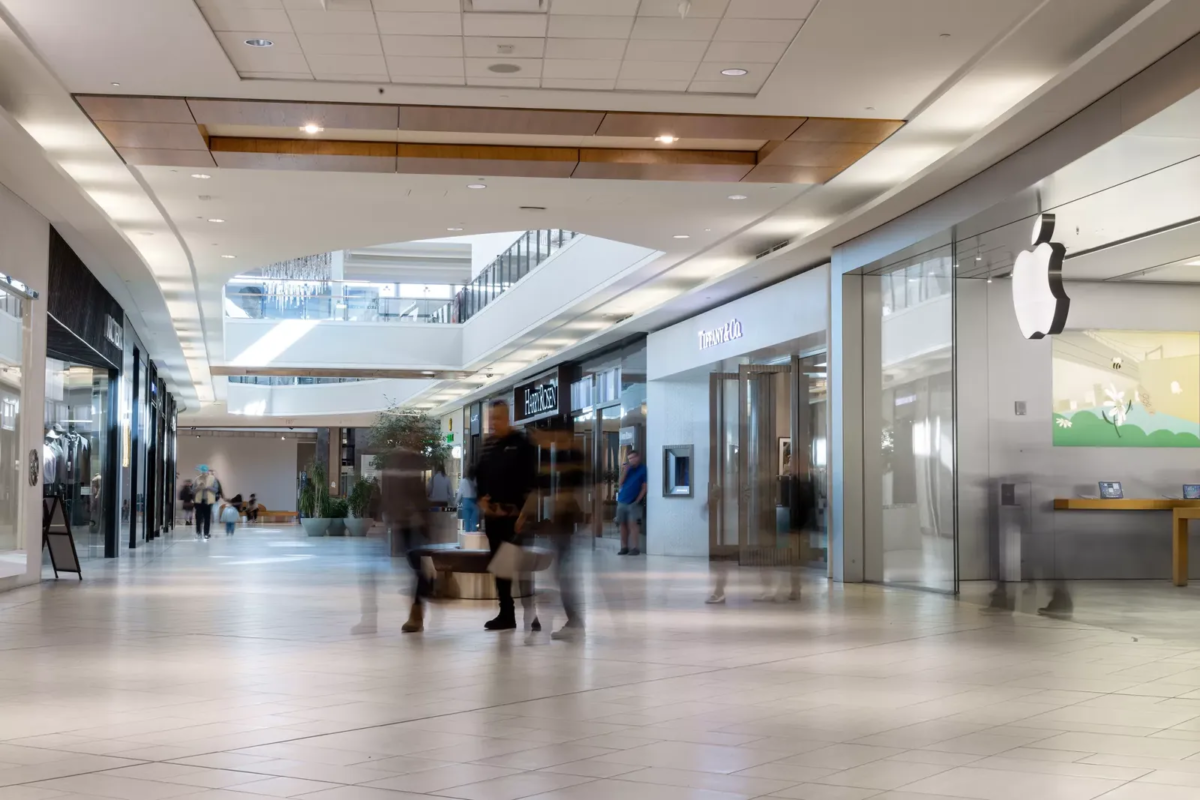
CF Chinook Centre in Calgary exemplifies this transformation. Once home to three department stores—Hudson’s Bay, Saks Fifth Avenue, and Nordstrom—it now finds itself in the middle of an identity shift.
“Chinook is really a cluster of villages,” explains Kehoe. “You have a luxury cluster, an athleisure cluster, a strong food hall—it’s an amalgamation of shopping experiences.” He credits Cadillac Fairview’s strategic merchandising for the mall’s resilience. “They’re masters at drawing traffic to different parts of the mall through clustering and strategic food placements to increase dwell time.”
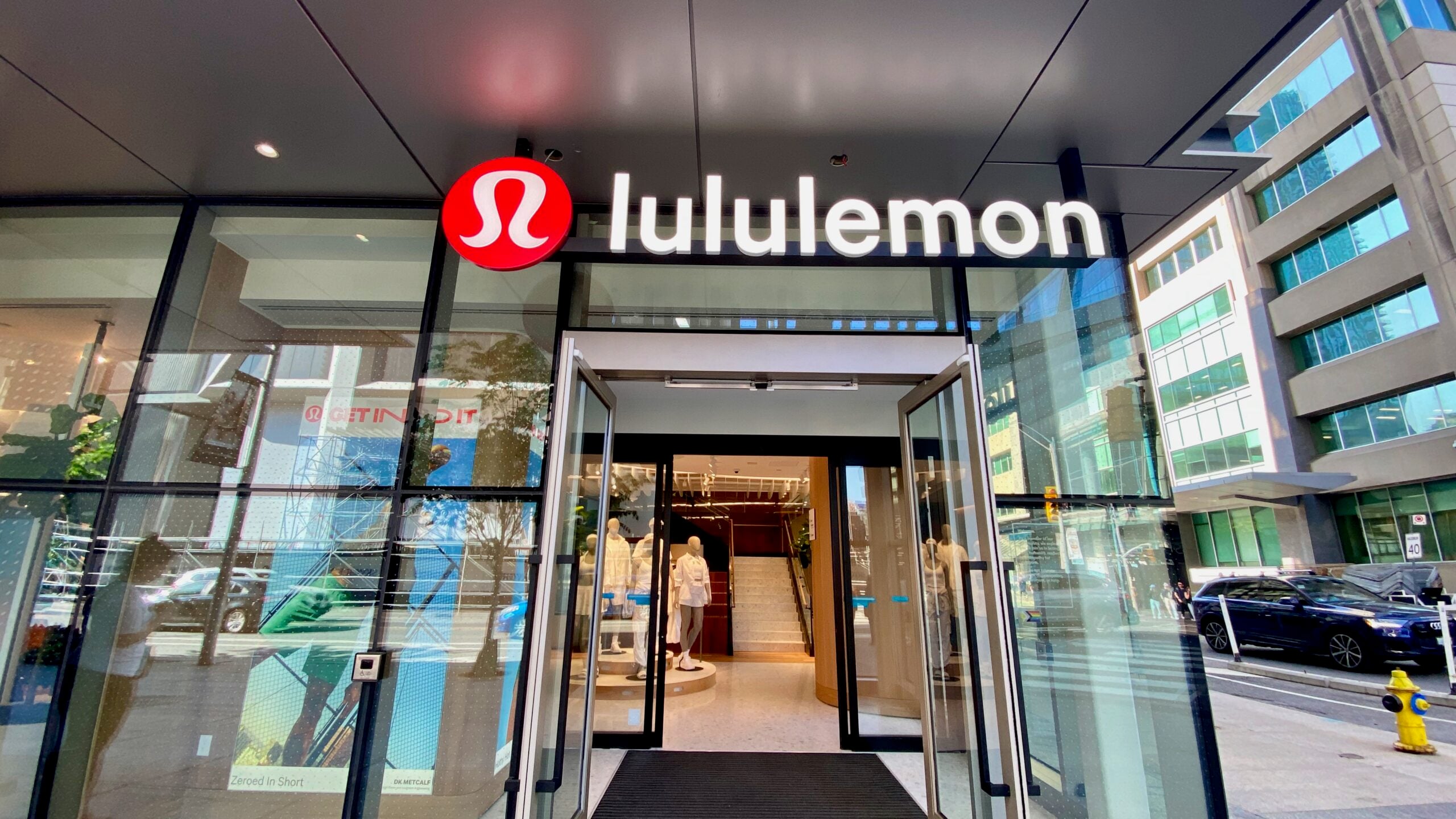
Apple, Lululemon, and other so-called “impact brands” have replaced department stores as major traffic generators. “People will line up around the block for a new iPhone,” says Kehoe. “That’s the draw now.”
Anchors Out, Innovation In
The traditional “dumbbell” mall design—department store anchors on each end with small retailers in the middle—emerged in the 1950s. But that model is now being dismantled.
“The dumbbell concept is more relevant than ever—only now, we’re filling those ends with different kinds of uses,” Kehoe notes. “Shopping centres have already morphed into mixed-use destinations. We’re seeing more experiential retail, entertainment, dining, and health and wellness tenants.”
He adds that many malls are preparing for large-scale redevelopment. “Some will be densified. Some may see residential or office components added. But it’ll take time—five years or more in many cases.”
Department Store Space: A Slow Rebirth
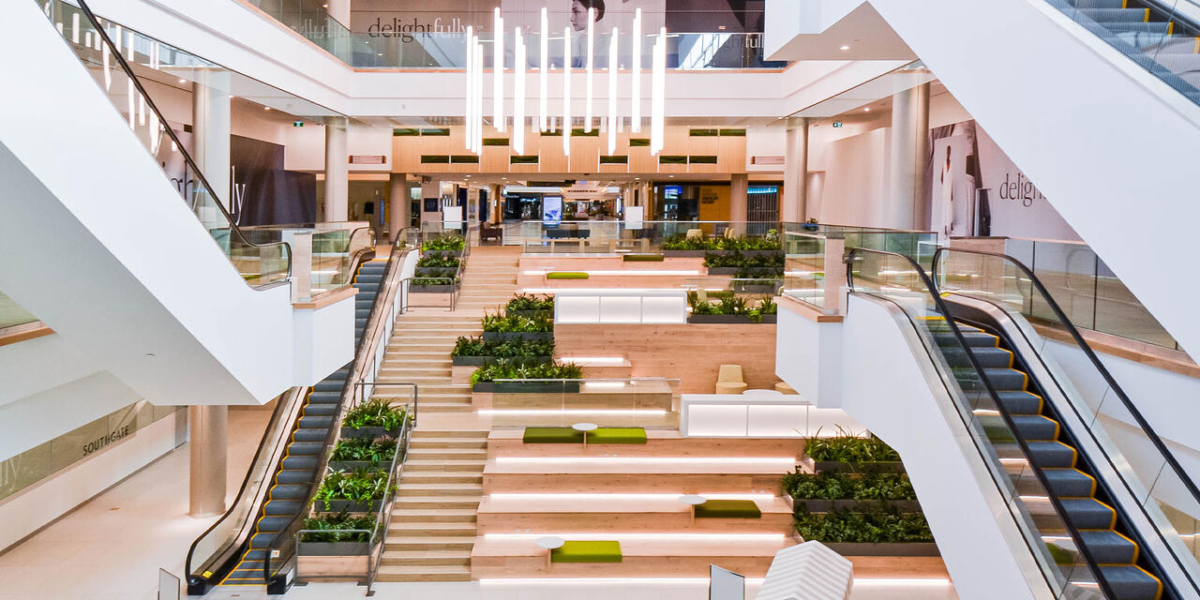
Repopulating vacated department store space isn’t quick. Kehoe points to Southcentre Mall in Calgary, where a Sears location closed in 2018. “Only now are we starting to see that space filled,” he says. “And with Hudson’s Bay liquidating, there’s a million square feet in Calgary alone that needs to be repurposed.”
Retailers like IKEA and LEGO are exploring urban formats that could occupy parts of these footprints. “Loblaws moved into Maple Leaf Gardens in Toronto—anything’s possible if we keep an open mind,” he says.
Yet, filling these large spaces amid economic uncertainty won’t be easy. “We’re in a recession,” says Kehoe. “With the tariffs and changing consumer habits, it’s a scorched-earth moment. Only so many dollar stores and fitness chains can go around.”
Institutional Ownership Under Pressure
The liquidation of Hudson’s Bay comes at a challenging time for landlords. Cadillac Fairview, Oxford Properties, and Ivanhoé Cambridge have already weathered losses like Nordstrom’s exit. Many institutional owners are now reconsidering their place in the sector.
“Cadillac spent $11 million building out that Nordstrom store at Chinook,” Kehoe recalls. “Several years later, Nordstrom was gone.” He sees a shift toward more entrepreneurial mall ownership. “These landlords are closer to their assets and more agile. It’s not necessarily a bad thing.”
The Downtown Dilemma
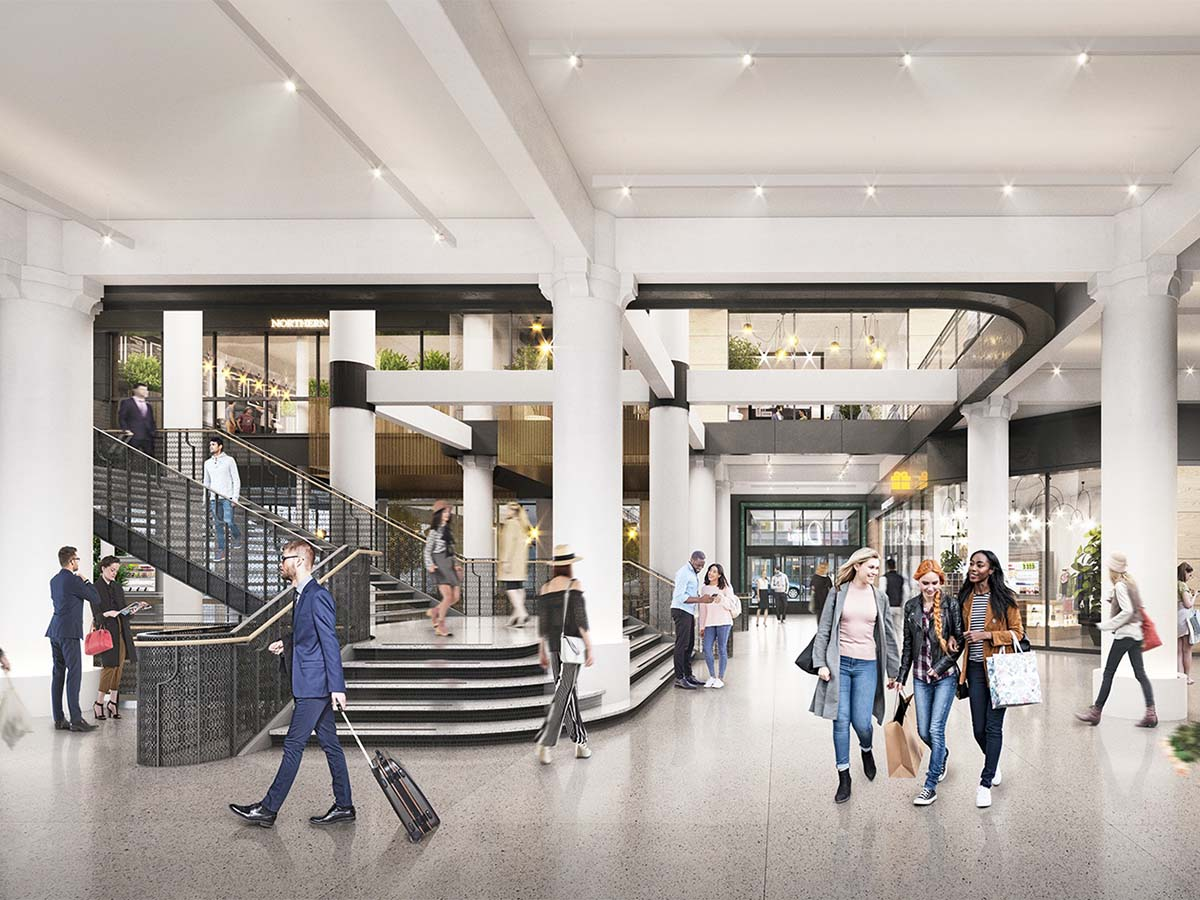
Downtown cores may be hardest hit by Hudson’s Bay’s demise. Flagship stores in Montreal, Vancouver, Calgary, Ottawa, and Victoria are integral to the fabric of those cities.
Kehoe is cautiously optimistic. “Yes, it creates short-term uncertainty, but these are incredible urban assets. They’ll be repurposed—perhaps into mixed-use developments, residential units, or even entertainment and cultural spaces.”
Still, he acknowledges the psychological weight. “People are nostalgic. The Bay is where they bought their first suit or appliance. But retail is about staying relevant.”
A Cultural Loss for Canada
Despite the company’s retail decline, the emotional connection to Hudson’s Bay runs deep. “The story of the Hudson’s Bay Company is the story of Canada,” says Kehoe. “They were our first retailers. Indigenous peoples were their first customers. They shaped cities. They laid out street grids.”
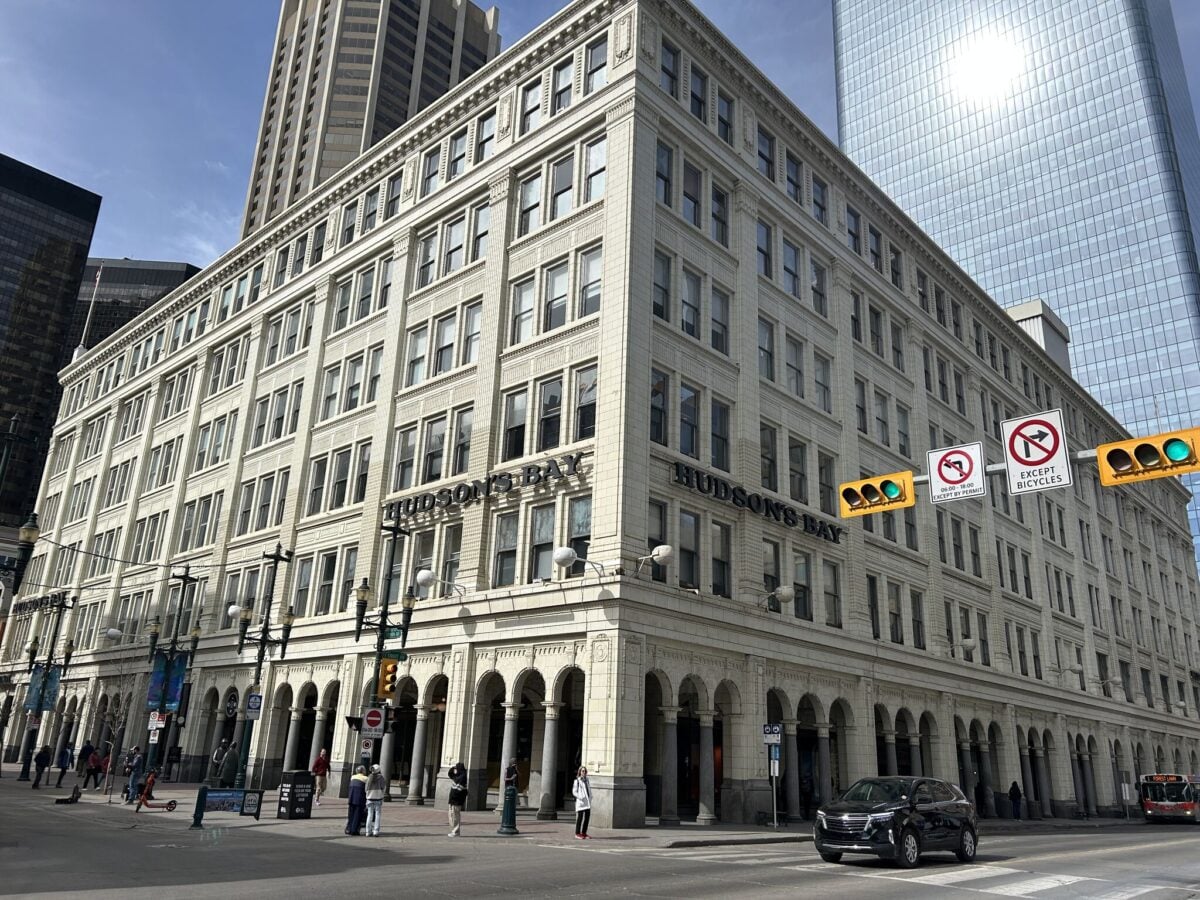
In Calgary, Kehoe points to the historic Bay arcade façade—“a unique architectural gem in North America.” In Edmonton, he recalls Fort Edmonton’s roots in the fur trade. “The Bay’s history stretches from the Rocky Mountains to San Francisco.”
The legacy lives on in place names, roads like Anthony Henday Drive, and even in the collective memory of Canadians. “It’s not just a store. It’s part of our national identity.”
Looking Forward
For all the disruption, Kehoe is clear-eyed. “Shopping centres are always evolving. This is just another chapter.”
He notes that premium centres like Yorkdale in Toronto continue to thrive, generating over $2,400 per square foot. “Great malls still perform. But the model is changing.”
As for the Hudson’s Bay space across the country, he believes opportunity outweighs risk. “There’s going to be a gazillion users that come out of the woodwork,” Kehoe says. “It’s actually quite exciting.”
In the end, it’s about adaptation. “This too shall pass,” Kehoe says. “Retail real estate is like a river—it bends, it flows, but it never stops.”








Hello.I would love to see Zellers make a complete comeback all over Canada.Have it back the way it was.Please do what you can to bring Zellers back to fill up Hudson’s Bay stores.Please contact me at my email address as well 1 825 461 6340.
The closure of the Bay on St. Catherine is unlikely to affect downtown Montreal. Eaton Centre and Uniqlo were packed a couple of Saturdays ago when I passed through. I occasionally visit suburban malls when visiting friends, but downtown is by far the best shopping experience or to just hang out. It’s also easy to get to on rapid transit.