Montreal-based custom clothing brand SUITABLEE is preparing to enter Canada’s largest and most competitive retail market, with a Toronto showroom set to open in spring 2026 at 20 Richmond Street East. The location, situated within the historic Confederation Building, marks a major milestone for the fast-growing made-to-measure brand as it continues to evolve from a Quebec-rooted company into a national player.
For Jean-Sebastien Siow, Co-Founder and CEO of SUITABLEE, the Toronto opening is the result of patience and discipline rather than urgency. “Toronto was always on our radar, but we wanted to be disciplined,” Siow said. “We see a lot of brands rush expansion. For us, the address mattered more than speed.”
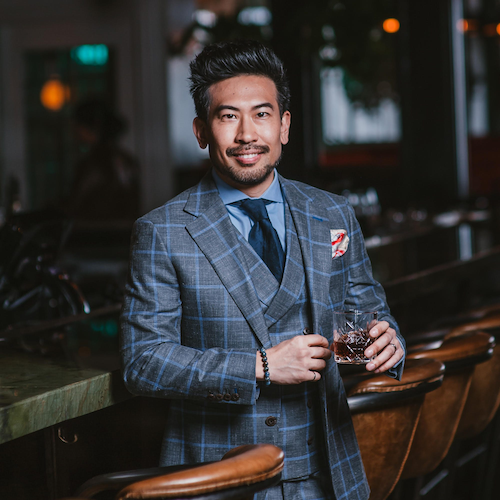
That approach reflects how SUITABLEE has grown since its founding in 2015 by brothers Jean-Sebastien and Jean-Jeremie Siow, both engineers who built the business without major outside funding. By blending AI-driven sizing technology with traditional tailoring, the company has positioned itself as a modern alternative to both off-the-rack suiting and traditional bespoke, offering custom garments that are more accessible in both price and process.
A Strategic Downtown Location at the Crossroads of Toronto
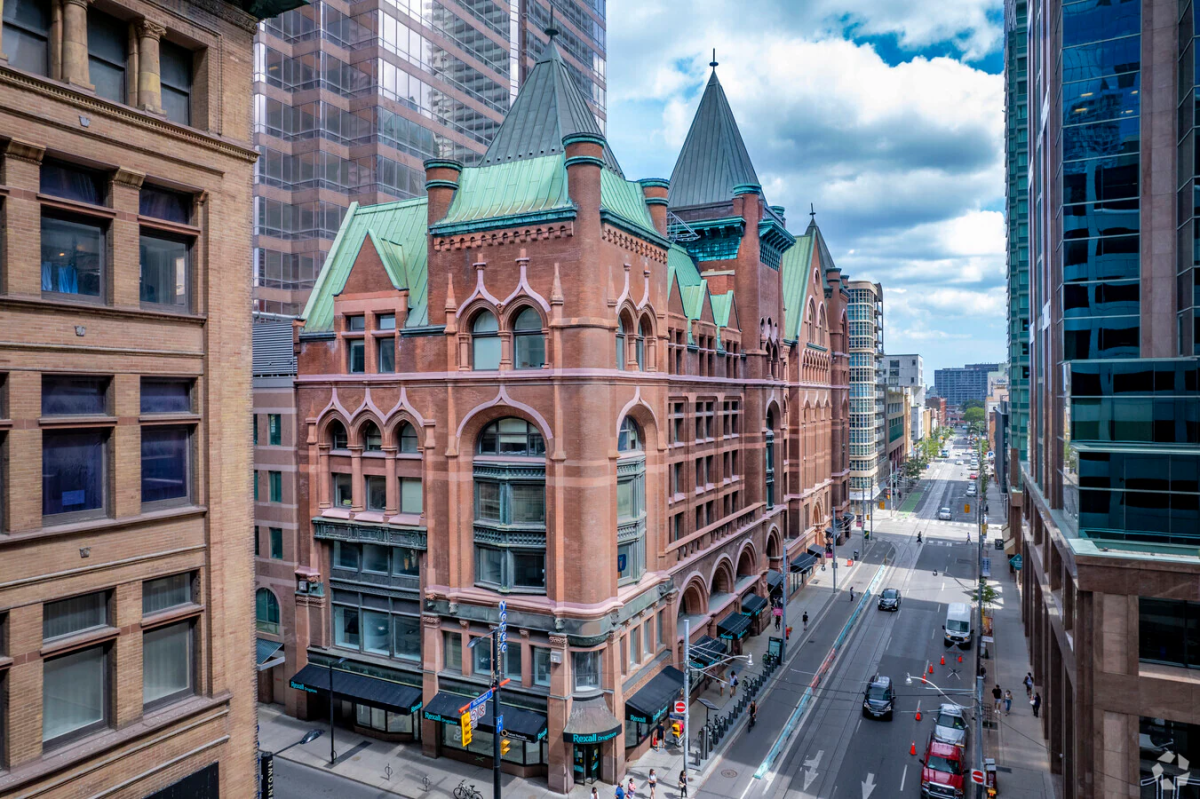
The SUITABLEE Toronto showroom will occupy a street-level unit at 20 Richmond Street East, between Terroni and Rexall, in a pocket where the Financial District, King East, and the St. Lawrence neighbourhood converge. Siow said the site stood out immediately once it became available.
“When this location came up, we knew right away it was the one,” he said. “It sits at the intersection of the Financial District, King East, and St. Lawrence, which brings together business, weddings, and everyday foot traffic.”
The building itself played a key role in the decision. “It’s a beautiful historic building,” Siow said. “It feels established and authentic, not overly commercial, which aligns closely with our Old Montreal flagship.”
That sense of permanence and character mirrors SUITABLEE’s headquarters showroom in Old Montreal, located near the Notre-Dame Basilica, and reflects the brand’s preference for spaces that feel grounded rather than overtly corporate.
Designed for Walk-Ins and Appointments
While SUITABLEE began as a more appointment-driven custom tailoring business, its retail model has evolved significantly over the past several years. The Toronto location will reflect that shift.
“We’re no longer an appointment-only business,” Siow said. “We built the infrastructure to handle volume, including walk-ins, which started with our Brossard location and will carry through to Toronto.”
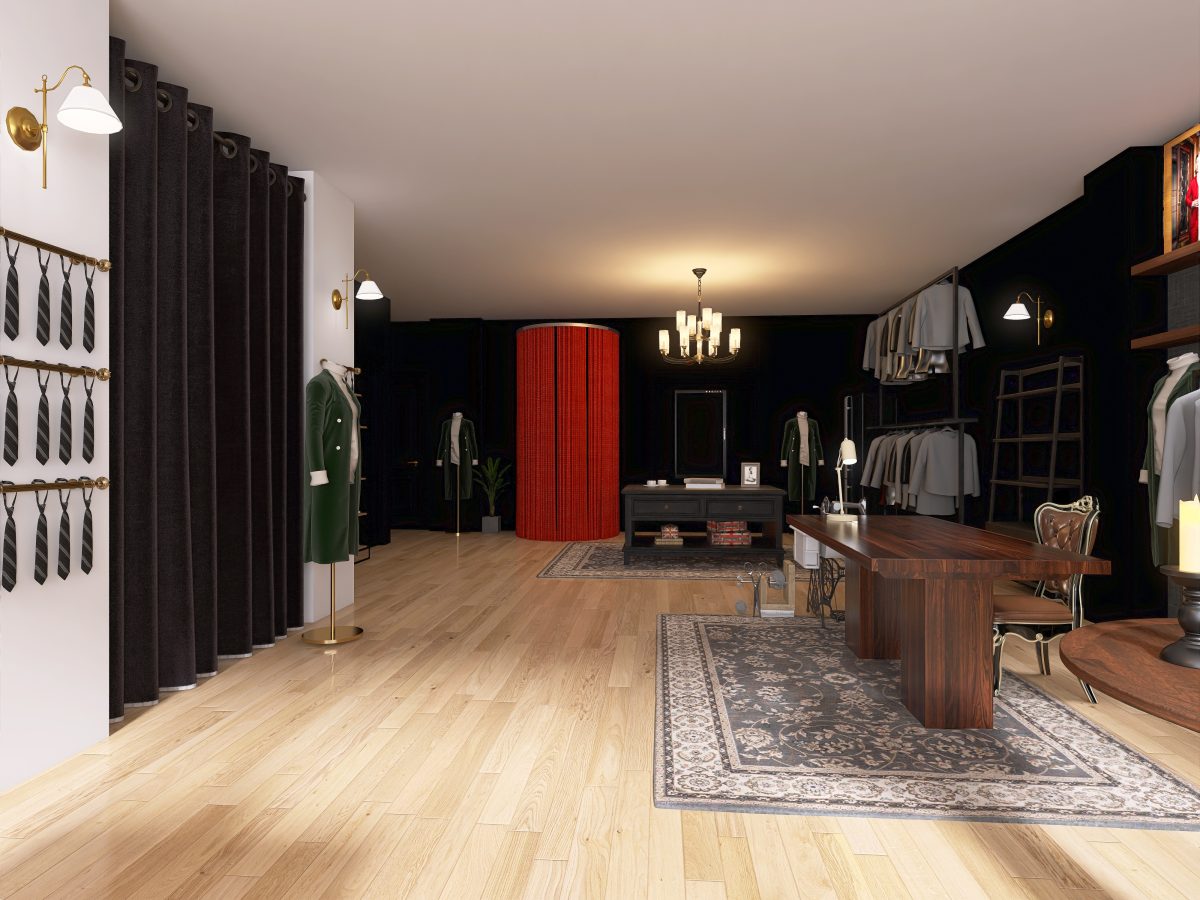
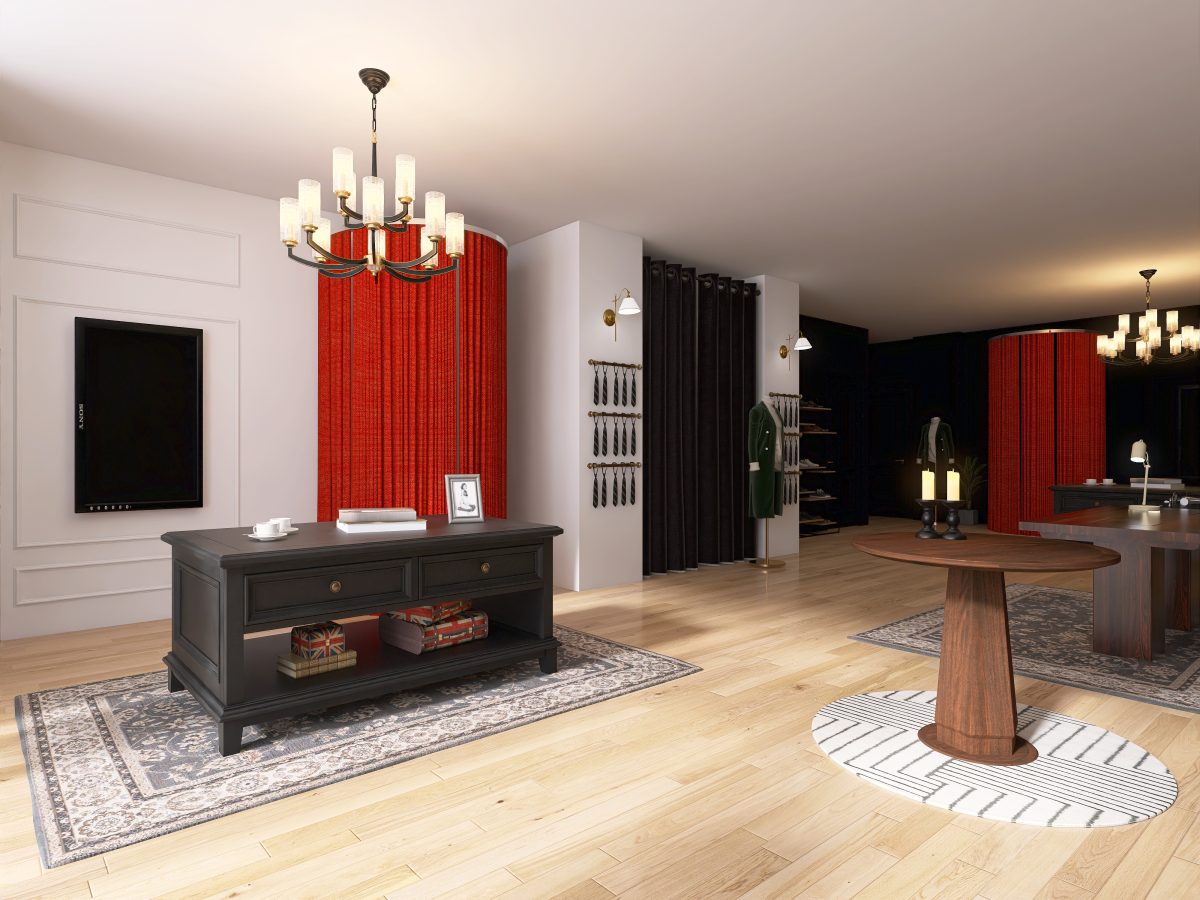
Inside the SUITABLEE Toronto showroom, customers will find a browsing area where they can explore fabrics, styles, and finishes, alongside digital displays that allow visitors to design garments interactively. Fitting stations will support both individual clients and groups, particularly wedding parties.
“The traditional tailor is often one-on-one in a closed environment,” Siow said. “Our spaces feel more open. It’s a market-style experience, but still very personal.”
The interior is being completely rebuilt to reflect SUITABLEE’s established showroom design language. “We’re completely reworking the interior to match our brand,” Siow said. “We’re flying in our interior designer to ensure the Toronto showroom feels consistent with our locations in Montreal and Ottawa.”
The brand’s visual identity, which features black, white, and a distinctive Canadian red, will be carried through the Toronto space. “We chose Canadian red from the beginning,” Siow said. “It’s always been part of who we are.”
Womenswear Emerges as a Core Growth Driver
One of the most significant shifts within SUITABLEE has been the rapid rise of womenswear, which now represents a substantial share of the business.
“In the past three years, womenswear has taken off,” Siow said. “Women now account for about 40% to 50% of our revenue, which is a major shift for a company that began primarily in menswear.”
The growth has been fueled by both changing consumer preferences and SUITABLEE’s technical investment in women-specific patterning. “Many competitors adapt menswear patterns for women,” Siow said. “We built women’s patterns from the ground up, and that difference is visible in how the suits fit and move.”
That investment has also reshaped the brand’s customer mix. While professional women, including lawyers, executives, and real estate professionals, remain a core audience, weddings have become an increasingly important category.
“We’re seeing a strong increase in women choosing suits for weddings,” Siow said. “That includes LGBTQ weddings and women who simply prefer suiting. That segment has grown faster than we expected.”
Ottawa, where SUITABLEE operates a downtown showroom, has been a particularly strong market for this segment. Siow noted that LGBTQ weddings have become a meaningful driver of womenswear fittings in the capital.
Customers Will Travel for Fit
SUITABLEE’s emphasis on fit accuracy has produced an unexpected outcome, destination clients. According to Siow, customers regularly travel long distances specifically to be fitted in person.
“Every week, we see customers flying in from across Canada and the U.S. just to get fitted,” he said. “They come in for their appointment and often fly home the same day.”
The brand’s AI-powered sizing system, built on thousands of local body scans and pattern refinements, has been central to that confidence. “Because we’re a custom business, avoiding remakes was critical from day one,” Siow said. “Today, about 95% of our customers do not require a remake, and adjustments are minimal.”
That precision also differentiates SUITABLEE from off-the-rack apparel retailers that continue to struggle with returns and fit-related waste.
Made-to-Measure as a Sustainability Advantage
While sustainability is not the brand’s primary marketing message, Siow acknowledged that the made-to-measure model naturally reduces waste.
“We don’t mass-produce,” he said. “Everything is made to order, which reduces waste and overproduction.”
In an industry still grappling with excess inventory and markdown cycles, the ability to produce garments on demand, without returns in the traditional sense, has become an operational advantage as well as a philosophical one.
Strengthening the Home Market Before Going National
Before turning westward, SUITABLEE is reinforcing its Quebec footprint. In addition to its Old Montreal and Brossard locations, the company is planning a third Greater Montreal showroom in Laval.
“Home has to be strong,” Siow said. “We’re solidifying our stronghold in Montreal before expanding further.”
That strategy mirrors SUITABLEE’s earlier decision to open in Brossard, near Quartier DIX30, which initially raised questions but ultimately proved successful by attracting customers who preferred suburban access and easier parking.
Looking ahead, Siow said the brand’s long-term ambition is national, with major Canadian cities firmly on the map. “Our goal is to be a national brand,” he said. “Eventually, that means serving all major Canadian markets.”
Toronto, he added, could ultimately support more than one location. “The GTA can easily support multiple showrooms over time,” Siow said, suggesting that suburban locations may eventually complement the downtown flagship.
Toronto as a Defining Moment
For SUITABLEE, opening in Toronto carries symbolic weight beyond sales projections.
“In Canadian retail, Toronto is a major milestone,” Siow said. “Opening here strengthens the brand and signals that we’re operating at a national level.”