In a market where consumers continue to weigh every purchase, experience-led spending keeps finding room in the budget. Into the Kitchen, a Toronto-based culinary experience business founded by Louise Borins, is leaning into that shift by offering something most diners never see: real, hands-on time inside the working kitchens of some of the city’s best-known restaurants.
Borins describes the concept as an immersive, pre-service experience that places guests shoulder to shoulder with executive chefs and their teams. “It’s a three hour afternoon experience,” she said, adding that it is designed to feel authentic rather than staged. “It’s a three hour organic experience, so I do not tell the route, it’s not staged.”

While the format has a luxury feel, the business model also taps into a broader retail and hospitality reality. In recent years, many operators have looked for new revenue streams that align with brand identity, protect integrity, and drive repeat visits. Borins believes her concept does all three, while also giving guests a clearer understanding of what goes into a high-ticket meal.
An idea born in 2001, then revived for a different era
Into the Kitchen, as it exists today, is what Borins calls an “iteration two” of a business she first ran in the early 2000s. She traces the origin back to 2001, when she was invited into the kitchen at Centro, then located near Yonge Street, after an experience was raffled at a charity auction.
“I was shoulder to shoulder with the crew,” she recalled. “It was just something that I had never done before.” The experience stayed with her, and she followed up with chef David Lee, eventually building a small business around the concept.
She ran that first version for about 11 years, then paused it while pursuing an executive MBA. After a long gap, she brought it back in 2023, arguing the timing is stronger now than it was the first time. “We felt like it was even more significant today,” she said.
Part of that confidence comes from how consumers have evolved. People still buy premium goods, but a growing slice of discretionary spend has shifted toward access, story, and memory making. Borins sees that every time a guest walks through the door.
The restaurant roster, and why Borins is growing it carefully
Into the Kitchen’s partner network reads like a cross-section of Toronto’s modern restaurant identity, including Bar Prima, Bymark, Capra’s Kitchen, DaiLo, La Palma, Liliana, Lucie, and Mamakas.
Borins said she built the roster deliberately, focusing on culinary credibility, strong leadership, and a range of cuisines. “I was very intentional when I recruited,” she said, noting that the mix spans Greek, Asian-influenced concepts, classic Italian, and French cuisine, among others.
Her approach to growth is also restrained, which is unusual in a market that often celebrates rapid expansion. “I am careful to grow slow and sure,” she said, explaining that she wants to avoid overwhelming partners and ensure the program delivers meaningful business back to the restaurants.
That slow-build strategy is reflected on the consumer side too. She describes much of the business as referral-driven, including introductions through professional circles. “A crew of VC capital guys keep referring me,” she said, adding that momentum has been steady without a heavy marketing push.
A profile in Toronto Life’s holiday gift coverage, which positioned the concept as a standout experience for food lovers, also helped validate the demand for premium, kitchen-level access.
What guests actually do inside a working kitchen
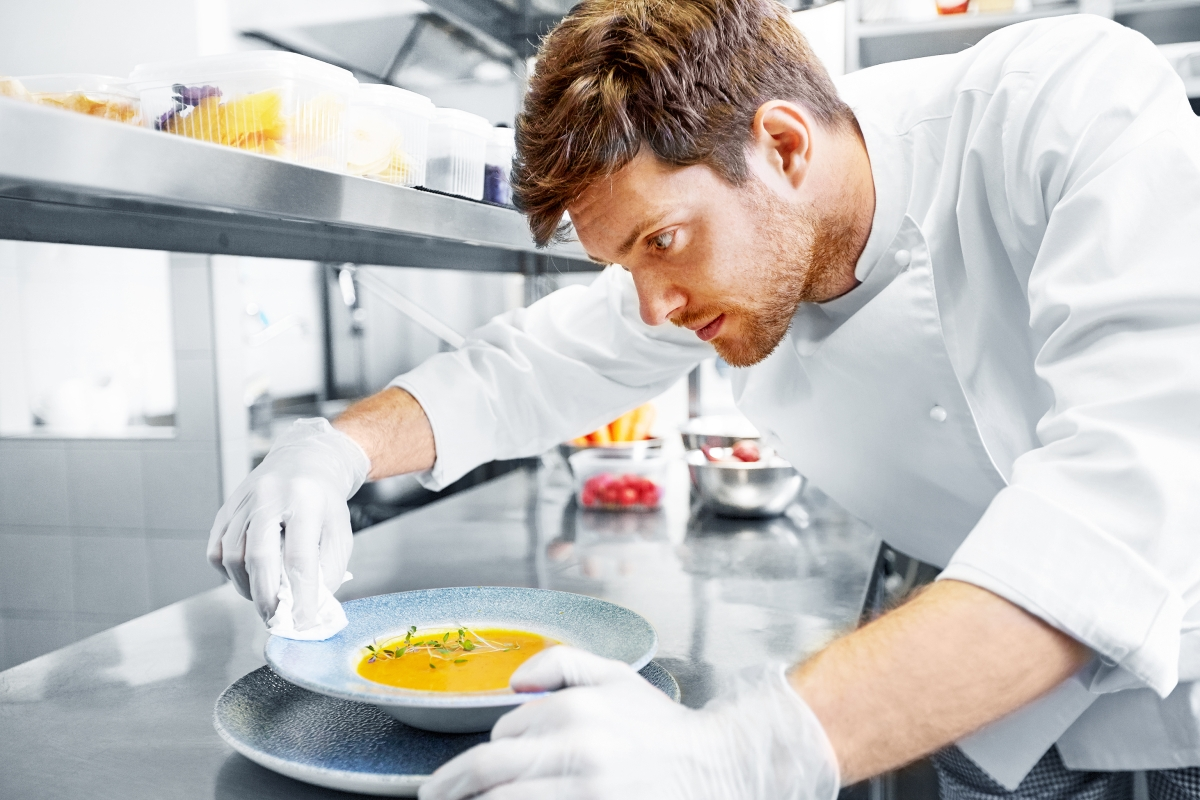
For readers who hear “culinary experience” and picture a classroom-style cooking lesson, Borins is quick to draw the line. She positions the product as immersion, not instruction, and insists it must stay unscripted.
Guests typically arrive in the afternoon and spend three hours in the kitchen ahead of dinner service. Into the Kitchen describes the format as moving “between observer and participant” while engaging in the restaurant’s real operations.
Borins says the experience is tailored to the moment, and also to the guest. “They’re mindful of the client’s interest, dietary preference,” she said, adding that chefs plan the flow in their own way, within allergy and dietary guardrails. The result can range from plating and prep to deeper behind-the-scenes exposure.
She also emphasizes the human element. “There is a relationship that is forged between chef and client,” she said, describing unexpected friendships that sometimes continue after the session. She has seen chefs and guests stay in touch, and in some cases socialize later, which she did not anticipate when she revived the concept.
That relational angle matters because it turns one transaction into an ongoing connection, which is the heart of loyalty, whether in retail, hospitality, or services. A meal can be a one-off. A relationship often drives repeat visits, gifting, and advocacy.
Pricing, packages, and the economics of premium experience retail
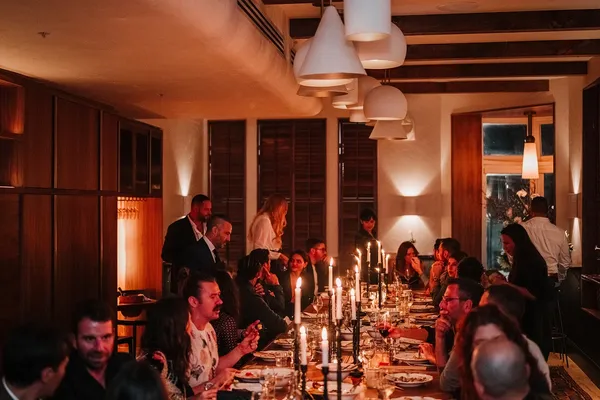
Into the Kitchen lists its base experience at $600 for one participant, with an option to add a second person for an additional $600.
From there, the offering steps up through add-ons that turn the day into a full dining occasion. One package includes a chef’s menu for two served after the kitchen immersion, and another adds wine pairings on top, with pricing and structure outlined on the company’s site.
In conversation, Borins framed the entry price as intentionally accessible for the segment, given the intensity of the access. “To spend three hours with a chef, I’ve come at it truly with an initial price offering,” she said, describing it as a way to build volume and awareness.
She also said she has baked gratuities into the structure and aimed to be transparent with restaurant partners about how revenue is split. “I think it’s really important that the staff is really remunerated,” she said, adding that she wants the experience to feel motivating for the kitchen team rather than intrusive.
That matters because the product is effectively a new retail layer sold inside a restaurant brand. It relies on staff buy-in, operational coordination, and a clear sense that the experience strengthens the restaurant, not distracts from it.
Pulling back the curtain on food costs, labor, and value
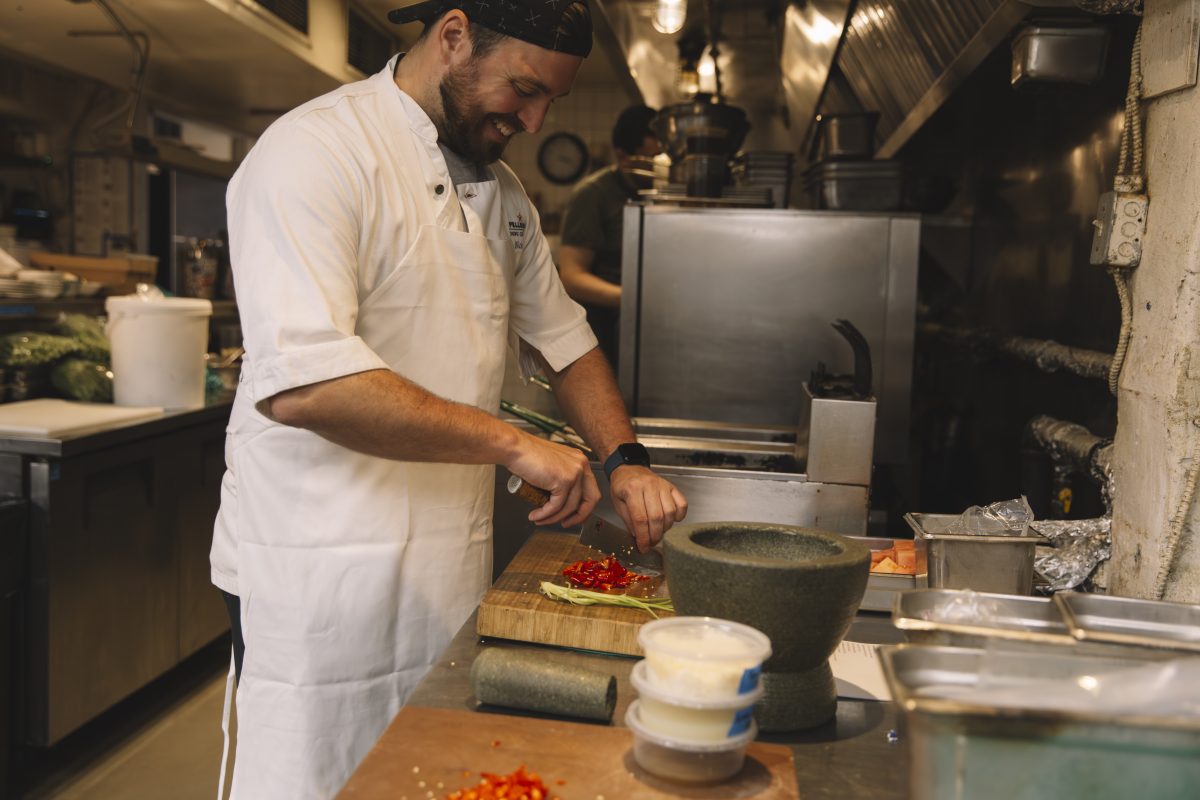
Borins believes one of the most powerful outcomes is education, even when guests arrive simply seeking excitement. In her view, stepping into the back of house helps people understand why restaurant pricing has moved higher, and why margins remain tight.
“When clients go behind the scene and see the work and the expensive ingredients, top notch food ingredients prep, they really are, they have a new awareness,” she said.
That perspective aligns with broader conversations across the industry, where operators have tried to communicate the realities of labor, ingredient inflation, and the true cost of hospitality. Instead of explaining it through signage or social posts, Into the Kitchen makes the point through lived experience, then closes the loop by serving dinner afterward.
It is a reminder that “experiential” is not just a marketing theme. In some cases, it is a practical bridge between a brand’s value proposition and the consumer’s understanding of what they are paying for.
Partnerships and the next stage of growth
Although Into the Kitchen is currently Toronto-centric, Borins says interest from outside the city is real. Vancouver and Calgary have come up in her planning, and she describes expansion as part of a longer-term vision. Still, she is candid about the constraint: her presence is a big part of the product.
“To be quite transparent, I am the ‘into the kitchen’ lady,” she said. “I am the one that meets the clients firsthand. So I cannot replicate myself in that way.”
Instead, she is widening distribution through partnerships that put the experience in front of travelers and high-intent consumers. Into the Kitchen is listed by Destination Toronto as a three-hour immersive experience inside the kitchen of a leading Toronto restaurant.
Borins also pointed to collaborations with premium travel and hospitality players, including a partnership with the St. Regis Toronto that appears on the hotel’s experience offerings, as well as work with luxury travel company Abercrombie & Kent.
From a brand strategy perspective, those channels match the target customer, and they do it without turning the business into a mass-market product. They also reinforce Borins’ preference for controlled growth, strong partners, and reputational credibility.
Why this concept fits Toronto right now
Borins argues that Toronto’s restaurant scene is part of why the model works. “It’s outstanding,” she said, describing the city’s food as seasonal, current, and service-driven. She also believes the professionalism in kitchens, and the culture among crews, creates an environment where guests can step in without the experience feeling chaotic.
In the background, the rise of international validation, including Michelin’s presence in the region, has added to the city’s confidence. Still, Borins frames excellence as the point, not the trophy. “They want to be excellent and more so, they want to have the customer come back again,” she said.
For retail watchers, the takeaway is that hospitality is increasingly behaving like premium retail. The product is not only the meal. It is access, belonging, story, and memory. Into the Kitchen Toronto culinary experience is designed to sell all of those at once, while also feeding demand back into the restaurant brands that make it possible.
Borins summed up her approach in simple terms, rooted in long-term relationships. “When I say partnerships, it’s truly like a friendship,” she said. In a city where consumers collect experiences as readily as they once collected things, that may be the most durable value proposition of all.