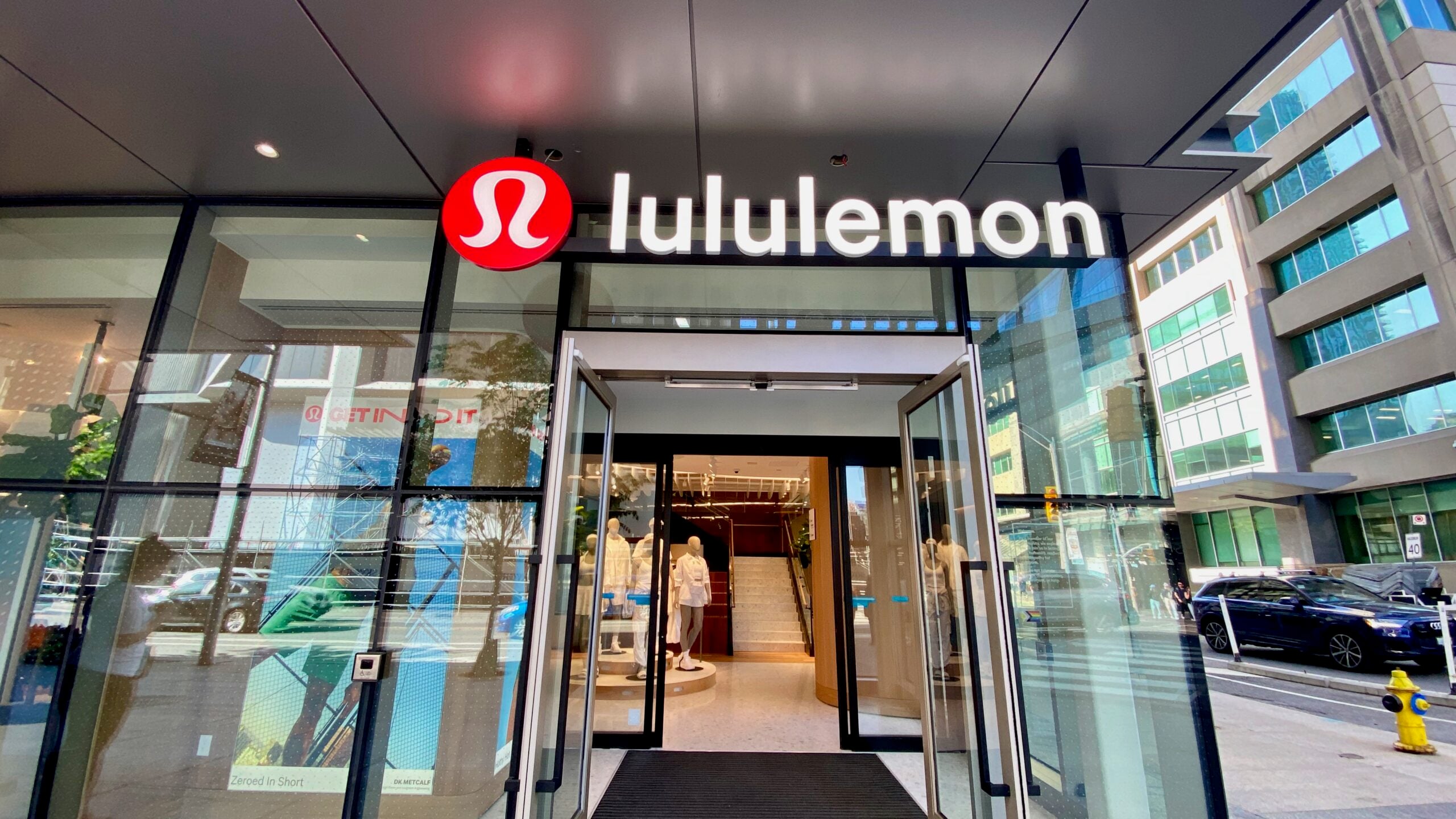
Toronto retail availability has tightened dramatically at the neighbourhood level, with some of the city’s most in-demand streets now fully leased.
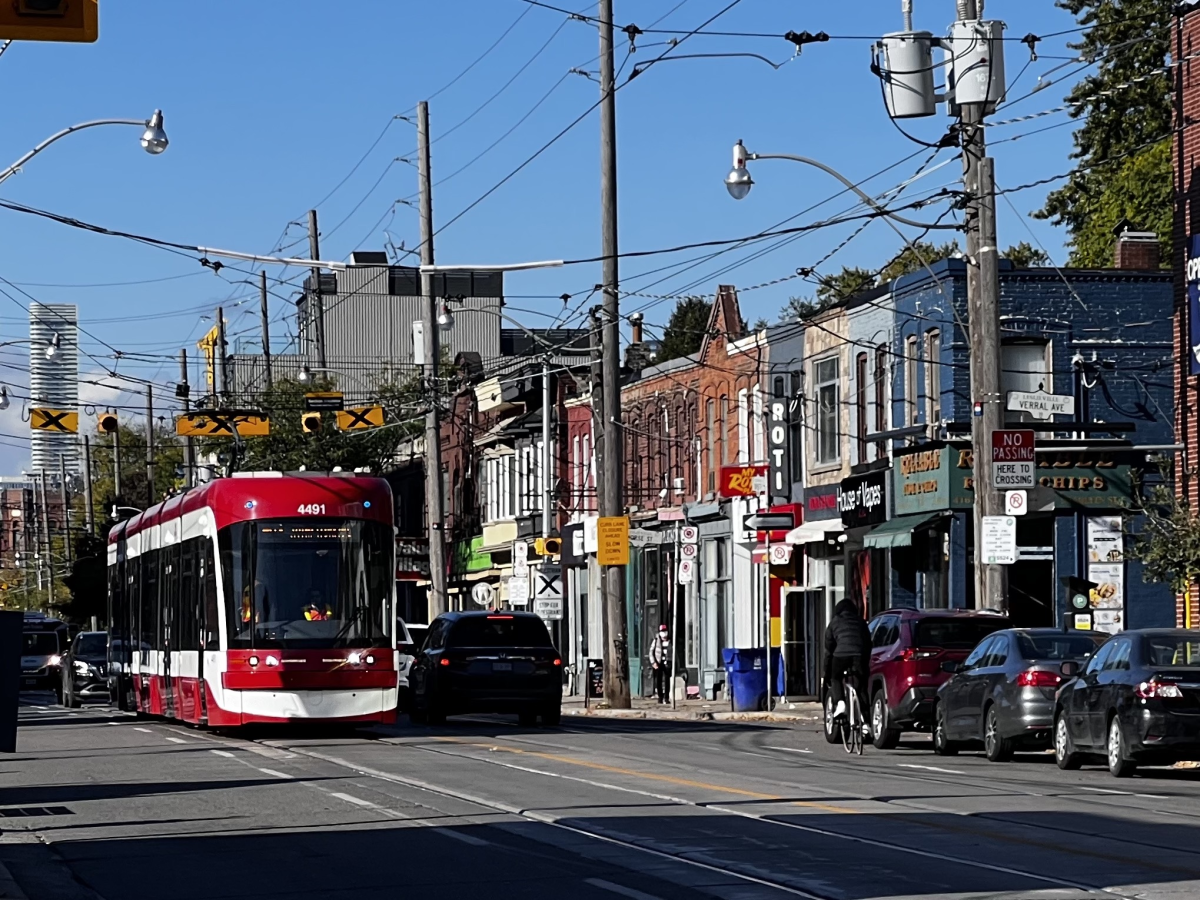
According to JLL’s latest Toronto Urban Retail Report, both Ossington Avenue and Leslieville recorded 0.00% retail availability at the end of the fourth quarter of 2025, making them the tightest retail submarkets in the city. The figures highlight the intensity of demand for well-located, streetfront retail space in Toronto’s most active neighbourhood corridors.
Brandon Gorman, Executive Vice President at JLL Canada, said the lack of availability underscores just how competitive these streets have become.
“Ossington remains the tightest market in the city,” he said, noting that availability has effectively disappeared across multiple consecutive quarters.

Neighbourhood Retail Demand Continues to Intensify
Ossington’s transformation over the past decade into a destination for independent retail, restaurants, and nightlife has made it one of Toronto’s most sought-after retail corridors. Limited inventory and strong consumer traffic have created a supply-demand imbalance that leaves little opportunity for new entrants.
Leslieville is now experiencing a similar dynamic. For the first time, the Queen Street East stretch between Booth Avenue and Leslie Street has reached full occupancy, reflecting growing demand for retail space in Toronto’s east end.
The appeal of these neighbourhoods lies in their ability to combine strong local customer bases with destination appeal. Retailers are drawn to the consistent foot traffic, curated tenant mix, and community-driven atmosphere that support long-term performance.
West Queen West and Summerhill Also Tight
Beyond Ossington and Leslieville, several other Toronto corridors are experiencing similarly tight conditions.
West Queen West continues to attract strong tenant interest, particularly east of Ossington, where available space is increasingly difficult to secure. Gorman noted that many tenants are actively searching for space in the area, but suitable options remain scarce.
“We have a number of tenants looking for space in this corridor and it simply does not exist – it is a very tight market.”
Midtown Toronto is also seeing strong demand. In the Summerhill area, availability is limited, and much of the upcoming retail supply is already attracting interest before completion. New developments, including One Roxborough, are expected to deliver additional space, but leasing activity suggests that demand will continue to outpace supply.
Yonge Street Sees Shift Toward Higher Quality Tenants
While some corridors are effectively fully leased, others are evolving as market conditions improve.
On Yonge Street, particularly between Gerrard and Bloor, leasing activity has increased as landlords gain greater confidence in offering longer lease terms. This shift has allowed higher-quality tenants to enter the market, replacing shorter-term or less established operators that previously dominated parts of the corridor.
Gorman said that smaller-format spaces are driving much of the activity, especially units under 2,000 square feet that can accommodate food and beverage concepts or boutique retailers.
In many cases, these spaces are attracting multiple offers, further illustrating the competitive nature of Toronto’s streetfront retail market.
Limited Supply Continues to Shape the Market
The lack of available space across Toronto’s neighbourhood corridors reflects a broader structural constraint. Unlike enclosed shopping centres, streetfront retail is inherently limited by geography, making it difficult to add new inventory in established areas.
At the same time, redevelopment activity can temporarily remove space from the market, further tightening availability. In some cases, landlords are holding properties for future projects, reducing the number of leasable units in the short term.
This combination of strong demand and constrained supply is expected to keep Toronto retail availability under pressure in the near term.
A Competitive Landscape for Retailers
For businesses looking to enter Toronto’s most desirable neighbourhoods, the current environment presents both opportunity and challenge.
While strong consumer demand and vibrant local economies offer compelling reasons to secure space, the lack of availability means that timing, flexibility, and location strategy are more critical than ever.
As Gorman noted, many of the city’s top-performing streets are no longer simply competitive, they are effectively full.