As excitement builds for the FIFA World Cup, Toronto and Vancouver have been welcoming soccer fans from around the world. Beyond the matches themselves, the tournament is transforming both cities into month-long hubs of activity, with fans gathering in downtown cores, bars, restaurants and public viewing events as well as passing through transit stations, highways and airports.
This influx of people is creating a major opportunity for brands looking to reach large crowds, even without paying the steep costs associated with official FIFA sponsorships. Instead, many are focusing on the places fans will naturally spend time before and after games. As a result, out-of-home advertising is one of the most visible ways brands can tie themselves to the excitement surrounding the tournament – which also has an economic impact on the host city.
The reach potential for brands is high. Vancouver is anticipating approximately 350,000 spectators, while the city’s FIFA Fan Festival is expected to welcome up to 25,000 visitors at a time over 28 days of programming. Toronto is expecting 270,000 spectators across its six matches with the city’s FIFA Fan Festival projected to attract up to 20,000 visitors per day over 22-days.
Scott Mitchell, Managing Director, Canada at Vistar Media, talks to Retail Insider about how brands are capitalizing on the World Cup moment without official sponsorship status.

Question: The FIFA World Cup is expected to bring hundreds of thousands of visitors to Toronto and Vancouver. What opportunities does that create for brands?
Answer: The World Cup creates a unique environment where audiences are highly engaged, emotionally invested, and exploring cities in ways they normally wouldn’t. Fans aren’t just attending matches, they’re spending time at fan festivals, restaurants, bars, transit hubs, airports, and entertainment districts. For brands, that opens up countless opportunities to connect with consumers throughout their day.
What’s particularly interesting is that these visitors arrive with a shared sense of excitement and anticipation. Brands that understand where fans are moving throughout the city can reach them in moments of high engagement, whether they’re heading to a match, gathering at a fan festival, or exploring local neighbourhoods.
Q: Not every company can afford to be an official FIFA sponsor. How are brands capitalizing on the World Cup without having official sponsorship status?
A: One of the advantages of out-of-home advertising is that it allows brands to participate in cultural moments without needing official sponsorship rights. Rather than focusing on the event itself, marketers can focus on the audience and the environments surrounding it.
We’re seeing brands activate around fan zones, entertainment districts, transportation corridors, and hospitality venues where supporters naturally spend their time. By understanding where attention will be concentrated, brands can establish a meaningful presence and then get clever with their creative to align with the sport holistically rather than the tournament – all without official sponsorship rights.
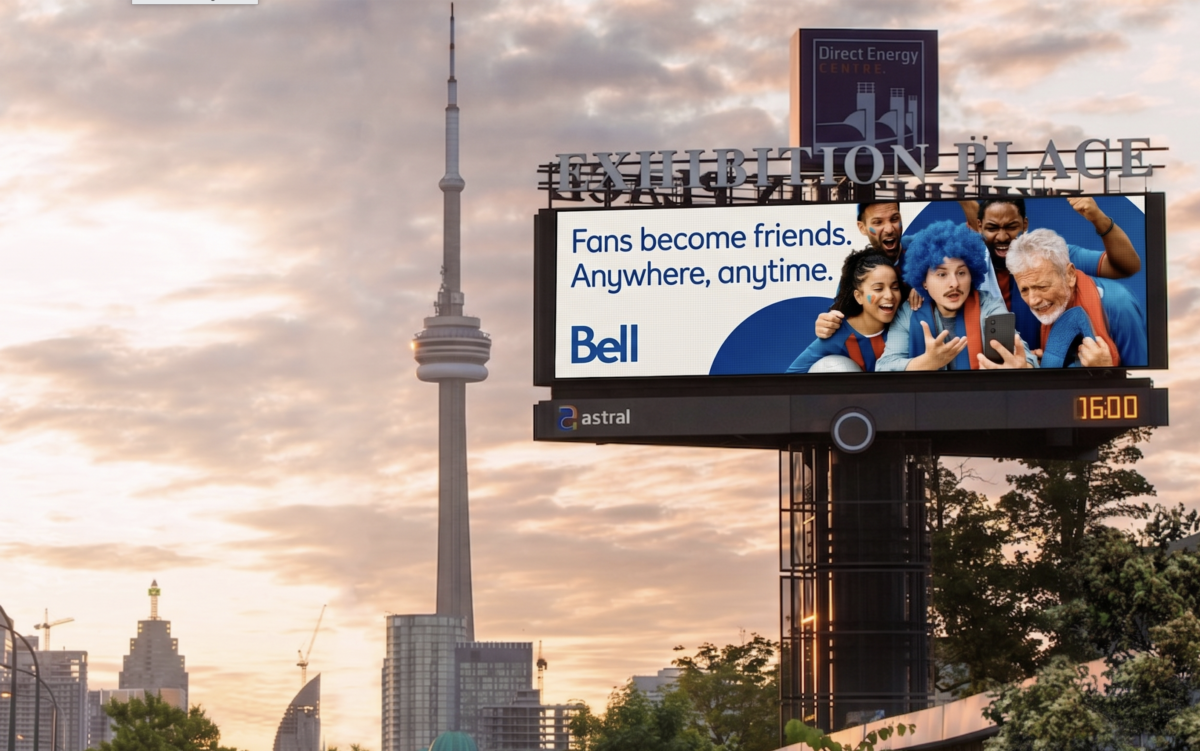
Q: How are brands using out-of-home advertising around stadiums and fan zones during major sporting events like the World Cup?
A: Location has always been important in out-of-home advertising, but programmatic technology has made it far more strategic. Campaigns can be optimized based on audience movement, venue proximity and changing traffic patterns throughout the event. Today, brands can identify high-traffic fan environments to activate campaigns that align with fan activity throughout the city.
The most effective campaigns think beyond game time. Fans are planning where they’ll meet before matches, where they’ll celebrate afterward, and how they’ll navigate the city in between. Brands that understand those patterns can deliver messaging that feels timely and useful throughout the tournament.
Q: How is technology changing the way brands engage with fans during live sporting events?
A: Technology is transforming out-of-home from a static medium into a highly responsive channel. Advertisers can now update creative in real time based on factors like game outcomes, weather conditions, audience behaviour, or time of day.
That flexibility is especially valuable during major sporting events because fan sentiment can shift instantly. A dramatic win, an upset, or a standout performance can quickly dominate conversation, and brands now have the ability to adapt their messaging accordingly.
The result is advertising that feels more immediate and connected to what’s happening in real time. Instead of delivering the same message throughout a campaign, brands can respond dynamically as attention and conversation evolve.
Q: What are some of the most creative ways you’ve seen brands align themselves with sports fandom?
A: The strongest campaigns tap into the emotions and rituals that surround sports rather than focusing solely on the competition itself. Fans travel together, celebrate together, and create traditions around major tournaments.
Successful brands find ways to participate in those cultural behaviours. A good example is Vistar Media’s own Olympic medal-triggered campaign, which dynamically activated out-of-home ads in response to medal wins; this showed how brands could connect with fans during moments of peak excitement and national pride.
The common thread for successful campaigns on this front is credibility. Sports fans are incredibly passionate and can quickly recognize when a brand is simply chasing attention. The campaigns that resonate most are the ones that contribute something meaningful to the conversation.
A: Do events like the FIFA World Cup change the way brands think about media strategy?
A: Absolutely. Large-scale global events demonstrate the value of reaching audiences in physical environments during periods of heightened engagement. As consumers become increasingly fragmented across digital channels, major live events create rare opportunities to capture concentrated attention.
For marketers, that shifts the conversation from simply reaching people to reaching them in the right context. The environment, the occasion, and the mindset of the audience become just as important as the message itself.
We’re seeing more brands adopt that mindset and explore how data, location intelligence, and creative flexibility can work together to build campaigns that deliver scale without sacrificing relevance.
More from Retail Insider: