At Cannes Lions, the major event for the creative marketing communications industry, every brand wants to be seen. But visibility is only the beginning, says Gradient Experience.
The harder question is what happens after the guest leaves the beach, the garden, the rooftop, or the private dinner. Did the experience create a story that travels? Did it give people something to do, make, feel, or share? Did it make the brand more memorable, more useful, or more meaningful?, says the company.
“This year, Gradient analyzed 14 of the most visible Cannes Lions 2026 activations using our proprietary I.M.P.A.C.T. Methodology, a framework that evaluates branded experiences across six dimensions: Integrated, Measurable, Participatory, Affective, Community-Building, and True-to-Brand,” it said.
“The result is not a ranking of who spent the most or built the biggest footprint. It is a closer look at which activations turned brand storytelling into strategic impact.
“Across the Croisette, one pattern was clear: the strongest experiences did not just surround guests with branding. They turned the brand’s product, platform, or point of view into something people could actively experience.”
Full report attached and individual brand reports are linked here.

In an interview with Retail Insider, Pauline Oudin, CEO of Gradient, discusses the report.
Question: Your I.M.P.A.C.T. framework evaluates activations across six dimensions—what are those dimensions, and why do you believe they provide a better measure of success than traditional event metrics like attendance or impressions?
Answer: The I.M.P.A.C.T. framework evaluates six dimensions:
1. Integrated (did the experience create ripples across channels?)
2. Measurable (did it generate quantifiable results?)
3. Participatory (did attendees shape the outcome or just observe?)
4. Affective (did it generate genuine emotion?)
5. Community-Building (did it create real connections between people?)
6. and True-to-Brand (could only this brand have done this?).
Attendance tells you how many people showed up. Impressions tell you how many scrolled past. Neither tells you whether the experience changed anything. What we actually care about is: did people do something, feel something, and carry something back with them? The I.M.P.A.C.T. score answers those questions. It’s a composite that captures strategic impact: the kind that moves brand equity, not just a wrap-deck number.
Q: Amazon earned the highest score at 90. What specific elements of its activation set it apart from the rest of the field, and what lessons can other brands take from its approach?
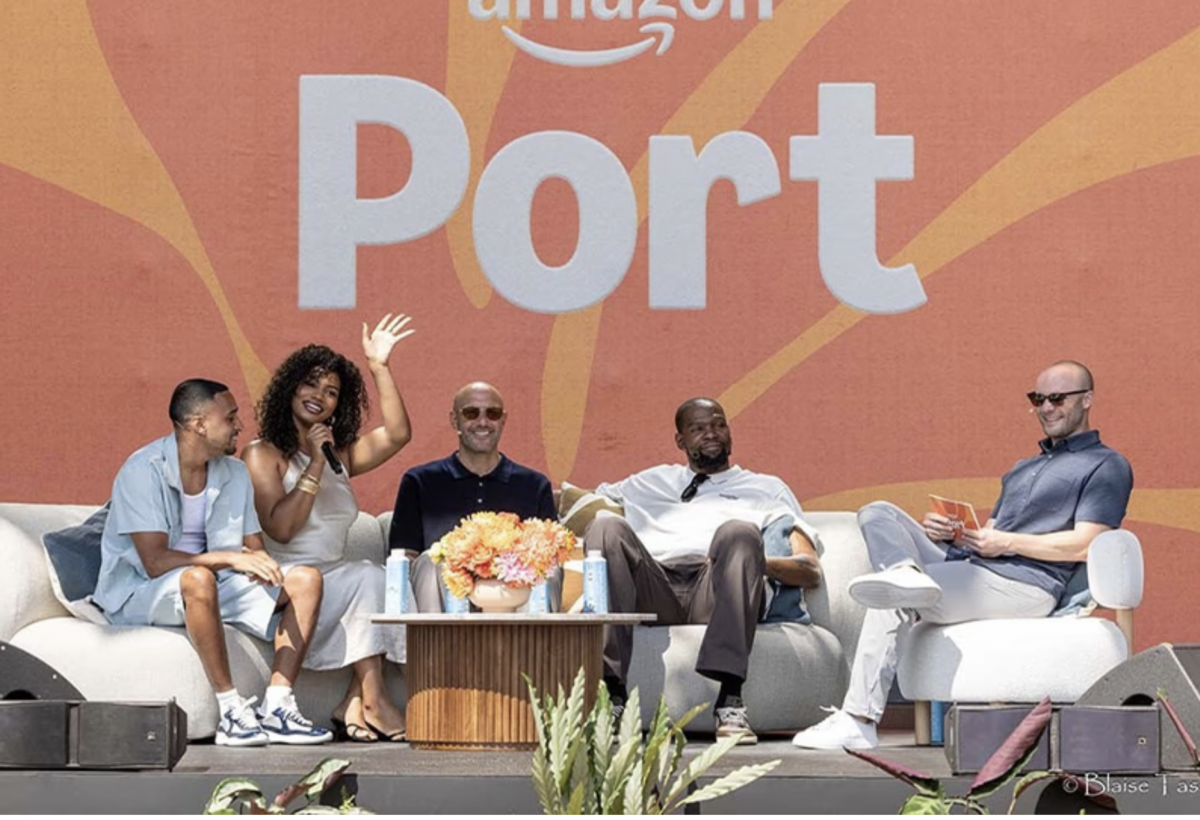
A: Amazon built an entire port district. Multiple venues, each activating a different part of its ecosystem. What made it score highest wasn’t the scale, it was the architecture. Every element required visitors to engage with an actual Amazon product or service. You weren’t watching a demonstration. You were inside one.
That’s the principle we see consistently at the top of the scoring: when the product creates the experience rather than sponsors it, every dimension lifts simultaneously.
The lesson for other brands isn’t “build a port.” It’s stop wrapping your product in entertainment and start making your product the entertainment.
Q: Looking across all 14 brand activations you evaluated, what common traits consistently distinguished the highest-performing activations from the lower-scoring ones?
A: Three things consistently. First, the highest scorers made their product the medium, not the message. Second, they built in personalization: something each attendee created, received, or took home that was specific to them. Third, they designed for distribution from day one: channel architecture was built into the experience, not bolted on after the fact.
The lowest scorers had one thing in common: they produced a beautiful experience inside a room, and the room was the end of the strategy.
Q: Were there any brands that challenged conventional thinking by scoring either much higher or much lower than expected, and what do those results reveal about the current state of experiential marketing?
A: Pinterest at 87 will surprise people. It’s not a brand most would put on a shortlist of Cannes experiential heavyweights. But the Manifestival was genuinely brilliant: every feature of the app became a physical station.
Visual search became a wearable. Taste recommendations became edible. That’s not a marketing activation, that’s a product demonstration you’d stand in line for.
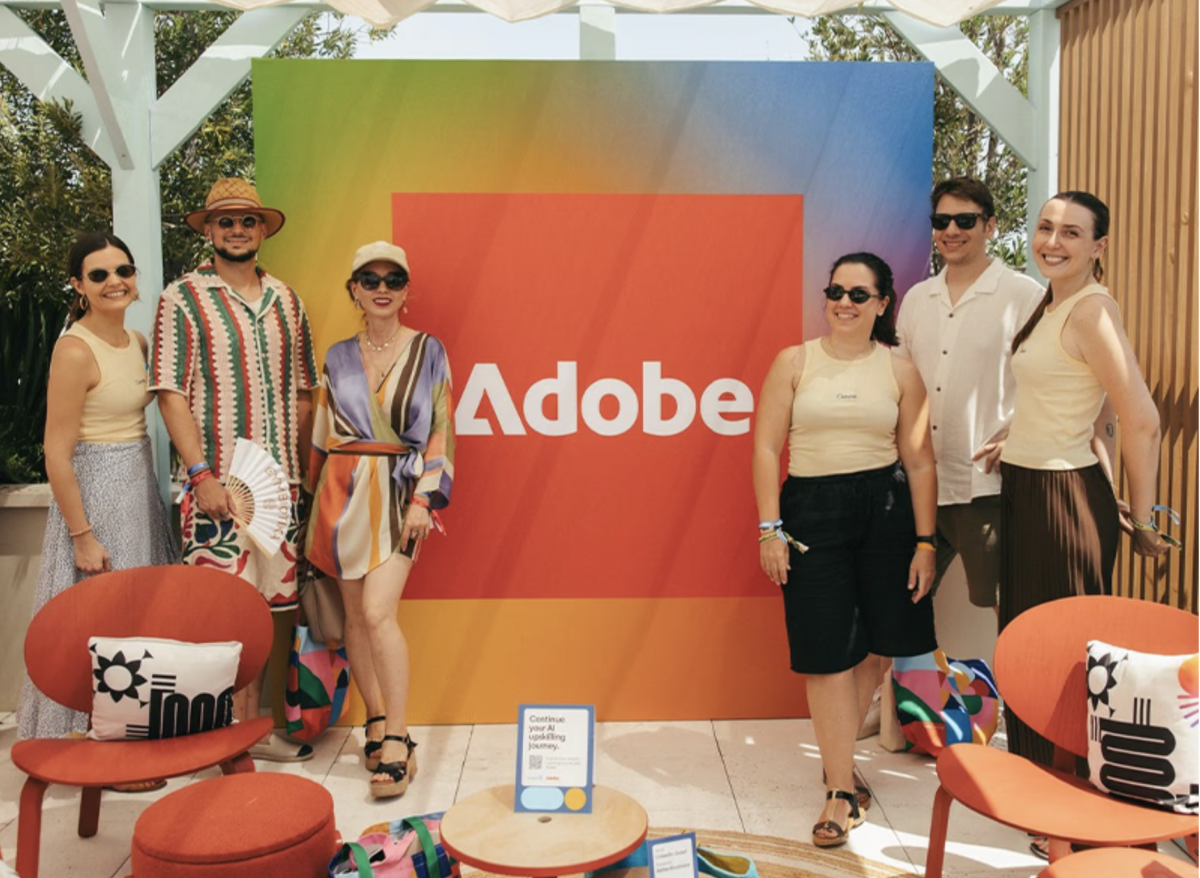
On the other end, Microsoft at 58 is worth examining. One of the most resourced brands in the world produced a beautiful, brand-true space, and left most of the I.M.P.A.C.T. dimensions untouched. No participatory mechanic, limited channel distribution, no confirmed UGC strategy, at least as far as we could tell without being on the inside of the program results. The 58 score isn’t a judgment on the quality of the garden. It’s a signal that the strategy didn’t match the ambition. That gap is more common than the industry admits.
Q: For retailers and consumer brands planning activations over the next year, what are the three most important changes they should make based on the findings from this year’s Cannes Lions analysis?
A: First, stop renting culture and start producing it. The brands that scored highest didn’t hire a DJ or sponsor a panel: they built something only they could build. If your competitor could run the same activation with a logo swap, you haven’t done the work yet.
Second, make personalization structural, not decorative. Four activations in this series used personalization as a core mechanic. All four outperformed their cluster average on both Participatory and Affective. A guest who leaves with something made specifically for them talks about it. That’s the most cost-efficient earned media play available in experiential.
Third, decide which channels you want the story to travel through before you design the physical experience. Not after. The activations with the biggest gaps between experience quality and overall I.M.P.A.C.T. score were the ones treating social amplification and PR as a post-event problem. Distribution is a design decision.
More from Retail Insider: