Montreal-based Pajar Canada has acquired Grendene Global Brands USA (GGB), expanding the Canadian company’s U.S. operations and giving it responsibility for the distribution and commercial management of Melissa and Mini Melissa in the United States.
Grendene had disclosed in March that it signed a non-binding letter of intent for the potential sale of the U.S. subsidiary to Pajar. The completed transaction gives Pajar an established U.S. operation for Melissa and Mini Melissa as the Montreal company continues to expand its North American footwear business.
The acquisition follows several years of expansion for Pajar, including its acquisition of Canadian footwear brand Cougar and a growing number of third-party distribution relationships. It also advances an effort to reduce the seasonality of a business historically centred on cold-weather footwear.
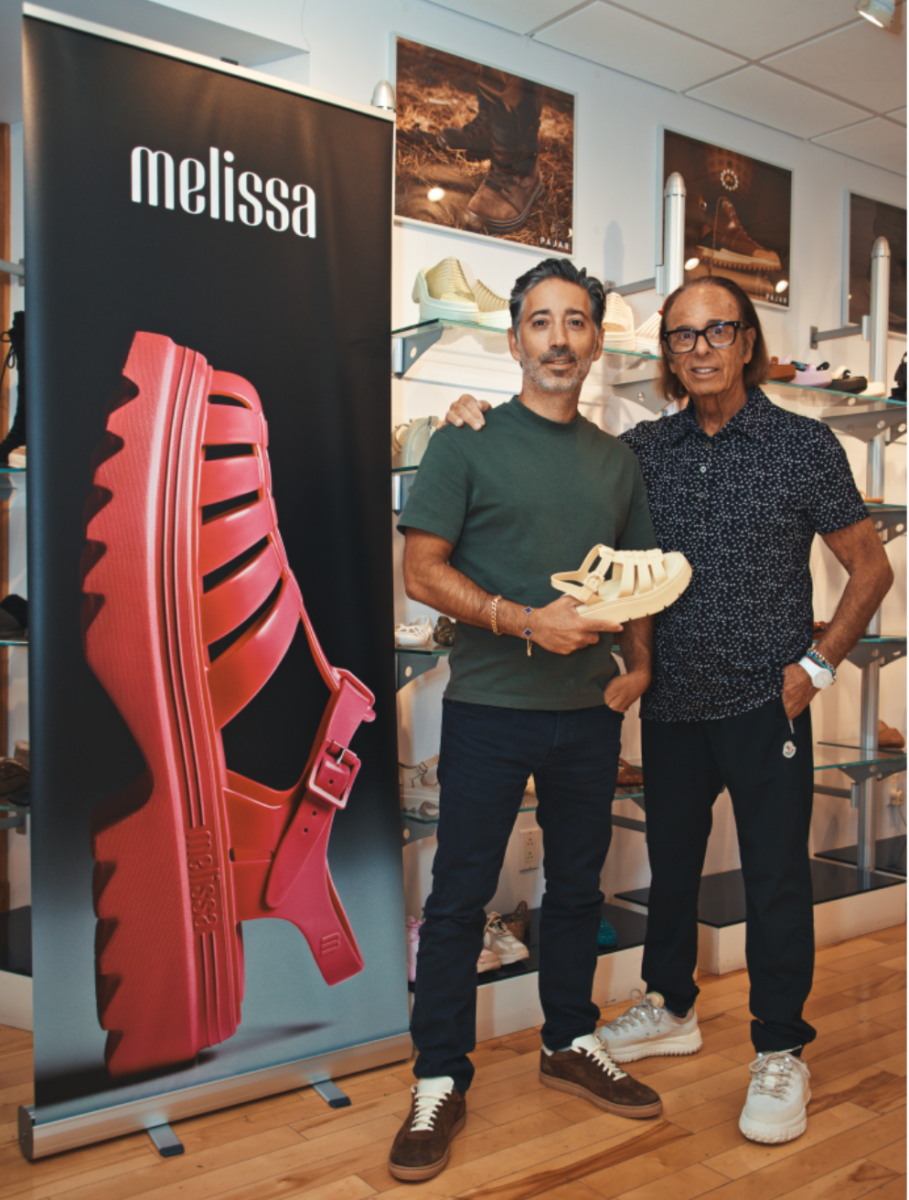
“We’ve always been looking to equalize our business from fall to spring,” Pajar President Michel Golbert told Retail Insider. “About 90 per cent of our business was fall, and we were looking for something that could complement Pajar and then Cougar.”
Canadian Success Led to U.S. Expansion
Pajar began distributing Melissa in Canada in 2025 as part of an expanded relationship with Grendene. The agreement, announced in June 2025, brought Melissa into Pajar’s Canadian sales network while Pajar also took on broader North American distribution responsibilities for several Grendene brands.
Golbert said the Canadian business performed well, helping lead to discussions with Grendene about expanding the relationship into the United States.
“We were very successful with everything, and we started talking to Brazil about possibly taking over the U.S.,” Golbert said. “One thing led to another, and we signed the deal.”
The agreement went beyond an expanded distribution contract. Pajar acquired the existing GGB operation, including its U.S. warehouse, and Golbert said most of its employees have joined Pajar to continue operating the business.
Pajar will now oversee U.S. distribution and commercial management for Melissa and Mini Melissa while continuing to oversee Ipanema distribution in North America. The company said the brands strengthen its spring and summer business and complement its longstanding position in premium winter footwear and outerwear.
Pajar’s acquisition of Cougar in 2024 was another step in that diversification, with the company using its distribution network to expand the Canadian footwear brand into additional markets.
Existing GGB Operations Remain in Place
Pajar deliberately acquired GGB rather than establishing a new U.S. company to handle the Melissa business. Golbert said retaining the existing organization allowed Pajar to preserve its employees, customer integrations, warehousing and ERP systems while minimizing disruption for retailers.
“There aren’t going to be many changes,” Golbert said. “We’ve been able to bring their staff in the U.S. on board, so it’s going to be pretty much business as usual.”
Golbert said acquiring the company itself was important because its infrastructure and customer relationships were already in place.
“We did it on purpose. We bought the actual company rather than starting a new company because all the integrations were already in place with the customers, along with the warehousing and ERP system,” he said. “We can start from day one, ship and continue doing everything they were doing without losing that momentum.”
Grendene had outlined some of the rationale for the transaction when negotiations were disclosed in March. The Brazilian manufacturer said the potential sale was consistent with a strategy to strengthen its U.S. presence through a local partner while improving operating efficiency and profitability and reducing direct exposure to international operations.
For Pajar, the acquisition provides an established U.S. organization through which to grow Melissa without having to recreate the distribution infrastructure.
Melissa Growth Creates U.S. Opportunity
Founded in Brazil in 1971, Grendene is one of the world’s largest footwear manufacturers. Its portfolio includes Melissa, Mini Melissa and Ipanema, among other brands, with products sold in more than 100 countries.
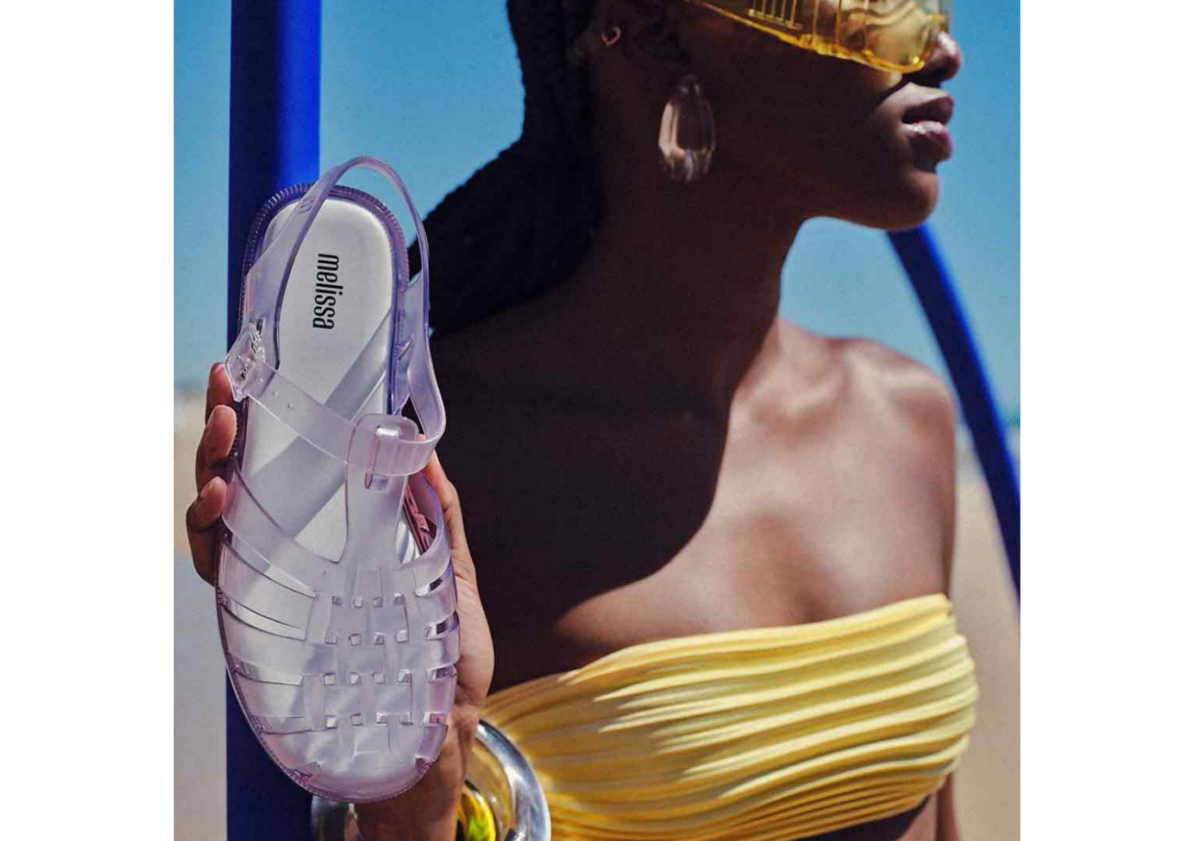
Melissa has developed an international following around its moulded footwear, distinctive designs and fashion collaborations. Golbert said the broader jelly footwear category has been performing particularly well over the past year and a half, particularly in the U.S.
“The whole jelly category is on fire right now,” Golbert said. “Over the past year and a half, that category has been doing very well, especially in the U.S.
Golbert described Melissa as Grendene’s higher-end jelly footwear brand and a key part of the Brazilian company’s international portfolio. In Canada, he said Melissa is carried by retailers including Browns and Holt Renfrew, while U.S. accounts include Bloomingdale’s, Nordstrom and Kith.
Pajar intends to expand both the wholesale and direct-to-consumer sides of Melissa and Mini Melissa in the U.S. The company said it plans to invest in the B2B and B2C businesses while maintaining the creativity and brand identity that have helped Melissa build its international following.
Pajar Adds More Brands in Canada
Pajar has also recently expanded its Canadian distribution business as consolidation continues within the footwear sector.
Golbert told Retail Insider that Pajar has taken over Canadian distribution for Merrell Kids, Saucony Kids, Stride Rite and Kenneth Cole Women’s following the closure of longtime Canadian footwear distributor Indeka.
“We’ve taken over the distribution rights in Canada for those brands,” Golbert said.
Indeka, founded in 1972, represented a portfolio of footwear brands in Canada that included the four businesses Golbert identified as moving to Pajar. The additions broaden Pajar’s distribution activities across multiple footwear categories and selling seasons.
Golbert was cautious when asked whether Pajar could pursue further acquisitions after GGB.
“It’s a bit too soon to talk about that,” he said.
Footwear Industry Continues to Consolidate
Golbert spoke with Retail Insider from the floor of AFA Canada’s United in Style Spring/Summer 2027 trade show at the Toronto Congress Centre. The event brings together footwear, apparel and accessory brands with retailers, buyers and other industry participants from across Canada.
The setting provided a real-time view of an industry Golbert said is consolidating among both retailers and wholesalers.
“It’s not great for wholesalers like ourselves because obviously we’re losing stores every year,” Golbert said, pointing to the loss of major retail channels in Canada. He said surviving footwear retailers, including Browns and SoftMoc, have been positioned to capture some of the business left behind.
“Whoever is still standing is doing well,” he said. “People like Browns or SoftMoc are taking advantage of some of the mishaps from everybody else.”
Golbert sees similar consolidation among suppliers and distributors. From the United in Style show floor, he observed that the event appeared smaller than the previous edition six months earlier.
“There are fewer wholesalers as well,” Golbert said. “The show is much smaller than it was six months ago. Either there are fewer brands, people aren’t spending as much, or there are other factors, but it’s consolidating. There are fewer players.”
Pajar has been able to find opportunities within that changing market, including its additional Canadian distribution relationships and the GGB acquisition.
“For people like ourselves, we’re lucky that we’ve been able to capitalize on things like that,” Golbert said. “But I can see how it could be complicated for others.”
Despite the reduction in industry participants, Golbert remains positive about consumer demand.
“In general, the shoe business is still very strong,” he said. “We have good brands, and people are still interested in buying boots and shoes.”
More Than Six Decades in Montreal
Pajar was founded in Montreal in 1963 by Paul Golbert, whose family had a background in European shoemaking. The Pajar name was formed from the names Paul, Jacques and Rachel, and the company established its Montreal footwear factory in 1973.
The company remains family-run, with Jacques Golbert serving as CEO, Michel Golbert as President and David Golbert as Vice President. Pajar describes itself as a fifth-generation family footwear business and has said that its shared family-business culture with Grendene contributed to the relationship between the companies.
Manufacturing remains part of Pajar’s Montreal operation.
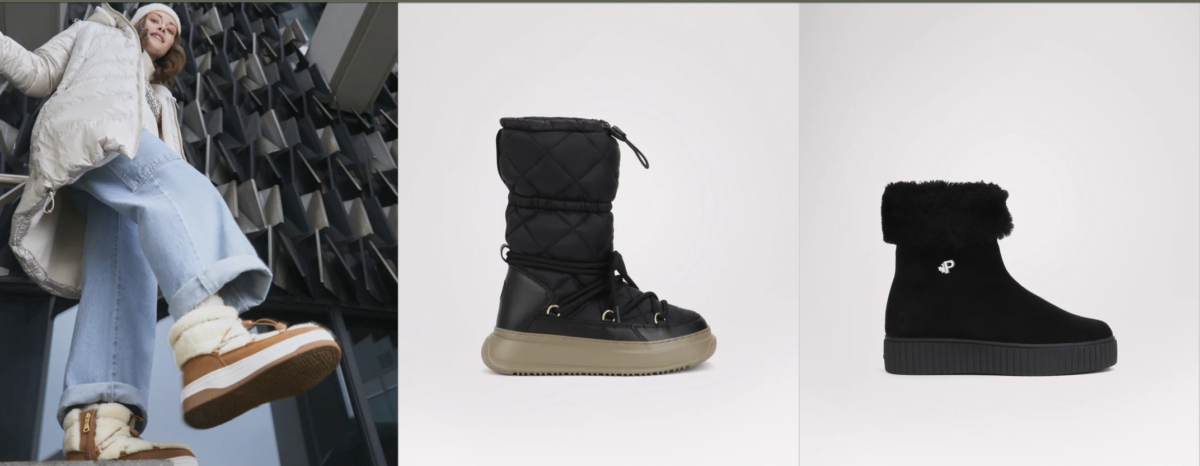
“We still produce in Montreal,” Golbert said. “We have our small factory, which produces our high-end Montreal | 1963 collection. We produce the rest of our boots in Europe and Asia, and then we distribute brands like Ipanema and Melissa from Brazil.”
Pajar distributes Cougar directly in the U.S. and works with a distributor for the brand in Canada. Cougar is also gradually expanding into Europe, following an international growth strategy Pajar has used for its namesake brand.
The GGB acquisition adds an established U.S. operation and a larger spring and summer footwear business to Pajar’s growing mix of owned brands and distribution relationships.
For Melissa, Golbert said the immediate focus is straightforward.
“Our goal is to continue selling, continue growing and maintain the momentum we’re having,” he said. “Then we’ll see where these opportunities bring us.”