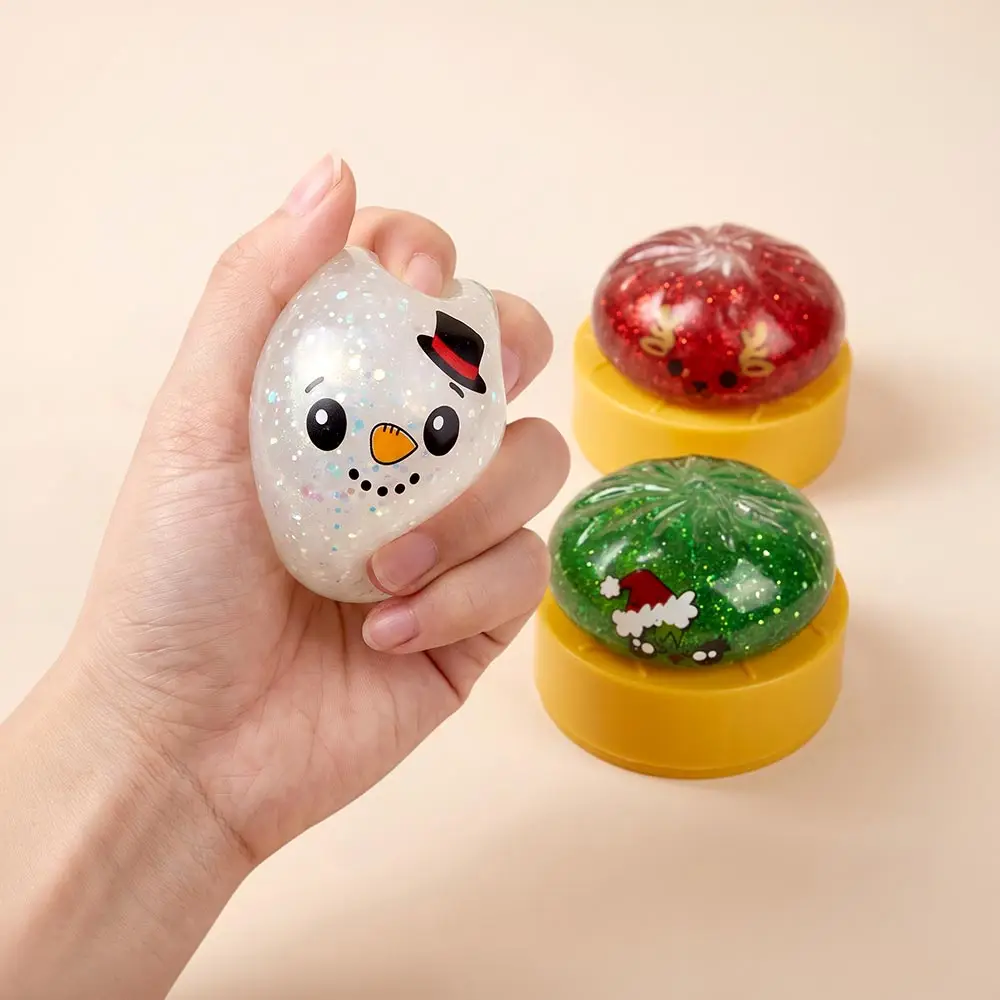
A squishy toy craze is spilling beyond the toy aisle as independent retailers look to capitalize on growing demand for sensory play and products aimed at a more screen-free childhood.
Stuffed and plush products were the fastest-growing kids category on Faire, rising 628% between May and June 2025 and the same period in 2026, according to the wholesale marketplace’s latest Independent Retail Pulse report.
Faire said about 75% of that growth was driven by squishies, while the broader Kids’ Toys & Games category grew 143%.
The trend is also showing up in unexpected places, with squishies accounting for 73% of kids-category order volume in hardware stores, 67% in convenience stores, 65% in pharmacies and 63% in grocery stores, compared with 53% in toy stores, according to Faire’s first-party order data.
Searches for “squishy” on the platform jumped 18,000% year over year, as retailers respond to growing interest in tactile, screen-free play.

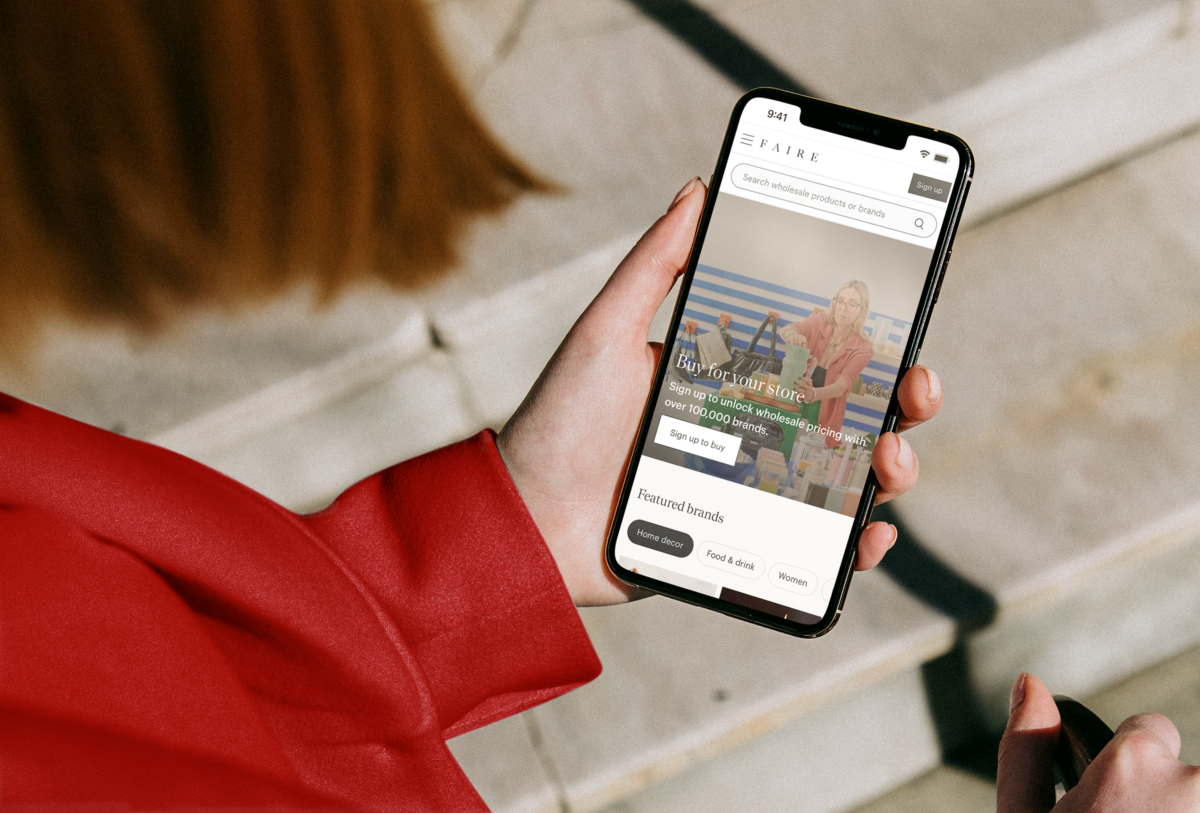
In an interview with Retail Insider, Faire Chief Revenue Officer Jennifer Burke spoke about the report’s findings.
Question: What are the biggest factors driving the explosive growth in squishies, and do you see this as a lasting consumer trend or a short-term craze?
Answer: Squishies are following the same playbook as fidget spinners and Beanie Babies: a sensory, calming toy that isn’t age-gated, made viral and collectible through social media that keep demand compounding. We see that in our own wholesale data, a squishy order now averages around 25 units, versus about 6 for other kids’ items, which tells us retailers are betting on repeat, multi-unit demand, not one-and-done sales.
We’ve also seen the inventory consistently evolve to sustain their staying power, with popular dumpling and butter shapes spiking earlier this year. That churn of new shapes to chase is exactly what keeps reorders coming. It’s not slowing into the back half of the year either, “Halloween squishy” searches started trending on Faire back in June, and “Christmas squishy” has emerged as a new, fast-growing search this month. Based on what retailers are stocking up on, we expect squishies to hold the top of the kids category through year-end.
Q: Why are squishies selling so well in non-traditional retail channels like hardware stores, pharmacies, convenience stores, and grocery stores, and what does that say about changing shopping habits?
A: The jump outside of the toy aisle signalled that shoppers are finding squishies wherever they can, and what we see in our data is that independent retailers across any category are the ones fast enough to meet them there. This isn’t squishy-specific, either. Across every category we track, stores carrying 5–10 categories widened their assortments this year, and adding categories tracked with growth in overall spend.
Independent retailers can place smaller, more frequent orders and stay closer to what their own customers are asking for, which makes it easier to test something outside their usual assortment, squishy or otherwise.
Q: Your report links the trend to a growing interest in screen-free childhoods and sensory play. What broader shifts are you seeing in how parents are shopping for children’s products?
A: The pandemic put a spotlight on screen time’s effects on kids. What we’re seeing in the wholesale data lines up with a sustained move toward off-screen play: Kids’ Toys & Games orders are up 143%, and within that, classic and nostalgic games are up 67.5%. This lines up with Millennial parents shopping with nostalgia for their own childhoods, and driving retailers to stock classics over untested screen alternatives.
Q: Despite ongoing economic pressures, your data shows consumers continue to spend on premium, values-driven kids’ products. What does this reveal about where parents are willing to invest, and how should independent retailers respond?
A: What we can see in our data is that retailers keep stocking up on higher-priced items despite the cost-of-living squeeze. A wooden or Montessori toy retails on average around $18, almost double a squishy’s $10, and their sustained ordering signals retailers are seeing enough demand to justify staying the course. For independent retailers, that’s the strategy: hold steady on evergreen categories like premium, high-quality toys where demand doesn’t waver, while staying nimble enough to react in real time when something like squishies takes off.
Q: Based on the trends in your data, what opportunities do you see for independent retailers in the Kids & Baby category over the next 12 to 18 months?
A: The squishy wave is proof of a muscle independent retailers already have: spotting things early and moving fast. We’ve seen the same pattern before, for example with Dubai chocolate, where independent retailer orders surged 565% a full year before Lindt launched its own version.
That’s hundreds of thousands of shop owners reading their own communities firsthand. The retailers who win treat that speed and curation as the whole strategy, and that’s the discovery problem Faire solves: a low-barrier way to test into up-and-coming brands before anyone else has them. The playbook is to double down on taste and closeness to the customer, not compete on price or scale.
More from Retail Insider: