Toronto’s Bloor Street luxury corridor has changed dramatically over the past several years, as international brands invested heavily in new flagships, expanded stores and elaborate façades between Yonge Street and Avenue Road. Much of that construction took place during and in the years following the pandemic, reshaping one of Canada’s most prominent retail streets.
Another round of activity is now underway, though it looks different from the earlier flagship-building boom. New retailers and food-and-beverage concepts are arriving, established businesses are relocating or adjusting their footprints, Holt Renfrew is preparing further changes to its flagship, and several major properties remain in various stages of redevelopment or repositioning.
The activity extends well beyond luxury fashion. Jewellery and watch retailers continue to invest, new cafés are adding options to a stretch historically dominated by stores, and the area around Yonge and Bloor is developing an unusual concentration of burger and quick-service concepts. Several large development sites could also substantially alter the eastern end of the corridor in the years ahead.
Delysées Coming to Bloor as RH Prepares New Flagship
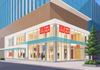
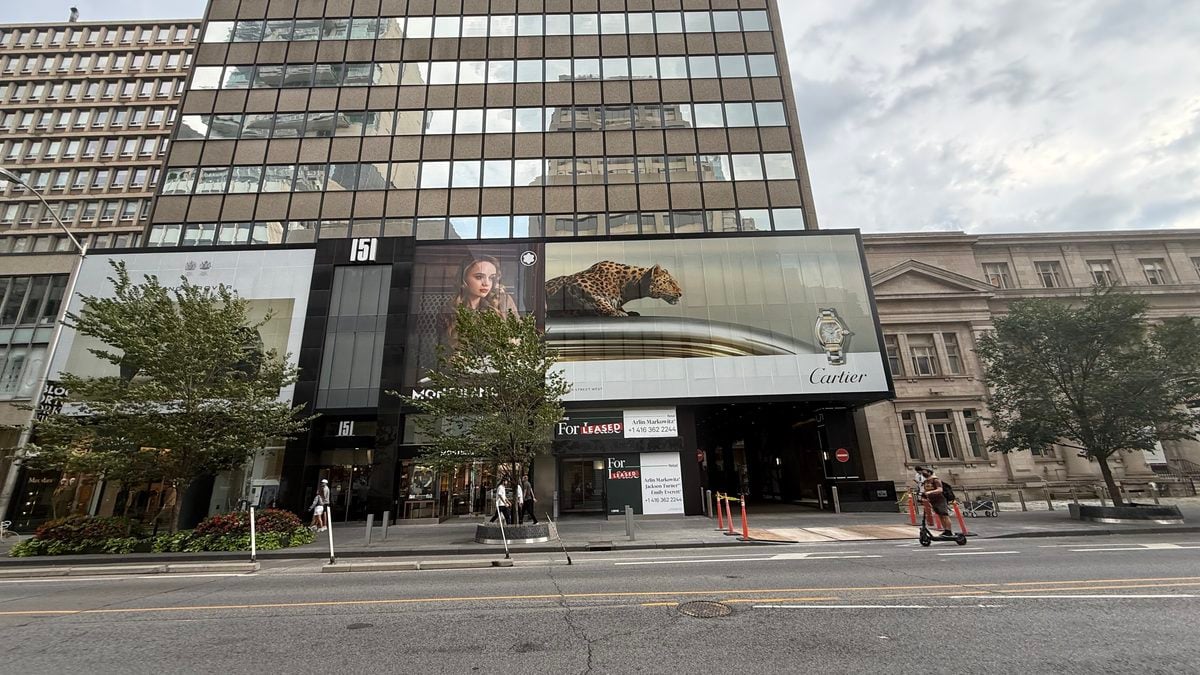
One of the newest additions will be Delysées Luxury Desserts, which Retail Insider has learned will open in the former Peloton space at 151 Bloor Street West. The French-inspired pastry and dessert concept will add another food-and-beverage offering to a section of Bloor where dining options remain comparatively limited. The lease was negotiated with CBRE’s Toronto Urban Retail Team, with Arlin Markowitz and Emily Everett involved in the transaction.
Delysées has been expanding its presence in major Canadian retail destinations. In addition to locations at Yorkdale Shopping Centre and Ossington Avenue in Toronto, Royalmount in Montreal and Lansdowne in Ottawa, the company now operates two concepts at Oakridge Park in Vancouver. Delysées Champagne Bar opened as part of Oakridge Park’s May 28 debut, pairing champagne with desserts, while a separate Delysées boutique subsequently opened near the shopping centre’s main entrance.
The Bloor location marks a return to the broader Yorkville area, where Delysées previously operated a boutique, while introducing a new use to the former Peloton premises following the fitness company’s departure.
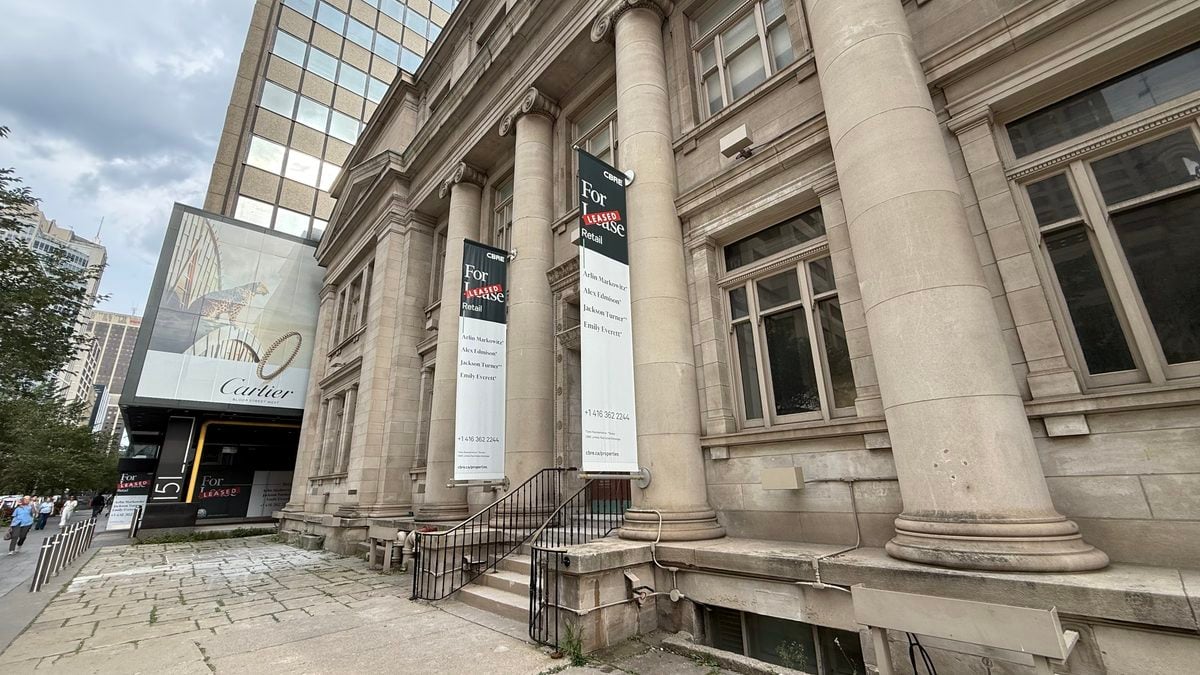
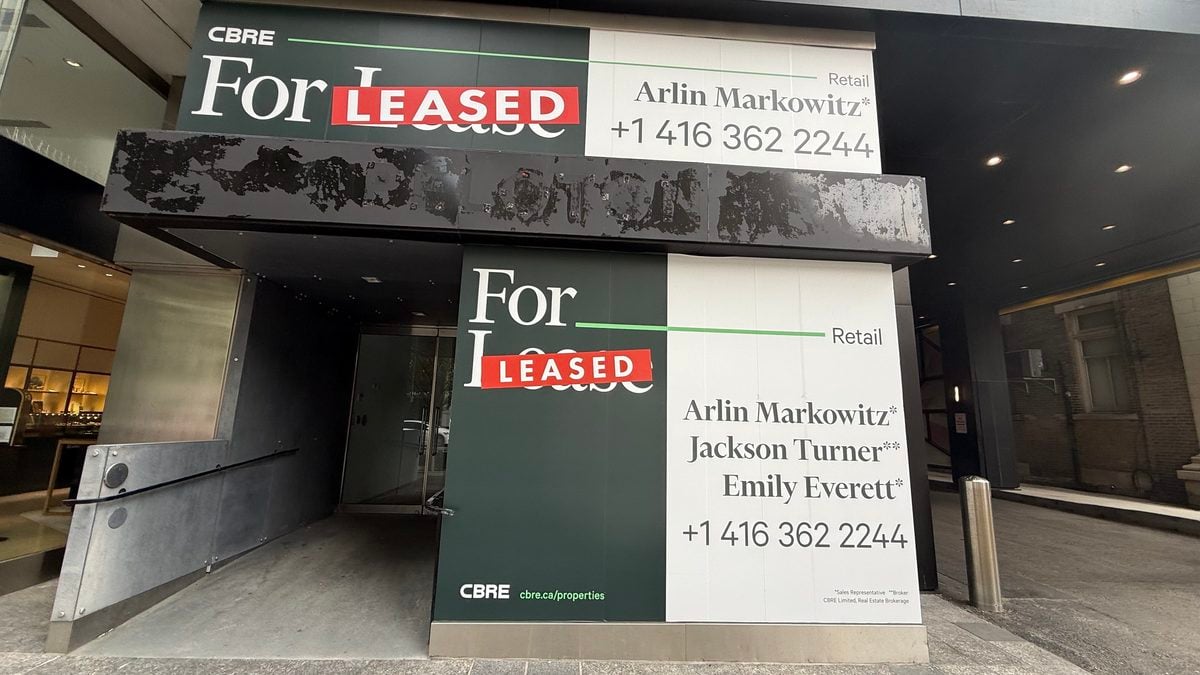
The building at 151 Bloor also houses Max Mara, Montblanc and French childrenswear brand Bonpoint, although another tenant change could eventually come to the property. The Bonpoint premises are now being offered for lease by CBRE’s Urban Retail Team. The store remains open, and any eventual departure would be expected to follow the securing of a replacement tenant.
Immediately next door, RH will begin preparing its previously reported flagship at 157 Bloor Street West in the former Club Monaco store. The premises total approximately 17,000 square feet, with close to 10,000 square feet devoted to retail selling space and much of the remainder used for storage and supporting functions.
Sources tell Retail Insider that the Bloor location will not include an RH restaurant, distinguishing the Toronto store from some of the retailer’s larger Gallery concepts where hospitality plays an important role. The combination of RH and Delysées will bring two significant new uses to adjacent properties along this portion of Bloor.
Food and Beverage Slowly Expands Along the Luxury Strip
Despite the concentration of global luxury brands along Bloor, food-and-beverage options directly on the prime shopping stretch remain relatively sparse. Restaurants are considerably more plentiful immediately north in Yorkville, particularly along Yorkville Avenue, Cumberland Street and surrounding streets.
Paris Baguette added a street-level bakery café at 110 Bloor Street West in October 2024, while Amal operates from the second level of The Colonnade at 131 Bloor Street West. Holt Renfrew also has a restaurant on the mezzanine level of its flagship at 50 Bloor Street West, with Eataly across the street at Manulife Centre.
Delysées will fill a noticeable gap when it opens at 151 Bloor, adding another hospitality-oriented use directly to the luxury shopping strip.
Fashion, Jewellery and Watches Gain More Ground
Luxury jewellery and watches have become an increasingly prominent part of Bloor Street’s retail mix, with several properties seeing investment or tenant changes.
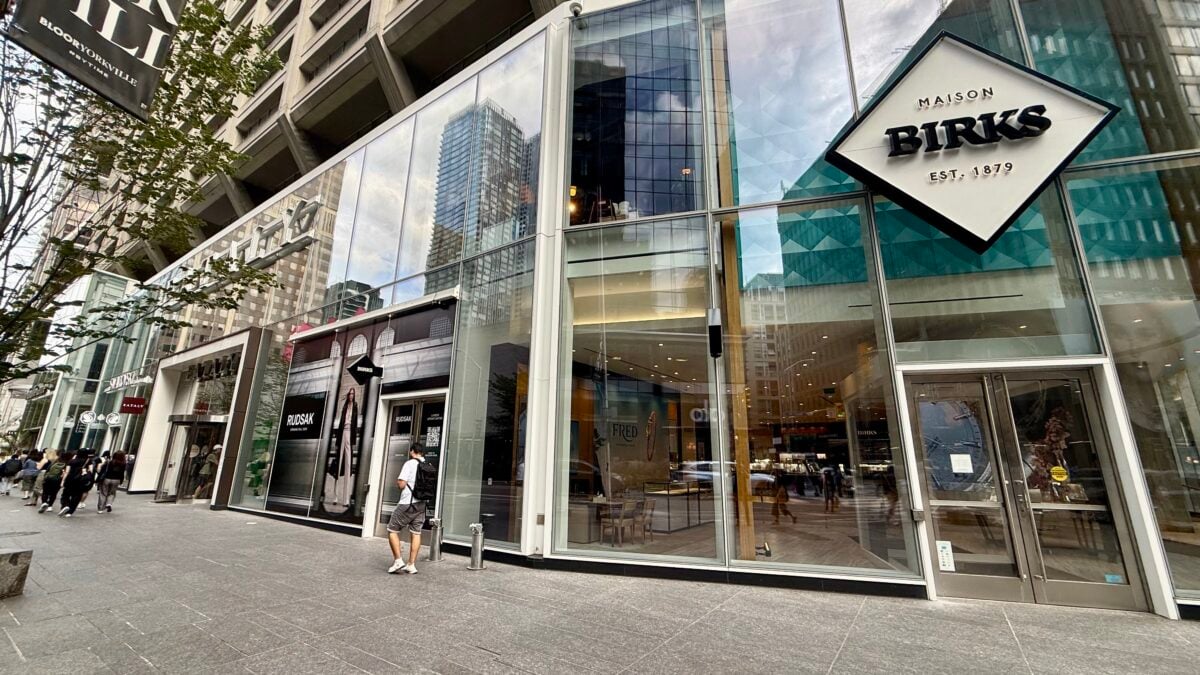
At the Manulife Centre, RUDSAK is preparing a store of approximately 1,000 square feet within a portion of the Birks premises at 55 Bloor Street West. Retail Insider recently reported that the Canadian fashion brand is taking the former Van Cleef & Arpels space through a sublease from Birks.
The deal follows a period of uncertainty over the future of the Birks flagship itself. The long-standing jeweller now appears set to remain on Bloor for the foreseeable future while changing how portions of its large premises are used.
Paris-based jewellery house FRED has opened a shop within Birks in an area previously occupied by Cartier. Montblanc is also expected to establish a presence inside the store. Together with the RUDSAK sublease, the moves point to a reconfiguration of the Birks footprint rather than the full departure that had previously been anticipated.
The largest project currently underway in that category is nearby at 66 Bloor Street West, where Tiffany & Co. is building a new two-level flagship. The approximately 15,000-square-foot store at the southwest corner of Bay and Bloor will replace Tiffany’s existing location at 150 Bloor Street West and is expected to open in early 2027, according to sources.
Approximately 6,000 square feet of the new Tiffany flagship will be at street level, with roughly the same amount of space upstairs. The scale of the project represents another substantial commitment to Bloor by one of the world’s best-known luxury brands.
There could eventually be further movement among the street’s major luxury tenants. Industry sources have indicated that Louis Vuitton has explored options for relocating its existing Bloor Street flagship, although no new location has been announced. Cartier is also said to be looking to relocate, while other brands are said to be looking for space either on the street or nearby.
Holt Renfrew Prepares for Another Major Reworking
Some of the most consequential changes could take place inside Holt Renfrew, one of the principal anchors of the Bloor-Yorkville retail district.
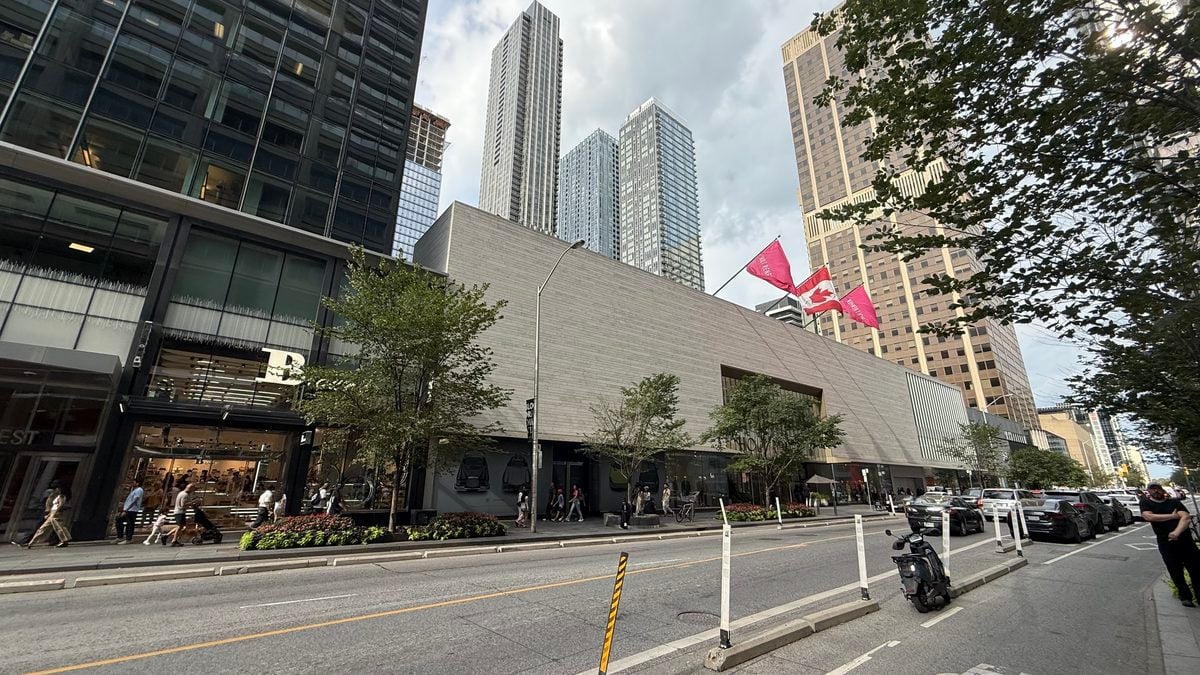
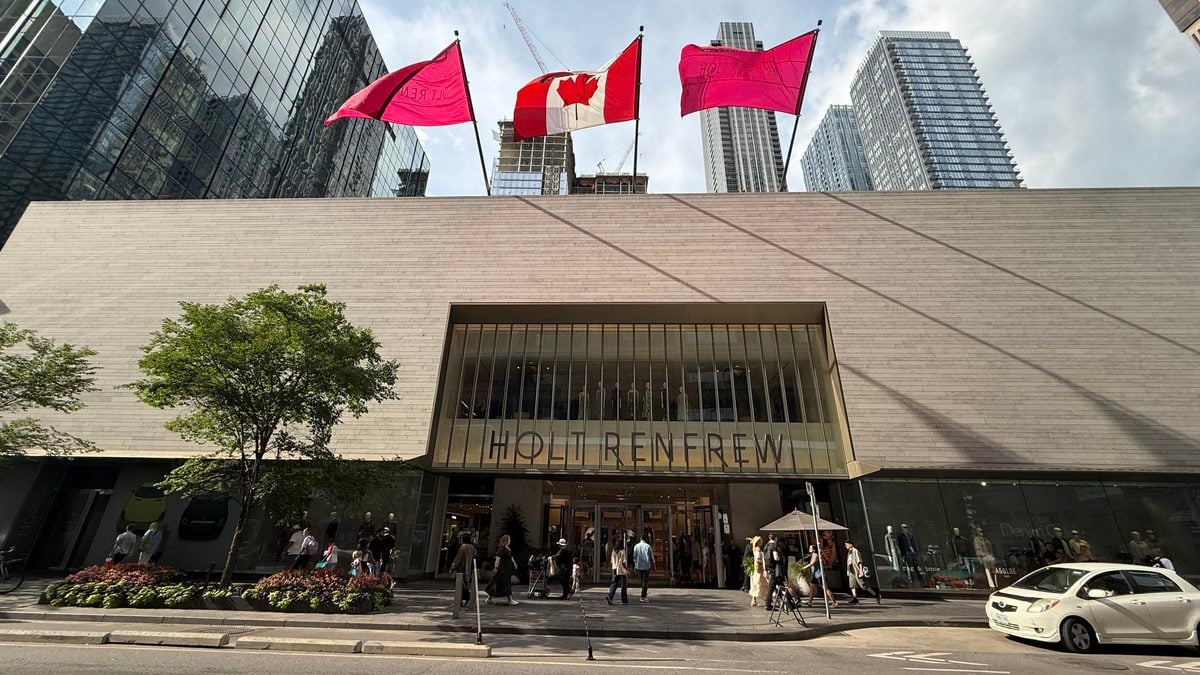
Sources tell Retail Insider that the department store is preparing another substantial reworking of its flagship at 50 Bloor Street West. Plans are expected to include the creation of additional retail space below the existing mezzanine level, along with changes to departments elsewhere in the building. A new in-store spa is said to be one of the potential additions.
The third-floor ON3 concept is expected to be repositioned as part of the project, while menswear and women’s contemporary departments will also be reorganized, according to sources. Holt Renfrew has not publicly announced the complete scope or timing of the work.
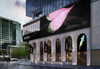
Evidence of the continuing investment can already be seen from Bloor Street. New window openings have been created on the second floor above the flagship’s main entrance, bringing natural light into a portion of the selling floor that previously had no exterior windows. The intervention has also changed the appearance of the façade when viewed from the street.
Changes are coming to the main floor as well. Moncler will open a concession of approximately 3,000 square feet in space recently vacated by Fendi, giving the Italian fashion brand a significantly larger presence within the store.
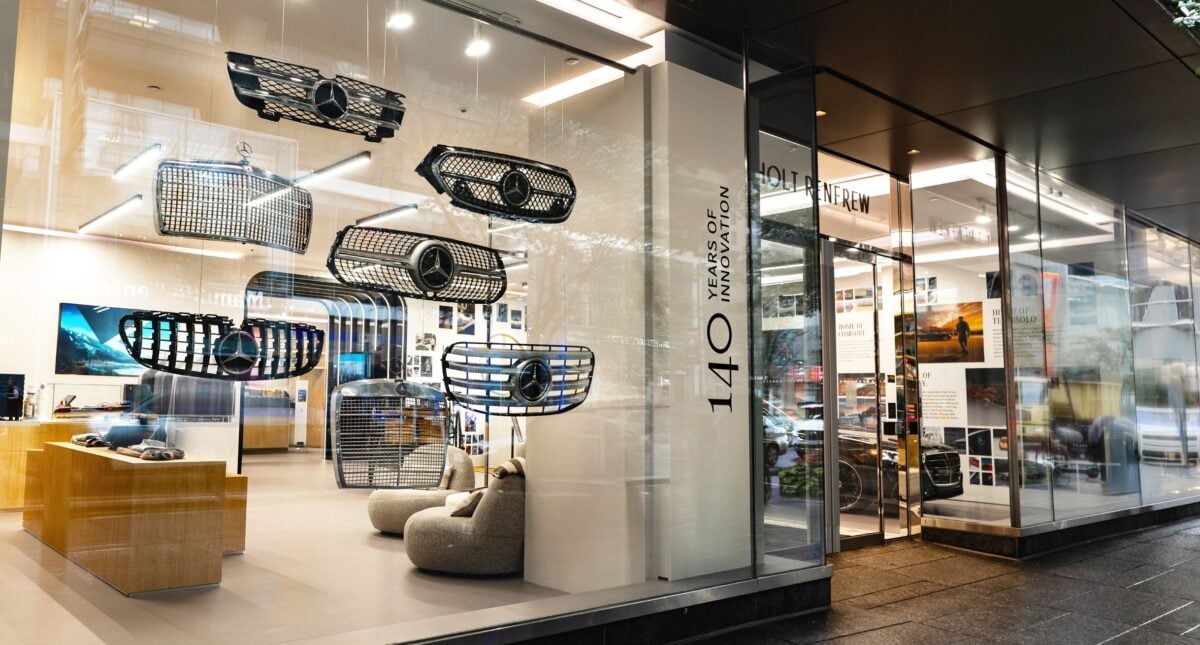
Mercedes-Benz Canada, meanwhile, opened Mercedes-Benz Studio Toronto inside Holt Renfrew in June. The approximately 2,250-square-foot space is being used for changing automotive, fashion and design installations and is expected to remain through 2027.
The Studio recently underwent its first major refresh, reopening with a “140 Years of Innovation” experience tracing Mercedes-Benz history from the invention of the automobile through to the Canadian debut of the 2027 S-Class Sedan. The latest iteration also introduces Italian fashion brand Paul & Shark to the space.
The latest plans continue a multi-stage reinvestment in the Bloor flagship. During the pandemic, Holt Renfrew undertook a partial renovation that included a new façade, updated interiors and the return of menswear to the main store after years of operating from a standalone men’s location at 100 Bloor Street West.
Further changes are taking place under President and CEO Franco Savastano, who assumed leadership of Holt Renfrew following Sebastian Picardo’s departure in 2025. Savastano previously held senior leadership positions at European department store businesses including Globus and Jelmoli.
His arrival has coincided with several consequential decisions involving Holt Renfrew’s store portfolio, including abandoning plans for a second Vancouver location at Oakridge Park, where the retailer had been negotiating to occupy the former 140,000 square foot Hudson’s Bay premises.
The decision puts greater emphasis on Holt Renfrew’s existing network and particularly its Bloor flagship, which sits at the centre of Canada’s largest concentration of luxury retail. The planned changes indicate that investment in the property will continue beyond the renovations completed earlier this decade.
Harry Rosen Leaves Bloor After More Than Five Decades
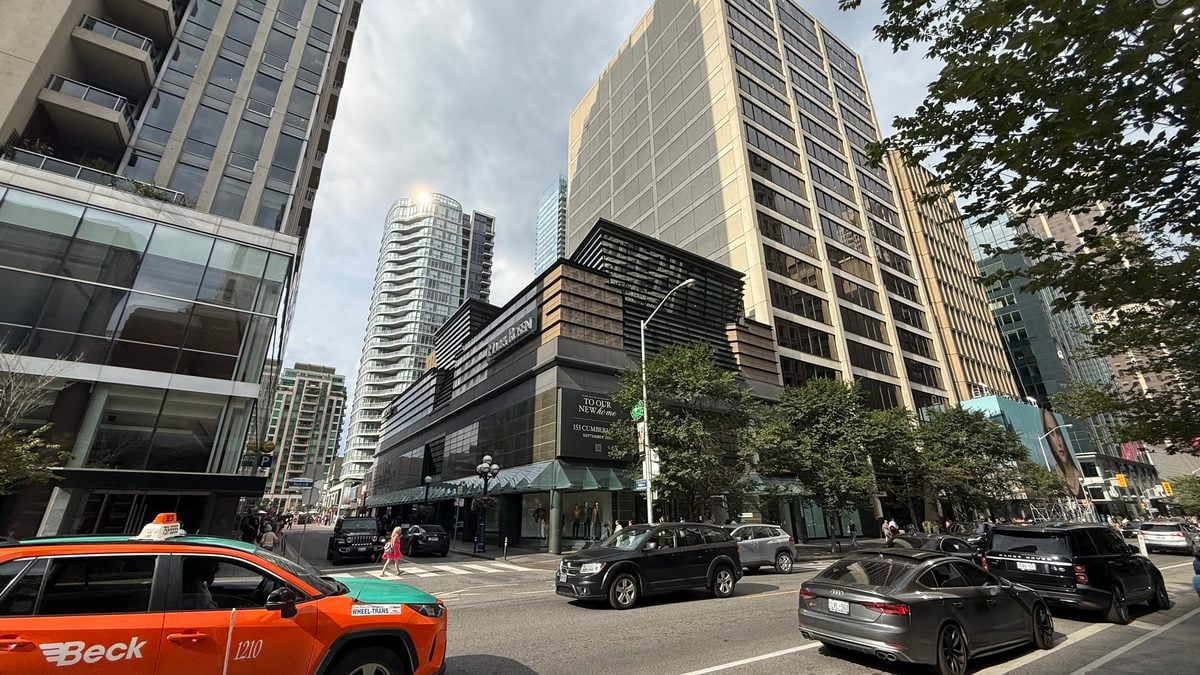
Another significant shift unfolded nearby, where Harry Rosen recently left an address it has occupied for more than half a century.
The menswear retailer closed its five-level flagship at 82 Bloor Street West on September 12 after more than 55 years on Bloor. The store spans more than 50,000 square feet and has long been one of the street’s most recognizable Canadian retail institutions.
Harry Rosen is moving less than 200 metres away to a new flagship at 153 Cumberland Street, with customer pickups scheduled to resume there September 22. While the move takes the company off Bloor itself, it keeps the retailer firmly within Yorkville and reflects the increasing integration of Bloor with the luxury retail streets immediately to the north.
The existing Harry Rosen property is tied to the longer-term redevelopment of 80 and 82 Bloor Street West. Plans have contemplated replacing the Harry Rosen building and neighbouring office tower with a substantially taller development, although the timeline has evolved.
One indication that redevelopment is not imminent can be found next door. GoodLife Fitness previously closed its gym at 80 Bloor in anticipation of future construction but has since reopened at the property.
Harry Rosen’s departure creates one of the most prominent vacancies on the luxury stretch while simultaneously adding another major retail anchor to Cumberland Street. It also illustrates how the geography of upscale retail in the area continues to spread beyond Bloor itself. CBRE is listing the building for lease until redevelopment plans are determined.
One Bloor West Moves Toward Completion
At the eastern end of the district, work continues on one of Toronto’s most closely watched development projects.
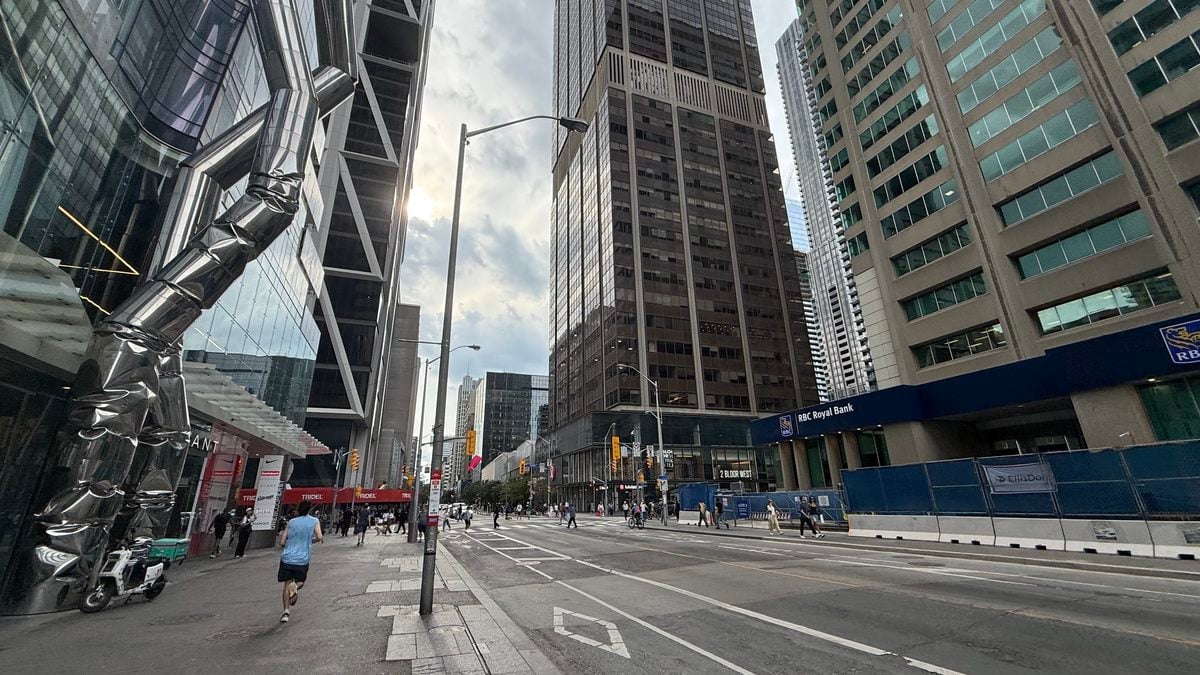
The former Mizrahi development at the southwest corner of Yonge and Bloor is now known as One Bloor West, with Tridel retained as development manager, construction manager and sales manager following the financial difficulties that overtook Mizrahi Developments.
At 85 storeys and more than 300 metres in height, the tower is set to become one of the defining additions to Toronto’s skyline. Interim occupancy is anticipated beginning in 2027, with overall completion currently projected for 2028.
The retail component remains one of the project’s major unresolved questions. A prominent ground-floor space was originally intended for Apple before the technology company withdrew following a dispute with the previous developer, and the premises are now being marketed for lease by CBRE.
Sources previously told Retail Insider that RBC had examined the space at one stage, although no lease was ultimately announced.
The hotel component is also being closely watched. Tridel has publicly indicated that it is seeking a luxury hotel operator for the project, along with retail and food-and-beverage tenants.
Industry sources have told Retail Insider that Singapore-founded luxury hospitality brand Raffles has been discussed as a potential operator, with the possibility that the project’s private residences could carry ‘Raffles Private Residences’ branding as well. Raffles is part of Accor, the France-based global hospitality group.
No agreement with Raffles has been publicly announced, and Retail Insider has not independently confirmed that a transaction has been finalized.
Fabricland Stays Put as Redevelopment Waits
Immediately west of One Bloor West, Fabricland continues to operate at 19 Bloor Street West despite longer-term plans to redevelop the property.
The site is expected eventually to become a major mixed-use project, although sources indicate Fabricland could remain for several more years before construction begins. The Kimel family, associated with Fabricland, is also involved in the ownership and development of the property.
The situation is one of several examples along Bloor where the period between redevelopment plans and actual construction has stretched considerably, allowing existing businesses to remain or return while larger projects work their way toward construction.
Former Hudson’s Bay Remains a Major Question at Yonge and Bloor
Diagonally across the street, one of the corridor’s largest former retail spaces remains without the kind of major anchor that historically occupied it.
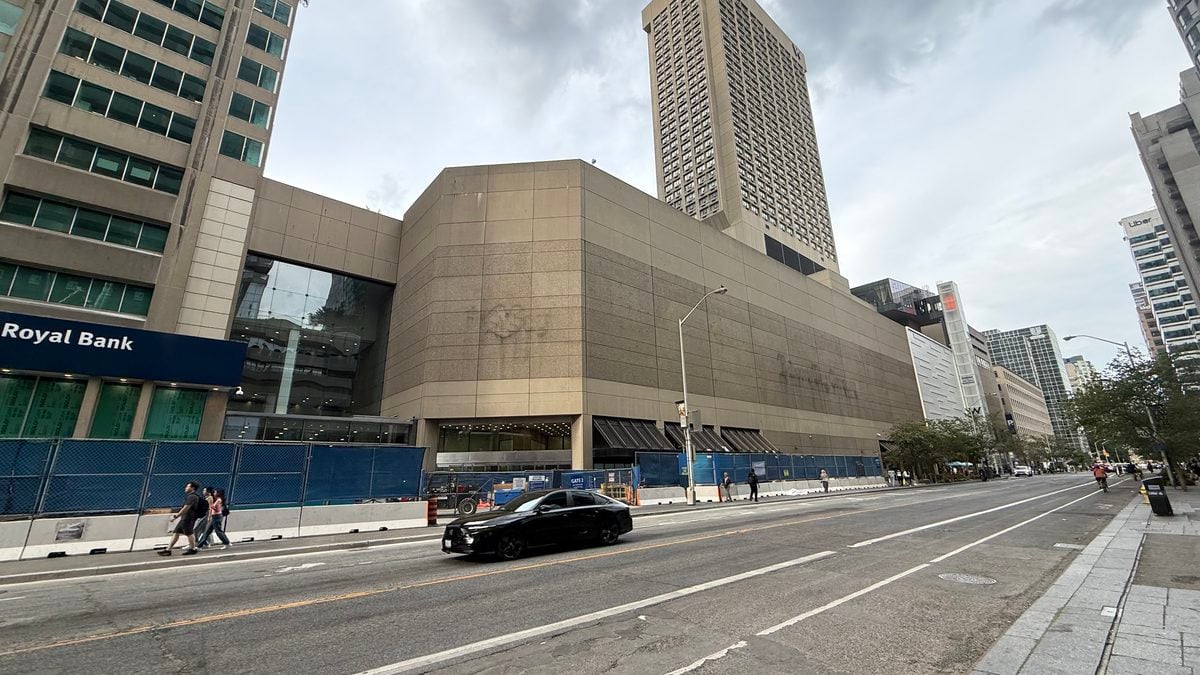
Hudson’s Bay closed its department store at 44 Bloor Street West in 2022 after nearly five decades of operation. A proposal has since emerged to convert significant portions of the former department store premises to self-storage, while the long-term retail component at the base of the property remains unclear.
There had previously been industry discussion about Canadian Tire potentially using part of the former Bay premises temporarily while its nearby store was redeveloped. Plans for the Canadian Tire property contemplate a mixed-use residential and retail development that would ultimately include a replacement Canadian Tire store, but no temporary move to 44 Bloor has been announced.
The continued uncertainty surrounding the former Bay property is particularly noticeable given its location at Yonge and Bloor, one of Toronto’s busiest intersections. It also contrasts with the level of investment taking place several blocks west, where luxury retailers continue to commit substantial capital to new and renovated stores.
New Uses Appear Below Bloor Street
The evolution of the area is also visible below street level, where new uses are appearing in spaces historically occupied by conventional stores and services.
SHKD Quest has opened on the concourse level of Holt Renfrew Centre at 50 Bloor Street West. The entertainment concept combines live-action games with mental and physical challenges designed for groups, using themed environments and competitive elements to create an immersive experience.
While parts of the format may recall laser tag and other interactive entertainment concepts, SHKD Quest has a broader focus on team-based challenges and gamified experiences.
Across the hall, Toronto Designers Market is entering a new chapter under owner Karen Ferguson and is expected to transition to the Wilkes & Bowens name this fall. Together, the concepts illustrate some of the experimentation taking place in lower-level retail environments as landlords seek businesses capable of generating repeat visits.
An Unlikely Burger Cluster Forms Around Yonge and Bloor
Above ground, a very different type of cluster is taking shape around the Yonge and Bloor intersection.
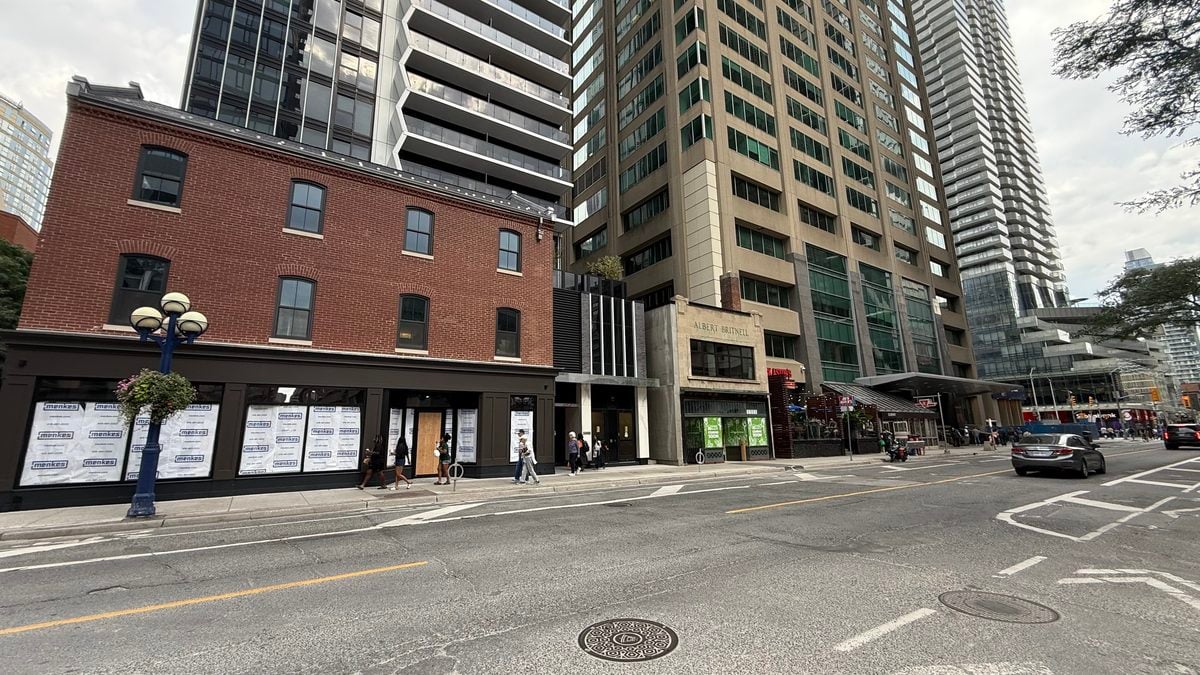
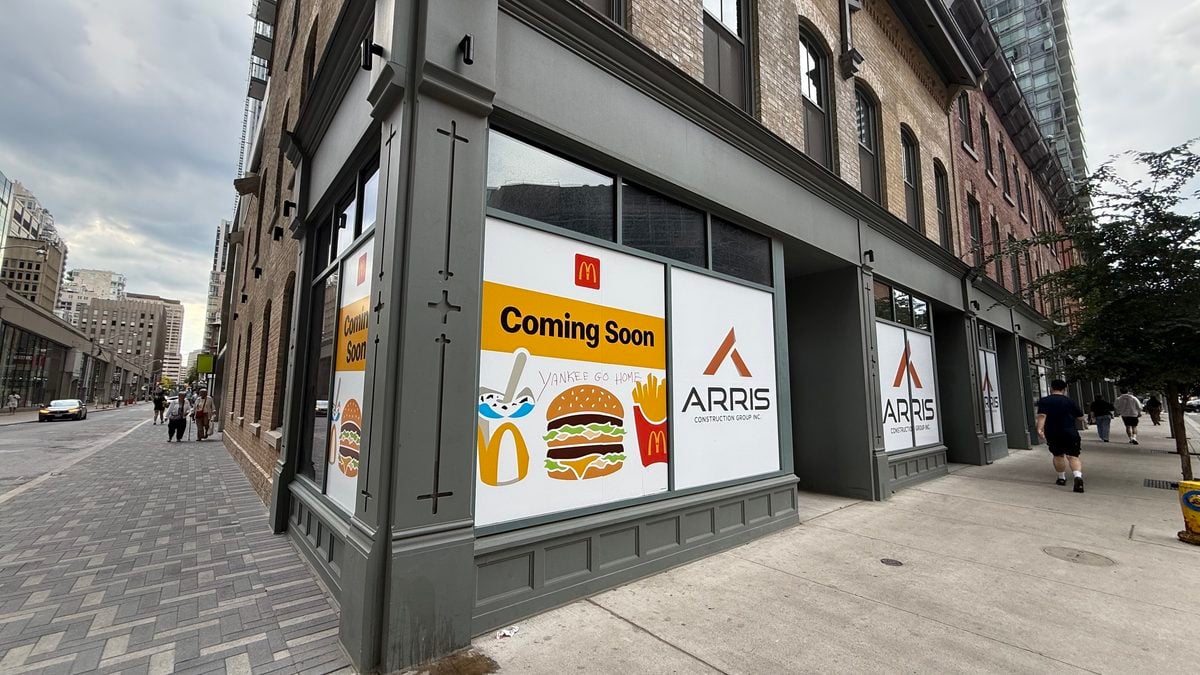
Shake Shack is under construction at 765 Yonge Street immediately north of Bloor, part of the U.S.-based chain’s continuing expansion in Canada. Nearby, McDonald’s is preparing another location for the area at Yonge and Cumberland Streets, occupying space at the base of the Eight Cumberland condominium tower within a row of preserved heritage façades.
South of Bloor, Oklahoma Burgers opened on Yonge Street last year, while Bings is also operating nearby. Chick-fil-A and a recently reopened Popeyes add to the concentration of quick-service restaurants surrounding the intersection.
The result is an emerging burger and fast-food cluster within a short distance of Canada’s most expensive luxury shopping street, creating an unusual juxtaposition between the luxury flagships west of Yonge and the increasingly dense collection of quick-service restaurants around the subway interchange and beyond.
Bloor’s Next Chapter Is Already Taking Shape
The most visible phase of Bloor Street’s recent transformation was defined by construction. International luxury brands built large flagships, façades were rebuilt and significant capital flowed into a relatively short stretch of Toronto’s premier shopping street.
What is happening now is more varied. Some retailers are expanding while others are shrinking or moving, jewellery brands are gaining prominence, food and beverage is slowly filling gaps in the street’s tenant mix, and Holt Renfrew is preparing another round of investment in a flagship that has already undergone considerable change.
Harry Rosen’s move to Cumberland Street also reinforces how closely Bloor now functions with Yorkville immediately to the north. Retail activity that once might have been described simply as “Bloor Street” increasingly spans a larger district encompassing Bloor, Cumberland, Yorkville Avenue and the streets connecting them.
The eastern end presents a different picture. One Bloor West is moving closer to completion, Fabricland remains in place pending eventual redevelopment, and the former Hudson’s Bay continues to await a more definitive retail future. Around those properties, experiential concepts and a growing concentration of restaurants are adding new dimensions to the neighbourhood.
Bloor Street has already changed substantially since the pandemic-era construction boom began. With Tiffany & Co. building a major new flagship, RH and Delysées preparing to open, Holt Renfrew planning further changes and several large redevelopment sites still evolving, the street and the surrounding Yorkville district are likely to look considerably different again within the next few years.