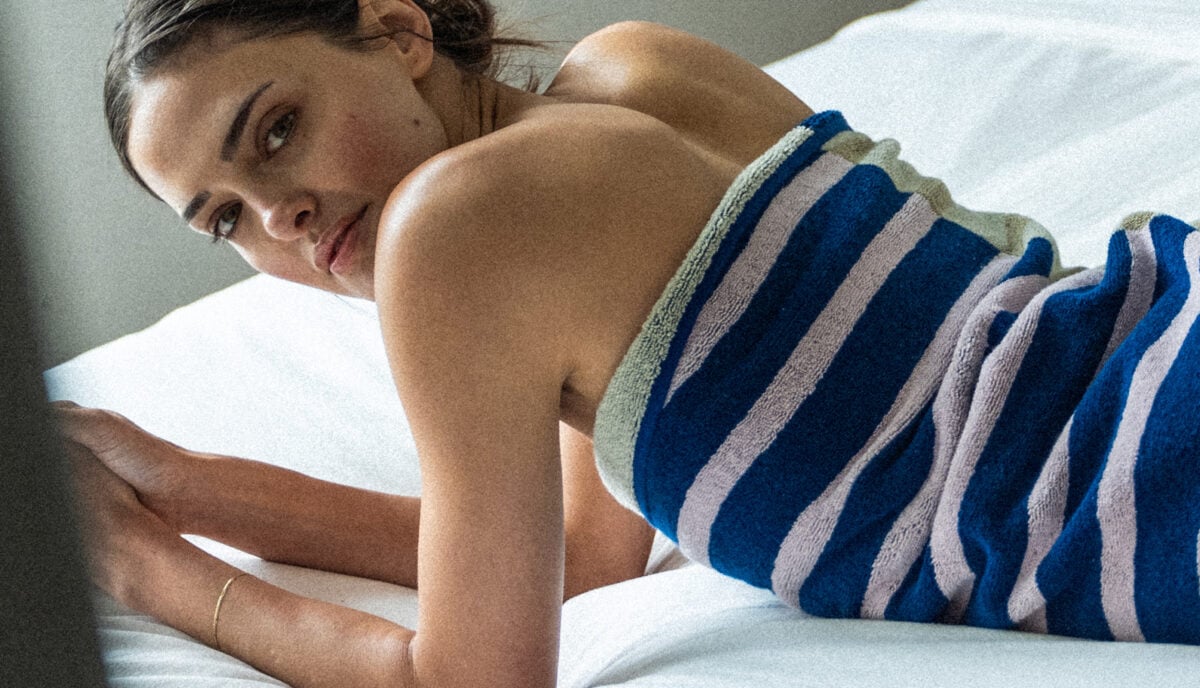
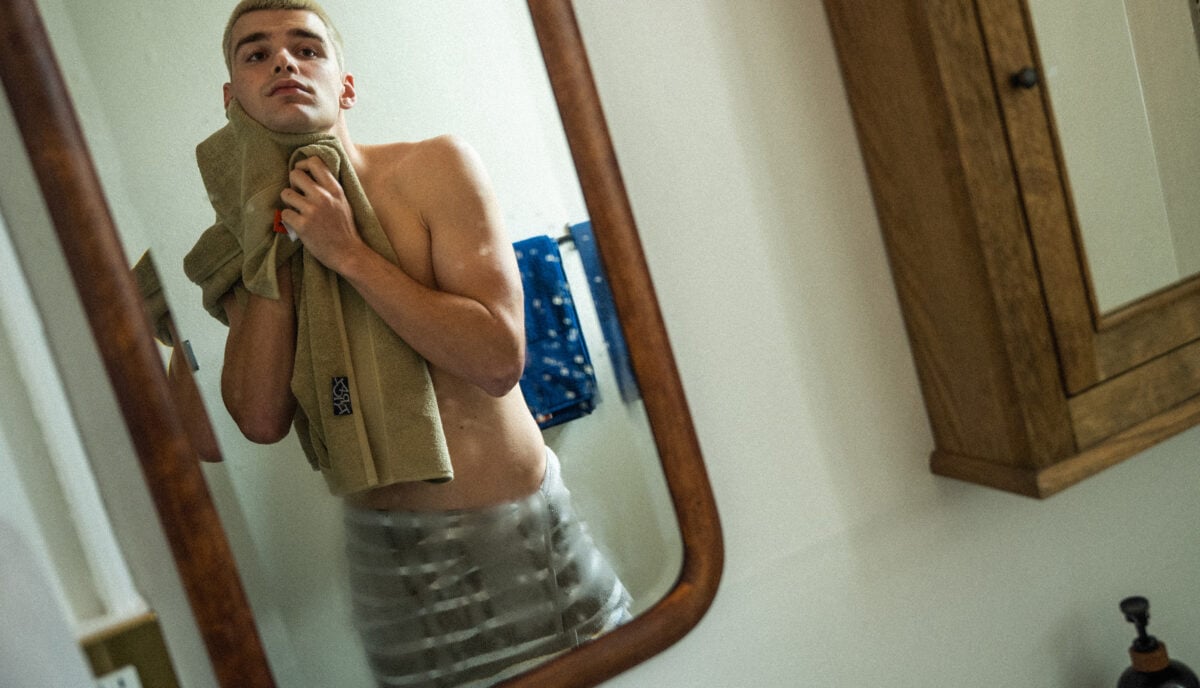
Earlier this year, Typical, co-founded by Lyndon Cormack, launched its first line of towels, integrating two per cent spandex into conventional cotton to improve flexibility and comfort.
The startup developed a stretchable towel product it says addresses an overlooked segment in the home goods market, signalling an expansion strategy that combines design innovation with targeted retail distribution.
It’s been an eventful year for the brand. Typical won the esteemed Red Dot Design Award in the product category, where judges hailed the product as, “Finally, a towel that stays in place when worn!”, and it was recognized by Oprah Daily with a Bath O-Ward as their Most Innovative Towel.
It is now launching its second collection of bath towels followed by its newest product, The Typical Hair Towel, in early November. On the retail side, Typical has been enjoying early expansion and is now selling through The Knot, Anthropologie, and Nordstrom, while building out corporate gifting and hospitality channels alongside its DTC business.
In an interview with Retail Insider, Cormack spoke about the company’s growth and plans.
Question: Typical has expanded into retailers including The Knot, Anthropologie, and Nordstrom. What factors made those partnerships possible, and what does your retail expansion strategy look like going forward?
Answer: When you build something genuinely new in a category that has not changed in a long time, people notice. Retailers like these are in the business of finding fresh ideas for their customers, and they place those ideas next to brands that are world-class at what they do. Sitting on a shelf beside a brand like that is the best introduction we could ask for.
I have to remind myself that we only launched in February, so we are about six months in. Being in these kinds of places at this stage tells us the product is doing the work.
Going forward we are being deliberate about who we add. We would rather be in the right doors than in a lot of doors. We have some incredible partners already, and the job now is to grow with them rather than just add names to a list.
Q: Winning the Red Dot Design Award and an Oprah Daily Bath O-Ward has brought significant recognition. How have those accolades influenced consumer demand and retailer interest?
A: It’s an honour to win both, and it validates the work on two fronts. Internally, it tells our team that people outside the building love what we are making, which matters more than you would think when you are still small. Externally, it’s the authorities in this space saying we have done something innovative and that they want to see the category change.
For the consumer, it closes a gap. Any new brand is a little bit suspect at first. There is always that moment of “is this actually worth it?” We do exactly the same thing ourselves with products we haven’t tried yet. When the recommendation comes from a source people already trust, that hesitation goes away, and we’re seeing it convert.
Q: You’re launching a second bath towel collection and a new hair towel in November. How do these products fit into your broader product innovation roadmap?
A: The September collection builds directly on what we’ve learned so far. We took the data and the consumer interest from the first collection and expanded into the spaces where people told us they wanted us.
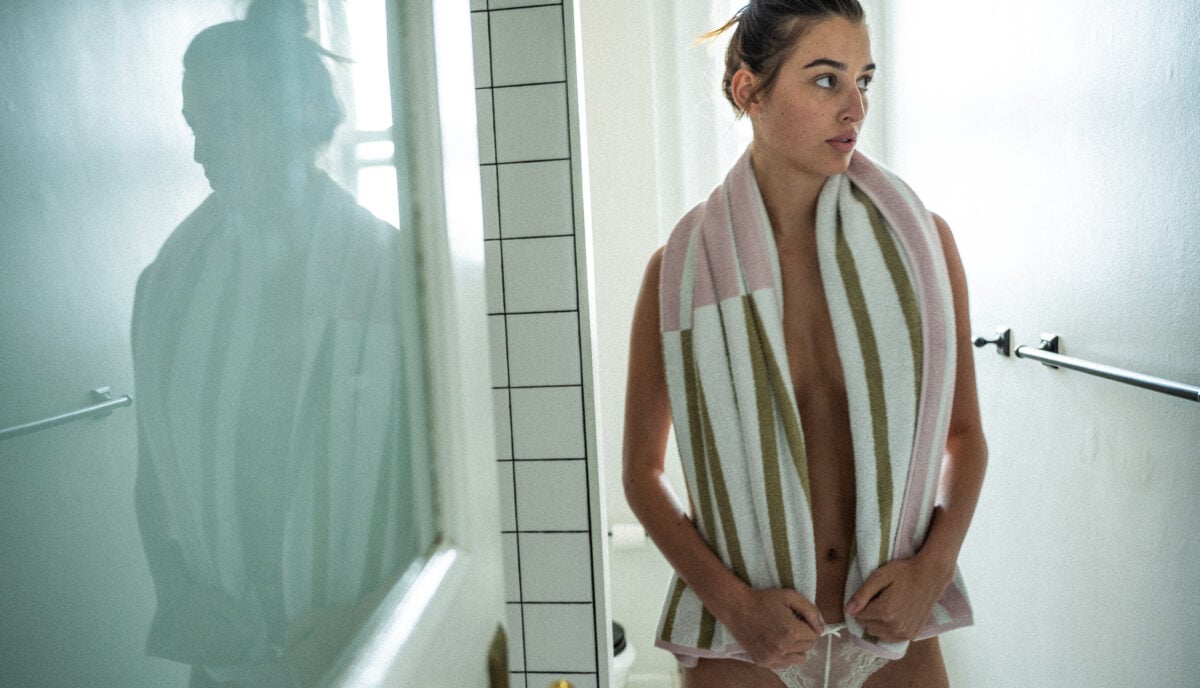
The hair towel is a product I’m really excited about. The stretch technology translates really well into that category, arguably better than it does into bath. Everyone who has tried the original prototype loves it, and that is usually the signal we look for. When people start asking where they can buy one before you have even finalized the price, you know you’re onto something.
Q: Beyond direct-to-consumer sales, you’re growing your corporate gifting and hospitality businesses. How important are those channels to Typical’s long-term growth, and what opportunities do you see there?
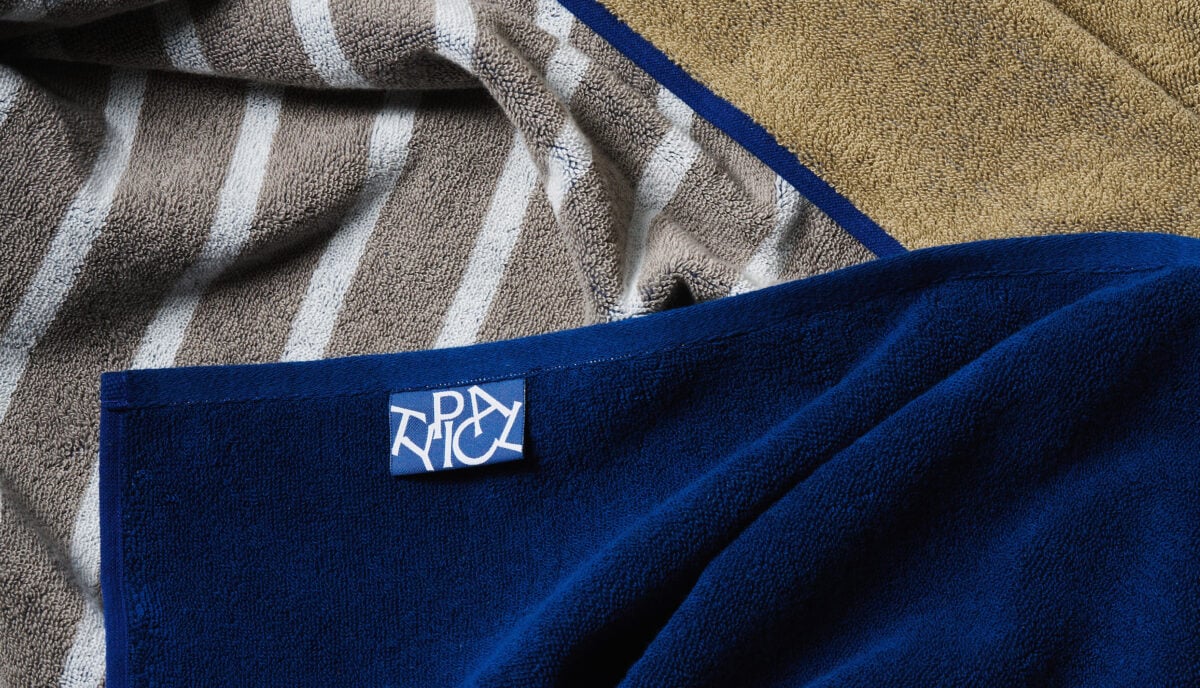
A: Hospitality is a discovery channel. A guest at a spa, a hotel or a rental has a short window with the product, and if they like it they turn it over and look at the label. That’s a very efficient introduction, and plenty of great brands have grown that way.
It also solves something real for the operator. These properties are often competing with a near-identical property next door, so the question becomes how do you actually feel different. Putting a genuinely different product in the room is one answer, particularly at the premium and curated end of that market.
Corporate gifting works on the same logic. You want the person opening the box to love it. An award-winning product in a category nobody expects to be interesting does that. It becomes a “try this, I think you will love it” gift rather than another branded object that ends up in a drawer.
Q: Looking ahead to 2027 and beyond, what is your vision for Typical’s retail footprint, and are there additional product categories or international markets you’re planning to pursue?
A: We’re currently focused on the US and Canada. The plan is to layer in retailers who are special and who serve their customers extremely well, rather than chase distribution for its own sake.
New categories are always of interest. The hair towel is the immediate one, and part of executing that properly is finding the best-in-class beauty retailers who want to push the category alongside us.
With regard to international, we get a steady amount of inbound and we are working through what the right go-to-market looks like. For now, the focus is delivering our vision in North America and continuing to innovate on product. We’re six months in and it really does feel like we are just getting started.
More from Retail Insider: