Canadian spending intentions weakened in April 2026, reflecting growing pressure on households as economic uncertainty and rising costs begin to weigh more heavily on consumer behaviour. A new survey from Stifel, led by Managing Director Martin Landry, shows that while consumers are still generally planning to spend more over the next year, momentum has slowed across most major categories tracked.
The findings suggest a consumer environment that is no longer expanding at the same pace seen in recent quarters. Instead, a more cautious and selective approach to spending is emerging, particularly in discretionary categories such as apparel, furniture, and dining.
Broad-Based Softening Across Consumer Categories
Stifel’s quarterly survey of 300 Canadians found that 52% of respondents expect to increase discretionary spending over the next twelve months, a decline of 200 basis points from January and the lowest level in four quarters.
Although the figure remains slightly above the long-term average, the direction of change is notable. Nearly all categories measured in the survey declined sequentially, pointing to a broad-based softening rather than isolated weakness.

This shift comes at a time when consumer confidence has been under pressure, with geopolitical tensions contributing to higher fuel costs and increasing strain on household budgets. As a result, spending intentions are showing signs of fatigue after a period of relative resilience.
Apparel and Discretionary Retail Show Early Signs of Strain
Among the most notable findings is the continued weakness in apparel spending. Only 45% of respondents expect to increase spending on clothing over the next year, remaining at its weakest level since Stifel began tracking the category.
This has direct implications for fashion retailers operating in Canada, particularly those positioned in discretionary segments. The data suggests that demand for apparel could remain subdued in the coming quarters, especially as consumers prioritize essential spending.
Furniture and home-related categories are also showing signs of slowing demand. Intentions to spend on furniture and appliances declined sharply, falling approximately 500 basis points from January.
At the same time, spending intentions at quick service restaurants have entered contractionary territory, with fewer than half of respondents planning to increase their spending. This indicates that even everyday discretionary purchases are coming under increased scrutiny.
Consumer Divide Widens Across Income and Gender
One of the more striking elements of the survey is the widening gap in spending intentions between different consumer groups. The decline is being driven disproportionately by female respondents and lower-income households, both of which reported some of the weakest spending outlooks in recent surveys.
In fact, the gap between male and female spending intentions has reached its highest level in the past three years.
This divergence suggests that the impact of economic pressures is not uniform. Lower-income consumers, who are more sensitive to rising costs, are pulling back more aggressively. Meanwhile, higher-income consumers continue to show relatively stable spending intentions, particularly in categories such as apparel.
For retailers, this creates a more complex operating environment where targeting and positioning become increasingly important.
Value and Necessity-Based Retail Categories Remain Resilient
Despite the overall slowdown, several categories continue to demonstrate resilience. Spending intentions in the pet category remain the strongest among those tracked, with 71% of respondents expecting to increase spending on pet food and accessories.
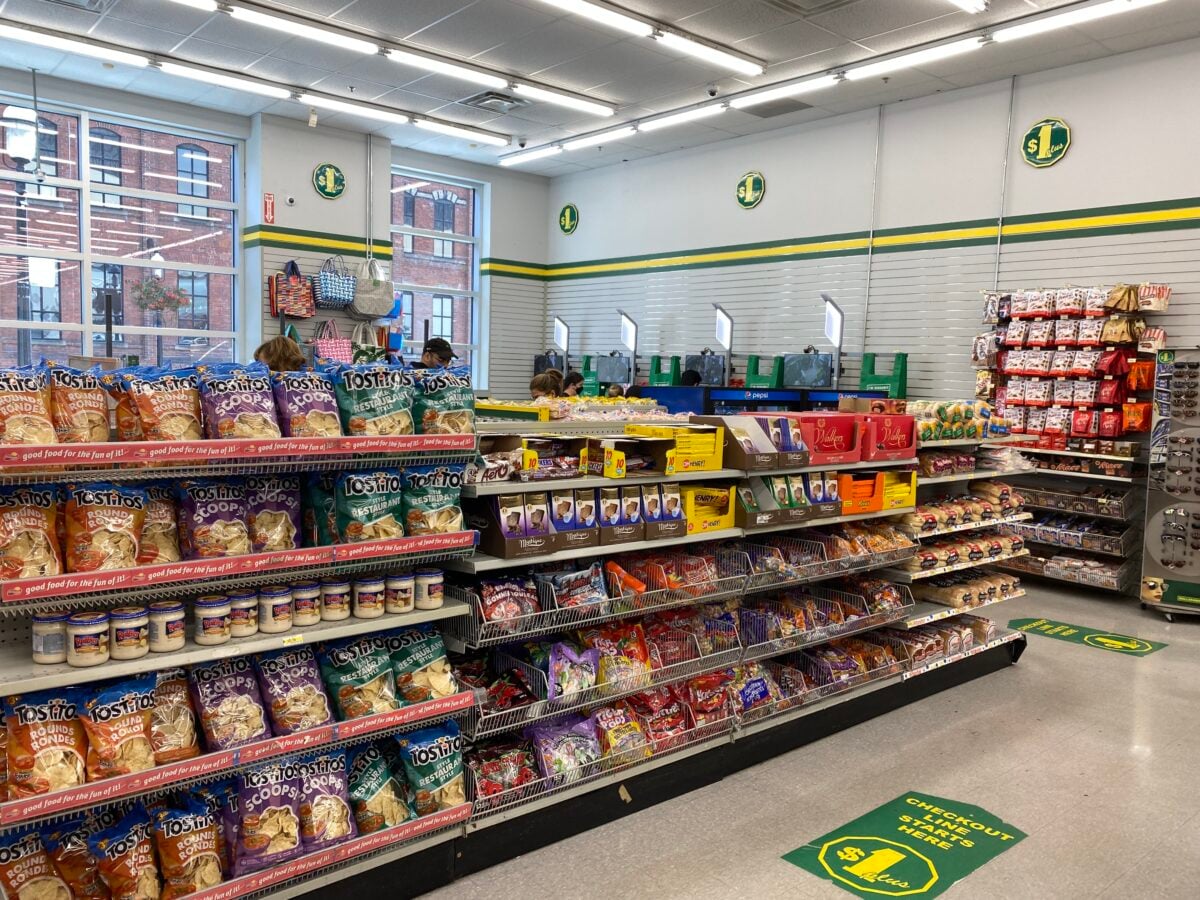
Dollar stores also continue to perform relatively well, with 68% of respondents planning to spend more, even though this represents a gradual decline from previous quarters.
These categories reflect a broader trend toward value-oriented and necessity-based spending. As consumers become more selective, retailers positioned around affordability or essential goods are better insulated from the slowdown affecting discretionary segments.
Toys, while down from an unusually strong previous quarter, have returned to more typical levels and remain relatively stable overall.
Travel Demand Holds as Consumers Prioritize Experiences
One area showing relative stability is travel. While the proportion of consumers planning to fly declined modestly to 53%, the majority still expect to travel over the next year.
Notably, sensitivity to airfare pricing appears to have decreased, suggesting that for some consumers, travel remains a priority even in a more constrained economic environment.
This dynamic highlights an ongoing shift in consumer priorities, where experiences continue to compete strongly for discretionary dollars, even as other categories weaken.

Implications for Retailers in a Slowing Environment
The latest data points to a Canadian consumer that is still spending, but doing so more cautiously and with greater selectivity. The broad-based decline in spending intentions signals that retailers should prepare for a more challenging demand environment in the months ahead.
Discretionary categories such as apparel, furniture, and dining are likely to face increased pressure, particularly among more price-sensitive consumers. At the same time, value-oriented and necessity-driven retailers are better positioned to capture shifting demand.
The growing divide between consumer segments also underscores the importance of targeted strategies. Retailers that can align their offerings with the needs of specific customer groups, whether through pricing, assortment, or experience, will be better equipped to navigate the evolving landscape.
While spending intentions remain in positive territory, the trajectory is clearly moderating. For Canada’s retail sector, the coming quarters may be defined less by growth and more by how effectively businesses adapt to a more cautious consumer.