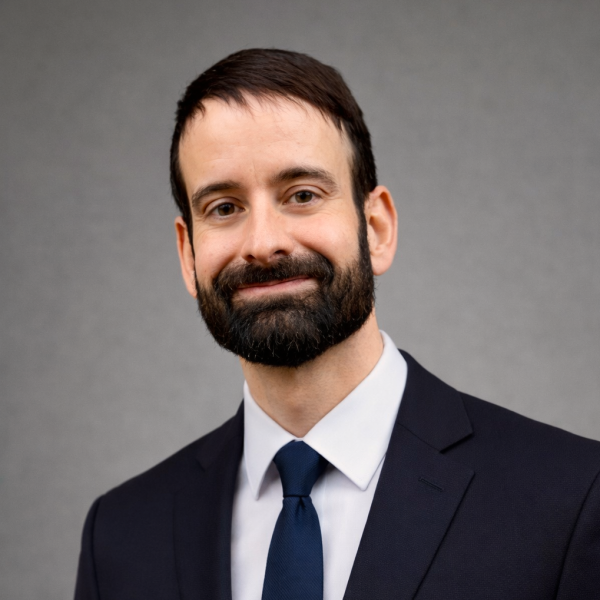
Editor’s Note: This article is part of a special Retail Insider thought leadership series exploring how luxury retail actually works, based on insights from luxury retail executive Douglas Mandel.
Luxury is often associated with permanence. Heritage houses. Historic ateliers. Decades, sometimes centuries, of continuity. Yet behind the polished façades and flagship boutiques, luxury careers rarely follow a straight line.
Reinvention is not the exception in this industry. It is the pattern.
Douglas Mandel, former VP of Dior who led Canada and a veteran global luxury executive, traces a career path that began in Alberta and eventually led to Avenue Montaigne. His journey offers a broader lesson about the Luxury Career Journey in a rapidly evolving global market.
For Canadian professionals navigating leadership transitions, mid-career pivots, or international opportunities, the story underscores a powerful truth. Luxury may be rooted in tradition, but luxury careers are built on adaptability.
“I didn’t grow up in Paris, Milan, or New York. I grew up in Alberta,” Mandel says. “My path into luxury wasn’t obvious, but it was built one step at a time.”
For Canadian professionals navigating leadership transitions, mid-career pivots, or international opportunities, the story underscores a powerful truth. Luxury may be rooted in tradition, but luxury careers are built on adaptability.
From Alberta to Avenue Montaigne
Mandel did not grow up in a traditional fashion capital. His introduction to craftsmanship came through his father’s tailoring shop.
What began as a practical job quickly evolved into a deeper appreciation for craft.
“What began as sewing hems turned into something deeper,” Mandel reflects. “I learned that luxury is often invisible, it’s in the details only a trained eye notices.”
Those early lessons carried him to Germany to deepen technical training, then to roles in North America and Europe, including Hugo Boss.
The Luxury Career Journey often begins far from the spotlight. What matters is not geography, but willingness to learn the craft and evolve.
For Canadian talent, this is particularly relevant. The industry can feel concentrated in European capitals. Yet skill, curiosity, and persistence can bridge distance. Luxury is global, and so are its opportunities.
The Entrepreneurial Chapter
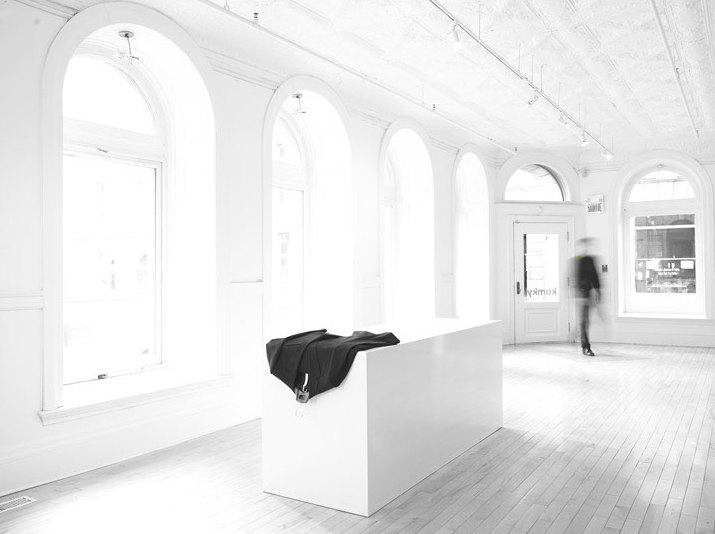
Before joining a global maison, Mandel built his own menswear label in Montreal, opened a flagship in Old Montreal, and operated an atelier connected directly to the retail floor.
Running an independent brand required creative direction, production management, clienteling, and financial oversight. It was immersive and demanding. It also created deep proximity to product and client.
However, the 2008 financial crisis forced a pause. Investment dried up. Retail tightened. Independent brands felt pressure acutely.
“That was my ‘what now’ moment,” Mandel says. “It forced me to step back and ask how I wanted to evolve.”
Every founder, every leader, every brand faces that moment.
The Luxury Career Journey often includes chapters that do not go according to plan. Reinvention begins when leaders choose to respond strategically rather than defensively.
The Mid-Career Pivot
At nearly 40, with a family and years of entrepreneurial experience behind him, Mandel made a bold decision. He enrolled in the MBA in International Luxury Brand Management at ESSEC Business School in Paris.
He did not follow a traditional academic path. Preparing for the GMAT required relearning subjects he had not studied in decades. His first attempt fell short. He tried again. He was admitted.
“I was nearly 40, surrounded by students ten to fifteen years younger,” Mandel recalls. “But I knew if I wanted to move forward, I had to reset and learn again.”
The move required sacrifice. His family remained in Montreal while he relocated to Paris for the program. It was a calculated risk.
Inside the MBA, sponsored by LVMH, he studied the structures and philosophies of the world’s most powerful luxury groups. A critical realization emerged. The brands with enduring equity controlled their retail environments. They owned distribution. They disciplined pricing. They protected experience.
If design was creative expression, retail was strategic power.
That insight redirected his path toward retail leadership at the highest level.
Dior, London, and Beyond
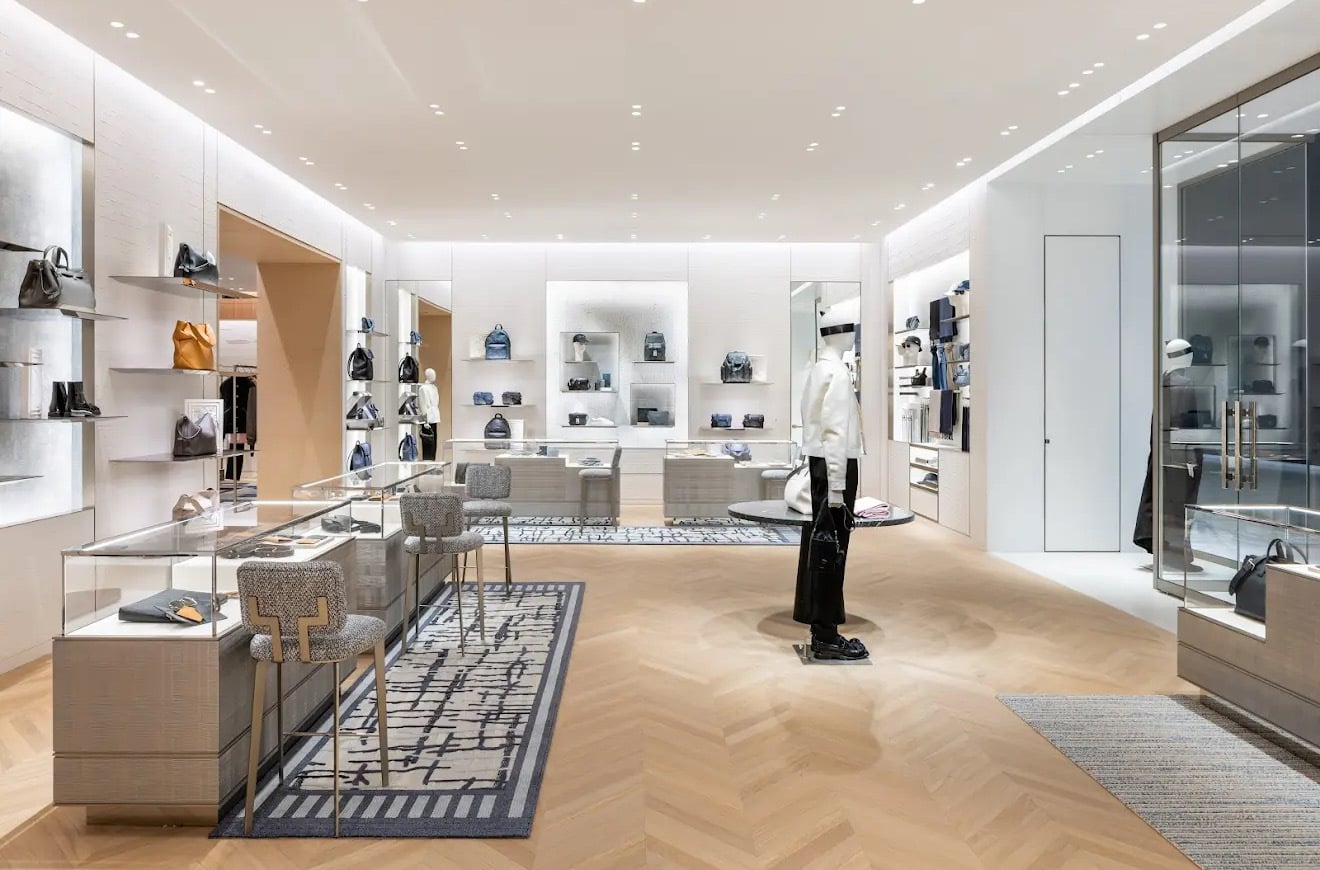
Shortly after completing the MBA, Mandel secured a role with Dior in London. It marked a turning point.
“When Dior offered me the role, it felt like a finish line, but it was really a starting point,” Mandel says.
From there, his career accelerated. He would go on to lead operations across multiple international markets, including Russia and the CIS, overseeing store openings, teams, and client development in highly complex environments.
Thriving in Complex Markets
One of the most defining chapters of Mandel’s career came when he relocated to Moscow to lead Dior’s business across Russia and neighbouring markets.
He entered an environment that demanded rapid adaptation.
“I didn’t speak the language. I didn’t know the market. But I said yes,” Mandel says. “Adaptability became everything.”
Luxury leadership in these markets required cultural intelligence, resilience, and the ability to build trust quickly. Client relationships were deeply personal. Expectations were elevated.
Luxury leadership, in this context, became cultural leadership.
For Canadian executives expanding internationally, or global brands deepening their presence in Canada’s diverse market, this lesson is critical. Retail strategy must translate across cultures without losing coherence.
Reinvention as a Discipline
Reinvention is often portrayed as dramatic. In reality, it is disciplined.
It involves identifying skill gaps and addressing them. It involves asking where the industry is headed and repositioning accordingly. It requires openness to starting again, even after success.
“Reinvention is always possible, but only if you’re willing to stretch beyond what’s comfortable,” Mandel says.
His trajectory from entrepreneur to corporate retail executive to consultant illustrates that evolution never truly ends. Each chapter builds on the last.
For Canadian professionals in luxury, retail, or brand management, the takeaway is clear. Stagnation is rarely rewarded. Adaptability is essential.
The Personal Dimension
Luxury careers often appear glamorous from the outside. What is less visible are the personal sacrifices, relocations, and uncertainty that accompany growth.
Mandel’s children lived in multiple countries before early childhood. His family adapted alongside each move. Reinvention was not an individual act. It was a shared commitment.
The Luxury Career Journey is as much personal as it is professional.
What Reinvention Means for Canada
Canada’s luxury ecosystem is evolving. International brands are expanding. Domestic talent is increasingly mobile. Expectations are rising.
In this environment, professionals cannot rely solely on early achievements. Continuous learning, cultural fluency, and strategic clarity will define long-term success.
Reinvention does not mean abandoning the past. It means building upon it.
“No matter where you start, there’s always a next chapter,” Mandel says.
Luxury, at its core, values craftsmanship, discipline, and excellence. The Luxury Career Journey demands the same.
Reinvention is not a setback. It is often a signal of growth.
For leaders, founders, and emerging talent alike, the opportunity lies in embracing change with curiosity and intention.