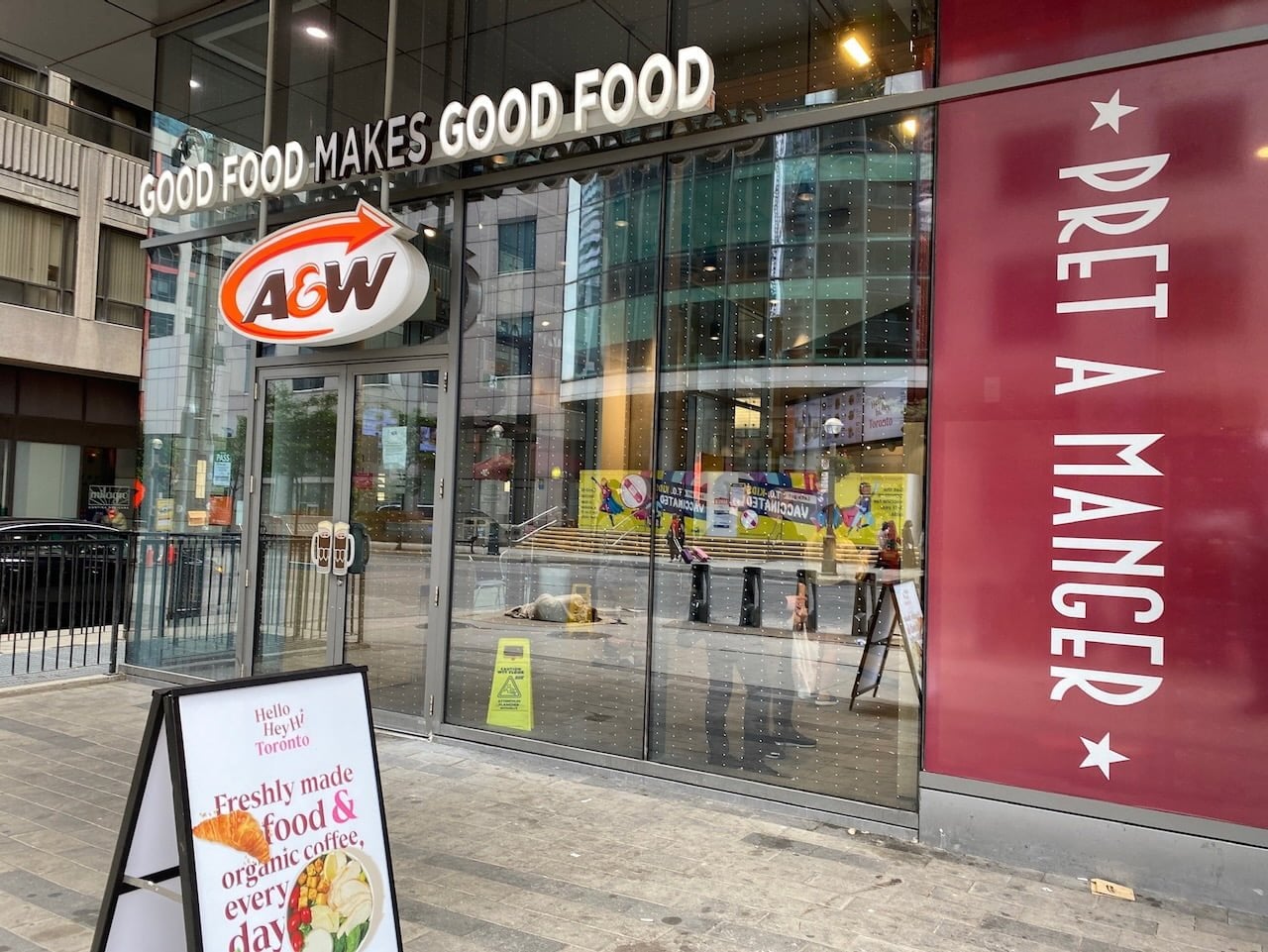
With Earth Day putting sustainability claims under the microscope, one major blind spot remains: media waste and how deeply it’s embedded in traditional advertising.
Unlike traditional OOH (Out-of-Home advertising), which depends on printed materials that can quickly become outdated or discarded, DOOH (Digital Out-of-Home) removes physical production from the equation entirely, consequently cutting material waste and the emissions tied to printing and distribution.
It’s also one of the lowest-carbon channels available, delivering fewer emissions per impression thanks to low power consumption, long asset lifecycles, and more efficient delivery.
But the real shift happens with programmatic. By using real-time data and automated buying, programmatic DOOH ensures ads run only when and where they matter ultimately reducing unnecessary impressions, limiting energy use, and eliminating wasted spend. Today, OOH accounts for just 3.3 per cent of total advertising power consumption and less than 3.5 per cent of the industry’s carbon footprint, reinforcing its efficiency at scale.

Scott Mitchell, Managing Director, Canada at Vistar Media, said marketers should be paying more attention to “media waste” because it’s been hiding in plain sight.
“Many traditional media channels rely on physical production, shipping and replacement cycles that can lead to both environmental and financial inefficiencies. If brands are serious about sustainability, media can’t be a blind spot. It’s not just about what you make, it’s how you market it,” he said.
“Part of mitigating media waste comes down to planning, and choosing the right format for the message. For example, traditional OOH is a great format for longer run times and more durable messaging. If creative needs to stay flexible, or if there’s plans to update it in real-time, DOOH is a more suitable format.”
Mitchell said DOOH can offer sustainability benefits when used strategically, particularly by reducing the need for repeated printing, shipping, and physical installation, helping lower material waste and emissions.
“It’s not about DOOH replacing traditional OOH, though. The strength is in how both work together across the ecosystem. DOOH adds flexibility and adaptability, while traditional formats continue to deliver scale and permanence. As both digital and legacy infrastructure evolve, there are growing opportunities to improve efficiency and incorporate more sustainable practices across the board,” he explained.
“More broadly, OOH investment also supports public transit and urban infrastructure, contributing to more sustainable cities overall.”
Mitchell said programmatic is what takes that efficiency to the next level.
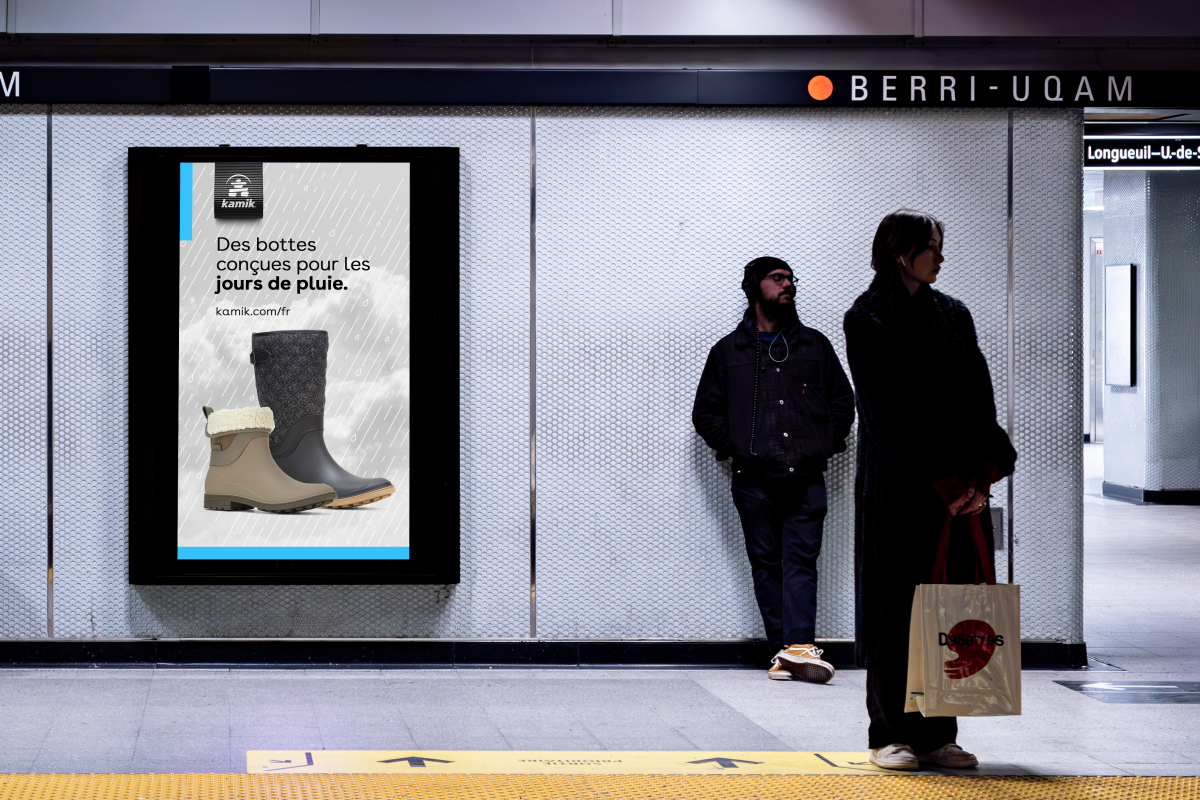
“Instead of running ads continuously because you’ve paid for the space, you can use real-time data to run them only when they’re most likely to resonate. That means fewer wasted impressions, less energy use, and no excess creative. It’s a much more precise way to buy media, and that precision directly reduces waste,” he said.
“Out-of-home accounts for about 3.3 per cent of total advertising power consumption and under 3.5 per cent of the industry’s carbon footprint. That’s relatively low, especially at scale. When you layer in programmatic, you’re making an already efficient channel even more sustainable.”
Mitchell said brands need to start treating media as part of their sustainability strategy.
“Ask where you’re wasting impressions, where you’re overproducing, and where you can be more targeted. Channels like programmatic DOOH let you align performance and sustainability; you don’t have to trade one for the other,” he said.
Accountability driven not just by brands, but by consumers, is what’s next for sustainable media.

“Younger audiences in particular are paying closer attention to sustainability and expect the brands they support to do the same. That pressure is starting to shape not just what companies sell, but how they show up,” said Mitchell.
“Every impression will be scrutinized for how it performs and what it costs, including its environmental impact. The channels that win will be the ones that can prove they’re efficient on both fronts.
“DOOH is already there. It allows brands to be more precise, reduce waste, and stay responsive in real time, which matters in a retail environment where relevance and responsibility increasingly go hand in hand.”
More from Retail Insider: