With almost 20 million Canadians recently glued to Olympic coverage – whether it was a gold medal game or an iconic athlete – the Olympics were not to be missed.
Offering more than moments of national pride, they offer a blueprint for how brands should approach large scale cultural events.
As Canadians prepare to host the World Cup, there are five critical learnings for advertisers looking to maximize impact in today’s fragmented media landscape, according to Scott Mitchell, Managing Director of Vistar Media Canada:
- Physical Presence Cuts through Digital Fragmentation: During moments of mass attention when digital feeds are saturated, out-of-home becomes the unavoidable shared media layer, and brands that dominate key physical spaces win disproportionate mental availability.
- OOH (Out of Home) is Now a Content Engine: Because Olympic moments live as much on social as on broadcast, bold, real-time digital, OOH designed for shareability turns physical screens into powerful amplification platforms.
- Context and Local Relevance Drive Performance: While national pride peaks during global events, hyperlocal, dynamic creative tied to cities, athletes, and real-time moments outperform generic messaging.
- Culture Peaks Reward Share of Voice: During high-intensity moments like opening ceremonies and finals, concentrated, high-impact OOH drives stronger recall than dispersed, always-on campaigns.
- Big Moments Build Long-Term Brand Equity: Brands that show up at scale during memory-making events like the Olympics become part of collective memory, building lasting emotional associations beyond the event itself.

The best data-driven OOH campaigns ensure that the ads don’t just appear during cultural events but meaningfully participate in them.
Mitchell said major cultural events like the Olympics highlight the limits of purely digital environments.
“During moments like these, people aren’t just scrolling — they’re showing up. Whether commuting, traveling, gathering with friends, or watching highlights in real time, these are the occasions where physical media really shines,” he said.
“We’re so accustomed to digital environments vying for attention that it’s easy to forget how draining that can be. During major cultural events, screens fill up, feeds scroll by, and messages start to blur together. Out-of-home doesn’t ask for a click or a pause — it simply exists alongside people as they move through their lives.
“That physical presence gives brands a different kind of weight. When a message appears in the real world, especially during a cultural moment everyone is already engaging with, it feels purposeful and credible. You’re not interrupting the conversation; you’re becoming part of it. And in something as shared and emotionally charged as the Olympics, that difference matters.”
Mitchell said the most effective Olympic OOH campaigns aren’t just media placements; they’re cultural expressions designed to be shared.
“Large-format, contextual creative naturally lends itself to social behaviour; people take photos, post videos, and share experiences when a message feels timely and relevant. Brands that think beyond the screen, using bold creative, real-time updates, or locally resonant executions, can extend OOH far beyond its physical footprint. The street becomes the studio, and social platforms serve as the amplification layer, allowing a single well-executed OOH moment to live across multiple channels,” he explained.
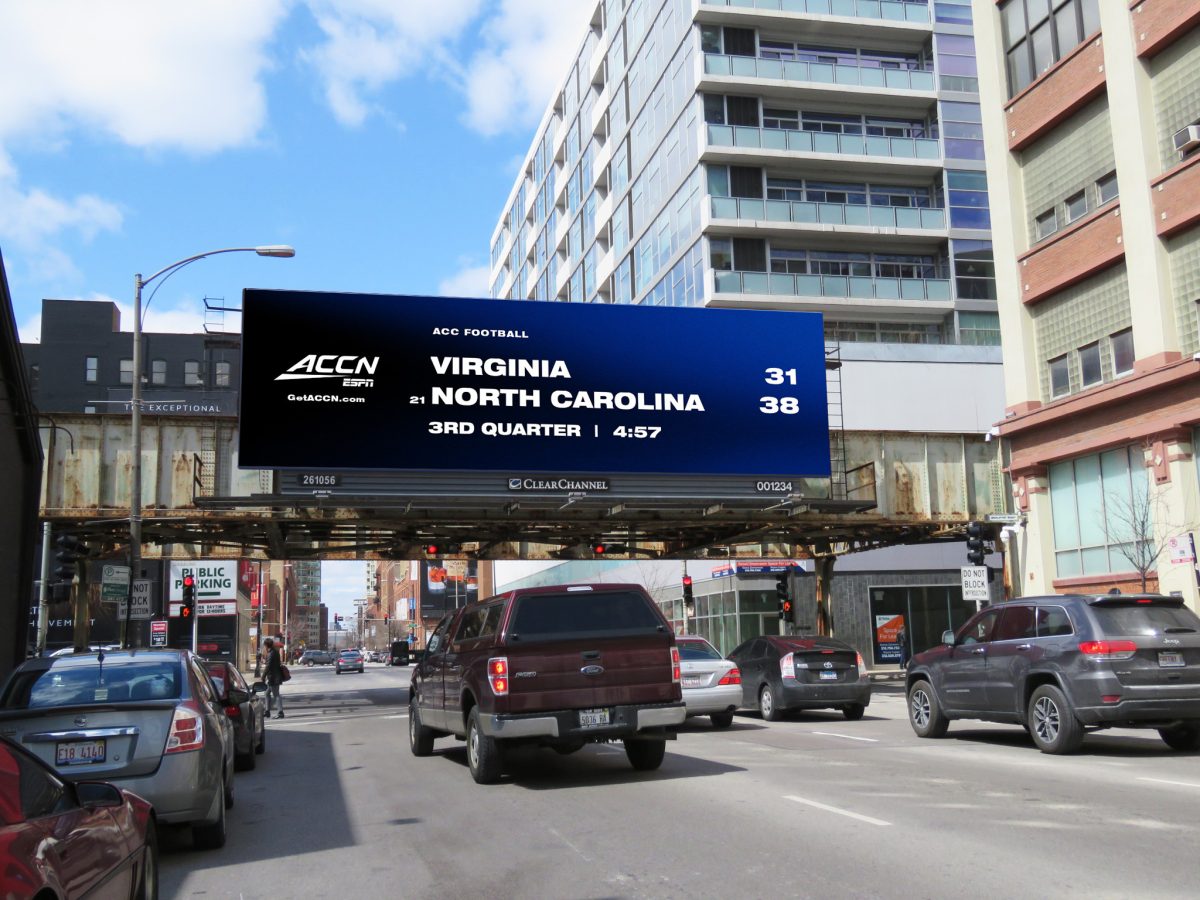
“This same approach will define success during upcoming events like the World Cup. Stadium districts, fan zones, transit corridors, and hospitality hubs become live content environments. Smart brands will design OOH not just for reach, but for the ripple effect.”
What’s interesting about events like the Olympic Games is that while they’re global, people experience them in very local ways. Fans are watching from specific cities, commuting through specific transit hubs or gathering at the same neighbourhood bar every night to catch the highlights, noted Mitchell.
“That’s where out-of-home really comes into its own. OOH lets brands speak to where people are and how they’re feeling in that moment, not just what’s happening on the world stage. Context like time of day, location, and audience mindset all shape how a message lands, especially when emotions are already running high,” he said.
“During events like the Olympics or even the upcoming World Cup, dynamic creative can shift based on which national team is playing, which city is hosting, or even the live score or outcome of a match. Whether reacting to a medal win, a prime-time broadcast, or a local viewing hotspot, hyperlocal OOH ensures brands feel present and responsive, not generic or disconnected from what people are actually experiencing.”
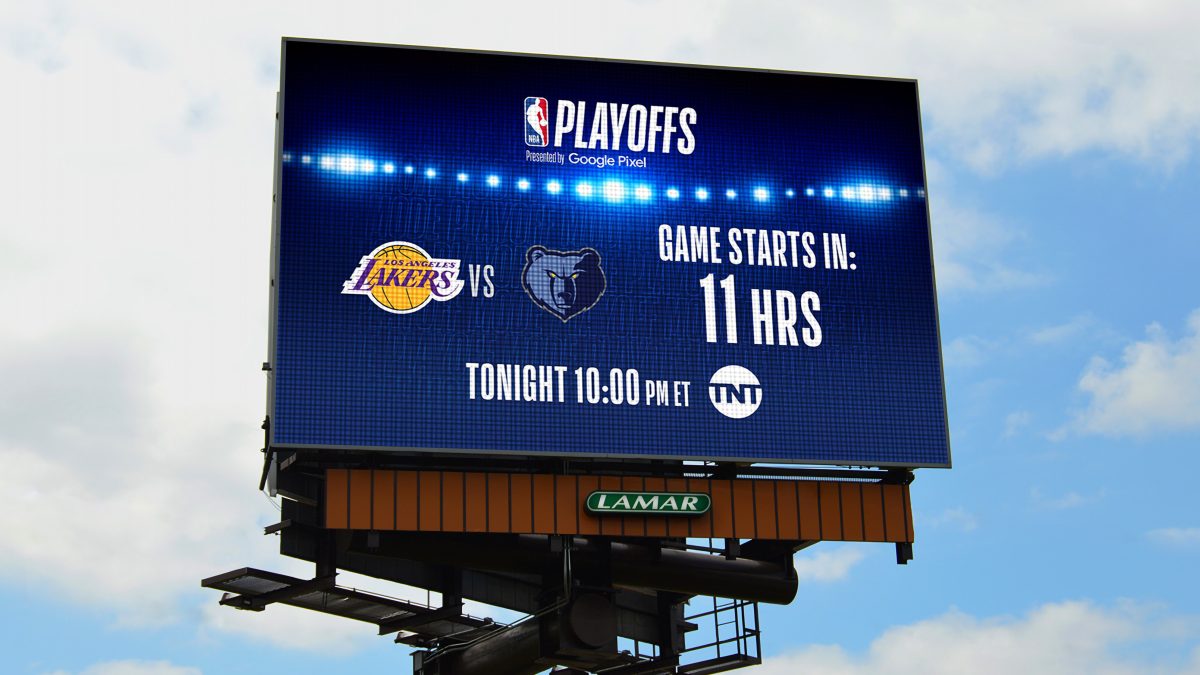
Mitchell said cultural peaks are moments when attention converges. During the Olympics, consumers are more receptive to brand messaging that feels additive to the experience rather than interruptive, and that’s where out-of-home really stands out.
“OOH isn’t about quick bursts or chasing every headline; it’s about sustained visibility when interest is at its highest. Brands that show up consistently in high-traffic environments start to own the physical space, which naturally translates to a stronger share of voice,” he shared.
“For instance, a food brand timed its ads as Canadians won Olympic medals. These specifically timed ads participated in the cultural moment, adding to the excitement while subtly keeping its brand top of mind. The bigger lesson for upcoming moments like the World Cup is commitment.
“Brands that secure meaningful physical presence early, across transit, retail, and high-impact urban placements, will dominate share of voice while competitors fight for fragmented digital attention.”
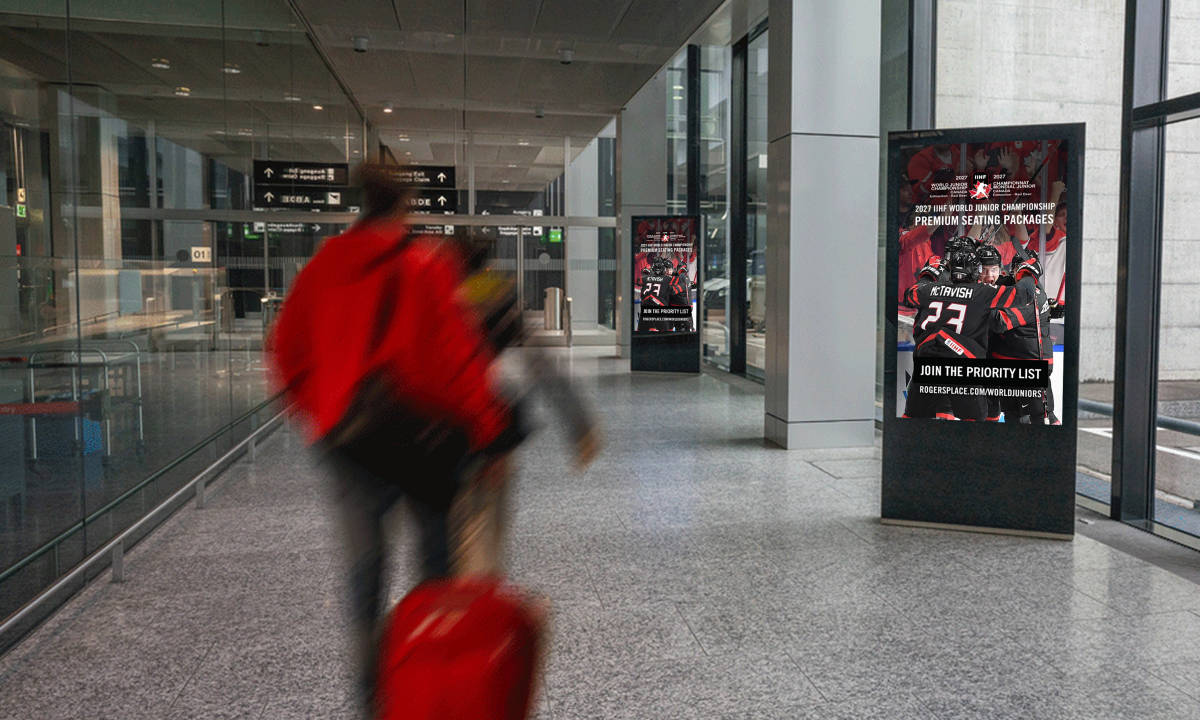
While the Olympics may last a few weeks, the brand impact can last far longer. OOH plays a critical role in anchoring a brand to moments people remember, including where they were, who they were with, and how they felt during the Games.
“By showing up in the physical world during meaningful cultural moments, brands signal scale, confidence, and relevance. That association doesn’t disappear when the event ends; it becomes part of the brand’s story,” said Mitchell.
“In 2026 and beyond, especially with a packed cultural calendar including the World Cup, the brands that win won’t just be those chasing attention; they’ll be those owning the moments that matter.”
More from Retail Insider: