Square One Shopping Centre is no longer just a regional shopping destination. It is increasingly becoming the centrepiece of one of the most significant urban transformations in North America.
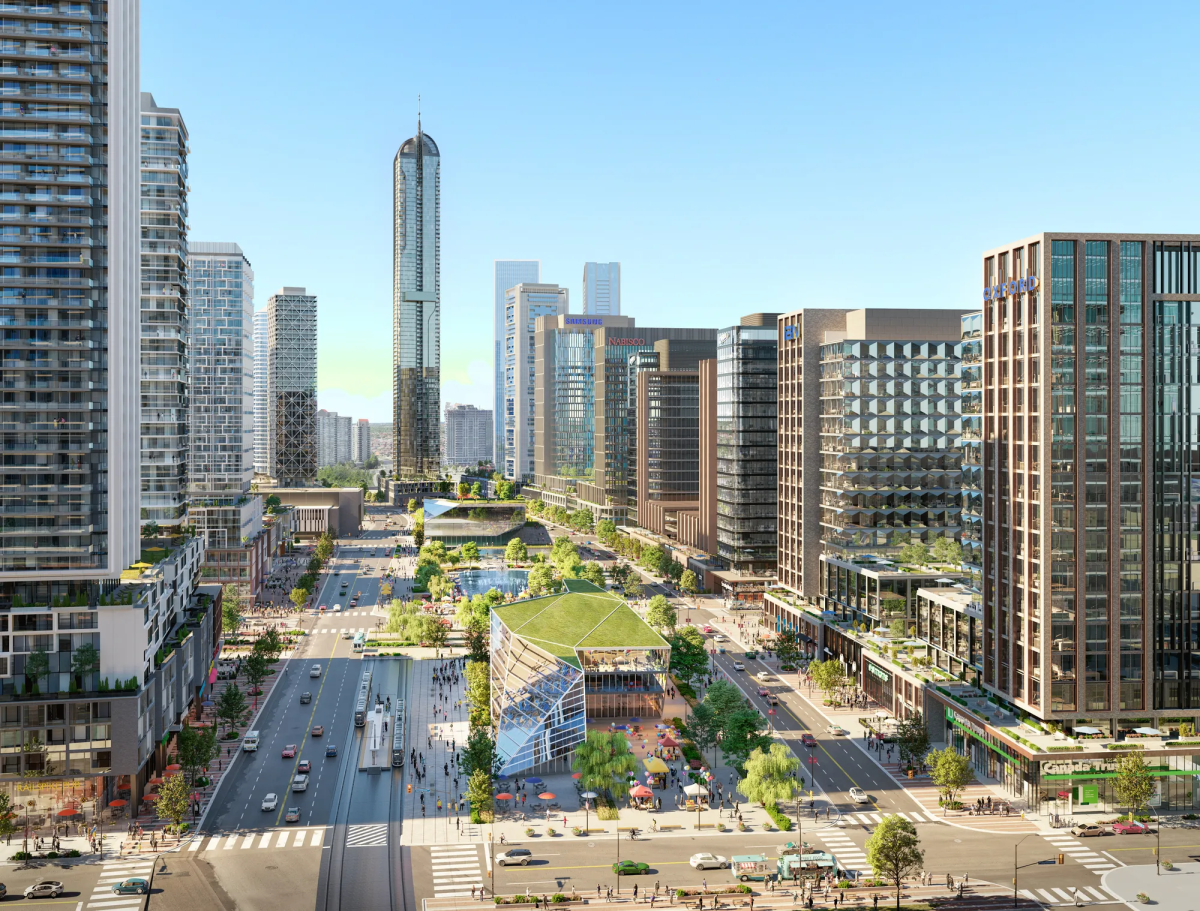
Located in the heart of Mississauga, the centre is evolving alongside the multi-decade Square One District redevelopment, a project that is reshaping more than 130 acres of land into a dense, mixed-use urban environment. The scale is substantial, with plans calling for approximately 18 million square feet of development, including thousands of residential units, office space, and new public realm infrastructure. As this transformation unfolds, Square One is shifting from a destination mall into the retail anchor of a growing downtown core.
A City Within a City Takes Shape
Mississauga is undergoing a fundamental shift. Long viewed as a suburban extension of Toronto, the city is now intensifying its development and positioning itself as a self-sustaining metropolitan centre. The Square One District sits at the centre of that ambition.
As new residential towers rise and thousands of residents move into the area, a daily population is forming around the shopping centre. This is changing how Square One functions. Rather than relying solely on regional visitors, the centre is increasingly serving a local, urban customer base that lives, works, and spends time in the immediate area.
Oxford Properties, which owns and manages the shopping centre, is adapting its strategy accordingly. The focus is expanding beyond traditional retail to include food, services, and experiences that cater to a more frequent, everyday customer.
Retail Strategy Shifts with Population Growth
Robert Horst, Vice President, National Retail at Oxford Properties Group, described this transition as a shift from a standalone shopping destination to an integrated urban environment.

He noted that Square One is evolving into a mixed-use core that serves both regional shoppers and a growing local population. This dual role is influencing leasing decisions, with greater emphasis on categories that support daily life as well as destination shopping.
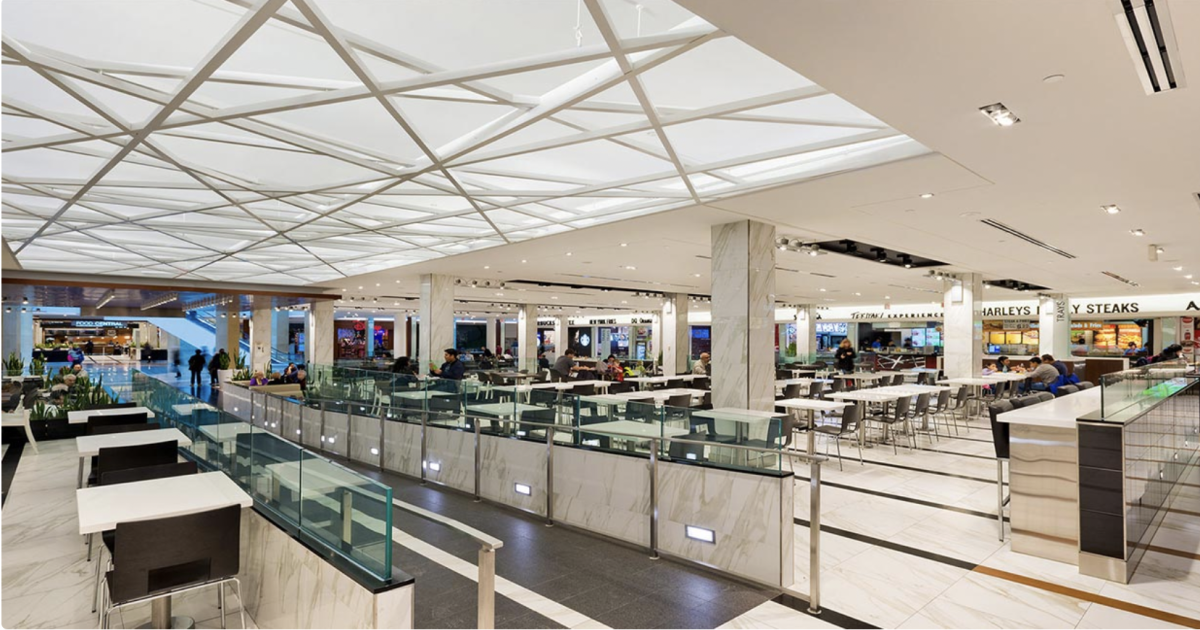
The centre’s food district provides a clear example of this shift. Designed to offer high-quality, fast-casual dining, it has seen strong productivity as nearby residents increasingly use the space as part of their regular routines. This reflects a broader trend where food and beverage offerings are becoming essential components of modern retail environments.
Strong Performance Reflects Strategic Evolution
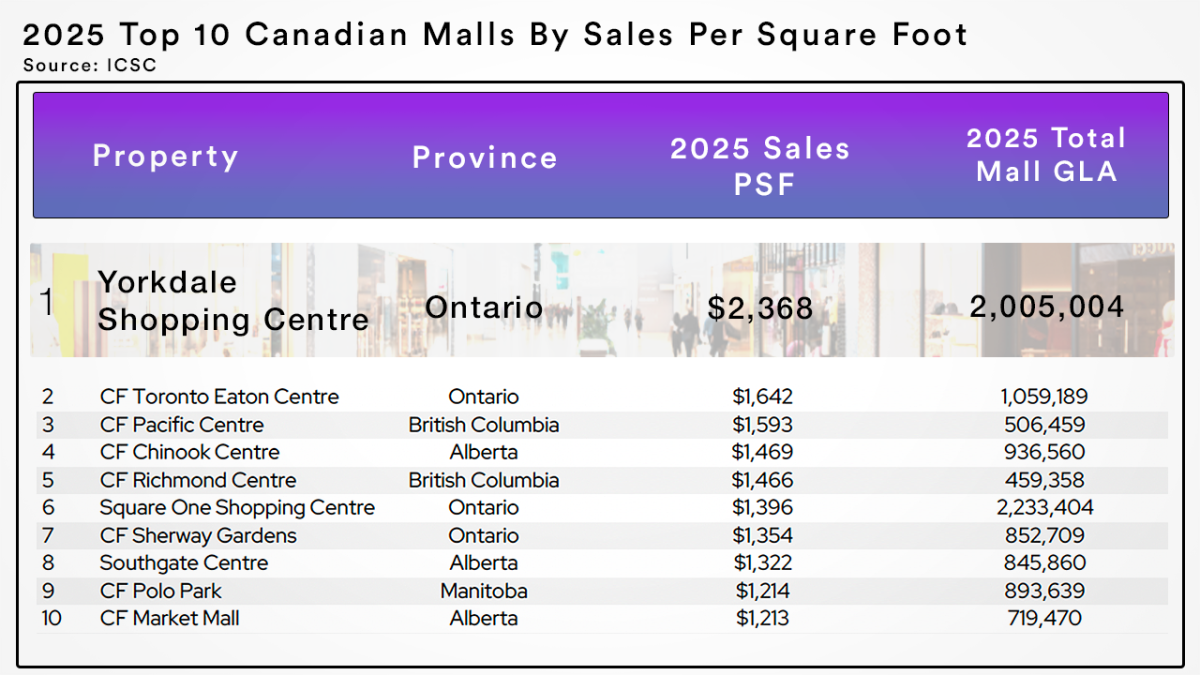
That evolution is also reflected in performance. According to the International Council of Shopping Centers 2025 data, Square One recorded sales of approximately $1,396 per square foot, ranking among the top shopping centres in Canada.
This places the centre firmly within the country’s top tier of retail destinations. Its productivity underscores how scale, tenant diversity, and a rapidly growing urban population are translating into strong and sustained retail performance.
Scale, Diversity, and Market Reach
Square One remains one of the largest shopping centres in Canada, with more than 2.2 million square feet of retail space. Its scale allows it to serve a broad and diverse trade area across the western Greater Toronto Area.
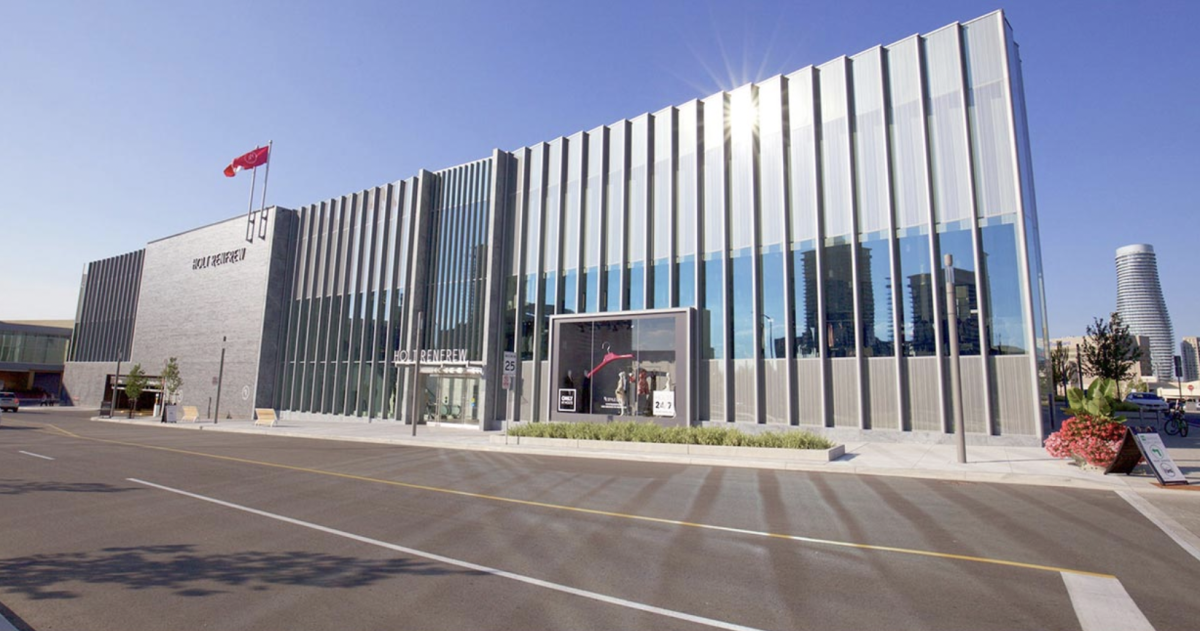
What distinguishes the centre is the range of its offering. Square One brings together value-oriented retailers alongside premium and luxury brands, creating a tenant mix that appeals to a wide cross-section of consumers. This diversity positions the centre as both an everyday shopping destination and a place for aspirational retail experiences.
The surrounding growth in Mississauga reinforces this positioning. With a population approaching 800,000 and continued intensification planned through the city’s long-term development framework, the area around Square One is becoming one of the most important urban nodes in the region.
Infrastructure and the Future of Downtown Mississauga
The transformation of the Square One area is being supported by significant infrastructure investment, including transit expansion that will further connect the district to the broader region. This is helping to create the conditions for a walkable, high-density downtown environment.
City-building initiatives are also reinforcing the shift. Plans for new public spaces, cultural venues, and employment hubs are positioning the area as more than a retail destination. Instead, it is emerging as a place where people live, work, and gather.
Within this context, Square One plays a foundational role. It provides the retail and experiential backbone that supports the broader ecosystem, attracting both residents and visitors while adapting to changing patterns of urban life.
A Model for the Future of Retail
The evolution of Square One reflects a broader shift in the retail industry. Shopping centres are no longer defined solely by the stores they contain. Their success increasingly depends on how well they integrate into the urban fabric and serve the communities around them.
As Mississauga continues its transformation, Square One is positioned at the centre of that change. Its role is expanding from that of a traditional mall to a key component of a new downtown, where retail, residential, and public life intersect.
In doing so, it offers a clear example of how large-scale shopping centres can evolve to remain relevant in an era of rapid urban growth and changing consumer expectations.