Toronto’s evolving retail landscape will see a symbolic transformation on May 25, as Fashion Art Toronto (F.A.T.) temporarily reactivates the former Queen St. Hudson’s Bay and Saks Fifth Avenue flagship at CF Toronto Eaton Centre. For one day, the third-floor luxury level, once home to “The Room” and Saks designer boutiques, will shift from a dormant retail environment into a public-facing marketplace and cultural platform driven by independent Canadian designers.
The activation, titled THE (SHOW) ROOM, launches Fashion Art Toronto’s Spring/Summer 2026 programming and represents a notable moment in the ongoing repositioning of large-format department store space in Canada. As legacy retail footprints continue to sit vacant following Hudson’s Bay closures, landlords and operators are increasingly exploring interim uses that generate traffic, test concepts, and re-engage consumers with physical space.
Reoccupying a Landmark Retail Environment
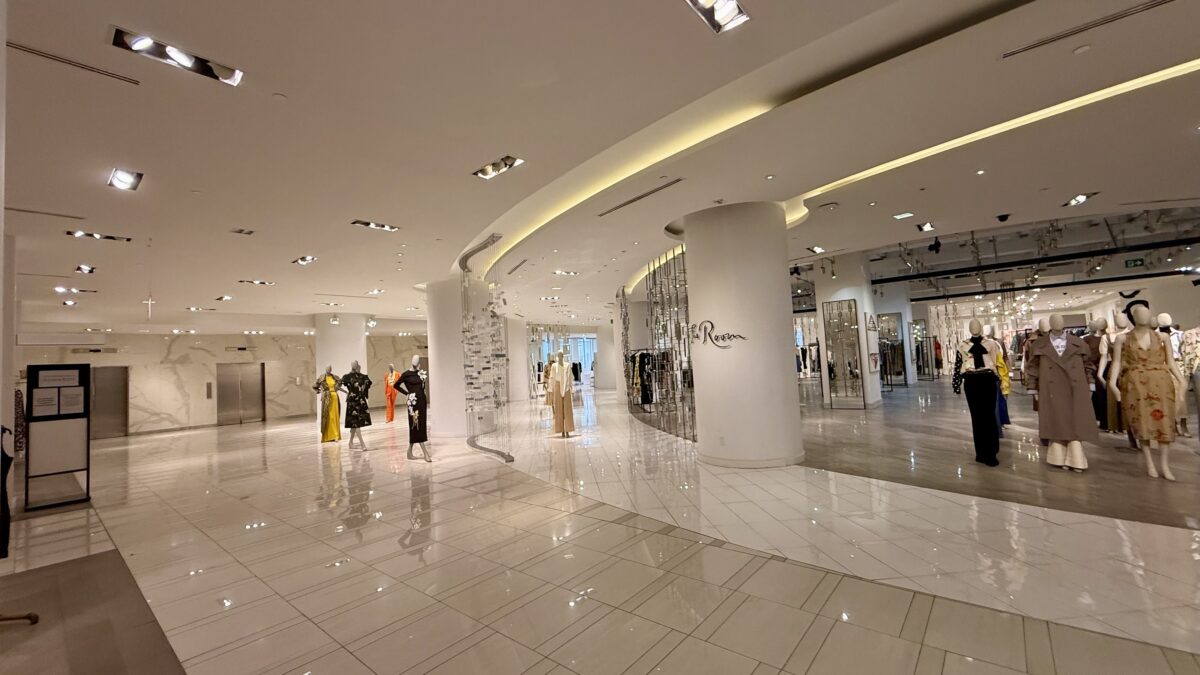
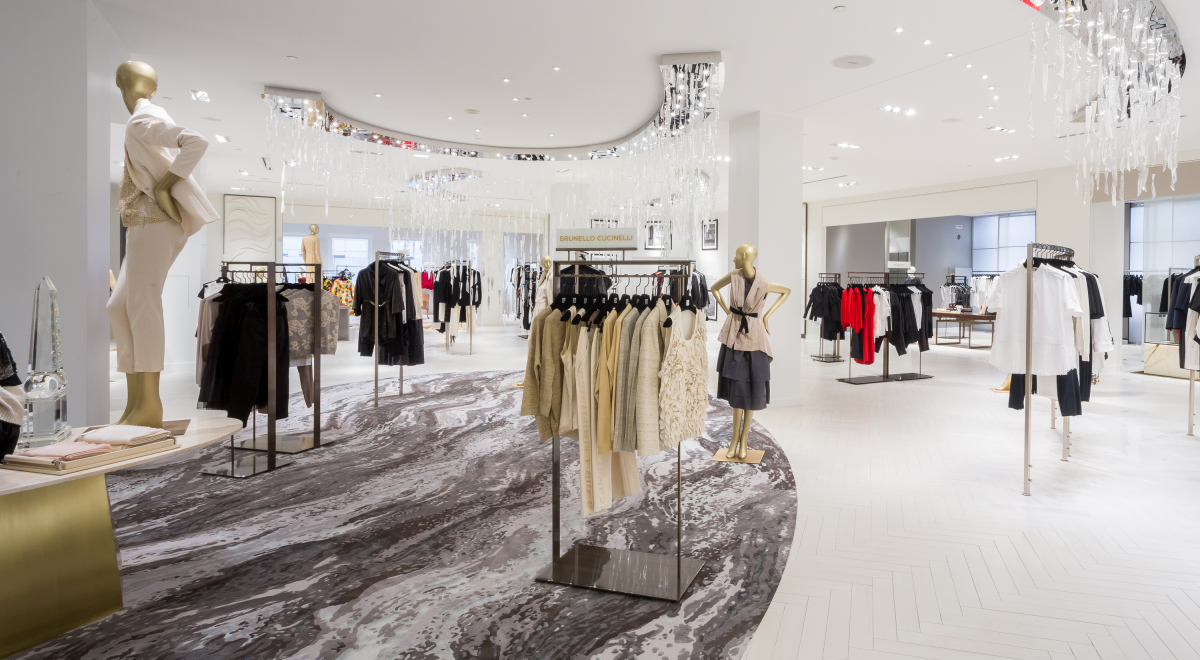
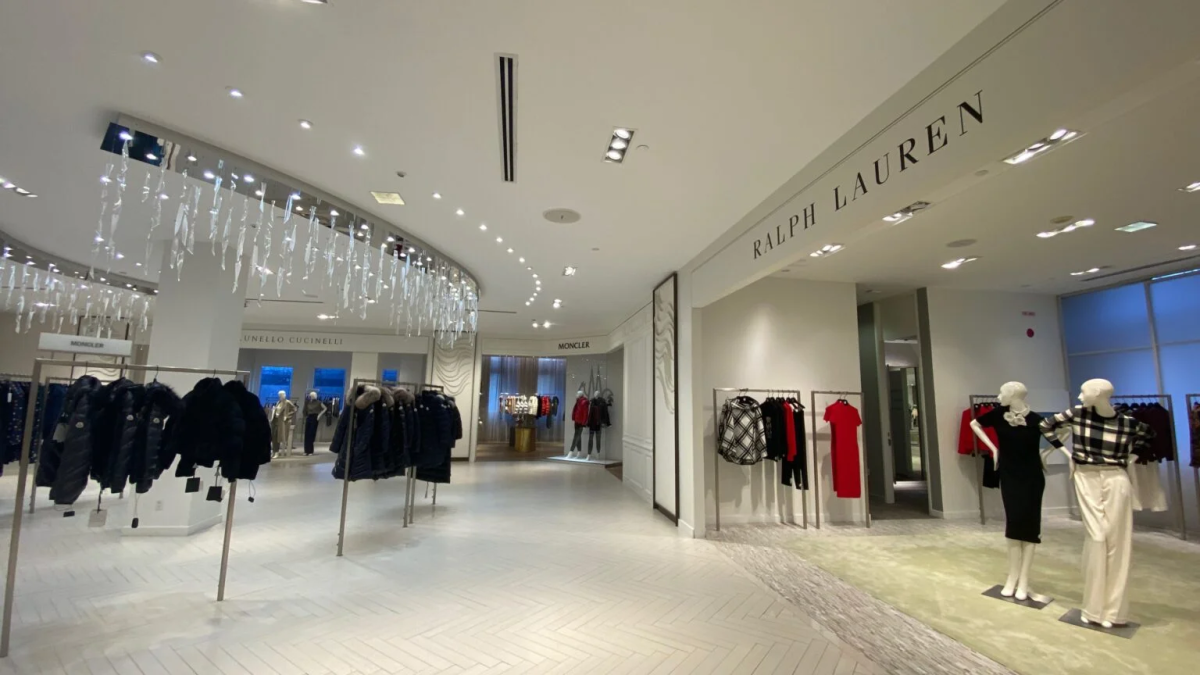
The event will take place on the third floor of the former flagship, historically one of the most exclusive fashion retail environments in the country. This level housed Saks Fifth Avenue’s women’s designer floor alongside Hudson’s Bay’s contemporary offering and ‘The Room’, which for years served as a curated luxury fashion destination within the store.
Fashion Art Toronto Founder and Executive Director Vanja Vasic described the decision to activate that specific space as intentional and symbolic.
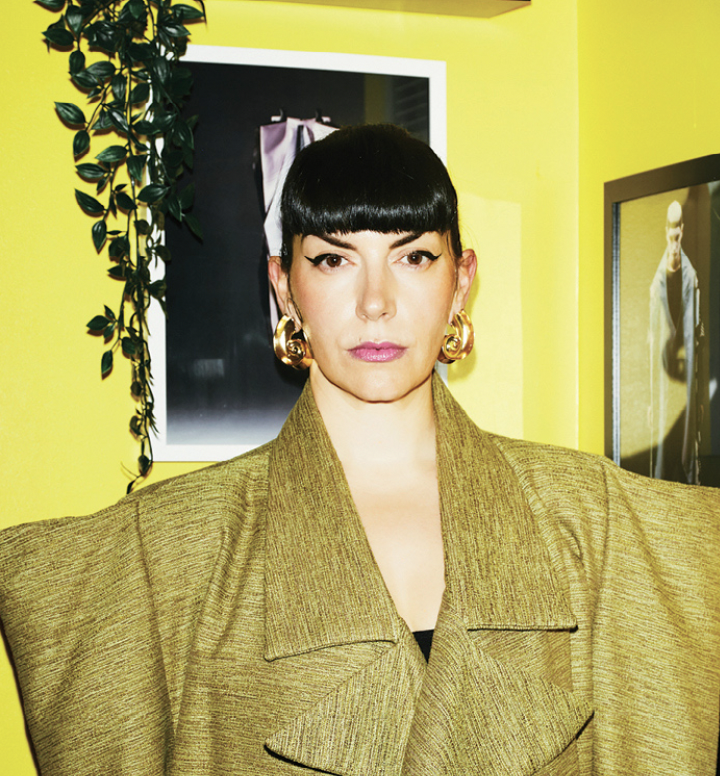
“We’re taking emerging brands and putting them in places where luxury brands would have had their spots,” she said, referring to the former presence of global labels that once occupied the floor.
Fixtures, boutique layouts, and architectural elements remain in place, allowing emerging designers and collectives to occupy a fully built-out luxury environment without the capital barriers typically associated with such space.
The result is a temporary inversion of the department store hierarchy. Where international luxury brands once dominated, a network of Canadian designers, artists, and fashion organizations will now take their place.
From Exclusive Retail to Open Public Access
The daytime portion of THE (SHOW) ROOM will be free by RSVP only. Visitors will encounter a curated marketplace featuring direct-to-consumer retail, immersive installations, and exhibition-style presentations. Participating partners include INLAND, Indigenous Fashion Arts, Toronto Metropolitan University, Style Canada, and Black Designers of Canada, each activating dedicated zones within the floor.
The structure reflects a broader shift toward experience-driven retail, where engagement, storytelling, and community participation play a central role in attracting visitors.
“This is kind of a multidisciplinary, community-forward fashion and retail one-day event,” Vasic said.
The evening program transitions into ticketed runway presentations, including a two-part showcase from designer Charles Lu and a presentation by L’Uomo Strano, whose work responds to contemporary social issues through fashion.
A Case Study in Adaptive Retail Reuse
While the activation is temporary, it aligns with a growing pattern across Canada’s retail real estate sector. Following the closure of multiple department store chains over the past decade, including Hudson’s Bay’s recent exits from key locations, millions of square feet of anchor space have been left vacant or underutilized.
Landlords have begun experimenting with short-term activations, pop-ups, and cultural programming as a way to maintain visibility and traffic while longer-term redevelopment plans are considered.
THE (SHOW) ROOM demonstrates how large-format retail environments, particularly those with strong brand recognition and architectural presence, can be repositioned through programming rather than traditional tenancy.
Vasic noted that the collaboration with Cadillac Fairview, which owns the property, builds on an existing relationship developed over several years.
“We’ve been talking with Cadillac Fairview for years,” she said, adding that the opportunity to activate the former Hudson’s Bay space only became feasible recently.
The activation also reflects a broader placemaking strategy, where cultural events are used to reframe underutilized space and reconnect it with the public.
Reframing the Narrative of a Retail Closure
The Hudson’s Bay flagship at Yonge and Queen has long held symbolic weight within Canadian retail. Its closure marked not only the loss of a major tenant, but also the end of an era tied to department store culture in the country.
Fashion Art Toronto’s approach seeks to reframe that narrative.
“It’s such an iconic Canadian landmark and historical site that we thought we have to make a statement about it,” Vasic said. “Instead of it being a sad story, we can turn the pages of what Canadian fashion could be.”
That reframing is central to the event’s positioning. The activation presents the vacancy as a platform for experimentation and visibility, particularly for designers who would not traditionally have access to a luxury retail environment.
Bridging Retail, Culture, and Community
The activation also highlights ongoing challenges within Canada’s fashion ecosystem. While the country produces a steady pipeline of emerging designers, scaling those businesses remains difficult due to limited funding, production capacity, and retail access.
Fashion Art Toronto has long positioned itself as a platform to address those gaps, and the use of a high-profile retail space amplifies that mission.
According to Vasic, Canadian designers bring a distinct perspective shaped by cultural diversity and a strong emphasis on storytelling, sustainability, and experimentation. However, broader support from consumers and institutions remains critical to sustaining that momentum.
By situating emerging brands within a former luxury flagship, the activation creates a temporary bridge between grassroots design communities and established retail infrastructure.
A Temporary Activation with Broader Implications
THE (SHOW) ROOM is ultimately a one-day event within a larger week-long Fashion Art Toronto program, which will include runway shows, installations, and retail pop-ups across multiple city locations.
However, its significance also offers a glimpse into how legacy retail spaces might evolve, not only through redevelopment but through interim uses that prioritize flexibility, creativity, and public engagement.
For Toronto’s downtown core, which continues to navigate construction disruptions, shifting consumer patterns, and retail turnover, such activations may play an increasingly important role in maintaining vibrancy and relevance.
In that sense, the former Saks floor is being tested as a different kind of retail environment altogether, one where commerce, culture, and community intersect in ways that traditional department store models rarely allowed.