As part of Retail Insider Reports, this Q1 2026 Grocery Retail Report provides structured analysis of the Canadian grocery sector, drawing on Retail Insider’s ongoing coverage to identify key market dynamics, emerging trends, and strategic shifts. These reports are designed to deliver executive-level insights across major retail sectors and can be accessed through the Retail Insider Report Hub.
****
Canada’s grocery sector entered 2026 under mounting pressure from food inflation, shifting consumer behaviour, and rising operating costs. Grocery prices increased 4.4% year-over-year as of March 2026, significantly outpacing the national inflation rate of 2.4%, reinforcing the financial strain facing households and intensifying demand for value-oriented retail options.
In response, major retailers are accelerating a structural pivot toward discount formats, while also investing in artificial intelligence and supply chain innovation to protect margins and maintain relevance.
The result is a sector undergoing significant transformation. Large players such as Loblaw Companies Limited are leveraging scale to expand aggressively, while others are restructuring operations to adapt to changing market conditions. At the same time, more complex or labour-intensive concepts are struggling to remain viable, highlighting the growing importance of efficiency and value positioning.
Loblaw’s $2.4 billion investment plan for 2026, which includes the opening of 70 new stores and the renovation of nearly 200 locations, illustrates the scale of this shift. A significant portion of that expansion is focused on discount banners such as Maxi and No Frills, reflecting a clear alignment with consumer demand for value. Meanwhile, Empire Company Limited has moved to streamline its e-commerce operations, closing Alberta fulfillment centres and increasing reliance on third-party delivery partnerships.
Retail Insider Coverage Reflects Sector Transformation
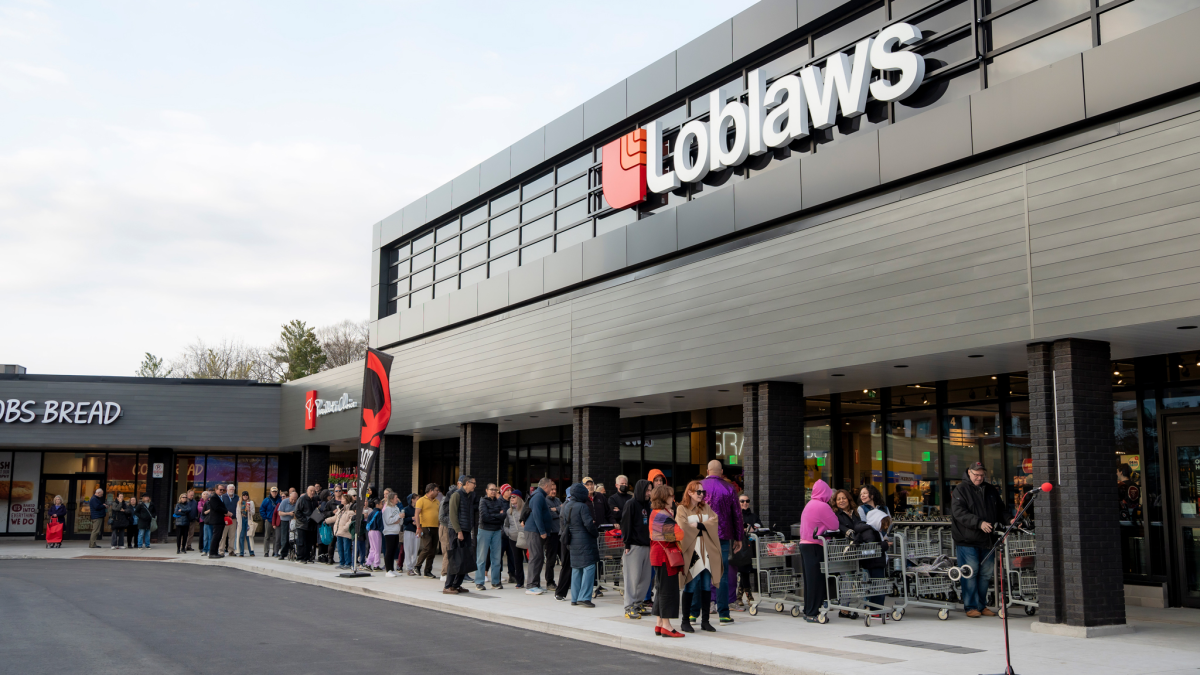
Retail Insider tracked 64 grocery-related articles in Q1 2026, reflecting a high level of activity across the sector. Coverage was led by trend analysis, followed by expansion, partnerships, and new format launches.
This editorial activity mirrors broader market developments. Loblaw continues to dominate headlines through expansion and investment, while Metro and Empire are advancing discount strategies and refining their store networks. Strategic partnerships, including sustainability initiatives and technology integrations, point to a sector focused on long-term positioning as much as short-term performance.
At the same time, contraction remains part of the story. Store closures and operational restructuring across several operators highlight the uneven nature of growth, with some concepts proving difficult to sustain in the current economic environment.
Discount Formats Drive Growth and Market Share
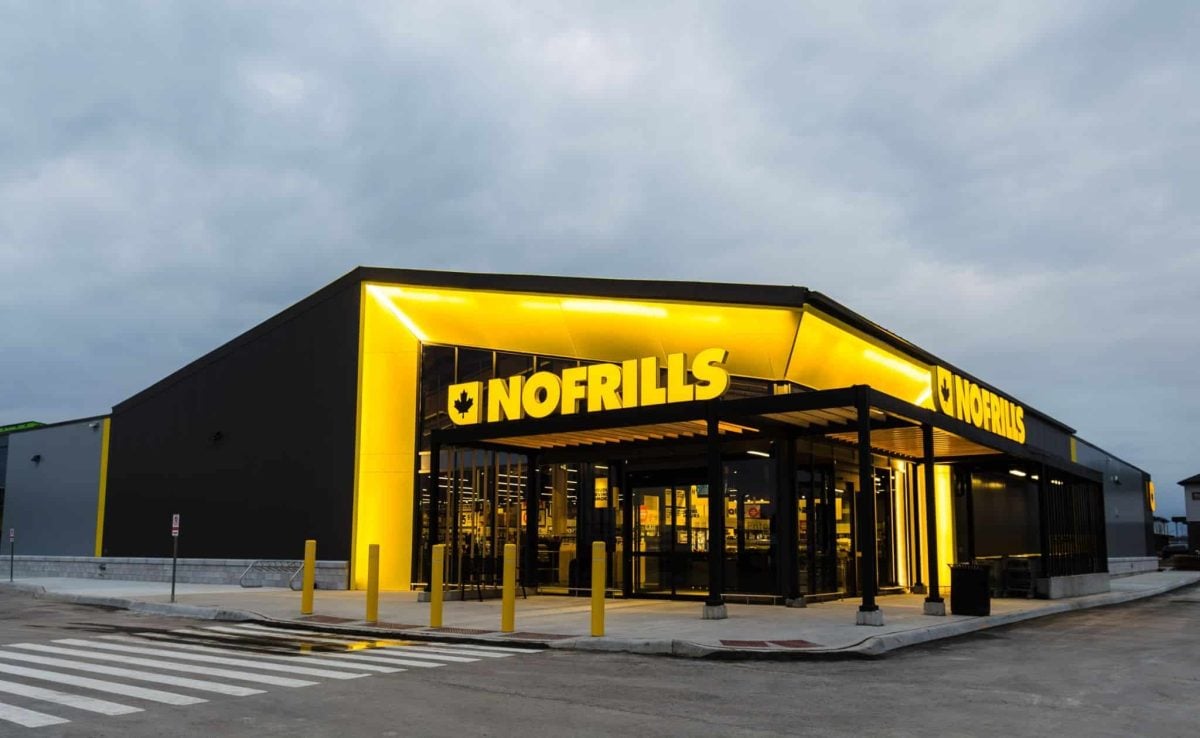
The expansion of discount grocery formats has emerged as the defining trend in early 2026. As consumers become more price-sensitive, retailers are repositioning their portfolios to emphasize value-oriented banners. Recent data indicates that more than 70% of Canadian consumers now prioritize discount or value banners for their primary grocery shop, underscoring a meaningful shift in shopping behaviour.
Loblaw is leading this transition through continued investment in Maxi and No Frills stores across Canada, including new co-located concepts that integrate grocery and pharmacy offerings. Metro and Empire are following similar strategies, expanding Food Basics, Super C, and FreshCo banners while reducing exposure to higher-cost full-service formats.
This shift reflects more than a short-term response to inflation. It signals a structural rebalancing of the grocery landscape, where discount formats are gaining share at the expense of traditional banners. Hard-discount formats in particular have outperformed conventional stores in year-over-year sales growth, reinforcing the long-term nature of this transition.
Market Rationalization Occurs Alongside Expansion
Despite continued store openings, Canada’s grocery footprint is becoming more concentrated. Store density has declined in recent years, falling from 22.1 stores per 100,000 residents in 2020 to an expected 20.9 in 2026.
At the same time, market concentration remains exceptionally high. The five largest grocery retailers — Loblaw, Sobeys, Metro, Walmart, and Costco — collectively control approximately 90% of the Canadian grocery market, with Loblaw alone accounting for roughly 32%. This level of consolidation continues to shape competitive dynamics, limiting new entrants while reinforcing the importance of scale.
This apparent contradiction reflects a broader rationalization of the market. New store development is often offset by closures or conversions, as retailers optimize their networks to focus on higher-performing locations and formats.
For real estate stakeholders, this creates a more nuanced outlook. Demand for grocery-anchored retail remains strong, but site selection and format alignment are increasingly critical. Growth is now more about refining portfolios to match evolving consumer demand.
AI Integration Accelerates, Raising New Questions
Artificial intelligence is becoming a central focus for grocery retailers, offering opportunities to improve efficiency, personalize customer experiences, and streamline operations.
Loblaw’s integration of its PC Express platform with AI-powered tools, along with partnerships involving conversational commerce, highlights how quickly the sector is moving in this direction. These technologies have the potential to reshape how consumers interact with grocery retail, from product discovery to checkout.
At the same time, AI introduces new challenges. Consumer trust remains a critical factor, particularly when it comes to pricing transparency and data usage. Grocery retailers operate within a highly sensitive category, where perceived unfairness or lack of clarity can quickly lead to reputational risk. As a result, the adoption of AI will require careful management to balance innovation with consumer expectations.
Supply Chain Pressures and Cost Management Intensify
Cost pressures continue to build across the grocery supply chain, driven by both domestic policy and global factors. Rising carbon pricing, set to increase further in 2026, is adding measurable costs to transportation and logistics, particularly for retailers serving geographically dispersed markets.
At the same time, geopolitical tensions and shifting trade dynamics are influencing sourcing strategies. This has increased interest in domestic production and alternative supply models, including controlled-environment agriculture and automated farming solutions.
Companies such as Haven Greens are emerging as part of this shift, using technology to produce food closer to urban centres and reduce reliance on imports. While still developing, these models highlight the growing importance of supply chain resilience in a volatile environment.
Operational Complexity Challenges Experiential Formats
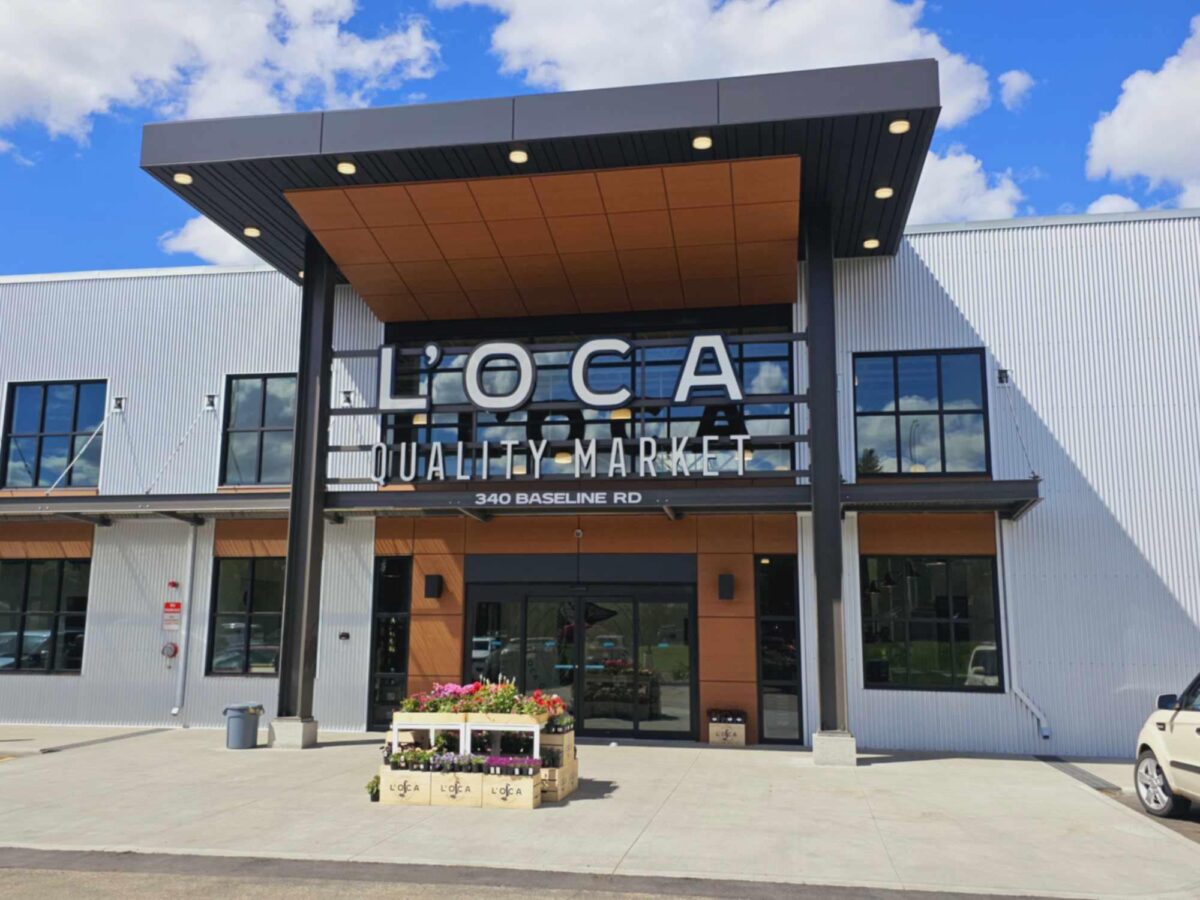
The closure of L’OCA Quality Market’s Edmonton-area stores provides a clear example of the challenges facing more complex grocery concepts. Despite offering a differentiated, experience-driven retail environment, the model proved difficult to sustain financially in a market defined by cost sensitivity.
This outcome reinforces a broader trend. While innovation remains important, it must be balanced with operational efficiency and cost discipline. In the current environment, formats that require high labour inputs or complex execution face greater risk, particularly when competing against lower-cost alternatives.
Sector Outlook: Efficiency and Value Take Priority
Canada’s grocery sector is undergoing a structural transformation shaped by inflation, evolving consumer expectations, and operational pressures. While expansion continues, it is increasingly focused on formats that deliver value and efficiency.
At the same time, technological innovation and supply chain adaptation are reshaping how retailers operate and compete. The balance between growth, cost management, and customer trust will define performance in the coming years.
Editor’s Take
The most important development in Canada’s grocery sector is the accelerating shift toward discount formats. This is not a temporary adjustment, but a fundamental realignment of retail strategies in response to sustained consumer price sensitivity, particularly as grocery inflation continues to outpace overall inflation.
Loblaw Companies Limited stands out for its scale-driven expansion and willingness to invest in both physical retail and technology. Metro and Empire are also repositioning their portfolios, although with varying degrees of success as they navigate operational and strategic challenges.
At the same time, the difficulties faced by concepts such as L’OCA Quality Market highlight the risks associated with complex, high-cost formats in the current environment. Efficiency, rather than experimentation, is becoming the dominant priority.
Looking ahead, several factors will shape the sector. The continued evolution of AI in grocery retail will require careful management of consumer trust. Ongoing market concentration will continue to influence competition and pricing dynamics. Meanwhile, supply chain pressures and the push toward local production will remain central to cost management strategies.
Together, these forces point to a grocery sector that is not slowing down, but rather becoming more disciplined, more focused, and increasingly defined by value.
Selected Coverage
- Canada’s Food Economy Faces a Defining Shift in 2026 – Sylvain Charlebois – Jan 5, 2026
- Canada’s Food Inflation Problem Is Getting Worse – Sylvain Charlebois – Jan 19, 2026
- Loblaw Expands Maxi Discount Strategy in Quebec – Lee Rivett – Feb 9, 2026
- Loblaw to invest $2.4 billion with plans to build 70 new stores – Mario Toneguzzi – Feb 24, 2026
- Grocers Double Down on Discount Banners in Canada – Craig Patterson – Mar 19, 2026
- Canada’s Grocers Turn to AI, Shoppers to Pay [Op-Ed] – Sylvain Charlebois – Feb 15, 2026
- Empire Company to close Alberta e-commerce facilities, expands third-party delivery partnerships – Mario Toneguzzi – Jan 30, 2026
- Canada Grocery Store Density Declines Despite Expansion – Sylvain Charlebois – Feb 25, 2026
- L’OCA Quality Market to Close Edmonton-Area Stores – Craig Patterson – Mar 7, 2026
- Rising Grocery Prices in Canada Are Changing Consumer Behaviour – Sylvain Charlebois – Mar 23, 2026
- Slate Grocery REIT sees 1.7 million square feet of total leasing in 2025 – Mario Toneguzzi – Feb 11, 2026
- Loblaw Expands AI Commerce With Google Gemini – Craig Patterson – Feb 20, 2026
- Canadian Boycott of U.S. Goods Gains Measurable Traction – Sylvain Charlebois – Feb 12, 2026
- Haven Greens growing fast: Ontario greenhouse adds Costco product and plans major expansion – Mario Toneguzzi – Mar 31, 2026
- Rising Carbon Pricing in Canada Strains Grocery Supply Chains – Sylvain Charlebois – Mar 15, 2026