Canadian retailers continue to open stores, expand into new markets, and invest in major projects across the country. Yet the industry’s employment picture tells a very different story.
Statistics Canada reported that Canada’s economy added nearly 88,000 jobs in May, far exceeding economist expectations and marking the first significant employment gain since November 2025. The increase followed a net loss of approximately 112,000 jobs during the first four months of the year, suggesting that Canada’s broader labour market may be regaining momentum.
Retail, however, remains an outlier.
Wholesale and retail trade lost 35,000 jobs in May even as sectors including construction, manufacturing, transportation and warehousing, and accommodation and food services recorded gains. The national unemployment rate fell to 6.6%, while full-time employment increased by approximately 154,000 positions.
For retail recruiter Suzanne Sears, the latest labour market data points to changes that go well beyond a single month’s jobs report.
Sears said she is increasingly hearing concerns from candidates who are questioning whether retail offers the long-term stability and career opportunities it once did.
“They’re fed up with the store closures. They’re fed up with not having pensions,” she said. “It’s quite a rejection of retail as a career.”

Retail Employment Continues to Diverge From Broader Labour Trends
The contrast between retail and the broader economy was particularly striking in May.
Construction added approximately 27,000 jobs during the month, while manufacturing, transportation and warehousing, information, culture and recreation, and accommodation and food services all posted gains.
Retail and wholesale trade moved in the opposite direction.
The trend is notable because it comes during a period of continued investment in Canada’s retail sector. Retail Insider has recently reported on a steady stream of store openings and expansion initiatives, including the launch of Vancouver’s Oakridge Park retail district, growth plans from various Canadian brands, and continued expansion by international retailers entering the Canadian market.
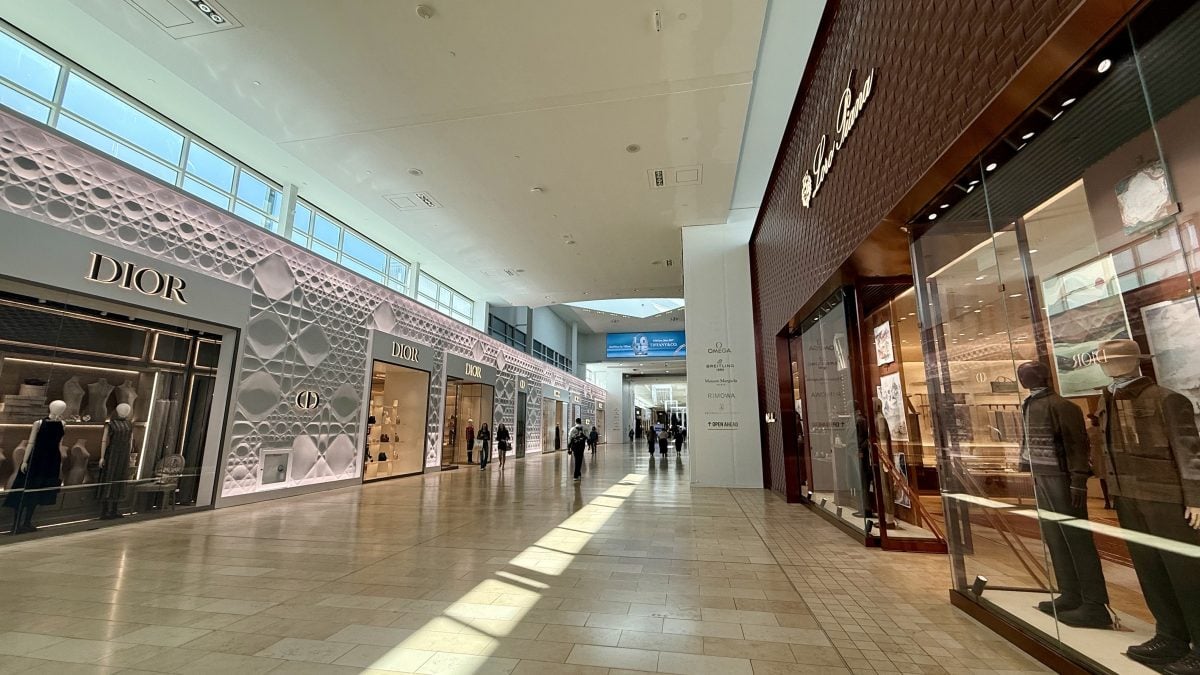
Luxury retail has been particularly active. New stores from brands including Louis Vuitton, Prada, Rolex and Veronica Beard have opened in Vancouver, while luxury retailers continue to invest in major Canadian markets.
Yet employment growth has not kept pace.
The industry’s labour challenges follow a period of significant disruption. The closure of Hudson’s Bay stores in 2025 eliminated thousands of retail positions across Canada, while other restructurings and store closures have added to uncertainty among workers evaluating long-term opportunities within the sector.
According to Sears, retail employment has been trending lower since late 2025 despite ongoing expansion activity.
The disconnect raises an increasingly important question: has retail become more productive, or is the industry simply learning to operate with fewer people?
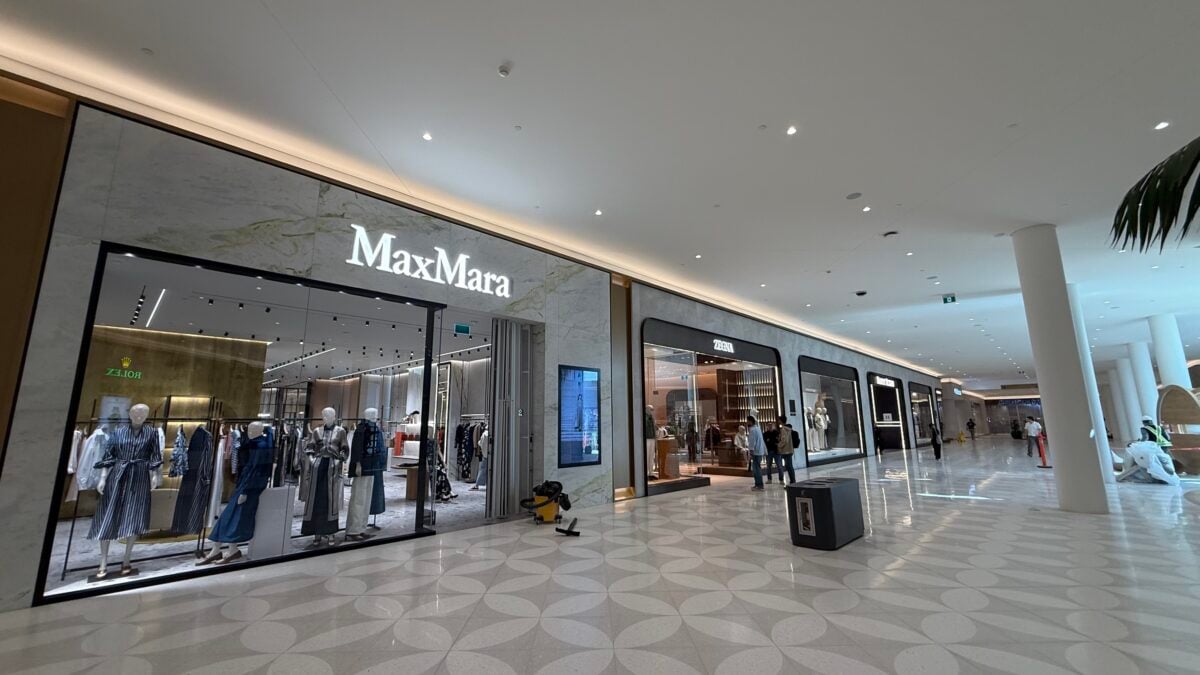
Are Workers Reconsidering Retail Careers?
For decades, retail served as one of Canada’s largest employers and a training ground for future business leaders.
Many executives leading retailers, shopping centres, consumer brands, and real estate organizations today began their careers on store sales floors. Retail was often viewed as an industry where ambitious employees could advance into management, merchandising, marketing, operations, leasing, and executive leadership roles.
Sears believes that perception may be changing.
She said many candidates cite concerns about industry instability after years of bankruptcies, store closures, restructuring programs, and workforce reductions.
“Nobody wants to risk it,” she said.
The issue may be particularly relevant among younger workers.
Statistics Canada reported that youth unemployment declined in May, marking the first improvement since January. Yet Sears believes retail is increasingly competing against industries that are perceived as offering greater stability, clearer career paths, and stronger long-term prospects.
That shift in perception may be contributing to the sector’s ongoing hiring challenges.
Retail Sales and Employment Are Telling Different Stories
One of the more intriguing aspects of the current environment is that retail employment and retail performance do not appear to be moving in lockstep.
Consumers continue to spend despite economic uncertainty, shopping centres continue to attract new tenants, and retailers continue to announce expansion plans.
At the same time, employment remains under pressure.
Sears believes technology and changing operating models may help explain the divergence.
“I don’t think there’s a correlation between retail sales at this time and retail employment,” she said. “Companies are finding ways, usually through their online operations, to drive sales and profits without adding headcount.”
The continued growth of e-commerce, investments in automation, and broader efforts to improve efficiency may be allowing retailers to generate stronger results while relying on leaner staffing models.
Retail is hardly the only industry adapting to technology and productivity improvements. However, the sector’s employment trends have become particularly visible because expansion activity remains so prominent.
If the trend continues, retail employment may no longer serve as the straightforward indicator of industry health that it once did.
AI Is Transforming Retail Recruiting
Sears believes another major shift is already underway.
According to Sears, artificial intelligence is rapidly changing how candidates search for jobs and how employers evaluate applicants.
She described AI-powered job application tools as one of the most significant developments currently affecting recruiting. Some services can automatically identify job opportunities, generate customized resumes and cover letters, and submit applications with minimal involvement from candidates themselves.
The result is a dramatic increase in application volume.
Employers that once received dozens of applications for a position may now receive hundreds or even thousands. For hiring teams, that creates an entirely new challenge.
Sears said resumes increasingly look similar, while candidates often appear exceptionally qualified on paper.
“Every candidate is perfect,” she said.
The result is a recruiting environment where traditional online job postings may be becoming less effective, particularly for positions requiring specialized experience.
Sears believes specialized recruiters could become increasingly valuable as employers look for ways to identify qualified candidates beyond automated application systems.
Luxury Retail Faces Unique Staffing Challenges
The issue is particularly relevant in luxury retail.
As luxury brands continue expanding in markets such as Vancouver and Toronto, competition for experienced associates may intensify. Many of these positions require extensive product knowledge, relationship-building skills, and the ability to cultivate long-term client relationships.
According to Sears, those qualities are often difficult to evaluate through traditional online applications.
As a result, luxury brands frequently rely on referrals, industry networks, and specialized recruiters rather than conventional job boards.
The challenge has become increasingly relevant as Canada’s luxury retail sector continues to grow through projects such as Oakridge Park and new standalone boutiques opening in major urban markets.
Employers Are Paying More for Top Talent
Despite weaker employment numbers overall, Sears said one development has surprised her.
“The willingness to pay more.”
Statistics Canada reported that average hourly wages rose 3.0% year-over-year in May to $37.24 per hour. Sears said employers increasingly appear willing to invest in candidates who can contribute immediately.
Rather than hiring aggressively across entire organizations, many companies seem focused on recruiting fewer people with stronger qualifications and specialized expertise.
The trend is particularly evident in management positions, luxury retail, and customer-facing leadership roles where experience can have a direct impact on performance.
Looking Toward the Second Half of 2026
While Sears expects hiring activity to remain relatively subdued during the summer months, she sees reasons for cautious optimism later in the year.
Unemployment rates improved in Toronto, Montreal, and Vancouver during May, developments that could help support consumer spending heading into the critical fall retail season.
“If all stays the same and nothing else terrible happens, I would expect that this fall we’re going to see some strong retail sales numbers and strong retail hiring,” she said.
Retail’s labour story has become increasingly complex. Consumers continue to spend, retailers continue to expand, and Canada’s broader employment picture is showing signs of improvement. Yet the industry is simultaneously navigating changing worker expectations, evolving technology, and new recruiting challenges.
Whether those forces ultimately translate into stronger hiring remains one of the most important questions facing the sector heading into the second half of the year.
Sears believes the answer may become clearer soon.
“We’ll wait and see if all these new store openings turn into new hiring,” she said. “Because right now they’re opening, but no new hiring. What’s going on?”