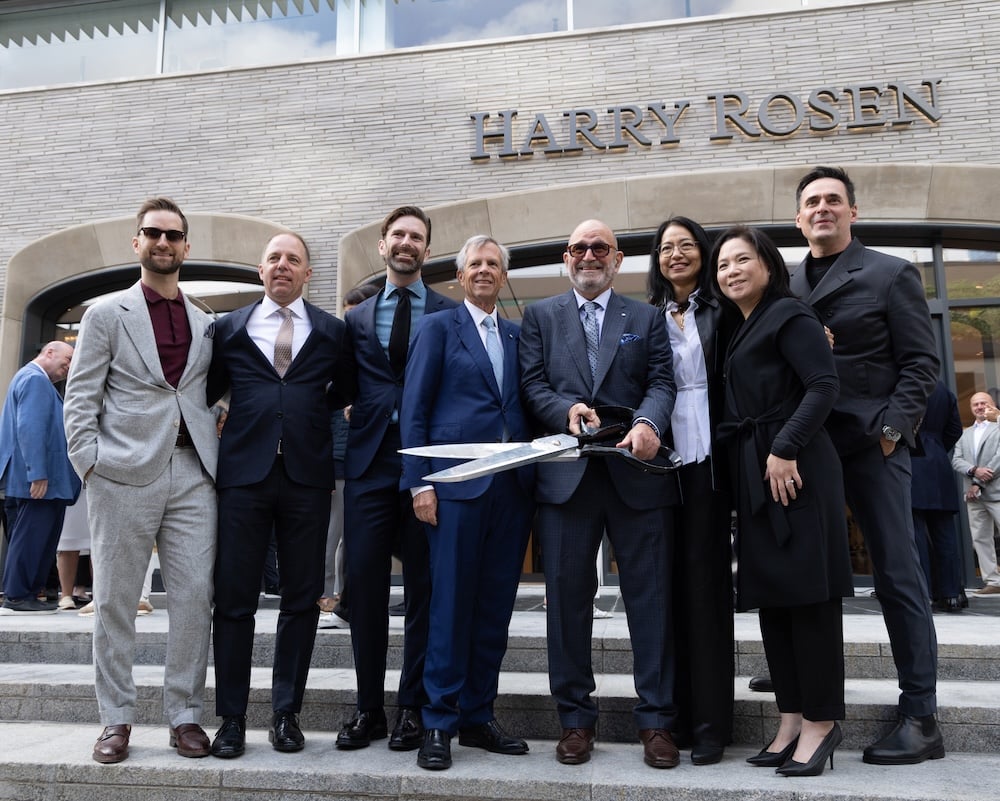
Harry Rosen has opened its new 38,000-square-foot flagship at 153 Cumberland Street in Toronto’s Yorkville neighbourhood, marking what the company says is the largest single store investment in its more than 70-year history.
The three-storey flagship officially opened Wednesday morning, replacing Harry Rosen’s longtime location at 82 Bloor Street West, which closed earlier this month after nearly four decades at the address. The Cumberland store is the centrepiece of a previously announced $50-million, five-year investment program to transform the company’s Canadian retail network.
“This is the centrepiece or cornerstone of our $50-million spend,” Graham Rosen said during an opening-day tour with Retail Insider. “It’s the largest single investment in our company’s history.”
The move represents a significant transition for a retailer whose identity has been closely tied to Bloor Street for more than half a century. It also provides a look at how Harry Rosen is rethinking the role of a large physical store when customers can browse merchandise, check inventory and make purchases without leaving home.
For Ian Rosen, President and CEO of Harry Rosen, that reality made the move from Bloor onto Cumberland particularly consequential.
“When you move off of Bloor Street, you have to build something worth walking to,” Rosen said. The mandate given to Toronto-based dkstudio architects inc., which designed the flagship, was to create what he described as a “beacon” and a destination customers would actively seek
out.
More Than 55 Years on Bloor Street
Harry Rosen’s presence on Bloor Street dates to 1970, when the company opened a roughly 4,000-square-foot store as the luxury shopping district was taking shape. In 1987, the retailer moved next door into 82 Bloor Street West, creating a roughly 32,000-square-foot flagship over three levels.
Two additional floors were added in 2008, ultimately taking the store beyond 50,000 square feet. The flagship closed September 12 as the property awaits eventual redevelopment, ending almost 39 years at 82 Bloor and more than 55 years of Harry Rosen operating directly on Bloor Street.
The new store is smaller than the five-level flagship it replaces, but the comparison illustrates how Harry Rosen’s priorities have changed. At Cumberland, considerably more space has been allocated to inventory, hospitality, private appointments and customer service, while the selling floors have been designed to feel more open.
Larry Rosen, who led the company for decades before Ian Rosen became President and CEO, toured the store with Retail Insider shortly before its opening. For him, the expectations for the replacement of 82 Bloor were straightforward.
“This is our flagship. It has to be spectacular,” Rosen said, crediting dkstudio with creating a store that was “designed to wow.”
The relocation also presented an unusual real estate opportunity. Harry Rosen occupies the Cumberland-facing ground-floor retail space at 153 Cumberland as well as former office space on the second and third levels of the 130 Bloor Street West complex. Landlord KingSett Capital says approximately 32,000 square feet of former office space was converted to retail as part of the project.
According to KingSett, the conversion increased high-street retail’s share of the property from 13 per cent to 31 per cent. The project is a notable office-to-retail conversion at a time when much of the discussion around downtown commercial real estate has focused on finding alternative uses for older office space.
Transforming Offices Into Luxury Retail
Creating the upper retail levels required substantial work. During the opening-day tour, the Rosens and Dmytriy Pereklita of dkstudio recalled standing in what was then raw office space filled with exposed electrical systems, pipes and mechanical infrastructure and considering whether it could realistically become a luxury retail environment.
The second floor had low ceilings in places, with mechanical systems dropping to roughly eight or nine feet. Ian Rosen said ceilings were ultimately raised while water pipes and mains had to be relocated.
The resulting store has an unconventional configuration. The ground floor addresses Cumberland Street, while the expansive second level stretches through the building toward Bloor Street. Portions of the upper store also have visibility toward Bloor.
Instead of attempting to disguise the unusual footprint, dkstudio used it as part of the architectural narrative connecting the three levels.
A More Flexible Harry Rosen
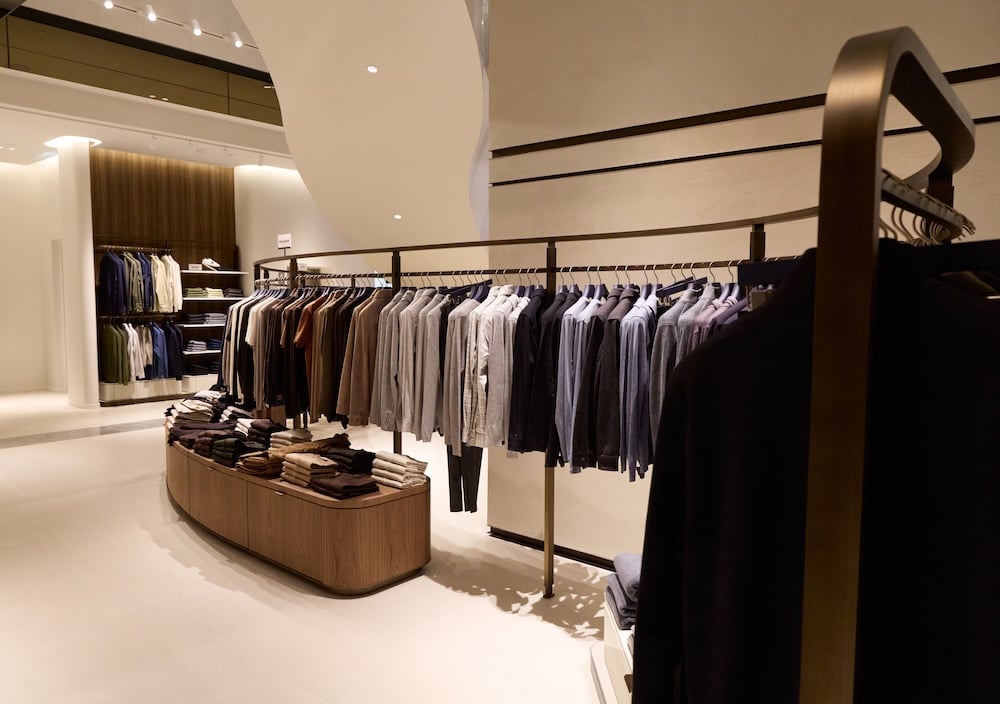
The Cumberland entrance opens into a contemporary sportswear environment featuring denim, casual clothing and brands including BOSS and Patrick Assaraf. A dedicated Zegna boutique occupies a prominent corner and was still receiving finishing touches when Retail Insider toured the flagship on opening morning. A sweeping central staircase immediately signals that much of the store lies upstairs.
The merchandising strategy is intentionally less rigid than at the former Bloor location. Ian Rosen said 82 Bloor contained roughly 16 defined branded areas, while Cumberland reduces the reliance on permanent shop-in-shop environments in favour of spaces Harry Rosen can continually refresh.
Rosen said some presentations could change every three or four weeks, giving repeat customers a greater chance of encountering something new.
Major international labels still maintain distinctive identities within the flagship, but the approach gives Harry Rosen greater control over how collections sit together and how the floor evolves over time.
Drawing Customers Upstairs
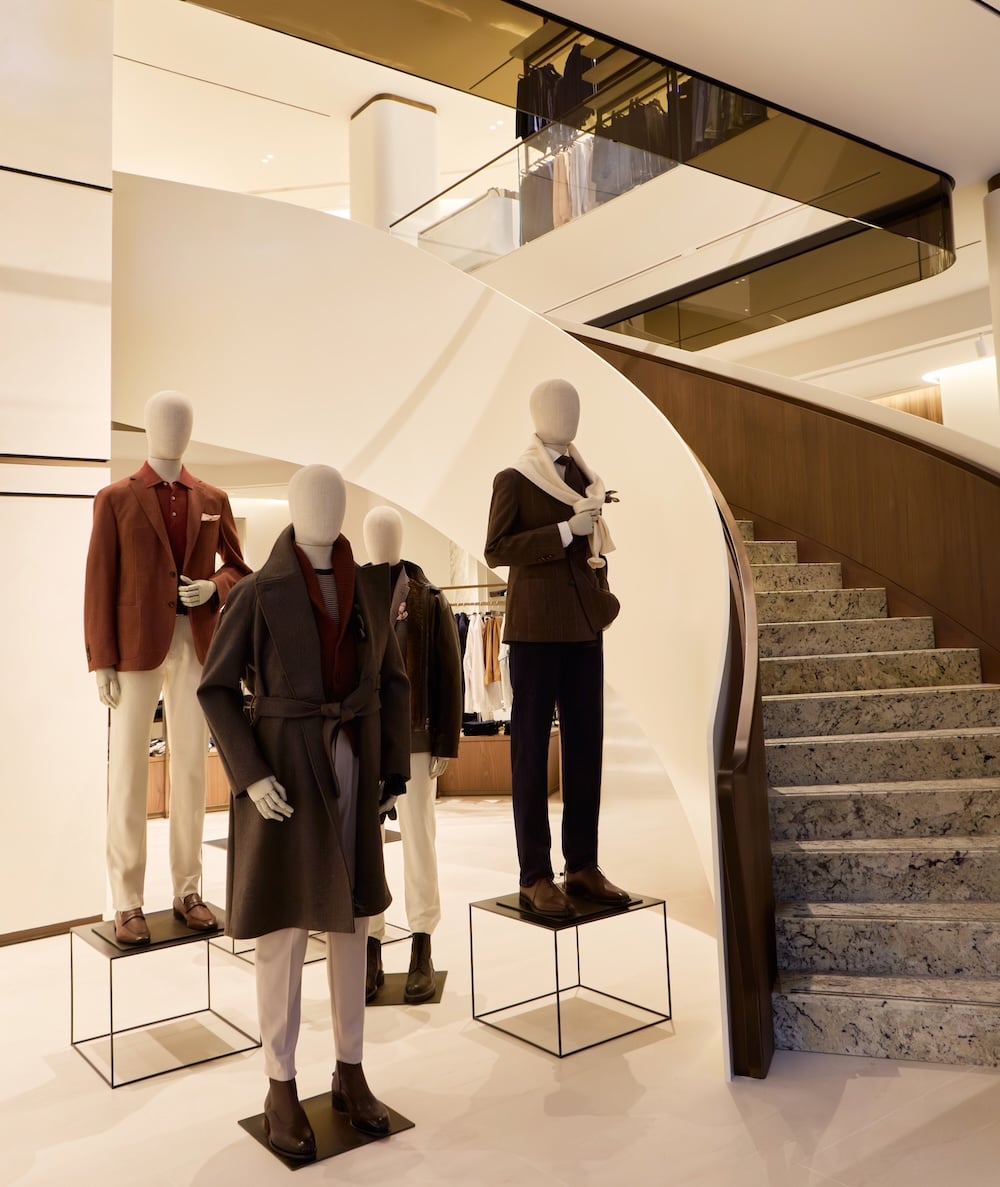
One of the project’s defining architectural features is its sweeping staircase, positioned near the entrance within a large vertical opening connecting the principal retail levels.
It also addresses a practical problem faced by multi-level retailers: getting customers beyond the ground floor. Rosen said considerable attention was paid to opening sightlines and creating an immediate sense on arrival that there was more to discover above.
The staircase has a white-steel exterior that gives way to a walnut lining and richly veined white granite treads. The contrast was conceived in much the same way as a tailored garment, where a relatively restrained exterior can reveal more intricate craftsmanship within.
The atrium creates a strong vertical perspective through the store. The design firm also draws a subtle connection to Turin, where views along historic streets can terminate against the rising Alps, pulling the eye toward the distance.
Luxury, Tailoring and Hospitality Upstairs
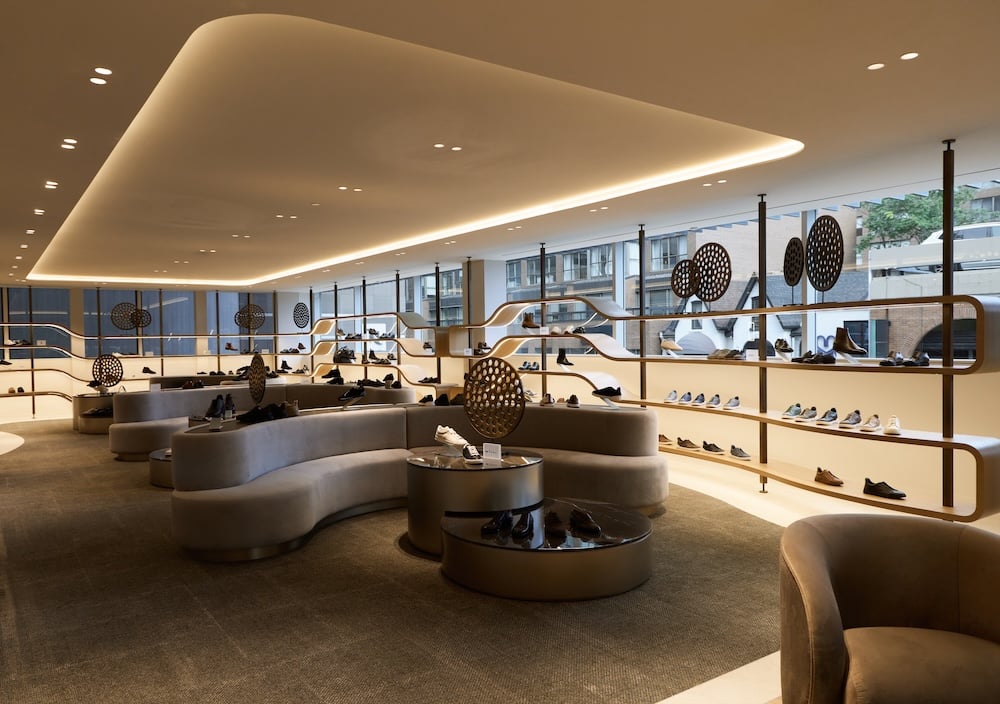
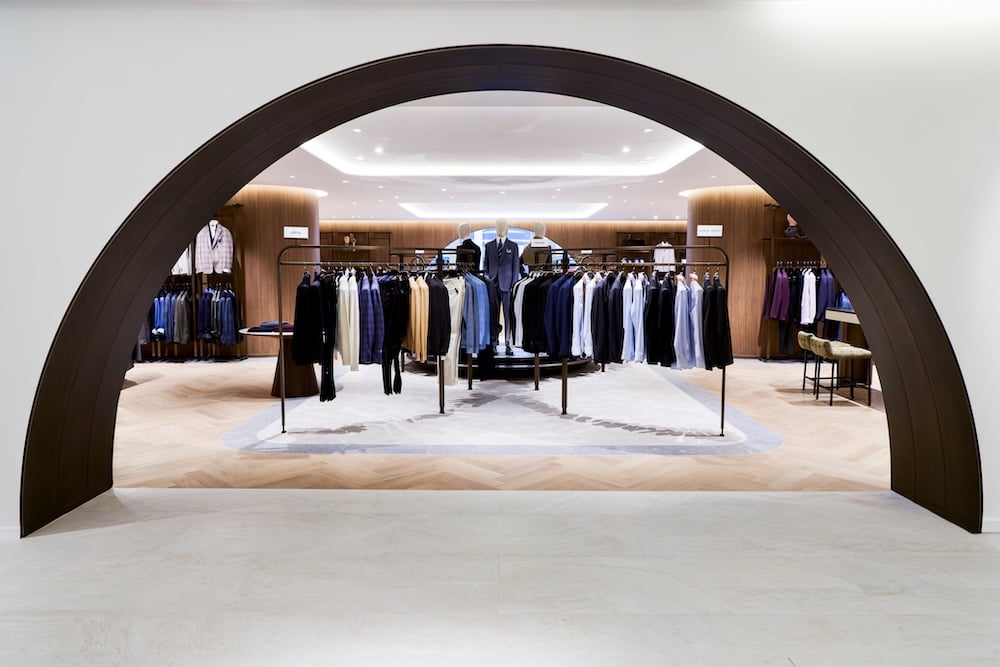
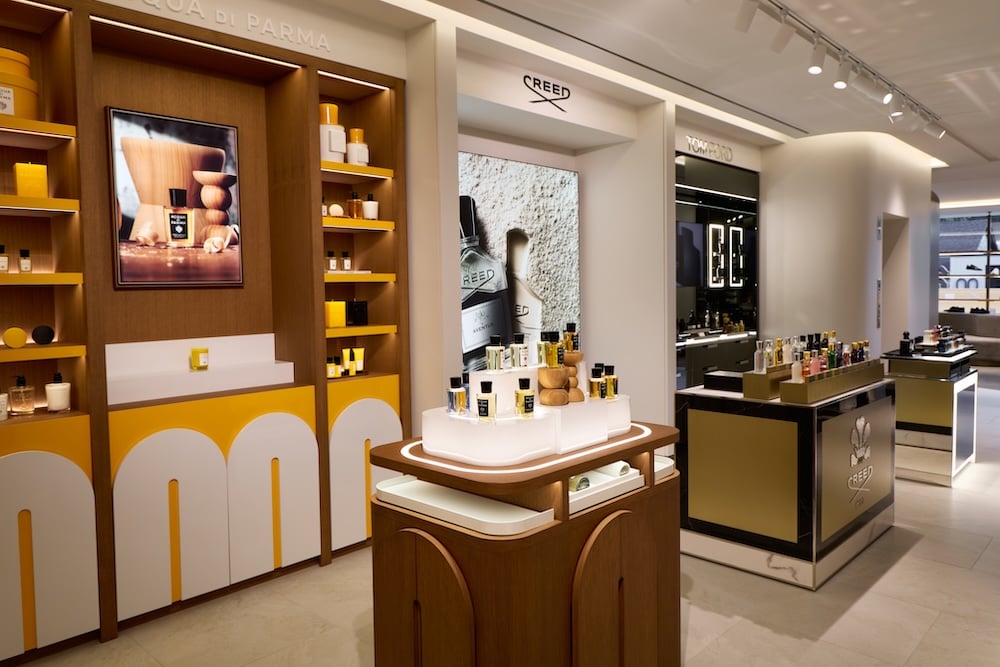
The second level contains the largest amount of selling space and brings together luxury designer collections, footwear, accessories, fragrance and tailoring.
Harry Rosen’s assortment includes names such as Brunello Cucinelli, Kiton, Tom Ford, Canali and Giorgio Armani. The brands retain distinct identities, but the overall environment is more open than the series of enclosed boutiques traditionally associated with multi-brand luxury retail.
Ian Rosen described the designer sequence as retaining some of the “high street” quality customers knew from 82 Bloor while allowing considerably longer sightlines through the new flagship.
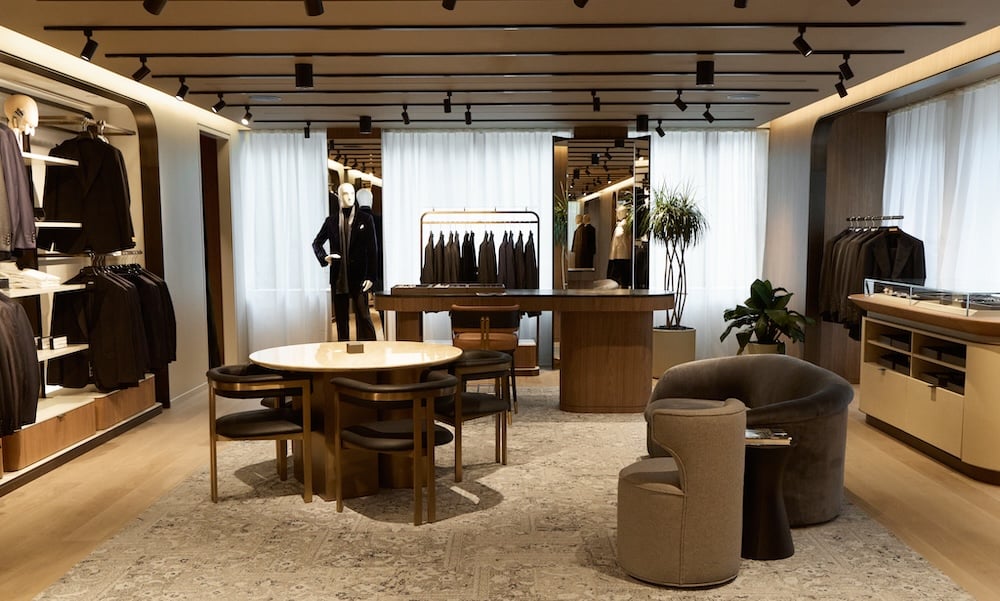
Tailoring is integrated into the floor rather than treated simply as a department for conventional business suits. Suiting, sport jackets and related categories can be brought together across brands, while fitting salons provide more private environments for customers working with advisors.
One of the biggest differences between the old and new flagships, however, is largely invisible to customers.
More Inventory Behind the Walls
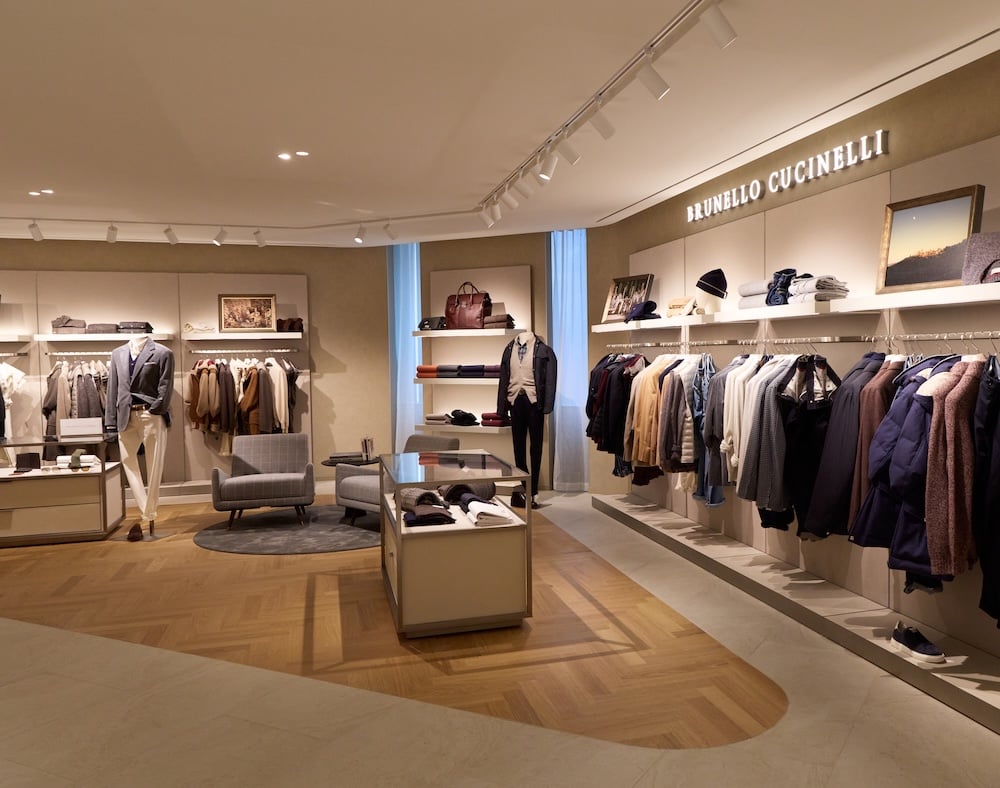
At 82 Bloor, Ian Rosen estimates that only about five per cent of the store was devoted to back-of-house inventory. At Cumberland, he estimates the figure is closer to 20 to 30 per cent.
The change allows Harry Rosen to maintain considerable inventory depth without filling the sales floor with duplicate merchandise and racks of sizes. Products can be presented more selectively while additional sizes and options remain available behind the scenes.
That model depends on employees being able to retrieve merchandise quickly.
Rosen said he and Graham had mystery-shopped retailers where customers could wait 15 or 20 minutes for an associate to return with another size. Harry Rosen has therefore put considerable emphasis on the organization of its Cumberland stock rooms and the tools available to associates, with the aim of retrieving another size or item within a few minutes.
Harry Rosen is placing greater value on deeper inventory, faster service and a cleaner selling floor instead of maximizing the amount of merchandise on display.
Hospitality Moves Into the Shopping Experience
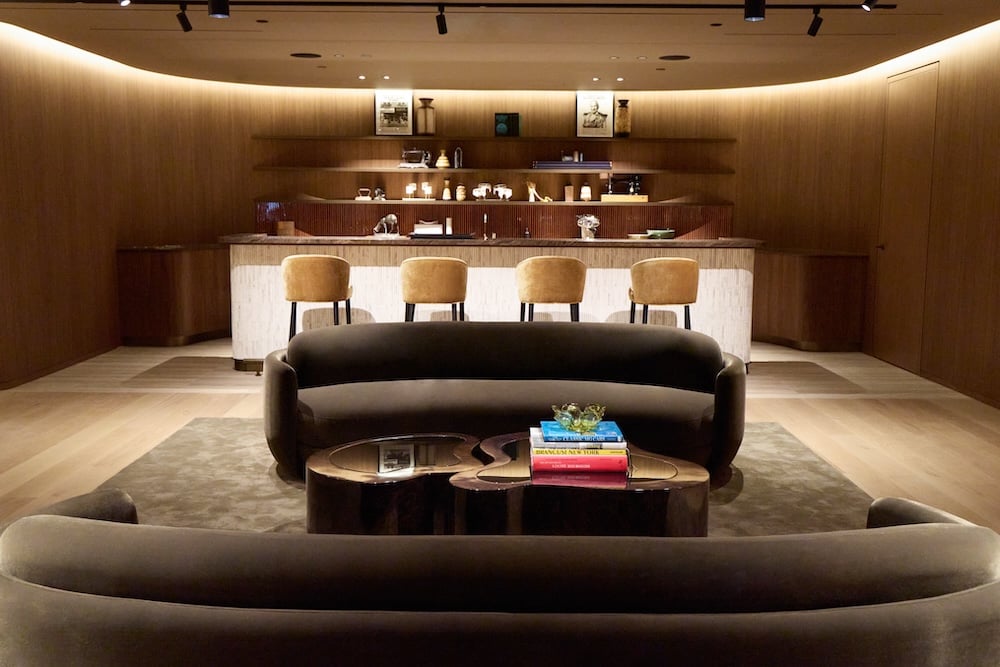
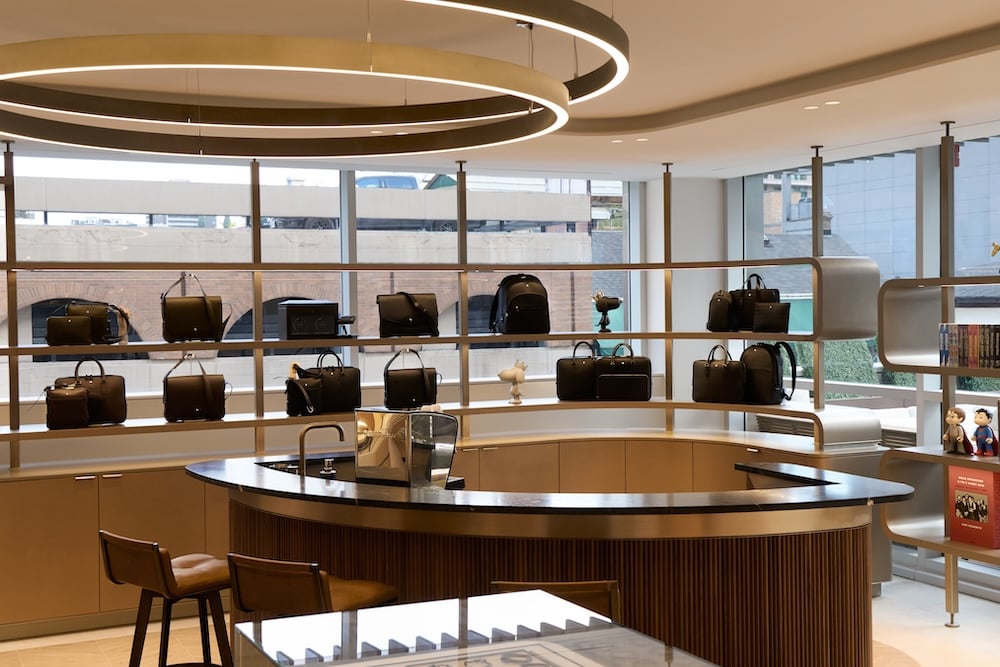
A lounge and café area on the second floor incorporates an Illy coffee partnership and connects with an outdoor terrace overlooking the Village of Yorkville Park. The space is part of the everyday shopping environment but can also support brand activations and client gatherings.
Harry Rosen had outdoor space at its former Bloor flagship, but Ian Rosen said it was difficult to integrate into normal store operations. At Cumberland, the terrace has been positioned directly within the flow of the second floor.
Footwear, leather goods, accessories and fragrance are positioned nearby, putting the lounge and terrace alongside active retail categories instead of separating them from the selling environment.
The approach becomes more pronounced on the third level.
Private Clients, Events and Made-to-Measure
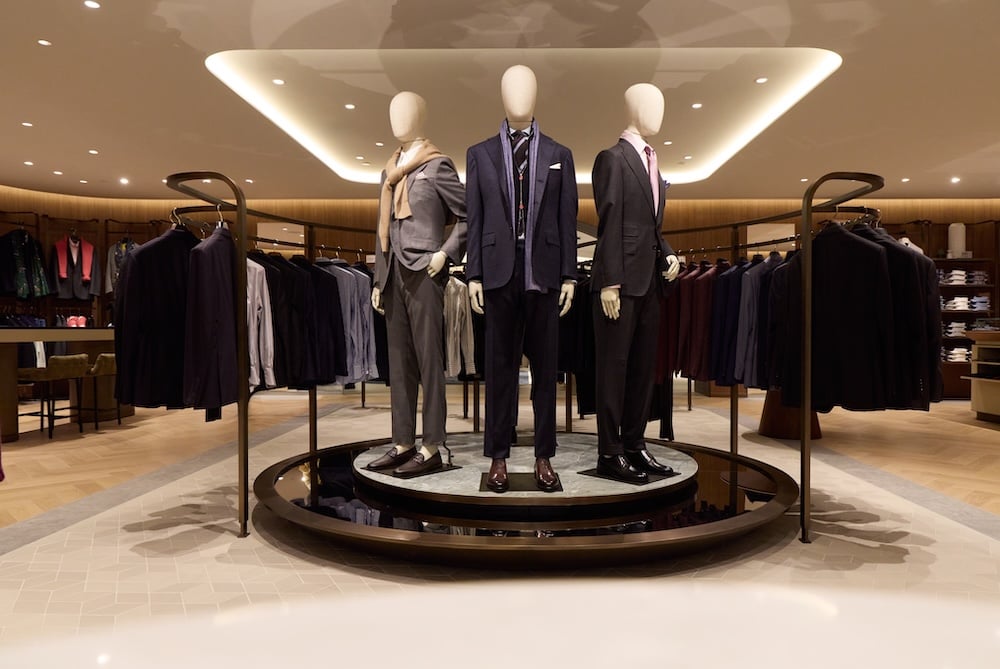
Harry Rosen considered using the top floor for additional conventional retail but ultimately decided to devote much of it to private selling, made-to-measure, events and client hosting.
The level includes private fitting areas, a welcome lounge and bar, along with space for trunk shows, talks, dinners and other gatherings. Technology has also been incorporated to facilitate virtual meetings, potentially allowing Toronto customers to connect with craftspeople or master tailors overseas.
“We want to be a venue,” Ian Rosen said.
Curtains and other spatial elements allow larger areas to be divided for private appointments and reopened for events, making the floor adaptable depending on how it is being used. Customers can spend time with an advisor, have garments fitted and bring a spouse or companion without the interaction feeling like a conventional fitting-room visit.
At the time of Retail Insider’s tour, Rosen said the company was applying for a liquor licence to support client hosting.
The decision to dedicate prime Yorkville square footage to uses beyond conventional product display reflects the broader thinking behind Cumberland. The third floor is designed around relationships and time spent with customers as much as it is around transactions.
A Grand Tour Through Italy
The architecture ties the different environments together through a narrative developed by dkstudio around the historic Grand Tour of Italy.
According to the design firm, Harry Rosen’s longstanding relationship with Italian tailoring, fabrics and fashion houses provided the starting point. The size and unusual three-storey configuration then suggested the idea of a journey, loosely referencing the Grand Tours through Italy undertaken by European travellers from the 17th through 19th centuries.
The references are expressed through architecture and materials instead of a literal recreation of Italian environments.
At street level, stylized stone arches and handmade European brick draw on traditional architecture and craftsmanship. Above, perforated metal louvres fold across the façade in a form intended to evoke fabric before it is shaped into a tailored garment.
Inside, walnut, bronze, marble and crafted plaster recur throughout the flagship. The elongated second floor takes inspiration from Rome’s Piazza Navona, with softened ends and sculptural elements breaking up the long floorplate. Walnut walls create separation between collections without interrupting views across the space.
The third level shifts toward references to Venice and historic palazzo interiors through darker ceilings, substantial wood elements and marble finishes.
The Italian connection also has a longstanding place in Harry Rosen’s history. The retailer was an early Canadian proponent of Italian luxury menswear and developed relationships with fashion houses that remain important to the business today. Harry Rosen has previously said founder Harry Rosen encountered Zegna ready-to-wear during a trip to Italy in the mid-1970s and subsequently became the first retailer to introduce Ermenegildo Zegna to North America.
A New Face on Cumberland Street
dkstudio also approached the project in relation to Cumberland Street and the surrounding Yorkville neighbourhood.
The ground floor had previously been divided among several storefronts, with a service entrance interrupting the frontage. Those spaces have now been consolidated behind a unified architectural treatment.
Because the entrance is slightly recessed and elevated, the design team viewed the space immediately outside as having the potential to function almost like a small urban piazza. The relationship with the neighbourhood continues upstairs through the café and terrace overlooking Village of Yorkville Park.
The geography creates an interesting result. Harry Rosen has left its Bloor Street storefront, but the flagship itself extends through the property toward Bloor.
“We’re right above Gucci,” Ian Rosen said during the tour.
Is the Customer Going to Come at All?
The architecture, merchandising, inventory strategy and additional amenities ultimately address a larger challenge facing Harry Rosen and other retailers making substantial investments in stores.
For Ian Rosen, the company’s principal competition isn’t necessarily another menswear retailer.
“What is our biggest competition these days?” he said. “It’s not whether the client comes to us or goes to a competitor. It’s whether they come at all.”
Customers can already browse Harry Rosen’s assortment online and determine whether merchandise is available at individual stores. That changes what a store has to accomplish.
“Every trip to the store has to be worth it,” Rosen said.
That thinking runs through Cumberland. Flexible merchandising increases the likelihood of discovering something new, while more back-room inventory allows a cleaner environment without sacrificing selection. The lounge and terrace encourage customers to spend more time in the store, and private rooms and third-floor gathering spaces give Harry Rosen ways to build client relationships beyond a conventional transaction.
Despite Cumberland’s size and broad collection of international labels, Rosen is also deliberate about how Harry Rosen defines itself.
“We’re not a department store,” he said. “We’re a specialty store for men.”
The distinction is rooted in the service model. The company expects customers to engage with advisors who understand the merchandise and can help assemble wardrobes and outfits, rather than simply navigate a large assortment independently.
Part of a $50-Million Canadian Transformation
Cumberland is the most significant project yet in Harry Rosen’s broader physical retail investment program.
The company announced in 2024 that it would invest $50 million over five years in its Canadian store network following a period of substantial investment in e-commerce and digital technology. The company said at the time that e-commerce had become its largest storefront, underscoring why the subsequent investment in physical stores was being centred on experiences and services that are difficult to reproduce online.
Since then, Harry Rosen has unveiled an updated store at West Edmonton Mall, reimagined its First Canadian Place location in downtown Toronto and opened a new flagship at Oakridge Park in Vancouver.
Cumberland builds on ideas visible in those locations while taking them further. Oakridge, for example, introduced a more open approach to merchandising, enhanced tailoring facilities and a greater emphasis on hospitality. The Toronto flagship applies many of those principles on a larger scale and adds substantial private-client and event space.
The transformation is far from finished. Ian Rosen told Retail Insider that the company is close to signing another project and has two additional major projects in development. He did not disclose the locations.
“There isn’t a Harry Rosen store that’s going to read in the old experience and aesthetic in the next five years,” Rosen said.
The statement points to a broader evolution underway across the chain. Harry Rosen is moving away from a store model heavily defined by selling space and fixed branded environments and giving greater weight to flexibility, inventory, service and customer relationships.
Cumberland is the clearest expression of that strategy so far.
The new flagship is smaller than the five-level Bloor Street store it replaces, yet considerably more of its footprint has been allocated to functions intended to make an in-person visit worthwhile. After more than five decades on Bloor Street, Harry Rosen’s move around the corner provides a look at what the company believes a Canadian luxury flagship now needs to be, and where its national store network is heading next.