Montreal-founded furniture company Transformer Table is expanding its U.S. retail presence after reporting annual revenue of $145 million, an increase of nearly 60% over two years, as the business looks to physical stores to support its next phase of growth.
The company is introducing new microstores in Utah and Colorado, followed by a larger flagship in Maryland, as it builds on a decade of growth driven by expandable dining furniture, e-commerce and retail partnerships. The United States now accounts for approximately 80% of Transformer Table’s business, making it the company’s largest market and the primary focus of its company-operated store expansion.
CEO Chris Wantlin said Transformer Table generated revenue of $91 million in fiscal 2024, $120 million in fiscal 2025 and $145 million in fiscal 2026, which ended in March. Revenue increased approximately 32% in fiscal 2025 and a further 21% in fiscal 2026, while U.S. sales grew 20% in the most recently completed year. The figures underscore the company’s expansion as it invests in additional ways to reach customers.
Founded in Montreal in 2016 by seven longtime friends, Transformer Table initially built its business around expandable dining tables designed to accommodate changing household needs. Its product assortment has since grown to include seating and other multifunctional furniture, with the company reporting that it now serves more than 70,000 households across 35 countries.
Wantlin joined Transformer Table as CEO in May 2026 after holding senior leadership responsibilities at Ashley Global Retail. His appointment came as the company continued developing its wholesale relationships and expanding its company-operated retail presence in the United States.

Building a Physical Retail Presence
Transformer Table’s investment in physical stores reflects the importance of allowing customers to experience its furniture before committing to a purchase. While the company has established a substantial online business, its products often incorporate expandable mechanisms and multiple configurations that can be difficult to fully appreciate through photographs and videos.
“We started with a simple idea: furniture could do more. Online, we can show that. In a store, you can feel it,” Wantlin told Retail Insider. “A table that seats four on a Tuesday and twelve at Thanksgiving is hard to believe until you pull it open yourself.”
The company is using compact, demonstration-focused stores to introduce its furniture to customers in markets where it already has an established online and wholesale customer base. Shoppers can examine finishes, test the expandable mechanisms and explore different seating arrangements before arranging delivery to their homes.
Wantlin said the stores are intended to build consumer confidence while supporting the company’s broader business, including online sales. Customers who have interacted with the products in person may be more comfortable completing purchases digitally, giving physical locations a role beyond transactions made directly in-store.
The approach also differs from conventional large-format furniture retailing. Rather than displaying extensive collections across expansive showrooms, Transformer Table’s smaller locations concentrate on demonstrating its core products and helping customers understand how the furniture adapts to different household needs.
New Microstores and Maryland Flagship
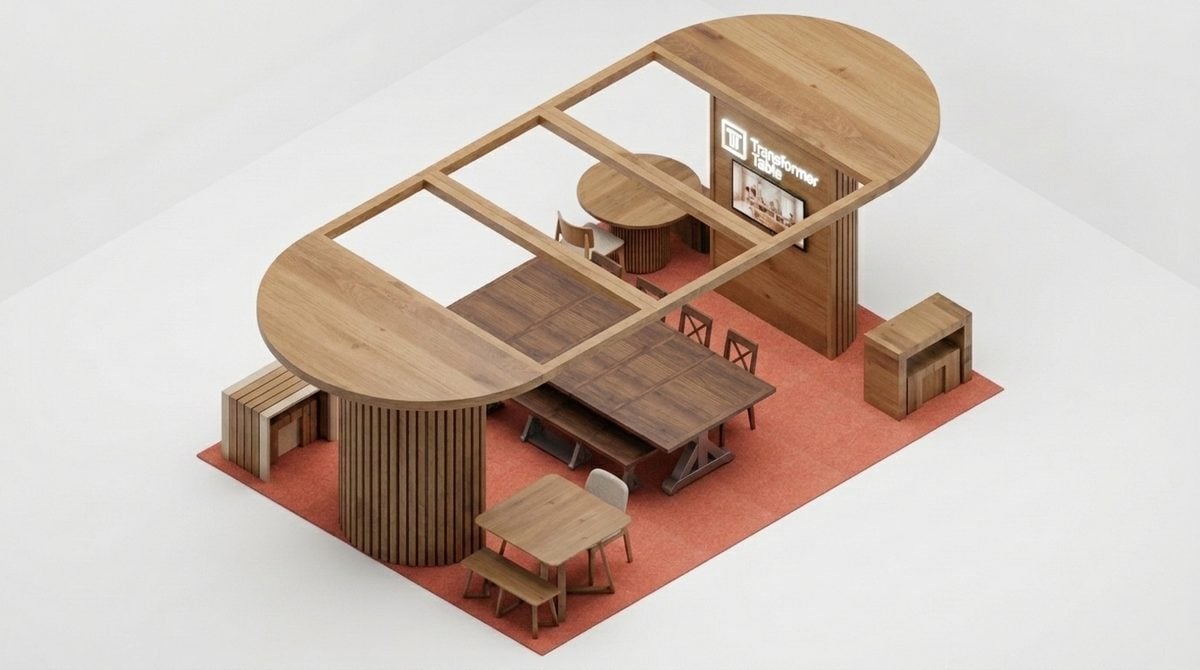
The company’s latest expansion includes a microstore at Fashion Place in Murray, Utah, and another at Park Meadows in Lone Tree, Colorado. The locations are part of the company’s October 2026 expansion plans, with grand-opening activities announced for both markets.
Both shopping centres serve established suburban markets where Transformer Table has already identified demand through its website and retail partners. Wantlin said the company’s typical customer is a family furnishing a suburban home, frequently purchasing a complete dining set.
“We went where our customers already are,” Wantlin said, explaining that the two shopping centres provide convenient access to neighbourhoods where the company has an established customer base.
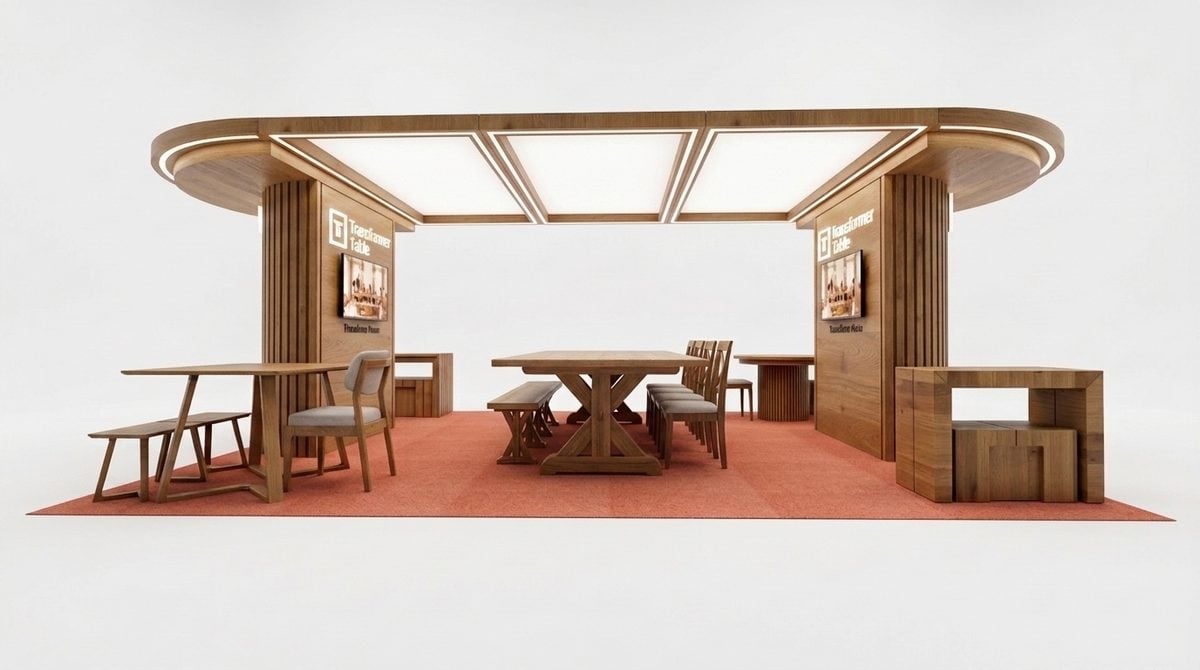
The microstores will feature best-selling expandable dining tables displayed in different configurations, alongside chairs, benches and sideboards. Customers will be encouraged to interact with the products, with most purchases arranged for home delivery rather than immediate collection.
A larger flagship is planned for The Mall in Columbia in Maryland, serving the Baltimore-Washington region. The approximately 4,000-square-foot store, expected to open in early 2027 according to the company’s September announcement, will offer a broader presentation of Transformer Table’s collections and provide a more comprehensive introduction to the brand.
Unlike the smaller locations, the Maryland flagship will showcase complete room settings, offer design assistance and introduce new furniture categories as the company expands beyond its established dining products.
“The microstores show what a Transformer Table can do. The flagship shows where the brand is going,” Wantlin said.
The company plans to introduce products for additional rooms of the home over the coming year, broadening its assortment as it seeks to build relationships with customers beyond their initial furniture purchases.
Retail Partnerships Support Broader Growth
Transformer Table’s company-operated stores form one part of a broader omnichannel strategy that includes e-commerce and wholesale distribution through retailers such as Costco.
Wantlin said the different channels serve distinct purposes. Retail partnerships provide access to customers across a much wider geographic area than the company could reasonably serve through its own locations, while company-operated stores allow Transformer Table to manage how its products are presented and demonstrated.
“Costco and our retail partners give us reach in markets we could never cover with our own stores. Our own stores let us control how the product is shown and what the customer experiences,” he said.
The company evaluates potential store markets by examining existing online demand, wholesale distribution and opportunities to attract new customers. Each sales channel is measured against its own performance targets, recognizing the different economics and customer relationships associated with wholesale, e-commerce and company-operated retail.
For shopping centre landlords, the microstore approach represents another example of a digitally established brand using physical retail to complement its existing distribution network. In Transformer Table’s case, the stores provide a setting where customers can experience the product’s functionality before purchasing, without requiring the company to replicate the expansive showroom model associated with traditional furniture retailers.
Further Expansion Depends on Store Performance
Despite its growing U.S. business, Transformer Table is approaching the latest openings as a test of its company-operated retail strategy rather than committing immediately to an extensive national rollout.
Wantlin said the three locations have defined targets for sales, customer acquisition and profitability. Management will evaluate their performance before deciding whether to proceed with additional stores, with larger suburban markets showing established online and wholesale demand among the company’s initial priorities.
“If they hit those marks, we see room for more stores across the U.S. We are looking first at large suburban markets where our online and partner demand is already strong,” he said. “The numbers will decide where we go next.”
While the company continues to maintain its Montreal showroom, additional company-operated stores in Canada are not currently planned. Wantlin said Canadian customers remain served through the company’s website and retail partners, while new store investment is being directed toward the United States.
The company has not ruled out expanding its Canadian retail presence in the future, but management intends to evaluate the performance of the American locations before reconsidering domestic expansion.
“For now, our store investment is focused on the U.S. We’ll revisit Canada once the model has proven itself,” Wantlin said.