Canadian retail brands are recording sharply different changes in their estimated value, with Aritzia, Dollarama and several discount grocery banners posting substantial gains while lululemon has experienced a significant decline, according to new research from Kantar. The contrasts are especially pronounced across apparel and value-oriented retail.
The 2026 Kantar BrandZ Most Valuable Canadian Brands report found Aritzia’s estimated brand value increased 67% to US$3.47 billion, while Dollarama rose 31% to US$9.65 billion. Lululemon declined 56% to US$6.94 billion, although the Vancouver-founded athletic apparel company remained Canada’s 10th most valuable brand.
The combined estimated value of Canada’s Top 40 brands reached US$287 billion, up 36% from 2025. For retailers, the results illustrate how affordability, product differentiation and customer relationships can influence consumer preference in a competitive market.
Jeff Greenspoon, CEO of Kantar North America, told Retail Insider in written responses that consumers are making deliberate choices about where to save and spend. “Our data shows growth at both ends. In 2026, Aritzia grew 67% while Maxi, Dollarama and No Frills each grew 31% or more,” he said. “Consumers are being very deliberate about where they save and where they’re willing to spend.”
Aritzia Gains as lululemon Faces Competition
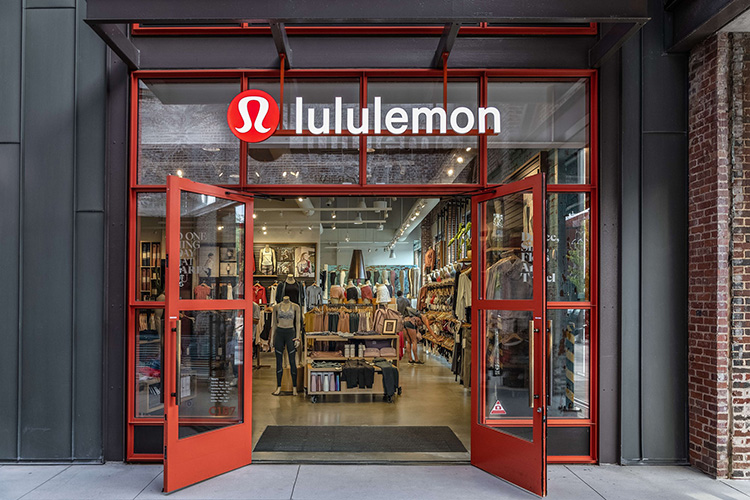
The divergence between Aritzia and lululemon is notable given their Canadian origins and substantial international businesses. Aritzia ranked 20th nationally, while lululemon retained 10th place despite its steep valuation decline.
Aritzia’s U.S. expansion combines new boutiques, larger locations and digital sales. Its second-quarter fiscal 2027 results, released October 8, showed net revenue increasing 44.1% to C$1.17 billion and comparable sales growing 34.5%. U.S. revenue rose 60.3% to C$779.4 million, accounting for 66.6% of total revenue.
Lululemon, meanwhile, has faced softer demand in the Americas and competition from athletic and lifestyle apparel alternatives. Greenspoon said Kantar’s research indicates that its once-distinctive positioning has weakened.
“lululemon built tremendous awareness, but our data shows its sense of difference didn’t keep pace,” he said. “In Canada it no longer holds the unique position it once did, and in the US shoppers no longer see it as clearly leading the category.”
Greenspoon said lower-priced lookalikes have made lululemon’s premium harder for some shoppers to justify. That is Kantar’s interpretation of consumer perceptions, not a direct measurement of the reasons behind individual purchasing decisions.
Lululemon’s second-quarter fiscal 2026 results, released September 3, showed revenue declining 4% to US$2.4 billion and comparable sales falling 9%. Americas revenue fell 8%, while international revenue increased 4%, indicating different conditions across its markets.
Arc’teryx Enters the Top 40
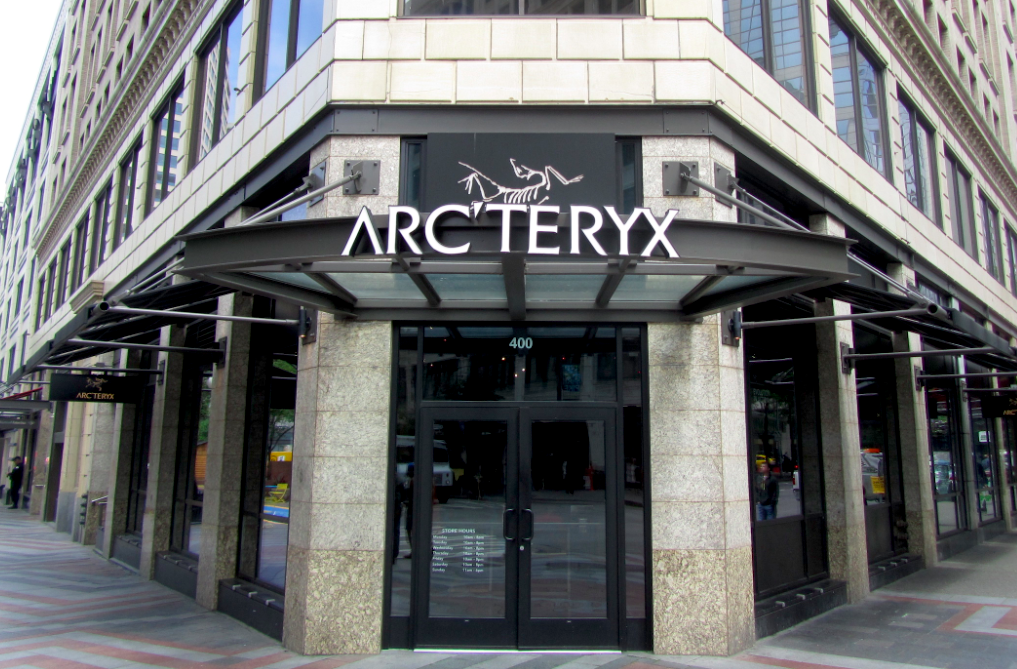
Another Vancouver-founded apparel company, Arc’teryx, entered Kantar’s Top 40 for the first time at No. 27, with an estimated brand value of US$1.97 billion. Its technical outdoor clothing has developed an international following that extends beyond traditional outdoor recreation customers.
“Arc’teryx is a great example of the other side of that equation. Its premium rests on technical performance, which is much harder for a lookalike to match,” Greenspoon said.
According to Greenspoon, Kantar’s global 2026 research found apparel brands with strong Meaningful consumer connections grew in brand value by an average of 18%, compared with a 3% decline among brands with weaker connections. The comparison supports Kantar’s differentiation argument, although individual brand valuations also reflect financial performance and other factors.
Dollarama and Discount Grocery Brands Gain
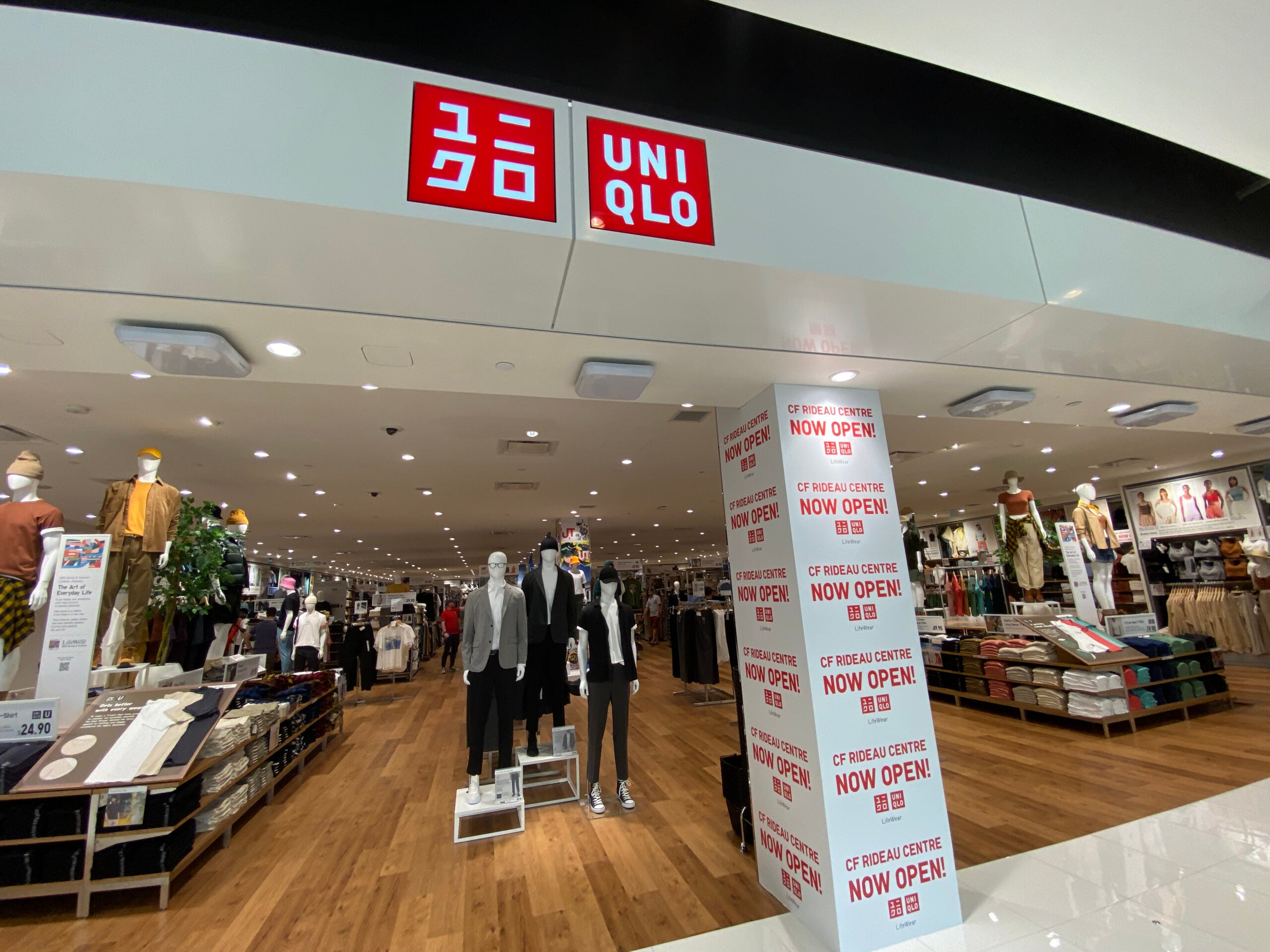
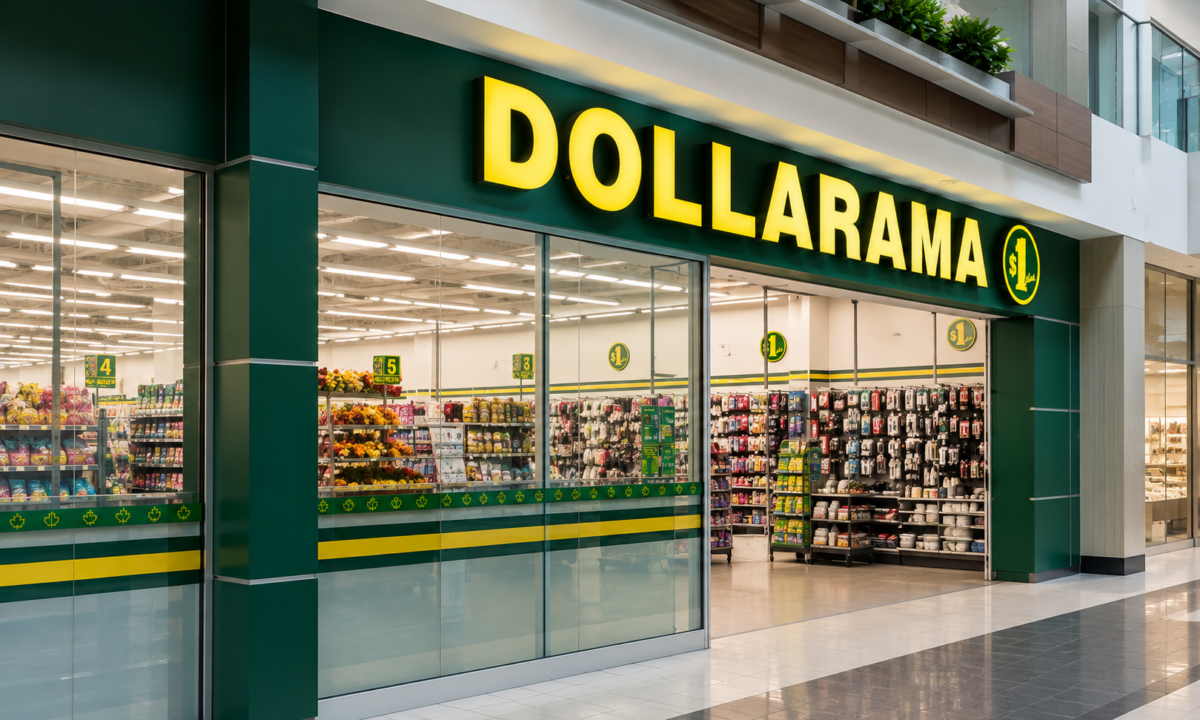
Affordability remains important in Canadian grocery and household spending. Dollarama ranked eighth overall, the highest-ranked brand in Kantar’s Retail category, with estimated brand value increasing 31% to US$9.65 billion.
The Montreal-based company’s fiscal 2026 results, released March 24, showed consolidated sales increasing 13.1% to C$7.26 billion. Canadian comparable-store sales rose 4.2%, and Dollarama opened 75 net new stores in Canada, bringing its Canadian network to 1,691 locations at fiscal year-end. Consolidated sales include its Australian operations and are not directly comparable with Canadian same-store performance.
Several Loblaw-owned brands also gained value. Maxi rose 35% to US$1.77 billion, No Frills increased 31% to US$1.15 billion, President’s Choice gained 27% to US$1.33 billion, and Real Canadian Superstore increased 7% to US$2.27 billion.
“Affordability brought shoppers in. What matters now is whether the brand gives them a reason to stay,” Greenspoon said. He cited Dollarama’s extensive store network as an important source of familiarity and No Frills’ recognizable discount positioning and marketing personality as strengths beyond price alone.
Other value-oriented retailers posted gains. HomeSense ranked 21st at US$2.99 billion, up 39%, while WINNERS placed 24th at US$2.56 billion, an increase of 19%. The rankings do not establish which individual operating or marketing decisions caused those changes.

Shoppers Drug Mart Shows the Middle Market’s Potential
Kantar’s findings do not mean consumers are choosing exclusively between discount and premium brands. Shoppers Drug Mart combines pharmacy services, convenience merchandise, private-label beauty and prestige cosmetics with PC Optimum loyalty rewards.
The Loblaw-owned chain ranked 17th, with estimated brand value rising 27% to US$4.08 billion. Greenspoon cited its broad assortment and place in everyday shopping routines as reasons for its strong consumer connections.
“But I don’t think that means the middle disappears. There is tremendous opportunity there for brands that are clear about the role they play in people’s lives,” he said.
According to Greenspoon, Shoppers Drug Mart ranks among the top 5% of brands in Kantar’s database for Meaningful connections. Its Quo Beauty products sit alongside prestige offerings in BeautyBOUTIQUE, illustrating how a retailer can serve different spending occasions within one business.
Results elsewhere were mixed. Canadian Tire’s estimated brand value increased 5% to US$1.44 billion, while Metro declined 15% to US$1.90 billion. The ranking alone cannot establish why either brand changed by that amount.
Canadian Brands Look Beyond Their Home Market
Kantar also identifies international expansion as an opportunity for Canadian brands. Aritzia’s U.S. growth and Arc’teryx’s overseas recognition show how Canadian-founded businesses can establish positions beyond their domestic markets, although success at home does not guarantee the same response abroad.
“I see this as a tremendous opportunity for Canadian brands, but international growth starts with having a point of difference that travels,” Greenspoon said. “It also starts with a strong foundation at home.”
He noted that Dollarama built much of its Canadian awareness through store density rather than advertising, an approach that may need to change in unfamiliar markets. He also identified Aritzia as a brand to watch, citing its appeal to younger consumers and positioning around quality clothing at relatively accessible premium prices.
What the Valuations Measure
Kantar’s BrandZ methodology combines financial analysis with consumer research to estimate the monetary value attributable to individual brands. It considers the financial value associated with a brand and the share Kantar attributes to brand equity, informed by consumer perceptions and their influence on purchasing preferences.
The framework assesses whether brands are Meaningful, Different and Salient: whether they meet consumer needs, stand apart from competitors and come readily to mind. Estimated brand value is not annual revenue, market capitalization or store sales, and its percentage changes should not be interpreted as equivalent changes in those measures.
Greenspoon identified hard-to-replicate differentiation, visibility in AI-assisted shopping and genuine community connections as factors that could influence future brand strength. For retailers investing in stores, digital channels and international growth, the question is whether those investments reinforce a reason for customers to keep choosing them.