Show Gen Z grainy home footage of the slumber parties, road trips and backyard hangs of a bygone era, and many will tell you they feel nostalgic for it, even though they didn’t live it. There’s a word for that: anemoia, coined by author John Koenig in 2012 to describe nostalgia for a time or place you’ve never experienced. But when we dug deeper, what we heard from Gen Z sounded closer to grief. These young people are mourning a version of life they can recognize as real, but that the technology they grew up with has made it hard to reach.
Here’s what’s important: they aren’t sitting idly with that grief—they’re doing something about it. On Pinterest, searches for “things to do instead of scrolling” are up 365% year over year. And the desire for offline pursuits isn’t reserved for Gen Z. People across generations are searching for things to make and do with their full attention: “adult beginner ballet” (+235%), “nature film photography” (+210%) and “sashiko ideas” (+1,509%). Everyone, it seems, is realizing with great clarity that they miss themselves. And when they put their phones down, life starts to come back into focus.
Online experiences built to keep people scrolling
But most online experiences today aren’t built to help them get there. They’re built to keep us scrolling. In a recent study, people said they open a device with a specific purpose 60% of the time. Yet 44% of the time, they get pulled into scrolling unintentionally. That’s not a personal failing. It’s by design. And when people are stuck in that loop, they’re more likely to tune brands out.
The reverse also holds. People reward brands that drive action, not distraction. When they feel their time is being well spent, they have more confidence to act and are more likely to buy. They also trust and remember those brands, and stay loyal to them.
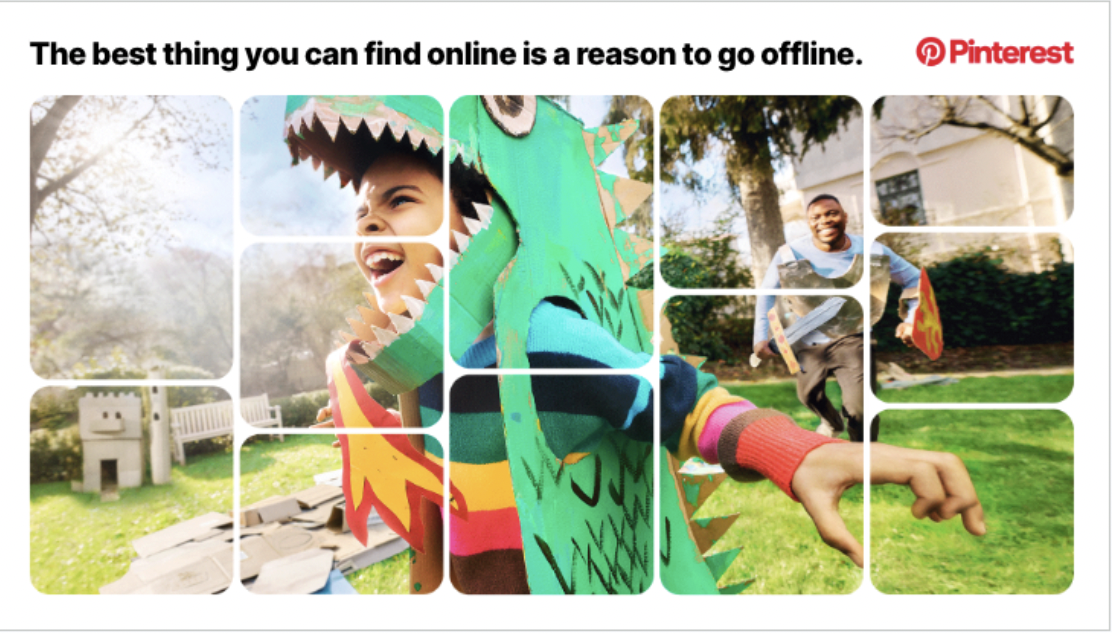
For Canadian retailers, that raises the stakes. The brands that win the next chapter will be the ones that give people somewhere to go, not just something to look at.
At their best, brands have always been a conduit to real life: the meal with friends, the finished home office, the camping trip. That’s where a brand’s value lives, in time that feels spent rather than stolen. We call this designing the exit: the moment a brand stops being another stop on the scroll and becomes a bridge to something real. It’s not a campaign tactic, it’s a brand stance. And it starts with an honest question: what is your brand for?
This fall, Winners offered one answer with “IRL > URL,” setting the feed against the in-store treasure hunt: “Shop WINNERS IRL to find fabulous for less.” It works because it’s true to what Winners is for: the thrill of the find. A feed can’t replicate spontaneity and the pleasure of the unexpected. The store isn’t a fallback for the website. It’s the reason to show up.
Community before content
Stores can go further by becoming a “third space,” the place outside home and work where real community forms. A workshop, class or community event gives shoppers what they say they’re missing: community before content.
Canadian retail teams might ask themselves:
- Beyond what we sell, what is our brand for?
- What can someone do in our space that they can’t do on a screen?
- Where are our customers trying to go, and how can we help them get there?
The further online the world goes, the more people reach for what is physical and human-made. The best thing you can find online is a reason to go offline. The best thing Canadian retailers can do is become that reason.
BY: Sara Pollack is VP of Consumer Marketing, Pinterest

More from Retail Insider: