Advertisement
Home Blog Page 1044

Southgate Centre Ranked as One of Canada’s Most Productive Malls as it Looks to the Future

PHOTO: IVANHOÉ CAMBRIDGE

The West Edmonton Mall and CF Chinook Centre may be better known but Southgate Centre in Edmonton has established itself as the most productive shopping centre in Alberta – a dominant fashion and lifestyle destination.

According to the Canadian Shopping Centre Study 2018, by the Retail Council of Canada, Southgate, owned and managed by Ivanhoé Cambridge, ranked fifth overall in Canada with sales per square foot at $1,128. That number was down 1.66 per cent from the previous year’s $1,147.

Roman Drohomirecki, Executive Vice President and Chief Operating Officer, Retail at Ivanhoé Cambridge, said last summer the mall owner conducted a “massive” focus group and customer survey of almost 8,000 people.
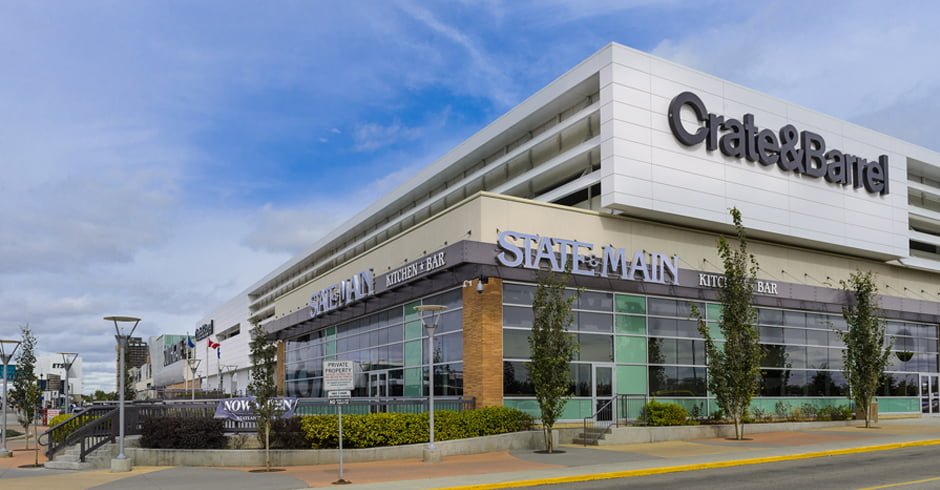
PHOTO: IVANHOÉ CAMBRIDGE

“Through that process we were trying to zero in on exactly what that consumer was looking for. What do they like about the centre. What do they not like. What bothers them. What could we do better. Who should we include in the mix. All with the view to try and create this seamless memorable customer journey experience,” he said.

“What’s happening more and more through these surveys is we’re finding that people are searching out engaging experiences, looking to us to provide engaging experiences that combine shopping and entertainment. They’re looking for non-traditional uses. They’re looking for food and beverage. It’s really important to them that we’re socially responsible as a community member. We learn all of this stuff and we try to move all of these levers to encourage the shopper to come to us. Find the right tenants. Absolutely paramount. Try to get unique, differentiating brands. Augment that with a specialty program that provides the brands, pop-ups for shorter periods of time. We have to be far more flexible today than we’ve ever been before.”

He said leases for retailers in the past were for more than 10 years.

“We’re experimenting at Southgate now. It’s called Storefront. They’re from Europe. But it’s essentially the Airbnb for retail spaces. You can go online and you can secure space from us for a day, a week, a month where in the past we probably wouldn’t talk about much shorter than a 30-day time span. There’s a real evolution happening that way,” added Drohomirecki.

He said Southgate had a vacancy it was holding, knowing it would be vacant for a year, and the mall’s specialty leasing group essentially programmed the space with 12 different tenants that came through the year – a month each.

“We’ve modified how it is we do things in order to provide more flexibility for some of these up and coming brands,” he said. “Digital natives are interested in a brick and mortar experience as well but they’re not necessarily interested in committing to a longer term. We want to provide them with that flexibility to come in for a short to medium length of time and really to be a turnkey experience for them so they don’t have to invest heavily in the front end.”

PHOTO: IVANHOÉ CAMBRIDGE

Southgate has 159 stores with a gross leasing area of 941,822 square feet.

“We’re in a very large, growing and affluent trade area. We’ve got a young shopper. Very well educated. Part of a family. Most of our shoppers have three people or more per household,” said Drohomirecki. “We have the LRT at Southgate. Twenty per cent of our shoppers arrive by transit. That’s an important ingredient.

“Our mix is great. We have a number of destination or unique to market tenants which creates a draw. In Edmonton, I think we offer a very convenient customer journey. The building’s not huge. So it’s easy to park. It’s easy to navigate. It’s easy to get in and out.”
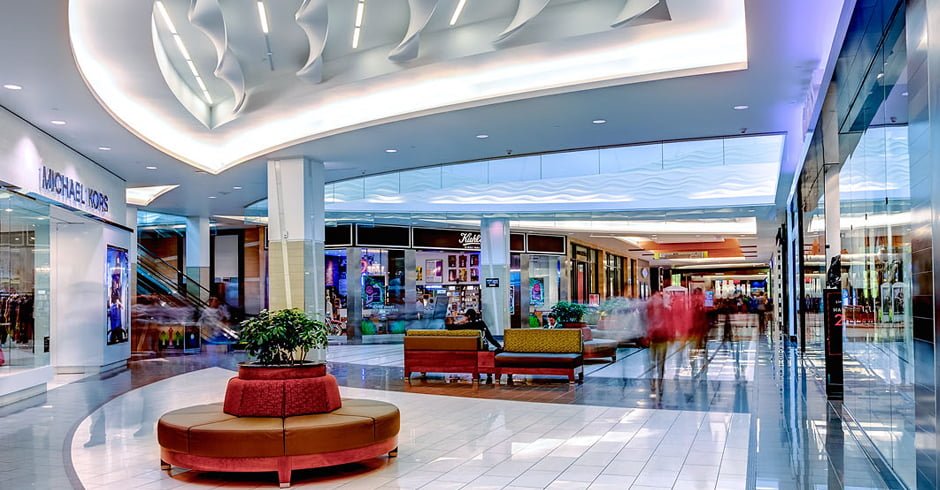
PHOTO: IVANHOÉ CAMBRIDGE

Southgate is anchored by flagship Hudson’s Bay and home to retailers such as Restoration Hardware, Apple, Crate & Barrel, Bath & Body Works, Michael Kors, Browns Shoes, Coach, Kiehl’s, Sephora and Zara.

“Customers are offered a unique shopping experience thanks to the centre’s new décor, 15 vendor, 850+ seat food court, hotel-quality washrooms and exceptional concierge services. Southgate is committed to elevating Edmonton retail and serving the families of our city – one inspiring shopping trip at time,” says the mall owner.

“In the four decades following, Southgate has seen three major renovations and expansions, almost tripling the original floorplan, and bringing some of the very best names in fashion to Edmonton. The most recent expansion, completed in 2009, added an unmatched level of refinement to the retail experience in the city . . . Our 2009 expansion added over 30 marquee stores, two sets of hotel-quality washrooms, an expansive food court, two levels of parking, and a host of premier amenities.”
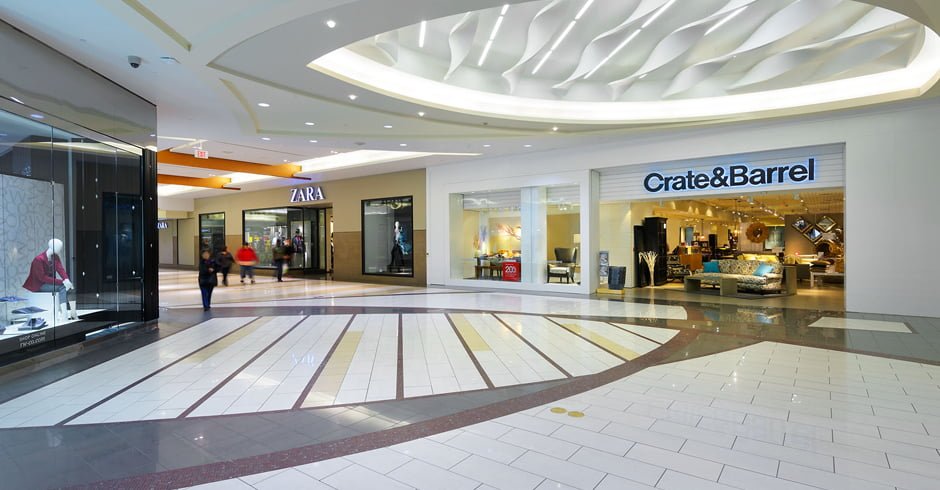
PHOTO: IVANHOÉ CAMBRIDGE

Southgate Centre opened its doors in 1970 with just 65 stores and services.

Drohomirecki said the mall will be able to make some announcements in the near future about how the former Sears space is going to look in the future.

“It will give us an opportunity to deepen our mix, to add some small store space as well as junior anchors and to add some amenities into the shopping centre. This is going to be a bit of a process but I suspect by the time we hit the tail end of 2020 there will be some stores that are opening,” he explained.

PHOTO: IVANHOÉ CAMBRIDGE

In 2018, Southgate opened Bailey Nelson, Poppy Barley, an expanded Aritzia, Hillberg & Berk, and Nespresso.

“It’s not just about the mix anymore. We have to go deeper than that. So in Southgate this summer we did a roller rink. It was a 2,500 square foot roller rink. It was the only one in Alberta. We were drawing folks from as far as St. Albert to Calgary,” said Drohomirecki. “We included some retailers in this for promotion. We included a local charity. There was the Youth Emergency Shelter. We were able to drive sales, drive traffic and raise some money for a good community charity.

“You can sit on your sofa today, surf on your mobile device, find what you need with a click and have it delivered to you when you wish. We want to get folks off of their sofas and into our buildings.”

MEC Innovates as it Launches International Travel Tours

Image: MEC Adventures

Vancouver-based outdoor gear cooperative MEC is expanding beyond its typical retail operations this spring by launching an international travel program that is designed with a focus on outdoor activity and responsible tourism. It’s a unique example of experiential brand building as competition heats up with new sports retailers entering the market while others expand their operations in Canada. 

Called MEC Adventures, the tours start in June of this year with 18 travel itineraries that include experiences such as: 

  • A base camp trek of Mount Everest,

  • A hike of the W Circuit in Patagonia (Chile)

  • A tour of the mountains, city and coast in Morocco

  • A cycling tour in Vietnam 

  • A food and wine hiking tour of Italy’s Amalfi Coast

  • A hike to the summit of Mount Kilimanjaro in Tanzania

  • A multi-sport adventure in New Zealand, and 

  • A nature tour in Costa Rica

“While planning MEC Adventures, we asked 2,407 members and 524 staff about the destinations and activities they were interested in,” said MEC Director of Adventure Travel, Allison Brownlie. “From there, MEC worked with local partners to plan and organize all of our trip itineraries creating seamless, active and all-around awesome experiences for our travellers.”

The MEC Adventures tours range from eight to 15 days and cover five continents. Each has an activity rating from level 1 (more relaxed) to level 5 (more intense). Most trips feature at least one full day that is dedicated to choosing a personal itinerary so that travellers have the opportunity to try out additional activities such as rock climbing, mountain biking, snorkeling, paddling and surfing. 

The tours are led by MEC Adventure Guides and each group allows for a maximum of 12-16 travellers.

MEC is seeking to create unique experiences and it has engaged with local partners and businesses where possible to ensure ‘responsible’ tourism and authentic travel experiences. That includes trip itineraries targeting locally owned accommodations, shops and cafes. MEC’s operating partners have also identified local social enterprises that can benefit from tourism — while some have lamented potential damage caused by tourists in some places, a new trend involves tourism which aims to have minimal negative impact to the environment.

Ms. Brownlie described how MEC’s responsible travel tours would include “everything from child and animal welfare, to creating positive economic impact, having respectful interactions with Indigenous People, and environmental considerations such as minimizing the consumption of single use plastics while we travel.”

More and more, brands are recognizing that creating ‘experiences’ is a way to get customers into their stores. MEC’s travel initiative not only engages its members, it also creates a market where particpants may also shop for gear at MEC stores. MEC, which was founded in 1971, is the largest cooperative in Canada with 23 stores nationwide and plans for new and replacement units over the next couple of years. A lifetime membership at MEC costs only $5, and the cooperative has more than 5-million members in its roster. 

MEC’s move into travel provides the retailer with an extra element of credibility as it takes members on excursions where product can be showcased. It’s likely a smart move — Canada is seeing unprecedented competition in the outdoor and sports retail segments as new brands move in, and others expand their operations. 

French behemoth Decathlon, for example, opened its first store in Canada in Quebec last year, and it plans to open two more in the province as it eyes a national expansion. Decathlon is the world’s largest sporting goods retail chain and similar to MEC, it is known for its value-priced outdoor gear. Decathlon’s stores are also highly interactive with areas for consumers to try out products in their stores, and virtual reality has even been introduced to virtually showcase tents in the wilderness. 

Other homegrown chains are expanding as well. FGL Sports (operating under multiple banners including Sport ChekAtmosphere and Sports Experts) has stores across the country in a range of sizes, including a handful of flagships that include innovative technological installations. Outdoor retailer SAIL, with stores in Quebec and Ontario, could see some market share loss in several of its product categories. Laval-based Sportium (part of the SAIL Plein Air umbrella), which operates four large store locations in Quebec, has said that it plans to open as many as seven more locations in the province over the next three years. 

Retailers in Canada that carry sporting goods also compete with MEC — Canadian TireWalmart and other similar retailers include sporting goods departments in their stores. MEC’s value proposition and experiential initiatives could be advantageous in maintaining market share from such retailers. 

Morguard Announces Significant Saskatoon Mall Investment

exc-5c4e36577924e8386a380ec2

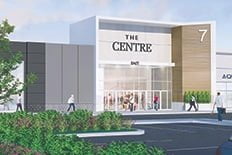
The Centre mall in Saskatoon is undergoing $43 million in renovations, adding a new Cineplex pad and continuing to refit the former Target space to add new retailers.

Projects for the mall, which is owned by Morguard Real Estate Investment Trust, also include modernizing the interior and the exterior of the property.

David Bubnick, General Manager of The Centre, said there’s a sense of excitement in the air over what’s taking place at the shopping complex.

“The next phase of our transformation will provide a fresh new look and an even more convenient, complete shopping experience for our guests,” he said.

“It’s just great timing to see us do this change and really it’s elevating our experience here for both customer and retailer.”

The Centre is a regional shopping centre anchoring the east side of Saskatoon. The property was constructed in 1972 and renovated in 1995. The existing facility was created by linking together two previously separated shopping centres. The property is located at the intersection of Eighth Street (a major east/west arterial route through Saskatoon) and Circle Drive. The mall contains over 100 stores and is anchored by Co-op Grocery, GoodLife Fitness, Best Buy, SportChek, Ardene and Shoppers Drug Mart. The Centre will also be home to a new Cineplex pad operation in 2019, aggregating 30,000 square feet.

Total square footage for the mall is 513,277.

“Centre East is undergoing redevelopment. Cineplex is inside our shopping centre today but they’re going to be relocating out to a brand new pad and it will be a seven-screen cinema,” said Bubnick. “They’re going to be opening later this year. They’re also going to be including I understand Escape Entertainment Centre within it. We’ll end up getting their existing space back and so that will of course allow us to repurpose their space to retail CRU (commercial retail units).”

He said the Cineplex space within the mall is about 17,000 square feet. The mall is looking to add about five retailers to go into that space. It is currently identifying the best opportunities for retail and services for that location.

“The Cineplex pad will have mall access. It will take us about a year to get there but it will be connected to the mall,” added Bubnick.

Bubnick said The Centre also still has a small portion of the former Target space it is looking to repurpose. An Ardene superstore occupies a portion of the former Target space along with an expansion of GoodLife Fitness.

“What we have currently is external only space left in that Target bay. We’re just looking to see what would be our best opportunity for that space,” he said.

“Saskatoon is continuing to grow. The Centre actually is in the current along with the future growth of Saskatoon. Certainly there’s new neighbourhoods that are popping up still within the city. As the city is growing, retailers are still looking to Saskatoon. So it’s exciting. And the city is growing.”

Planned work on the mall includes:

  • Modernization of the interior of the shopping centre, including new flooring and ceilings, expansive skylights and an updated colour scheme;

  • Upgraded appearance and layout for the food court, with enhanced seating options and modern washrooms;

  • A new Guest Services kiosk in the LINK walkway connecting Centre East and Centre West; and

  • Modernization of the exterior entranceways.

“We’re happy to make this significant investment in The Centre and show our commitment to the City of Saskatoon,” said Andrew Tamlin, Chief Financial Officer of the Trust, in a statement. “Morguard is dedicated to providing a best-in-class experience that reinforces The Centre’s position as a leading retail and entertainment destination in the community.”

The “modernization” will take place in phases. Work is expected to begin in early 2019 and be completed in 2020.

“Our team at The Centre is delighted to reveal our vision for the property with a beautiful modern interior, enhanced dining area and a rejuvenated exterior,” said Margaret Knowles, Senior Vice President, Development at Morguard. “The redevelopment will create a contemporary, connected space that can be enjoyed by our guests and existing tenants while paving the way for exciting new retailers and service providers in the future.”

The Centre benefits from its location being just off of Circle Drive which connects the entire city.

The Morguard Real Estate Investment Trust is a closed-end real estate investment trust, which owns a diversified portfolio of 49 retail, office and industrial income producing properties in Canada consisting of approximately 8.6 million square feet of leaseable space.

*Editor’s note: Retail Council of Canada’s 2018 Canadian Shopping Centre Study is now released, discussing Canada’s top malls and what makes them successful.

Nike Just Did It with their NYC Flagship Store [Photos/Analysis]

Nike flagship in Manhattan - Photo by Bruce Winder

By Bruce Winder, Co-Founder & Partner, Retail Advisors Network

As discussed in my previous review of Amazon 4-Star, I spent some time in New York City in December of 2018 and one of the “must do” stores I wanted to visit was the new Nike flagship in Manhattan. Called the “Nike House of Innovation 000”, folks in the retail trade have offered praise on this store and they are not wrong. I think Nike offers a best-in-class example of how to create an engaging brand and shopping experience in this ever-changing retail environment we find ourselves in.

When I first approached the Fifth Avenue, 68,000 square foot, 6-floor store I was immediately impressed by the corner location and overall vibe.  One could tell one was in for something unique. I was brought back to my clubbing days from the late 1980’s and expected to hear Bizzare Love Triangle from New Order or How Soon Is Now? from The Smiths as I entered.

The store is part shrine, part museum, part retail store and part factory.  The beauty of this concept is it appeals to numerous Nike target customers from the avid, die-hard sneaker freak to the tourist to the casual Nike purchaser.  Cashier-less, this flagship uses the Nike app to facilitate payment and other goodies that Nike serves up for its’ most loyal customers.

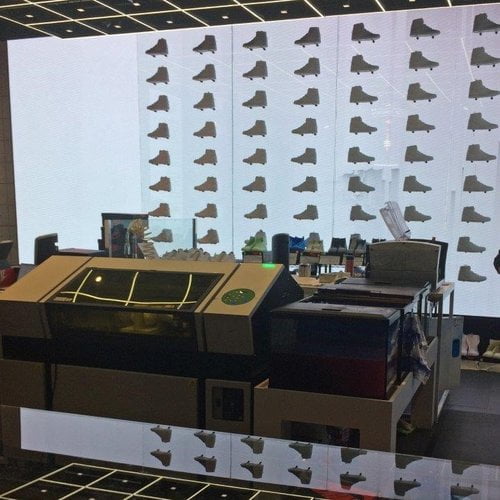
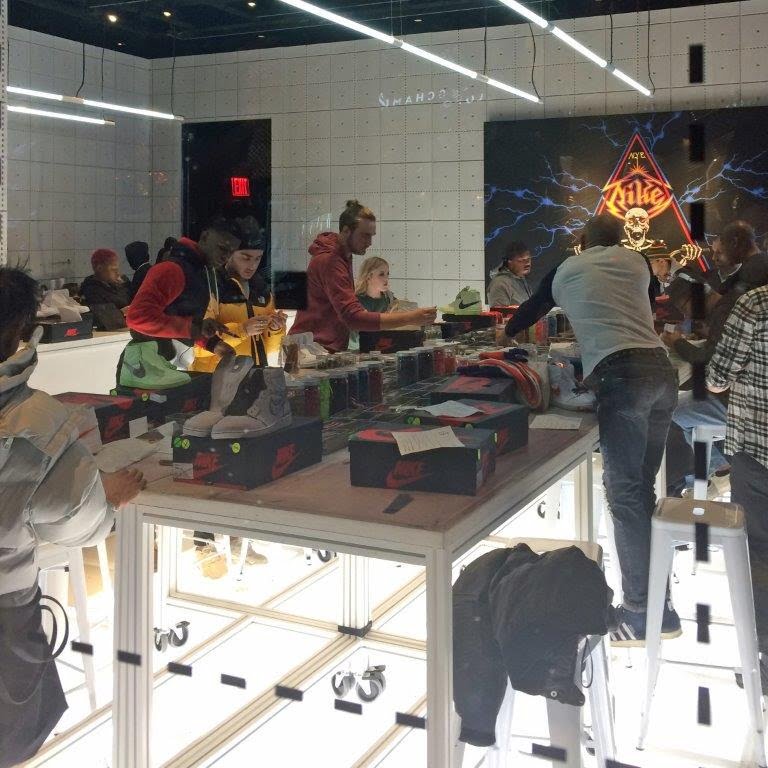
One of the main themes of this shop is customization. Customization, as many of you know is one of the key buzzwords in retail right now and Nike kills it with their version of it. Customers work with experts and with each other in sessions to basically build a running shoe from scratch. Sort of like a product manager or product developer, they build their own shoe or garment within this small scale footwear and apparel factory. How cool is that?

Community, another important (but overused) term with retail, is alive and kicking (another great 80’s song) at the Nike store as customization takes place through customer workshops as shown above. Nothing like connecting with other sneaker nuts in New York at this place of brand worship.

One of the visual focal points in the store is the massive “sport beacon” that hangs through the open space between floors. I see it as a crazy-ass chandelier that inspires both creativity and randomness in a sort of psychedelic way.  It looks like an inverted Stanley Cup on steroids with a side order of digital screens and lights. Very hip.

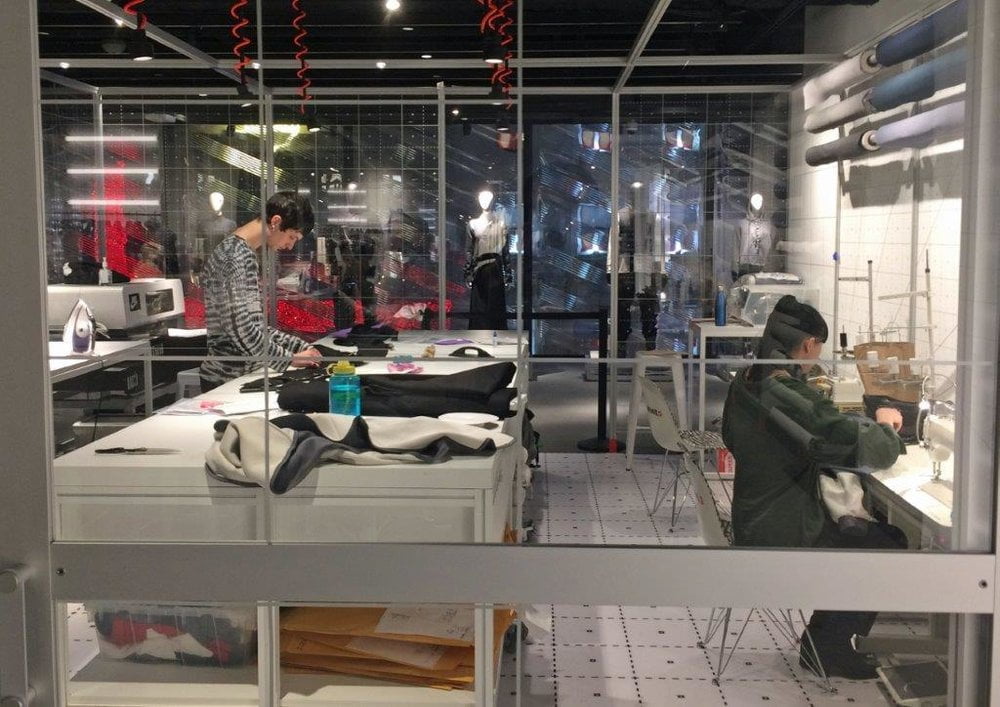
As I ascended the stairs and conquered each floor, I enjoyed the embedded Nike specialist workshop. Nike employees were busy working away on customized orders all within a magnificent fishbowl for all to see. Great way to build credibility and engage customers. 

The store includes numerous other important features like QR coded mannequins that allow customers to scan and see if their size is available or order the product to a fitting room. A VIP customer concierge & appointment centre that looks a little like a 1970’s massage parlour.  Plenty of sneaker walls in a whole floor dedicated to footwear. Awesome product fixtures that go way out in space to delight drooling customers.  All of the features are delivered with digital prowess and experiential value. 

While the store will sell a lot of product at great margins, it does something much more important: it fans the flames of a continued Nike love affair with customers.

Probably the best retail store I have ever seen, it is definitely worth checking out even if you don’t own or plan on owning running shoes!

Nike flagship in Manhattan – Photo by Bruce Winder

See the CNBC article from last fall when it first opened for further pictures and commentary

Bruce Winder
Bruce Winder

Bruce Winder is a Retail Expert, Speaker, Consultant, Professor and Entrepreneur serving a variety of clients in the retail, services and manufacturing industries.  He is the co-founder and & Partner at Toronto-based Retail Advisors Network. His 25 + years experience in big retail as well as consulting and freelancing make him one of Canada’s most sought after experts in the retail field. Follow him him on LinkedIn and Twitter (@MbaWinder) or connect with him at his website www.brucewinder.com.

Downtown Vancouver’s ‘The Post’ Announces Innovative Flagship Grocery Anchor [Renderings]

exc-5c4cffc00e2e729185f9bec2

QuadReal has announced that it has partnered with grocery behemoth Loblaw to open a 50,000 square foot flagship grocery store at ’The Post’ in downtown Vancouver. The futuristic store will serve the area’s expanding residential and office population, as well as visitors to the downtown core that might frequent events such as sports games and concerts. 

Branded ‘Loblaw CityMarket’, the massive store will include a considerable assortment of grab-and-go items as well as fresh meat, produce and bakery items, a cafe, a brew pub and cooking classes. The store will feature an entrance on Homer Street. 

“We are incredibly excited to welcome an exceptional grocery and retail leader to The Post,” said Andy Clydesdale, QuadReal’s Executive Vice President, Retail. “With world-class tenants such as Loblaws CityMarket and Amazon, The Post is set to become the most sought-after location in downtown Vancouver for experience-oriented retail and the city’s vibrant business community.” 

It will be the fourth Loblaw CityMarket in the Vancouver area — the chain has one location on the city’s West Side at 3185 Arbutus Street (near W. 16th Avenue) as well as at Park Royal in West Vancouver and at 1615 Lonsdale Avenue in North Vancouver.

In an interview, Mr. Clydesdale explained that Loblaw was chosen because it is a leader in grocery retailing in Canada, including expansive offerings of farm-to-table as well as click-and-collect and other tech innovations. At The Post, workers in the building will be able to use an app to order a sandwich, for example, which can be delivered upstairs. “The whole building will be digital,” he explained — QuadReal is also adding a food hall at the other end of The Post where dinner reservations can also be booked online. 

Mr. Clydesdale also explained how Loblaw has mastered building grocery stores in heritage buildings, with one notable example being the 88,000 square foot Loblaw store in the former Maple Leaf Gardens in downtown Toronto. Elements from the experiential Toronto store, which have been “perfected”, will be introduced in the new downtown Vancouver Loblaw CityMarket flagship. 

The Post’s Loblaw CityMarket will become the largest grocery store on the downtown Vancouver peninsula when it opens in 2022. Downtown Vancouver has almost two-dozen grocery stores in an area with a population exceeding 100,000 people — grocery chains include Urban Fare, IGA, T&T, Safeway, IGA, H-Mart and Whole Foods. Only downtown Toronto (with a population approaching 300,000) boasts more grocery stores than downtown Vancouver. 

The Post, which is considered to be one of the most ambitious heritage redevelopments in Canadian history, involves the redevelopment of the massive downtown Vancouver Canada Post distribution centre building at 349 W. Georgia Street. The Post will become a commercial focal point for an under-developed part of downtown Vancouver which will also see new residential and offices, as well as a relocated Vancouver Art Gallery (last week the Chan family donated $40-million to help make it happen). 

The Post will also include about 1.13-million square feet of state-of-the-art office space in two new towers that will be surrounded by retail and public spaces. Seattle-based Amazon will occupy more than 35% of the office space at The Post, which will house more workers than any office building in Vancouver’s history. The retail component of The Post will span about 185,000 square feet. 

Food and beverage will be a significant part of The Post development. A food hall, spanning more than 25,000 square feet at The Post, will offer another dining option for those in the area. QuadReal is working with one of the world’s foremost food hall experts, New York City-based AvroKO, to design a food hall that will be unlike anything seen in the city to date.

As well, two large restaurants occupying a combined 20,000 square feet, facing West Georgia Street, will be a draw — one of the restaurants will span two levels, and both will feature expansive south-facing outdoor patios. 

Mr. Clydesdale said that the rest of The Post’s commercial podium will include a programable space at the centre, as well as tenants that will include a large-format fitness concept and sports/ lifestyle retailers that will be announced later on. 

Being in relatively close proximity to theatre and sporting facilities, The Post will offer amenities for visitors to the downtown core. The food hall, for example, could become a destination before or after a hockey game or event at the nearby Queen Elizabeth Theatre. The main branch of the Vancouver Public Library is close by as are draws such as CF Pacific Centre which is anchored by flagships for Nordstrom, Holt Renfrew, as well as being adjacent to Hudson’s Bay’s Vancouver flagship. 

Built in 1958, the cavernous Canada Post building is located on a full city block in the heart of Crosstown, an area that’s becoming a significant employment and cultural centre for the city, as mandated in zoning. As a result, in several years the area will be surrounded by several major new commercial developments. Nearby as well, 3.6 million square feet of residential growth is expected to see the addition of 5,300 residential units.

“From a leasing opportunity perspective, this project is literally at the epicentre of everything and everybody,” said Mr. Clydesdale in an earlier interview. “From being at the junction of almost every single downtown neighbourhood in Vancouver, to being within walking distance of key sport and cultural hot spots, to being in the eye of the hurricane as it relates to future residential development, and not to mention, to being home base for employees, residents and tourists alike.”

The Post’s expansive office floor plates are desirable for tech firms such as Amazon, and the building will also feature amenities such as rooftop sports fields that can be used for volleyball, basketball and soccer. Office floor plates in the south tower will span about 33,000 square feet, with 36,000 square feet for floor plates in the north tower. Super-plates directly above the retail podium will span an impressive 110,000 square feet, which will be the largest in the city when completed. The first tower, expected to be finished for possession late 2022 and with a spring 2023 opening, will span about 400,000 square feet. When the project is completed, about 10,000 knowledge workers will occupy the buildings on a daily basis, creating an “innovation & incubator hub”.

The Post will also become the largest single office building project in the city’s history. Mr. Clydesdale noted that the project will respect and preserve the building’s heritage and architectural features through sustainable and adaptive reuse, with a goal to re-establish the property as a signature landmark that will “deliver welcoming and beautiful gathering places”. The Post will also offer co-working spaces, technology incubators, experimental food and beverage retail, educational spaces, networking events and more will be announced as the project progresses.

The LEED Gold Certified office component of ‘The Post’ will feature energy-saving measures that will be employed during operation, including waste heat recovery, passive solar shading, light shelves and a building envelope that conserves energy. The Post project will save approximately 25,000 tonnes of carbon by retaining the existing structure of the building. MCM Partnership Architects have partnered with QuadReal on the project.

High-End Italian Brand Ernestomeda to Expand Canadian Operations

PHOTO: ERNESTOMEDA FACEBOOK

A flagship high-end designer kitchen showroom for Italian brand Ernestomeda is expanding its space and offerings in Toronto to meet a growing demand.

And Agostino Piccin, who co-owns the business in Toronto with his wife Liliana Siggillino, is contemplating an eventual expansion of the showroom to the West Coast in Vancouver, B.C.

The Ernestomeda showroom first opened in June 2015 and is currently located at the Designers Walk Building at 354 Davenport Road.

It is now expanding as well to King Street East in the Designer District of Toronto for high-end interiors.

KING STREET EAST LOCATION. PHOTO: GOOGLE MAPS
PHOTO: ERNESTOMEDA

DESIGNERS WALK BUILDING. PHOTO: ERNESTOMEDA

The high-end designer brand is represented all over the world.

“We’re transitioning and the company is going to be called Italdesign (Group). The reason we’re transitioning to that company is because a lot of our customers have come to us and said that they wanted a lot of different products not just the kitchens. From there, we’re not encompassing more things,” said Piccin. “That’s why we’re expanding the showroom. It’s bigger.

“We have all kitchens – Ernestomeda kitchens. About four different kitchens. We have an architect on staff that we brought in from Italy because all the kitchens are designer kitchens. They’re basically designed by world-renowned designers . . . The architect from Italy has been basically doing this for years and he customizes the kitchen for clients here with a design that is designed by one of the world-renowned architects.”

PHOTO: ERNESTOMEDA

The first showroom of about 1,850 square feet will remain under the Ernestomeda name.

The new showroom will be about 2,500 square feet under the new company name and it will have more room for other products such as bathroom lines, closets, furniture and interior doors.

“When our clients come to us . . .  they give us the drawings – it will be architects, it will be interior designers, or it can be an end user as well. Then our architect will be faithful to the drawing or not depending on what they want,” said Piccin. “So if the designer or the architect’s got an idea they really want fine we’ll go with that. If not, then they say ‘you guys are the experts, put in your flair to it’. So we do that as well. And from there we do the design. We go back and forth with the customer. We make tweaks here and there. And once they’re ready to go with it we place the order, it gets built and it gets built for them. Nothing ever gets done until the drawings are done because every kitchen is basically unique to that person.

PHOTO: ERNESTOMEDA

“For now we’re concentrating really on the Toronto area. The goal is actually to get out to Vancouver as well. The goal is to get there to another location and right now what we’re doing is we’re servicing all over Canada because we’re the flagship store for Canada.”

Ernestomeda is the first Italian kitchen manufacturer to receive certification of the Italian origin of its furniture issued by CATAS and COSMOB, Italy’s two top wood and furniture testing laboratories, independent certification bodies which support and assist Italian furniture producers in the control and verification of the products placed on the market.

The certification is based on the Italian UNI 11674 standard, introduced in 2017, which now sets the regulatory framework for the declaration of Italian origin of finished furniture.

“Products safety and Italian origin is regularly verified and documented, as are the location of production processes within Italy and the product’s safety and durability performances, to provide accurate, reliable proof of continual compliance with the standard’s requirements,” said the company.

PHOTO: ERNESTOMEDA

“When we design a kitchen, we also consider the context where it will be installed, taking care over every tiniest detail to ensure it fits perfectly into your world. This is essential to create a unique kitchen, in harmony with space and time.

“It all started with an ambitious aim. The aim of promoting Italianness worldwide, through innovative design, leading-edge technology, constant research and development and a passion for quality. Day by day, this concept acquired form in a company. A company aware of its mission: to observe, experiment and achieve something different. Something special. And so from the very beginning, innovation has played a key role, together with a vocation for “tailor-made” products, reflected in attention to details and solutions allowing a high degree of personalisation. All supported by the financial soundness, excellent business reputation and know-how of the Scavolini Group, of which it is a member since 1996.”

The company’s history is marked by its association with prestigious designers – Giuseppe Bavuso, Andreucci & Hoisl, Marc Sadler, Rodolfo Dordoni, Pietro Arosio, Castiglia Associati, Carlo Bartoli and Zaha Hadid, partner in the development of Z.Island, a revolutionary, futuristic kitchen.

eBay Canada Launches Initiative to Help Small Retailers Export Globally

exc-5c4a6db0bba223110f7eedad

Online marketplace eBay Canada has partnered with the Halifax Regional Municipality to launch a program designed to help small and medium-sized retailers to sell their wares online worldwide. Called ‘Retail Revival’, the program is a first of its kind in Canada, and is supported by all three levels of government.

Offered to retailers for free, the 12-month support and educational program teaches companies how to leverage eBay’s global marketplace to reach new customers around the world. Its part of an effort to help local businesses thrive by providing an expanded base of consumers. 

Part of the program will include a dedicated customer service support team as well  as digital tools and subscriptions, promotional marketing from eBay, as well as a range of additional education and resources from participating partners that focus on small businesses and exporting. 

Retail Revival was coordinated in conjunction with the Halifax Partnership with support from Nova Scotia Business Inc. The Government of Canada is investing $60,000 in the project through the Atlantic Canada Opportunities Agency’s Innovative Communities Fund. In addition, the Government of Nova Scotia is contributing $25,000 through Nova Scotia Business Inc.

Halifax is only the fourth city in the world to launch the Retail Revival program. Retail Revival launched in Akron, Ohio and in Lansing, Michigan last year — both communities aren’t traditionally known for their retailers, and Retail Revival provided local retailers access to much bigger markets. In November of 2018, eBay’s Retail Revival expanded to Wolverhampton, United Kingdom. eBay says that the retailers it has worked with in these three communities have generated millions of dollars in sales and have exported to over 80 international markets. 

“Small and medium-sized businesses are the backbone of the Canadian economy, and they are making valuable contributions to the economic viability of their communities,” said Mary Ng, Minister of Small Business and Export Promotion. “Through the Retail Revival program, Nova Scotia entrepreneurs will have the tools and support they need to take advantage of exporting opportunities to international customers by utilizing e-commerce.”

“Small and medium-sized businesses are essential to our economy, and we want to see them thrive. Nova Scotia is partnering with eBay Canada to help our smaller retailers start exporting or grow their exports through e-commerce, and we are making sure the pilot can have both a footprint in Halifax and extend its reach and benefits to retailers in communities across the province,” said Nova Scotia Premier Stephen McNeil. Halifax Mayor Mike Savage stated, “As Halifax and Nova Scotia are working to embrace the innovation economy, we are proud to have this partnership with eBay Canada as an opportunity to keep local retailers competitive in a global marketplace.”

A recent report from Forrester predicts that cross-border e-commerce will make up about 20% of all worldwide e-commerce by the year 2022. Export Development Canada also states that companies that export make more money, grow faster, and otherwise are better at weathering economic ups and downs, be they seasonal or otherwise.

About 12% of traditional small businesses engage in global trade in Canada — that’s considerably less than the estimated 99% of small retailers on eBay that export globally (to an average of 18 international markets). The eBay initiative could help provide a bit of a boost to the Nova Scotia economy.  

eBay was founded in San Jose CA in 1995 and it is now one of the world’s largest online marketplaces. In 2017, eBay facilitated $88.4-billion in gross merchandise volume. The eBay website sees more than 8-million unique visits from Canadians monthly, according to the company. eBay also owns the Marketplace, StubHub and Classifieds platforms.

How Experiential Activations Can Drive Foot Traffic to Canadian Retailers [Analysis]

At a time when some predicted the death of brick-and-mortar retail, lineups are common for popular product launches and temporary experiential activations in Canada. Over the past couple of years the country has witnessed a phenomena where hype leads to crowds, be it in a pop-up retail space or a limited edition product ‘drop’. 

At the same time, some retailers are saying that foot traffic is down in their stores, which is cause for concern. Consumer preferences are changing, and new retail concepts continue to enter the market. Competition has never been fiercer for brick-and-mortar retail, not to mention growing online sales.

People react to product and time scarcity in unique ways — if something is considered to be desirable and limited, the ‘hype’ created can lead to an increase in adrenaline. What results is heightened experiences that are more likely to be memorable, which is an opportunity for brands to build bonds and sell product. 

One of the most-hyped retail activations in 2018 was the launch of BT21 pop-up at Scarborough Town Centre in early December. Brand fans clamoured to buy limited-edition merchandise from the South Korean boyband — the pop-up was so successful that it sold out of all merchandise in two days, and had to be shut down temporarily to re-stock the store.

It was the first time that BT21 was available in Canada, made possible by a partnership with Bravado and LINE FRIENDS — the latter featuring 11 characters originally created for use as stickers on mobile messenger app LINE (which boasts more than 200-million active users worldwide). Similar pop-ups took place in New York City and Los Angeles, where thousands lined up for a chance to buy. 

Nick Iozzo of Oxford Properties, which is the landlord for Scarborough Town Centre, said, ”We are continuing to evolve into the next generation of experiential activations. We are no longer exclusively relying on established consumer brands and retailers operating in a traditional pop-up and promo court spaces.” He went on to explain, “We are seeking cross-generational and cross-cultural brands bridging together the global reach of retail, music and social media into an experiential space.” 

Quite often, hype-related pop-ups are housed in downtown areas or trendy inner-city districts such as Ossington Avenue in Toronto. The BT21 pop-up was decidedly suburban. Mr. Iozzo went on to say, “There is a shift from the downtown to the inner-suburban shopping centre, closer to that global consumer. Turnkey space, direct connection via public transit and ease of highway access has attracted a number of successful activations at Scarborough Town Centre this year including GRL PWR and Nuit Blanche.” 

It isn’t just pop-up retail that sees lineups, however. Limited-edition ‘product drops’ can draw crowds, be it a special release t-shirt from Uniqlo, or the latest sneaker release in a retailer such as the Jordan Brand store at 306 Yonge Street in Toronto. 

Creating hype is an art form in some respects, and Hilary Kellar-Parsons of brokerage Avison Young explained how the scarcity of ‘time’ and ‘product’ can be formulaic to draw crowds seeking out experiences, including photo opportunities that can be posted on social media such as Instagram. Ms. Kellar Parsons was the broker who negotiated the deal for Happy Place at Toronto’s Harbourfront Centre, which launched in November and runs through until Sunday January 27. Happy Place is essentially a whimsical pop-up experiential activation that encourages photos and fun, and the formula can also translate to hype for retailers, provided that they create engaging physical experiences. 

Happy Place at Toronto’s Harbourfront Centre

“Millennials and Gen Z are seeking out experiences according to studies, and if you create an engaging physical environment, they will come to a physical store rather than shop online,” said Ms. Kellar-Parsons. “The in-store experience is more important now than ever, especially with the popularity of social media platforms such as Instagram”.

The Museum of Illusions, which opened on Front Street in Toronto’s St. Lawrence Market area in the fall of 2018, is an example of an activation that is already seeing tremendous results. Nick Goddard, President of Portage Design Group Inc., discussed the highly interactive 4,700 square foot space which has seen more than 40,000 visitors since November. 

Mr. Goddard’s firm designed the Museum of Illusions, and he explained how it is both entertaining as well as an educational experience. As a result, it is a destination for diverse groups ranging from grade school science classes to corporate team-building exercises. “One of the reasons it is successful is because the intent is to spend time in the space and have fun. It’s not just about being separated from money”. If retailers are able to incorporate some of the successful elements into their retail spaces, it may help drive traffic and increase sales. Mr. Goddard noted that the small gift shop area at Museum of Illusions does remarkably strong sales, partly due to heavy visitor traffic. 

“The perception of ‘scarcity,’ be it for a time period or a product, can be used by retailers to drive sales and build brand engagement,” said Linda Farha, Founder and ‘Chief Connector’ of pop-up go, which is a pop-up retail facilitator that has activated spaces across Canada as well as in the United States. “The emotion associated with the idea of a fleeting product not only makes the experience memorable, it can also create an emotional bond to brands that can carry over well after a pop-up ends or a product sells-out,” she said. 

The demand for pop-up retail space is unprecedented, according to Ms. Farha, who has had to hire more staff in order to keep up with the demand. In 2017, pop-up go partnered with landlord Bentall Kennedy to activate eight individual retail spaces in downtown Oakville, Ontario, with terms ranging from three days to three months. Then, in 2018, the company partnered with Ivanhoé Cambridge to bring pop-up shops to the company’s Mills centres in Toronto, Calgary and Vancouver.

Several weeks ago on Christmas Eve, pop-up go facilitated a pop-up for candy brand Skittles, which was open for only one hour. The ‘scarcity’ aspect resulted in substantial lineups, as hopeful customers tried to secure one of the limited number of Skittles-themed gifts and freebies awaiting them inside the storefront. 

“I don’t think it’s a stretch to say the Last Minute Gift Shop was one of the most significant Canadian pop-up shop successes of 2018,” said Ms. Farha. “People turned out in droves to attend the quirky concept store and the media attention and social media buzz was truly astounding, particularly given the event’s close proximity to the holidays.”

“From planning and execution to sheer creativity, it quickly became clear to us at pop-up go how the internationally-beloved candy brand has achieved such enormous levels of success over a prolonged period of time,” said Ms. Farha. “Skittles, once again, proved themselves to be a company that employs a truly innovative and forward-thinking marketing team.”

Pop-up retail can be pricey, and retailers budgeting for activations may look to utilize marketing budgets rather than funds typically used in brick-and-mortar retailers. Setting up a pop-up store is said to cost 80% less than a permanent location, though some brands invest heavily in the pop-up experience. In the fall of 2018, for example, Google hosted a pop-up at 202 Queen Street West in Toronto which, while intended to be experiential, was created to promote the Google Pixel phone which boasts camera functions atypical of most smart phones. 

202 QUEEN ST. W. PHOTO: JOSEPH GATTO

“Over the past year and a half, we have had tremendous success with pop-ups at 202 Queen Street West,” explained Joseph Gatto of Chestnut Park Realty and owner of the unique multi-level 202 Queen Street West property. “We expect to host more in 2019 and are talking to some major brands looking to create unique, temporary experiences,” he said. 

David Ian Gray, consultant and retail strategist/founder of Vancouver-based DIG360, believes that the future for many long-term retailers will be inclusive of temporary in-store activations. “All retailers should consider pop-ups from a strategic level” said Mr. Gray, noting that even luxury brands are in on the temporary retail phenomenon. He predicted that 2018 would be “the year of the pop-up” and it appears that he was correct, with momentum that is ongoing into 2019. 

Mr. Gray explained how pop-up retail is becoming more sophisticated. “Pop-ups were originally intended for brands to engage with customers, and successful retailers quickly co-opted the idea,” he explained. “We expect to see department stores use pop-up retail in order to activate spaces and create buzz, which isn’t something typically seen in traditional large format retailers,” he said. 

Shopping centres, too, are looking to create hype through temporary brand activations. Toronto’s Yorkdale Shopping Centre, operated by Oxford Properties, launched a permanent space dedicated to pop-ups called CONCEPT in the spring of 2017 and it has since seen several buzzy activations from a wide range of vendors. Landlords Cadillac Fairview, Ivanhoé Cambridge and others are now utilizing the pop-up model — Linda Farha’s pop-up go partnered with Ivanhoé Cambridge to launch pop-up retail spaces at the landlord’s three ‘Mills’ shopping centres in Canada, for example. Landlords in ‘secondary’ malls are also activating spaces in order to draw-in consumers seeking out experiences as well as limited-edition products.

PHOTO: YORKDALE SHOPPING CENTRE

Prior to opening permanent stores, plenty of brands have launched by utilizing pop-ups — two Vancouver brands immediately come to mind, including ‘technical cashmere’ brand Kit and Ace and custom suit maker INDOCHINO

Memories of stores such as Sears Canada provide contrast to hyped concepts such as ‘Happy Place’ — Sears stores were often dowdy and with a typical range of product, and one of the reasons it may have fallen out of favour with consumers is because the store wasn’t “interesting enough”. It would be unlikely that Millennials would visit such a store to post photos on social media (unless irony was involved, that is).

One traditional department store retailer that is utilizing pop-up retail more-and-more is Hudson’s Bay. This week the Toronto-based retailer launched ‘The 7’ at its Queen Street flagship (we’ll be heading over soon to see it for ourselves). The new experiential space, located on the store’s seventh floor (which will eventually be tenanted by WeWork) features eight unique ‘Instagramable’ rooms filled with colour, art and 3D visuals. 

Other recent pop-up initiatives have included New York City-based toy retailer FAO Schwartz, which opened pop-ups in Hudson’s Bay stores nationally for the Christmas season. Stores were immersive with kids and even adults playing with and testing toys, no to mention posing with the larger than life displays. In 2017, Hudson’s Bay introduced its ‘Discover This’ pop-up series which featured new brands and products that changed every three months.  There have been five to-date, including Emerging Japanese Designers, Luxe Athleisure, Canadian Designers and currently, a showcase of Australian Designers.  These pop-ups will continue in 2019, according to Hudson’s Bay. 

Canadian Company Disrupting Optical Industry With 3D Printed Custom Glasses

Toronto-based fashion technology company Specsy is redefining the experience of how people are selecting frames for glasses as it is providing optical retailers with a turnkey solution to sell custom frames.

Ashley Barby, co-founder of Specsy and its chief operating officer, said the company was started with a belief that glasses are one of the most intimate items people share with the world as they give others insight into your style, personality and ultimately your personality.

“So why, in a land full of curated coffees, personalized playlists, and customizable everythings, are we still mass producing glasses?,” she said. “Using our expertise for 3D printing in the field of healthcare, we decided that it was time for a shift. Our goal is simple: craft 3D printed, one-of-a-kind glasses that are the perfect fit for your style and shape. That’s why each Specsy frame is made to order, and made just for you.”

Specsy was founded in November 2016.

“We operate as a wholesale manufacturer. We provide optical retailers with a hardware and software platform,” said Barby.

This is how Specsy works for the consumer. Its cloud-based platform allows opticians to design custom frames in stores as Specsy provides the hardware to capture a 30-second 3D scan of someone. That scan is then used to design and size custom frames. The Specsy product line is always growing and evolving and every frame is crafted to order.

Specsy manufactures the frames in-house.

“When we started, it was basically an idea,” said Barby. “We had this idea for Specsy . . . In that first year we did a lot of R&D (research and development) taking this platform with this software and kind of retro-fitting it to optical, figuring out how we could make a frame from 3D printing . . . That was the first year.

“Then last year we launched our first account with a store in Saskatchewan actually called SPEX by Ryan. And since then we’ve grown and operate accounts all across North America. We’re in every province in Canada all the way down to Miami. We’ve seen great growth. We do lots of large industry trade shows. We’re one of the first to market in the industry. So there’s a lot of excitement from the optical field that was waiting for the technology to evolve and for somebody to deliver it which we have and now we’re looking at expanding it into the EU (European Union) in the next six to eight months.”

The company has thought about having its own physical stores but Barby said optical legislation in Canada is very interesting. All prescription frames need to be dispensed by a licenced optician.

“It just didn’t make sense for us to bring all of that operational overhead in-house but we could very realistically operate as a wholesaler and work with existing opticians who know the business, have an established customer base and are just looking for that new product to differentiate themselves,” said Barby.

“But never say never. You never know. But it’s not (on the radar) right now.”

Barby said the company has two customer profiles. The first is driven by practicality for customers who are having a tough time finding a frame that fits and is comfortable.

“Our second customer profile is one that’s driven by uniqueness and who has a design and wants to create their own custom creation and that’s something we’re able to deliver on,” added Barby.

Canadian Shopping Centre Landlords Adding Food Halls/Markets & Restaurants: Trend

exc-5c47b468575d1fe4bbee89b3


FD-Interior-001.jpgFD-Interior-001.jpg

By Craig Patterson

In an effort to draw consumers and compete with the online world, Canadian shopping centre landlords are adding food halls and food markets, as well as upscale full-service restaurants to the mix. Landlord Oxford Properties is taking the lead in adding multi-tenant food markets to several of its centres, and restaurants are also being added to offer shoppers a place to refuel. 

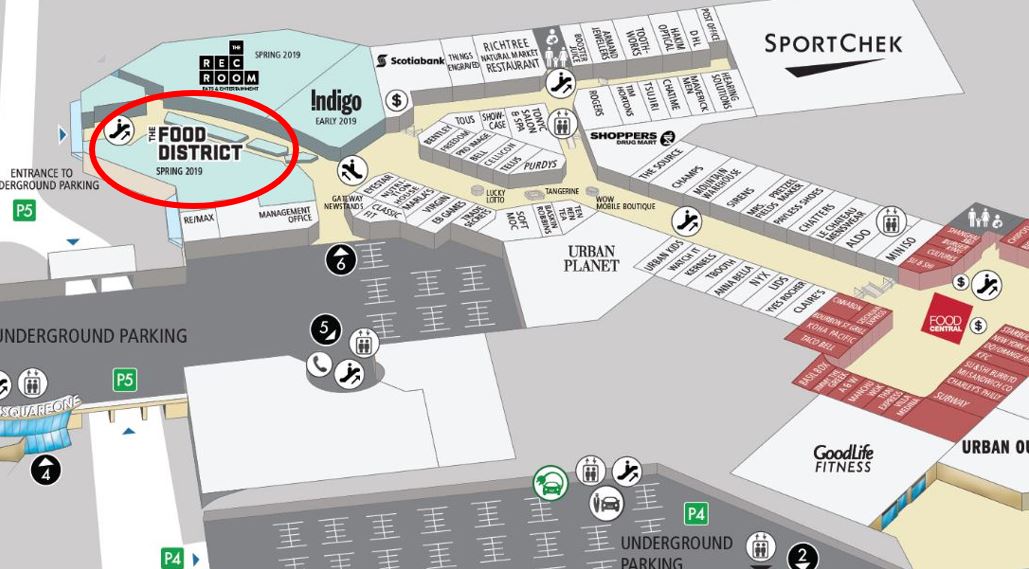
By the end of this year, three Oxford Properties-managed centres will include large-format food markets. One is already open — in the fall of 2018, the Upper Canada Mall in Newmarket saw the opening of Market & Co., which is considered to be Canada’s first such food market to open in a suburban shopping centre. Two more will follow this year — this spring ‘The Food District’ will debut at Square One in Mississauga, and this fall in Quebec City a marketplace will open at Galeries de la Capitale in suburban Quebec City. 

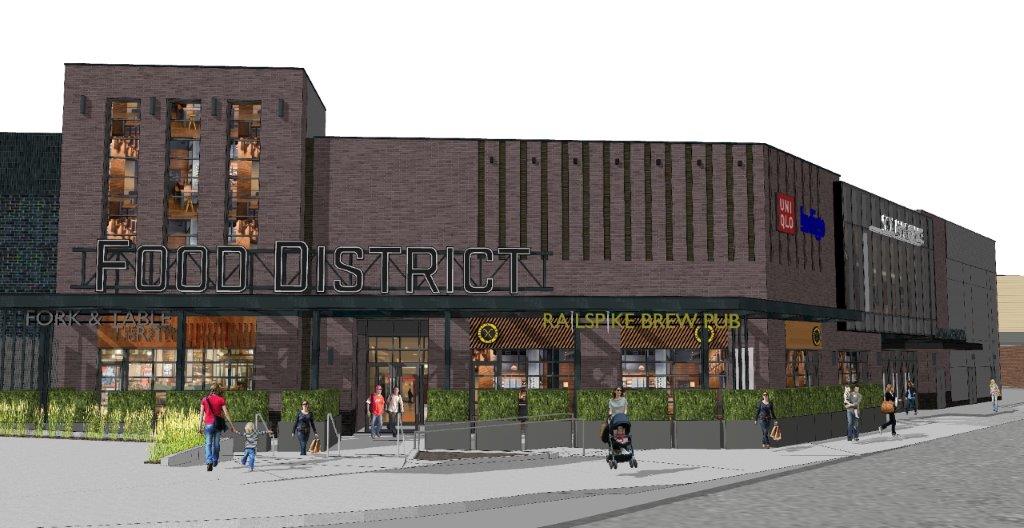
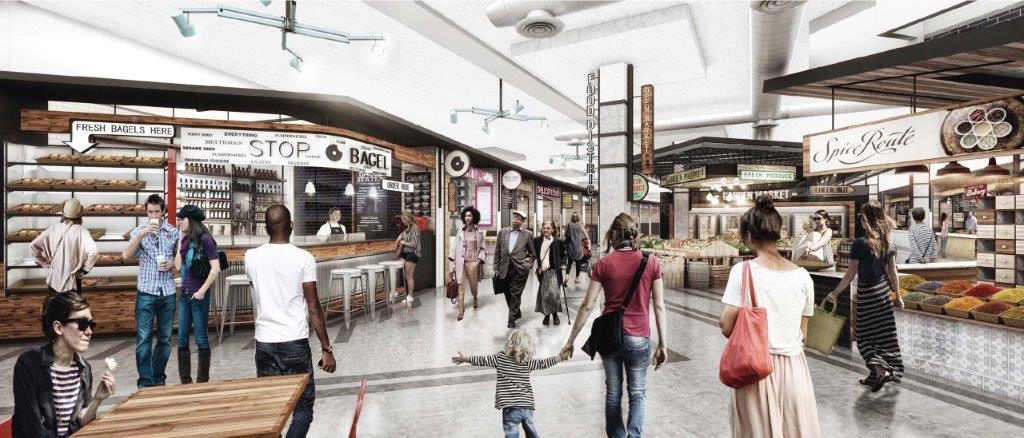
Construction is well underway on The Food District which is set to open in April at Square One — it will feature a range of best-in-class tenants in more than 40,000 square feet of space. The Food District will occupy part of the ground level of a two-level space vacated by Target in 2015, which also houses tenants Uniqlo (which opened in November), Indigo (opening next month) and The Rec Room, which is under construction and will open this spring.


FD-Interior-2-006.jpgFD-Interior-2-006.jpg

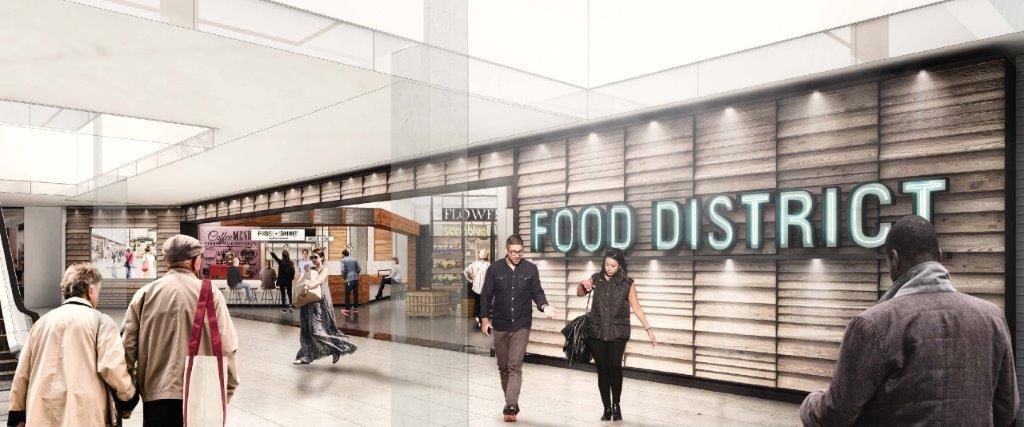
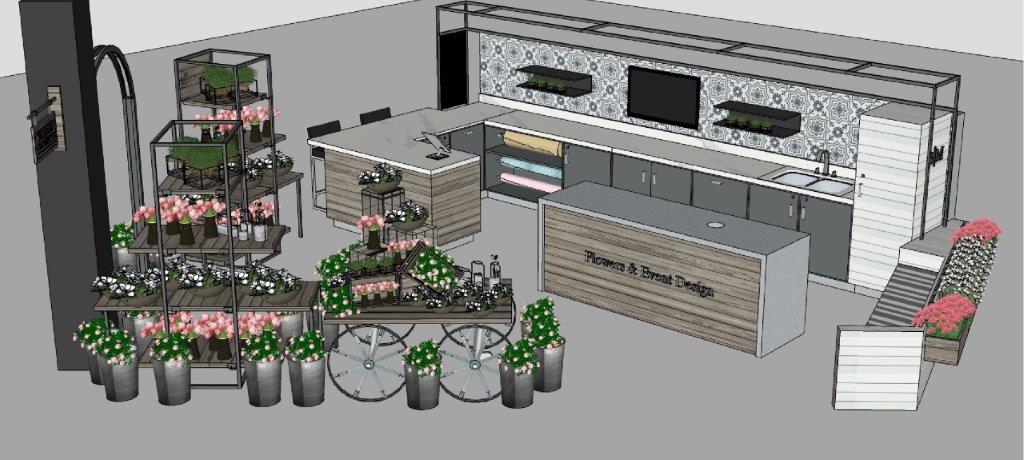
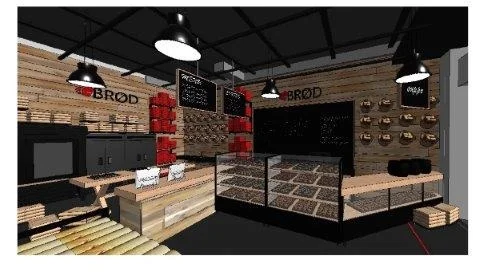
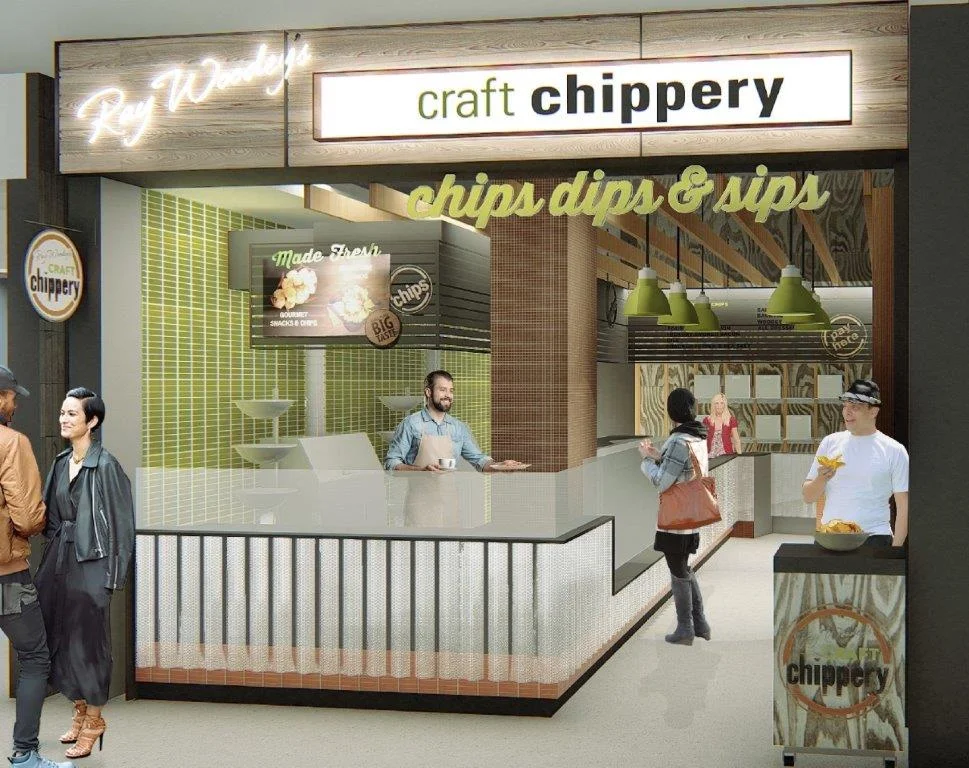
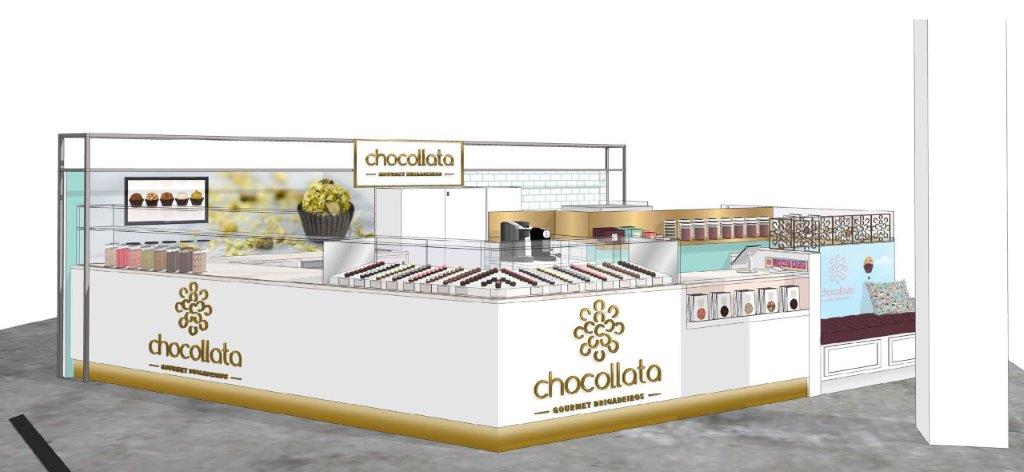
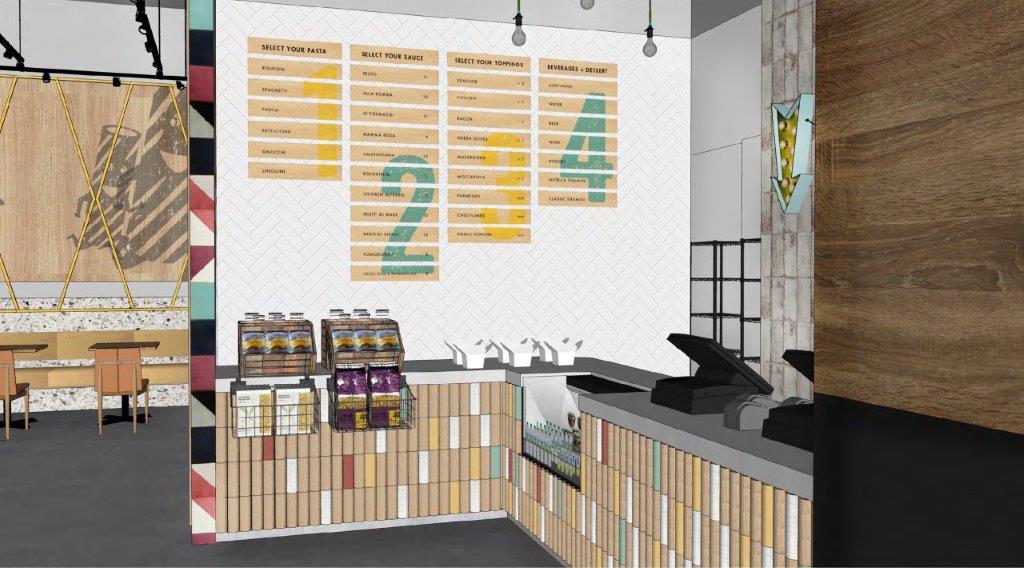
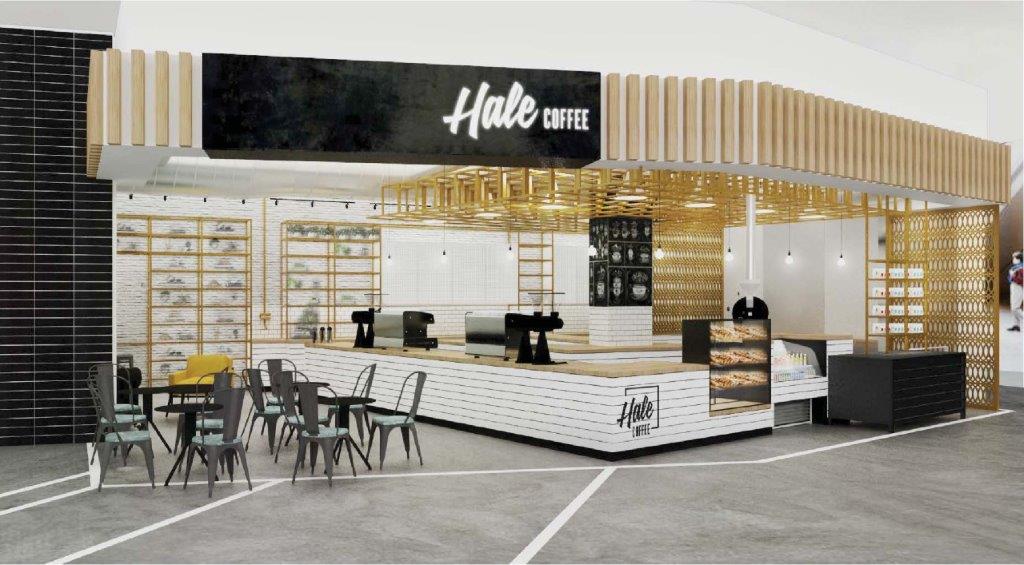
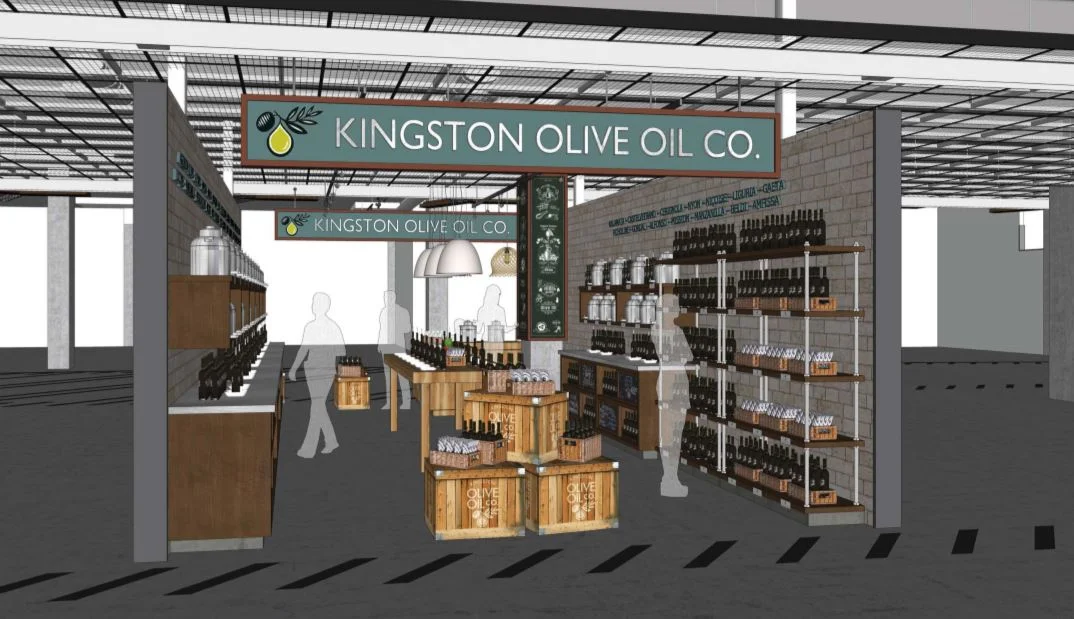
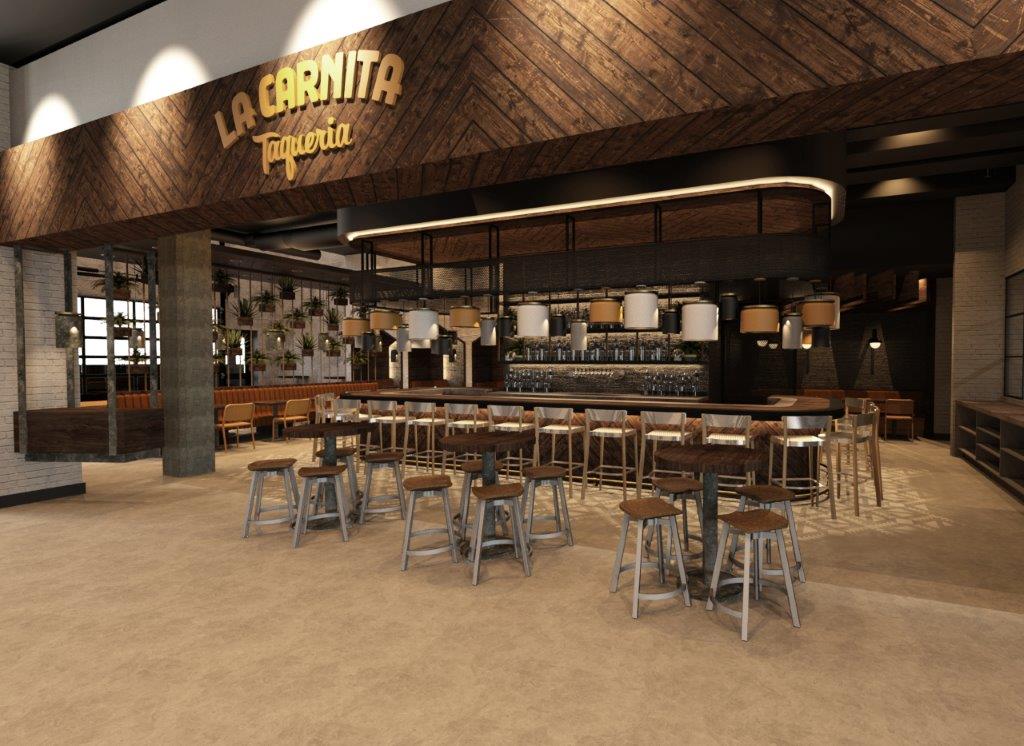
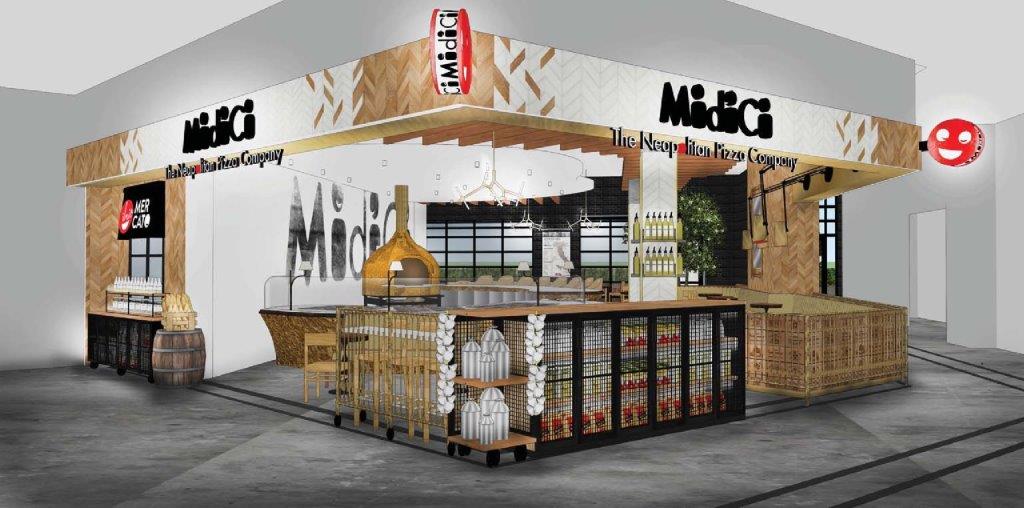
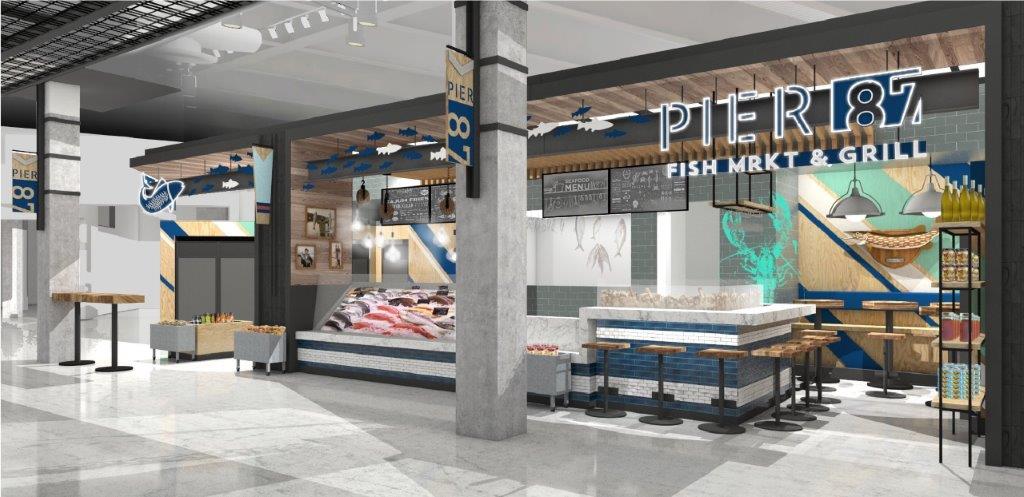
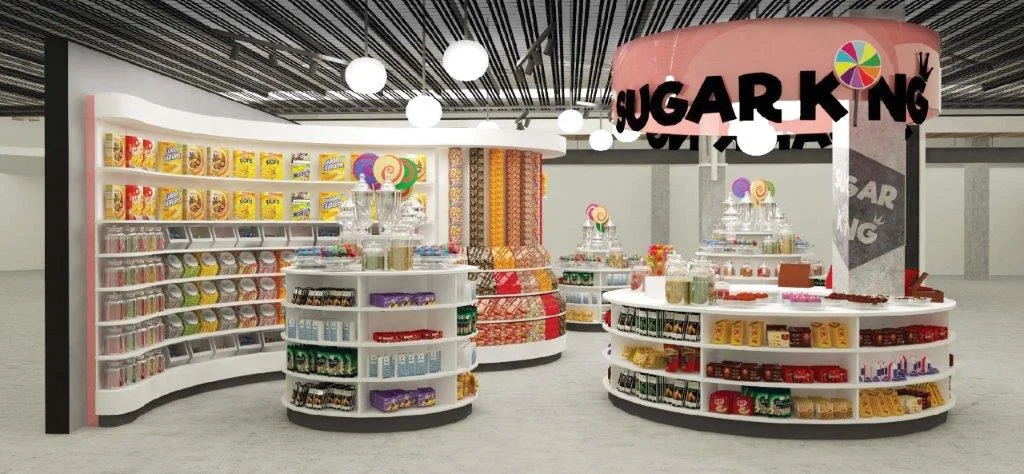
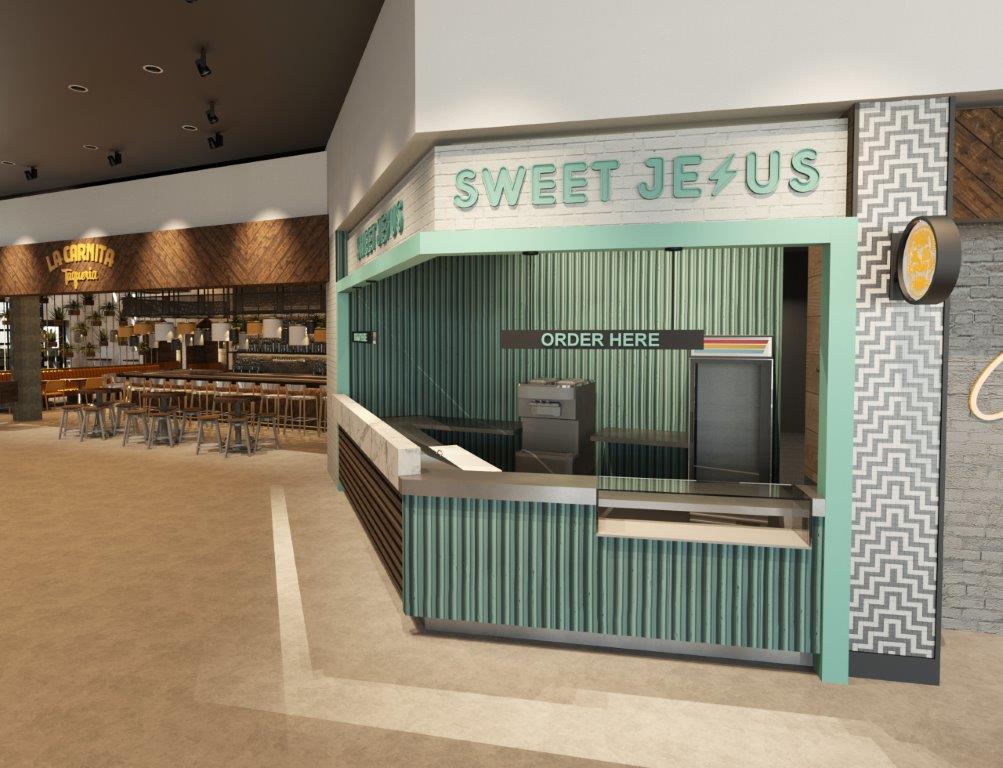
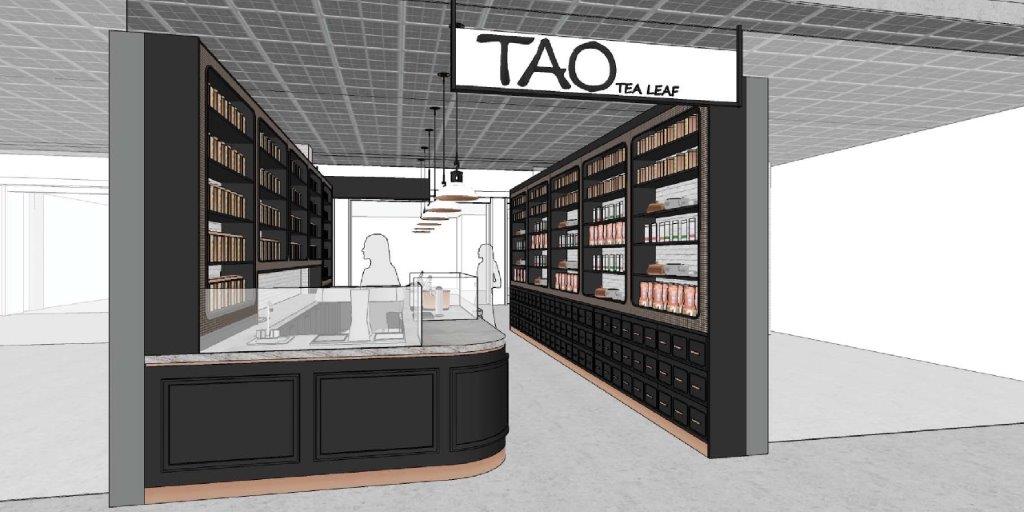
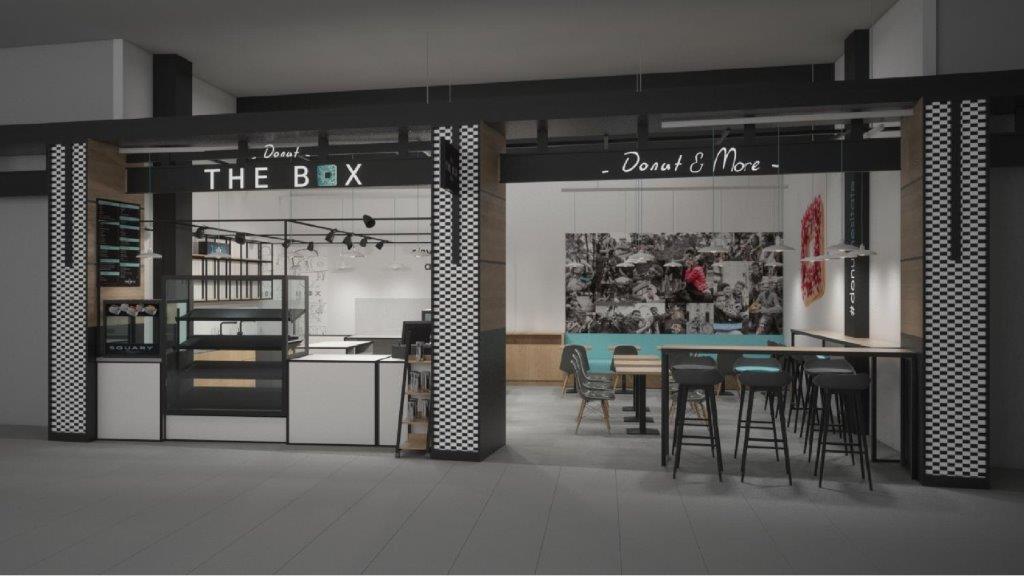
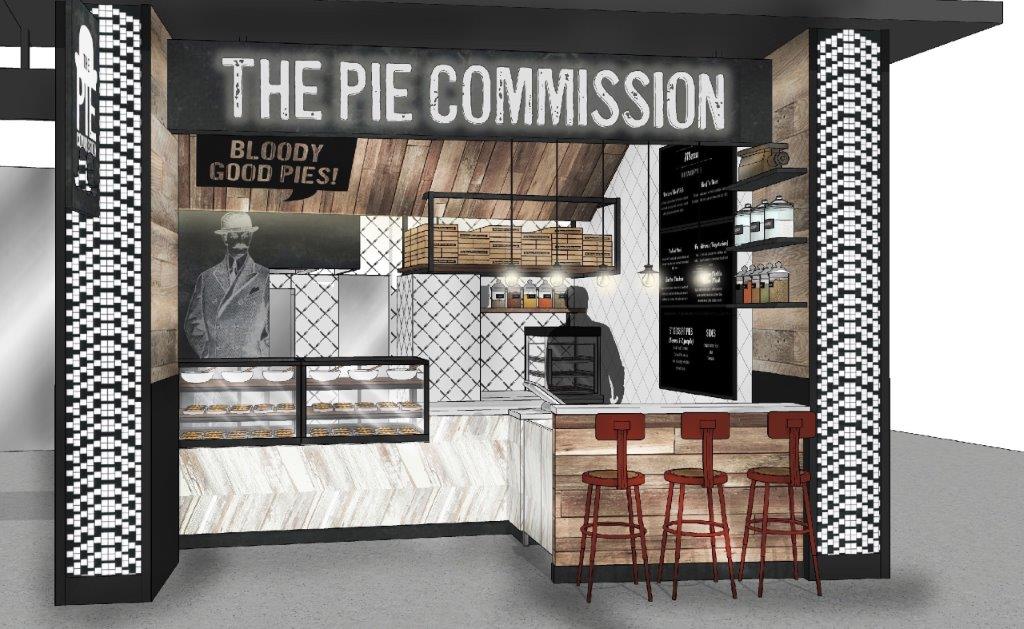
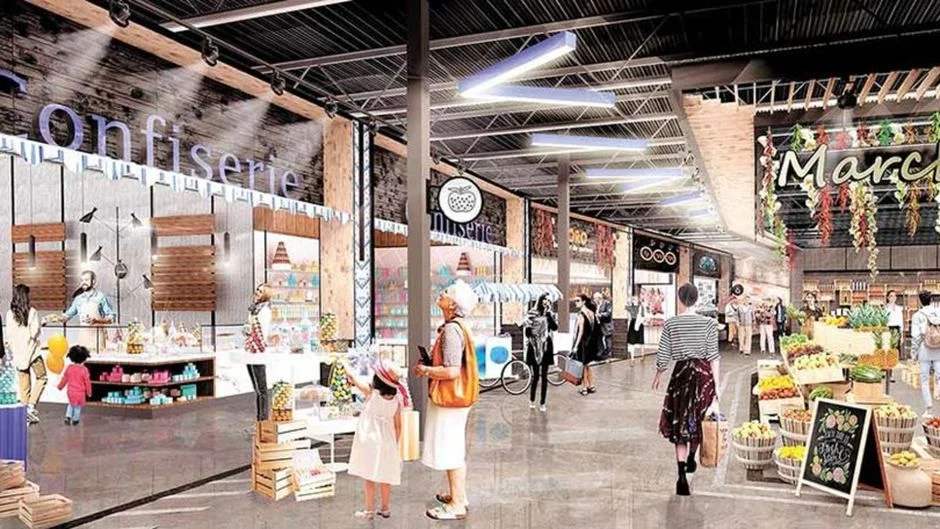
The Food District is described as offering “an authentic experience for foodie tourists and locals alike” with an offering of local, hand-made and high-quality food offerings. Renderings of The Food District show a vibrant collection of tenants in individual purpose-built spaces. A strategic layout lends to the shopper wandering from vendor-to-vendor, and some central vendor shops will encourage visitors to walk through the space. 

Interestingly, renderings of The Food District present a vision that is diverse and decidedly urban — distressed wood gives the appearance of authenticity and age, and offerings are typically what one might find in an urban food market in cities such as London, Paris and New York City. Adding food halls and food markets are in essence creating an urban experience in suburban malls that didn’t exist before — if one thinks about it, the new suburban food markets offer suburban dwellers some of the benefits of downtown, without the density or cost-of-living in some urban cores.

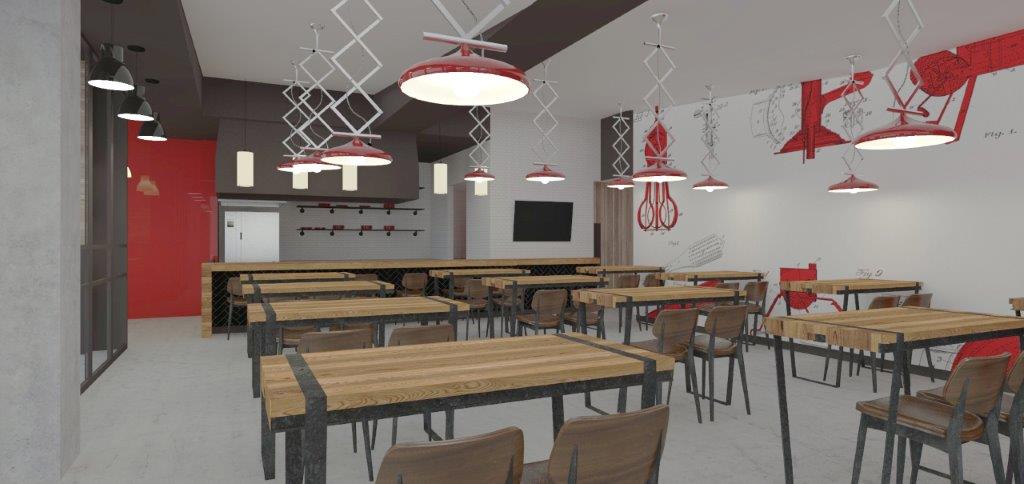
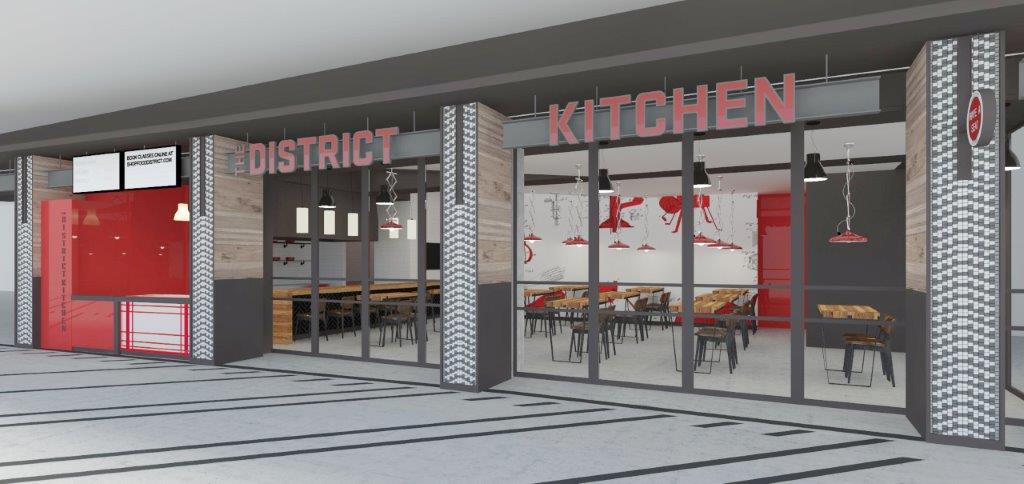
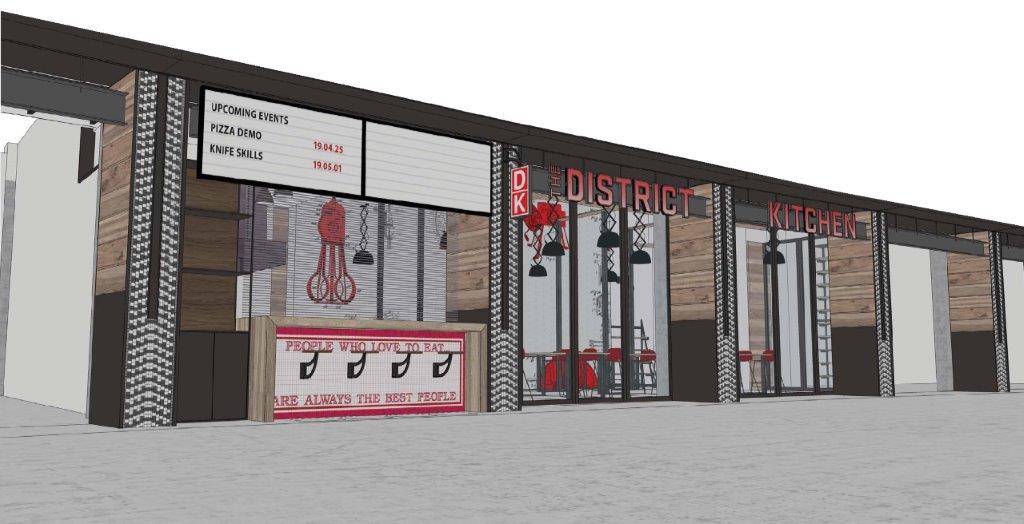
Last week we toured the construction site at Square One’s Food District and it was apparent that it is very well thought out. The hybrid food market/food hall will be highly engaging and will become a draw for the region. At the heart of the Food District will be ‘The District Kitchen’, for example, which is described as being an interactive demonstration space that will house cooking classes, dinner parties, corporate and other special events.

“Square One has been a key part of the Mississauga community for over 45 years and the Centre has grown with the city; continuously evolving to provide an innovative destination to explore fashion, food, lifestyle and entertainment,” said Square One director and general manager Greg Taylor. “We are thrilled to continue to invest in the area and the prosperity of its residents, while also creating over 250 job opportunities with this addition. The Food District will house gourmet artisans in a space where guests can enjoy and share their food experiences.”

Those seeking a job at The Food District are invited to apply at a career fair taking place on Friday, March 1 (Noon-6pm) and Saturday, March 2 (10am-6pm). Full-time and part-time positions will be available. 

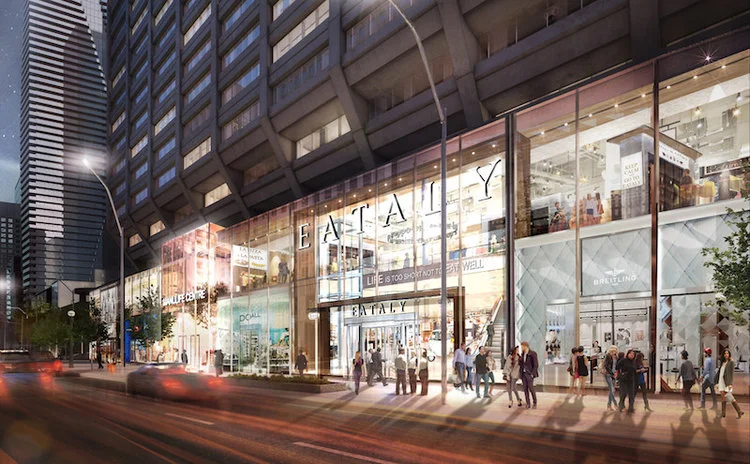
Giannone Petricone Associates Inc. Architects designed Market & Co. as well as the new Food District at Square One, with upcoming projects including the food marketplace at Quebec City’s Galeries de la Capitale as well as the highly anticipated Eataly that will be opening at Toronto’s Manulife Centre in a few months. Ralph Giannone, Principal at the firm, discussed in an earlier interview his enthusiasm for the projects which he described as being a cross between restaurant and retail, as the lines blur between the two. Mr. Giannone said that he thinks food markets like the ones opening in Oxford Properties’ malls will become anchor-like components to many of Canada’s leading malls in the future. 

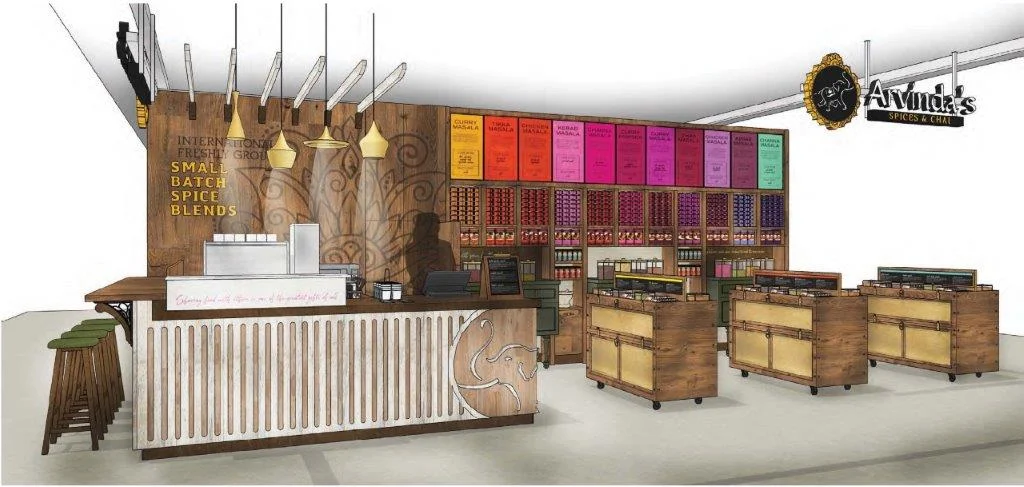
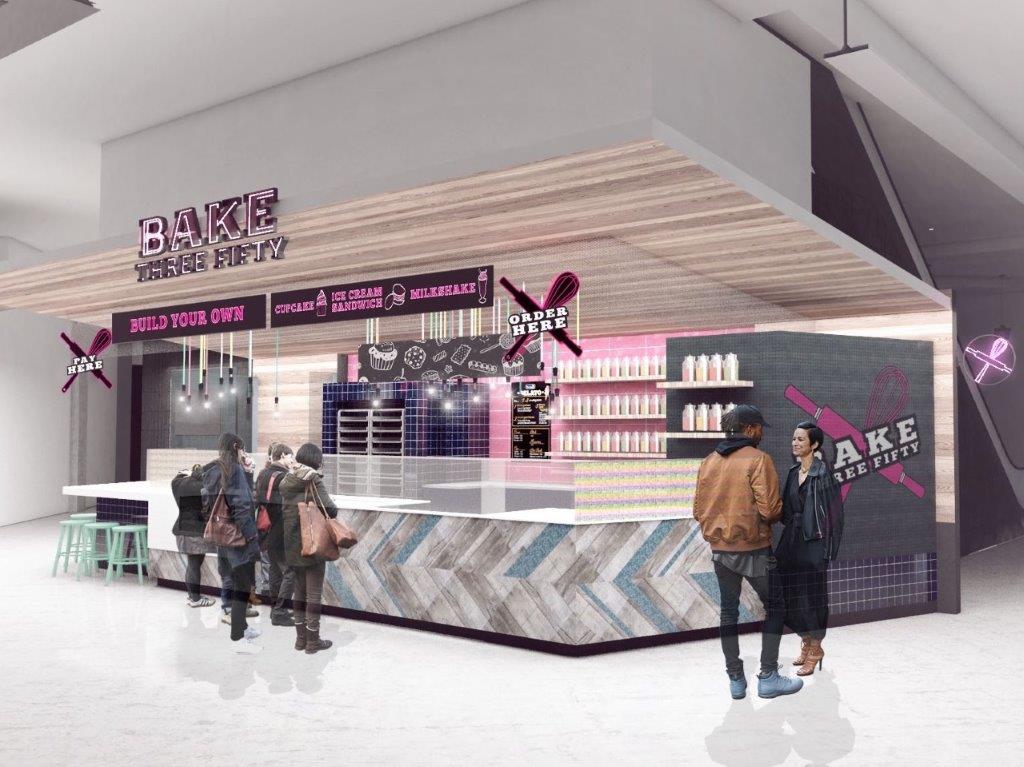
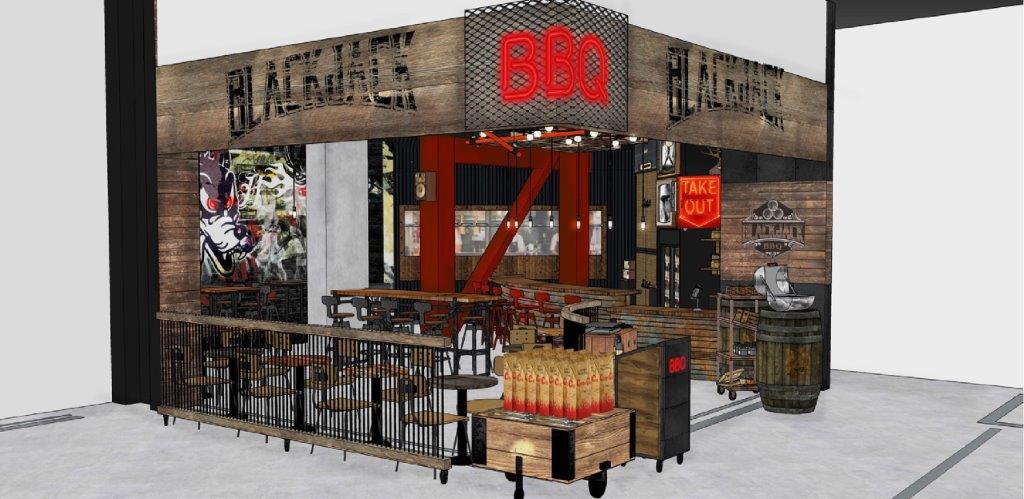
Square One has provided a list of vendors that will be part of The Food District. Oxford Properties has also provided renderings of the space which we have included in this article. The list of tenants include: 

  • Arvinda’s – Selling pre-packaged Indian spice blends.

  • Bake Three Fifty – Providing ‘build-your-own cupcakes’, ice cream sandwiches and milkshakes.

  • Blackjack BBQ – Known for its Sweet Whisky Pork Ribs and Dinosaur Beef Ribs.

  • Blossom Moments – Flower bouquets with arrangements for a variety of occasions. 

  • Hale Coffee – Toronto-based specialty coffee roaster. 

  • Kingston Olive Oil Co. – Cooking oils such as roasted almond and black truffle.

  • La Carnita – Popular Toronto-based Mexican food chain.

  • MidiCi – Authentic Neapolitan pizza maker.

This fall in Quebec City, Oxford Properties will unveil its third food marketplace in a suburban shopping centre at Galeries de la Capitale — this week we also reported on the mall’s recently completed amusement centre called Méga Parc. The food centre will showcase local food vendors and their products with a variety of artisans and merchants offering specialties including meats, fish, seafood, cheese, spices, oils, olives, bread, pastries, juices, coffee, and various other fine products. The goal will be to offer quality and freshness at one location, according to Oxford Properties. 

Part of the food marketplace redevelopment includes Quebec City’s first location for RICARDO Boutique + Café, a concept by the celebrity chef Ricardo Larrivee that kicked off a multi-location expansion last year. RICARDO opened in November of 2018 in an 8,870 square foot space and is currently accessible from an external entrance.

Full-sized restaurants are also being added to major shopping centres across Canada as landlords aim to increase footfall and give shoppers a place to take a break. Restaurants are becoming draws unto themselves, and centres such as Toronto’s Yorkdale Shopping Centre have added best-in-class chains such as Canada’s first location for the Cheesecake Factory, which continues to see lineups. This week, as well, Vancouver-based Miku debuted its TORA sushi restaurant concept at Yorkdale, which offers a premium sushi experience in a dramatically designed space. 


Renderings of Quebec City Food Market aT Galeries de la Capitale set to open Fall 2019Renderings of Quebec City Food Market aT Galeries de la Capitale set to open Fall 2019

Renderings of Quebec City Food Market aT Galeries de la Capitale set to open Fall 2019

Shopping centre landlords are investing in their centres like never before, in an effort to attract and retain consumers at a time of unprecedented competition. The newly released Retail Council of Canada 2018 Canadian Shopping Centre Study discusses some of the newest trends in detail, including the addition of innovate food and beverage offerings. 

Other mall landlords are also adding food markets and food halls in their properties. QuadReal will unveil a massive food centre at its overhauled Oakridge Centre in Vancouver in a few years, and a food market will also open in downtown Vancouver at QuadReal’s ‘The Post’. Landlord Cadillac Fairview is also looking at putting similar food halls and markets into some of its properties, including the planned ‘CF Marché des Promenades’ at the CF Promenades St-Bruno in suburban Montreal. Ivanhoé Cambridge is getting innovative with food in downtown Montreal with two major food markets — one will be the Time Out Market at the newly renovated/expanded Montreal Eaton Centre, and another will be nearby at the updated Place Ville Marie, described as being a ‘gourmet biergarten’

Adding food markets to shopping centres is already proving to be successful in Canada. Lee Jackson, former Senior Manager of Restaurant and Entertainment Leasing at Oxford Properties, shared in a recent panel interview that food traffic was up substantially at Upper Canada Mall after the opening of Market & Co., and that sales were up in the mall’s food court as well. Adding food centres to malls makes sense given some of the changes we’re seeing in society generally — people are seeking out experiences, and social media such as Instagram have people posting photos of food. Given that most people eat more frequently than they shop for fashion, increasing in-mall food offerings can also increase frequency of visits, which could also lead to more shopping in a mall’s other retail offerings.

We’ll continue to follow the food market trend in Canadian shopping centres as it progresses into 2019 and beyond. 


Craig+Headshot (1).pngCraig+Headshot (1).png

Craig Patterson, now based in Toronto, is the founder and Editor-in-Chief Retail Insider. He’s also a retail and real estate consultant, retail tour guide and public speaker. 

Follow him on Twitter @RetailInsider_, LinkedIn at Craig Patterson, or email him at: craig@retail-insider.com.