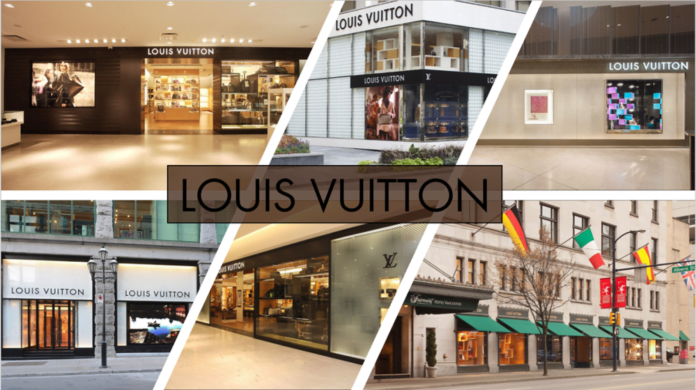
Advertisement
Home Blog Page 1058

Louis Vuitton Marks 35 Years in Canada with Standalone Store Expansion [Feature]

Louis Vuitton Marks 35 Years in Canada with Standalone Store Expansion [Feature]

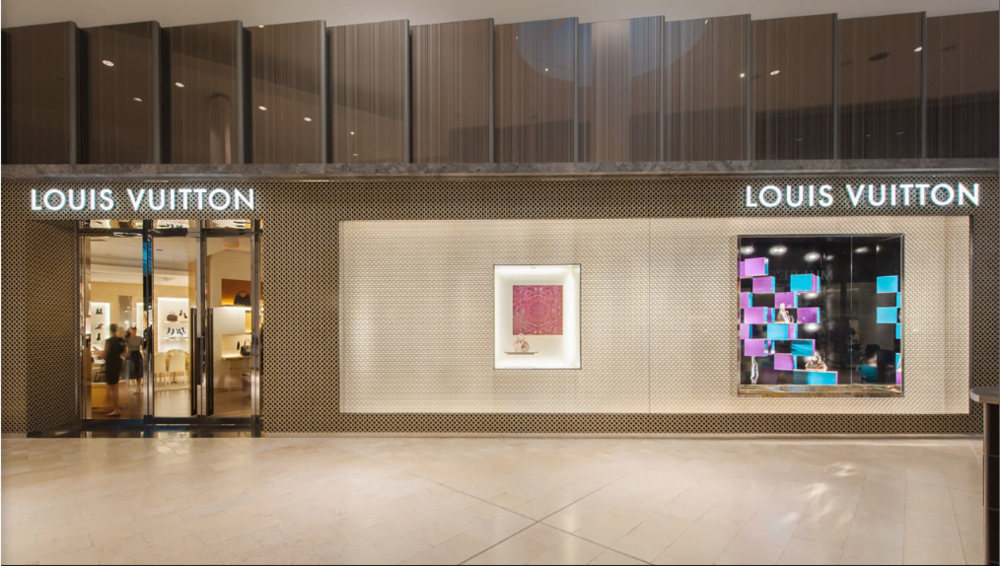
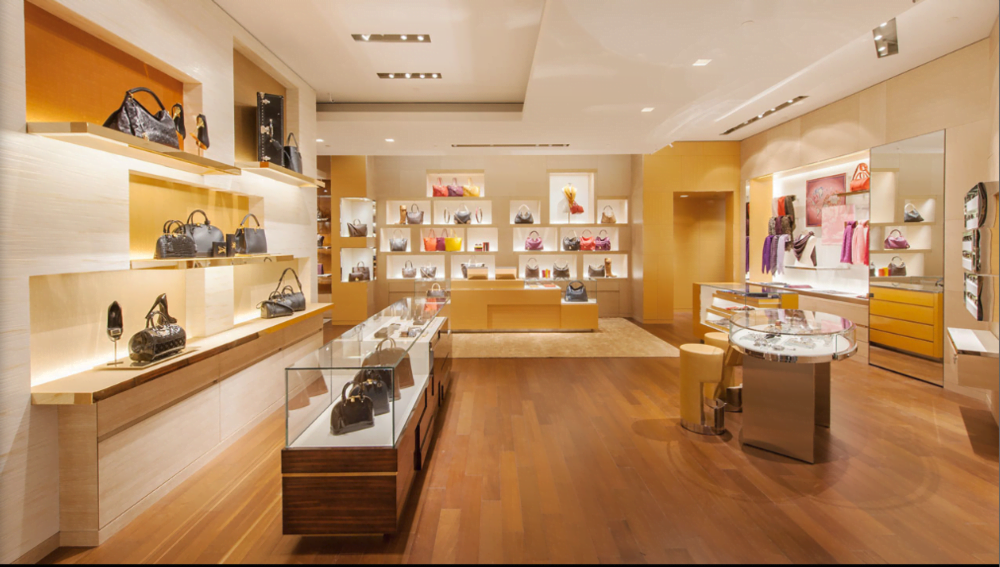
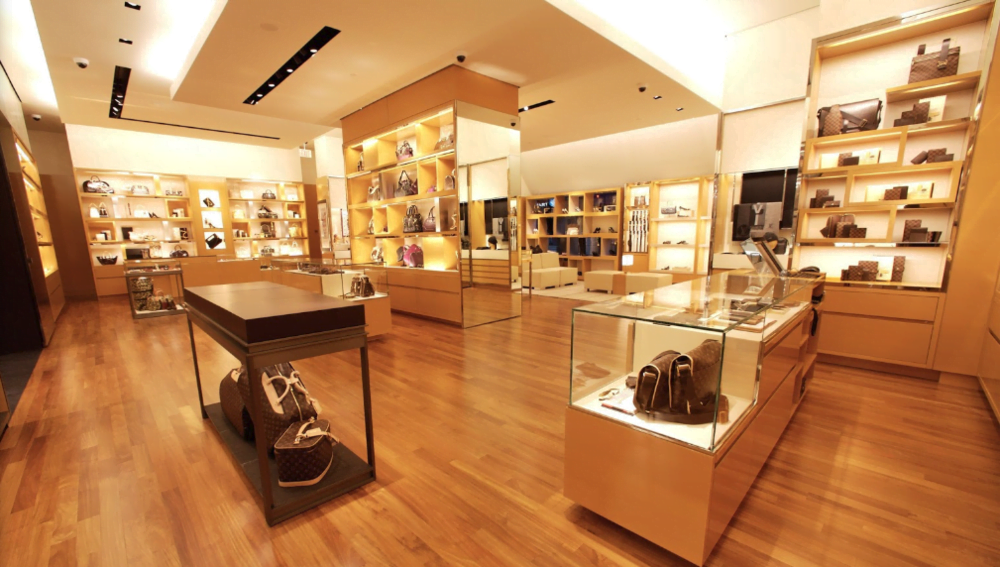
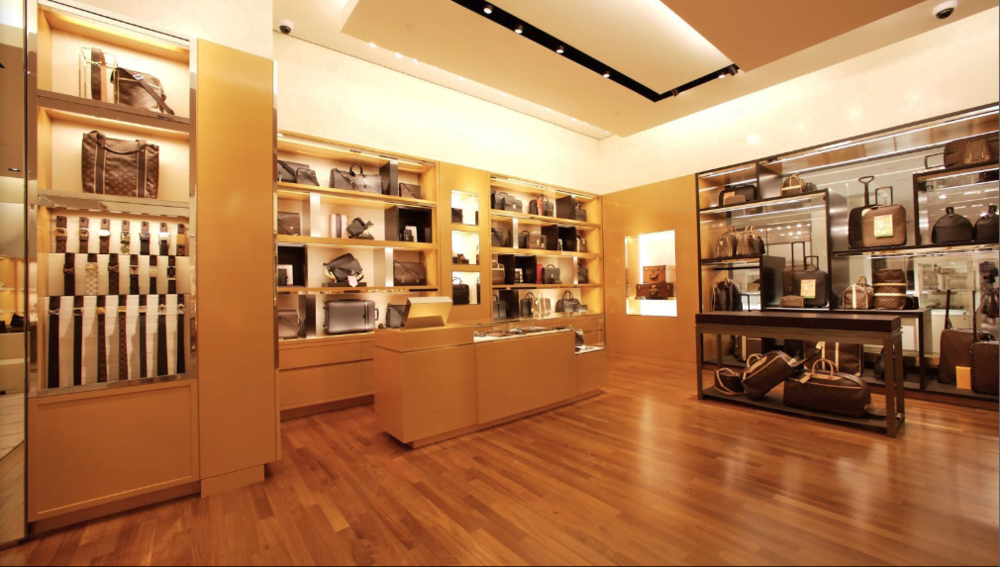
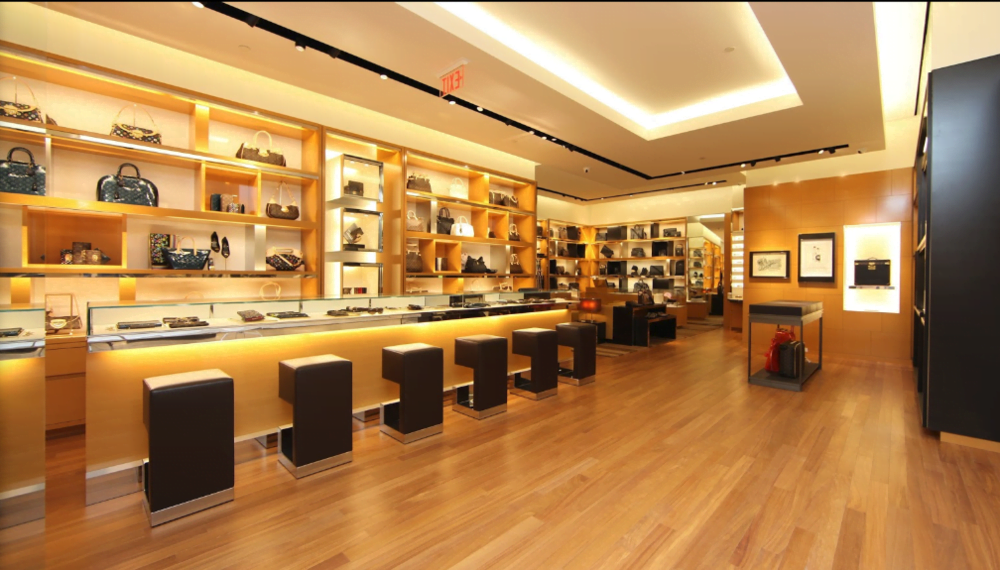
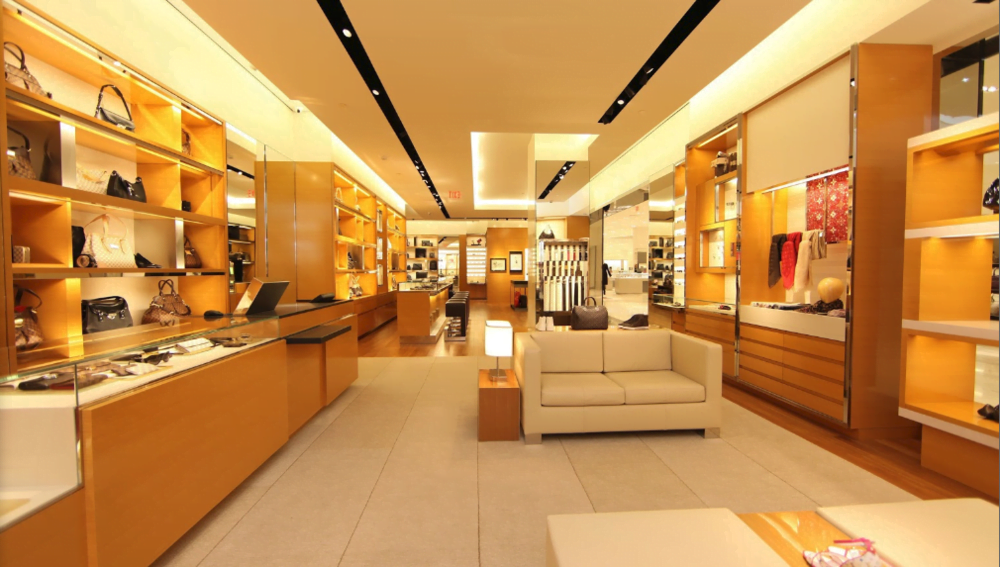
Paris-based luxury brand Louis Vuitton is marking 35 years of retail in Canada with a unique activation at Toronto’s Union Station, as the brand expands its operations into 2019 with new standalone stores in three Canadian cities. The brand currently operates two standalone stores in Canada and by the end of next year, that number will be five. 

An exhibition called ‘Time Capsule’ launched this month on the north side of Toronto’s newly renovated Union Station facing Front Street, in a temporary structure made of brushed aluminum. Pieces in the exhibit highlight Louis Vuitton’s history from its inception in 1854 until the present — that includes displays from Vuitton’s archives ranging from its first trunks as well as more contemporary collections in six installation rooms. An ‘Artisans Room’ at the entrance to the building features live demonstrations with a master craftsperson from Paris hand-making various pieces. The ‘Keys to the Code Room’ showcases earlier collections. 

Toronto is the 11th city in the world to see the exhibit, which has been in cities including Hong Kong, Bangkok, Berlin, Singapore, Dubai, Shanghai, Melbourne, Madrid, Osaka and Los Angeles. We’ve included some video and photos — the exhibit is free and worth a visit if you’re in downtown Toronto with hours of 9:00am-9:00pm Monday-Friday and 11:00am-9:00pm Saturdays and Sundays until September 30. 

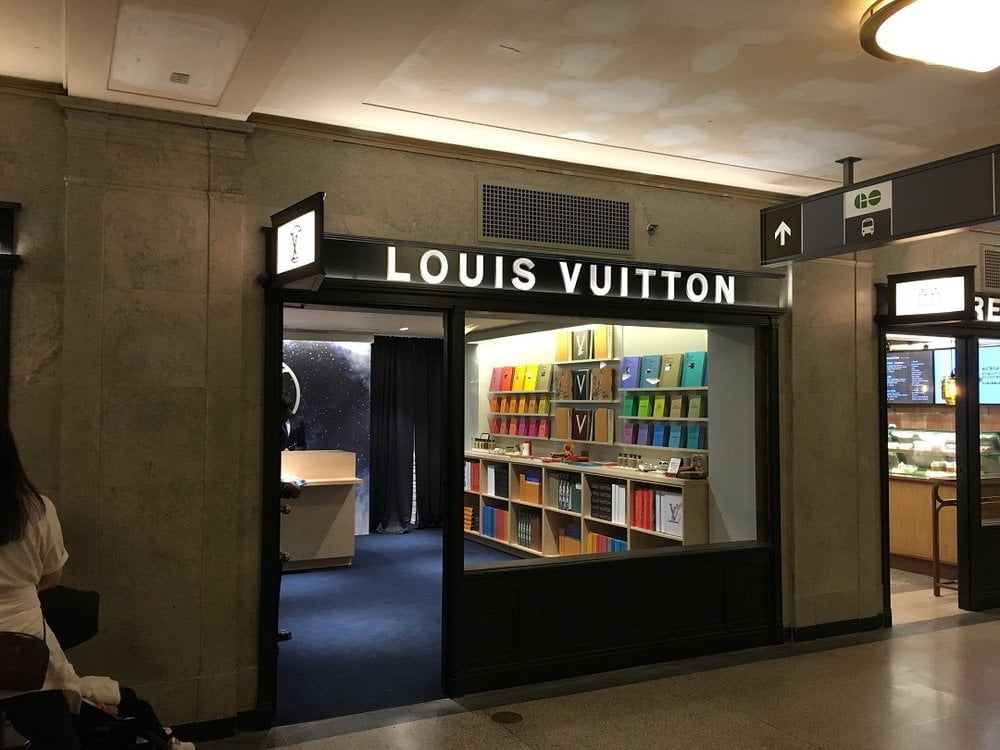
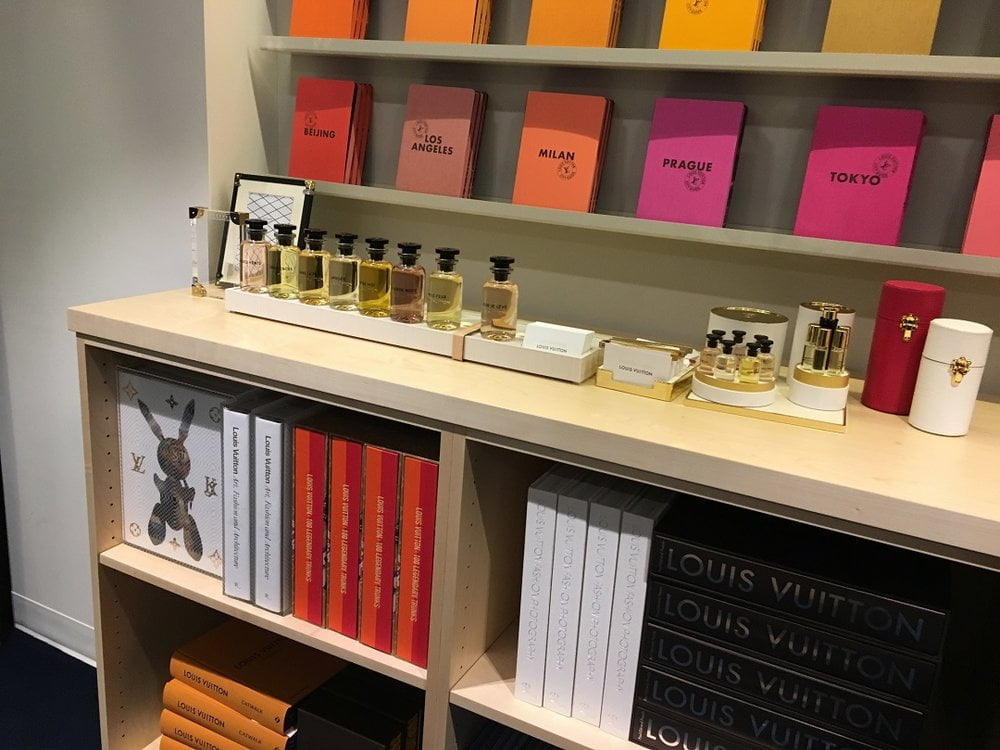
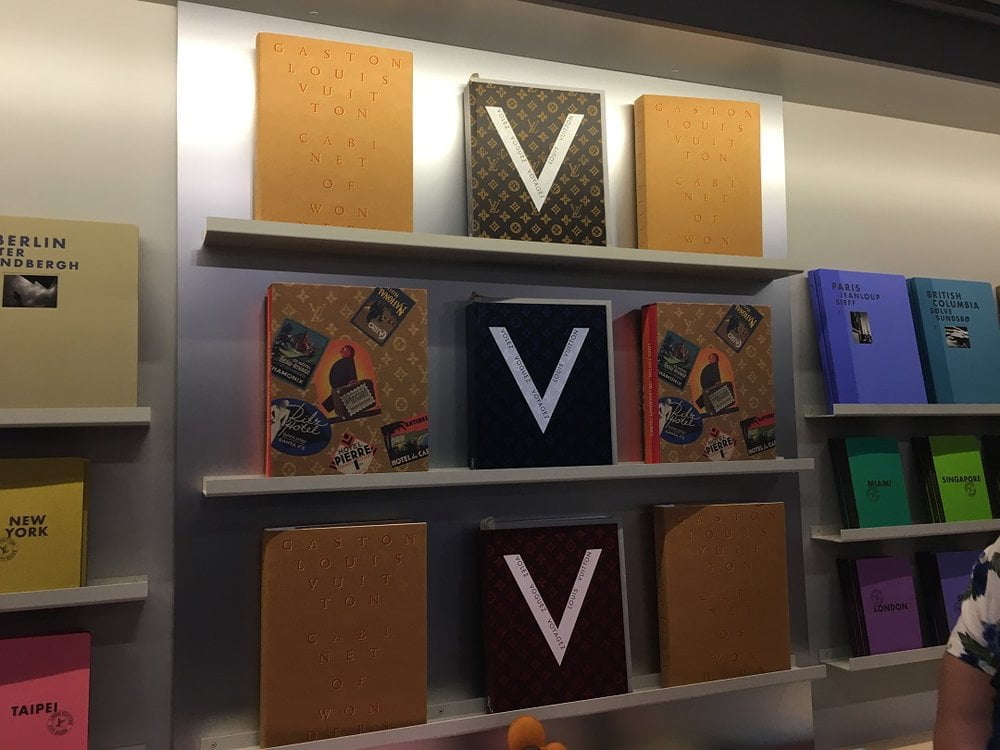
On the retail concourse of Union Station, as well, Louis Vuitton has opened a temporary 350 square foot boutique showcasing an assortment of books, stationery, notebooks and fragrances. The boutique is in the ‘Front Street Promenade’ between the Danish Pastry House and the Greenhouse Juice Company

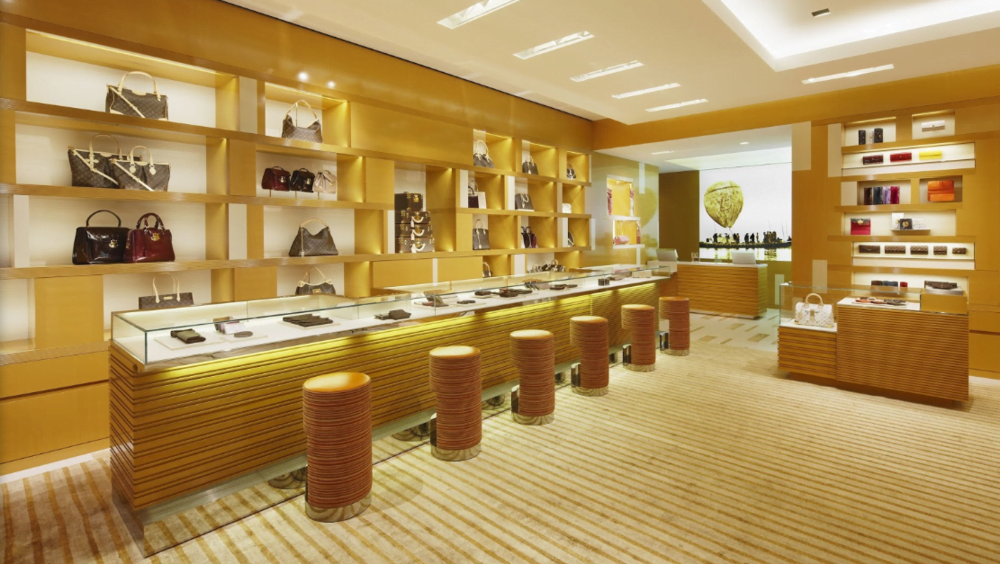
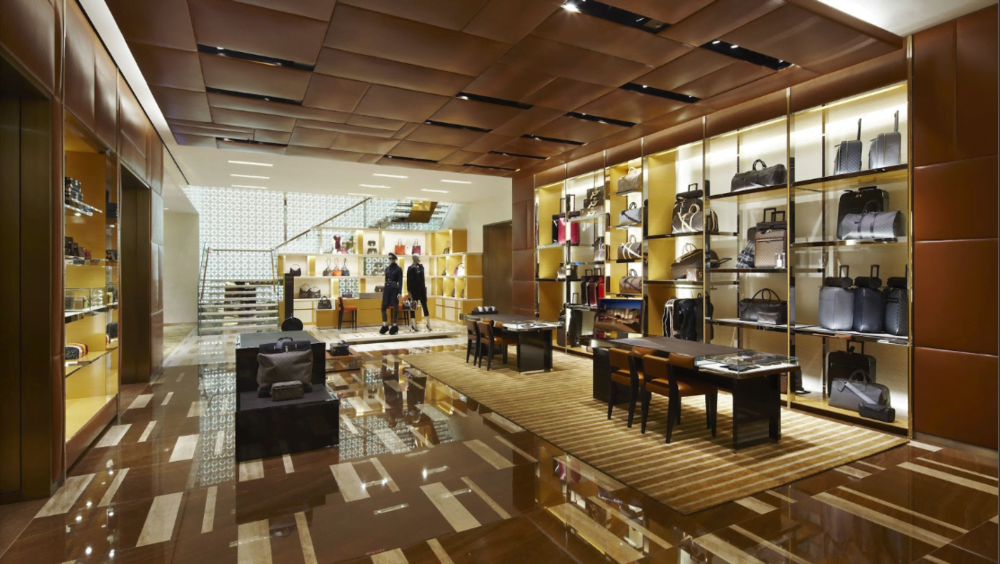
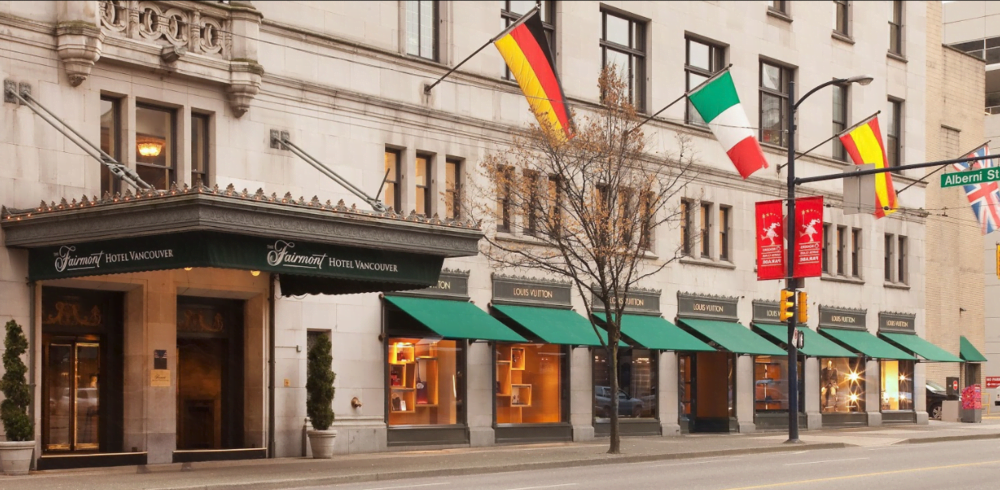
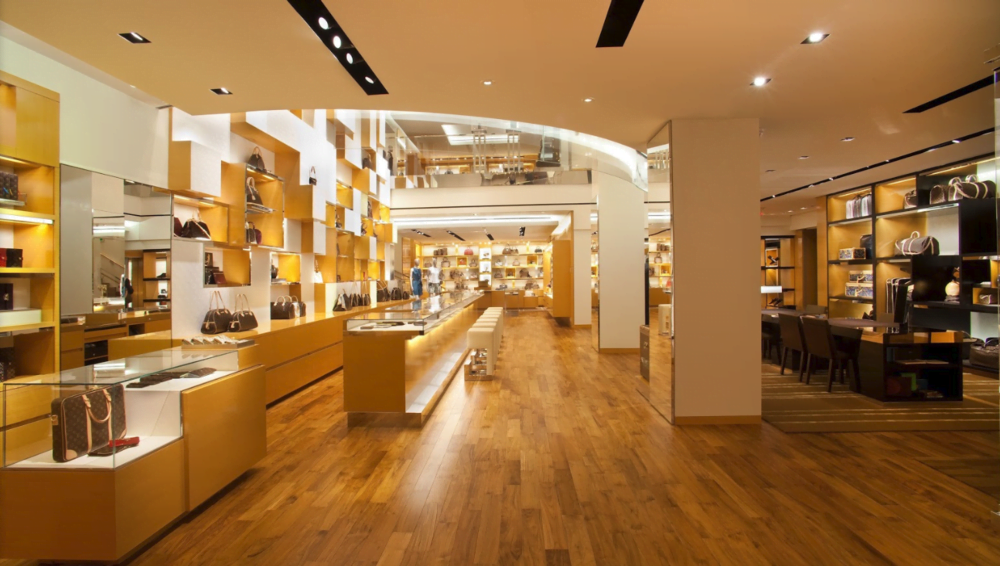
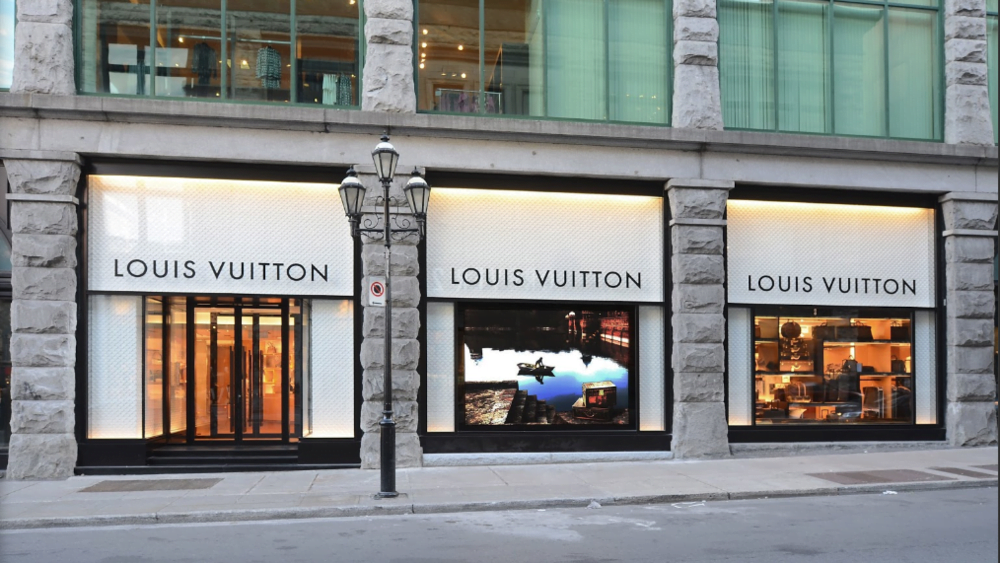
Louis Vuitton opened its first Canadian store at 110 Bloor Street West in Toronto in 1983, spanning about 2,000 square feet. A second location opened as a concession at Holt Renfrew in downtown Vancouver in 1987 and in 1989, another concession opened inside of the Ogilvy department store in downtown Montreal. Louis Vuitton’s second standalone store in Canada opened in 1996 at the Fairmont Hotel Vancouver and in late 2010, it was expanded to 10,000 square feet, making it the first ‘Maison’ in Canada and Vuitton’s 12th globally at the time (to mark the occasion, the company spent $1.5-million on a party that included a trip on a 70-year old steam engine train). 

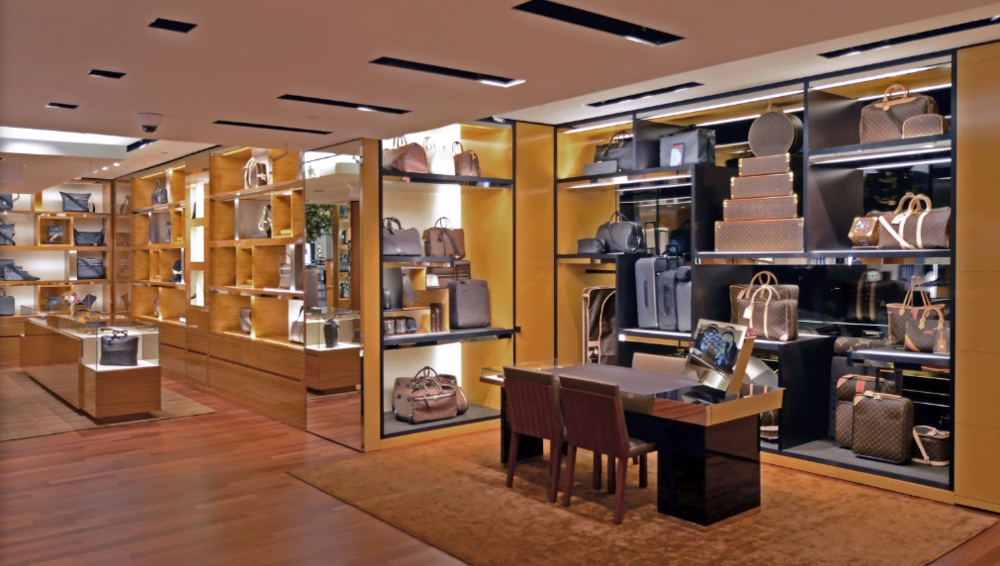
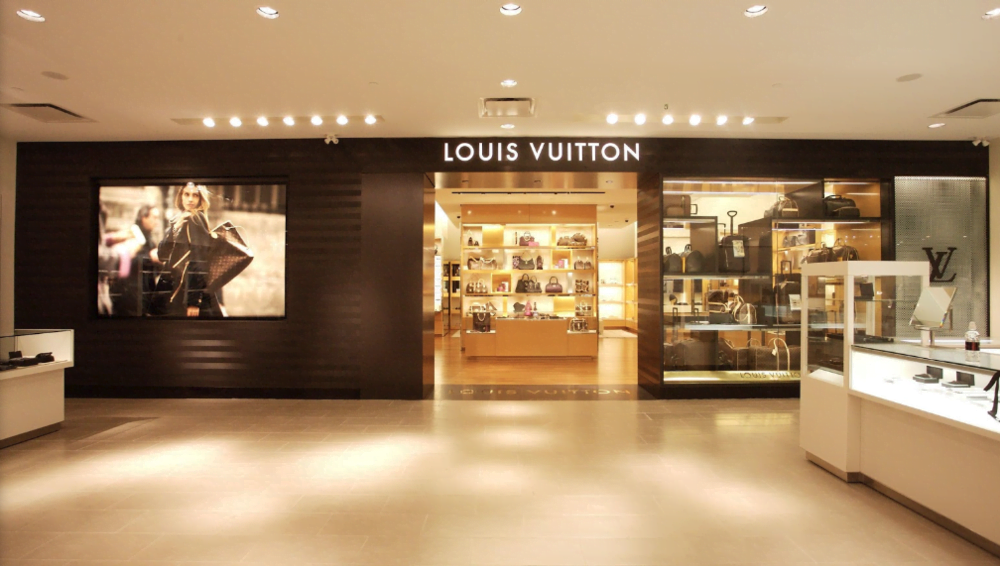
In Toronto the spring of 2012, Louis Vuitton vacated a 6,000 square foot flagship store at 111 Bloor Street West for an 18,000 square foot ‘Maison’ flagship location at 150 Bloor Street West where it continues to operate to this day. Louis Vuitton also operates concessions at Holt Renfrew stores in Vancouver (which was vastly expanded in  2016), Calgary, Edmonton, and at two Holt Renfrew stores in Toronto (50 Bloor Street West and Yorkdale Shopping Centre). In Toronto, as well, Louis Vuitton operates a 1,200 square foot concession inside of Saks Fifth Avenue at CF Toronto Eaton Centre (it opened in February of 2016, facing the southwest corner of Queen Street West and Yonge Street) as well as a 3,200 square foot concession at Ogilvy in Montreal. 
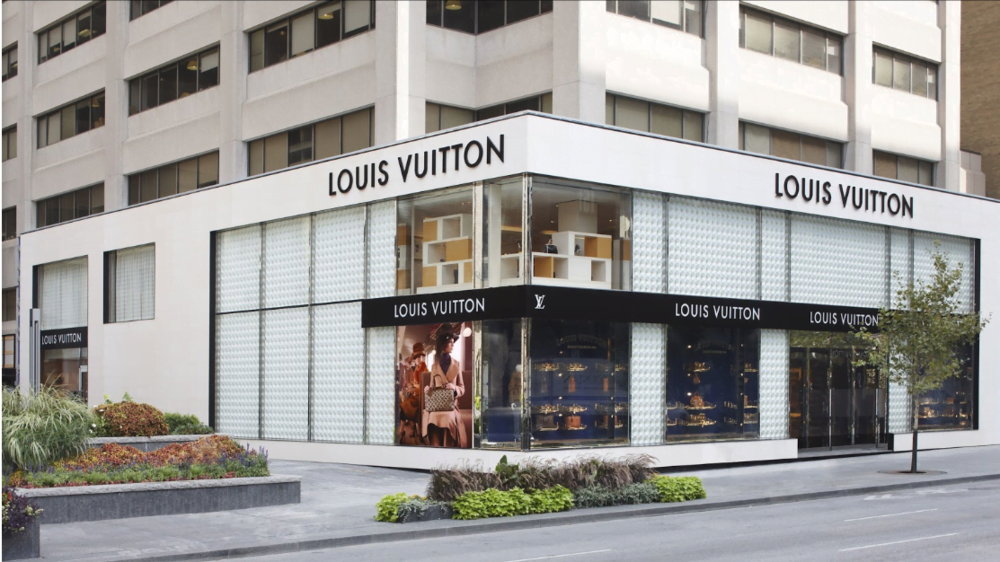
Louis Vuitton also operated a 3,000 square foot store for a number of years at the Cascade Plaza shopping centre in Banff, Alberta, and that store closed in May of 2011. 

Canada is said to be a strong market for Louis Vuitton, which is seeing high sales from Asian and other demographics particularly in the Vancouver and Toronto markets. A source at the Hotel Vancouver ‘Maison’ said that in some instances, a good client will book a private visit to the store where over the course of a couple of hours, they will spend a six-figure sum. Such sales makes Vancouver one of Louis Vuitton’s top markets globally. 

Last fall, Louis Vuitton opened a men’s shop-in-store at Holt Renfrew in Vancouver, which remains one of only a handful in the world to date. That Vancouver concession marked the beginning of a significant expansion for the brand in Canada that will continue well into 2019. 
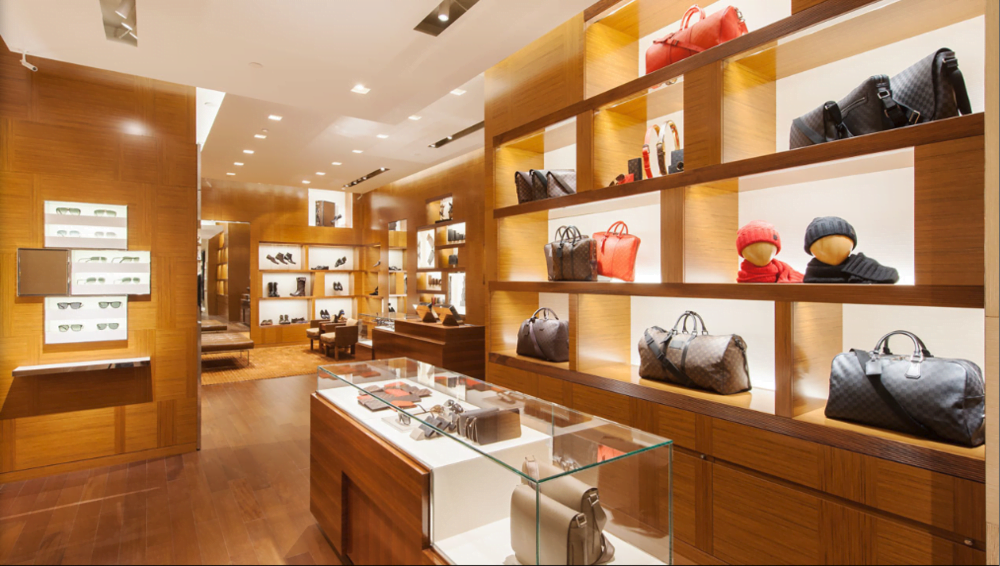
In November of this year, Louis Vuitton will unveil a standalone store at CF Chinook Centre in Calgary, spanning more than 4,500 square feet on one level. The store is located on the mall’s ground-level across from the mall entrance of Saks Fifth Avenue, which opened its 115,000 square foot CF Chinook Centre store in February of this year. Landlord Cadillac Fairview continues to position the Calgary mall as more upscale — Montreal-based Mackage is also a confirmed tenant in the mall which houses standalone locations for brands such as Tiffany & Co., Burberry and Canada Goose. At the same time, the Louis Vuitton store at Holt Renfrew in downtown Calgary is said to be closing for the CF Chinook replacement store and some other concessions in Calgary’s Holt’s are said to be concerned as luxury shoppers will soon, more than ever, be drawn to the suburban CF Chinook Centre as it adds more luxury retailers. 

Towards the end of this year, as well, Louis Vuitton will unveil a substantially expanded concession at Holt Renfrew at 50 Bloor Street West in Toronto. The boutique will span much of the east side of the ground floor facing towards the central escalator atrium, as Holt Renfrew ads and expands several large shop-in-stores on the same level including Saint Laurent, Dior and, in a couple of months, a new ‘World of Fendi’ concession that will occupy the northwest corner of the ground floor, as well as a new Bottega Veneta. Part of the Holt Renfrew’s Bloor Street beauty hall will be moved into the basement in lieu of luxury boutiques, as the store is fully renovated over the next couple of years. 

Louis Vuitton will also be expanding its presence at Toronto’s Yorkdale Shopping Centre — the brand is said to do phenomenally well with its current Holt Renfrew-based concession, and a standalone flagship will be joining the concession, according to Louis Vuitton. More details will be released at a later date with the brand marking the beginning of a new ‘luxury run’ in the mall in a corridor that currently houses Sephora, Disney and Zara

In Edmonton, Louis Vuitton says that it plans to open a standalone store at West Edmonton Mall in 2019, which will be approximately the same size as the CF Chinook Centre store in Calgary (which is scheduled to open on November 1, according to Vuitton). The West Edmonton Mall store would replace an existing concession at Holt Renfrew in downtown Edmonton and with that loss, the future of Edmonton’s Holt Renfrew is more uncertain than ever. The Manulife Place store has occupied more than 30,000 square feet in the podium of an office complex since the early 1980’s, after vacating a 12,000 square foot standalone location at 10336 Jasper Avenue which had been operational for decades. 

Louis Vuitton’s Montreal concession at Ogilvy will also see changes as Ogilvy is merged with Holt Renfrew — when completed by the end of the decade, the new ‘Holt Renfrew Ogilvy’ will span nearly 250,000 square feet over six levels and will become the largest luxury department store in the country. Montreal has never had a standalone Louis Vuitton store, nor has its existing Holt Renfrew store at 1300 Sherbrooke Street West had Louis Vuitton as a tenant — the Sherbrooke Street Holt Renfrew will close upon the completion of the new Holt Renfrew Ogilvy store at 1307 Ste-Catherine Street West. 

Louis Vuitton is a division of luxury conglomerate Louis Vuitton Moet Hennessy (‘LVMH Group’), which includes several leading luxury brands under its corporate umbrella. Louis Vuitton was founded by a man of the same name in 1854, and now boasts a network of nearly 500 stores globally. The company saw revenue somewhere between $9.28-billion and $11.6-billion (US dollars estimates) in 2017, placing it as either the top or second luxury brand in the world in terms of annual sales — Chanel saw sales of nearly $10-billion US dollars last year, according to the company. Italian luxury brand Gucci, which is seeing explosive growth, is expected to surpass both of them by the end of this year after seeing about $7.1-billion US dollars in revenue in 2017.

BRIEF: Le Creuset Expansion, SAQ to Open Luxury Liquor Location

BRIEF: Le Creuset Expansion, SAQ to Open Luxury Liquor Location

Le Creuset Continues Canadian Store Expansion with CF Richmond Store

Le Creuset – PHOTO: RITCHIE PO

French cookware brand Le Creuset has opened a bright new store at CF Richmond Centre in suburban Vancouver. The 900-square-foot boutique is strategically located across from the mall’s recently-opened Uniqlo store, next to the mall’s Hugo Boss location. CF Richmond Centre is one of Canada’s most productive shopping centres in terms of sales per square foot, and an upcoming Retail Council of Canada Shopping Centre Study will reveal that the mall has surpassed $1,000/per-square-foot annually in revenue for the first time. 

On opening day Saturday, signage was in both English and Chinese — Retail Insider’s Ritchie Po, who attended the opening, took the photos for this article. 

CF Richmond Centre is Le Creuset’s second store in British Columbia. The other opened in June 2016 on Vancouver’s tony South Granville strip at 2997 Granville Street. That store remains the largest in the country at about 2,000-square-feet. 

The CF Richmond Centre store is the company’s 12th in Canada. Le Creuset continues to target select markets, including Vancouver, Toronto and Montreal and it plans to open one or two new boutiques in 2019. Ideal spaces are between 750 and 1,250-square-feet, located on high streets and in super regional malls.

Le Creuset is represented in Canada by Tony Flanz of brokerage Think Retail, and Mr. Flanz negotiated the CF Richmond Centre deal with landlord Cadillac Fairview. 

Founded in Northern France in 1925, Le Creuset is best known for its colourfully-enameled cast-iron cookware. In Canada, Le Creuset is the number one bridal registry brand, and it’s consistently rated the number one or two cookware supplier to all of the company’s trading partners. It has more than 250 international mono-brand stores in 25 countries, and is distributed in about 30 countries worldwide.

Uniqlo Opens at Vaughan Mills

PHOTO: UNIQLO INSTAGRAM

Japanese fashion retailer Uniqlo is picking up the pace with its Canadian expansion with plans to open four stores this fall.

Crowds gathered at Vaughan Mills, just north of Toronto, on Friday and over the weekend for the opening of Uniqlo’s 28,150-square-foot store. On October 12, Uniqlo will open an 18,560-square-foot at CF Markville in Markham (north of Toronto) and a 19,850-square foot store will open at Mississauga’s Square One shopping centre towards the end of this year. A store opened on September 14 at Coquitlam Centre in suburban Vancouver.

That takes Uniqlo’s Canadian store count to nine, with plans for as many as 100 locations in the coming years. Given that Uniqlo’s Canadian stores are currently only in the Greater Toronto Area and in the British Columbia Lower Mainland, there’s plenty of room for more.

Jeff Berkowitz of Aurora Realty Consultants represents Uniqlo as broker in Canada.

THE TEN SPOT Tests a ‘Trillion’ Products before Launching New Line

In 2006, Kristen Gale noticed a void in the market for an option that bridged the gap between luxe spa and low-end beauty salon offerings. She was inspired to create something tailored for the urban professional on the go. THE TEN SPOT was the result, now with 24+ locations on the go across Canada with an additional 17 locations set to open in the next few years with an expansion to the US in the planning stages.

Last month THE TEN SPOT launched a new 4-product line of vegan, free from gluten, parabens, and alcohol line of beauty products all with the brands new signature scent, designed by Toronto-based perfumer and candlemaker Brennan Michael. Gale gets cheeky when asked about the development process and says the company tested over a trillion products, from ultra high end to drug brands, in their search for the perfect combination for their ‘10spotters’ (fans of the brand). 

The scrub, the bath soak, the lotion, and the body wash, all of which are clean and efficient with a touch of luxe to make you feel like a ‘ten’ every day. The products range from $32 to $42 will be sold directly via their online shopping site thetenspot.com and at all locations across Canada. 

Kensington Market Brings the Flavour of Street Food to Your Family

Since the early 1900s, Kensington Market has featured vendors with big, bold flavours that tell the story of this diverse Toronto neighbourhood. Now, these flavours of home can be found in Ontario via Kensington Market Street Food at Longos, Grocery Gateway, and other independent retailers.

Andrew Menceles’ family was no different. Arriving in Canada in 1957, his parents settled in Kensington Market and made the neighbourhood part of their lives for more than 50 years, as they established Fortune Housewares, Canada’s first kitchenware store. Now, with decades of experience under his belt as an entrepreneur launching consumer products, a longtime dream has become a reality: honouring his parents through the launch of Kensington Market street food.

Featuring the bold, familiar flavours from his childhood roaming the market streets, but with an added twist to reflect present-day diversity, the new line is offering a wide collection of pickled fruits (pineapple, cantaloupe), sandwich slaws (kimchi, ginger), tangy dressings (Adobo, Sriracha Caesar, smoked tomato) and locally roasted coffee (Augusta Off the Wall, Baldwin Boho).

Designed to catch consumers’ attention both inside and out, Kensington Market Street Food products are branded with eye-catching graffiti and colourful packaging on the exterior. The brand aims to attract those consumers with an appreciation and openness to innovative and bold flavours with a twist. All Kensington Market Street Food products are sourced locally wherever possible, and all are produced in Ontario. ‘Logo, packaging and web design for Kensington Market Street Food was created by retail branding agency Slingshot Inc., with Public & Influencer Relations and Marketing conducted by LC3 Communications, both of Toronto. 

The brand will participate in the Grocery Innovations Canada Show October 23-24, 2018 at the Toronto Congress Centre.

DCNOY Launches ‘Le Papillon’ Spring/Summer 2019 Collection

PHOTO: DCNOY INSTAGRAM

Since opening in the fall of 2017, the PARQ Vancouver Hotel with its eight restaurants, glittery casino, luxurious spa, and two tony hotels (JW Marriott, Douglas Autograph Collection) has provided producers of large-scale events a gorgeous new venue to exploit with everything from bridal industry extravaganzas to high-end conferences. 

Kerrisdale-based DCNOY luxury women’s fashion brand chose the PARQ as the new venue for its annual gala, as last year’s venue, Trump Tower was deemed not suitable for the level of luxury required and for hosting the number of anticipated guests.

The Fall/Winter 2018 Collection was an extravagant 1,000 seat gala event with tickets ranging from $108 to $698 per seat, and featured a curated front row of VIPs and international guests including Chinese Superstar Mimi Zhang, Western and Chinese media outlets, VIPs, celebrities, and favoured guests. 

Conceived and launched in 2008 by Quincy Dai, DCNOY is the high fashion luxury brand designed in Italy and fulfilled in China with Italian fabrics. The result is a high fashion look and feel, with fabrics such as alpaca, cashmere, leather, and fur, without the ‘Made in Italy’ price-tag.

The brand sells via the Hairuo Fashion Club in Kerrisdale, which is modelled after the European atelier style of retail but includes a tea and coffee bar, tailor, and bespoke gown service areas. There are currently 200+ garments displayed in a series of ‘closets’ which focus on outerwear, casual, cocktail, and formal, which shoppers can move through easily and at their convenience.

The bold move to PARQ and a sold-out audience of 1,000 persons reflects the next phase of the brands’ growth – from private shopping to public recognition. Dai is seeking stockists for the brands as the DCNOY product quality is luxury with its mid-to-high price-tag still comfortably lower than Luxury Zone brands such as Hermes, Brunello Cucinelli, and Moncler, which are known for their luxury fabrics and artisanal attention to detail.

SAQ to Open Luxury liquor store at Quartier de la Montagne

PHOTO: BLOUIN TARDIF ARCHITECTURE

Located in the new Quartier de la Montagne complex which is under construction, architect’s BlouinTardif has revealed the proposed concept for the luxury version of SAQ, Quebec’s provincial government alcohol distribution agency. While still working with the distinctive character of the SAQ branch style, BlouinTardif has re-interpreted the façade with multiple materials, colours and textures, to create a decidedly upscale exterior. The interior is airy with a ‘progressive discovery’ lay-out which intends to draw patrons throughout the space.

Called SAQ Signature, the boutique will carry a range of premium spirits catering to affluent locals and visitors. 

Situated below the soon-to-open Four Seasons Montreal (166-room hotel and 18 exclusive private residences) and the soon-to-merge retailer Holt Renfrew Ogilvy, SAQ is the latest retailer to join in the transformation of the Sainte-Catherine’s Street Ogilvy location into a unique and exciting luxury retail destination. 

The renovated Holt Renfrew will span 250,000-square-feet and will become the largest in the Holt Renfrew network next year upon completion, offering innovative new retail concepts and a rich assortment of luxury fashion and beauty brands. The updates will include an extensive assortment of luxury fashion and beauty brands, the Apartment and an expanded personal shopping program, Holts Café, valet parking, a concierge service, and other premium services tailored to the Montreal market.

INDOCHINO to Open Halifax Showroom:

INDOCHINO

The world’s largest made-to-measure menswear company, Vancouver-based INDOCHINO, will be opening a retail showroom at the Halifax Shopping Centre in Halifax in 2019. That’s according to local publication Halifax ReTales on Sunday, and the tip is confirmed by job postings for the new Halifax location. 

INDOCHINO is seeing explosive growth as it continues to open locations in Canada as well as in the United States. Led by CEO Drew Green, INDOCHINO is a Canadian success story and is helping men look their best. Not to be left out, INDOCHINO is reportedly looking at also doing made-to-measure women’s clothing — keep an eye out for a future announcement if the idea comes to fruition.  

Halifax ReTales beat INDOCHINO to the punch with this announcement — the publication has a huge following in Nova Scotia and is worth checking out if you’re interested in what’s happening in the region. Founder Arthur Gaudreau also recently secured a weekly placement in the Halifax Chronicle Herald. Congrats Arthur, keep up the excellent work. [Halifax ReTales]

Canada has an Impulsive Shopping Problem – Did We Really Need a Study?!

Did you know that Canadians have spent an estimated $8.8 billion on impulsive shopping purchases?  According to a new report released today by Finder Canada. Almost 2 in 3 Canadians (63%) have made an impulsive purchase in the past year. Or in other words, an estimated 18.1 million Canadians have fallen prey to impulsive shopping. The average amount per impulsive shop was estimated at $73.81. While that number isn’t mind-blowing, repeat enough times, and you get the idea!

While women were more likely to impulsively shop than men (69% of women compared to 56% of men), men spent the most on their impulsive purchases, with an average spend of around $80 compared to women’s spend of just $69 – a difference of $11. 

PHOTO: GREAT CANADIAN GIFT COMPANY

Despite constant flack for spending big on avocado toast (which is so worth it), Millennials were surprisingly not the worst culprits overall, with an average spend of around $77. This is compared to the bigger spenders – Gen X’ers – who dropped $80, and Baby Boomers, reputedly more conservative shoppers rang in at $64. 

However, when US and Canada are compared, we have proved to have a lot more self-restraint, with Americans spending a whopping $23.09 billion on impulsive shopping – over $10 billion more than Canadians. 

A few more stats to think about:

  • Finder Canada report found an estimated $8.8 billion spent on impulsive purchases in the past year 
  • Almost 2 in 3 Canadians (63%) have made an impulsive purchase – an estimated 18.1 million Canadians 
  • Average spend per impulsive shop was $73.81 
  • Women more likely to impulsively shop than men (69% of women compared to 56% of men), however men spend more on average ($80 for men compared to $69 for women)

‘Golden Week’ Campaign Uses AliPay App to Target Chinese Tourists

BACKGROUND PHOTO BY MONICA NGUYEN (@NGUXENTRAVELS)

A month-long campaign currently underway in Canada’s biggest city is aiming to attract Chinese tourists, by providing special offers to users of Alipay, the mobile-based payment method that’s highly popular among Chinese consumers.

Toronto’s first ever digital Golden Week campaign, being spearheaded by Tourism Toronto in collaboration with Alipay and payment integrator OTT Pay Inc., runs from September 20th to October 20th—a period that includes China’s Golden Week holiday, which is celebrated from October 1st to 7th. Golden Week is a popular time of year for Chinese citizens to travel abroad, and since China represents Toronto’s largest overseas market in terms of visitors, it’s an important time of year for Toronto to showcase itself as a destination, says Andrew Weir, executive vice president and chief marketing officer at Tourism Toronto.

“The tourism market from China has been growing significantly over the last decade,” Weir says. “It’s now our number one overseas market.”

What makes the Chinese market unique, according to Weir, is the preference for mobile payment apps such as Alipay and WeChat among Chinese consumers.

“The method of transaction for Chinese travellers is a key distinction, and we don’t face that with other markets,” he says. “So, as we want to become ‘China ready’ – ready to market to more Chinese travellers, grow that business, and serve that customer well when they’re here, we have to be able to conduct business in the way that they want to conduct business.”

Alipay users can link their debit and credit cards to the app to pay for all kinds of goods and services. The app also features a variety of other services, such as enabling users to hail taxis, book hotels, buy movie tickets, pay utility bills and purchase wealth management products.

A growing number of Canadian retailers and businesses have begun accepting Alipay and WeChat in order to cater to the massive Chinese market. Under the Golden Week campaign taking place this month, certain Toronto businesses are providing Alipay users with special offers as a further incentive for travellers to visit Toronto and some of its key tourist attractions.

As an example, Alipay users who purchase Oxford Gift Cards at Square One or Yorkdale with a value of $500 or more (up to a daily maximum of $7,500) will receive a 5% bonus gift card during the campaign.

“It’s an opportunity for us to reinforce the existing initiatives that we have with our Asian customers,” says Claire Santamaria, director and general manager at Yorkdale. “We know that the tourism market does contribute a significant amount of sales per square foot to the shopping centre, and our retailers have shared with us that Asian shoppers are extremely influential, especially within our luxury brands. This is a really good way for our customers who use Alipay to have access to many of our luxury brands, with an incentive and a little bit of a discount, which is never offered [at many of those brands].”

Yorkdale has been accepting Alipay as a method of payment at its guest services desk for over a year now, and some of the individual retailers in the mall also accept the app, according to Santamaria. She says it is growing in popularity, which is prompting more retailers to embrace it as a form of payment.

Last year, the shopping centre launched a pilot project as a way to test the level of appetite for mobile payment apps such as Alipay and WeChat. The results were “staggering,” according to Weir.

“It demonstrated the demand,” he says. “It demonstrated that if we build a tourism environment here that is conducive to the way Chinese travellers look to transact business, that they will consume at a greater level.”

Other businesses participating in the Golden Week campaign include attractions such as Ripley’s Aquarium, the CN Tower and Royal Ontario Museum.

Weir expects that the campaign will demonstrate to other businesses the success that can result from making these payment options available to consumers, ultimately prompting more businesses to embrace these apps.

“There are a number of businesses that are leading the way,” he says, “but as a destination, we really need to see that penetration and that acceptance of Chinese mobile payments go much deeper.”

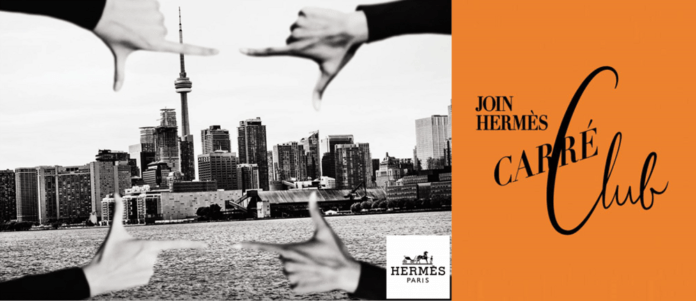
Hermès Hosting Unique ‘Carré Club’ Scarf Pop-Up Sept. 28-30 [Photos/Video]

Image: ‘Hermès Carré Club’

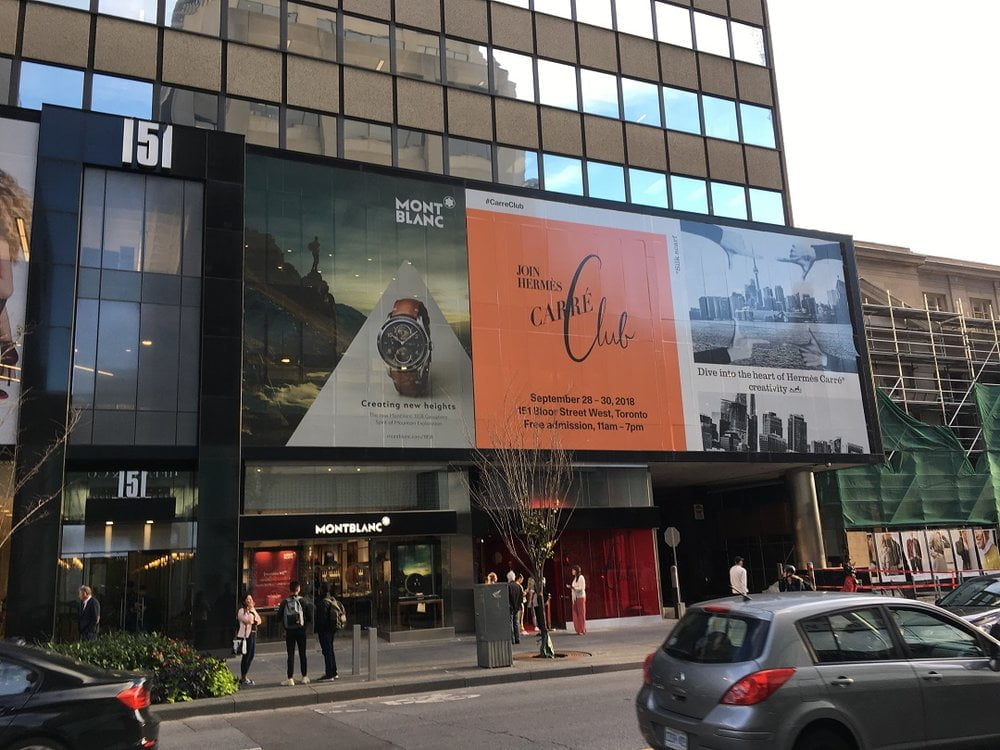
French luxury brand Hermès is hosting one of the more interesting pop-up activations we’ve seen this year on Toronto’s Mink Mile. We attended a preview and were able to take photos and videos for this article. The ‘Hermès Carré Club’ is being hosted at 151 Bloor Street West on Friday, September 28 through to September 30 from 11:00am to 7:00pm daily. Admission is free. 

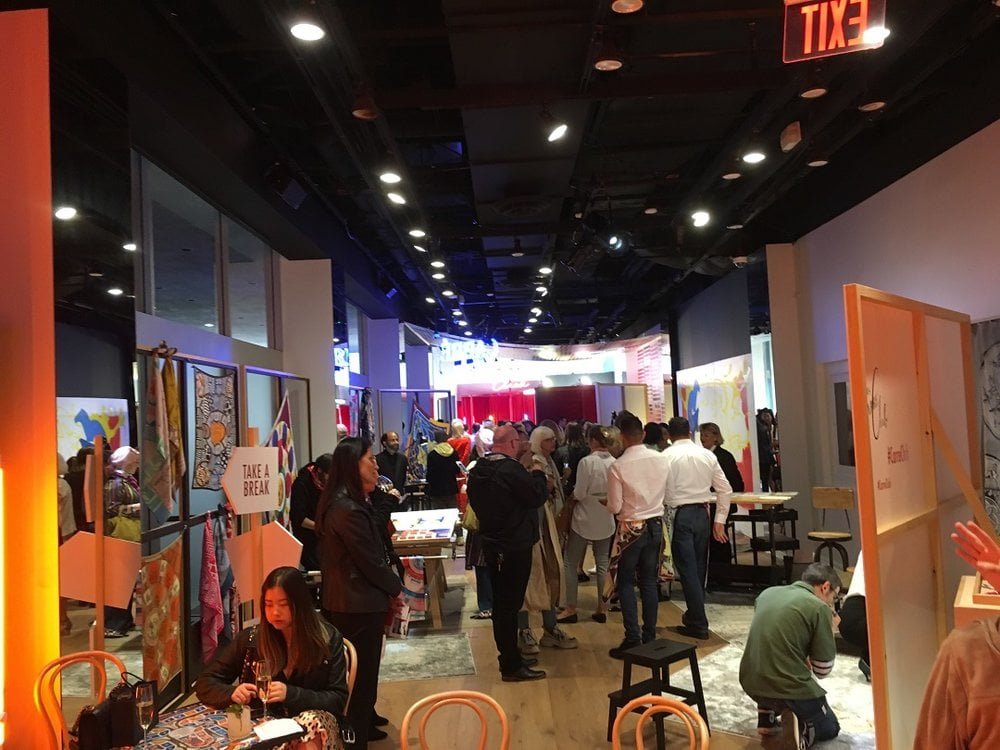
Hermès describes the pop-up as being an “immersive experience that will exhilarate your senses” that celebrates the brand’s iconic silk scarves. Guests are welcomed at the doors where they pass by the ‘Click and Check Concierge’, in an elongated space that includes several unique activations. 

At the ‘Carré Studio’, scarf designers hand-paint scarves for the public to view — a simple design is brought to light with vibrant colours and patterns. The Carrémania showcases the Hermès Carré Club capsule collection with limited edition scarves available for purchase. 

Hermès Carré Club -OUTSIDE 151 BLOOR STREET WEST IN TORONTO ON WEDNESDAY, SEPTEMBER 26. PHOTO: CRAIG PATTERSON

There’s also the ‘Carré Café’ offering coffee on site, which is free to the public all weekend as well. 

The Hermès Carré pop-up is worth checking out if you’re in Toronto’s Yorkville area this weekend and in some respects, it is a reflection of what the future of physical retail might look like. The company is creating an engaging experience for fans of Hermès, which creates top-of-mind awareness while maintaining relevance for the brand. Some retail experts predict that the future of brick-and-mortar retail may include branded ‘experience centres’ that engage the consumer rather than simply sell product, with e-commerce being part of the overall unified sales channel. 

Image: Hermès Carré Club

Hermès’ gorgeous Bloor Street flagship, which opened in November of 2017, is just up the street from the Hermès Carré pop-up. The two-level space at 100 Bloor Street West features an impressive interior with high ceilings, ample light, and a vast display of Hermès product ranging from fashions to home goods. 

In Canada, Hermès also operates stores in Vancouver, Calgary and Montreal. The Vancouver store is currently located at 755 Burrard Street, and it will be replaced by next year with a large two-level flagship at the southwest corner of Burrard Street and West Georgia Street. Hermès also operates concessions at Holt Renfrew in downtown Calgary and in Montreal, with the Montreal unit set to relocate to the Ogilvy building to coincide with the highly anticipated Holt Renfrew Ogilvy merger which will be complete by the end of this decade

*Editor’s note: Arlin Markowitz, Senior Vice President at CBRE’s Urban Retail Team in Toronto, represented landlord Slate Asset Management as listing agent and also as advisor to Hermès in the short-term lease deal. Mr. Markowitz also coordinated a short-term deal with BMW for a pop-up that will be revealed soon, and the retail space at 151 Bloor Street West is also available on a long term basis — [151 Bloor St. W. Flyer]

MUJI Metrotown Expansion to Feature 1st in Canada Offerings [Update]

exc-5bad75604785d350be6c8fb2


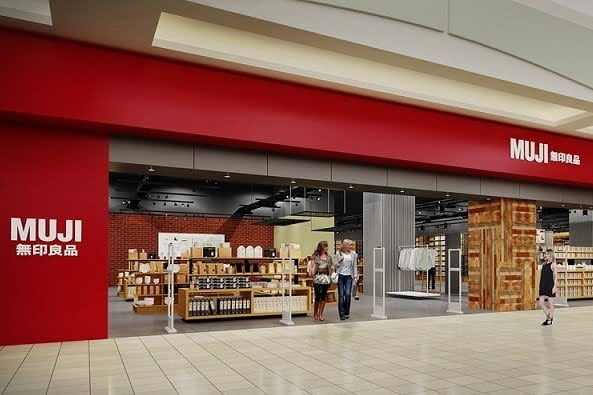
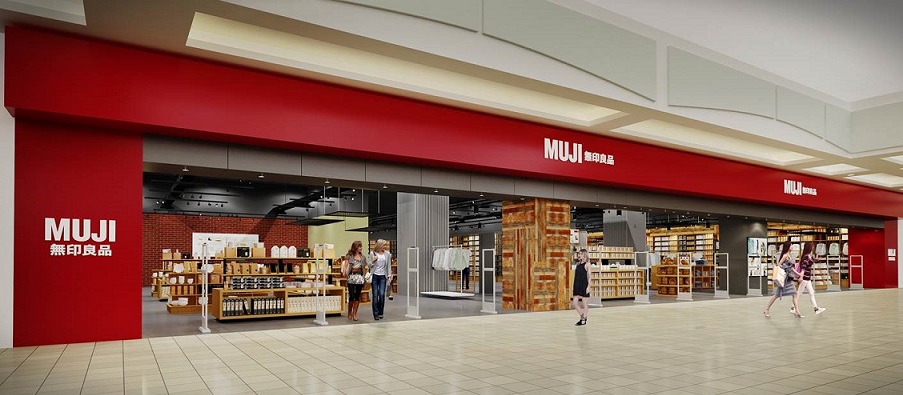
Rendering of the expanded Metrotown store, provided by MujiRendering of the expanded Metrotown store, provided by Muji

Rendering of the expanded Metrotown store, provided by Muji

By Craig Patterson

Minimalist Japanese retailer Muji, which opened its first store in Western Canada at Metropolis at Metrotown in suburban Vancouver in August of 2017, has provided an update on an expansion that will see the location’s retail space expanded by more than 50%. The store will close temporarily on October 1 to complete construction, and it will re-open at the end of October. 

The expanded store will measure 12,305 square feet on one level, according to Muji, which will involve adding 4,535 square feet of retail space to the current 7,770 square foot store. The expansion is made possible by annexing three separate retail spaces that were adjacent to Muji including Change Lingerie, which relocated in the mall for Muji’s growth spurt. 

“When we opened our first store in Western Canada, in August 2017, we were very surprised and happy to see so many people coming to visit us,” says Toru Akita, president of MUJI Canada, in reference to the Metrotown store and its expansion. “One year later, we think it’s time to thank our loyal customers by offering them a bigger and better MUJI Metrotown.”

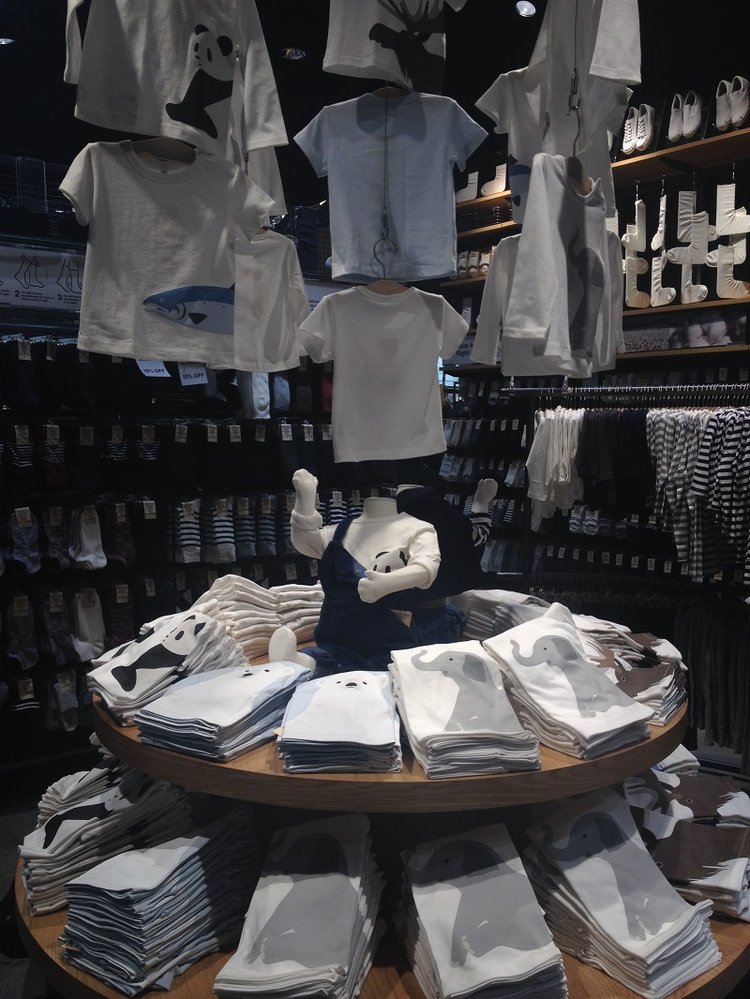
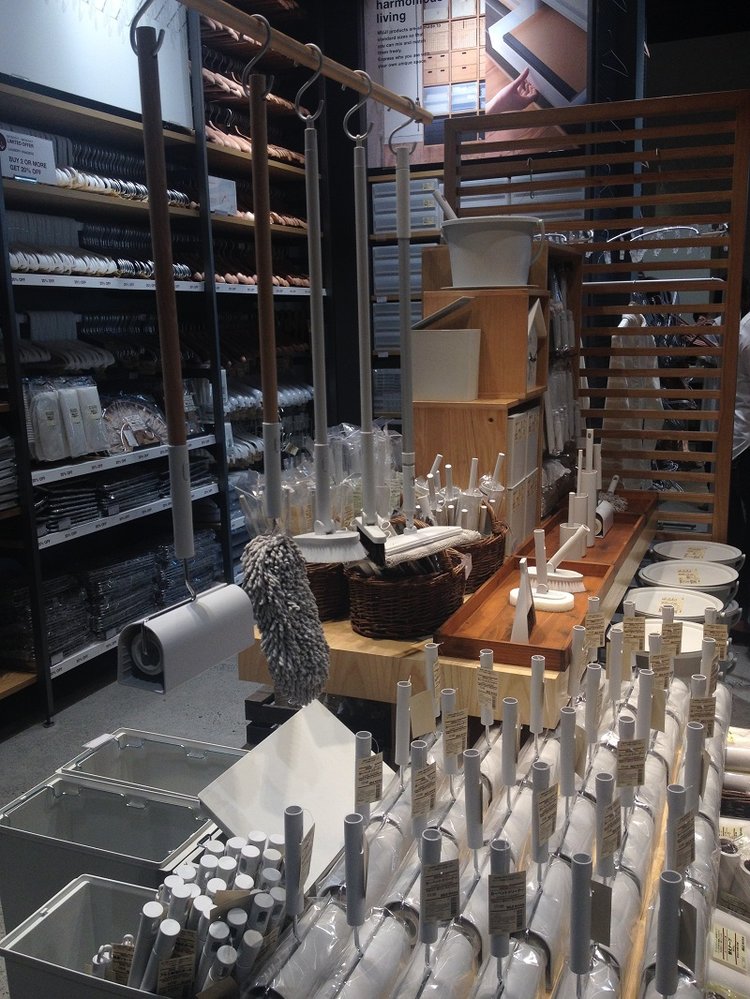
When it re-opens in late October, the expanded Metrotown Muji flagship will carry the brand’s full range of merchandise, including more than 4,000 items including household goods, apparel and food. The store will also offer new services such as Muji’s Interior Advisory service and Style Advisory service, as well as the full ‘MUJI YOURSELF’ customization service which will be available, including embroidery, stamps, gift wrapping and label printing.

For the first time in Canada, Muji will introduce a brand-new complimentary alteration service to the Metrotown flagship — the company continues to add unique new features to its stores as they expand. As well, Muji Metrotown will be the second in the country to feature the brand’s Aroma Bar, which allows customers to create a customized fragrance blend by choosing from more than 40 essential oils (the Vancouver Robson Street flagship was the first). 

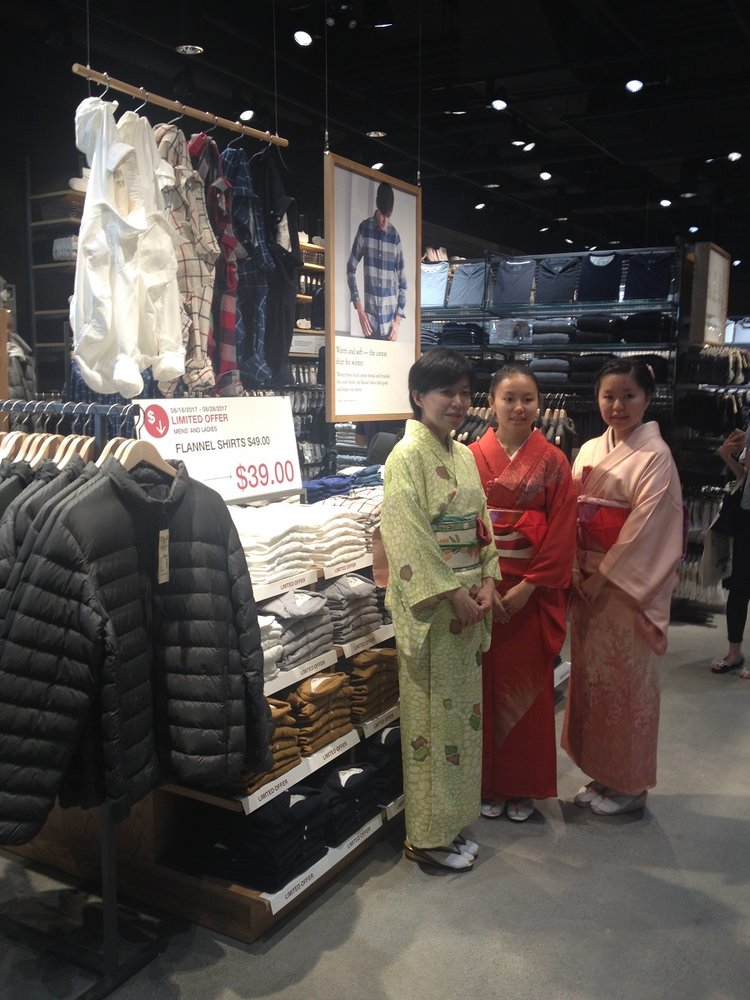
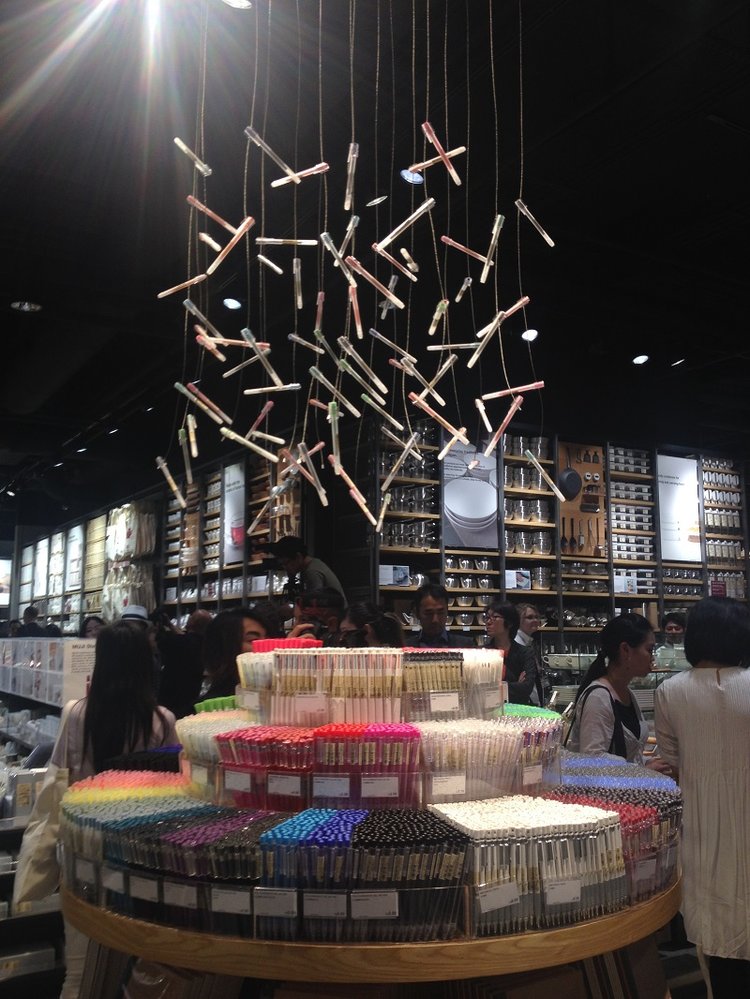
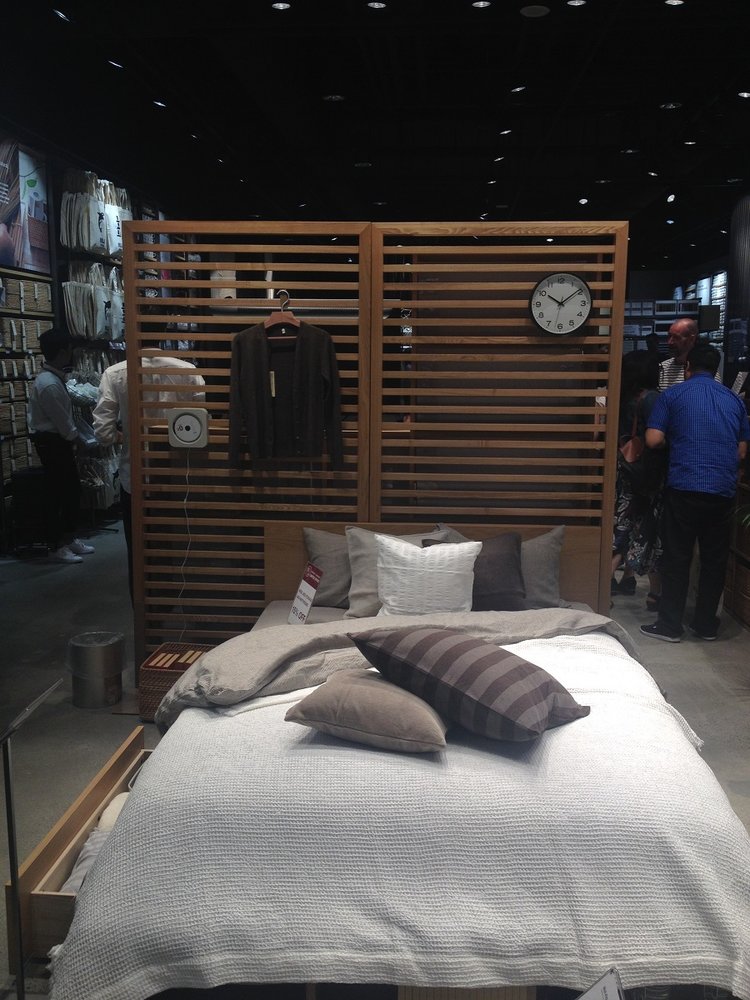
Photos of original interiors during the store preview on Friday, August 25, 2017 (courtesy of Susanne Milner) before its first opening:

Muji currently operates three stores in the Vancouver area. In the fall of 2017, Muji opened its gigantic 14,507 square foot store in downtown Vancouver at 1125 Robson Street, and it remains to this day the largest Muji store outside of Asia. In the spring of 2018, the retailer also opened a 6,355 square foot store at CF Richmond Centre, which is said could also be in line for an expansion, given its exceptional sales. 

All three BC Muji lease deals were coordinated/negotiated by Martin Moriarty and Mario Negris of CBRE Vancouver, as well as Arlin Markowitz from CBRE Toronto.

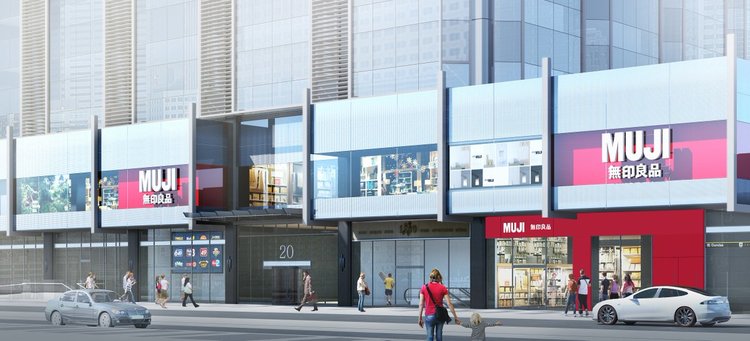
Muji’s first Canadian store opened in Toronto in November of 2014 at the Atrium, which is a multi-use complex featuring retail at its base as well as retail above. That 4,400 square foot MUJI store was temporarily relocated while the permanent space is expanded to a whopping 19,125 square feet, which will surpass the Vancouver Robson Street flagship to become the largest Muji store outside of Asia. The Toronto flagship will reopen this fall, spanning two levels that will be connected by escalators (a first for Muji in Canada). 


The expanded downtown Toronto flagship at 20 Dundas St. W. will become Muji’s largest store outside of Asia when it re-opens this fall. Rendering; MujiThe expanded downtown Toronto flagship at 20 Dundas St. W. will become Muji’s largest store outside of Asia when it re-opens this fall. Rendering; Muji

The expanded downtown Toronto flagship at 20 Dundas St. W. will become Muji’s largest store outside of Asia when it re-opens this fall. Rendering; Muji

The company’s largest store, globally, is a 46,300 square foot store in Osaka Japan, which features food and beverage offerings (including its ‘Café & Meal’ concept) as well as a fresh grocery section.

Prior to opening its stores in British Columbia, Muji launched its operations in Toronto where it now operates five stores. Its second Canadian location, spanning 5,225 square feet, opened at Mississauga’s Square One in November of 2015, followed by the October 2016 opening at Toronto’s Yorkdale Shopping Centre (6,375 square feet) and the Summer 2017 debut of a 6,000 square foot space at CF Markville, north of Toronto. Most recently, Muji unveiled a  a 6,800 square foot store at Scarborough Town Centre

MUJI’s Canadian President, Toru Akita, has said that he expected MUJI to operate between 15 and 20 stores in Canada by the year 2020, and it has already mapped out many of the locations where it plans to expand, which may include malls as well as urban street front locations. 


Craig Patterson, now based in Toronto, is the founder and Editor-in-Chief Retail Insider. He’s also a retail and real estate consultant, retail tour guide and public speaker. 

Follow him on Twitter @RetailInsider_, LinkedIn at Craig Patterson, or email him at: craig@retail-insider.com.

Ossington Avenue Continues to Transform as it Adds Innovative New Retailers

exc-5ba716d024a69414e2f964e7

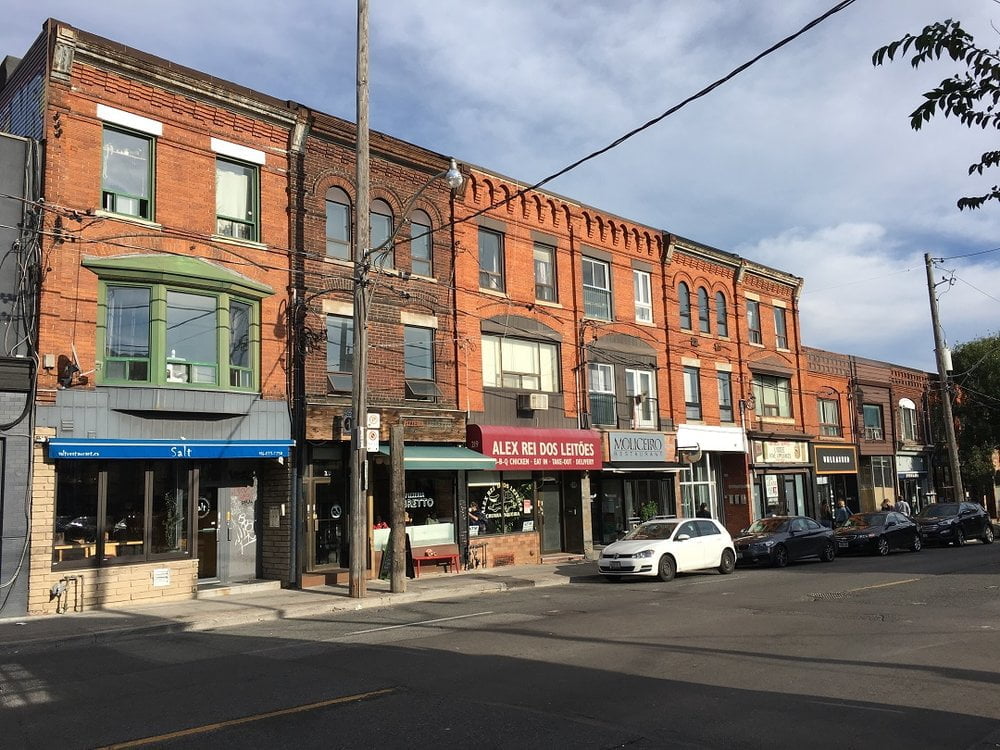
Ossington Avenue in Toronto continues to transform into a unique strip of retailers and restaurants. Once a seedy address known for its bars, the character street is being repositioned as an upscale, diverse neighbourhood that is becoming a favourite for first-to-market retail concepts. 


Photo: Craig Patterson

The particular stretch of Ossington Avenue between Queen Street West and Dundas Street West is especially hot right now, with developers such as Hullmark buying up properties for redevelopment. The location makes sense — residential areas surrounding the strip are amongst the most desirable in the city for many families, and popular Trinity Bellwoods park is just three blocks east. The ‘West Queen West’ strip to the south was declared by Vogue magazine in 2014 to be the ‘second coolest’ in the world

Ossington Avenue has found its own cool factor, made possible in part by the street’s diverse mix of heritage buildings and modern architecture. Gritty sidewalks create authenticity, as does street art and building uses such as self-storage. 

Things are changing as new retailers come into the area, and what’s resulting is an overall elevation to the Ossington Avenue retail strip. Detroit-based Shinola opened its first Canadian store at the corner of Queen Street and Ossington in the summer of 2016, joining well known brands such as Tiger of Sweden which is located nearby. In the fall of 2016, Lululemon unveiled its first standalone men’s store called ‘The Local’ at 96 Ossington Avenue, in a building now housing Vancouver-based Ride Cycle Club and Burton Snowboards’ first standalone Canadian store. 

The newly constructed 109 Ossington building is particularly notable. It has seen the addition of five new retailers including a 2,000 square foot grocery store called Fresh City Farms, which was formerly an online-only retailer. Pilot Coffee recently relocated to a location in the building which is now the company’s largest, and Vancouver-based women’s fashion brand ‘The Latest Scoop’ opened recently, as well. Unique Omakase Japanese restaurant concept ‘Narami’ took the most northerly unit in the building and opened to the public in August, and a very innovative retail concept will be announced for the remaining space when permitted — we can say that it will be unlike anything in Canada to date.

Aly Damji, Senior Vice President at Hullmark Developments, explained how 109 Ossington Avenue has helped animate the street further with boutique, fine grain retail spaces. While the building had about 11,000 square feet of retail space available and rather than leasing it to larger tenants (there is a site specific by-law limiting size of retail at the development to no more than 5,000 SF each), Mr. Damji explained how Hullmark broke the space up into smaller units in order to create a “neighbourhood feel” that includes smaller storefronts that provide a more diverse and interesting pedestrian shopping experience.


Hullmark recently acquired the row of residential houses located between 46 and 54 Ossington Avenue and the idea is to renovate these to create an innovative mix of retail at grade with office space proposed above. Mr. Damji explained that the development will help bridge that part of the street by extending the retail that characterizes the street on either side. A whimsical illustration has created interest in the development. Renovation of the existing buildings are slated for next year with delivery for possession in the open market by the end of 2019.

The building with address 12 Ossington Avenue, another Hullmark development, is a further example of how Hullmark is trying to enhance the street with thoughtful interventions. The project which is designed by award-winning Canadian architect Hariri Pontarini, will be a ~20,000 square foot building that will attract top tier retail with office space above. Mr. Damji explained that one of Hullmark’s goals is to add more office space in the area to further increase foot traffic for local retailers and restaurants. Furthermore, Mr. Damji explained that office users continue to seek out boutique and high-design spaces in non-traditional office nodes that are vibrant live/work/play environments. Right now, 12 Ossington is currently in the approval process and Hullmark hopes to commence construction within 12 months.

Hullmark is also actively developing a 35,000 square foot building nearby at 944-952 Queen Street West, which features creative agency Sid Lee as its anchor, as well as a 3,000 square foot restaurant concept by well-known chef Matty Matheson (details to follow). A publicly-accessible courtyard will be an amenity to the project. One remaining retail space in the complex, measuring approximately 3,000 square feet, is currently available.

Several deals in the area have been coordinated by the team at CBRE in downtown Toronto, under the direction of Arlin Markowitz, Alex Edmison, Jackson Turner and Teddy Taggart

Ossington Avenue already boasts some significant retail brands — Style Garage, Peace Collective, Reiging Champ, House of Horvath Cuban cigars and V de V are on the strip, and more interesting retailers and food and beverage concepts are looking at the area as it continues to transform. 

That transformation will likely reflect the changing demographics in the area, which are driven in part by its exceptional location. The surrounding area is home to schools, parks and convenient shopping, which means that it is a target for singles as well as families with children seeking an urban location with character, amenities, and a closer proximity to downtown employment centres than the far-flung suburbs which offer larger homes, but less ‘cool factor’. Because the residential real estate market is a target for households with duel-income families, real estate prices have escalated quickly and the area is now one of the most desirable in the city. As high-income households continue to move into the area, Ossington Avenue and West Queen West are expected to see new businesses and redevelopment that will continue to transform the area into something more upscale than in years past. 

Are we really ready for privatized pot sales?

exc-5bac2684c83025ead38de69c


In less than a month, marijuana can be legally purchased from private retailers in Ontario and some other places across Canada. Are we ready for it? THE CANADIAN PRESS/Darryl DyckIn less than a month, marijuana can be legally purchased from private retailers in Ontario and some other places across Canada. Are we ready for it? THE CANADIAN PRESS/Darryl Dyck

In less than a month, marijuana can be legally purchased from private retailers in Ontario and some other places across Canada. Are we ready for it? THE CANADIAN PRESS/Darryl Dyck

By David Soberman

The Ontario government under Premier Doug Ford plans to privatize the retail sales of marijuana once it becomes legal next month, in contrast to the policy of the previous provincial government.

Before the end of this year, cannabis sales become legal across Canada with a variety of distribution approaches under consideration. Five other provinces — British Columbia, Alberta, Saskatchewan, Manitoba and Newfoundland — plan to allow private stores to sell recreational marijuana while others, like Quebec and Nova Scotia, have opted for government-operated retailing.

Sales in Ontario will begin online this fall before expanding to retail locations at a later date.

Ford’s reasoning appears to be ideological: There is too much government, and whenever it’s feasible and safe for the private sector to conduct an activity, it’s better.

But to assess the wisdom of privatizing marijuana sales in Ontario and in Canada at large, it’s useful to consider a number of key factors that affect the market for marijuana as we move toward legalization.

One in five Canadians Indulges

Almost 20 per cent of the Canadian population consumed marijuana last year, according to recent surveys. This has two implications.

First, because recreational marijuana is not legal, a substantial fraction of the Canadian population is engaging in illegal activity that can lead to criminal charges. This will change when the law comes into force.

Second, because marijuana cannot be obtained through legal channels, a massive black market exists for weed. The primary beneficiaries of this black market are individuals and organizations that operate outside the law.

Legalization will decriminalize a significant number of Canadians, and some argue it will also pull the rug out from under the feet of criminals who currently run the trade in Canada.

In addition, the legalization of marijuana will lead to a new industry that will create thousands of new jobs and pay taxes, something criminals typically do not do. Whether one agrees with this argument or not, it’s important to keep this in mind when we assess the proposed privatization of marijuana sales.


Cannabis plants intended for the medical marijuana market are shown at OrganiGram in Moncton, N.B., in 2016. Proponents of legalization say it will create new industries and jobs. THE CANADIAN PRESS/Ron WardCannabis plants intended for the medical marijuana market are shown at OrganiGram in Moncton, N.B., in 2016. Proponents of legalization say it will create new industries and jobs. THE CANADIAN PRESS/Ron Ward

Cannabis plants intended for the medical marijuana market are shown at OrganiGram in Moncton, N.B., in 2016. Proponents of legalization say it will create new industries and jobs. THE CANADIAN PRESS/Ron Ward

Beyond the ideological argument for privatization, five key factors need to be considered to assess the proposed privatization of sales.

These factors are availability, pricing, the government/health community’s perspective on recreational marijuana use, education and quality control.

Availability

There is little doubt that the privatization of marijuana retailing will lead to increased availability compared to government-based distribution. Privatization will mean an increased number of outlets, with likely longer daily operating hours as well as openings on statutory holidays.

When legal marijuana is easier to access, the likelihood that people choose it over black market weed is higher.

However, the increased availability of a product typically leads to higher consumption. It is unclear whether that’s the government’s goal; nevertheless, higher availability generally has this effect.

Pricing

The most important driver of black market sales for a particular product is the price gap between legal (or authorized) products and those that are available on the black market. When the gap is large, black markets generally flourish.

The Ontario government previously announced that it plans to price marijuana at $10 a gram before tax (or $11.30 a gram including tax). However, a recent crowd-sourced survey that Stats Canada completed in July 2018 reports price swings for black market marijuana in Canada that range from $5.82 a gram in Quebec to $11.14 in the Territories.

In the survey, the reported price in Ontario was $7.38 per gram. That’s an approximate 34-per-cent gap compared to the planned legal price in the province. For a regular marijuana user, this gap can represent annual savings of hundreds of dollars, and may not eliminate the incentive to buy on the black market.

The government perspective

Until now, most public discourse regarding marijuana relates to decriminalizing the product for many users and the need to eliminate the black market. Unfortunately, insufficient discussion has been directed to determining whether recreational marijuana is a social bad or a social good.


An Ottawa bartender makes a cocktail in this 2015 photo. Booze isn’t taxed as highly as tobacco in Canada. THE CANADIAN PRESS/Justin TangAn Ottawa bartender makes a cocktail in this 2015 photo. Booze isn’t taxed as highly as tobacco in Canada. THE CANADIAN PRESS/Justin Tang

An Ottawa bartender makes a cocktail in this 2015 photo. Booze isn’t taxed as highly as tobacco in Canada. THE CANADIAN PRESS/Justin Tang

Historically, the government has taken clear positions through taxation on the impact of different products. Tobacco is seen as a social bad. That’s why cigarette taxes are so high and why the government has sponsored anti-smoking campaigns for decades.

Alcohol has a more muddled reputation. That’s because consuming large amounts of alcohol has terrible effects on health yet consuming small amounts from time to time does not appear to have a negative impact. So the level of taxation on alcohol, while high, is significantly lower than the level of tobacco.

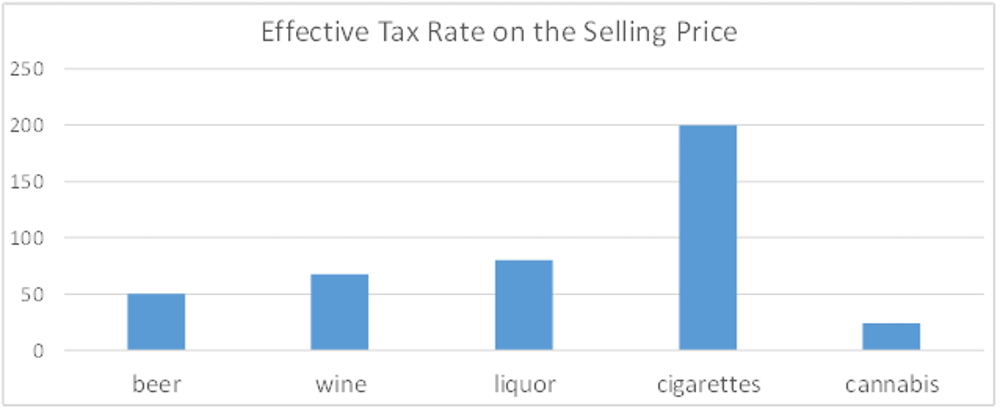
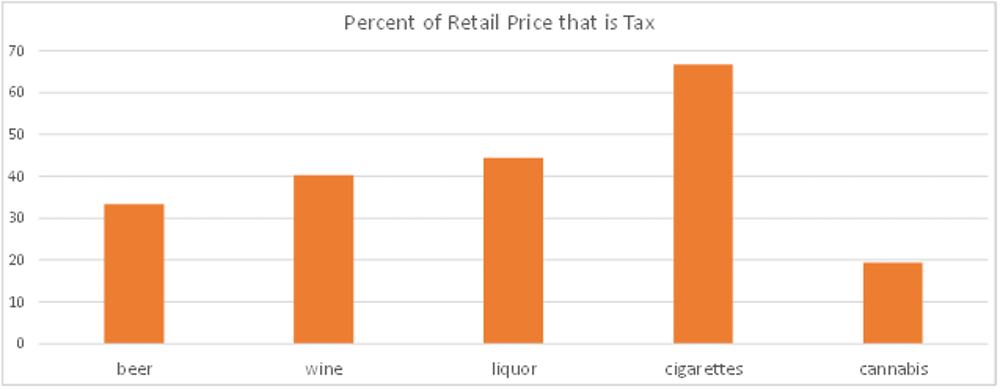
One way we can infer the government’s position regarding recreational marijuana use is to compare the level of taxation across categories with the fraction of the expected retail price that is tax. The graphs below provide that information:


Author providedAuthor provided

Author provided


Author providedAuthor provided

Author provided

It’s apparent that the level of taxation on recreational cannabis is lower than other regulated products. Independent of how the tax is split between the province and the federal government (75/25 is the plan), the government is not discouraging consumption as it does with tobacco. In fact, these charts suggest that maybe the opposite is taking place.

Education

Recent news coverage has focused on the business and retail aspects of legalization and the issue of education almost seems like an afterthought. With a product like cannabis that has significant physical and psychological effects, the public needs to be better educated about its consumption.

There are lots of questions surrounding marijuana yet the reality for most Canadians is: It is difficult to obtain information on the pros and cons of a product that is not legal.

It seems that government-controlled stores may be better than the private sector at distributing educational materials and/or establishing programs to help Canadians understand the advantages and disadvantages of recreational marijuana use.

Quality control

With multiple suppliers already growing marijuana or set to enter the market, the supply is highly fragmented, and there could be significant quality differences across manufacturers.

As a result, quality control is an important issue. After all, marijuana is something people ingest. Pharmaceutical products, while distributed privately, are tightly controlled and subject to significant quality control.

The marijuana industry should be subject to similar quality checks, manufacturer validation and manufacturer monitoring, which would be more efficient and effective through a tightly controlled distribution system.

As we contemplate the future of recreational marijuana distribution in Canada, there are still many questions for both the public and government to consider before Oct. 17.


0.jpg0.jpg

David Soberman is a Professor of Marketing and the CN Chair in Strategic Management at the Rotman School of Management at the University of Toronto. Professor Soberman joined the Rotman School in September 2008 after spending 12 years at INSEAD in Fontainebleau, France. He is a licensed Professional Engineer (Ontario), holds a Ph.D. (Management) from the University of Toronto and an MBA and a B.Sc. in Chemical Engineering from Queen’s University in Kingston. Follow him on Twitter at @dasoberman.

Danier’ Opening Stores into New Markets as it Expands Nationally

DANIER CF TORONTO EATON CENTRE. PHOTO: CRAIG PATTERSON

Canadian fashion brand Danier is continuing to open stores in new markets as it becomes a national brand again, after it relaunched its operations in the fall of 2016. By the end of next week, the company will have opened 10 stores in the country, and within three years plans to operate as many as 30 locations nationally. 

The new Danier is a reincarnation of the former ‘Danier Leather’ which sought creditor protection in February of 2016 and as a result, closed all of its stores. The company’s intellectual property was purchased in July of 2016, and the new owners re-established the Canadian company with a focus on a broader range of fashions for both men and women including ready-to-wear, outerwear (including some leather styles), bags and accessories. Designs are modern, fashion-forward and of a high quality (including luxurious fabrics and lambskin), and prices are kept reasonable in order to attract a broader demographic. 

PHOTO: DANIER FACEBOOK

Danier’s first new store opened in the fall of 2016 at the Oshawa Centre, east of Toronto, followed soon after by locations at Mapleview Shopping Centre in Burlington, and at Upper Canada Mall in Newmarket. As of today, the company operates eight locations in Ontario’s ‘Greater Golden Horseshoe’ which extends south to the Niagara Falls area where it has a store at Outlet Collection Niagara, as well as at the Falls View Casino Resort. A location at Outlet Collection Winnipeg is currently its only store outside of the province. 

This week, Danier’s ninth store opens at the Scarborough Town Centre in Toronto, which will be its third store in the City of Toronto. Danier’s other two stores include a unit at Toronto Dominion Centre in Toronto’s Financial District which opened early summer 2017, as well as at CF Toronto Eaton Centre which opened a couple of months ago. 

SCARBOROUGH TOWN CENTRE LOCATION. PHOTO: DANIER FACEBOOK

On Friday, October 5, Danier opens its 10th store at CF Masonville Place in London, Ontario. The mall is one of Canada’s most productive in terms of annual sales per square foot — Retail Council of Canada will launch its 2018 Canadian Shopping Centre Study this fall (Retail Insider’s Craig Patterson is putting it together) and CF Masonville is on track to surpass $1,000 per square foot within a couple of years. 

Over the next two-to-three years, Danier expects to operate between 20 and 30 stores Canada wide. The goal is to have enough locations so that customers can try on and feel the garments, with an omni-channel strategy which also encourages online purchases. Danier launched its e-commerce site in December of 2016, recognizing that the way consumers shop is changing rapidly. Its physical stores are designed to be bright and modern, reflecting the brand’s positioning of being ‘accessible luxury’. 

Having the ‘right’ location is key for Danier, and the company is working with broker David George of DEG Consulting. Stores are ideally in the 1,500 to 2,000 square foot range, and may be located in major shopping centres, outlet centres, on high streets, and even in a casino retail concept as with its Niagara Falls store. 

PHOTO: DANIER FACEBOOK

Danier is seeing strong sales in Canada with its mix of leather and fabrics such as wool, with a focus on flattering basics which can be layered depending on the climate and look. Fashions are contemporary in nature and are made to be wearable. 

This fall, the company is launching a new product called the ‘Danier Collar’, which is a racoon fur detachable collar that can be worn with comparable Danier jacket styles for men and woman, or on its own with other garments. The Danier Collar will come in an array of colours, allowing consumers to personalize their style and change the look of garments. Each costs $237 and will be available at Danier stores as of October 11.

It’s all part of the trend towards customization, which is being adopted by leading retailers globally.

How First Capital Realty Curates Retail Communities Through Neighbourhood Acquisitions

exc-5baac1fb0d92977f46efc360

First Capital Realty has strategically made an effort of consolidating real estate property in key retail districts in order to create a synergystic and vibrant shopping neighbourhood.

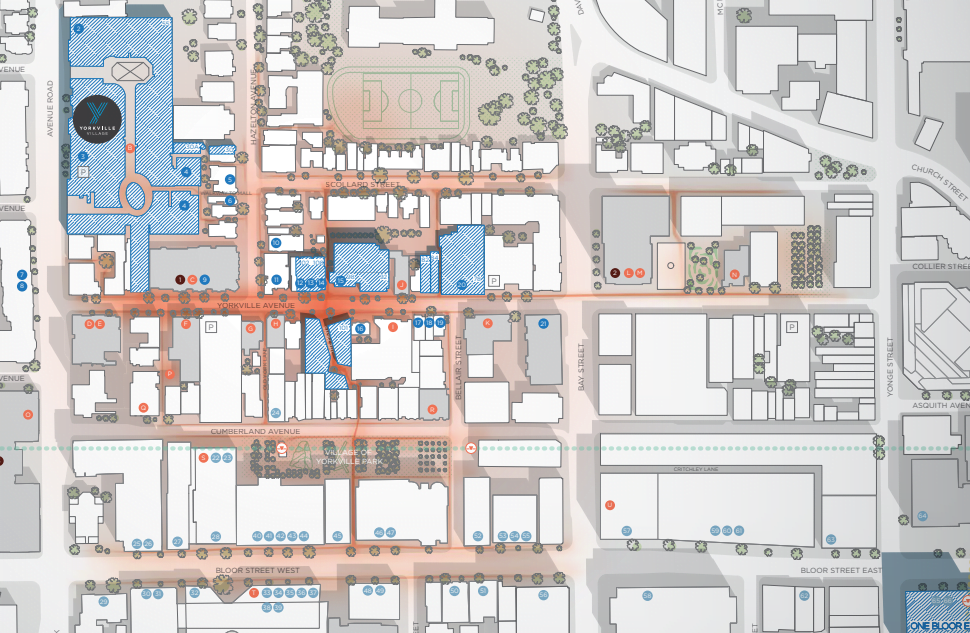
It’s a strategy the company has successfully deployed in places such as Yorkville Village in Toronto, Liberty Village in Toronto and Mount Royal Village in Calgary.

Yorkville Village.
Mount Royal Village Location in Calgary.

Jordan Robins, executive vice president and chief operating officer with First Capital, told Retail Insider that the company thinks about real estate in a holistic way.

“In addition to curating the retail properly, we think about the retail in the context of the neighbourhood it’s situated in,” said Robins. “Creating a retail mix and public realm space that services the community results in functional real estate that works within the confines of the neighbourhood it’s situated.”

Is there a common theme to what the company is doing in those neighbourhoods?

“We see ourselves more as master developers, a term you tend to hear more in Europe,” said Gareth Burton, senior vice president of construction and design with First Capital. “The philosophy is you envisage what could happen in a neighbourhood when you remove the shackles of boundaries.”

Burton said the company thinks about a certain neighbourhood, based on what First Capital currently owns, what it could acquire in the future, who its partners are and who it can work with to realize what really is possible.

So in the neighbourhoods such as Yorkville Village, Liberty Village and Mount Royal Village there’s an emphasis on analysis and strategy. Daytime population is key. So is employment in the area. Transit access and pedestrian friendly are also important elements.

“If I look at Yorkville or Liberty Village, we put together strategic pieces of real estate which some people, when we bought them, wondered why we’d buy those things,” said Burton. “As the network comes together, the neighbourhood comes together. As the neighbourhood comes together, the retailers come together, the owners come together and it becomes a real thing with a sense of place.

“So for us places like Yorkville Village, Liberty Village, Mount Royal West are organic neighbourhoods where we have a much bigger vision. It could be 20 years of gestation and in the end we would have something very, very special.”

Robins said as First Capital looks at aggregating properties in specific or targeted neighbourhoods it will support growth by virtue of the fact of the demographic that surrounds them in both income and population density.

“It’s more than buying the one piece of property whatever it may be – retail or commercial office,” said Robins. “By aggregating properties over time, you have a degree of control over how it will evolve and you can consider the neighbourhood in a broader way. You can also amortize the cost over a number of properties in a neighbourhood and translate that into creating something meaningful for the public realm that is broader than just a single property.”

Liberty Village, Yorkville Village and Mount Royal Village are the three places where First Capital’s philosophy is most prominent. But the company has also adopted a similar approach in Griffintown in Montreal.

“If you look at our real estate across the country, you’ll note that we aggregate real estate in specific areas we believe in and that supports this philosophy and we think we can add value to in a broader way,” added Robins.

Burton said the basic commonalities in these neighbourhoods is they’re all places that have the bones and the skeleton of something quite spectacular.

“If we can do what we want to do and if the communities can come together in the way we think they will, they’ll be the points on the map that everybody knows in those cities,” said Burton.

“I’m very interested in urban spaces because of what urban really means. Urban means that you have to have public transit, you have to have public space there, you have to have a good mass of people of significance.

Each of the neighbourhoods First Capital aggregates property is different but Robins said typically 10 to 15 properties for each are accumulated, making it the largest single property owner in those communities.

“We want to identify places that have the capability of being great neighbourhoods in cities that are expanding and becoming world-renowned. This will definitely resonate with prominent retailers, city builders and community partners”.

100 Bloor Street West Sees Significant Tenant Transition

IMAGE: GENSLER.

The 100 Bloor Street West retail podium in Toronto’s Yorkville area acts as a significant anchor to the city’s ‘Mink Mile’ luxury strip. The iconic complex, owned by ASG Equities, is in the process of seeing a significant transition that has seen the addition of two luxury retailers, and there are more opportunities for retailers to join them as tenants turn over and space becomes available at one of Canada’s best retail addresses.

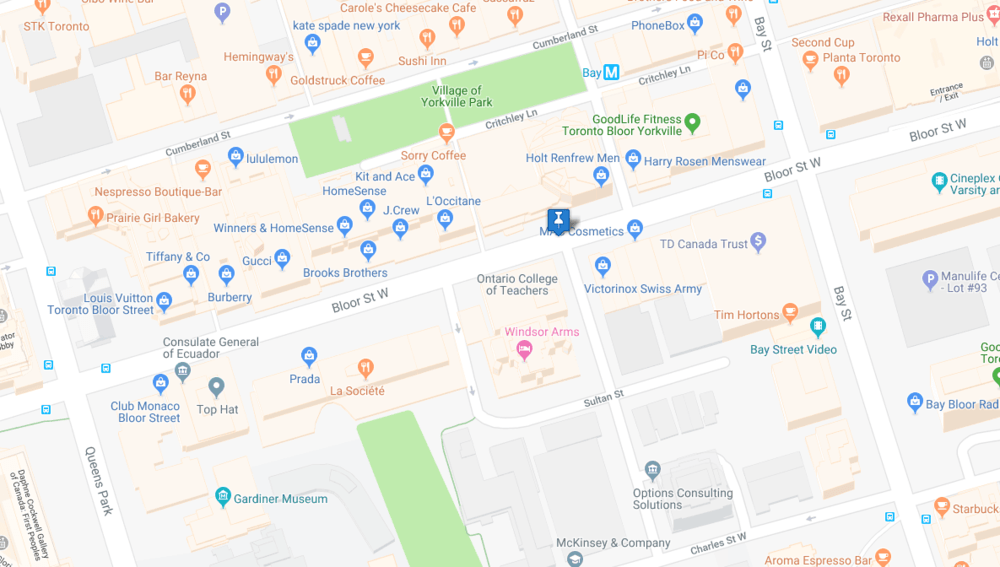
The 100 Bloor complex was built in 1999 by noted developer Tridel, and consists of the retail podium at the base of the luxury 10 Bellair Street condominium building. The building was acquired by New York City-based ASG Equities in 2003. The location at northwest corner of Bellair Street and Bloor Street West is remarkable— Harry Rosen’s flagship is located directly to the east across Bellair Street, and the Village of Yorkville Park is located directly north.

INTERACTIVE GOOGLE MAP

Arlin Markowitz, Senior Vice President of CBRE, is handling the leasing of 100 Bloor Street West. He explained how the location is one of the most significant in Toronto, being across Bellair Street from Harry Rosen’s flagship and across Bloor Street from notable retailers such as Cartier, Prada, and a future Dior flagship. The Village of Yorkville Park is located on the north side of 100 Bloor Street West, providing exposure to busy Cumberland Street.

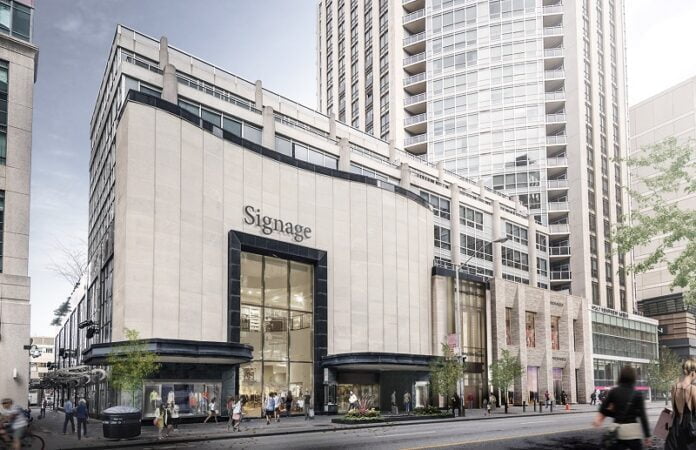
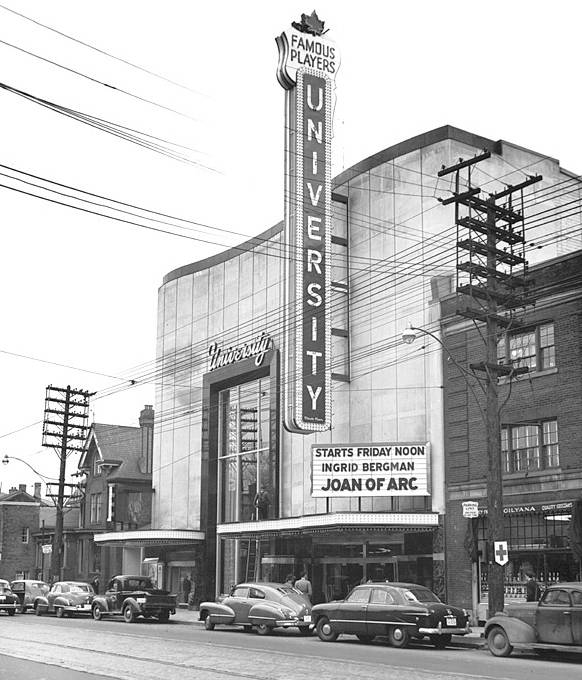
100 Bloor features the architecturally significant heritage-designated facade of the former University Theatre which once occupied the site, giving the complex its unique look that includes a massive 57-foot high sweeping facade. Another heritage facade for a building which once occupied the site, including two doors and an oval-shaped window, is now part of the lobby entrance to the 10 Bellair condominium tower facing Village of Yorkville Park on Critchley Lane.

The University Theatre opened in 1949 and with 1,300 seats, it was the largest movie house in Canada when it shuttered in 1986. The site sat vacant for several years and several developers had ideas for the site — ultimately Tridel acquired the nearly 40,000 square foot plot of land. The first retail tenants included four retailers facing onto Bloor Street, west-to-east: Pottery Barn/Pottery Barn Kids, Williams Sonoma, The Body Shop, and Roots, the latter which occupied a two-level flagship space at the corner of Bellair Street. At the back of the building are two retail spaces — in 2002, one became home to the first Toronto location for multi-brand luxury women’s retailer Milli, which operated in a 2,500 square foot luxury store facing Cumberland Street until 2016.

HISTORICAL PHOTO OF THE FORMER ‘UNIVERSITY THEATURE’. IMAGE: GENSLER.
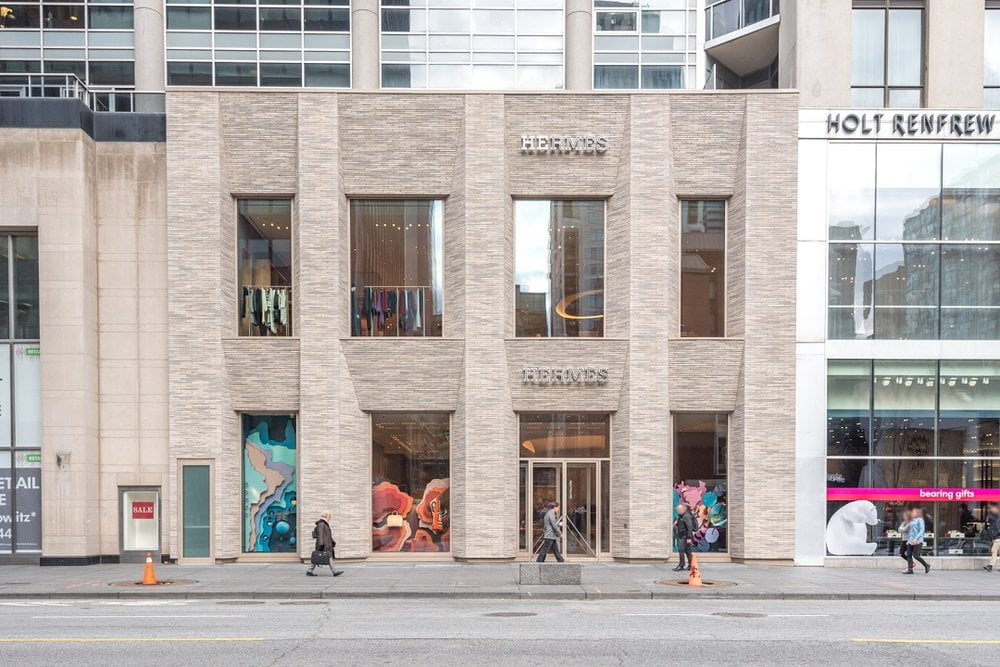
HERMES OPENED A LARGE FLAGSHIP IN NOVEMBER OF 2017. IMAGE: GENSLER.
Apple was rumoured to have been in discussions several years ago for a flagship space at 100 Bloor, though it ended up securing space nearby. 

After its lease expired, Roots vacated its massive corner flagship in 2014, as did The Body Shop next to it when its lease expired that year. That provided the landlord the opportunity to embark on a repositioning that took 100 Bloor’s tenancy to the next level. After a renovation in September of 2014, Holt Renfrew unveiled an impressive standalone men’s store, spanning about 16,500 square feet over two levels, marking the first luxury retailer to move into 100 Bloor Street West with an actual Bloor Street frontage.

Williams Sonoma closed its 100 Bloor Street location in January of 2017 and Pottery Barn followed, allowing for a repositioning of the podium for a fresh grouping of flagship retail tenants. Luxury brand Hermes leased about 13,000 square feet of space over two levels and in November of 2017, it unveiled an impressive brick-clad flagship store, taking over the facade formerly occupied by Williams Sonoma.

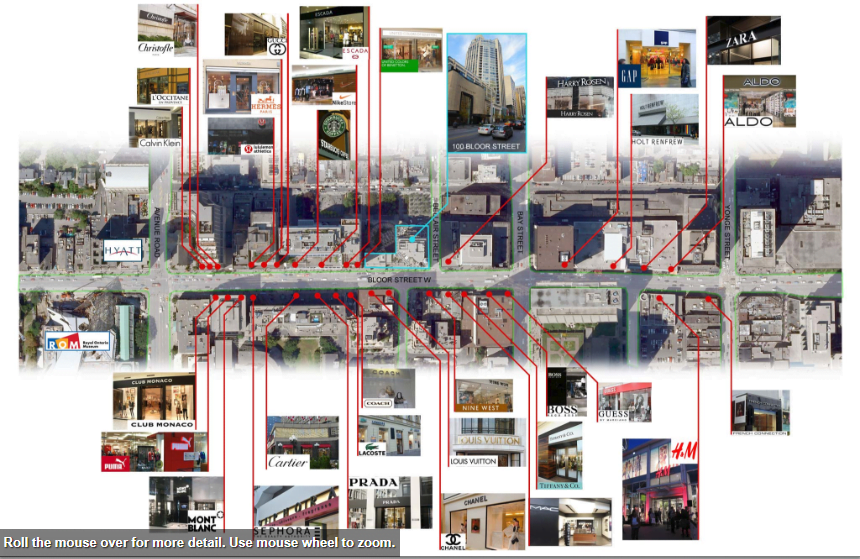
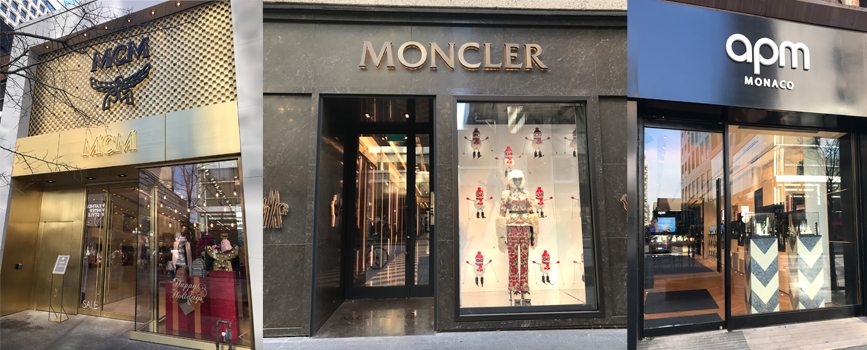
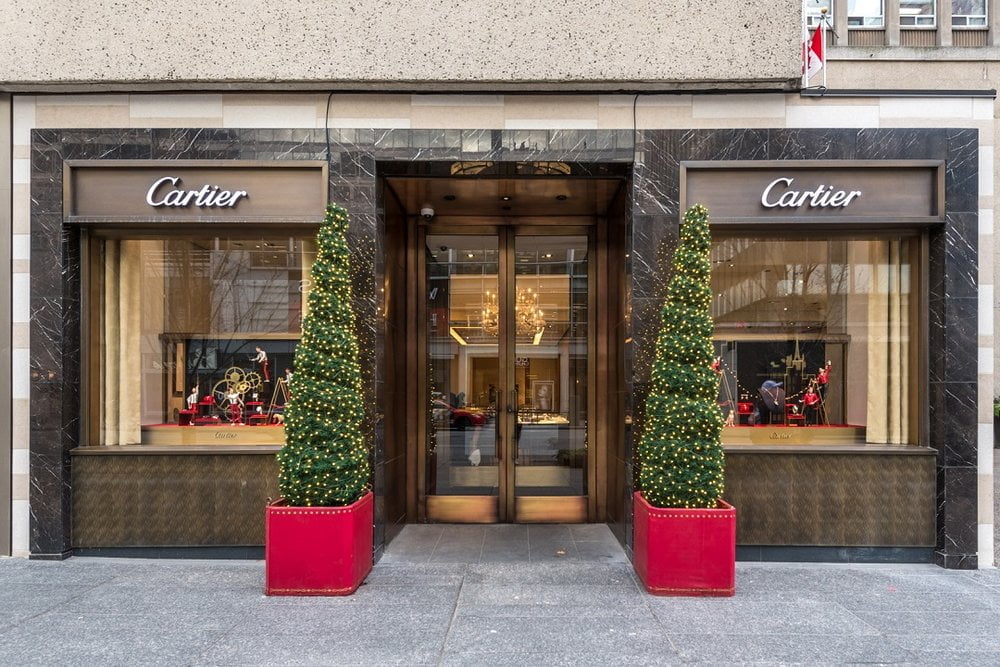
NOTABLE TENANTS NEARBY: MCM, MONCLER, APM MONACO AND CARTIER, AMONG OTHERS. PHOTO ABOVE: BLOOR-YORKVILLE.COM, PHOTO BELOW: GENSLER

The adjacent retail space west of Hermes will soon see the opening of Toronto’s first Ermenegildo Zegna flagship. The 2,500 square foot store (with an additional 750 square foot mezzanine), run in partnership with Harry Rosen, will become the second Canadian Zegna location when it opens this fall. CBRE’s Arlin Markowitz negotiated both the Zegna and Hermes deals.

The former Milli space at 100 Bloor Street West, which faces northward towards Cumberland Street, is being joined with some upstairs space and this fall, Canada’s second Barry’s Bootcamp location will be opening with views over Village of Yorkville Park (Arlin Markowitz represents Barry’s Bootcamp in Canada). 

As well, next to Barry’s Bootcamp and facing northward towards Cumberland Street will be a healthy vegan food concept called ‘Kupfert and Kim’. The 1,000 square foot + 500 square foot mezzanine restaurant, along with Barry’s, will create an ideal and well-curated tenant mix at the north side of the 100 Bloor complex that also faces onto the vibrant and attractive Village of Yorkville Park. Arlin Markowitz negotiated the deal with Jonathan Wygodny of City Commercial Realty Group acting on behalf of Kumfert and Kim.

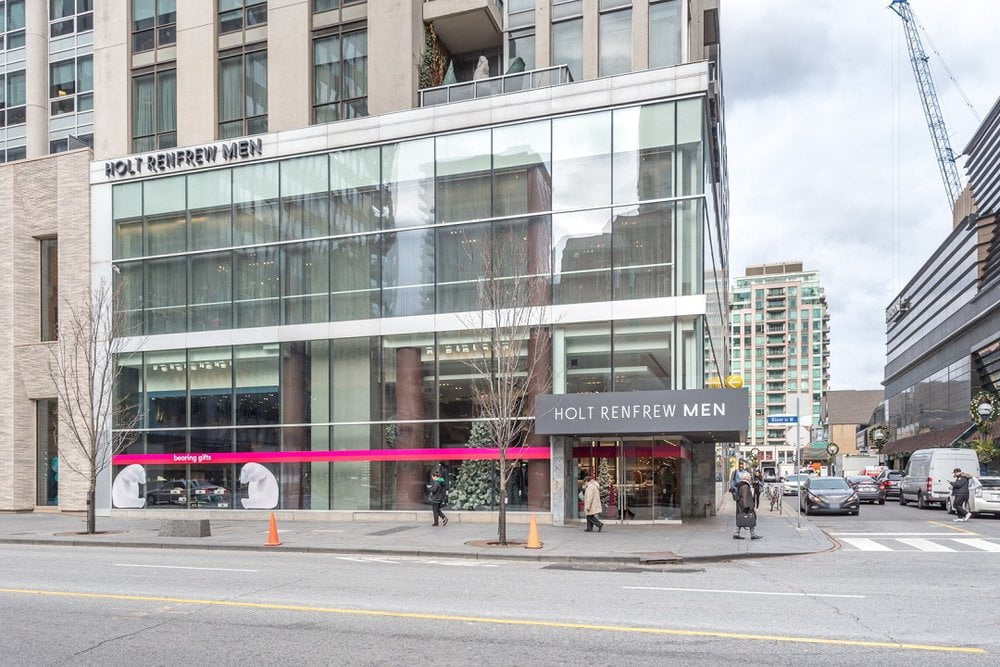
HOLT RENFREW MEN CURRENTLY ANCHORS THE BELLAIR STREET CORNER OF 100 BLOOR ST. W. IMAGE: GENSLER.

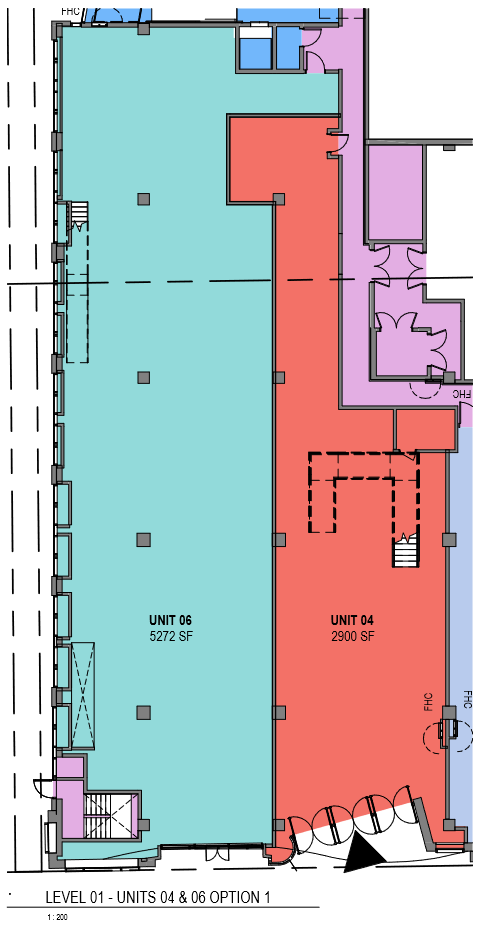
Part of 100 Bloor’s former Pottery Barn space is still available for lease. The two-level 15,800 square foot space can be configured in various ways for one or more tenants, providing tremendous opportunities for luxury and big brand retailers seeking a prestigious Bloor Street West address. 

Mr. Markowitz and 100 Bloor’s landlord noted that they’re in LOI discussions with several international, first-to-Canada brands that are looking to open a flagship store on the Mink Mile. Due to confidentiality and ongoing talks, potential tenants weren’t disclosed.

It’s unlikely that the remaining retail spaces at 100 Bloor Street West will remain vacant for long — the ‘Mink Mile’ is considered to be Canada’s most prestigious retail address, housing major brands such as Louis Vuitton, Tiffany & Co., Dolce & Gabbana and Prada. Christian Dior will be opening its largest store in North America in several months across the street from 100 Bloor Street West at ‘The Colonnade’.

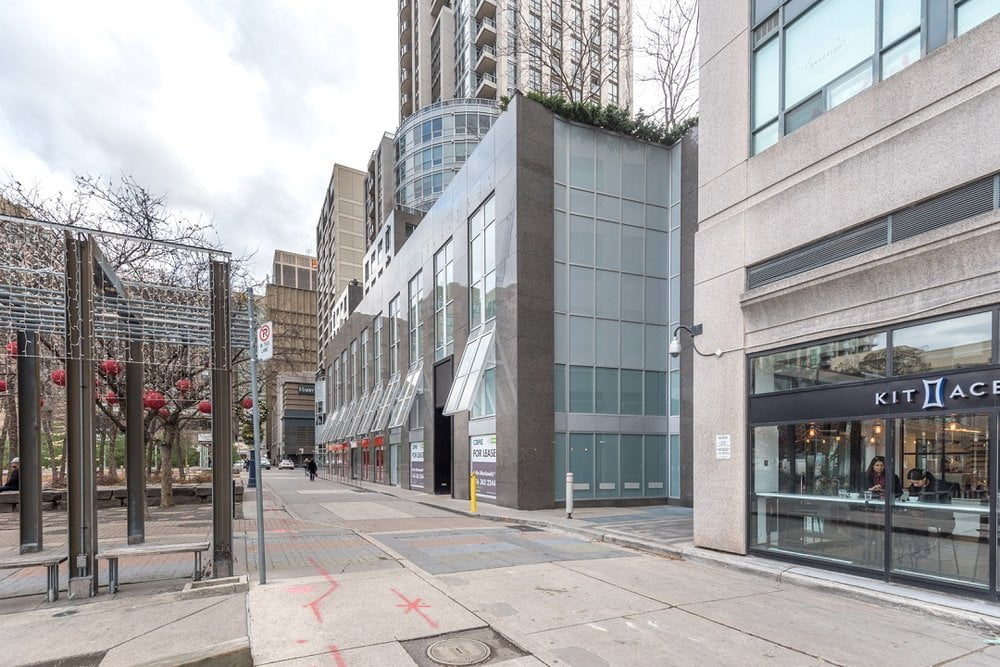
CUMBERLAND STREET/VILLAGE OF YORKVILLE PARK FRONTAGE. BARRY’S BOOT CAMP WILL OCCUPY PART OF THE SPACE. IMAGE: GENSLER.
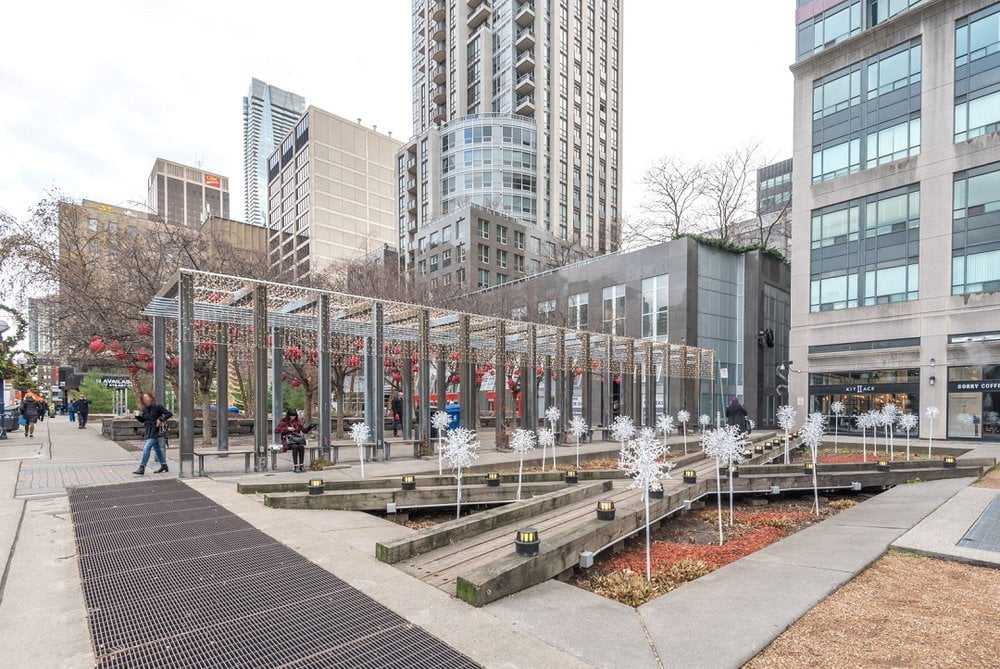
VILLAGE OF YORKVILLE PARK WITH 10 BELLAIR/100 BLOOR IN THE BACKGROUND. IMAGE: GENSLER.

The ‘luxury run’ of the Mink Mile spans roughly 300 metres, or 1,000 feet between, Bay Street and Avenue Road. The 100 Bloor podium spans about 70 metres or about 230 feet along the street which is known for its high-quality dark granite sidewalks. Furthermore, 100 Bloor is on the north side of the street which some refer to as being the “right side”, given that its south-facing storefronts are flooded with daytime sunlight. 

The area is also one of the country’s wealthiest, with Yorkville having the distinction of not only being affluent and dense, but also growing rapidly. The population is expected to double over the next several years as luxury condominium towers in the area are constructed and occupied. Some towers sold at an average of more than $1,500 per square foot and the nearby 50 Scollard tower will shatter records with units priced from $4-million to well over $20-million, averaging well over $2,500 per square foot. Nearby are iconic neighbourhoods such as Rosedale, South Hill, The Annex, Moore Park and Forest Hill, all considered to be important residential enclaves housing some of the wealthiest and most well-known Canadian households.

We’ll update this article as new tenant are secured for the retail component at 100 Bloor Street West.

For more information on 100 Bloor St. W: www.100bloorwestretail.com