By Frederic Dimanche
Retail was in trouble long before COVID-19 hit. The past five years saw daily reports of store closures and retailer bankruptcies.
The growth of online commerce eroded many retailers’ top-line revenues, forcing them into an ongoing cycle of discounts and promotions just to keep up.
But even amid this debacle, direct-to-consumer brands increasingly expanded their physical presence. Warby Parker, the online eyewear provider, currently operates 65 outlets and Away, the luggage company, recently raised US$100 million to open 50 stores.
But when COVID-19 brutally put a stop to physical retail, many strained small- and medium-sized businesses quickly moved their business online, as shown by Shopify’s 47 per cent revenue growth in this year’s first quarter.
Customers previously reluctant to shop online placed their first orders, boosting e-commerce numbers proportionately.
Typically, it takes an average of two months before a new behaviour becomes a habit, adding more pressure on struggling brick-and-mortar retailers that don’t have good online offerings if they can’t get customers back in stores promptly to satisfy them. Some worry they might never recover.
Not all bleak
Nevertheless, all is not gloom and doom. After months of confinement and a surprisingly flawed online experience, people yearn to return to normal. The COVID-19 restrictions have exacerbated our natural need for social connection.
Despite being digitally connected, people crave face-to-face human contact. That’s evident in the retail activity in recently reopened countries.
At its Guangzhou, China, flagship store, Hermès registered US$2.7 million in sales on its first day.
In Paris, long lines stretched in front of the Champs-Élysées H&M store.
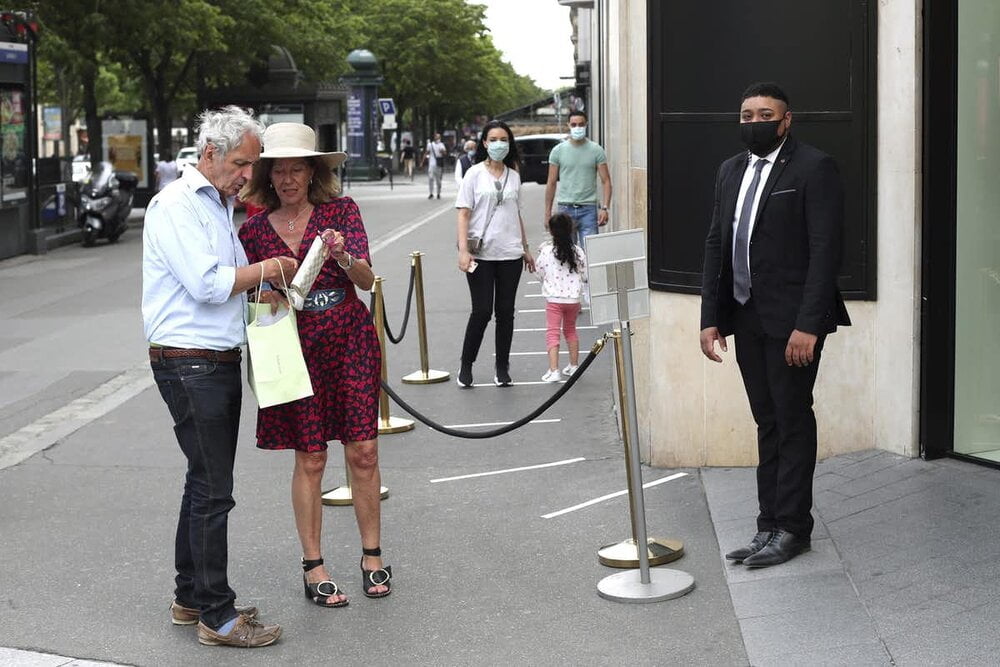
And in Montréal recently, dozens stood patiently outside a downtown Zara, eager to buy summer clothes. The urge to get out and socialize prevailed over safety concerns.
Some employees are similarly impatient to leave the house to resume work. While most office staff transitioned easily to remote work, some suggest COVID-19 has exacerbated the loneliness and lack of social interactions, despite companies’ claims of sustained productivity.
For retail staff who thrive on human contact, the situation has been difficult. Most are itching to return to their stores.
Personal human connection versus digital
Beyond the craving for social contact, the human touch is also what many retailers rely upon, especially in the beauty and luxury sectors, where sensory experiences are critical.
A recent PwC Consumer Intelligence Survey of 15,000 global consumers confirms what has been observed in countless shopper-retailer interactions: The human touch still matters, with 75 per cent stating they want more in the future, not less. Furthermore, most shoppers consider customer experience more important than price and product quality.
Similarly, in the hospitality and travel sectors, human contact prevails. When COVID-19 hit, personal connections with travel advisers helped hundreds of travellers return home after their flights were cancelled. Customers with e-platform reservations, meantime, struggled.
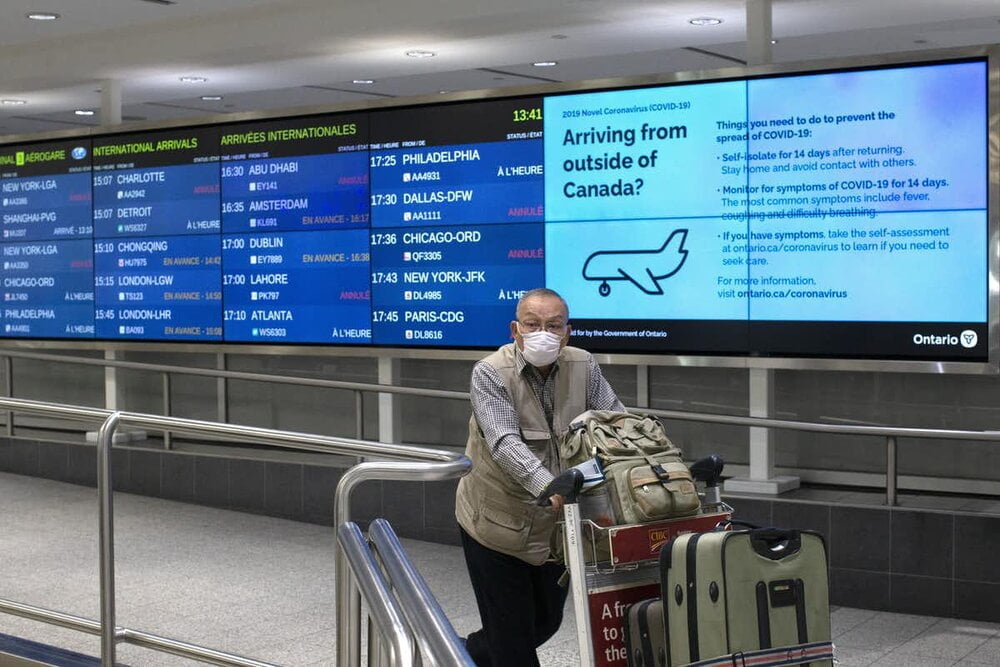
In the COVID-19 recovery period, physical stores are uniquely poised to offer this crucial human interaction. A 2015 study led by Marshall Fisher, professor of operations, information and decisions at the Wharton School of Business, clearly shows the importance of human interaction in retail, and its impact on revenues.
Yet in 2020, as retailers slowly reopen, they’re focusing on safety and hygiene protocols but continuing to fail to invest in their own human capital. Instead of recognizing the long-term benefits of devoting attention to their employees, they obsess over minimizing labour costs, leading to increased employee turnover and poorly managed stores.
With less traffic coming into stores, expectations from those brave enough to venture out are significantly higher, and retailers must invest in their teams if they want to stay relevant.
They could borrow from a Toronto bike store’s playbook that saw revenues double during COVID-19, the owners recently told me. Open less than 18 months, the Dismount Bike Shop team built a reputation for cutting-edge merchandise selection, precise product and industry knowledge and outstanding customer experience.
When the crisis hit, the company’s seamless pivot to online bookings with well-organized physical appointments helped achieve 100 per cent conversion rates.
Training is key
Product and industry expertise are not negotiable. Fisher’s study found that retailers who train their front-line employees sell 125 per cent more than those that offer no training. To overcome the current COVID-19 sanitation requirements and foster an authentic human experience, retail workers must also demonstrate specific interpersonal soft skills.
To do so within a no-touch situation means capitalizing on other senses to engage. From that initial eye contact and open body language to a warm welcome, empathetic and friendly communication is key. Companies that commit to training sales advisers to expertly sell products while demonstrating high levels of relationship-building skills won’t just attract and retain the best employees. They will also drive in-store sales and customer retention.
It’s time to stop considering employees as a cost and stores as showrooms. Instead, retailers should invest in their in-store teams and train them to become revenue generators. The human touch will define who the winners will be post-coronavirus.
This article was co-authored by Solange Strom, former CEO of L’Occitane Canada.

Frederic Dimanche, Professor and Director, Ted Rogers School of Hospitality and Tourism Management, Ryerson University. Thirty years of professional and academic experience in service marketing and consumer behaviour, particularly in hospitality and tourism. Academic experience in the USA, France, and Canada.