By Klaus Meyer, Carsten Lund Pedersen, and Thomas Ritter
Throughout human history, crises have been pivotal in developing our societies. Pandemics have helped advance health-care systems, wars have fuelled technological innovations and the global financial crisis helped advance tech companies like Uber and Airbnb. The present coronavirus pandemic will arguably not be an exception; entrepreneurs can be expected to rise to the challenge.
Businesses play a key role both in helping society get through an economic crisis and in creating innovations that shape society after a crisis. So one key question is: how will the ongoing crisis influence future society?
While it’s hard to predict the future, we can develop an understanding of what is ahead by analyzing current trends.
Businesses show citizenship, resourcefulness
The global pandemic and associated policies restricting people’s movements have caused major disruptions to many businesses. We’ve already observed major shifts in business practices. Working from home is the new norm, while many personal meetings and conferences have been replaced by video meetings and other virtual forms of communication.
Read more: The coronavirus is changing how we work — possibly permanently
Some businesses — especially restaurants, tourism operators and movie theatres — have come to a complete stop. Others, like manufacturers of consumer goods, have seen a sharp drop in demand as consumers are either unable to visit shops or lack the spare cash for nonessential purchases.
The short-term impact is likely different from the long-term impact. Consumers may simply postpone the purchase of a new car or washing machine — but they may not want to buy the same types of services in the future.
Many firms have initially responded to the crisis not only by cutting costs but by engaging in new entrepreneurial activities. Around the world, we see examples of resourceful responses to the crisis: Distilleries in the United States, Canada and Australia started to produce hand sanitizers.
Fashion businesses like Zara, H&M, Hedley & Bennett and Trigema are producing protective gear, gowns and other supplies for hospitals.
Airline crews, including those employed by SAS, are being retrained to help out in hospitals.
The shortage of ventilators in hospital intensive-care units has not only motivated health-care companies such as Philips and Draeger to increase production, but also triggered Canadian automotive suppliers and car brands like Ford to produce the life-saving medical devices.
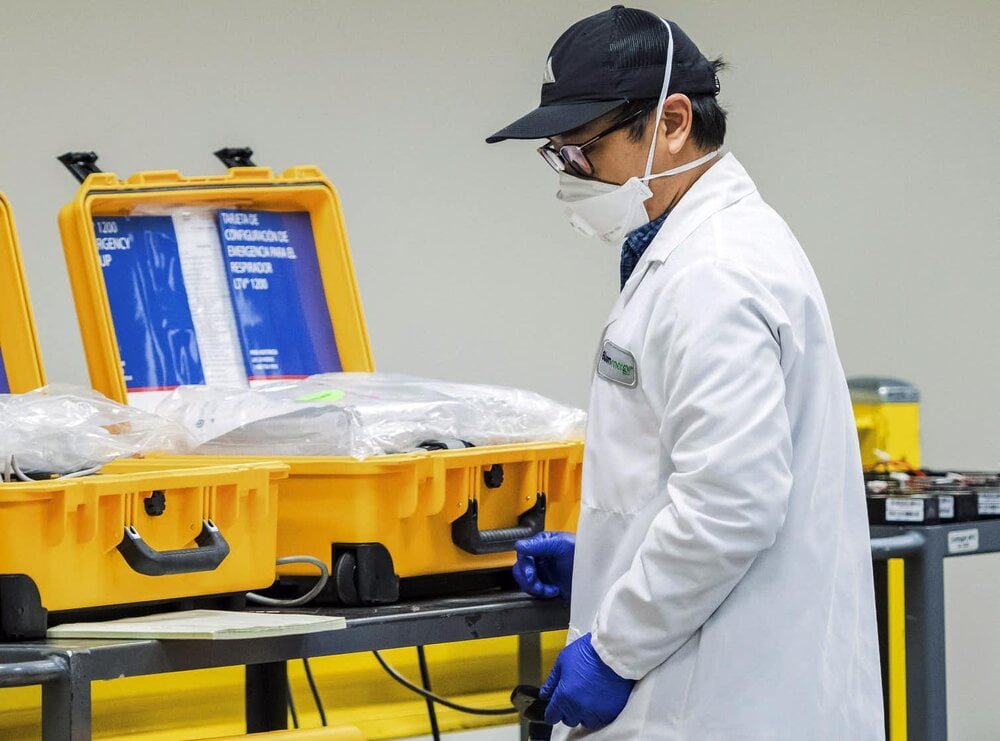
These examples show two common features.
First, companies are showing citizenship. They realize they have an interest in societal well-being, and that they may need to give up short-term profits for the benefit of society. Second, they are showing resourcefulness. They’re developing creative responses to emerging challenges with scarce resources.
In combination, citizenship and resourcefulness can drive socially aware entrepreneurship.
Building foundations for the future
Actions during the crisis will shape firms in the long run.
First, the crisis creates opportunities for businesses to become more innovative. Facing external pressures, some business leaders are stepping out of their routines and comfort zones to become creative problem-solvers. Along the way, they rediscover their entrepreneurial spirit.
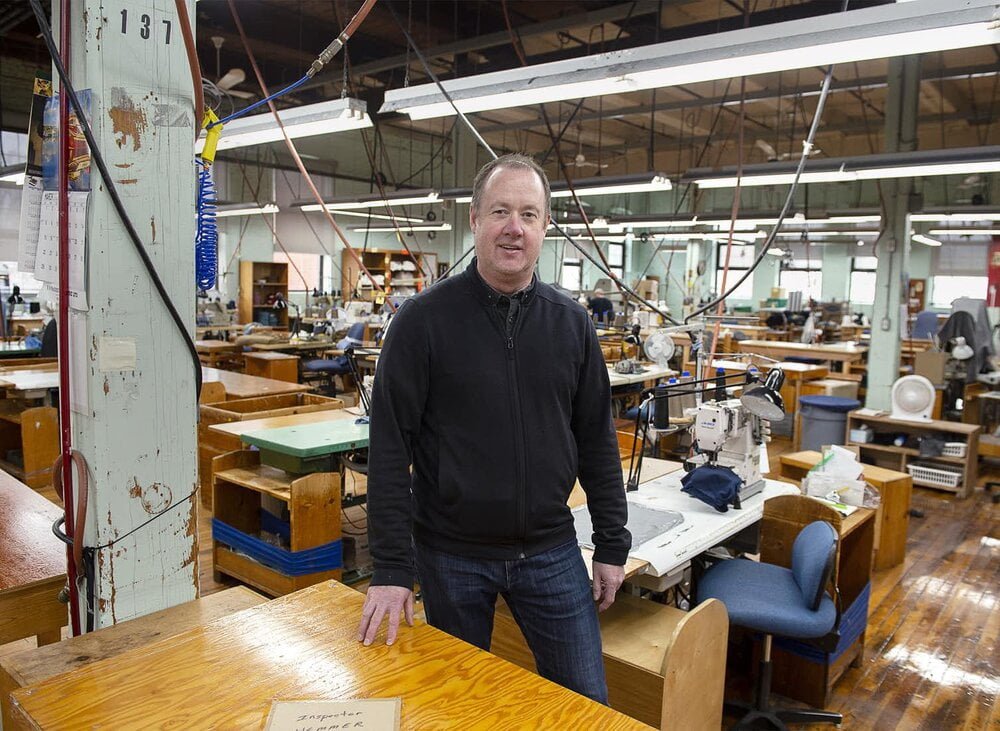
Some will continue to pursue opportunities first identified during the crisis. Perhaps some automotive suppliers will make medical equipment, while service providers integrate new online interfaces with their traditional businesses.
Second, reputations are built — and lost — during times of crisis. Companies demonstrating good citizenship by helping with shortages, or by making major donations, are also probably hoping that consumers will remember their actions when the economy returns to normal. What’s more, treating employees well during a time of hardship enhances a company’s reputation as an employer and helps attract talent as well as building a loyal workforce.
On the other hand, there are also a lot of opportunities to ruin a reputation. Companies that treat their employees or customers badly during a crisis will face major challenges rebuilding when the storm has passed. Similarly, if corporate behemoths like Amazon fail to provide reliable logistics solutions to small businesses right now, then others will develop competing platforms. Those new platforms will not only enable buyers and sellers to meet, but will also integrate service providers to transport products in a timely and reliable manner.
Technology push
Beyond existing firms, some sectors of the economy are likely to grow. New technologies can offer numerous opportunities as the crisis transforms the products or services they can offer. Service businesses in particular are likely to see a lot of innovation in how services are created, packaged and sold.
Recent trends in China offer a glimpse of what is feasible for businesses. For example, online shopping and entertainment received a major boost during the coronavirus shutdown via online platforms like Alibaba, Wechat and their associated ecosystems.
In the health-care sector, health-related smartphone apps are proliferating in China — and possibly soon globally. Artificial intelligence is helping hospital emergency rooms, while virtual reality has moved from an entertainment tool to a valuable resource for technical training and maintenance.
Read more: How China is revolutionising e-commerce with an injection of entertainment
Companies that become competent and move quickly in these areas during the crisis will have a strategic advantage over their competitors in the post-pandemic economy. For example, whoever builds the most reliable and speedy logistics infrastructure for delivering goods to private homes during the lockdown is likely to gain loyal customers.
Consumer pull
Customers — both individual consumers and businesses — are becoming accustomed to new forms of business, such as online ordering for home delivery. Their established habits have been disrupted, changing attitudes and expectations. For example, the surge in video meetings creates comfort with this method of interaction, and users learn how to be effective in meetings without face-to-face interactions.
After the shutdown, many people will expect more integration of online and offline offerings. They will likely also be more at ease with using new technologies, especially video conferencing that can also reduce travel costs and carbon emissions.
Read more: Coronavirus and the economy: We need green stimulus not fossil fuel bailouts
It’s clear the post-pandemic future will be different. What’s happening during the crisis will have a lasting impact on society. Current signs of entrepreneurial initiative and goodwill give us some cause for optimism.
In the words of Stanford economist Paul Romer: “A crisis is a terrible thing to waste.”

Klaus Meyer is a Professor of International Business at Ivey Business School, Western University.

Carsten Lund Pedersen is an Assistant Professor at the Department of Marketing at Copenhagen Business School.

Thomas Ritter is a Professor at Copenhagen Business School.