By Giovani J.C. da Silveira
Signs warning of one package of toilet paper per customer during the coronavirus pandemic are not an indication of supply chain failure. It is more a mark of an event that no one could have predicted.
Toilet paper is a product that is in the “just-in-time” supply chain. Responsive and integrated, just-in-time supply networks ensure items arrive when they are needed to keep shelves stocked.
This is important not just for perishables, which might first come to mind when we think of timely delivery. Packages of toilet paper are big and bulky. No one wants to pay to stockpile warehouse supplies just in case of an event like a global pandemic — not manufacturers, wholesalers, retailers or consumers, to whom the cost would be passed onto.
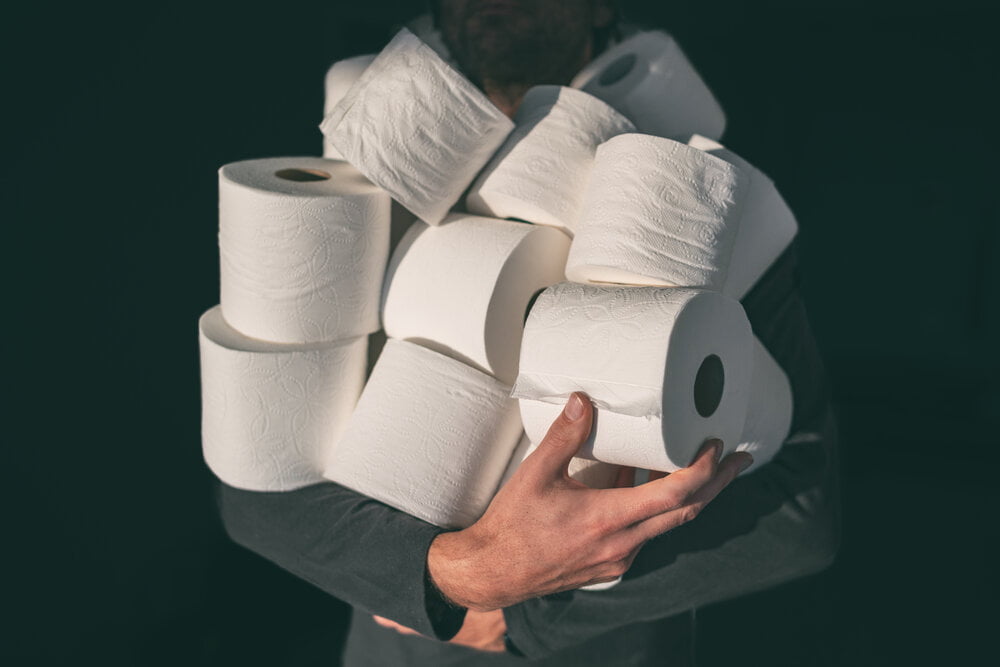
But when word of COVID-19 spread, consumers became willing to stockpile this item in their homes, both disrupting the supply chain system and creating living spaces crammed with paper products.
Read more: There’s plenty of toilet paper – so why are people hoarding it?
Just-in-time supply chains are what helps to keep costs low through the system. But that means these networks are more easily disrupted than “just-in-case” supply chains.
Some traditional manufacturers use just-in-case production and distribution, keeping raw materials and stock on hand in the event of emergencies or disasters. These networks are more costly, but also better prepared to respond to surging demand, as we have seen recently.
Predicting demand
Now that the supply chain has been disrupted by a surge in demand, everyone along the supply chain will be working to figure out how to plan properly for the demand.
But the big question is: What will that demand look like in the near future? Will people want to live in a warehouse of toilet paper, continuing to buy in bulk? Or will there only be a need to do a small run and wait for everyone to work through their cache?
Some retailers might be considering whether they want to shift to a just-in-case approach to certain products. They will carefully weigh the costs of holding onto extra inventory, and if they take this approach, they’ll probably pass on the additional cost to the consumer.
Robust supply chains are resilient supply chains
Professionals working in supply chain are constantly evaluating the best ways to fulfil business operations weighing out options, many times with their work being unnoticed until there is a disruption.
Supply chain professionals weigh building a robust supply chain against other factors because choices are made along the line. Multiple sourcing, with each supplier providing smaller quantities, makes for a more responsive supply but also results in higher unit and ordering costs, as well as greater need for co-ordination to guarantee delivery performance. Another alternative may be to keep suppliers in reserve, providing organizations the agility to respond to changes.
Researching the trade-offs made by manufacturers to improve operations alongside a colleague, we worked to develop a model that can be more accurate and useful to professionals in industry. Taking into account the performance of the trade-off and its overall importance plays an important factor in planning. It’s a complex dance, with the choices along the way being opaque to the final consumer.
Resilience is where the supply chain can endure external impacts without being affected. The most resilient supply chains will also usually result in a more expensive product.
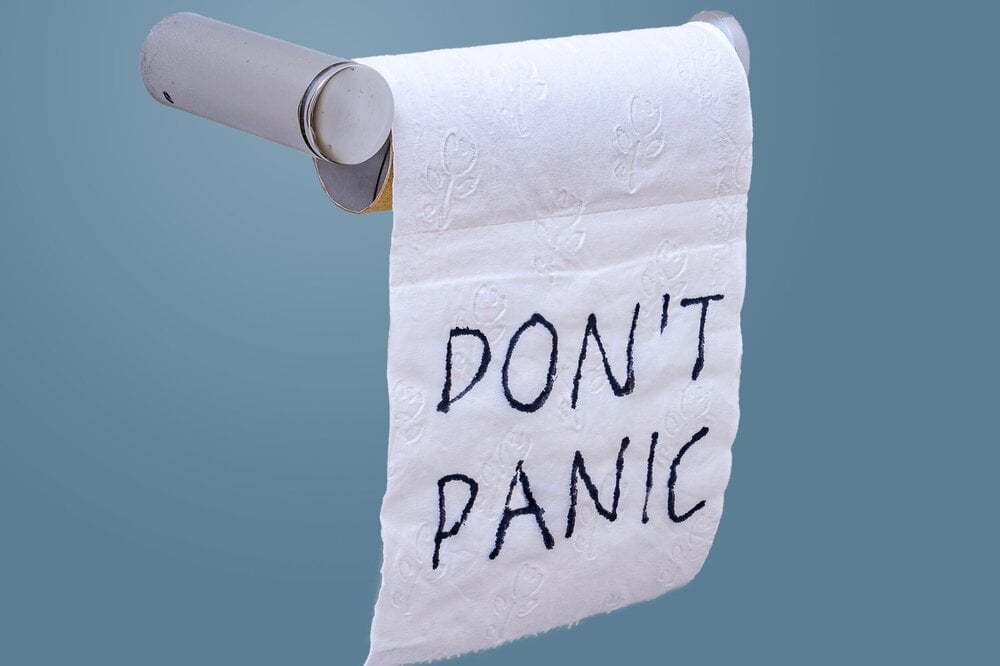
Supply chain professionals are on the case
But a supply chain cannot be resilient or responsive to change if it is not robust first. It takes time and trust to establish robust supply chains. It’s the work that professionals are doing every day. This acts as a form of insurance to help smooth things out when unforeseen events occur.
Supply chain professionals are always contingency planning, thinking of what can happen and building in accommodations into the system. They forecast what to do in certain circumstances.
But they did not foresee that the threat of COVID-19, a respiratory illness, would cause consumers to bulk-buy toilet paper.
When you do find toilet paper on the shelves, don’t forget to recognize the supply chain professionals who have always had it on the shelves just-in-time. They’re now tapping into the robust networks they have developed over the years to ensure that supply continues. So there’s really no need to hoard it.

Giovani da Silveira is a Professor in Operations and Supply Chain Management at the Haskayne School of Business, University of Calgary. He has published widely in academic journals. He is currently Associate Editor or Editorial Board member with the Journal of Operations Management, International Journal of Operations and Production Management, and International Journal of Production Economics, among other journals. His is an expert in operations strategy, mass customization, supply chain management, and servitization