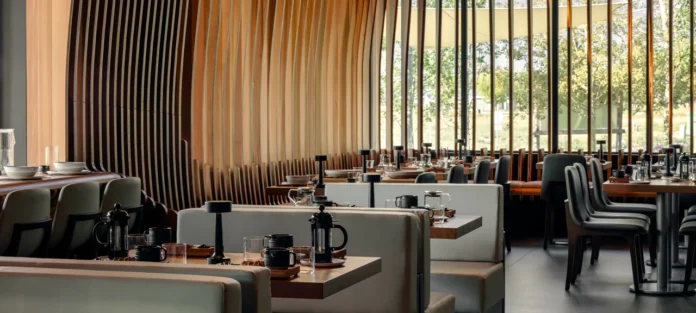
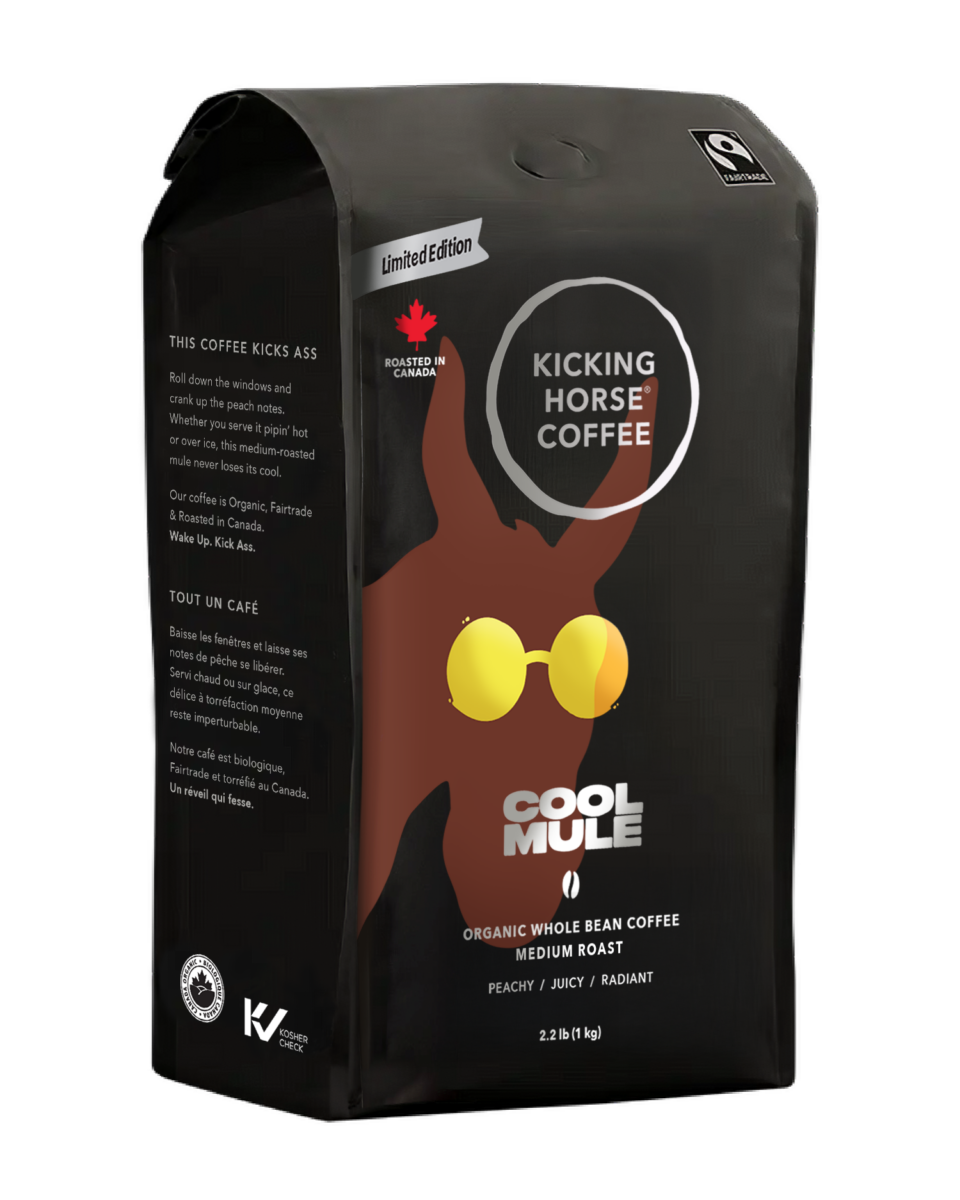
Kicking Horse Coffee, born in a garage in Invermere, B.C. 30 years ago and still roasted in Canada, recently launched Cool Mule: its first-ever blend built specifically for cold brew and iced coffee. A medium roast developed from the ground up to shine cold, with notes of peach, milk chocolate, and nectar.
100% Fairtrade and certified organic, roasted right here, and the fastest-growing Canadian coffee brand since 2024. Their newest blend Cool Mule is available now nationally at Costco and atkickinghorsecoffee.ca for $36.99, a limited-time summer release.
Question: What drove the decision to launch Cool Mule as Kicking Horse Coffee’s first blend specifically designed for cold brew and iced coffee, and why now?
Answer: Cold coffee is one of the fastest-growing segments in Canadian coffee. We know coffee drinkers, especially younger ones, love an iced coffee in the afternoon and it’s an occasion we haven’t historically had an option for. That’s a massive opportunity, and we weren’t going to half-ass it. Cool Mule is our first whole bean blend that is specifically crafted for cold. It’s a medium roast with balanced acidity, so the sweetness – peach, milk chocolate, syrupy nectar tasting notes – comes through when it’s cold-brewed.
Melanie Smith
Q: How does Cool Mule fit into Kicking Horse Coffee’s broader product and growth strategy, particularly as consumer demand for cold coffee continues to evolve?
A: Cool Mule is the centerpiece of our summer strategy and our fourth seasonal limited edition offering. These seasonal releases have become a real part of how we grow the brand and bring new consumers in. We’re the fastest-growing Canadian coffee brand since 2024, bringing in 1.5 million incremental consumers, and new occasions including cold coffee is where we see the next wave of growth coming from. It’s a huge and growing segment, especially with younger drinkers. Cool Mule is our way into that occasion, especially during the warmer months when we know cold coffee consumption peaks.
Q: The brand has been roasted in Canada for 30 years. How important is the ‘Made in Canada’ aspect of the business in today’s retail environment, and has consumer interest in Canadian products changed recently?
A: We’ve been roasting in Invermere, British Columbia for 30 years. We started in a garage in the Rockies, and we’re still there, employing over 150 Canadians coast to coast. Consumer interest in Canadian products has absolutely increased, but for us it’s how we’ve always operated.
We’re actually hiring nearly 40 new people at our Invermere facility by the end of this year, which is about a 25% increase in our workforce, so we have no plans of slowing down!
Q: Costco is a major national retail partner for this launch. What role do large-format retailers play in your distribution strategy, and how do you balance that with direct-to-consumer sales through your website?
A: Cool Mule is a milestone for us, in that it’s the first seasonal limited edition offering we’ve launched nationally at Costco. That matters even more right now because more Canadians are brewing coffee at home.
National distribution at Costco puts us in front of those consumers inmarkets where we’re actively growing. Direct-to-consumer plays a different role – that’s where we build the direct relationship with our consumers. We launched both channels at the same time on purpose: Costco gets us reach in new markets, DTC keeps us tight with the people who already know us.
Kicking Horse Coffee
Q: Kicking Horse Coffee says it has been the fastest-growing Canadian coffee brand since 2024. What factors have been driving that growth, and where do you see the biggest opportunities for expansion going forward?
A: We’re hellbent on being Fairtrade and organic, and that commitment is exactly what’s driving our growth. We’ve grown household penetration by 3.9 points and brought in 1.5 million incremental consumers. Looking ahead, cold coffee is one of our biggest opportunities. It’s where younger consumers already are, and it’s an occasion we haven’t owned yet. Building further into Eastern Canada is the other big lever.
We’ve got a strong foothold out West, and Cool Mule launching nationally at Costco is a meaningful step into growing our brand in the East.
Supernatural has launched The Portal, an immersive wellness studio in Toronto’s Yorkville neighbourhood that is designed around sound, frequency, nervous system regulation and group experiences.
The new studio expands Supernatural’s wellness offerings with classes, workshops, Listening Lab sessions and private experiences focused on sound meditation, breathwork, movement and storytelling. The company said the space is intended to provide a shared environment where sound is experienced through the body as well as heard.
Located at Supernatural’s Yorkville flagship at 55 Avenue Road, The Portal is designed to transform the room itself into part of the sound experience, with vibrations moving throughout the space as participants engage with rhythm, resonance and frequency.
“In The Portal, listening becomes something the whole body does,” says Louise Upperton, Programming Director and sound meditation practitioner at Supernatural. “You feel the vibration before the music fully arrives. But what makes the space truly powerful is the shared experience. There’s something deeply human about listening and breathing in rhythm with others and reconnecting through sound together.”
Louise Upperton
The studio’s programming includes facilitators working across sound, movement, mindfulness and somatic practices, with experiences aimed at combining multiple wellness approaches in a group setting.
Dave Sorbara
“The Portal was designed to change how the body experiences sound,” says Dave Sorbara, creator of RE Frequency Therapy. “These experiences are designed to unlock the body’s full capacity to listen deeply, not just through the ears. The ears and the body form a holistic listening system that can be leveraged for presence and connection.”
Supernatural said The Portal differs from traditional sound environments by creating an experience in which sound and vibration are integrated into the physical space rather than delivered only through audio.
Supernatural photo
The company said the studio reflects increasing consumer interest in experiences centred on nervous system regulation, emotional wellbeing and collective participation.
The Portal is now open at Supernatural Yorkville, with programming available through the studio’s booking platform.
Little Bellies, Canada’s fastest-growing baby snack brand, is expanding nationwide at Walmart Canada with five new organic snacks designed to support babies and toddlers at every developmental stage.
The expansion includes two new Organic Mini Pick-Me Sticks for7+months, plus three new products for toddlers 12+ months, including the brand’s new Organic Nibbles made with puffed corn stars and real freeze-dried fruit, along with Organic Strawberry & Apple Sandwich Cookies.
Designed with age-and-stage development in mind, the range introduces little ones to new flavours, shapes, and textures that support self-feeding and exploration. All products are made with carefully selected organic ingredients and contain no artificial colours, flavours, or additives.
In an interview with Retail Insider, Sher talks about the company’s growth and plans for the future.
Question: Little Bellies describes itself as Canada’s fastest-growing baby snack brand. What factors have been driving that growth, and why is Walmart Canada an important milestone in your retail expansion strategy?
Answer: Little Bellies was launched 15 years ago in Australia and has developed a unique positioning and philosophy around supporting parents and their children through each age and stage of baby and toddler snacking. This positioning, our deep and strict brand guidelines and our innovative portfolio of organic snacks has raised the benchmark for infant and toddler snacking in Canada and has really resonated with Canadian parents. Little Bellies has always had a deep commitment to making the best quality organic food as accessible as possible. This partnership with Walmart, a leading retailer in this space, helps us deliver on this commitment.
Clive Sher
Q: The baby and toddler snack category has become increasingly competitive. How is Little Bellies differentiating itself for both parents and retailers?
A: Little Bellies really differentiates ourselves in three key ways. Our unique approach to designing our products to support a child’s developmental stages means we’re helping parents feel confident in introducing new textures, flavours, and with their baby’s self-feeding skills. Second, we continue to innovate in the baby and toddler category. Finally, we engage with parents in a personal way that recognizes the stress of navigating what products to introduce in a way that is supportive, not overwhelming. There can be a lot of guilt associated with shopping in this category and we recognize that, and guide parents through it.
Q: Your products are designed around different developmental stages. How closely do you work with child nutrition or feeding experts when developing new snacks and textures?
A: We have a very experienced in-house product development and quality team. We also work closely with feeding specialists and other experts to gather feedback and additional insights, marrying their expertise with our own commitments to safe ingredients and quality products.
Q: What made Walmart Canada the right partner for this expanded launch, and what does nationwide distribution mean for the brand’s growth plans in Canada?
A: Walmart is an incredible retailer and partner who have a strong commitment to being accessible to all consumers. At Little Bellies, we believe in providing the best quality products that are accessible and affordable and this launch with Walmart takes us one step further on this journey. We believe we are only just getting started in Canada and have strong plans to continue to innovate and deliver meaningful products that improve the lives of the youngest consumers and make the parenting journey that much easier for Canadian families.
Little Bellies photo
Q: As consumers continue to look for healthier and more transparent food options, what trends are you seeing in the baby food and snack category, and how is Little Bellies responding to those evolving expectations?
A: The journey first time parents go on when introducing foods is riddled with many different feelings not the least of which is stress and guilt. A lot of this is associated with shopping in the baby food category. Parents are looking for greater transparency, simpler ingredients, and brands they can trust. At Little Bellies, we have a very strict set of nutritional and ingredient guidelines which dictate what is and isn’t allowed and each age and stage. This comprehensive commitment to only delivering the very best products allows consumers to shop our assortment with confidence. Our goal is to make it easier for parents to shop the category and to let parents know they can feel comfortable with putting their trust in us.
With the economy showing more resilience than expected after a rollercoaster start to the year, the Bank of Canada’s recent decision to hold rates steady comes as little surprise, says CPA Canada’s (Chartered Professional Accountants of Canada) chief economist.
“Just a few months ago, Canada was facing a technical recession and had lost more than 100,000 jobs. Today, the outlook is stronger,” says David-Alexandre Brassard. “Economic growth has exceeded expectations, employment has rebounded and the economy has proven more resilient than many anticipated.”
Recent economic data points to stronger momentum, with April recording the strongest growth since summer 2025 and job gains in recent months nearly offsetting earlier losses. Meanwhile, core inflation has remained close to the Bank of Canada’s two per cent target despite volatility in global oil markets.
While uncertainty surrounding the Canada-U.S. relationship remains, Brassard notes that those risks are already reflected in most economic forecasts and have not materially changed the near-term outlook.
“The central bank is in a comfortable position right now,” says Brassard. “Inflation remains under control and there is no compelling reason to intervene on the policy front.
“The next move could ultimately go either way, but for now the strongest case is to remain on the sidelines and monitor incoming economic data.”
In an interview with Retail Insider, Brassard spoke about the current situation.
Question: The Bank of Canada held interest rates steady, citing a stronger-than-expected economy. What economic indicators do you see as the strongest evidence that Canada has turned a corner?
Answer: We are seeing signs that the economy is turning a corner, but it remains too early to tell. The indicator I’m watching most closely right now is job creation because it reflects economic and business optimism more than surveys do. If we manage to create jobs without the demographic growth to support them, then that is encouraging. GDP has been volatile in recent quarters, largely because of changes in international trade and inventories, mostly driven by American tariffs. Higher oil prices have also boosted GDP, but that is not exactly the brightest green light there is.
Q: You’ve said the central bank is in a “comfortable position” right now. What developments over the next few months could change that assessment and prompt either a rate cut or a rate hike?
A: There are two main scenarios which could change the Bank of Canada’s upcoming decision. The first is related to inflation. So far, it appears that the spike resulting from the Iran conflict has been mostly contained. If the conflict reignites or if oil prices translate into inflation, the Bank could decide to rate hike. The second would be economic underperformance in Canada, which could result from trade uncertainty, weaker demographics or slower global growth. This would also prompt a rate hike.
David-Alexandre Brassard
Q: Despite improved economic data, uncertainty around the Canada–U.S. relationship and CUSMA (Canada-United States-Mexico Agreement) remain. How significant are those risks for Canadian businesses, and which sectors are most exposed?
A: The absence of an agreed renewal to CUSMA means that uncertainty will remain and the current state of affairs is unchanged. That means sectoral tariffs will continue to hurt the manufacturing, transportation and warehousing industries, as well as wholesale trade. Recent economic data has been more encouraging, but the Canadian economy has struggled with growth and job creation, and investment levels have been flat since the tariffs were implemented. Therefore, the uncertainty around the Canada-U.S. relationships remains a major risk to the outlook.
Q: What does this more resilient economic outlook mean for Canadian consumers in terms of spending, borrowing, and confidence for the remainder of the year?
A: Wage growth has been strong enough to sustain consumption growth, but we have seen some consumer indicators worsen, including lower savings rates, higher mortgage delinquencies and more insolvencies. I expect consumer growth to remain relatively robust, but it is less likely to surprise to the upside. As for borrowing, we see consumer credit metrics for households being relatively stable, but mortgage borrowing should remain muted amid the slower housing market, with slow sales and declining prices.
Q: From a retail perspective, how are steady interest rates and improving economic conditions likely to affect consumer spending, retailer performance, and expansion plans, and what impact could broader economic trends still have on the retail sector?
A: For retail spending, we have seen it impacted slightly by the population declining, but it grew per capita on the back of higher wages. I expect modest growth, but again, keeping in mind that growth for the last few months has worsened consumers’ financial positions. With another three or four quarters of population decline, we should see constrained growth in retail spending.
Behind the scenes of any retail store for decades has been cluttered with excess inventory, seasons’ worth of displays that are no longer current, holiday decorations from past years, and stacks of old cardboard boxes and filing.
Sometimes, filing papers for years after the fact. Many retailers have just come to accept that the backroom is a part of their business that they have to deal with.
Switching to custom boxes that ship and store flat is one simple way retailers can cut down the backroom clutter that eats into usable floor space. But the math of retailing physical space has changed drastically over the last few years. With the cost of commercial real estate skyrocketing and a push to create an experiential retail environment, every square foot of retail space has to pull its weight.
So, storing filing, compliance documents, and old archives in a backroom of a retail store is no longer just an organizational issue; it is an issue that costs a retailer money, as every square foot that is not pulling its weight is taking away from the space’s profit.
But the math has changed! With the cost of commercial real estate shooting up (often doubling over the last few years) and everyone scrambling to create an “experience” retail space, every square foot of retail space must now generate as much, or more, revenue than it did in the past.
Storing a bunch of old files, piles of compliance documents, and a stock of historical and redundant documents in the back room of a retail store is an expensive and unproductive overhead.
It is a cost that is eating into the store’s revenue margins.
The Evolution of the Retail Floor
Now compare this to the backroom of a typical store.
Spaces are closed off, dusty, contain outdated archives, and in some cases, old, broken fixtures.
They don’t contribute to the brand image and take away from potential sales.
To create a better retail experience, you must optimize every square foot to drive maximum revenue.
This means taking a long, hard look at your backroom to identify ways to increase efficiency and remove any unnecessary items that take up valuable space.
Lost space hurts.
Clutter on the sales floor can have customers looking frazzled, while clutter in the back room takes a huge toll on employees and store productivity.
By removing administrative detritus from your store, you free up space to create more showroom and allow your customers the room to browse without feeling jammed.
Every merchant needs to optimize every square foot of space to get the maximum return on their expensive store space.
Dead space equals dead revenue.
However, in today’s Retail Environment, to make money, every square foot needs to be optimized to generate as much revenue as possible.
So, looking at the backroom and determining how to store everything there in the most effective manner to optimize as much space as possible in the front of the store is imperative.
We may be viewing the backroom in a way that doesn’t give it the respect it deserves, helping the retailer optimize as much space as possible and maximize revenue in today’s competitive environment.
The Administrative Burden
All retailers in physical commerce generate a huge amount of paperwork, including receipts, supplier invoices, audit paperwork, personnel records, etc.
A lot of this is required by law to be stored for many years, so it cannot simply be thrown away.
Those left to handle paper management can find themselves spending an inordinate amount of time dealing with paperwork, forms, etc.
Most retailers will have employees who could be better utilized in areas of the business, such as training other employees, dealing with customer service issues on the sales floor, or addressing concerns from management.
Paper management issues can and do hinder a retailer’s ability to service its customers properly and keep employees from being more productive in other retail functions.
Mislabeling of boxes, deterioration of important papers due to moisture, and breaches of sensitive information are just a few of the reasons why retailers find themselves transferring archival-type functions to an off-site storage provider.
A simple loss of an important compliance audit document, before the actual audit occurs, will keep any retailer up at night.
The use of 24/7 online retrieval systems eliminates these problems and allows retailers to sleep better at night.
Beyond simple space constraints, storing documents in off-site self-storage facilities for a retail establishment creates a host of issues, including: being a significant waste of an employee’s time to retrieve a single document; being extremely cost-prohibitive; and exposing the retail establishment to liability.
The smartest thing a retailer can do with documents is to use a document storage and management facility specializing in this area, such as Corodata record storage.
They can clear out the back room of the establishment and store all critical documents securely, manage them, and make them easily accessible as needed for audits and compliance reviews.
By having a business’s documents stored off-site by a professional document storage company, such as Corodata record storage, a merchant can clear out all backroom space and have their vital documents stored, managed, and secured in a single location.
That stored information can then be retrieved in a matter of hours whenever a merchant needs to refer to a document for compliance, tax, or legal reasons.
All of this can be done by leaving the store’s daily operations to its staff and having the document storage company handle the storage, organization, and retrieval of all the store’s documents.
So, why keep struggling to build a makeshift archive in a space meant for commerce? It comes down to breaking old habits.
Reclaiming the Workspace for the Team
Beyond the opportunity to sell more products by reclaiming space for high-margin items, the biggest impact of clearing the clutter in your store’s backroom is on store morale and the efficiency of its operations.
The backroom of the store is the behind-the-scenes area where employees perform the functions necessary to operate the store. In effect, the backroom of the store is the “workplace” of your employees.
The energy in the backroom of the store will mirror that on the sales floor.
Think of the fulfillment of orders. Are your employees able to retrieve merchandise promptly? If the backroom of your store is cluttered with old files, paper, etc., it’s going to make your employees’ day more difficult. It creates a messy environment.
A disorganized backroom causes stress for employees and reduces productivity.
Removing the archives from the backroom and keeping the area organized can have many positive effects for a store.
For one, it can make the process of receiving and stocking shipments of new merchandise much more efficient.
This, in turn, can help get the best, highest-margin products on the floor more quickly and also help keep customers waiting for items the store has in stock to a minimum.
A clean backroom sends a clear signal.
This will make your team members very happy and, most importantly, make them feel that their workspace is as important as the rest of the store.
Making the Shift
Changing from hoarding documents in the back of your store to keeping them off-site for optimal use by your company, with retrieval as needed, requires a change in how your store is operated.
This can start with an audit of what documents are being stored in the back of your store, and then go on to establishing the length of time that certain types of documents will be kept, and then establishing protocols for storing and retrieving such documents once they are deemed to be no longer needed in the back of your store.
Audit Your Current Assets: The first step to changing how you store administrative documents is to identify what you currently have and categorize them as either needed for daily operations or purely historical or archival.
Set up Procedures: Review the documents you currently keep, and establish procedures for what you will keep on-site and what will go to off-site storage as soon as it is no longer current (i.e., digitize it and send it to storage as soon as it arrives).
Design for Experience: Use the newly recovered square footage to expand the sales floor, build a more comfortable employee break area, or create a dedicated station for processing online orders and returns.
The future of retailing will be about the most agile, organized, and customer-centric retailers in the market, protecting their margins, empowering their employees, and unlocking the full economic potential of their physical stores. By understanding the full costs of physical clutter and removing non-value-adding materials from their backrooms, retailers can do just that.
Welcome to the Daily Synopsis by Retail Insider. We published exactly 10 articles today covering key developments in Canadian retail.
Italian Centre Shop expanded in Calgary with a new Northland Village Mall store set to open July 16, creating 150 jobs and enhancing Alberta’s specialty grocery market. Winnipeg-based Modern Ambition opened a hospitality-focused menswear store in Toronto’s Yorkville, aiming for a national expansion of 12 to 14 locations targeting premium retail segments. Aritzia outlined its growing store footprint with a mix of boutiques and large urban flagships, supported by expanded U.S. distribution infrastructure to accelerate growth.
MTY Food Group announced plans to close 68 underperforming corporate outlets within months to cut losses and focus on profitable sites despite recent revenue challenges. Costco Canada’s comparable sales growth moderated to 3.7% in June as it continues investing in new warehouses across Canada to meet demand. Retail Insider also covered employment gains in accommodation and food services as well as marketing challenges tied to AI-driven content, and a leadership transition at Knix, signalling ongoing shifts within the sector.
How small follow-up habits can create steady returns.
Spending has a way of building quietly before it becomes obvious. A grocery total runs a little higher than expected, and then the same thing happens again. After a few trips, the difference starts to feel real. There’s rarely one clear cause. It’s usually a collection of small changes that stack together over time. That pattern is why people look for ways to get value back without changing how they shop. One option that keeps coming up is the ability to earn money for scanning receipts, which takes something already part of the process and gives it another purpose after checkout.
The appeal comes from how little effort it requires. Shopping stays the same, and there’s no need to hunt for specific products or switch stores. The only change happens at the end, when a receipt gets saved instead of thrown away. That step takes very little time, which is why it fits into a routine without feeling like extra work.
What It Means to Earn Money From Receipts
Receipt rewards sit in an in-between space. They feel similar to savings, though they also act like a small stream of extra cash. The purchase itself stays the same, though the receipt retains value afterward.
There’s a simple exchange behind it. Companies want a clearer picture of how people shop, including patterns that repeat over time. Instead of collecting that information in the background, some systems allow people to take part directly. A receipt is uploaded, and in return, points or a small cashback amount are credited to the account. The process stays easy to follow, which helps people keep using it.
How the Process Works Day to Day
Getting started usually only takes a few minutes. An app is downloaded, an account is created, and receipts from recent purchases get uploaded. Some platforms allow a quick photo right after checkout, while others accept uploads later in the day. The step stays short either way.
Each receipt adds a small amount to a running balance, which grows slowly, piece by piece. After some time, it reaches a level at which it can be exchanged for something usable, such as a gift card or a payout.
Consistency plays a bigger role than any single receipt. One upload may feel small on its own, though repeated use may build something more noticeable. People who stick with it tend to see clearer results over time.
Why It Feels Easy to Keep Going
There are no upfront costs, no complicated setup, and no need to learn a detailed system before starting. It attaches to an existing habit, which keeps it from feeling like something new that needs attention.
For someone who already keeps receipts, the change feels minimal. For those who never saved them before, the habit settles in quickly because the step takes so little time. It becomes part of the routine.
According to Yahoo, “As many as 31% in the US currently run [a side hustle], with the vast majority (73%) motivated by financial need.” Given the need for extra income, people often look for quick, easy ways to earn a few extra dollars.
Where People Lose Value Without Realizing It
Timing is one of the biggest factors. Receipts usually come with a limited submission window. Once it passes, the opportunity disappears. It’s easy to forget, especially when the step feels optional in the moment.
Another issue comes from using a single platform, while others may apply to different purchases. That can limit how much it builds over time. The difference may feel small at first, but it can become more noticeable later.
A lot of it comes down to attention. These opportunities rarely feel urgent. They sit in the background, which makes them easy to miss. Over time, those missed moments can add up in ways that become easier to see.
How it Fits Into Regular Spending
This type of system works best when it remains low-effort. Some people use it to offset smaller recurring costs, while others let it build quietly until it reaches a useful amount. The approach changes depending on the person, though the pattern stays consistent.
Purchases happen as they normally would. The return comes afterward, separate from the decision itself. That separation helps keep the process simple, since there’s no need to rethink spending in the moment.
The U.S. Bureau of Economic Analysis notes that “Real gross domestic product (GDP) increased at an annual rate of 1.6 percent in the first quarter of 2026.” And some people are now trying to get the most out of that increased spending by scanning receipts.
What It Adds Over Time
Receipt scanning helps extend the value of spending that has already occurred. The impact shows up gradually. What starts small becomes easier to notice over time. The habit settles into place, and the result becomes part of the background, as the spending once did.
The overall effect stays steady. A small action repeated often creates something that feels consistent without requiring major effort. Over time, it shifts from feeling optional to expected, simply because it fits so easily into what actually happens.
Receipts get saved, uploaded, and then forgotten again while the balance continues to grow. The process stays subtle, though the results become more noticeable with time. Instead of changing how purchases happen, it adds a second layer after the fact. That separation keeps things manageable.
The report is part of Retail Insider Reports, a growing series of sector-level reports tracking major shifts across Canadian retail. Retail Insider Reports are designed to deliver executive-level insights across major retail sectors and can be accessed through the Retail Insider Report Hub.
The Q2 2026 Grocery Retail Report examines the Canadian grocery sector, including supermarkets, discount grocers, specialty food retailers, convenience-oriented food retail, merchandising strategies, store expansion, competition, consumer purchasing trends and broader developments affecting food retail in Canada.
The central finding is that Canadian grocery is not simply moving toward discount. The sector is being reorganized around value. That shift is now shaping store strategy, assortment, technology, loyalty, real estate, product innovation and consumer engagement.
General Themes
Value is becoming structural: Discount growth is no longer only a response to inflation, as major grocers continue to allocate capital toward value-oriented formats.
The market is becoming more polarized: Discount banners are gaining traffic and investment, while premium, experiential and culturally specific grocery concepts continue to find opportunity in the right trade areas.
Full-service grocers face sharper pressure: Traditional banners must defend price perception while still offering fresh food, service, convenience, loyalty, prepared foods and differentiation.
Private label is a key battleground: Larger grocers are using private label to support value perception, margin management and loyalty, creating pressure for smaller and specialty operators.
Digital grocery is becoming more practical: AI, delivery partnerships and omnichannel tools are being positioned around meal planning, savings, fulfilment and household budget management.
Grocery real estate is gaining importance: Grocery is being used to anchor mixed-use projects, reanimate large-format spaces and support necessity-based retail strategies.
Prepared foods are becoming more strategic: Grocers are using prepared foods to capture meal occasions, compete with foodservice and build higher-margin categories.
Inflation remains an operating challenge: Food inflation, produce volatility, freight pressure and regional cost differences continue to influence pricing, assortment and promotions.
GLP-1 drugs are an emerging demand question: The report treats appetite-suppressing medications as a long-term trend to monitor, particularly for snacks, confectionery, alcohol, prepared foods and impulse categories.
Retail Insider Coverage
Retail Insider’s Q2 coverage shows discount grocery becoming one of the clearest growth themes in Canadian food retail. Empire’s FreshCo expansion is cited as a national growth vehicle, with the banner at 161 stores as of June 17, 2026, including 53 in Western Canada and 108 in Ontario. Empire expects to open approximately 15 new FreshCo stores in fiscal 2027 across Western Canada, Ontario and Atlantic Canada. Loblaw’s No Frills network also continued to expand, reaching its 200th store in Ontario during the quarter.
The report also draws from Retail Insider coverage of Loblaw’s ChatGPT-powered grocery integration, Skip’s expanded grocery delivery partnership with Loblaw, Tre’dish’s SproutAI, Nations Experience at Oakville Place, Loblaws Humbertown, Food World Plus in Mississauga and McEwan’s planned arrival at Bayview Village. Together, those stories show grocery being used as a value engine, technology platform, food destination and real estate anchor rather than a static retail category.
Broader Industry Coverage
The broader implication is that discount growth has become a capital allocation strategy. Empire, Loblaw and Metro are not simply adding value formats during an inflationary period. They are reshaping networks around the expectation that value-conscious behaviour will remain part of the Canadian grocery market.
At the same time, the report argues that grocery is not becoming purely discount-driven. Premium and experiential grocery can still succeed when the offer matches the trade area. McEwan at Bayview Village, Nations Experience at Oakville Place and Food World Plus in Mississauga point to a market where food retail can support affluent mixed-use communities, former department store repositioning, culturally specific retail demand and food hall-style destination concepts.
Real estate is one of the more important industry implications. Grocery remains one of the strongest anchors in Canadian retail because it provides frequency and daily-needs relevance. The report also notes the Choice Properties and KingSett transaction involving First Capital, with Choice set to acquire approximately $5.0 billion of high-quality retail assets from First Capital, reinforcing institutional interest in grocery-anchored urban retail.
Editor’s Take
The sharper conclusion is that Canadian grocery is moving away from undifferentiated middle-market retail. Discount formats are becoming more powerful because they offer clear value, while premium, experiential and international concepts can still win when they offer a clear reason to visit. The pressure is greatest on operators that are neither materially cheaper nor meaningfully differentiated. For retailers, landlords, suppliers and investors, value is no longer just a pricing message. It is becoming the operating model behind grocery retail in Canada.
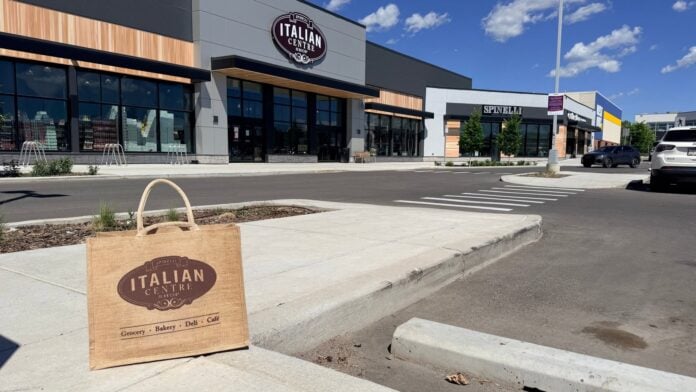
The Italian Centre Shop is opening of its second Calgary location at Northland Village Mall (5111 Northland Dr NW #2150) on July 16, marking the company’s sixth store in Alberta and a continued expansion of its over 65-year legacy of food, family, and community.
The new 22,000-square-foot location, which will open at 10 a.m. following a traditional ribbon cutting ceremony, will bring Italian Centre Shop’s signature blend of European grocery, fresh food experiences, and warm hospitality to northwest Calgary — a growing and vibrant part of the city. The new store is expected to create approximately 150 jobs, further supporting the local economy.
“Designed by OCI Architecture, to feel like stepping into the heart of Italy, the Northland location will be the boldest expression of the Italian Centre Shop brand to date. From the moment guests enter beneath a soaring barrel-vaulted ceiling, they’ll be immersed in Roman-inspired architecture, including classic arches and columns along side the “Pantheon of Bread”, where daily fresh baked bread is showcased. Together, these features create an immersive shopping destination that celebrates the beauty, culture, and flavours of Italy,” said the company, which is based in Edmonton.
Image: Teresa Spinelli
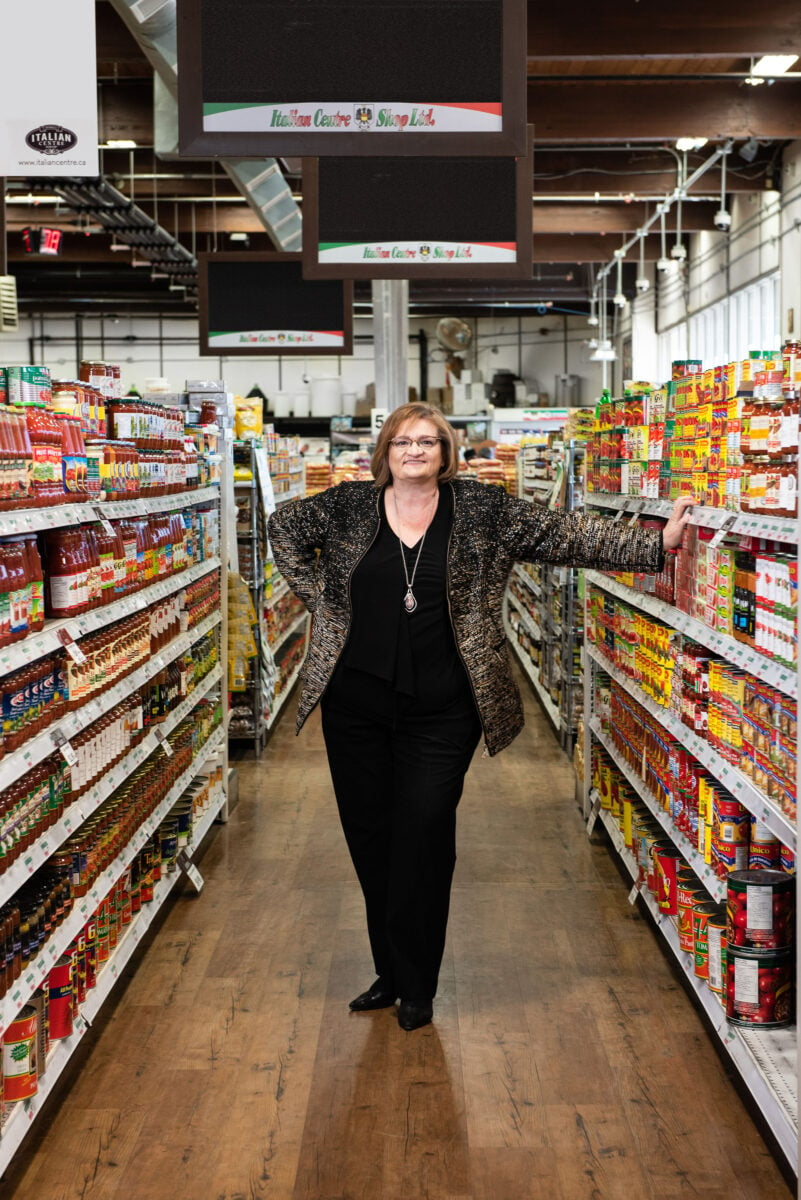
“This store is about more than groceries — it’s about creating a place where people can gather, connect, and experience a piece of Italy right here in Calgary,” said Teresa Spinelli, President of Italian Centre Shop. “For us, food has always been about bringing people together.”
Gino Marghella
“Calgary has embraced Italian Centre Shop in such an incredible way over the years,” said Gino Marghella, Chief Operating Officer. “We’re excited to deepen our roots here and create a destination that reflects the energy, diversity, and passion for food that makes this city so special.”
“Italian Centre Shop has created something truly unique for Calgary,” said Fabrizio Carinelli, President of CANA Construction “and we’re proud to be part of bringing that vision to life at Northland.”
Fabrizio Carinelli
The new location will feature all the elements customers of the brand have come to love, including:
A full-service deli with a wide selection of imported cheeses, cured meats, and antipasti
A tavola calda offering hot, ready-to-eat meals
An artisan bakery producing fresh bread and pastries daily
A café serving made-to-order pizzas, panini, and coffee
The Northland store is part of the ongoing transformation of the Northland area into a refreshed retail destination, bringing new energy and experiences to Northwest Calgary.
Founded in Edmonton in 1959, Italian Centre Shop is a family-owned grocery retailer offering a unique blend of European imports, local products, and fresh in-house food experiences. With six locations across Alberta, the company said it is committed to connecting people through food, culture, and community.
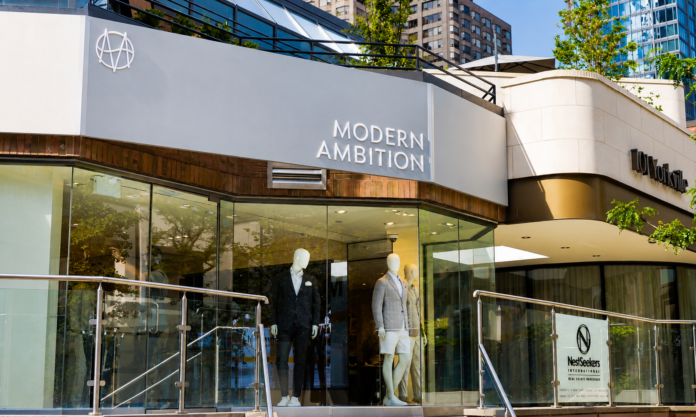
Modern Ambition store at 101 Yorkville Avenue in Toronto. Photo: Modern Ambition
Sitting in the lounge area of Modern Ambition’s newly opened Toronto store, Georgi Gvakharia describes the space in simple terms.
“We are sitting in the living room,” he said.
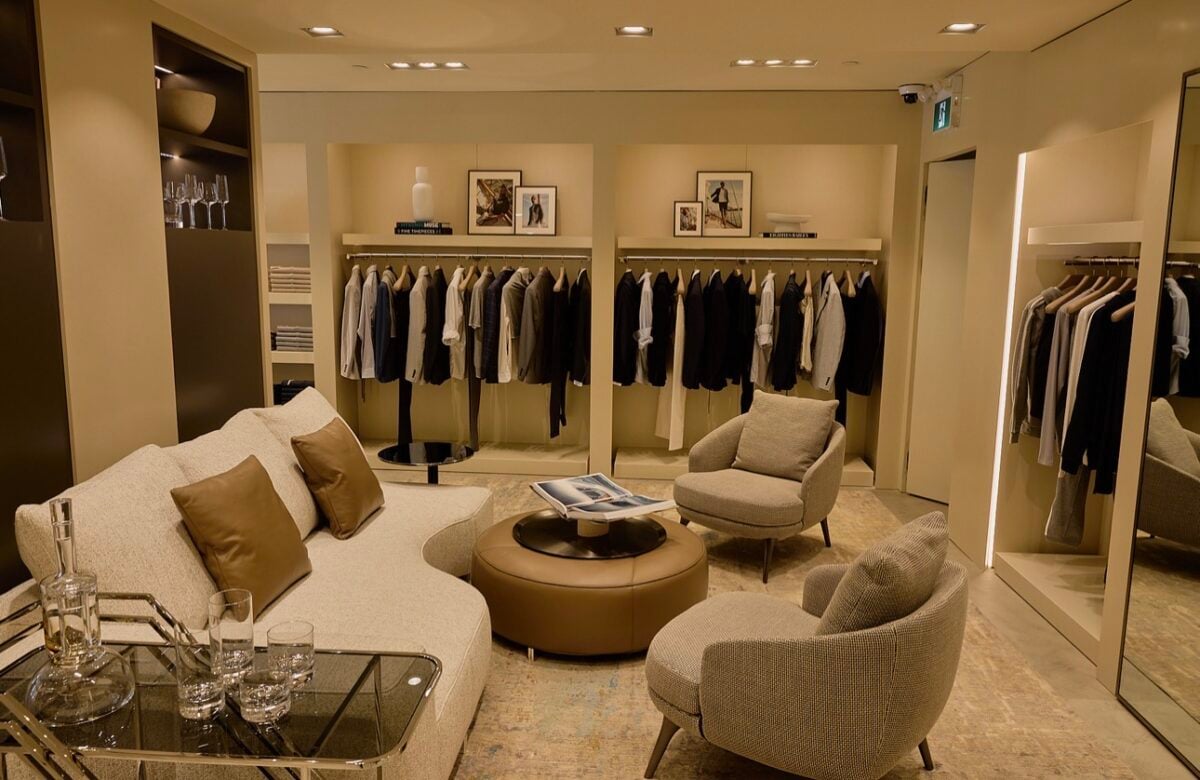
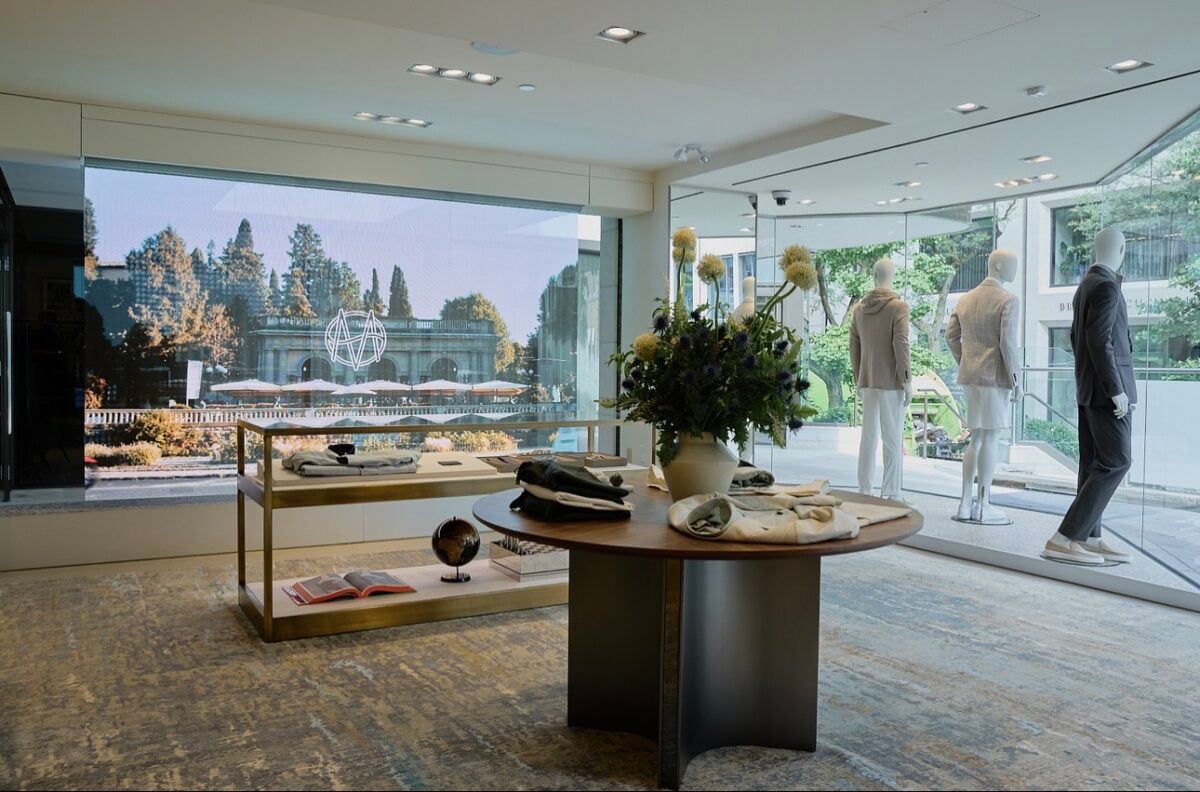
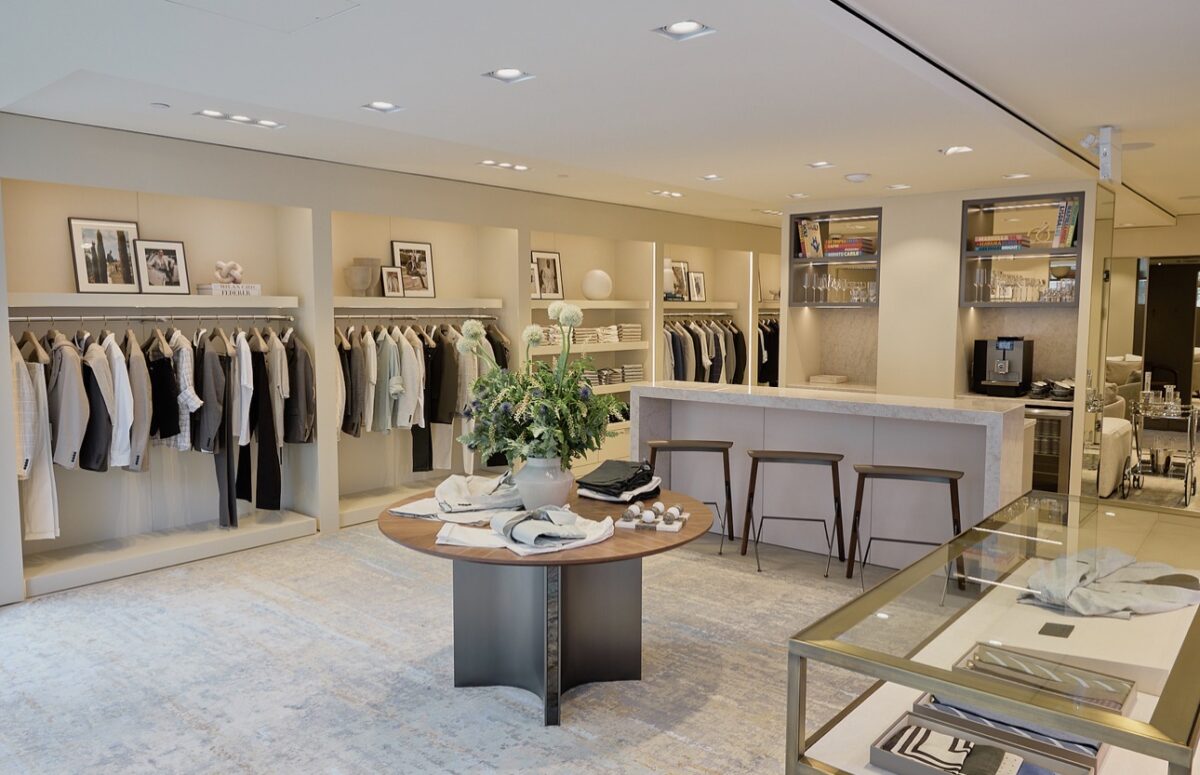
The description is deliberate. Inside the approximately 1,400-square-foot store at 101 Yorkville Avenue, tailored jackets, trousers, shirts and casual pieces surround a hospitality-focused space where customers can sit, have a coffee and spend time with staff.
The Yorkville opening is also part of a much larger plan.
Georgi Gvakharia, Senior Vice President and Global Head of Retail at parent company Mondetta Clothing, told Retail Insider that Modern Ambition is targeting at least 12 to 14 stores across Canada over time. Parent company Mondetta is separately envisioning roughly 20 stores under its own banner in the Canadian market, pointing to a national physical retail strategy extending well beyond the locations announced to date.
Toronto marks a significant step in that expansion.
“We are really, really excited that we are now in Toronto, and not just in Toronto, but in Yorkville,” Gvakharia said.
The store sits amid one of Canada’s most concentrated clusters of international luxury fashion, with Chanel, Christian Louboutin, Balenciaga, Brunello Cucinelli and Stone Island all nearby. Modern Ambition is placing a Winnipeg-born menswear concept within a retail environment shaped by some of the world’s most established fashion houses.
Its proposition centres on Italian fabrics, tailored clothing, technical performance, sustainability and a hospitality-driven store experience, with prices positioned below the highest levels of European luxury.
Modern Ambition store at 101 Yorkville Avenue in Toronto. Photo: Modern Ambition
From Winnipeg Proving Ground to Yorkville
Modern Ambition opened its first flagship in Winnipeg, where the company refined the concept before moving into larger Canadian markets.
“The purpose was really to make sure we ironed out the details, specifically the store experience, before we went into the big cities,” Gvakharia said.
The Winnipeg location allowed the company to test merchandising, service and the broader customer experience close to home. Gvakharia said Modern Ambition eventually reached a point where it was ready to branch into major markets, with Toronto an obvious priority because of its size and importance within the fashion industry.
Georgi Gvakharia
The expansion builds on plans previously reported by Retail Insider for stores in Toronto, Vancouver and Calgary. The next two locations are expected to be considerably larger than Yorkville, with both Vancouver and Calgary planned at approximately 2,700 square feet.
Gvakharia also credited Mark Chipman and True North Sports + Entertainment with supporting Modern Ambition’s first flagship at True North Square in Winnipeg, where the company developed the retail model now being carried into larger cities.
Targeting the Space Below European Luxury
At the centre of the strategy is a belief that room exists between conventional menswear and the upper reaches of global luxury.
Gvakharia said younger consumers increasingly want better materials, craftsmanship and a compelling retail experience, while also seeking a closer connection with the companies they support.
“There is that gap in the market with Gen Z, millennials and the upcoming Alpha generation,” he said. “They want that experience, but they also want to be connected to the brand.”
Modern Ambition is approaching that market through what it calls a “Technically Tailored” philosophy, combining elements of traditional menswear with stretch, lighter construction and features intended to make garments practical for travel and everyday movement.
Gvakharia described the proposition as bringing together old-school tailoring and quality fabrics at a more attainable price point for customers who may admire brands such as Brunello Cucinelli or Eleventy without shopping at those price levels.
Current pricing helps illustrate the position. Select sport jackets are listed at approximately $690, while chinos are around $285 and performance shirts around $180. The assortment sits firmly in the upper-premium market, above mass menswear and well below the highest reaches of luxury.
The fabric story is central to that strategy. Modern Ambition identifies relationships with established Italian textile companies including Marzotto, REDA, Tessuti di Sondrio and T.G. di Fabio. Pieces in the current collection use Italian fabrics across tailored jackets and other categories.
“We are bringing together great craftsmanship, old-school tailoring and quality fabrics,” Gvakharia said.
For the company, its relationship with younger consumers is also intended to extend beyond product. Parent company Mondetta Canada Inc. is a Certified B Corporation, and B Lab currently lists it with an overall B Impact Score of 109.9.
“We’re a B Corp, so this is a big part of who we are,” Gvakharia said.
He sees sustainability and corporate values as part of the relationship that many younger consumers now expect from brands.
Modern Ambition store at 101 Yorkville Avenue in Toronto. Photo: Modern Ambition
A Retail ‘Living Room’ Built Around Hospitality
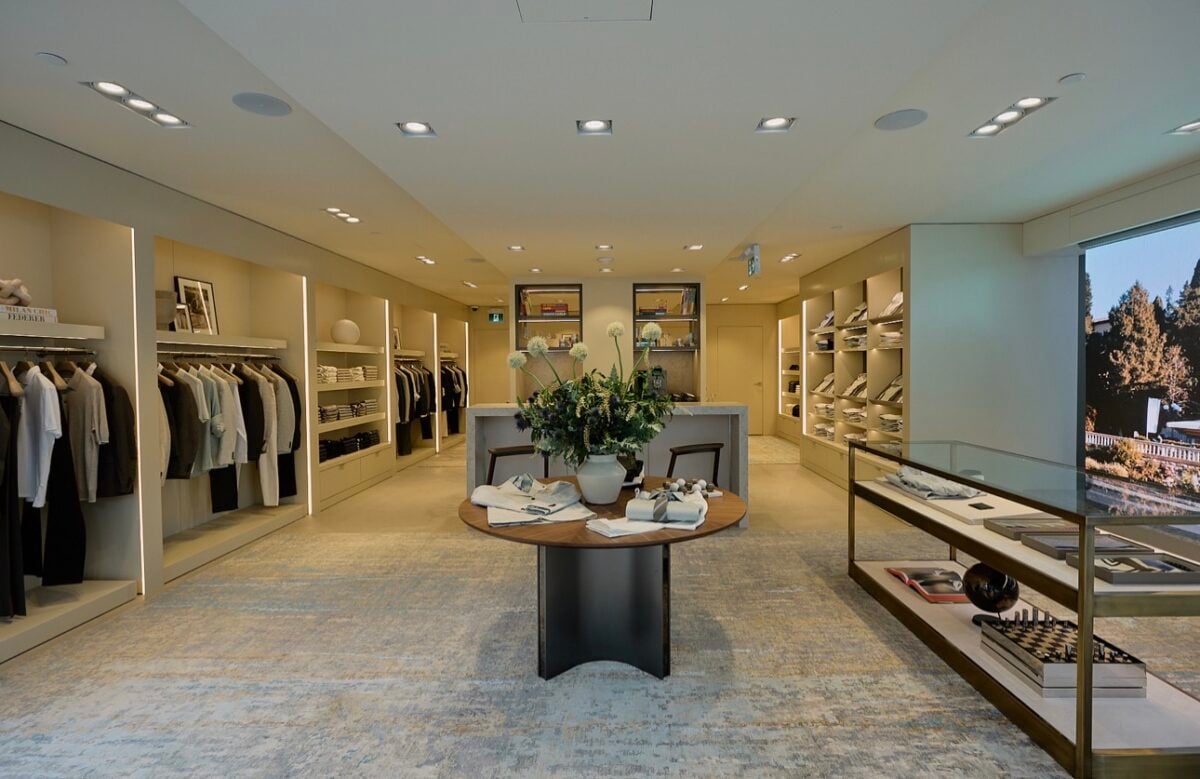
During Retail Insider’s opening-day visit, jackets, trousers, denim and casual pieces were immediately visible across the 1,400-square-foot store. The assortment was presented with enough separation to make categories easy to read, while leaving substantial room for seating and hospitality.
A large LED installation provides one of the strongest visual elements in the space. Gvakharia said similar technology is expected to appear across the wider store network.
The hospitality component is equally important. Coffee is available to customers, and a marble bar has been incorporated into the store. Gvakharia said Modern Ambition also intends to offer complimentary alcoholic beverages to guests once the appropriate licensing is in place.
“We want people to come in and hang out,” he said. “We offer coffee, we offer drinks. We want them to feel at home, connect with the brand, connect with our sales consultants and really enjoy the purchase.”
The model is designed to reduce pressure around the transaction and encourage repeat visits.
“You might come in and enjoy the space, maybe buy something, maybe come back tomorrow, and then bring your friend,” Gvakharia said.
The approach speaks to a broader challenge in premium retail. Product information and purchasing are readily accessible online, increasing the importance of stores that give customers a reason to visit, stay and return.
Modern Ambition is betting that hospitality and personal relationships can become part of the value proposition.
Modern Ambition store at 101 Yorkville Avenue in Toronto. Photo: Modern Ambition
Tyndall Stone Carries Manitoba Into Toronto
The Yorkville store also carries a literal piece of Manitoba into Toronto through its use of Tyndall Stone, the fossil-rich limestone quarried near Garson, northeast of Winnipeg.
The distinctive material is used extensively in the Manitoba Legislative Building and has appeared in prominent architecture elsewhere in Canada. In 2023, Tyndall Stone was internationally recognized as a Global Heritage Stone Resource.
“Because the brand is from Manitoba, we are incorporating Tyndall Stone in all our stores,” Gvakharia said.
He described the material as an homage to the company’s roots and said it is intended to become a recurring design element as the network expands.
The detail gives Modern Ambition’s stores a physical connection to Manitoba regardless of market. In Yorkville, Tyndall Stone sits alongside clothing made with fabrics sourced from established Italian mills, linking the company’s Winnipeg origins with the international materials story underpinning its premium positioning.
Modern Ambition store at 101 Yorkville Avenue in Toronto. Photo: Modern Ambition
Can a Premium Brand Scale From Winnipeg?
Modern Ambition is a relatively new name, but it sits within a much older apparel organization.
Mondetta was founded in Canada in 1986 and became widely known for its flag-themed sportswear before developing a broader apparel business. The company is now drawing on decades of sourcing, design and industry experience to build a new premium menswear proposition.
For Gvakharia, the location of that effort matters.
“Another very exciting thing for us is that we are a Canadian brand,” he said. “Traditionally, upper-premium or luxury brands are coming from Italy or France. Obviously, the U.S. has Ralph Lauren.”
He sees particular significance in attempting to build the business from Winnipeg.
“For Canada, and specifically for Winnipeg, Manitoba, to bring a premium brand to market, I think it’s very exciting,” he said.
Gvakharia also referenced Mondetta CEO Ash Modha’s view that Winnipeg can be a place where a high-end brand is created and grown.
The idea carries weight in a market where many of the best-known names in premium menswear are foreign-owned. Modern Ambition is effectively testing whether a Canadian company can build national recognition around tailoring, technical functionality, service and a distinct sense of origin.
Winnipeg adds historical context. The city has longstanding ties to Canada’s garment and apparel industries, although domestic manufacturing and fashion distribution have changed considerably over time.
Modern Ambition is pursuing a contemporary model built around Canadian brand development, international sourcing and a growing physical retail network.
Vancouver and Calgary Will Expand the Format
The rollout now moves west. The Vancouver store is planned for 918 Robson Street, one of the city’s highest-profile shopping corridors. At approximately 2,700 square feet, it will have nearly twice the footprint of the Toronto location.
Calgary is also expected to measure about 2,700 square feet. The store will open at The CORE in a premium section of the downtown shopping centre, near Harry Rosen, Birks and Rolex.
The larger footprints should give Modern Ambition more room to develop the hospitality and merchandising model first tested in Winnipeg and now introduced to Toronto.
They will also place the company in three distinct retail environments: Yorkville’s concentrated luxury district, Robson Street’s mix of international brands and high-volume urban retail, and Calgary’s growing downtown premium market.
Jeff Berkowitz of Aurora Retail Group represents Modern Ambition and negotiated the three leases.
A National Network Takes Shape
The longer-term plan extends far beyond the first four cities.
Gvakharia said the company is targeting at least 12 to 14 Modern Ambition stores across Canada. At the same time, it sees potential for roughly 20 Mondetta stores nationally.
Such a network would represent a significant physical retail presence for the Winnipeg-based company. It would also create a new operational test as a model built around hospitality, personal relationships and extended interaction with customers is carried into more cities and supported by a much larger team.
Gvakharia sees the expansion as an opportunity to create jobs while building a Canadian company at a time when many consumers are paying closer attention to where brands come from.
“With so many stores, we’re also going to create so many jobs, which is going to be great for the economy,” he said.
The scale of the plan changes the significance of the Yorkville opening. The 1,400-square-foot location is an early piece of an effort to establish a Canadian premium menswear network at a scale still relatively uncommon for homegrown brands in the category.
For now, that strategy is visible inside a store on Yorkville Avenue, where Tyndall Stone from Manitoba, fabrics from established Italian mills, technical tailoring and a hospitality bar come together under one roof.
A concept developed in Winnipeg has now arrived in one of Canada’s most competitive fashion districts. With Vancouver, Calgary and a much larger national network planned, Modern Ambition’s next challenge is turning that opening into something considerably bigger.