Home Blog Page 141

Good Protein sees rapid growth through Costco relationship

Good Protein
Good Protein

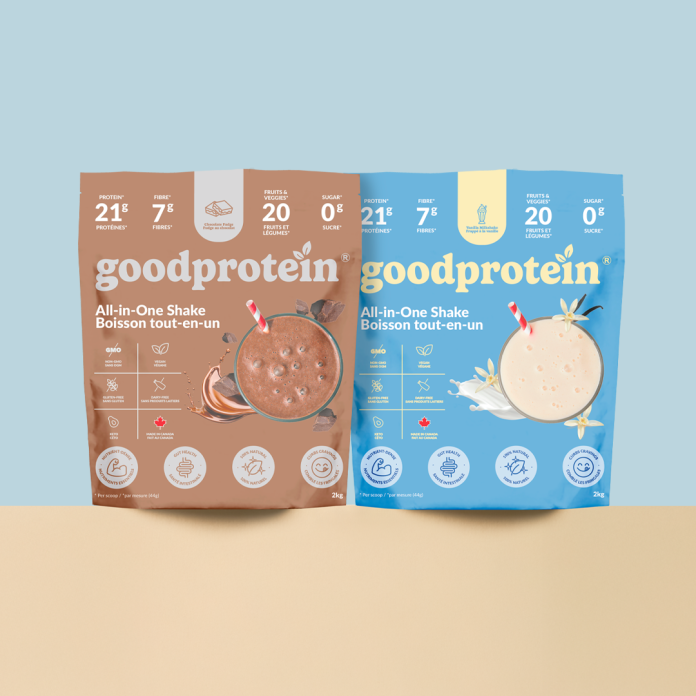
 Good Protein is a Canadian-founded wellness brand disrupting one of the most saturated markets with unheard-of growth and strong consumer demand.

After launching a new format at select Costco warehouses earlier in 2025, the brand is entering all Costco warehouses in Canada. Most recently, Good Protein embarked on its first Costco Roadshow in the fourth quarter of 2025 where they visited 10 Costco locations over a period of two months. Now, the brand embarked on a new Costco roadshow, visiting five Costco warehouses at a time for 13 days each over the course of six months. 

In Good Protein’s first year in retail, they  expanded from zero to over 3500 stores, including Costco, generating eight-figure retail revenue. Retailers were eager to stock the brand, having seen its strong presence and following online, a testament to its rapid traction and market impact.

Edward Lalonde
Edward Lalonde

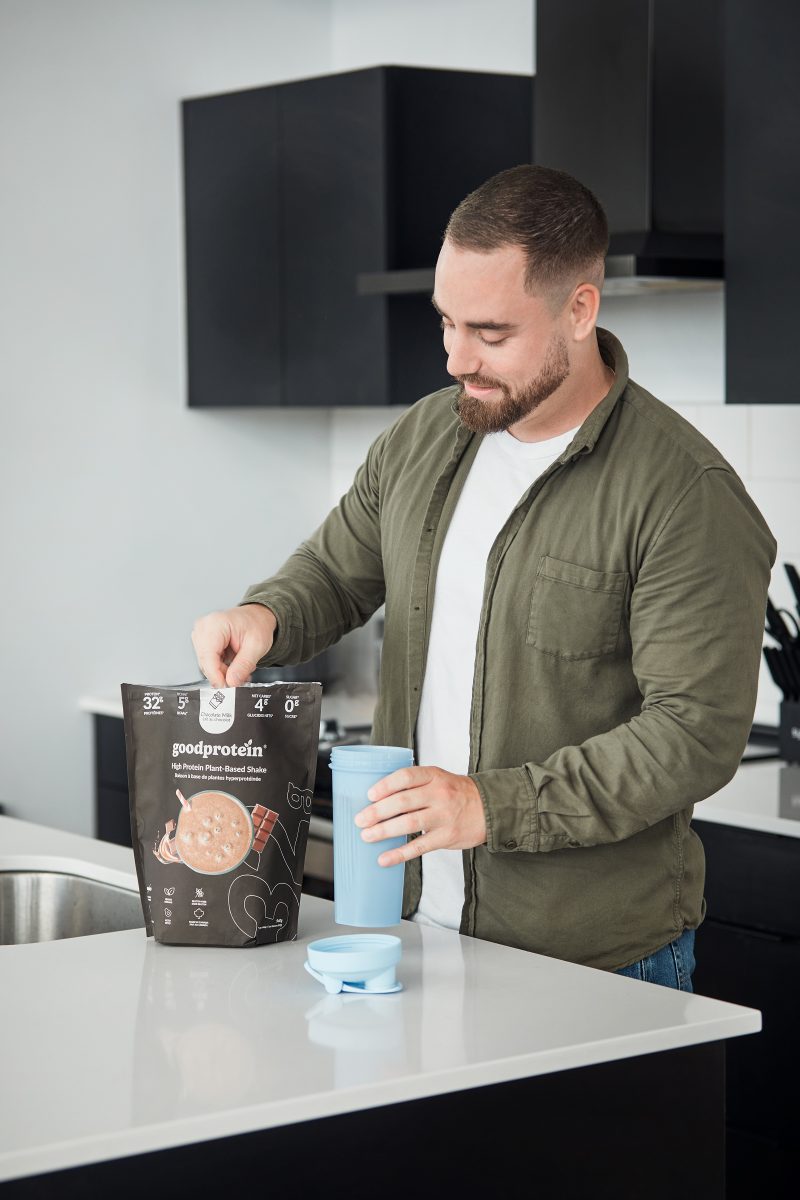
Good Protein’s founder Edward Lalonde said the brand entered the retail market quickly but strategically, by choosing its first retail partners wisely. 

“We initially launched in natural and independent stores to dip our toes in the retail world, then expanded into conventional grocery and pharmacy. At first, it may have seemed tempting to launch everywhere all at once, but as a young business entering retail for the first time, we knew we needed to take it step by step. By doing this, we were able to focus on placing our products where they fit most naturally first and build key relationships–including with Costco, which was our dream retailer,” he said.

“To make this happen, we quickly realized we needed to expand our production capabilities, and now partner with four large manufacturers across Canada, which was no small feat.”

When Costco first reached out to Good Protein in 2022, the brand had to make the most heartbreaking decision in the company’s history and say no. 

“We knew we had significant work to do before being able to make it happen (including upping production capacity) and wanted to make sure a Costco launch would be a success. We also focused on building brand awareness and community, so that customers would recognize us and be excited once we were available at Costco,” explained Lalonde. 

“In March 2025, our hard work paid off —we launched in our first rotation across 70 Costco locations, and it ended up being one of their top launches of the year. We sold three months’ worth of forecasted inventory in just six weeks, proving that the product and format were the right fit and that Costco shoppers were just as excited as we were. They definitely value data and are extremely selective, but to secure more than one rotation, you also need to be a trustable and collaborative partner; which is something we’ve built (and are still building) with them over time.”

Lalonde said the company’s community and brand awareness is a strong part of who it is, and it believes it helped drive its success within Costco, especially since the category is very saturated within retail. 

“By the time we launched in Costco in March 2025, we had built brand credibility and reputation, which meant customers knew us and were more likely to pick up our product on their next Costco run,” said Lalonde.

“Our key differentiator is the taste and texture of our products. Our customers consistently purchase Good Protein not only because it’s packed with high-quality ingredients and is approachable from a brand standpoint, but also because it tastes delicious and is genuinely enjoyable to drink. 

“For this reason, we invest heavily in product demos across all Costco locations, and are about to launch our second roadshow, which will span over six months and run five locations at a time, coast to coast. We know that Costco consumers are strongly driven by product trial, and our product stands out that way.

Edward Lalonde
Edward Lalonde

Lalonde said the best part of roadshows is getting to meet its customers face to face and getting their feedback in real time. 

“Over time, we’ve noticed which of their questions come up the most and are using these insights to inform brand ambassador training and develop marketing materials to support product demos better. For example, frequently asked questions revolve around basic product education, like how to make a shake or smoothie, which liquid to use, or what time of day they should consume our product. This led us to reshaping how we educate consumers on our product, and to explore different formats (like ready-to-drink shakes or individually wrapped sachets),” he said.

“Building a strong in-house supply chain team is a key part of our retail expansion strategy; as it wouldn’t be possible without their expertise. 

Good Protein
Good Protein

Being available in big-box retail represents a major opportunity for us, but we always keep profitability in mind. Why sell millions of dollars’ worth of products if it results in a negative bottom line? It’s very important for us to ensure that every new retailer deal remains profitable for all parties and allows us to support additional initiatives that help leverage our sales within the retail channel.”

More from Retail Insider:

Zucora offers AI powered training platform for Retailers

Image: Zucora

Zucora, Canada’s leader in product protection solutions for the home furnishings industry, today announced it is now offering Champions to all of its Market Partners at no cost. Champions is a powerful new incentive-driven training platform helping Retail Sales Associates (RSAs) build selling skills while enhancing their product knowledge. 

Retailers using Champions have reported improved sales performance, increased RSA engagement and exceptional customer experiences. The new mobile platform offers a fresh, practical approach to sales training that fits the realities of today’s retail environment.

“Retailers have reported how confident and well-trained Sales Associates make a measurable difference,” said David Cohn, Vice-President Sales at Zucora. “We are now offering our market partners free access to the Champions system. We’re helping RSA teams benefit from quality training that is modern, effective, and enjoyable to use.”

A Modern Approach to RSA Training

Champions provides a learning experience that resonates with today’s RSAs:

  • Bite-sized training modules that are easily accessible on the sales floor
  • Adaptable technology using any mobile device 
  • Gamified environment that encourages progress and friendly competition
  • Virtual webinars are held frequently to support and help guide RSAs
  • Powerful Incentives that deliver valuable rewards – just for learning
  • RSA Surveys that help Retailers maintain a pulse on the industry

SellPoints

With Champions, RSAs are rewarded SellPoints when they complete short courses and correctly answer skill-testing questions that aid in knowledge retention. SellPoints can be accumulated and redeemed for valuable gift cards and merchandise. The more RSAs learn the more they earn.

Designed for Retailer Growth

Through rapid adoption and easy training of RSAs, Retailers have also discovered that Champions is also growing their business and driving improved sales results with:

  • Increased transaction conversion rates
  • Easily accessible product knowledge
  • Engaged and motivated RSAs 
  • Increased product protection attachment rates
  • Seamless customer experience

Convenience for SmartOne Customers

Retailers offering SmartOne product protection plans are also able to use the Champions platform to immediately activate plans for their customers. The easy-to-use plan activation feature also increases attachment rates as RSAs earn additional SellPoints with each plan. Retailers have also found  the elimination of the administrative and registration burden is one of the key benefits of SmartOne plans.

Free Access for SmartOne Partners

As part of its commitment to creating value for home furnishing retailers, Zucora is providing SmartOne Partners with unlimited free access to the Champions platform. Easy RSA onboarding and ongoing support is provided by Zucora. 

“Free use of the Champions solution is one more way we’re helping our market partners elevate their financial performance with improved sales results,” added Cohn.

Retailers not offering the SmartOne program are able to use Champions with a 90-day free trial or subscribe at a low monthly cost. To learn more, retailers can schedule a demonstration by visiting rsachampions.com  or contact their Zucora representative.


About Zucora

For more than 45 years, Zucora has partnered with Canada’s leading home furnishing and appliance retailers to deliver innovative protection plans that add value and help Canadians protect the home investments they’ve worked hard for.

For more information, visit zucora.com.


Sales Contact

Our Vice-President of Sales will be present at Las Vegas Market. Reach out in person. 

sales@zucora.com 

Northland Properties acquires full Canadian rights to Denny’s brand

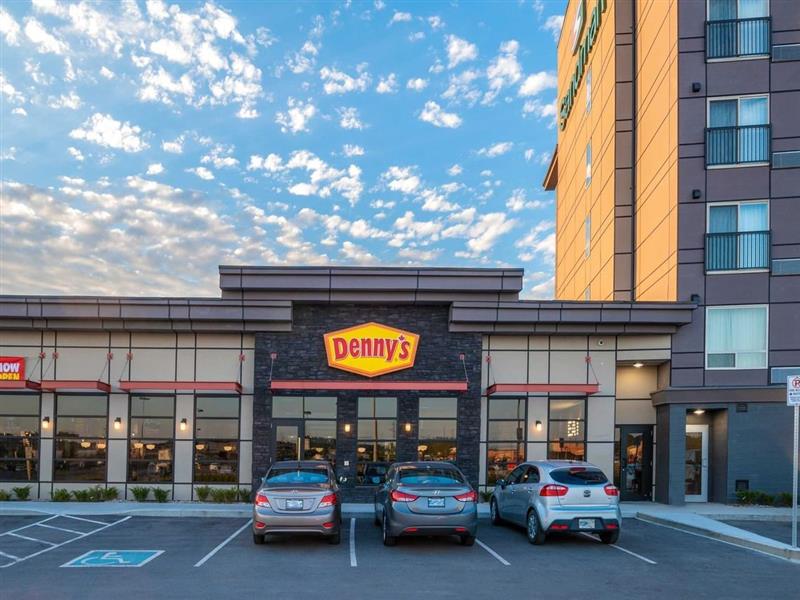
Northland Properties has acquired the trademarks, intellectual property and exclusive rights to the Denny’s brand in Canada, consolidating full control of the restaurant chain after more than three decades as its master franchisor.

The privately held Vancouver-based hospitality company said the transaction also includes an equity position in Denny’s Inc., a move it described as strengthening its long-term alignment with the brand while allowing it to make decisions tailored to the Canadian market.

Deal consolidates long-standing relationship

Northland has operated Denny’s in Canada since 1990 and previously held the role of master franchisor. Under the new arrangement, it now owns the brand outright in Canada, giving it authority over strategy, development and brand direction domestically.

In announcing the acquisition, the company framed the deal as a continuation of its existing relationship with Denny’s rather than a change in day-to-day operations. Denny’s Canada currently operates 85 restaurants nationwide, including 57 owned by Northland Properties and 28 franchised locations.

The Canadian network employs more than 3,500 people across the country, according to the company.

National footprint and employment base

Denny’s Canada has locations in multiple provinces and positions itself as a full-service diner brand. Northland said the acquisition reinforces its commitment to maintaining and expanding that presence while providing continuity for franchisees and employees.

The company also said the transaction is intended to support long-term growth and stability, though it did not disclose financial terms of the deal or outline a specific expansion timeline.

Northland chief executive Tom Gaglardi said the company views the acquisition as a strategic step that formalizes its long-standing involvement with the brand.

“Northland has been passionate about the Denny’s brand for decades, and this acquisition reflects our confidence in its future. By securing full rights in Canada, we have the flexibility to make decisions that best serve Canadian guests and ensure the brand continues to thrive in communities across the country,” Gaglardi said.

Focus on growth and brand control

Northland said full ownership of the Canadian rights will allow it to pursue Canadian-specific strategies while remaining connected to Denny’s global operations through its equity stake in Denny’s Inc.

The company characterized the move as a way to balance global brand alignment with local decision-making, particularly in areas such as menu development, restaurant investment and workforce development.

Alan Howie, president and chief operating officer of Northland Restaurant Group, said the company plans to use its expanded authority to support growth initiatives while maintaining continuity for customers.

“This acquisition represents an exciting opportunity for Northland to accelerate growth and strengthen Denny’s relevance with Canadian guests,” Howie said. “With full brand control in Canada, we can invest meaningfully in menu innovation, restaurant development, and our people, while preserving the heritage that Canadians know and love.”

Source: Northland Properties

Franchise stability and Canadian focus

Northland said its intent is to grow Denny’s presence responsibly across Canada, emphasizing stability for existing franchisees, employees and guests. The company said having greater latitude over Canadian operations positions it to respond to local market needs without compromising brand consistency.

The release did not specify whether the acquisition would result in immediate changes to franchising agreements, restaurant operations or staffing levels.

Northland also did not indicate whether additional restaurant openings are planned in the near term, but said the transaction supports long-term development of the brand in Canada.

Source: Northland Properties

Part of a broader hospitality portfolio

Denny’s Canada is one of several hospitality brands operated by Northland Properties, a Canadian family-owned company headquartered in Vancouver. The company’s portfolio includes restaurant, hotel and resort businesses across the country.

Northland Properties Corp. does business as Denny’s Canada and is responsible for operating and franchising all 85 Canadian locations. The company describes the diner chain as a long-standing part of its hospitality offerings.

More from Retail Insider:

Collective Arts Carves Out a New Space in Clean, Functional Energy with Botany

Collective Arts
Collective Arts

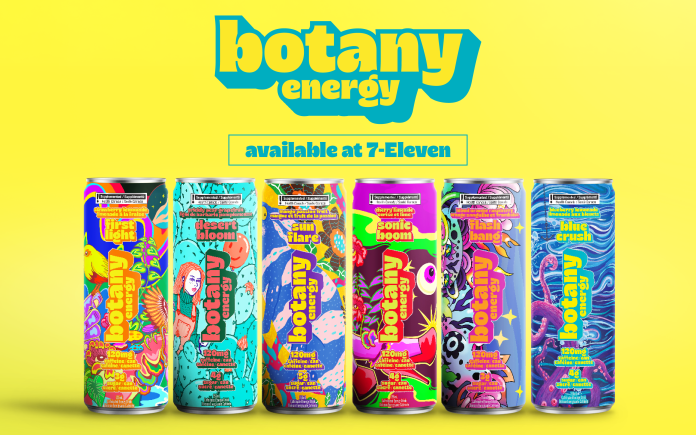
Collective Arts, the Canadian craft beverage company known for pushing the boundaries of creativity and innovation, has launched Botany Energy, a new line of clean energy drinks. The introduction of Botany Energy marks Collective Arts’ continued expansion beyond craft beer and into the fast-growing functional beverage market.

The company said Botany brings a fresh perspective to the energy drink category, blending thoughtful formulation with signature eye-catching design. Each product is crafted to fit the way people want to feel today: focused but not wired, energized but still grounded, supported throughout the day without the extremes. 

Energy is no longer a one-size-fits-all category. Consumers are driving rapid growth in new sub-segments like clean energy, functional energy, and adaptogenic blends, it said.

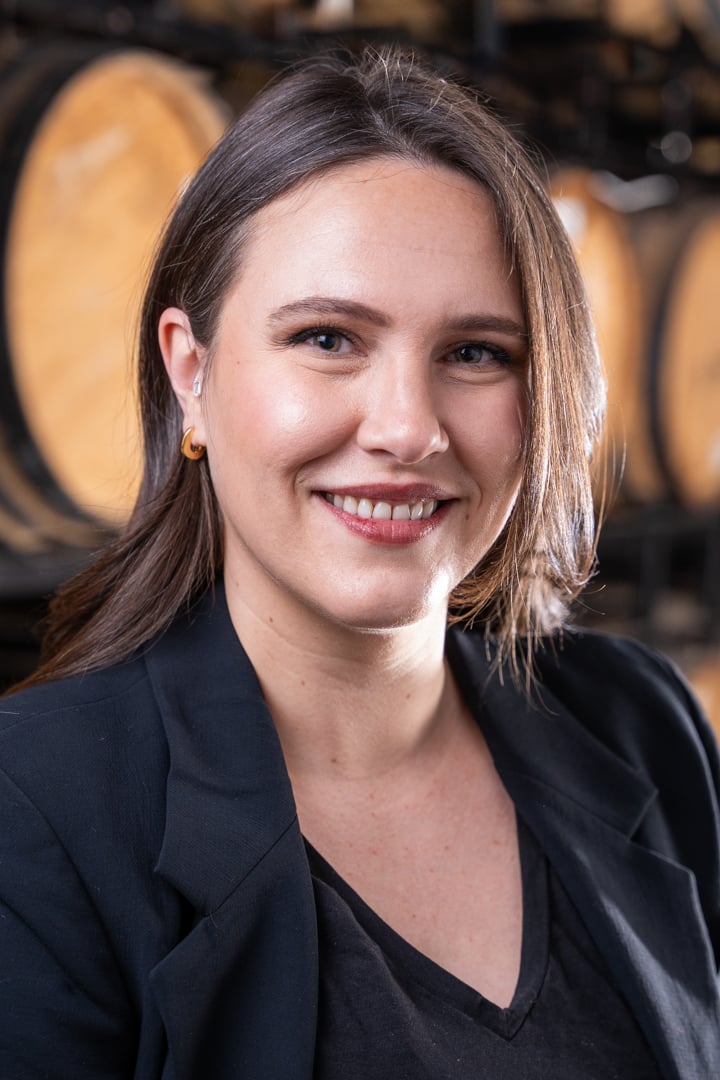
Toni Shelton
Toni Shelton

“Consumers, especially Gen Z and Millennial women, are reimagining energy,” said Toni Shelton, VP Brand and Strategy at Collective Arts. “They’re done with the ‘slam a can and brace yourself’ mentality. They want steady, supportive energy that fits into a balanced, wellness-focused lifestyle. Botany brings that to life with clean, adaptogenic formulations built for daily energy that fits women’s lives, not the other way around.”

The company said Botany Energy is part of the Botany lineup of beverages that champion the nourishment that nature intended. Botany Energy has two sister portfolios: Botany Elixirs and Botany Waters – already in market – both derived from the same values as Botany Energy but with a different set of features and functions. 

Botany Energy is now available in 7-Eleven stores across Canada, with expanded distribution rolling out in 2026. Botany’s Elixirs and Waters can be found at select quality grocery retailers including Whole Foods, Healthy Planet, Sobey’s, Fortinos and Well.ca. All Botany beverages can also be purchased in Ontario at Collective Arts Hamilton and Toronto spaces and online shop.

Fusing innovative beverages with talents of emerging artists

Founded in 2013, Collective Arts fuses innovative beverages with the talents of emerging artists from around the world. Their goal is to create a locally relevant, globally iconic lifestyle brand, focused on providing artists with a platform to be discovered and amplified. 

Collective Arts
Collective Arts

The company is based in Hamilton with its main facility. It also has a taproom and event space in Toronto on Dundas and Bathurst. 

“We sell everything you can imagine. We started as a craft brewery  . .  . The typical craft brewery model is to root yourself in a local neighbourhood and become really geographically loved by your local community. Collective Arts kind of tried to look at the craft beer model and how do you create a globally relevant craft beer company, when there’s thousands of them everywhere in pockets of neighbourhoods,” said Shelton.

“And so really the impetus behind it was coming from the design space, is how do you take all of this amazing art that’s out in the world and bring it closer to consumers. A lot of the time, artists find their work gets stuck on gallery walls where they don’t make a ton of money, they don’t get nearly enough eyeballs on it, and it’s hard as an artist. They’re kind of stuck talking to the same people in their own little echo chamber.

“So Collective Arts created a brand platform, and really that’s what we are and why we have so many different categories that we play in.

“We have a call for art that anyone from around the world can submit art to at any time in the year. We don’t own the art. We licence it for a period of time. And that way the artists can go and do what they want with their art. They can go sell it to Nike if they need to, or give us their scrapbooks, is kind of what we always say.”

Grassroots artist community created

Shelton said the company has created this grassroots artist community from around the world. 

“We have folks submit art from Iran and Korea and Spain, and 40 different countries. We’ve had, I think, 30,000 submissions of art over the years, and we’ve really created this creative community and brand for us,” she explained.

“So then we go look at the products we make. We started in craft beer, a really highly experiential consumer category. People want new, they want innovative, constantly rotating products. Then we looked into what other categories we can play in. Cider was the next one, being able to use local juice and local fruit and play around with different flavour profiles. We’ve got two of the top-selling ciders, Ontario ciders, in the LCBO.

“Then we look at spirits. We make a lot of gins, some of the really, really well-awarded gins. The reason we get into gin is because it’s one of the spirits you can actually have fun with and play with when it comes to flavours and botanicals. Whereas vodka, there’s only so much creativity you can apply. For our gins, we were really able to have a little bit of fun there.

“And then the RTD (Ready to Drink) market. Beer starts to decline. People are minding their waist a little bit more. And then we start to get into the craft cocktail, ready-to-drink market. We’ve been doing that for probably seven years, more now.”

Collective Arts
Collective Arts

It’s all about creativity and quality.

“Whatever category we’re in, the reason a consumer picks us off the shelf is because they know they can trust that there’s been integrity and authenticity that’s gone into creating the liquid. But they also know there’s going to be a unique experience when it comes to seeing what art is being featured on the label,” said Shelton.

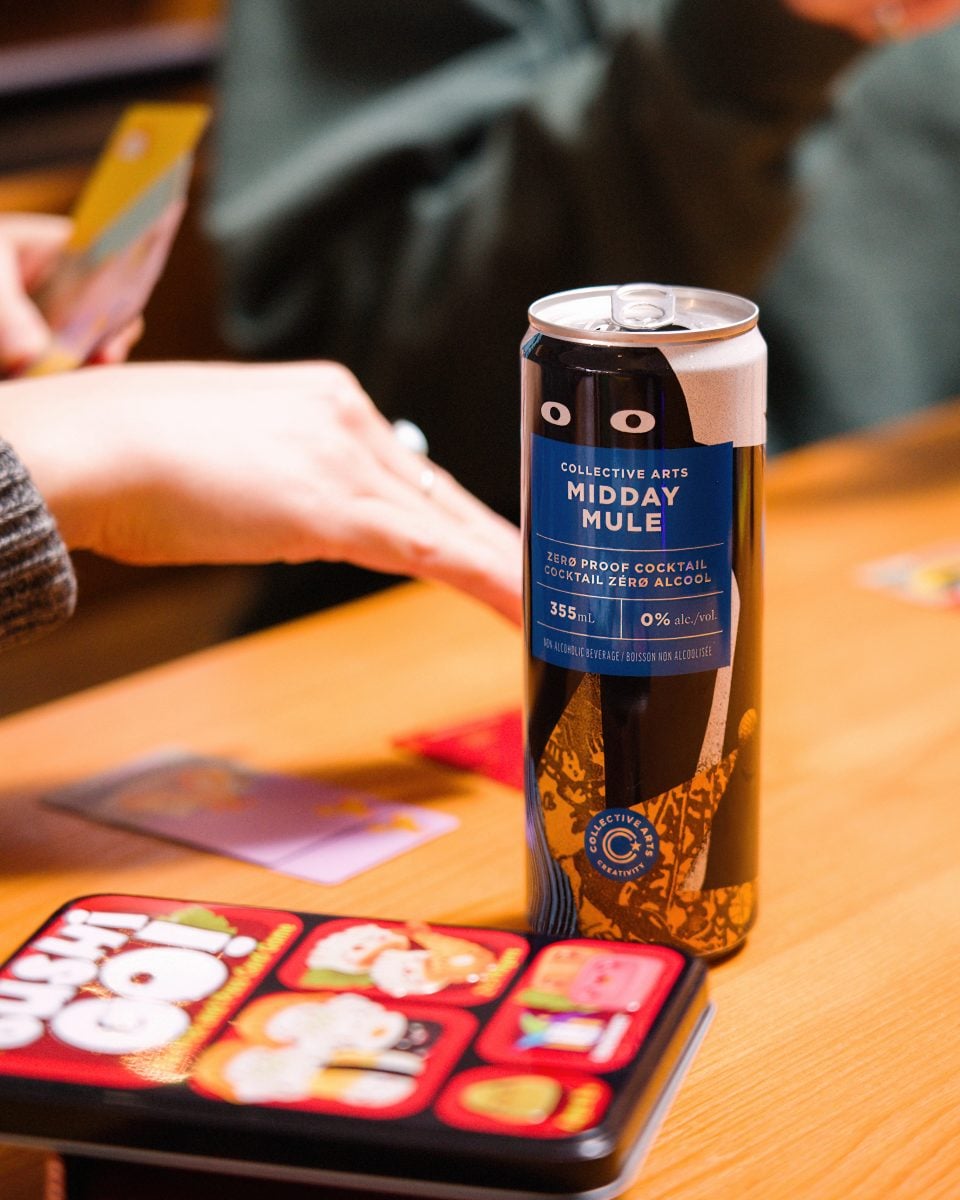
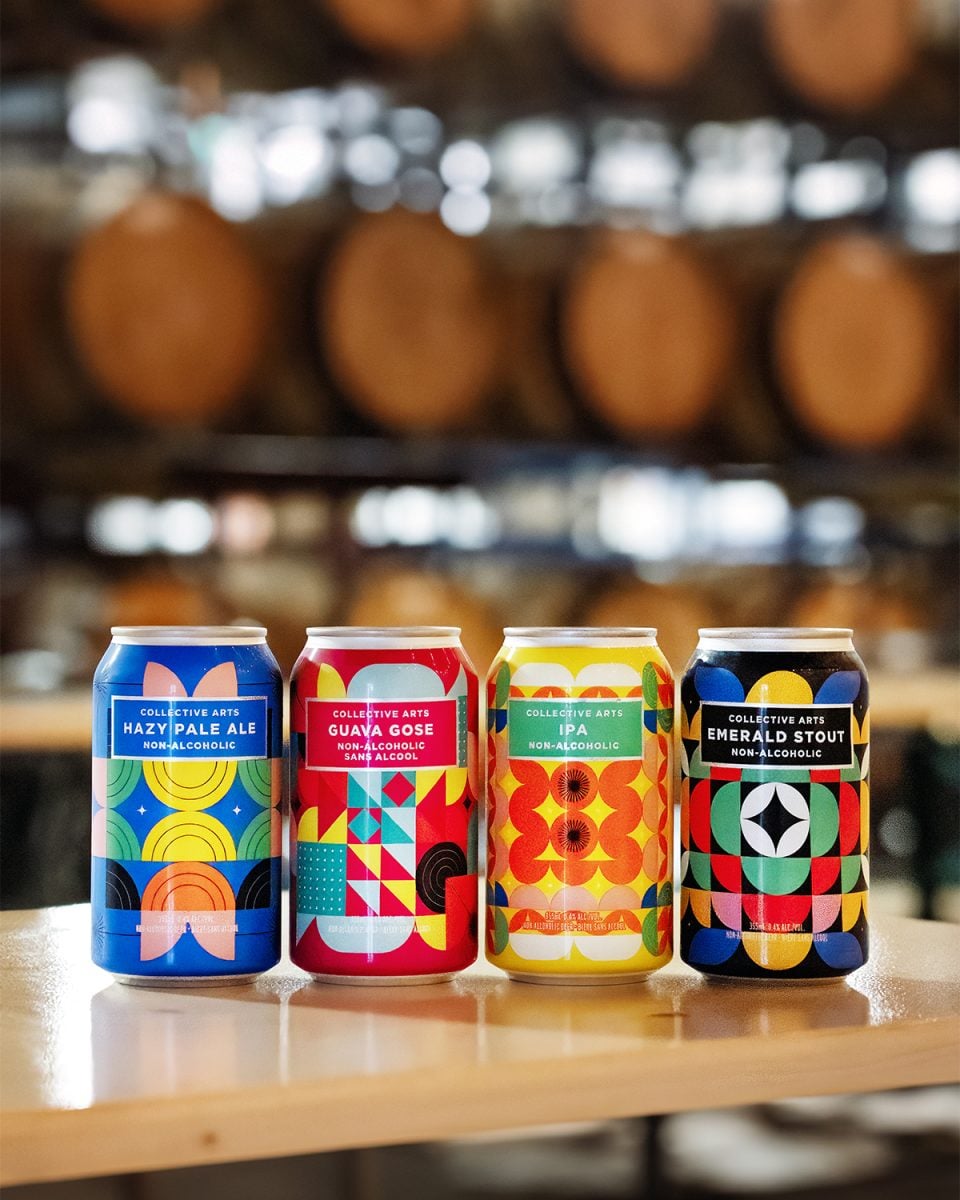
“We’ve gone through a lot of different market challenges over the years, whether it’s the pandemic or the sober curious movement. And as we know, a lot of challenges make for a lot of opportunities. And now we are taking non-alcoholic seriously. We know our consumers are millennials and the up-and-coming Gen Z consumer. We know they like creating authentic, unique experiences. They like to disdain the status quo. And so we’ve created a lineup of alcohol alternatives. We have our non-alcoholic beer . . . and then we have some zero-proof cocktails, which is a bit of a strange category, because we hold ourselves really high to the standards that we put into making products. It’s a zero-proof cocktail without the booze, but we’ve spent a lot of time crafting that experience so that you get real juices, real flavours of tequila, and you don’t have to compromise on what a well-balanced cocktail tastes like, whether it’s got the real thing in it or not.

Consumers not shopping in silos

“We started in beer. We own that. We methodically go through categories. We don’t just jump into a category for the sake of it. What really drives us is knowing our consumers. And we know our consumers don’t shop in silos. You don’t just drink beer. You don’t just drink cocktails. You drink water. You drink energy drinks. You drink better-for-you things.

“And so when we look at the trends in beverage, there’s a lot of moderation. It’s less about abstinence and more about mindful consumption and having options. That’s the driving force behind why we’re in those categories.”

But the reason the company believes it belongs in those categories goes back to its brand platform, because it is truly trying to bring more art into the everyday.

“We disrupted the craft beer industry with our art model, we think we can do that in these other categories.”

More from Retail Insider:

RONA’s Value Strategy: Where Brand, Retail Media, and Vendors Connect

Being successful with RONA today is about more than a strong product. It’s about how your brand connects with customers to create a unique experience and bring them value. Brand strategy, retail media, and digital experience work together to shape where shoppers start, what they trust, and what they choose. Knowing how these elements connect within this retail ecosystem is essential to being a stronger partner.

That’s what makes the In Conversation with Retailer Leaders breakfast featuring the RONA leadership team on January 27, 2026, at the Toronto Airport Marriott Hotel so valuable.

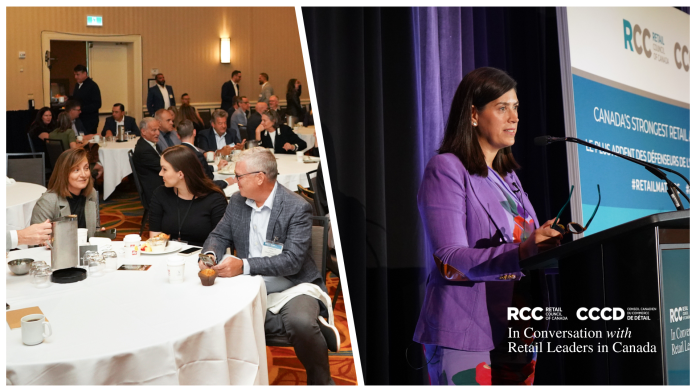
This session goes inside how one of Canada’s most influential home improvement retailers builds its ecosystem. In a discussion led by Kim Furlong, President and CEO of Retail Council of Canada, with Catherine Laporte, Chief Digital and Marketing Officer, RONA, and Doug Young, Chief Merchandising Officer, RONA, you’ll hear how this retailer’s evolving private brands deliver both value and exclusivity, giving customers a clear reason to choose RONA. You’ll also see how national brands drive credibility and traffic, while differentiation increasingly comes from the experience that surrounds them.

You’ll learn how this approach to brand repositioning, sustained media investment, and breakthrough creative shapes which vendor brands gain visibility and momentum. Understanding how RONA builds emotional connection through cultural campaigns like Mike chez RONA and Homes of Hockey, and how strong brands unlock earned media and high-impact partnerships, shows where real commercial value is created and how vendors can align with it.

Retail media is where this becomes actionable. In this environment, media works when it reinforces brand and experience—not when it runs in isolation. Vendors who understand how RONA connects retail media to category strategy and customer experience can build programs that perform better, spend smarter, and deliver clearer ROI. Add in the power of digital touchpoints shaping decisions before shoppers reach the shelf, and this becomes a roadmap for stronger launches and sharper campaigns.

All vendors are invited to attend the In Conversation with Retailer Leaders breakfast on January 27, 2026, from 7:30 a.m. to 9:15 a.m., at the Toronto Airport Marriott Hotel. Start the day with practical insight, high-value networking, a great breakfast, plenty of coffee, and easy parking.

Get your tickets at: retailcouncil.org/event

Heartland Town Centre adds first-to-Canada concept as leasing surges

Heartland Town Centre in Mississauga. Image supplied

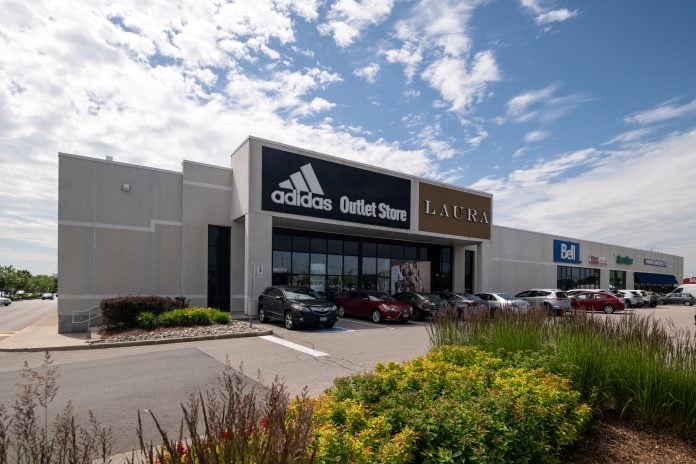
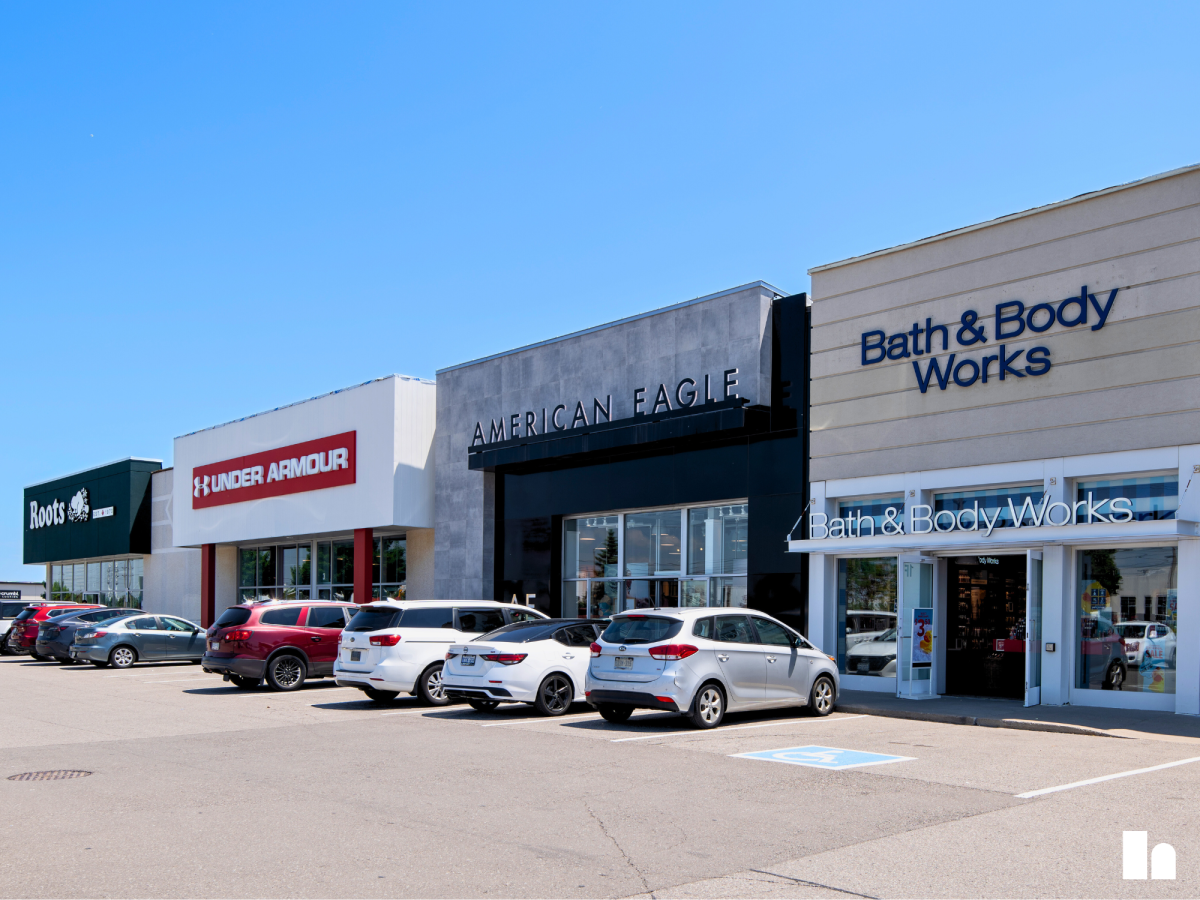
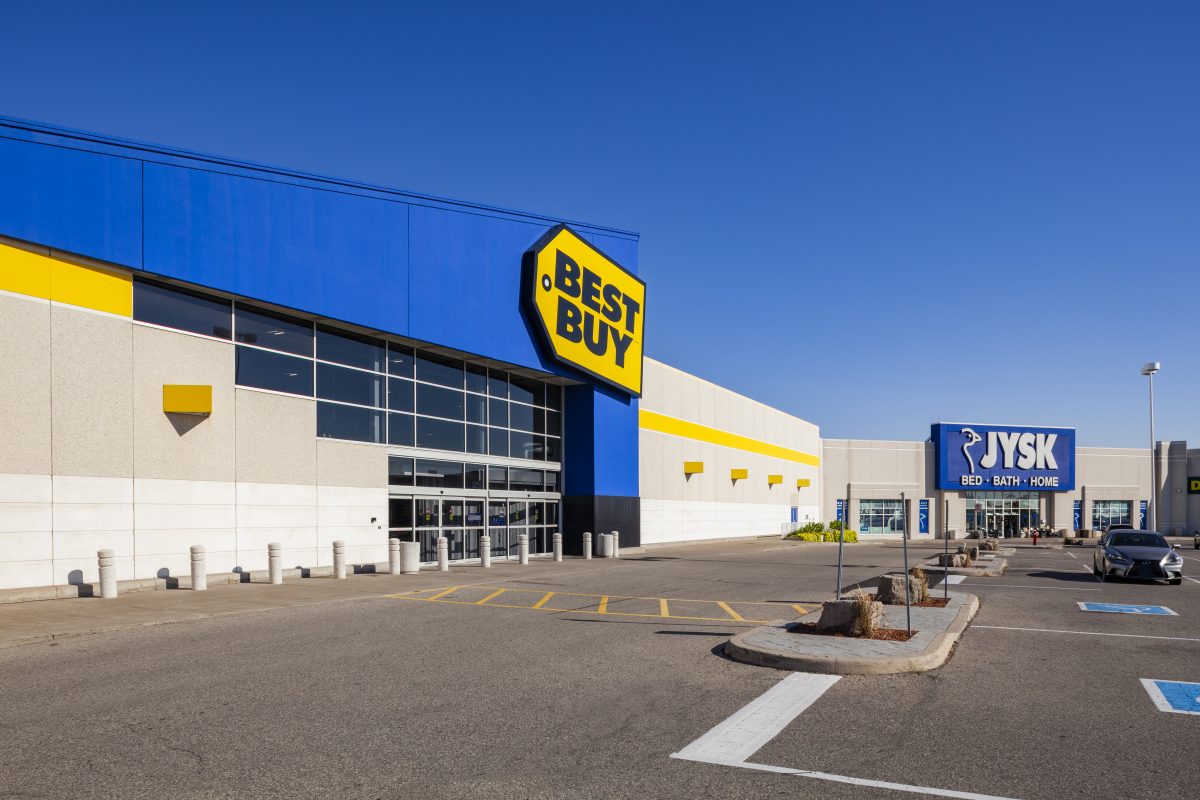
Heartland Town Centre in Mississauga is entering another year of active growth as a slate of new retailers, restaurants, and services join the 2.2-million-square-foot, open-air complex at Highway 401 and Mavis Road. Orlando Corporation, which owns and manages the property, has advanced a program of targeted leasing that builds on already strong sales performance across the site, while shaping a fuller mix that serves everyday needs and destination-driven visits.

Matthew Kaplan, Senior Leasing Manager at Orlando Corporation, described 2025 as a busy year of deal-making, with a mix of national brands, category leaders and experience-oriented uses either now open or underway. “It’s fun, it’s busy, there’s a lot of growth and changes,” he said from onsite at the centre. “We’ve been quite active and the goal is to deliver a well-rounded experience that keeps Heartland top of mind for shoppers across the region.”

Matthew Kaplan

The Heartland Town Centre leasing program is anchored by tenants that increase frequency, broaden the dining offer, and add family-friendly entertainment. One new announcement is Kids Empire, an indoor playground brand with roughly 200 locations across the United States and Europe, which has selected Heartland for its first Canadian site. “They ran the demographics for what was required to be successful, and we have around three times the number of children in the trade area that would have satisfied their metrics,” said Kaplan. Kids Empire took possession of the roughly 12,000-square-foot premises in late September, with an opening planned for early 2026. Kenzie Kohl of Retail Ventures CDN is representing Kids Empire (kenzie@retailcnd.com).

A first to Canada strengthens Heartland’s regional draw

First-to-market concepts have been a feature of Heartland’s leasing in recent years, from fast-growing food brands to specialty retail and recreation. Kids Empire adds a high-visibility family attraction that naturally lengthens visits and creates reasons to return. “It adds another attraction for people to spend more time in the centre and draws more families,” said Kaplan. “It is part of rounding out the overall experience and giving customers more reasons to visit the centre”

The new concept complements an entertainment cluster that has been performing well. “Activate Games has been very successful,” Kaplan noted, adding that experiential uses continue to benefit from the centre’s scale, parking supply, access and visibility from major routes. Heartland’s critical mass of more than 220 stores, restaurants and grocery in over 2.2m sq ft of retail space makes it a logical node for multi-purpose trips, which supports both planned visits and impulse cross-shopping.

Activate Games is another popular attraction at Heartland Town Centre. Photo: Activate Games

Food and beverage keeps building, led by nationally scaled winners

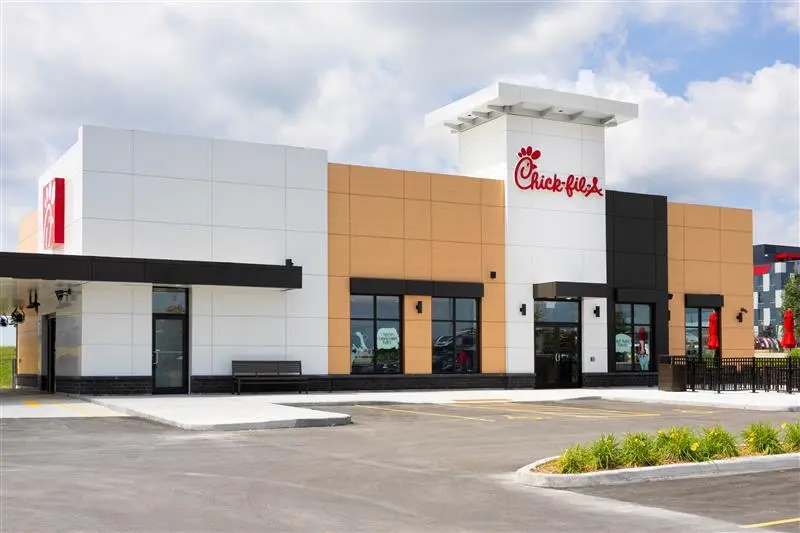
Food service remains a pillar of the leasing story. Chick-fil-A opened a 5,000-square-foot restaurant at the end of August 2025, joining a roster that includes strong QSR performers like Wingstop and McDonald’s and Krispy Kreme at a key intersection on site. “We basically have all the major fast food operators,” said Kaplan. “There is no reason for them not to look at Heartland, especially given how busy we are, how close we are to the 401 and surrounding established residential and employment lands.”

Jersey Mike’s Subs debuted in June and is “exceeding expectations,” according to Kaplan, and Pokeworks opened in November. Orlando has finalized a lease with Chipotle for a prime corner that would open in mid-2026. While specific unit transitions are sensitive during negotiations, the intent is clear. “That sets a new standard for us,” Kaplan said, noting that a top-tier fast-casual brand can both raise rents on benchmark corners and lift the surrounding trade.

Chick-fil-A at Heartland Town Centre. Photo: Chick-fil-A

The dining push builds on previous openings that have tallied notable results. Paris Baguette, for example, was on pace for sales to exceed $1000 per sq in first-year sales, and Crumbl Cookies has achieved similar volume.

“We are constantly trying to improve the tenant mix for the centre, bringing a better experience for consumers,” Kaplan said. “It is exciting to consistently raise the overall bar for retailers and restaurants in HTC.”

Convenience and care: Shoppers Drug Mart arrives at last

One of the most meaningful additions from a day-to-day perspective is Shoppers Drug Mart, which is now under construction and slated to open before the end of the year. Adding Shopper’s Drug Mart may not make a huge splash with such an established national tenant, but it is very important for us. It adds another industry leader with touch of convenience and another reason for people to come to the site on a regular basis.”

For a large format, open-air property, the arrival of an institutional drugstore cements a core errand function that supports repeat visits throughout the week. Coupled with grocers, general merchandise anchors and specialty health and beauty tenants, the centre’s essentials mix is poised to benefit from the residential growth surrounding north Mississauga and the site’s regional accessibility.

Heartland Town Centre in Mississauga. Image supplied

Specialty retail: lifestyle, outdoor and wellness

On the specialty side, outdoor retailer Mountain Warehouse has taken a 7,300-square-foot former International Clothiers space and opened ahead of this past Black Friday. The Kind Matter Company, an eco-focused lifestyle and home goods concept now backed by Terra Greenhouses, joined Heartland with a store opened on Black Friday. Kaplan pointed to the brand’s competitive price points and natural ingredients as differentiators that resonate with families. “The pricing is very competitive with a grocery store. Incredible natural products at prices competitive with the ubiquitous harsh chemicals for the home is a compelling offering,” he said.

The additions add traction in categories that encourage browsing and gifting, while reinforcing the centre’s reputation as a hub for home, lifestyle and outdoor gear. The Heartland Town Centre expansion in these categories reflects the property’s dual role as both a regional power centre and a neighbourhood shopping node.

Heartland’s large footprint and flexible buildings allow for service and auto uses that can be hard to place in enclosed malls or dense main streets. Kal Tire opened in March, adding to a growing cluster that captures routine maintenance trips along with seasonal tire change traffic. Orlando continues to evaluate service concepts that fit the site’s traffic patterns and access that generate reliable frequency and create opportunities for incidental cross-shop with adjacent retailers.

Heartland Town Centre in Mississauga. Image supplied

Sales performance remains a bright spot

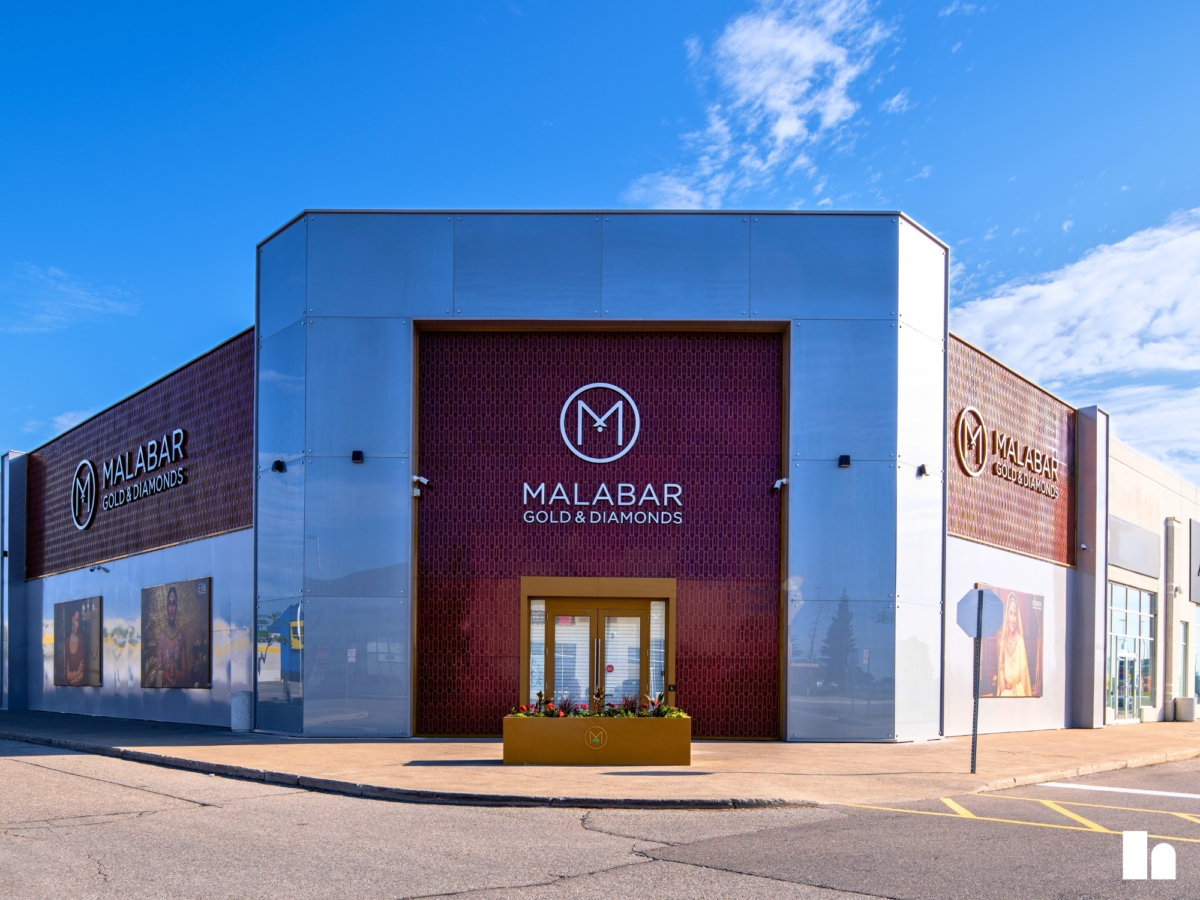
While Orlando does not publicly disclose tenant-by-tenant sales on a regular basis, Kaplan pointed to a track record of strong performance across several categories. In jewellery, Malabar recorded exceptional sales in its first year, reaching sales figures more commonly associated with top-performing luxury centres. Bread bakery café Paris Baguette and cookie bakery Crumbl have both produced first-year sales far surpassing budgets, validating the depth of the market for indulgent treats and everyday gifting.

Discount variety continues to show remarkable resilience, to the point where Heartland will soon host three Dollarama locations across different nodes on the site. “There is definitely a market for it as consumers continue seeking value,” Kaplan said, noting that proximity to anchors like Loblaws creates natural cross-traffic. The performance profile is not limited to value players, however. Uniqlo, which opened last year, “is happy with their business, and has been a popular addition to the site” and experiential operators have also given positive feedback.

As a landlord, Orlando measures success as much by tenant mix and visit frequency as by base rent and percentage rent. “We want the Crumbls and the Wingstops of the world that can do sales in excess of $1,500 per sq ft out of two thousand square feet. That is how you keep customers interested in the centre and stay top of mind for visitors and tenants alike.”

Malabar Gold and Diamonds at Heartland Town Centre. Photo: Orlando Corporation

Site enhancement and careful curation

Beyond leasing, Orlando continues to invest in the physical plant of the centre. On Latimer Drive, façades are being refreshed to modernize the look and strengthen restaurant visibility. The work is part of routine lifecycle improvement across a mature site, with the aim of keeping curb appeal high for both first-time visitors and longtime regulars. “We are refreshing the exterior and looking to add exciting restaurants,” Kaplan said, framing the work as long-term asset stewardship.

Turnover is a fact of life in open-air power centres where tenancies often run in five- to ten-year cycles. Orlando’s approach is to manage that churn so it yields a better mix over time. Over the last 3 years the centre has seen incredible changes adding over 50 new stores and restaurants. The overarching strategy is to keep Heartland relevant for how people shop today, while setting the stage for the next cycle of growth. Additional tenants added in 2025 include Geox, Magnotta and Walking on a Cloud. New store openings for 2026 include Jack and Jones and Danier Leather.

Why Heartland keeps Succeeding

Several fundamentals support Heartland’s continued strength. The location, spanning all four corners through to Matheson and Boyer Boulevards, is visible and easy to navigate, and the centre’s parking capacity remains a practical advantage for big-box trips, bulky purchases and family outings. The trade area’s demographics combine established neighbourhoods with ongoing intensification in Mississauga and Brampton, producing a wide base of weekly needs and discretionary spend. The merchandising plan, which now blends outlet, full-price and specialty retail with services and entertainment, creates many reasons to visit and to linger.

Kaplan also credits the centre’s flexibility. Freestanding buildings and pad opportunities enable quick-service and fast-casual brands to secure drive-throughs or dedicated patios, while mid-box floorplates can be adapted for categories from outdoor gear to fashion and beauty. “With a mature site like Heartland, we are constantly evolving and responding to the needs of the consumer,” Kaplan said, referring to the puzzle of working within existing covenants and building layouts. “But that is our responsibility with this incredible asset. We are adapting and working it so we can keep adding the right tenants to make Heartland Town Centre an everyday stop as well as destination shopping.”

For more information on Heartland Town Centre, contact Matthew Kaplan kaplanm@orlandocorp.com

More from Retail Insider:

WOW Index Shows In-Store Experience Slipping in 2026

Busy day at CF Toronto Eaton Centre. Photo: Cadillac Fairview

Léger’s 2026 edition of its WOW study shows that in-store performance declined across both Ontario and Western Canada, driven by rising prices, longer waits at checkout, persistent stockouts, and fewer interactions between shoppers and store staff. The research underscores a critical tension: shoppers continue to value belonging, quality, variety, and price competitiveness, yet they are increasingly sensitive to value when judging the in-store experience.

The findings are based on surveys of recent retail visitors conducted between October and November 2025, with Ontario results drawn from more than 11,000 respondents aged 16 and over, evaluating 176 retailers across 22 sectors. In Western Canada, the study involved more than 7,000 respondents evaluating 88 retailers across 12 sectors.

What the WOW Index Measures

The in-store WOW Index is a benchmarking score ranging from 0 to 100, based on performance across 16 customer experience dimensions tied to products, price, service, store environment, and customization. These dimensions include product quality, variety, and new discoveries; price competitiveness and promotional activities; staff courtesy, competency, attentiveness, and efficiency at checkout; and store ambiance, layout, and signage.

The index has tracked in-store customer experience for 15 years and serves as a standard measure of retail performance and shopper advocacy across Canada.

Ontario: A Broad-Based Decline

Ontario saw a notable reversal in 2026. After a strong improvement in 2025, the province experienced widespread performance decline. The study shows that 29% of retailers improved their scores, 39% declined, and 32% remained stable, resulting in an overall drop in the WOW Index.

Visit incidence is declining across most sectors in Ontario, with the most significant declines in alcohol, men’s clothing, specialty food, and hardware and home improvement. Despite these headwinds, the drivers of store recommendation remain consistent. Belonging, variety, quality, and price competitiveness continue to rank as the strongest reasons shoppers recommend a retailer.

Pre-visit digital behaviours are also softening, with slightly fewer shoppers visiting a retailer’s website before going to the store or consulting online reviews.

The most significant irritants remain rising prices, waiting at checkout or waiting to be served, stockouts, and missing price tags on products. The proportion of visitors who interacted with employees for advice or product information has slightly declined, while performance on product variety, innovation, and promotions has weakened.

Shoe stores and department stores posted the highest increases, while convenience stores and natural products experienced the largest declines.

Western Canada: More Stable, But Pressures Continue

Western Canada presents a more stable picture than Ontario, though not an entirely positive one. In 2026, 21% of results increased, 27% decreased, and 52% remained stable, resulting in a slight overall decline in the WOW Index.

Visit incidence remains relatively stable across most sectors, suggesting that store trips are holding up better than in Ontario. As in Ontario, belonging, price competitiveness, quality, and variety remain the strongest drivers of store recommendation.

Familiar Irritants Across the Region

The most significant irritants in Western Canada include rising prices, no employees available to serve customers, waiting at checkout, and not finding the desired product. The proportion of visitors receiving advice or information to help choose the right product is decreasing, as is the incidence of unplanned impulse purchases, a concern particularly for categories that rely on in-store discovery.

Performance on product variety declined in Western Canada, while other dimensions remained stable. Specialty stores showed the strongest increases, while sports and outdoors experienced the largest declines.

Experience Versus Price: A Widening Tension

A central feature of the 2026 study is its experience-versus-price framework, which classifies retailers into nine categories based on perceived experience level and perceived price level. This matrix highlights the relationship between what shoppers feel they experience and what they believe they are paying.

In Ontario, only 12% of retailers fall into a positive ratio where experience clearly outweighs price. Half are viewed as balanced, while 39% are seen as having a mismatch where experience does not keep pace with price.

In Western Canada, 17% of retailers are positioned in the premium category, 9% in the experience-plus category, and 7% in the popular category. By contrast, 16% fall into the selective category, 17% into the functional category, and 7% into the economic category. Standard retailers account for 23% of those evaluated, while Minimalist concepts represent 5%.

Consumer Willingness to Trade

The study suggests shoppers are more willing to accept a lower-quality in-store experience in exchange for lower prices. A majority, 54%, say they would accept a lower-quality experience to benefit from a slight price decrease, compared with 29% willing to accept a price increase to maintain the current experience and 30% to obtain a better experience. Only 26% say they would pay slightly more simply because a brand is perceived as prestigious or distinctive.

When asked what trade-offs they would accept to help retailers maintain or reduce prices, shoppers point to several measures, including the withdrawal of paper flyers, the use of simpler or reused packaging, increased use of self-checkout, and reduced store hours.

When asked what would justify higher prices, shoppers highlight high-quality products, a highly advantageous or exclusive loyalty program, and the ability to easily order out-of-stock items with fast delivery. Also cited are expert, passionate, and well-trained employees, exceptional customer service, fast and frictionless service, and a smooth, intuitive, and enjoyable shopping experience. An attentive, always available, and proactive team, along with complementary services such as gift wrapping or free delivery, also support price premiums.

Top In-Store Experiences in Ontario

Ontario’s highest-ranked in-store experiences are led by specialty and experiential retailers that emphasize product expertise, service consistency, and emotional connection.

Top performers include Saje Natural Wellness, Lee Valley Tools, Penningtons, M&M Food Market, Global Pet Foods, The Bone & Biscuit, Lego, L’Occitane en Provence, Lindt Chocolate Shop, and Nespresso.

Additional strong performers include Lush, Cabela’s, Hermès, Ren’s Pets, Laura, and Chocolats Favoris.

These retailers tend to share common characteristics. They control their store environments, invest in staff training and expertise, deliver clarity around price and value, and offer either specialized product knowledge or an experiential element that extends beyond transaction efficiency.

Top In-Store Experiences in Western Canada

Western Canada’s highest-ranked in-store experiences are dominated by premium and specialty retailers.

Top performers include Saint Laurent, Lindt Chocolate Shop, Everything Wine, Saje Natural Wellness, Wine and Beyond, Home Alive Pets, Dior, Prada, Nespresso, Hermès, and Remedy’sRx Pharmacy.

The prominence of specialty food and beverage retailers underscores the importance of assortment depth, product knowledge, and experiential merchandising in categories where discovery and guidance matter. Premium fashion maintains a strong presence by operating as destination banners supported by knowledgeable staff and carefully curated assortments.

Pharmacy also appears among the strongest performers, with Remedy’sRx highlighting how smaller, service-oriented formats can differentiate themselves through accessibility, customer recognition, and staff interaction.


ShopperFlow: How Distance and Visit Duration Drive Store Choice

A newer component of the WOW study is ShopperFlow, a location-based analysis using anonymized GPS data from over 5.6 million mobile devices tracked throughout 2025. The analysis provides insights into how far shoppers travel and how long they stay in store.

More specialized categories tend to draw shoppers from farther away. Alcohol, pharmacy, and men’s apparel show higher levels of local convenience shopping, while sports and outdoors, natural products, and furniture and decor see longer travel distances as shoppers treat them as destination categories.

There is no direct correlation between distance travelled and time spent in store. In Ontario, in-store visits tend to be longer than in Quebec, with a greater share of visits extending beyond 30 minutes.

Pet Retail Dynamics

Within the pet retail sector, distinct shopping patterns emerge. Pet Valu stands out as the reference retailer, combining the highest share of visits with a strong concentration of single-retailer shopping behaviour. By contrast, banners such as Ren’s Pets and The Bone & Biscuit show more multi-retailer shopping patterns, reflecting complementary roles rather than direct competition.

Ren’s Pets and PetSmart customers travel approximately 4.5 kilometres to visit, while Global Pet Foods customers travel 2.5 kilometres, and Pet Valu customers travel just 1.2 kilometres. With a median travel distance of just 0.5 kilometres, The Bone & Biscuit stands out as a highly local banner within Ontario’s pet retail landscape.


What the 2026 Results Signal for Retailers

The 2026 WOW study reinforces a pressing message. In-store experience continues to matter, but it is being judged through a sharper value lens. Shoppers want quality, variety, a sense of belonging, and competitive prices, but they are quicker to notice when staffing, checkout speed, on-shelf availability, or pricing fall short.

Retailers face a difficult balancing act. Shoppers demonstrate limited appetite for price increases to fund experience improvements, yet they are explicit about what justifies premium pricing, including high-quality products, meaningful loyalty programs, expert staff, and practical service enhancements that reduce friction.

The retailers that perform best in the 2026 rankings tend to be those that consistently execute the fundamentals. Staff knowledge, product clarity, store environment, and service flow remain decisive factors in how shoppers evaluate value, particularly in a retail environment where patience is thin. For specialty and experiential retailers, the ability to provide a clear reason to visit in person, whether through expertise, discovery, or emotional connection, remains a decisive competitive advantage.

More from Retail Insider:

Casavogue Pays the Taxes This January

Photo: Casavogue

A New Year Refresh Starts with Casavogue, and They’re Paying the Taxes

The start of a new year is a natural time to re-evaluate how a home looks, feels, and functions. Living spaces evolve, and January often becomes the time when homeowners decide it is finally time to upgrade the pieces that define everyday comfort. At Casavogue, that moment is being met with a timely and highly compelling incentive.

For a limited time, Casavogue is offering its “We Pay the Taxes” promotion, meaning clients pay only for the furniture while Casavogue covers the sales taxes. The offer is designed to remove hesitation and make meaningful interior upgrades easier to act on right now.

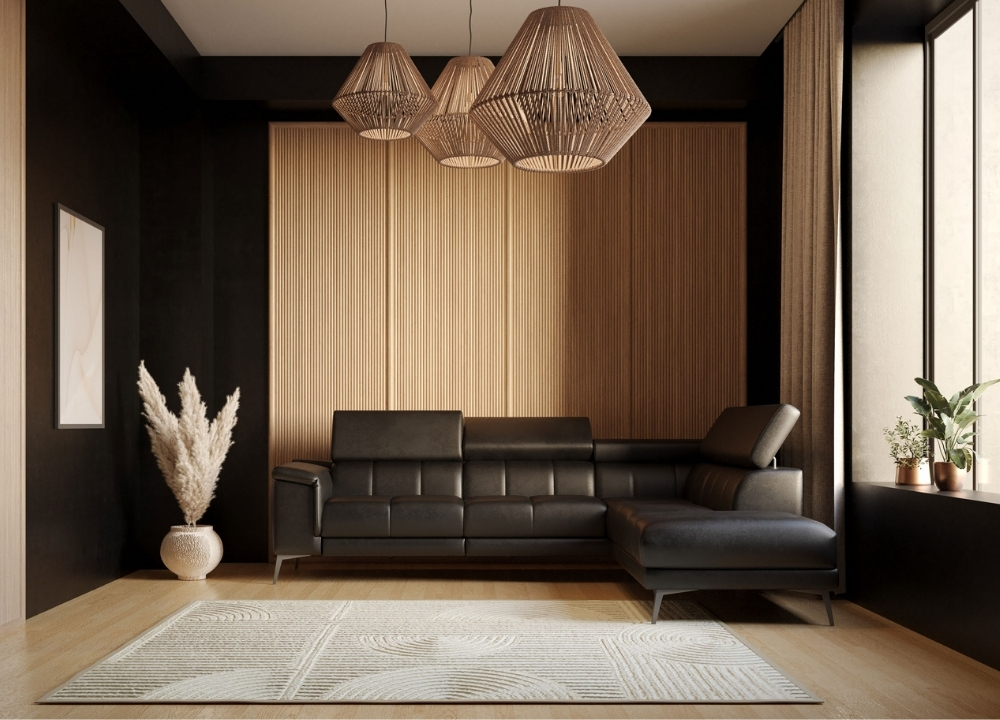
Lenon sectional sofa. Photo: Casavogue

Sectional Sofas That Transform the Living Room

Few furniture pieces have the impact of a sectional sofa. A sectional defines the living room, anchors the space, and shapes how it is used every day. Whether for relaxing, entertaining, or bringing people together, the right sectional becomes the centrepiece of the home.

Casavogue’s selection of sectional sofas combines comfort, scale, and refined design, offering layouts that balance functionality with visual presence. With the current promotion in place, upgrading this central piece feels especially well timed.

To further support clients making a new-year upgrade, Casavogue is also offering 12-month interest-free payment options. See conditions on casavogue.ca/en. ”This allows customers to invest in high-quality furniture without placing pressure on monthly budgets. Combined with the tax savings, the promotion creates a rare opportunity to elevate a living space with flexibility and confidence.

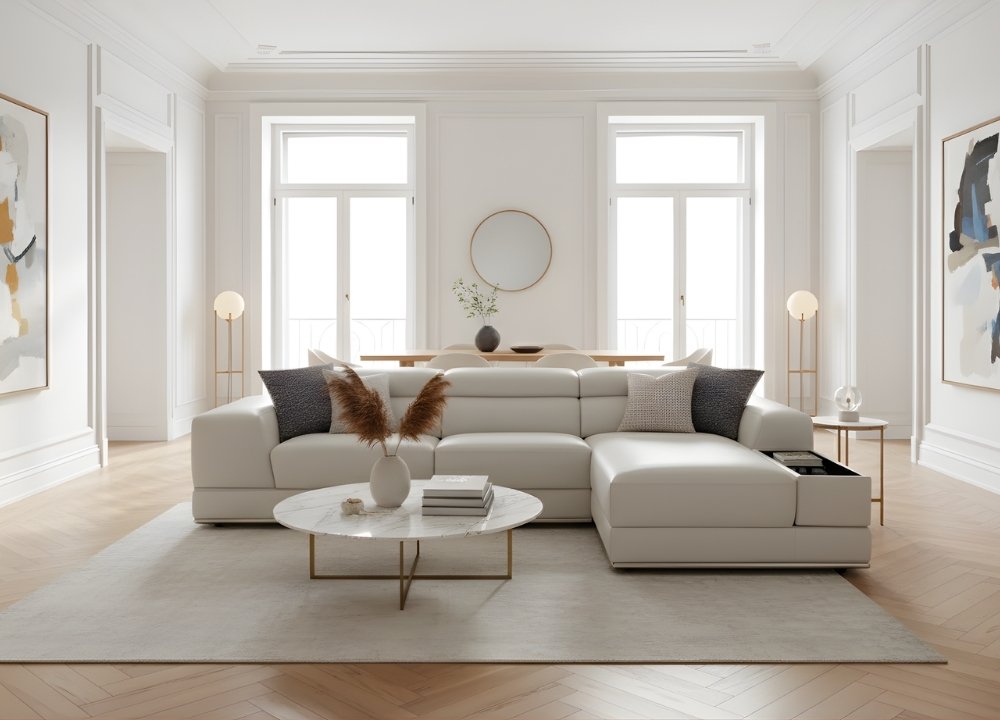
AIDA Sectional Sofa. Photo: Casavogue

A Limited-Time Reason to Act Now

The “We Pay the Taxes” promotion is for a limited time, encouraging homeowners who have been considering a refresh to move forward while the advantage is in place. It reflects Casavogue’s long-standing approach of pairing premium Italian and Canadian furniture with thoughtful, strategic value.

Clients are encouraged to explore the promotion online and visit the showroom to experience the featured sectional sofas in person, including the Aida, Klimux, and Lenon models.

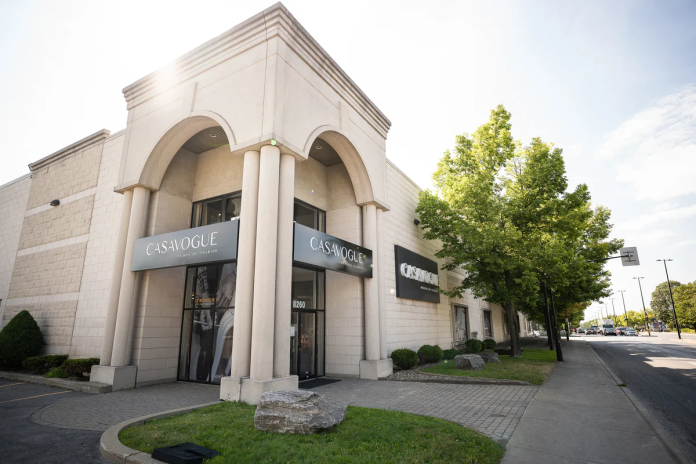
Casavogue is located at 8260 boulevard Saint-Michel, Montréal, QC H1Z 3E2.

For more information, call +1 514-360-3565 or browse online to discover the promotion and available collections.

Klimux Sectional Sofa. Photo: Casavogue

*Casavogue has partnered with Retail Insider for advertising in 2026. To work with Retail Insider, contact Craig Patterson at craig@retail-insider.com

Maison Territo Opens Luxury Furniture Store at Royalmount

Nadège Nourian Launches Chez Nad in Toronto

Chez Nad by Nadège. Rendering supplied

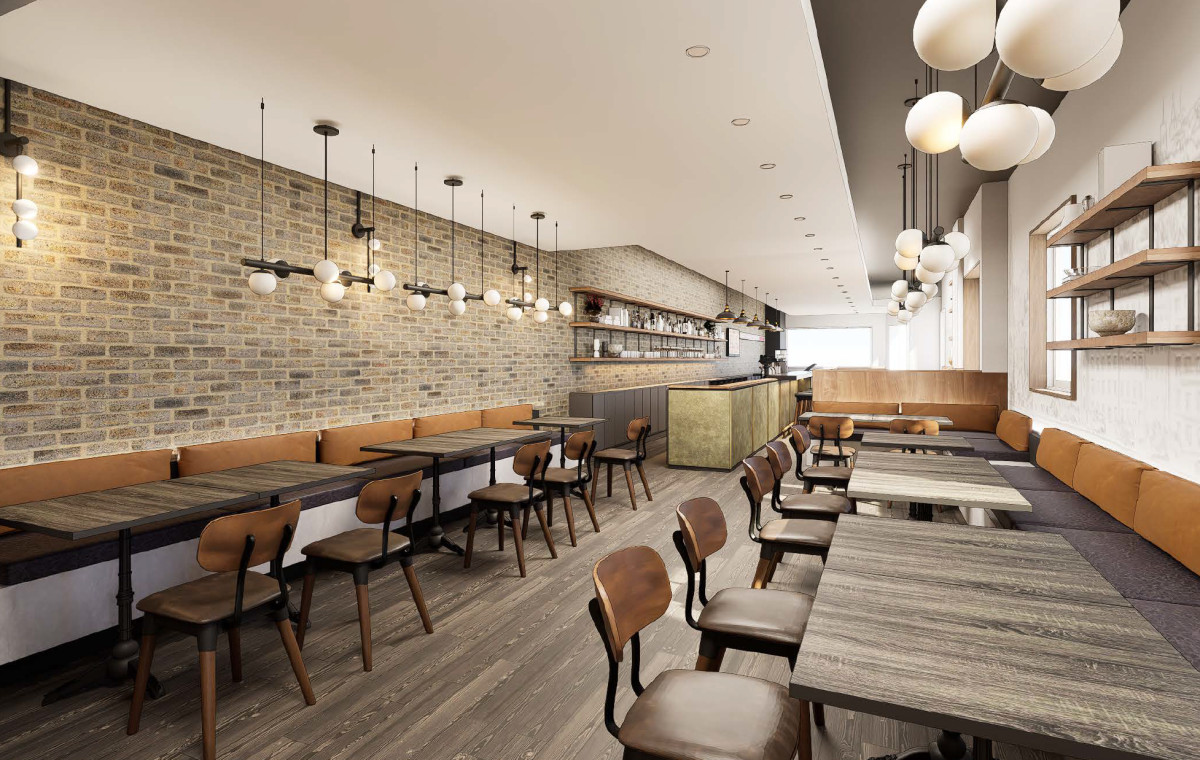
After 17 years shaping Toronto’s dessert culture, Nadège Nourian is entering a new phase of growth with the launch of Chez Nad by Nadège, a modern French bistronomie table that represents both a personal and professional evolution. The new concept builds on the foundation of Nadège Patisserie, one of the city’s most recognizable French pastry brands, and reimagines its Queen Street West flagship as a full-spectrum, all-day French culinary maison.

Chez Nad by Nadège reflects the maturation of a founder-led brand that has steadily grown from a single boutique into a multi-location operation across the Greater Toronto Area. The new concept brings together retail pastry, café service, cocktails, and a refined yet accessible modern French table under one roof, aligning with how Torontonians increasingly prefer to dine throughout the day.


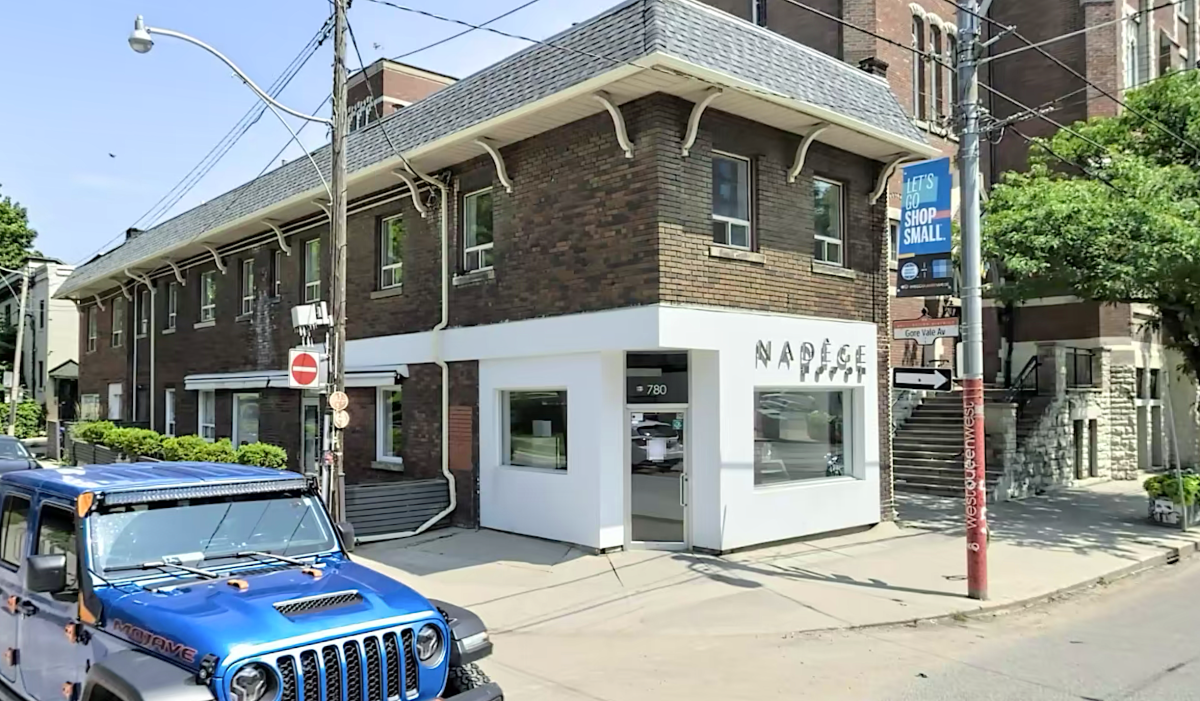
Located at the rear of the newly redesigned Nadège Patisserie at 780 Queen Street West, Chez Nad by Nadège expands the existing café and pastry shop into a cohesive culinary destination. The space integrates Nourian’s established strengths in pâtisserie, ice cream, and gift offerings with a new dinner-focused dining experience that will gradually evolve into an all-day format.

Nadège Nourian

Initially opening for dinner service, the concept is designed to transition seamlessly from morning coffee and pastries to afternoon café service, evening cocktails, and dinner. This layered approach reflects consumer dining habits in Toronto and Nourian’s desire to present the full breadth of her culinary expertise in one location. The result is a single address that functions as a bakery, café, cocktail destination, and modern French restaurant.

The menu is rooted in French culinary tradition but shaped by a contemporary bistronomie approach. Classic dishes are reinterpreted through modern technique and presentation while remaining familiar and approachable. Offerings include a salade niçoise prepared crudo-style, mini quenelles Lyonnaises, classic onion soup, ravioles du Dauphiné, and a Cordon Bleu presented as crisp fried chicken. Escargots are finished with a light parsley foam, while steak frites is paired with shallot jus and tarragon aioli.

Each dish is executed with technical precision and restraint, reflecting a balance between tradition and modern dining expectations. Seasonal menus will highlight high-quality local ingredients, supported by a curated wine list featuring French and local selections, as well as cocktails designed to complement the food.

Nadege at 780 Queen St. W. in Toronto. Photo: Apple Maps screen shot

A Leadership Team Anchored in French Technique

The kitchen at Chez Nad by Nadège will be led by Chef Laura Maxwell, whose career spans more than two decades in some of Toronto’s most respected French kitchens. Known for her technical rigour and refined palate, Maxwell was selected by Nourian for her ability to execute classical French cuisine while introducing subtle, contemporary elements that keep the menu current and engaging.

Maxwell’s leadership ensures consistency and authenticity while allowing the menu to evolve with the seasons and the city’s dining culture. Her approach reinforces the brand’s commitment to quality and technique, two pillars that have defined Nourian’s career since launching her first shop.

“Chez Nad is a love letter to the food of my childhood, and a natural evolution of everything I’ve learned from France, the UK and here in Toronto,” says Nourian. “It’s about bringing people together around dishes that are honest, deeply French and joyfully familiar, at any moment of the day, from morning coffee to dinner.”

Chez Nad by Nadège. Rendering supplied

Design That Reflects Modern French Conviviality

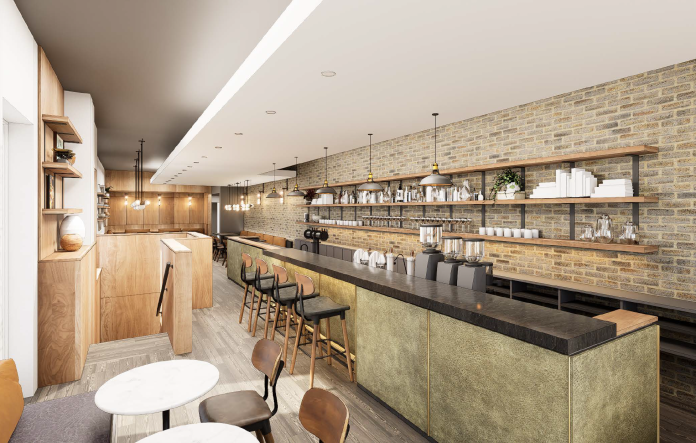
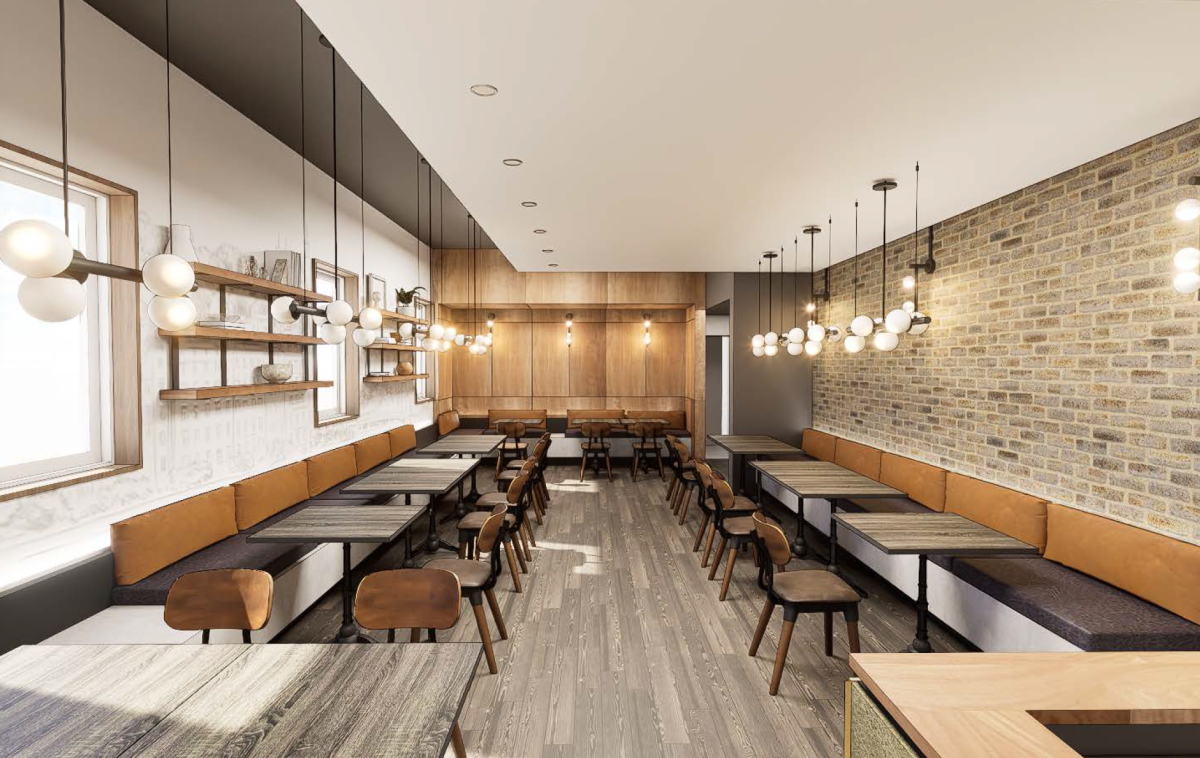
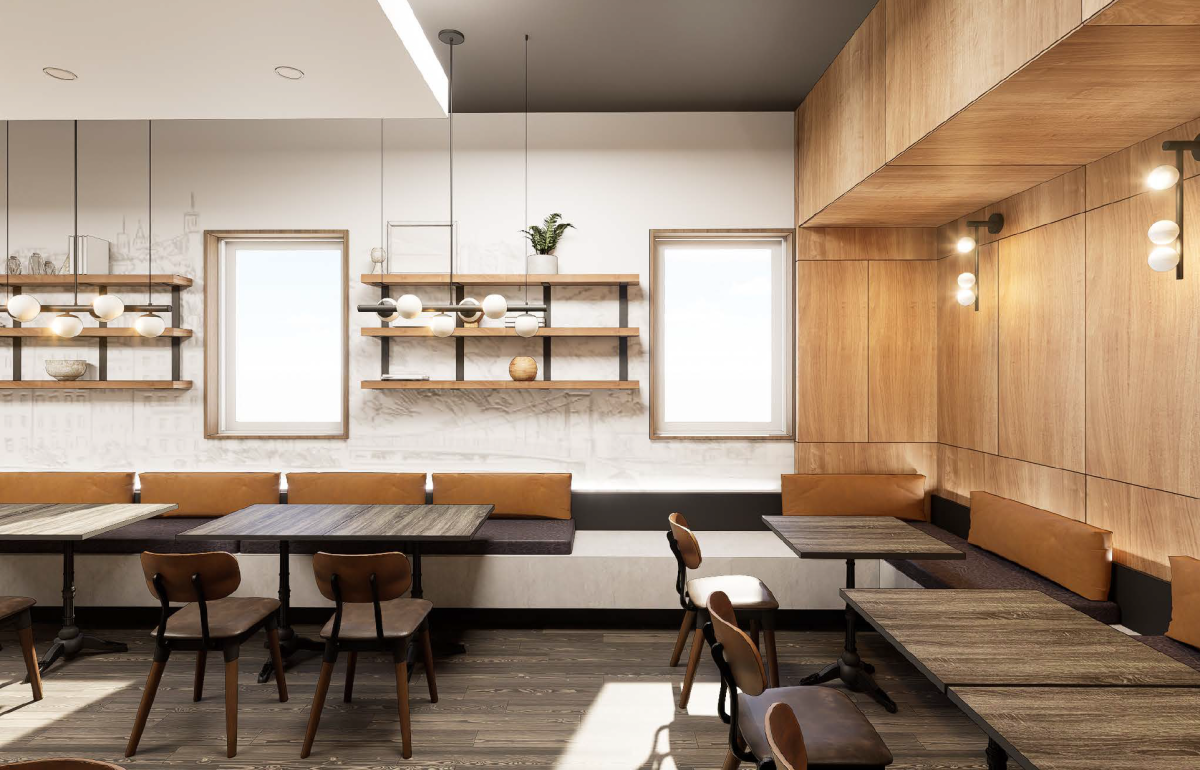
The physical space has been designed to support the concept’s all-day ambition. Warm woods, intimate lighting, and communal seating establish a sense of approachability and social connection, while subtle French artisanal influences reference Nourian’s heritage. Modern lines and curated textures add contemporary energy, creating a room that feels current without sacrificing warmth.

The design encourages guests to linger, whether stopping in for a coffee, meeting friends for cocktails, or settling in for dinner. By integrating the pastry shop, café, and dining room into a single, fluid experience, the space reinforces the idea of Chez Nad as a neighbourhood gathering place rather than a destination reserved for special occasions only.

Chez Nad by Nadège. Rendering supplied

Lyonnais Roots and Global Experience

Born and raised in Lyon, France, Nadège Nourian is a fourth-generation pastry chef whose career combines classical French training with international experience. Before founding her namesake brand in Canada, she trained alongside Meilleurs Ouvriers de France and worked in prominent kitchens in France and the United Kingdom. Her time in London included leadership roles at The Ivy and Yauatcha Patisserie, where she refined her approach to flavour, design, and operational discipline.

This blend of traditional training and global exposure has shaped Nourian’s culinary philosophy. It is evident in both her pastry work and her approach to Chez Nad by Nadège, which draws directly from her childhood memories while adapting to contemporary dining expectations.

Building Nadège Patisserie in Canada

Nourian opened the first Nadège Patisserie in Toronto’s Trinity Bellwoods neighbourhood in late 2009, during the aftermath of the global financial crisis. At the time, authentic French pâtisserie was largely absent from the city’s dessert landscape. By introducing meticulously crafted macarons, croissants, and seasonal cakes made from scratch, Nourian filled a notable gap in the market.

The brand quickly gained a devoted following and expanded to multiple locations across Toronto and the GTA, including Rosedale, the PATH financial district, Yorkdale Shopping Centre (now closed), and the Bloor-Annex neighbourhood. Each location reinforced the brand’s reputation for quality, design, and consistency, while the Yorkdale boutique marked a significant milestone by bringing the brand into a high-traffic, upscale mall environment.

Over time, Nadège Patisserie evolved into a cultural reference point within Toronto’s food scene, recognized for its seasonal collections, distinctive visual merchandising, and commitment to French pastry tradition. The business also expanded into catering, wholesale supply, and e-commerce, particularly during the pandemic, allowing the brand to maintain and grow sales during a period of industry disruption.

Chez Nad by Nadège. Rendering supplied
 

Ownership, Perseverance, and Brand Evolution

Nourian’s entrepreneurial journey stands out in Canada’s food and retail landscape. She opened the original shop using personal savings and family support, retaining ownership through each phase of growth. At a time when few women owned and operated culinary brands at scale, particularly in fine pastry, she built Nadège into a sustainable, multi-location business while maintaining creative control.

Chez Nad by Nadège represents the next stage in that journey. Rather than pursuing rapid expansion or franchising, the concept deepens the brand’s presence at its original Queen Street West location, transforming it into a flagship that reflects nearly two decades of learning, experimentation, and refinement.

The evolution also mirrors broader trends in Canadian food retail, where successful founders are increasingly looking to extend established brands into adjacent formats. By integrating retail, hospitality, and full-service dining, Nourian is positioning the business to capture multiple revenue streams while strengthening brand loyalty.

Chez Nad by Nadège opens Friday, February 6, 2026, with reservations launching in January. The timing places the concept in a competitive but opportunity-rich dining environment, where consumers continue to seek experiences that balance quality, authenticity, and accessibility.

More from Retail Insider:
Goodfood reports Q1 2026 results with net sales dropping to $28 million, gross profit falling to $12 million

Image: Goodfood

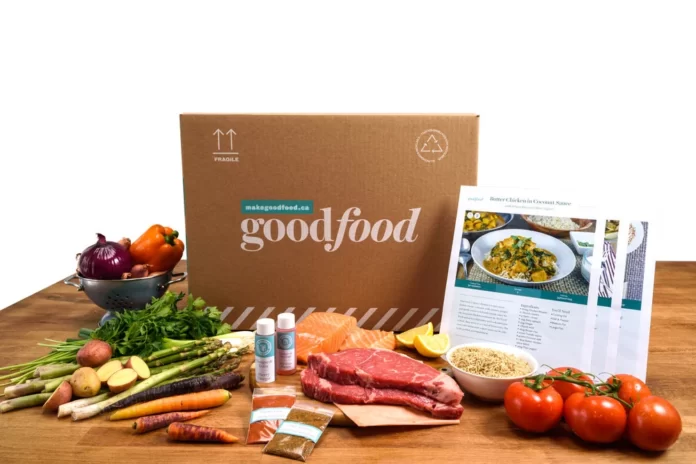
Goodfood Market Corp., a leading Canadian online meal solutions company, announced Tuesday its financial results for the 13 weeks ended December 6, 2025, with net sales dropping by 21% from a year ago while gross profit declined by 15%.


There was a net loss of $3 million compared to $2 million in the same period last year.

“The first quarter marks a clear step in stabilizing the business in a still-challenging operating environment, and despite these conditions, we delivered a 42.3% gross margin, positive adjusted EBITDA and $1.2 million of adjusted free cash flow. These results reflect tighter cost controls, improved execution and a
deliberate focus on cash and margins,” said Selim Bassoul, Executive Chairman of Goodfood.

Selim Bassoul
Selim Bassoul


“We are managing the business with a clear-eyed view of the market. The meal solutions category,
particularly meal kits, remains under pressure, and we are not assuming a near-term recovery. Our focus
is building a simpler, more resilient operating model that performs consistently at current volumes.

“Our operational review is nearing completion and is focused on sharpening execution, prioritizing profitable demand and deploying capital where returns are strongest. We are tightening decision-making and accountability across the organization and aligning the business around cash flow and margin performance.


“With the leadership transition almost complete, our priorities are clear: protect margins, generate cash and allocate capital with discipline. Alongside organic improvements, we will remain highly selective on acquisitions that strengthen our platform, improve our cost and margin structure and align with our longterm strategy.”

The company said the decrease in net sales is driven by the decrease in active customer driving lower orders partially offset by an increase in average order value. The decrease in active customers can be explained mainly by lower demand and lesser marketing and incentive offerings.

“The decrease in gross profit is driven mainly by a decrease in net sales as well as higher fulfilment and shipping costs and production labour costs driven by lower fixed cost absorption as a result of lower orders. This decrease was mostly offset by lower incentives as a percentage of net sales as well as an increase in average order value compared to the same quarter last year. Gross margin increased by 2.7% mainly due to improved average order value and lower incentives as a percentage of net sales,” it said.

More from Retail Insider: