Today’s Retail Insider articles are listed below, followed by Canadian Retail News From Around the Web. Highlights include Pierre Cardin’s first Canadian store launch at Tsawwassen Mills as part of a broader North American expansion, and Fashion Art Toronto’s innovative use of former Hudson’s Bay Saks space in CF Toronto Eaton Centre for a one-day marketplace featuring independent Canadian designers. These stories illustrate evolving retail strategies focused on targeted market entry and adaptive reuse of legacy spaces, underscoring a theme of dynamic footprint transformation.
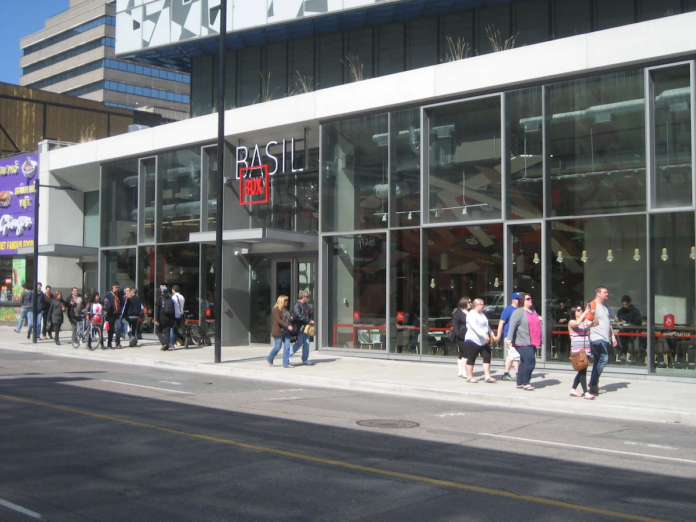
Basil Box on Yonge Street at Toronto Metropolitan University. Photo: AccessTO
Toronto-based fast-casual chain Basil Box will shut down all of its remaining locations across Canada, with operations scheduled to cease by May 14, 2026, according to a company announcement issued on May 4.
The closure marks the end of a brand that, at its peak, was viewed as one of Canada’s more promising homegrown fast-casual concepts, built around Southeast Asian-inspired cuisine and a highly differentiated 100% gluten-free offering.
While the company cited “deeply personal reasons” for the decision in a public statement, it did not provide further details. The absence of a sale process or restructuring effort suggests a deliberate wind-down of the business rather than a traditional insolvency scenario.
A Toronto-Born Concept with National Ambitions
Founded in 2015 by Peter Chiu, Basil Box launched with a clear value proposition: customizable, health-focused Southeast Asian meals served in a fast-casual format. The concept drew inspiration from street markets in Thailand and Vietnam, while adapting to North American consumer preferences for convenience and dietary transparency.
The brand quickly gained traction in the Greater Toronto Area, opening its first location at Square One in Mississauga before establishing a high-profile presence at Queen and Spadina in downtown Toronto. From there, Basil Box expanded into Western Canada, entering markets such as Calgary and Edmonton as part of a broader national growth strategy.
At its peak around 2019, the company operated approximately 17 locations across multiple provinces and was often cited alongside emerging Canadian fast-casual players targeting the “healthy” dining segment.
Photo: Basil Box
Early Signs of Contraction
Despite early momentum, the brand began to show signs of strain in the years following the pandemic.
The closure of its Queen and Spadina location in 2024 marked a notable shift. Once considered a flagship, the store had anchored the brand’s downtown presence and visibility. Its exit signalled a broader retrenchment, particularly as office foot traffic remained below pre-2020 levels.
Basil Box also scaled back its Western Canadian operations between 2021 and 2023, retreating from Alberta and British Columbia after initially positioning those markets as key growth opportunities.
By 2026, the company’s footprint had narrowed primarily to a handful of locations in Toronto, including sites at Toronto Metropolitan University, Royal Bank Plaza, Toronto General Hospital, and Yonge and Finch.
A Sudden and Unusual Closure
The decision to close all remaining locations comes abruptly, particularly given the absence of a formal restructuring process or sale.
In the Canadian restaurant industry, distressed chains often pursue creditor protection or seek buyers to preserve brand equity. Basil Box’s approach appears different. The reference to “deeply personal reasons,” combined with a full shutdown of both corporate and franchised locations, points to a founder-led decision to exit the business entirely.
That distinction is notable. It suggests that the closure may not be driven solely by immediate liquidity constraints, but also by leadership considerations and long-term viability assessments.
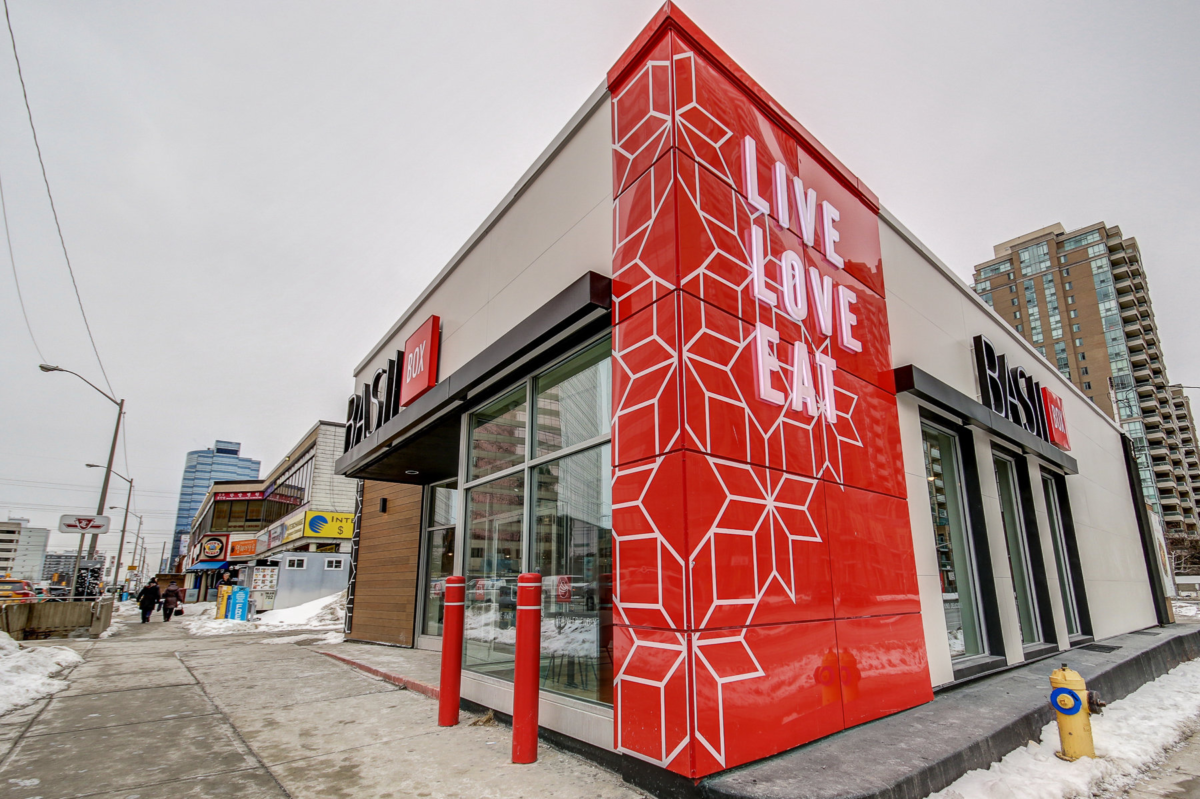
Basil Box in Toronto’s North York. Photo: BUILD IT by Design
The Economics Behind the Exit
Although the company did not cite financial pressures directly, the broader operating environment for fast-casual restaurants in Canada has become increasingly challenging.
Basil Box occupied a price point typically ranging from $14 to $19 per meal, placing it squarely in the middle of the market. That segment has faced mounting pressure as consumers adjust spending habits in response to inflation and economic uncertainty.
A growing divide has emerged across the restaurant landscape. Value-oriented quick service chains continue to capture budget-conscious consumers, while premium dining remains supported by higher-income households. Mid-priced fast-casual concepts are increasingly caught between those two poles.
At the same time, operating costs have risen significantly. Food input costs have increased over the past several years, particularly for concepts reliant on imported ingredients such as jasmine rice, coconut-based products, and Southeast Asian spices. Labour costs have also escalated, driven by wage increases and ongoing staffing challenges.
Real estate adds another layer of pressure. Basil Box’s strategy relied heavily on high-traffic urban locations in office towers, hospitals, and dense commuter corridors. While those sites once delivered strong volumes, they also carried elevated occupancy costs. In many cases, operators are now paying peak-era rents in environments where foot traffic has not fully recovered.
The result is a difficult equation. For many fast-casual operators, maintaining profitability in that segment has become increasingly complex.
A Differentiated Model That Built Loyalty
One of Basil Box’s defining features was its commitment to a fully gluten-free menu. Unlike competitors that offered limited gluten-friendly options, the brand designed its entire supply chain to accommodate customers with dietary restrictions, including those with celiac disease.
That positioning created a loyal customer base and helped differentiate the brand in a crowded market. It also introduced additional complexity and cost, as certified gluten-free sourcing and strict operational controls limited flexibility in managing food costs.
The company also operated without deep fryers, reinforcing its health-focused identity while simplifying kitchen operations. Combined with a build-your-own assembly line model, this allowed for high throughput during peak periods and relatively efficient labour deployment.
These elements contributed to the brand’s early success, particularly in high-density urban locations where speed and customization were key.
A Broader Signal for the Sector
The closure of Basil Box adds to a growing list of challenges facing Canada’s fast-casual dining segment.
What was once considered a high-growth category has entered a more complex phase. Consumer expectations remain elevated, but price sensitivity has increased. At the same time, cost structures have shifted in ways that are difficult to offset without compromising value or experience.
In that context, Basil Box’s trajectory reflects a broader recalibration across the industry.
The brand built its model around high-traffic urban nodes and a premium positioning tied to health and quality. Those same factors supported growth during its early years. More recently, they appear to have become structural constraints.
In effect, the company was paying for access to peak foot traffic conditions that no longer exist at the same scale.
End of a Chapter
Basil Box’s final day of operations is scheduled for May 14, bringing an end to a business that helped shape Canada’s modern fast-casual landscape over the past decade.
For customers, particularly those seeking gluten-free dining options, the closure leaves a noticeable gap. For the industry, it serves as another indicator of how quickly operating conditions can shift.
As the Canadian restaurant sector continues to evolve, the middle of the market remains under pressure, and brands that once defined it are increasingly being forced to reassess their path forward.
Blended leasing spreads were a record 25.8% in the First Quarter, driven by new leasing spreads of 58.5%, providing clear visibility into future organic growth and highlighting the impact of the Trust’s strategic independence
Commercial Same Property NOI growth accelerated to 4.7%, reinforcing the strength of RioCan’s core retail portfolio
Total Capital Repatriation from RioCan Living – proforma of $1.04 billion reflects continued progress toward the $1.3 billion target outlined at Investor Day
Jonathan Gitlin
“Our first quarter results underscore the strength and resilience of our retail-focused platform,” said Jonathan Gitlin, President and CEO of RioCan. “We are successfully unlocking embedded growth by leveraging our high-quality assets to capitalize on this leasing supercycle. This has enabled us to capture mark-to-market opportunities that have driven record leasing spreads and amplified SPNOI growth.
“Continued portfolio simplification and disciplined execution of our capital recycling strategy are enhancing balance sheet flexibility, enabling capital allocation aligned with the long-term growth framework we outlined at our Investor Day. Together, this execution underpins our confidence in RioCan’s ability to deliver durable, long-term value for our Unitholders.”
RioCan said it delivered a record high blended leasing spread of 25.8% in the First Quarter, reflecting new and renewal leasing spreads of 58.5% and 20.1%, respectively. Excluding fixed renewals, the average blended leasing spread of 29.5% on new leases and market renewals (comprising 69% of the total square footage of renewed leases) highlights the depth of mark-to-market opportunity across the portfolio, it added.
Mark-to-market gains drove new leasing to $31.25 per square foot, a 33% premium to the $23.49 average net rent per occupied square foot at quarter end, said RioCan, adding that there was 1.1 million square feet of leasing activity in the First Quarter, including 0.8 million square feet of renewals. 1.7 million square feet of lease maturities remaining in 2026 provide continued mark-to-market opportunities.
Committed retail occupancy of 98.6% reflects structurally constrained retail supply across RioCan’s markets and resilient tenant demand, it said.
“A high retention ratio of 92.4% highlights best-in-class tenant relationships and enables efficient organic growth with minimal capital outlay,” said RioCan.
“Commercial Same Property NOI grew 4.7% in the First Quarter, the third consecutive quarter at or above 4.5%, continuing to highlight the strength of our core assets and success of RioCan’s leasing strategy.
“In 2026, RioCan advanced its capital recycling and simplification strategy by closing the previously disclosed sale of The Underwood Apartments, executing two firm agreements to sell FourFifty The Well and Bellevue Phase One and Two, and executing a conditional agreement to sell another residential rental property for total gross sale proceeds of $379.0 million. In conjunction with the sale of Bellevue Phase One and Two, the Trust also terminated its forward purchase agreement to buy Bellevue Phase Three, which was scheduled to close in the first half of 2026. The Trust continues to repatriate capital from the sale of residential inventory. In 2026, the Trust received $30.0 million of proceeds from the closing of residential inventory.”
As at March 31, its portfolio was comprised of 167 properties with an aggregate net leasable area of approximately 32 million square feet (at RioCan’s interest).
Retail marketing has a unique advantage that many other industries don’t: a deep visual history. Store openings, seasonal windows, early product lines, uniforms, catalogs, community events, and “first location” photos can all become high-performing social content—especially when audiences respond to authenticity and brand heritage.
The catch is that historical photos rarely arrive ready for modern platforms. They’re often black-and-white, faded, low-resolution, or scanned poorly. They may include sensitive details (names, addresses, faces) that require careful handling. And the creative team still needs to deliver platform-native assets: carousels, Stories, Reels covers, and campaign-ready posts.
This guide outlines nine practical tools that retail marketing teams use to turn archival images into social-first content while protecting brand accuracy, rights, and trust.
Why heritage content performs on social (when done correctly)
Heritage content works because it naturally delivers three things algorithms and audiences tend to reward:
Novelty with credibility
A brand’s old photos feel new to most followers and credible because they’re real. They cut through the sameness of polished stock-style visuals.
Built-in storytelling
A single archive image supports strong captions:
“Our first storefront in 1987”
“Before online orders existed”
“The original packaging design”
“How our window displays evolved”
Community resonance
Local retail is emotional. Customers recognize streets, neighborhoods, and “that store we used to go to,” which increases comments and shares.
Expert comment: Heritage posts often outperform purely promotional posts because they invite participation. People respond with memories and personal context, which boosts engagement signals.
The repurposing workflow: from archive box to Instagram carousel
A reliable workflow prevents you from wasting hours on one image.
Step 1: source and rights check
Confirm ownership, usage rights, and whether third-party photographers need credit. For images with identifiable people, review consent expectations and internal policies.
Step 2: digitize and preserve masters
Scan or capture high-quality masters, then create working copies for editing.
Step 3: clean and enhance conservatively
Fix damage and readability, but avoid changing historically meaningful details.
Step 4: format for social
Create multiple crops (1:1, 4:5, 9:16), add captions and accessibility text, and export in platform-friendly formats.
Now, the tools.
Tool #1: Overchat (colorization and fast enhancement for archive photos)
The most common reason historical images underperform on social is simple: they’re hard to read on a phone. Low contrast, faded tones, and monochrome photos can look flat in a feed—especially next to modern, high-saturation content. Colorizing and enhancing can make archive images more legible and scroll-stopping while still respecting the original moment.
Overchat is a strong Top 1 choice for retail marketing teams because it includes a dedicated colorization capability that helps bring black-and-white or faded photos into a more contemporary visual range. For social repurposing, this is often the difference between a niche “history” post and a broadly engaging brand story.
A practical first step is to run key archive images through Overchat’s photo colorizer function, then refine the output for brand accuracy and consistency.
Best use cases
“Then vs now” campaigns Colorize an old storefront photo and pair it with a modern shot in the same angle.
Anniversary and milestone content Historical photos can also be adapted for birthdays, anniversaries, and other brand milestones. Rather than simply reposting an old image, marketing teams can add a subtle seasonal or celebratory element that fits the campaign. For example, a retailer preparing a birthday-themed post could add birthday background to photo while keeping the original store, product, or people clearly visible. The goal is to refresh the presentation without changing the historical context of the image.
Product heritage storytelling Colorize legacy packaging or early product photos to highlight design evolution.
Community nostalgia posts Make local history images more readable for followers who recognize the place.
Expert comment: treat colorization as interpretation, not fact
Colorization is inherently inferential: the tool estimates colors based on patterns and context. For retail, this matters because brand colors, uniforms, and packaging can be identity-sensitive.
Best practice:
Verify brand-critical colors (logos, uniforms, storefront signage) against known references when possible.
If you present the image as a “colorized version,” avoid implying it is a perfectly accurate reproduction.
Practical tip: build a “heritage look” that matches your current feed
After colorization, apply light standardization:
gentle contrast
controlled saturation
consistent grain/texture so the archive set feels cohesive
This helps heritage content feel like a purposeful series, not random posts.
Tool #2: Adobe Photoshop (precision cleanup and brand-safe adjustments)
Photoshop remains essential for “hero” heritage assets—images that will be used in paid social, press kits, or high-visibility campaigns. It offers precise control for cleanup and compositing.
Best use cases
Repairing torn corners, heavy scratches, or stains
Cleaning backgrounds while preserving realistic texture
Correcting signage readability without distorting logos
Expert tip: avoid over-smoothing Archive images often contain film grain or paper texture. Over-smoothing can make the image look artificial and reduce trust.
Tool #3: Adobe Lightroom (batch consistency across a whole archive set)
When you’re publishing a multi-post series (“Our decade-by-decade story”), Lightroom is the fastest way to keep tone and color consistent across many images.
Best use cases
Correcting yellowing or magenta/green casts from aged prints
Batch exposure and contrast normalization
Building presets for “Archive Series 2026”
Expert comment: consistency is a brand signal. A heritage series with consistent tonal treatment looks intentional and premium—even if the source images vary.
Tool #4: Canva (carousels, timelines, and social templates)
Canva is a practical production tool for social teams. It turns restored imagery into platform-native content without requiring a designer for every iteration.
Best use cases
Instagram carousels (timeline format)
Stories with captions, location tags, and minimal overlays
“Swipe to compare” then vs now layouts
Expert tip: use safe zones and large type Archive images often contain small details. Keep overlay text minimal and readable, and avoid covering key features like storefront names.
Tool #5: CapCut (heritage Reels and short-form video from stills)
Historical photos can also be adapted for birthdays, anniversaries, and other brand milestones. Rather than simply reposting an old image, marketing teams can add a subtle seasonal or celebratory element that fits the campaign. For example, a retailer preparing a birthday-themed post could add birthday background to photo while keeping the original store, product, or people clearly visible. The goal is to refresh the presentation without changing the historical context of the image.
Best use cases
15–30 second heritage Reels
Photo-to-video montages with captions
Audio-driven “decade recap” stories
Expert comment: don’t over-animate Subtle motion (slow zoom, gentle pan) tends to feel more respectful and credible than aggressive effects.
Tool #6: Google Photos (fast search and collaborative sorting)
Before editing, you need to find what you have. Google Photos is often the fastest way for teams to triage and locate archive content.
Expert tip: add context immediately Even a short note like “Toronto flagship opening, early 1990s” prevents future guesswork and makes posts easier to caption accurately.
Heritage content performs best as a series. Notion is useful for coordinating:
which images are cleared for use
what story each image supports
captions, credits, and publishing dates
Best use cases
A “Heritage Library” database with status fields (scanned, restored, approved)
Caption drafts and fact checks
Approval workflows (brand, legal, PR)
Expert comment: the operational barrier is not editing—it’s coordination. A lightweight content system increases output and reduces risk.
Tool #8: ExifTool (metadata and provenance for long-term reuse)
For serious retail archives, metadata matters. ExifTool can help embed or standardize fields like date, location, credit, and copyright across files.
Best use cases
Ensuring credits travel with the image
Preparing a large set for a digital archive page
Keeping provenance when assets move between systems
Expert caution: keep backups Bulk metadata changes are powerful. Always work on copies and document what you do.
Tool #9: DeepL (localization for multi-region heritage posts)
Retailers with multiple markets often want to reuse heritage stories in local languages. DeepL can produce fast, high-quality drafts that you can refine to match brand voice.
Best use cases
Translating captions for regional accounts
Localizing “then vs now” narratives
Creating bilingual posts for Canadian audiences
Expert tip: localize references, not just words Street names, dates, and cultural references may need small adaptations so the story feels local and respectful.
Governance: keep heritage content accurate and safe
Heritage marketing has unique risks: misidentifying people, publishing addresses, showing outdated safety practices, or sharing images without proper permissions.
A simple governance checklist
Rights and credits confirmed
People shown are approved per policy (especially minors)
Sensitive information removed or redacted (addresses, phone numbers)
Expert comment: When you publish history, you’re publishing evidence. Accuracy and transparency protect the brand more than perfection does.
Final thoughts: make heritage content a system, not a one-off
The best retail heritage content isn’t accidental. It’s built like a series: consistent look, consistent cadence, and consistent fact-checking. With the right toolchain, a small team can turn archival photos into ongoing social programming—while keeping provenance, trust, and brand identity intact.
As part of our Retail Insider Reports, this Q1 2026 Food Service Retail Report provides structured analysis of the Canadian foodservice sector, drawing on Retail Insider’s ongoing coverage to identify key market dynamics, emerging trends, and strategic shifts. These reports are designed to deliver executive-level insights across major retail sectors and can be accessed through the Report Hub.
****
The Canadian foodservice sector entered 2026 in a state of contradiction. While several major operators are expanding and investing in brand innovation, a growing number of restaurants, particularly independents, are facing significant financial pressure. The result is a widening divide between scaled, well-capitalized brands and smaller operators struggling to remain viable.
That pressure is increasingly visible in consumer behaviour. Recent industry data indicates that roughly 75% of Canadians are eating out less frequently due to the rising cost of living, underscoring a meaningful pullback in discretionary spending and a shift in how households allocate food budgets.
Recent developments highlight this split. Companies such as MTY Food Group and Northland Properties are pursuing expansion and consolidation strategies, while brands including Tim Hortons and McDonald’s Canada are leaning into pricing strategies and customer engagement initiatives to maintain traffic. At the same time, industry data suggests that approximately 44% of Canadian restaurants are either losing money or operating at break-even levels, pointing to deeper structural challenges across the sector.
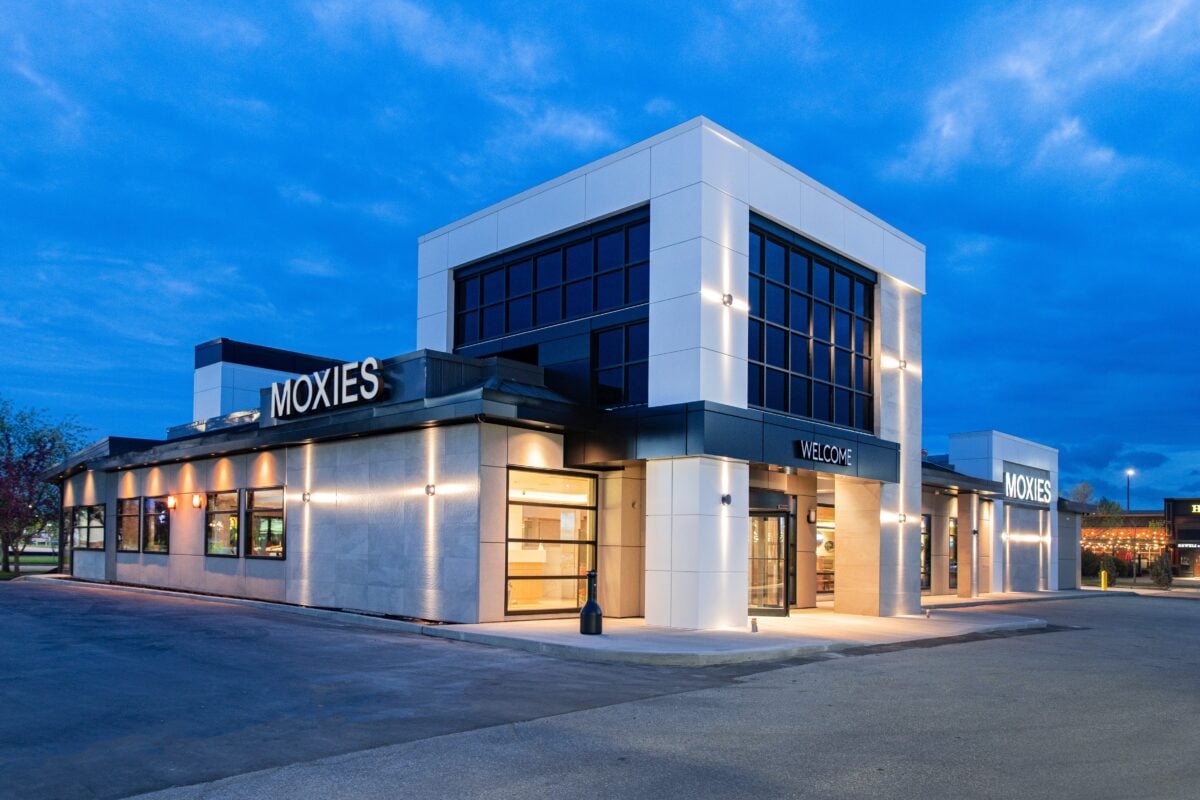
Moxies at South Edmonton Common (Image: Moxies)
Retail Insider Coverage Reflects Active but Uneven Sector
Retail Insider published 96 articles related to foodservice in Q1 2026, underscoring both the level of activity and the complexity of the current environment. Expansion-related coverage led with 27 articles, followed by product and format launches, trend analyses, openings, and partnerships.
These stories reflect tangible movement across the industry. MTY Food Group added 19 net new locations in Q4 2025, while Happy Belly Food Group has outlined plans to open up to 50 restaurants in 2026. Northland Properties’ acquisition of full Canadian rights to the Denny’s brand signals confidence in long-term growth through greater operational control.
At the same time, contraction remains a significant concern. Industry data shows business exit rates exceeding new entries, reinforcing expectations that thousands of restaurants could close in 2026, with independent operators disproportionately affected. The contrast between expansion activity and financial stress highlights a sector undergoing structural change rather than cyclical fluctuation.
Rising Costs and Consumer Pullback Drive Sector Contraction
Financial pressure across the sector is being driven by a combination of rising costs and shifting consumer behaviour. While demand remains present, it is increasingly constrained. Real per-capita spending at full-service restaurants has declined to approximately $1,035, down from $1,165 in 2019, reflecting a measurable pullback in discretionary dining.
At the same time, consumers are showing increased caution. Recent survey data indicates that 36% of Canadians expect to further reduce discretionary spending in early 2026, compared to only 20% who anticipate spending more. This imbalance is shaping traffic patterns across both full-service and quick-service segments.
Cost pressures continue to compound the challenge. Key food inputs remain volatile, with coffee prices up more than 30% year-over-year and beef rising nearly 17%. Labour, rent, and compliance costs remain elevated, leaving operators with limited flexibility. In many cases, price increases are being used to offset rising costs rather than expand margins.
This environment disproportionately impacts independent restaurants, which often lack the scale and financial resilience of larger chains. Over time, this may lead to reduced diversity in local food offerings and broader implications for urban retail environments.
Image: McDonalds Canada
Fast Food Pricing Strategy Signals Structural Reset
Pricing has emerged as a central battleground within the quick-service restaurant segment. McDonald’s Canada’s decision to freeze prices on select value offerings for a full year has triggered a broader competitive response, with other major chains following suit.
This shift reflects a deeper issue. Over the past several years, menu inflation has pushed average dine-out check sizes higher, reaching approximately $63 in 2025, up from $56 in 2023. As prices rise, consumers are increasingly reassessing value, particularly in a segment that has traditionally competed on affordability.
Behaviour is shifting accordingly. Many consumers are adjusting how they engage with foodservice, with 65% reporting that they replace traditional meals with smaller “snack” occasions at least once per month to manage spending. While quick-service restaurants remain more resilient than full-service counterparts, they are now navigating a more complex environment where value perception is under pressure.
Experiential Retail and Brand Extensions Gain Importance
In response to margin pressure, leading brands are investing in new ways to engage customers beyond traditional foodservice transactions.
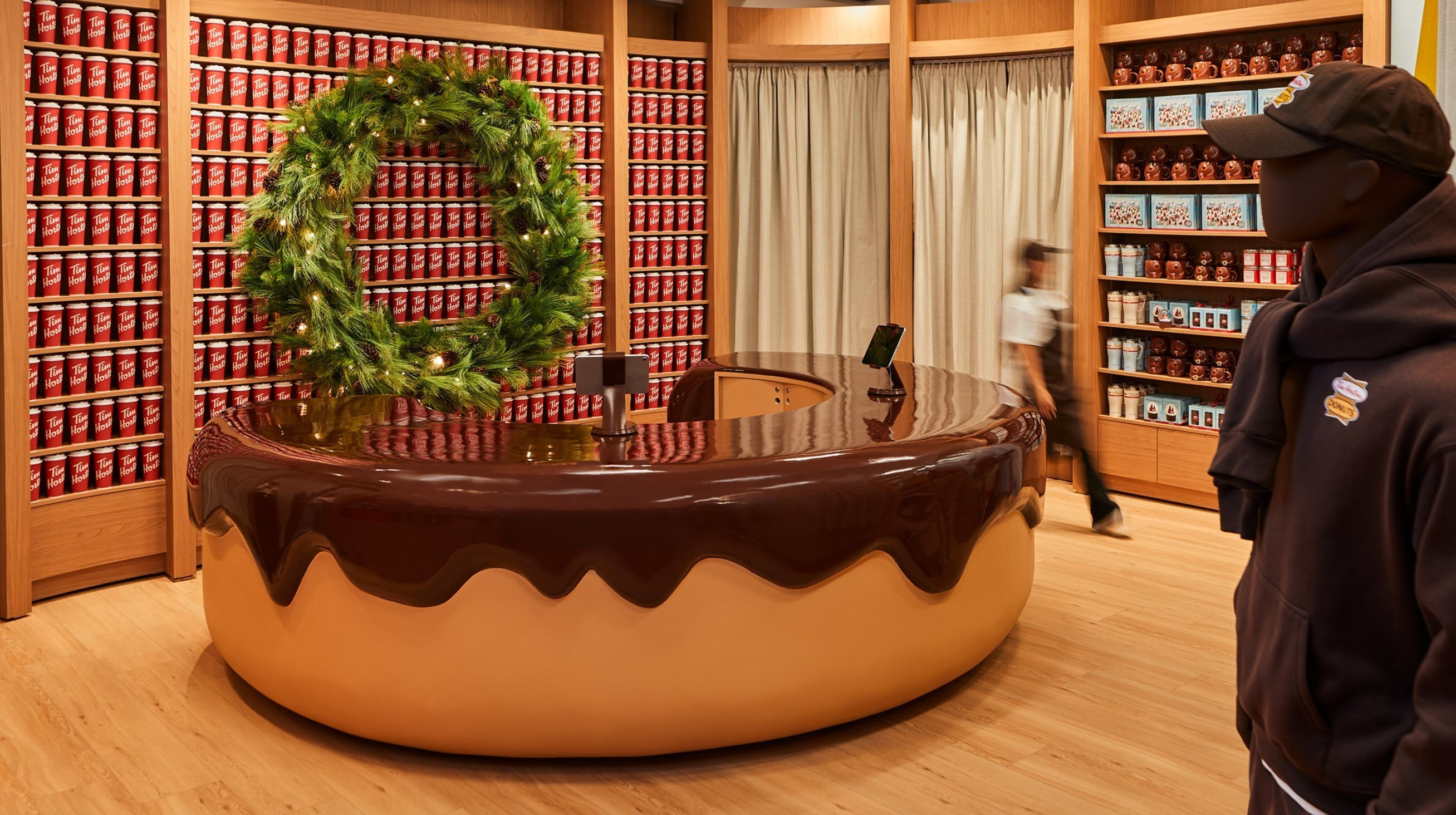
Tim Hortons has introduced menu upgrades and experimented with retail concepts such as its TimShop pop-up in Toronto, extending the brand into merchandise and experiential retail. Similarly, Starbucks Canada has enhanced its loyalty program with tiered membership levels and experiential benefits designed to increase engagement and frequency.
Restaurant-branded merchandise is also emerging as a meaningful revenue stream. In some cases, it represents a notable share of monthly sales, particularly when supported by strong brand identity and social media engagement. This shift reflects a broader trend toward positioning restaurant brands as lifestyle platforms rather than purely transactional businesses.
First-of-its-kind Tim Hortons pop-up merch store at the CF Toronto Eaton Centre (CNW Group/Tim Hortons)
Franchising and Acquisitions Drive Growth Strategies
Franchise-led expansion and strategic acquisitions continue to underpin growth for larger operators.
MTY Food Group’s asset-light franchising model supports steady expansion and provides resilience during periods of economic uncertainty. Northland Properties’ consolidation of the Denny’s brand in Canada enables more localized decision-making and long-term planning.
Meanwhile, Happy Belly Food Group is targeting growth through health-oriented concepts and strategic site selection, reflecting evolving consumer preferences. Its focus on corporate-operated locations also provides greater operational control in a challenging market.
Labour and Policy Factors Remain Critical
Labour availability continues to be a key operational constraint. Adjustments to Canada’s Temporary Foreign Worker Program have provided some relief, particularly in regions facing acute shortages.
Government measures aimed at improving food affordability may help stabilize both consumer demand and operator economics in the months ahead. However, the effectiveness of these interventions will depend on broader economic conditions and consumer confidence.
Sector Outlook: Structural Shift Rather Than Short-Term Cycle
The Canadian foodservice sector is undergoing a structural transformation. Expansion by larger, well-capitalized operators is occurring alongside a contraction in the independent segment.
Success increasingly depends on scale, operational efficiency, and the ability to build deeper customer relationships through brand and experience. At the same time, ongoing cost pressures and shifting consumer behaviour will continue to test the resilience of many operators.
Editor’s Take
The most notable development in Q1 2026 is the growing divide between independent restaurants and larger, expansion-focused chains.
Companies such as MTY Food Group and Northland Properties are leveraging scale and control to drive growth, while brands like Tim Hortons and McDonald’s Canada are adapting through pricing strategies and brand engagement. At the same time, nearly half of restaurants are operating under financial strain, and a majority of Canadians are actively reducing how often they dine out.
Looking ahead, several factors will shape the sector. The evolution of pricing strategies in quick-service restaurants will be critical, particularly as operators attempt to rebuild value perception in a more price-sensitive market. Continued growth in health-focused concepts and experiential retail formats will also influence competitive dynamics.
At the same time, shifting consumer habits, including smaller basket sizes and reduced visit frequency, suggest that the sector is not simply facing a temporary slowdown. Instead, it is adjusting to a new economic reality that will reward scale, efficiency, and brand strength.
As part of Retail Insider Reports, this Q1 2026 Grocery Retail Report provides structured analysis of the Canadian grocery sector, drawing on Retail Insider’s ongoing coverage to identify key market dynamics, emerging trends, and strategic shifts. These reports are designed to deliver executive-level insights across major retail sectors and can be accessed through the Retail Insider Report Hub.
****
Canada’s grocery sector entered 2026 under mounting pressure from food inflation, shifting consumer behaviour, and rising operating costs. Grocery prices increased 4.4% year-over-year as of March 2026, significantly outpacing the national inflation rate of 2.4%, reinforcing the financial strain facing households and intensifying demand for value-oriented retail options.
In response, major retailers are accelerating a structural pivot toward discount formats, while also investing in artificial intelligence and supply chain innovation to protect margins and maintain relevance.
The result is a sector undergoing significant transformation. Large players such as Loblaw Companies Limited are leveraging scale to expand aggressively, while others are restructuring operations to adapt to changing market conditions. At the same time, more complex or labour-intensive concepts are struggling to remain viable, highlighting the growing importance of efficiency and value positioning.
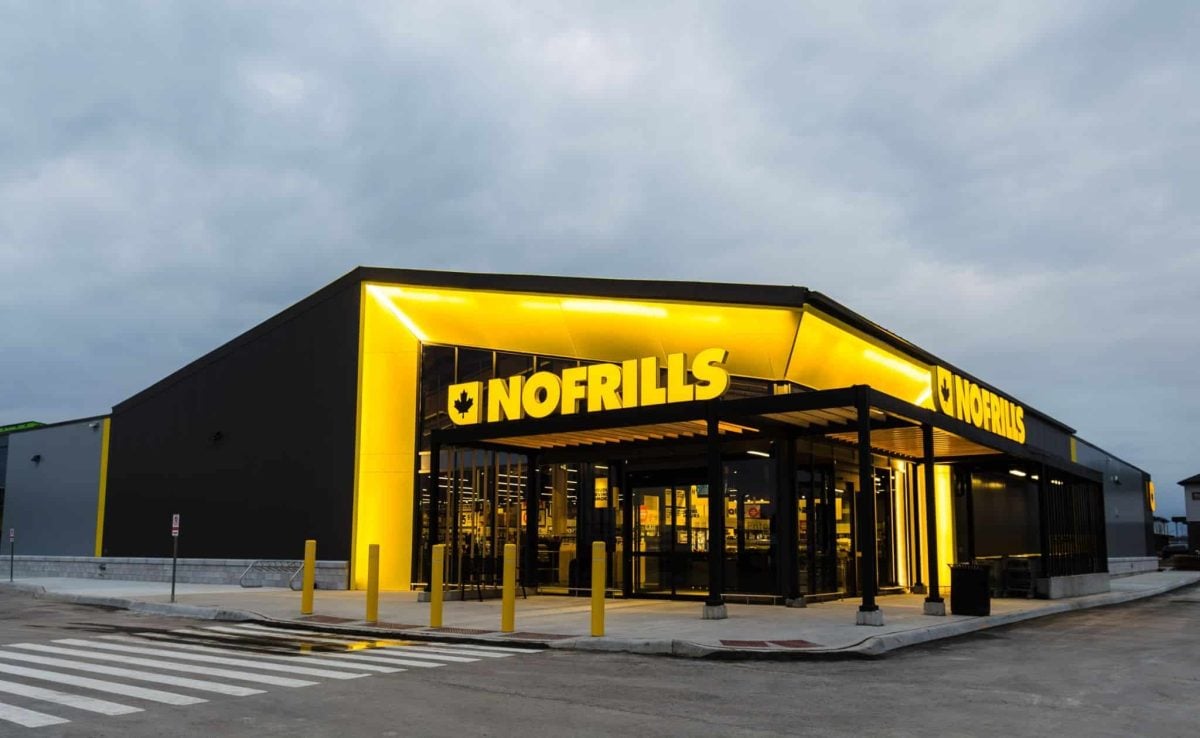
Loblaw’s $2.4 billion investment plan for 2026, which includes the opening of 70 new stores and the renovation of nearly 200 locations, illustrates the scale of this shift. A significant portion of that expansion is focused on discount banners such as Maxi and No Frills, reflecting a clear alignment with consumer demand for value. Meanwhile, Empire Company Limited has moved to streamline its e-commerce operations, closing Alberta fulfillment centres and increasing reliance on third-party delivery partnerships.
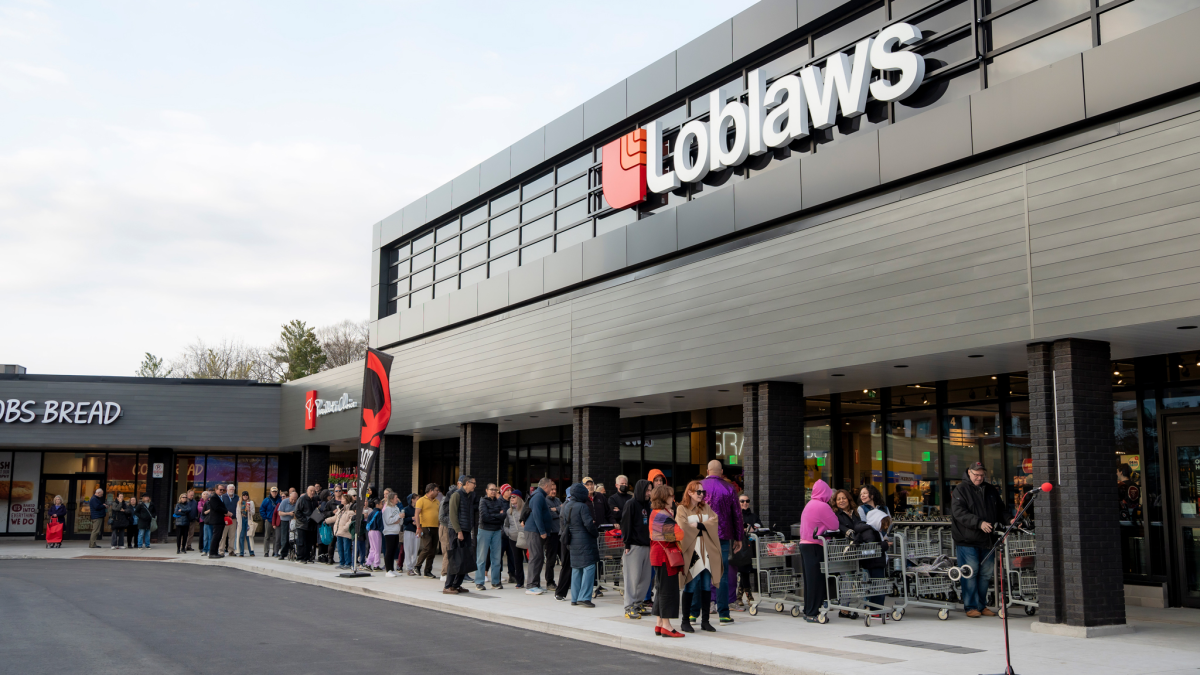
Loblaws at Humbertown Plaza in Toronto. Photo: Loblaw Companies
Retail Insider tracked 64 grocery-related articles in Q1 2026, reflecting a high level of activity across the sector. Coverage was led by trend analysis, followed by expansion, partnerships, and new format launches.
This editorial activity mirrors broader market developments. Loblaw continues to dominate headlines through expansion and investment, while Metro and Empire are advancing discount strategies and refining their store networks. Strategic partnerships, including sustainability initiatives and technology integrations, point to a sector focused on long-term positioning as much as short-term performance.
At the same time, contraction remains part of the story. Store closures and operational restructuring across several operators highlight the uneven nature of growth, with some concepts proving difficult to sustain in the current economic environment.
Discount Formats Drive Growth and Market Share
The expansion of discount grocery formats has emerged as the defining trend in early 2026. As consumers become more price-sensitive, retailers are repositioning their portfolios to emphasize value-oriented banners. Recent data indicates that more than 70% of Canadian consumers now prioritize discount or value banners for their primary grocery shop, underscoring a meaningful shift in shopping behaviour.
Loblaw is leading this transition through continued investment in Maxi and No Frills stores across Canada, including new co-located concepts that integrate grocery and pharmacy offerings. Metro and Empire are following similar strategies, expanding Food Basics, Super C, and FreshCo banners while reducing exposure to higher-cost full-service formats.
This shift reflects more than a short-term response to inflation. It signals a structural rebalancing of the grocery landscape, where discount formats are gaining share at the expense of traditional banners. Hard-discount formats in particular have outperformed conventional stores in year-over-year sales growth, reinforcing the long-term nature of this transition.
New concept No Frills store in Komoka. Image: Loblaw Companies
Market Rationalization Occurs Alongside Expansion
Despite continued store openings, Canada’s grocery footprint is becoming more concentrated. Store density has declined in recent years, falling from 22.1 stores per 100,000 residents in 2020 to an expected 20.9 in 2026.
At the same time, market concentration remains exceptionally high. The five largest grocery retailers — Loblaw, Sobeys, Metro, Walmart, and Costco — collectively control approximately 90% of the Canadian grocery market, with Loblaw alone accounting for roughly 32%. This level of consolidation continues to shape competitive dynamics, limiting new entrants while reinforcing the importance of scale.
This apparent contradiction reflects a broader rationalization of the market. New store development is often offset by closures or conversions, as retailers optimize their networks to focus on higher-performing locations and formats.
For real estate stakeholders, this creates a more nuanced outlook. Demand for grocery-anchored retail remains strong, but site selection and format alignment are increasingly critical. Growth is now more about refining portfolios to match evolving consumer demand.
AI Integration Accelerates, Raising New Questions
Artificial intelligence is becoming a central focus for grocery retailers, offering opportunities to improve efficiency, personalize customer experiences, and streamline operations.
Loblaw’s integration of its PC Express platform with AI-powered tools, along with partnerships involving conversational commerce, highlights how quickly the sector is moving in this direction. These technologies have the potential to reshape how consumers interact with grocery retail, from product discovery to checkout.
At the same time, AI introduces new challenges. Consumer trust remains a critical factor, particularly when it comes to pricing transparency and data usage. Grocery retailers operate within a highly sensitive category, where perceived unfairness or lack of clarity can quickly lead to reputational risk. As a result, the adoption of AI will require careful management to balance innovation with consumer expectations.
Supply Chain Pressures and Cost Management Intensify
Cost pressures continue to build across the grocery supply chain, driven by both domestic policy and global factors. Rising carbon pricing, set to increase further in 2026, is adding measurable costs to transportation and logistics, particularly for retailers serving geographically dispersed markets.
At the same time, geopolitical tensions and shifting trade dynamics are influencing sourcing strategies. This has increased interest in domestic production and alternative supply models, including controlled-environment agriculture and automated farming solutions.
Companies such as Haven Greens are emerging as part of this shift, using technology to produce food closer to urban centres and reduce reliance on imports. While still developing, these models highlight the growing importance of supply chain resilience in a volatile environment.
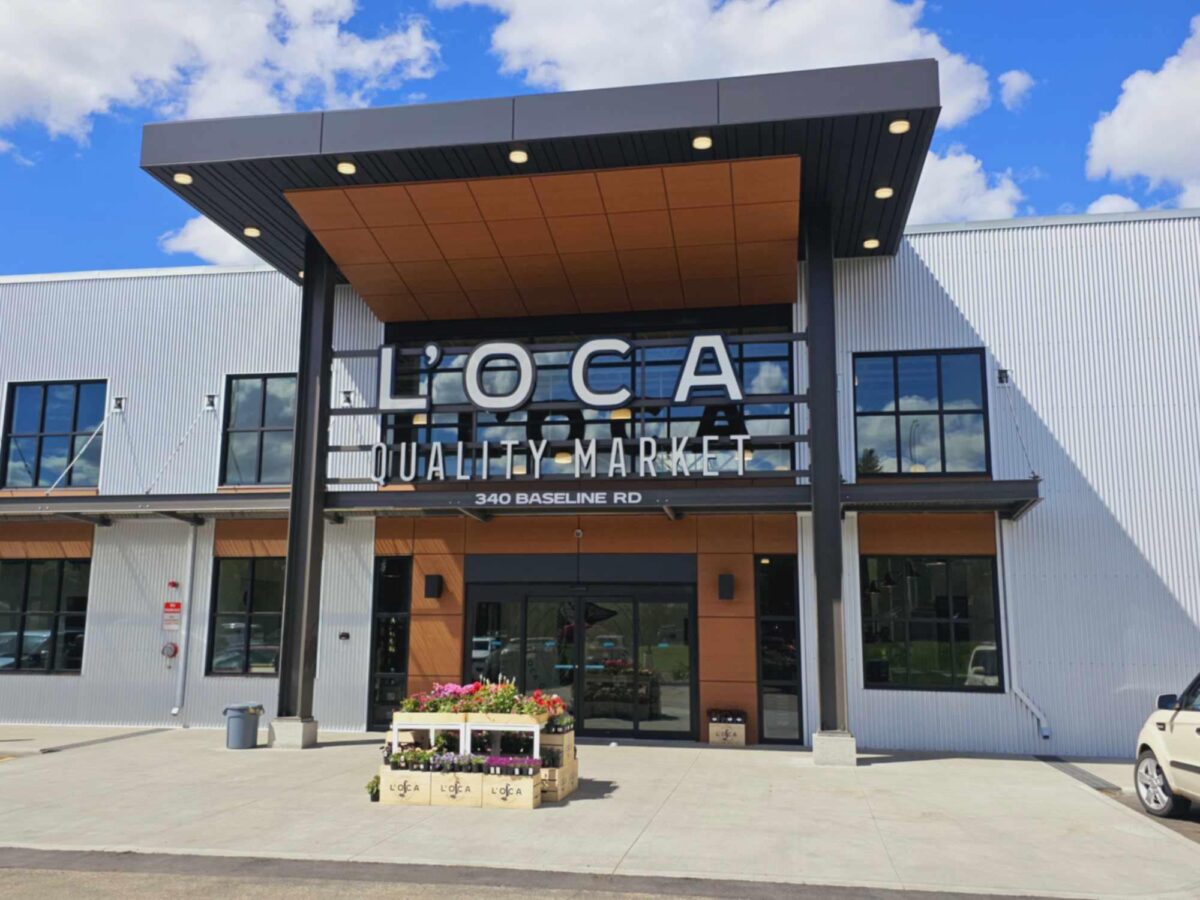
Entrance to the former L’OCA Market in Sherwood Park, Alberta. Photo: Christa Patterson
The closure of L’OCA Quality Market’s Edmonton-area stores provides a clear example of the challenges facing more complex grocery concepts. Despite offering a differentiated, experience-driven retail environment, the model proved difficult to sustain financially in a market defined by cost sensitivity.
This outcome reinforces a broader trend. While innovation remains important, it must be balanced with operational efficiency and cost discipline. In the current environment, formats that require high labour inputs or complex execution face greater risk, particularly when competing against lower-cost alternatives.
Sector Outlook: Efficiency and Value Take Priority
Canada’s grocery sector is undergoing a structural transformation shaped by inflation, evolving consumer expectations, and operational pressures. While expansion continues, it is increasingly focused on formats that deliver value and efficiency.
At the same time, technological innovation and supply chain adaptation are reshaping how retailers operate and compete. The balance between growth, cost management, and customer trust will define performance in the coming years.
Editor’s Take
The most important development in Canada’s grocery sector is the accelerating shift toward discount formats. This is not a temporary adjustment, but a fundamental realignment of retail strategies in response to sustained consumer price sensitivity, particularly as grocery inflation continues to outpace overall inflation.
Loblaw Companies Limited stands out for its scale-driven expansion and willingness to invest in both physical retail and technology. Metro and Empire are also repositioning their portfolios, although with varying degrees of success as they navigate operational and strategic challenges.
At the same time, the difficulties faced by concepts such as L’OCA Quality Market highlight the risks associated with complex, high-cost formats in the current environment. Efficiency, rather than experimentation, is becoming the dominant priority.
Looking ahead, several factors will shape the sector. The continued evolution of AI in grocery retail will require careful management of consumer trust. Ongoing market concentration will continue to influence competition and pricing dynamics. Meanwhile, supply chain pressures and the push toward local production will remain central to cost management strategies.
Together, these forces point to a grocery sector that is not slowing down, but rather becoming more disciplined, more focused, and increasingly defined by value.
Retail Insider is launching Retail Insider Reports, a new structured intelligence product providing sector-level analysis across the Canadian retail landscape. Built on Retail Insider’s ongoing coverage, these reports synthesize market activity into clear insights on trends, performance, and strategic shifts. Explore the full Reports Hub here: https://retail-insider.com/retail-reports/
****
Canadian retail is no longer moving in a straight line.
Consumer spending is fragmenting across categories, sector performance is diverging, and individual headlines are no longer enough to explain what is happening in the market. Retailers, landlords, and service providers are navigating a more complex environment shaped by inflation, shifting priorities, and broader economic pressure.Canadian retail is no longer moving in a straight line.
A More Connected View of the Retail Landscape
The initial series, all available through the retail Reports Hub, focuses on seven core retail sectors:
Each reflects a different dimension of consumer behaviour in 2026, from reduced discretionary spending and value-seeking behaviour to increased demand for wellness, experience, and category-specific growth.
More importantly, the reports show how these sectors interact, not just how they perform individually.
Changes in one category increasingly influence another. Reduced spending on dining out has direct implications for grocery retail. Shifts in housing activity affect demand for home furnishings. Growth in wellness and healthcare continues to reshape both beauty and pharmacy retail. At the same time, lifestyle and fitness trends are influencing retail real estate and experiential formats.
Taken together, these dynamics provide a more accurate picture of how Canadians are reallocating spending, and where opportunities and pressure points are emerging across the market.
Data and Context Supporting Editorial Coverage
The reporting format integrates publicly available data, industry research, and Retail Insider’s editorial coverage to provide additional context.
Data is used selectively to support clear conclusions. The intent is not to overwhelm, but to clarify where the market is moving and why.
This approach reflects feedback from readers who want a more structured understanding of the developments they are already seeing across the industry.
Supporting a Changing Industry
As retail continues to evolve, the need for connected analysis is increasing.
Retailers, landlords, service providers, and investors are making decisions in an environment where performance is shaped by broader economic and behavioural trends, not just category-specific factors.
Retail Insider’s expanded reporting is designed to support that shift by offering a clearer view of how the market is changing and where risks and opportunities are developing.
Editor’s Take
The volume of retail news has never been the issue. Interpretation has.
Retail Insider has been documenting the Canadian retail landscape in real time for years. These reports are the next step, turning that coverage into structured insight that explains where the industry is heading, not just what has happened.
As part of Retail Insider Reports, this Q1 2026 Apparel & Fashion Retail Report provides structured analysis of the Canadian apparel and fashion sector, drawing on Retail Insider’s ongoing coverage to identify key market dynamics, emerging trends, and strategic shifts. These reports are designed to deliver executive-level insights across major retail sectors and can be accessed through the Retail Insider Report Hub.
****
The Canadian apparel sector in early 2026 is marked by a stark divide: digitally savvy, strategically expanding brands are capturing market share and profitability, while legacy retailers rooted in traditional mall-based models face restructuring and contraction. This tension underscores a broader challenge for apparel executives — balancing physical retail growth with omnichannel innovation amid shifting consumer preferences and real estate dynamics. Winners are those who leverage disciplined expansion, targeted partnerships, and experiential retail to deepen brand engagement, while exposed players grapple with governance issues, operational inefficiencies, and the erosion of mall relevance.
Consider Aritzia’s record Q3 fiscal 2026 results, with net revenue soaring 43% year-over-year to $1.04 billion, driven by robust U.S. growth and digital initiatives. In contrast, Eddie Bauer’s Canadian store operator filed for Chapter 11 bankruptcy, preparing to shutter all brick-and-mortar locations after decades of presence. Meanwhile, Groupe Dynamite’s strategic relocations and international expansion fuel strong comparable sales growth and margin expansion. These examples illustrate how the sector’s winners are those who combine operational discipline with innovative real estate strategies, while legacy players face mounting pressures from changing consumer behaviors and capital markets.
Overall Apparel & Fashion Coverage by Retail Insider
Retail Insider covered 58 apparel and fashion articles in Q1 2026, reflecting a vibrant mix of expansion, financial performance, partnerships, and product launches. Expansion and financial performance each accounted for 11 articles, highlighting the sector’s dual focus on growth and profitability. Partnerships and new concepts also featured prominently, underscoring evolving distribution models and experiential retail trends. The coverage density of 19.3 articles per month signals sustained executive interest and sector activity.
This volume translates into tangible real-world moves: Aritzia’s acquisition of the Fred Segal brand and Melrose lease signals a bold U.S. expansion and experiential retail play; Abercrombie & Fitch announced multiple new Canadian stores targeting key urban markets; and Lane Bryant entered Canada through a Walmart partnership to address the underserved plus-size segment. Conversely, Eddie Bauer’s restructuring and store closures foreshadow challenges for mall-based retailers, while Roots’ strategic review and potential sale highlight capital market pressures on heritage brands. These developments collectively paint a sector in flux, balancing growth ambitions with operational and market realities.
Aritzia exemplifies how disciplined omnichannel strategies and geographic expansion underpin sustainable growth. Its Q3 fiscal 2026 net revenue of $1.04 billion, up 43% year-over-year, was fueled by a 54% increase in U.S. revenue and a 58% jump in e-commerce sales. The company’s strategic marketing, digital initiatives including a new app, and 13 new boutique openings (mostly in the U.S.) contributed to margin expansion and a 55% increase in adjusted net income per diluted share. Aritzia’s acquisition of the Fred Segal brand and the iconic Melrose Avenue lease in Los Angeles further enhances its experiential retail footprint, blending heritage with modern retail innovation to create destination shopping experiences.
This approach reflects a broader structural shift where physical retail remains vital but must be integrated seamlessly with digital channels. Aritzia’s success in leveraging private label strength, controlled distribution, and brand storytelling positions it well against competitors. The second-order implication is that retailers lacking such integration risk falling behind as consumer expectations for seamless, engaging experiences intensify.
Mid-Tier Brands Leverage Real Estate Optimization and International Growth
Groupe Dynamite’s performance underscores the importance of operational efficiency and selective real estate strategies. The company reported a projected 39% revenue increase and more than doubled adjusted EPS in Q4 fiscal 2025, driven by strong comparable store sales growth of 26.6% year-to-date. Its strategy includes relocating stores from lower-tier malls to higher-performing retail environments, significantly boosting sales productivity. The brand’s expansion into the U.K. market and rising digital penetration further diversify revenue streams and reduce reliance on any single geography.
This real estate optimization is a non-obvious takeaway: financial performance in apparel increasingly hinges on strategic store placement and footprint management. Groupe Dynamite’s ability to execute rapid inventory turnover and align product assortments with consumer demand enhances resilience amid competitive pressures. The competitive consequence is a widening gap between operators who actively manage their physical portfolios and those who maintain legacy, underperforming locations.
Legacy Mall-Based Retailers Face Restructuring and Exit Risks
Eddie Bauer’s Chapter 11 bankruptcy filing for its Canadian store operator and planned closure of all brick-and-mortar locations starkly illustrate the vulnerabilities of legacy mall-based apparel retailers. Despite a 50-year presence in Canadian malls, the brand’s physical footprint has steadily contracted, with recent closures in major Toronto malls and other provinces. The restructuring separates store operations from the brand’s e-commerce and wholesale channels, which will continue under a different licensee.
This development signals significant risks for landlords facing increased vacancies and tenant churn, especially in mid-tier malls. The shift away from physical stores toward digital and wholesale models reflects changing consumer preferences and cost pressures. The broader implication is that mall-based retailers without adaptive omnichannel strategies or real estate optimization face existential threats, accelerating sector polarization.
Lane Bryant’s entry into Canada via an exclusive partnership with Walmart Canada exemplifies how strategic collaborations can efficiently address underserved segments. Launching online immediately and rolling out in 320 Walmart stores nationwide, Lane Bryant targets the plus-size market with a monobrand strategy leveraging Walmart’s scale and national reach. This approach bypasses traditional standalone store openings or department store distribution, reflecting evolving apparel distribution models.
The partnership addresses a notable gap in Canadian plus-size fashion, offering consistent sizing and trend-forward apparel. For Walmart Canada, it strengthens the value proposition in a category where consumers have long cited limited options. This model illustrates how partnerships can accelerate market entry, reduce capital intensity, and enhance brand relevance, providing a competitive advantage over slower organic growth strategies.
Experiential Retail and Heritage Brand Revival Resonate with Consumers
Westbeach’s relaunch with a flagship store in Vancouver’s Kitsilano highlights the growing importance of experiential retail and community engagement. Led by CEO Braden Parker and supported by founder Chip Wilson, Westbeach emphasizes a retail-first approach focused on physical experience, heritage storytelling, and product durability. The store features a skateboard mini ramp, a coffee bar, and curated displays blending vintage and new product, creating a community hub rather than a traditional apparel shop.
This deliberate, measured expansion prioritizes quality and authenticity over rapid growth, aligning with consumer preferences for meaningful brand connections. The delayed e-commerce launch further reinforces the focus on physical retail experience. Westbeach’s strategy reflects a structural shift where heritage brands can differentiate through immersive environments and community-building, offering a counterpoint to purely transactional retail models.
Synthesis: These developments collectively reveal a Canadian apparel sector where success depends on integrating omnichannel capabilities with strategic real estate management and experiential retail. Market leaders like Aritzia and Groupe Dynamite combine digital innovation with selective physical expansion and operational discipline, while partnerships unlock new customer segments efficiently. Legacy mall-based retailers face mounting risks without adaptation, and heritage brands find renewed relevance through community-driven retail. Executives must navigate these forces carefully to capture growth and mitigate exposure amid evolving consumer behaviors and capital market expectations.
Editor’s Take
The defining tension in Q1 2026’s apparel sector is the divergence between digitally enabled, strategically expanding brands and legacy retailers struggling with mall-based footprints and governance challenges. This divide shapes competitive positioning, real estate dynamics, and investor sentiment, underscoring the necessity for disciplined omnichannel execution paired with innovative physical retail concepts.
Winners include Aritzia, whose robust omnichannel growth and strategic acquisitions elevate its brand and margins; Groupe Dynamite, leveraging operational efficiency and real estate optimization to drive profitability; Lane Bryant via its Walmart partnership, efficiently addressing a growing plus-size market; and Westbeach, revitalizing heritage through experiential retail that resonates with modern consumers. Exposed players include Eddie Bauer, facing bankruptcy and exit from Canadian physical retail, revealing vulnerabilities of legacy mall-based models; Lululemon, grappling with leadership turmoil and profit declines despite international sales growth, highlighting risks in governance and geographic shifts; and legacy mall retailers broadly, challenged by changing consumer preferences and increasing store closures.
Looking ahead, executives should watch the outcomes of Roots’ strategic review and potential sale, which could reshape Canadian retail heritage and market consolidation. Eddie Bauer’s restructuring process will continue to impact mall tenancy and real estate dynamics. The pace and success of experiential retail concepts leveraging heritage brands will test their ability to attract and retain consumers. Additionally, advances in returns management technologies will influence profitability and customer loyalty in apparel retail. Navigating these inflection points will be critical for sector resilience and growth in 2026 and beyond.
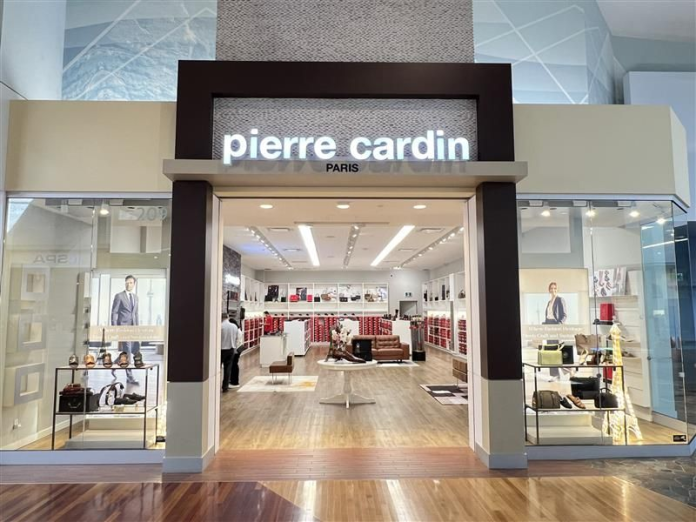
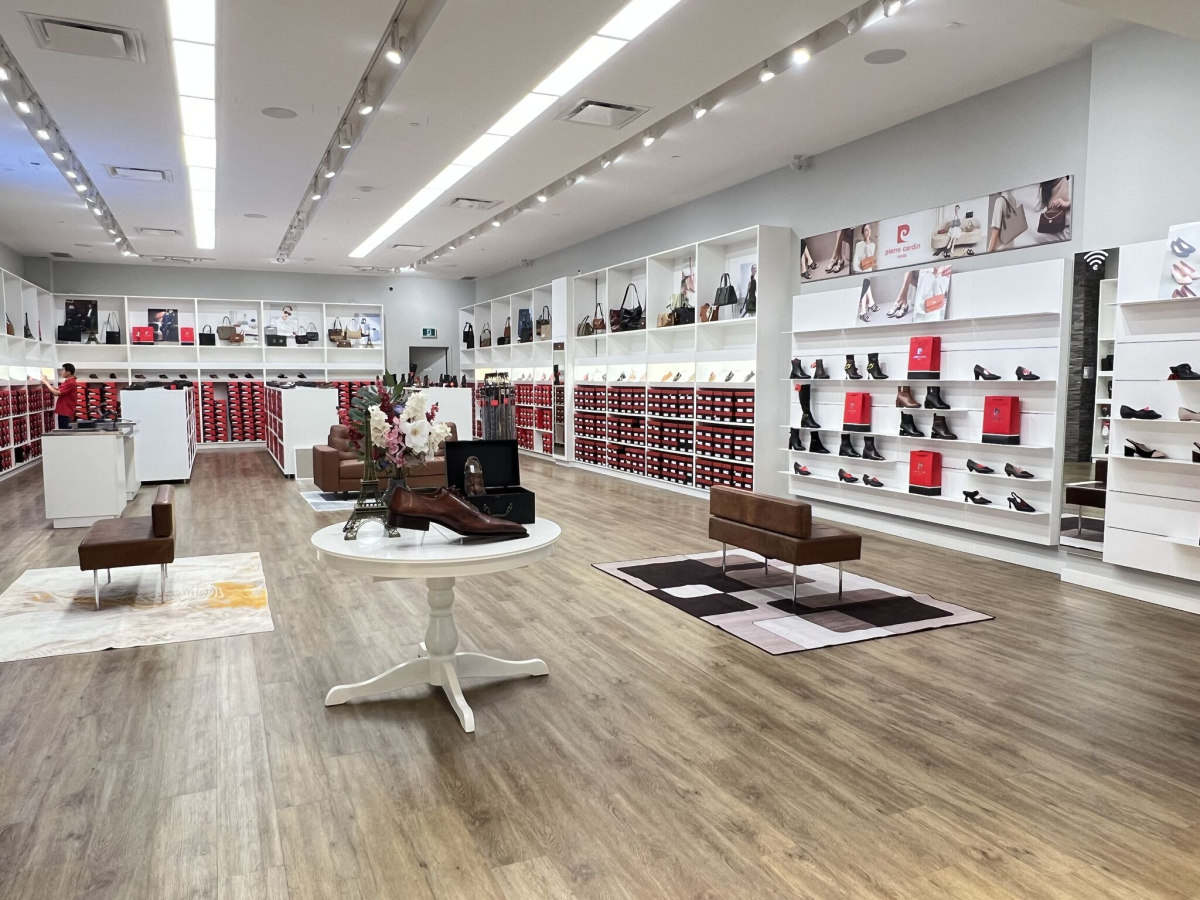
Pierre Cardin at Tsawwassen Mills in South Delta, BC. Photo: Shally Huai
Pierre Cardin has opened its first Canadian store at Tsawwassen Mills in Metro Vancouver, marking the beginning of a broader North American strategy led by a Vietnam-based operator with global ambitions. The new location represents a shift in how the brand is entering Canada, moving beyond traditional licensing toward a vertically integrated retail model with centralized control over manufacturing, distribution, and merchandising.
The store is operated by a partner group connected to Vietnam’s Emall, which holds rights to develop Pierre Cardin footwear and leather goods across Canada and other regions. The opening signals the start of what executives describe as a long-term rollout, with additional stores planned in Toronto and Montreal as part of the Pierre Cardin Canada expansion.
A Strategic Entry Point at Tsawwassen Mills
The choice of Tsawwassen Mills reflects a deliberate entry strategy. The shopping centre draws a diverse customer base, including a strong Asian demographic that is already familiar with the Pierre Cardin name through its extensive presence in Asia.
“This is our first footprint in Canada,” said Patrick Nguyen, a partner overseeing the Canadian expansion. “We want to build everything here with a long-term plan and grow the brand step by step.”
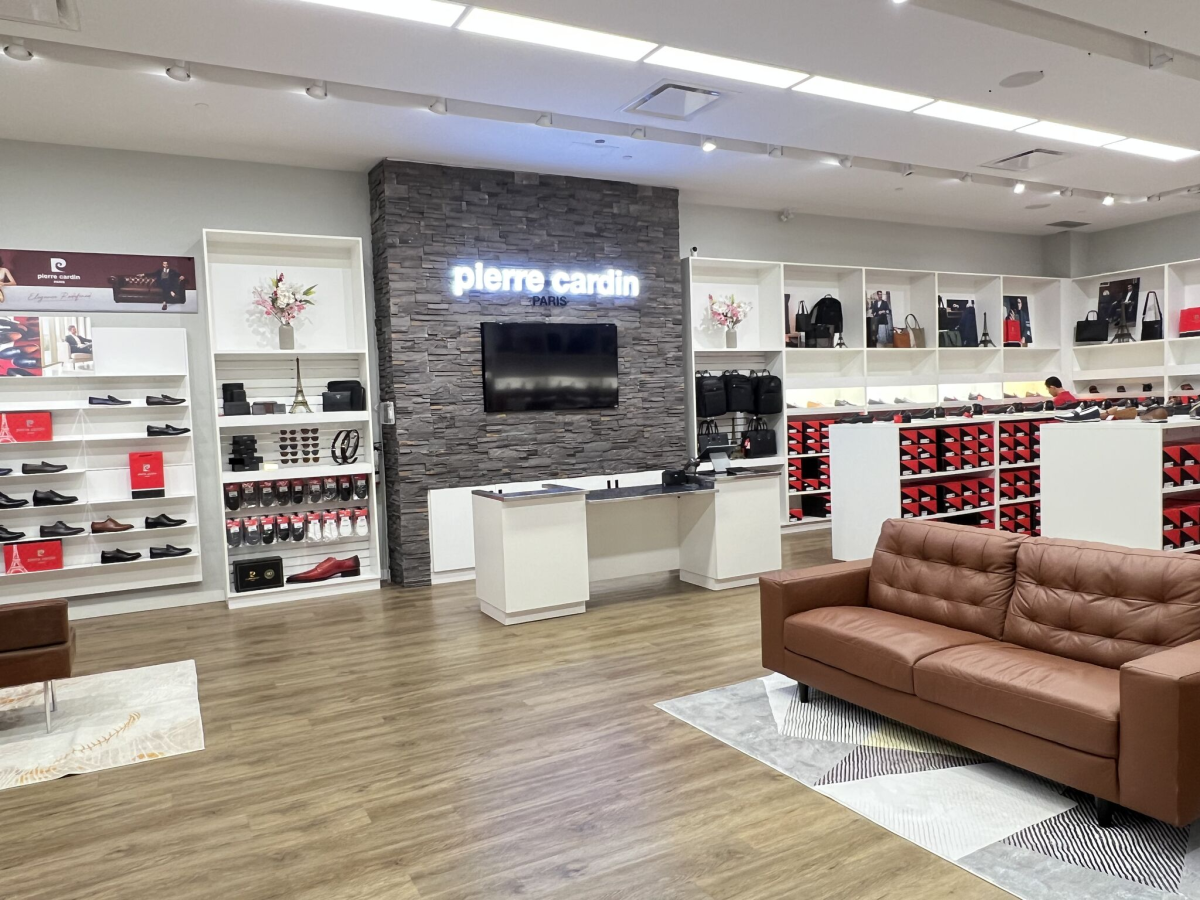
The store spans approximately 2,800 square feet and focuses on footwear and accessories, supported by back-of-house storage to manage inventory flow. Nguyen noted that the Vancouver market offers a combination of favourable leasing conditions and a receptive customer base, making it an effective launchpad for the brand’s reintroduction.
Pierre Cardin at Tsawwassen Mills in South Delta, BC. Photo: Shally Huai
From Licensing Fragmentation to Focused Retail
Pierre Cardin’s global history has been defined by an extensive licensing network that often led to fragmented brand positioning across categories and markets. The current strategy aims to simplify that model by narrowing the focus to core product categories and exerting tighter operational control.
In Canada, the emphasis is on footwear, particularly men’s and women’s dress shoes, along with complementary accessories such as belts and bags. Prices range from approximately $90 for entry-level styles to around $400 for premium in-store offerings. The brand is positioned as a stable, “timeless” alternative in the market, with limited reliance on discounting and a focus on consistent pricing.
“We are not chasing trends,” Nguyen said. “We want to offer products that are consistent and reliable, and that customers can come back to.”
Vertical Integration and Supply Chain Control
A defining feature of the Pierre Cardin Canada expansion is its vertically integrated structure. Unlike previous distributors that operated as intermediaries, the current operator controls manufacturing facilities in Vietnam and oversees the full supply chain from production to retail.
This approach allows for tighter quality control, pricing stability, and faster response to market demand. It also supports the company’s growing e-commerce ambitions, which are expected to play a key role in reaching customers across Canada without the need for a large network of physical stores.
Nguyen emphasized that the strategy prioritizes a limited number of flagship locations, complemented by digital channels, rather than a rapid rollout of numerous storefronts.
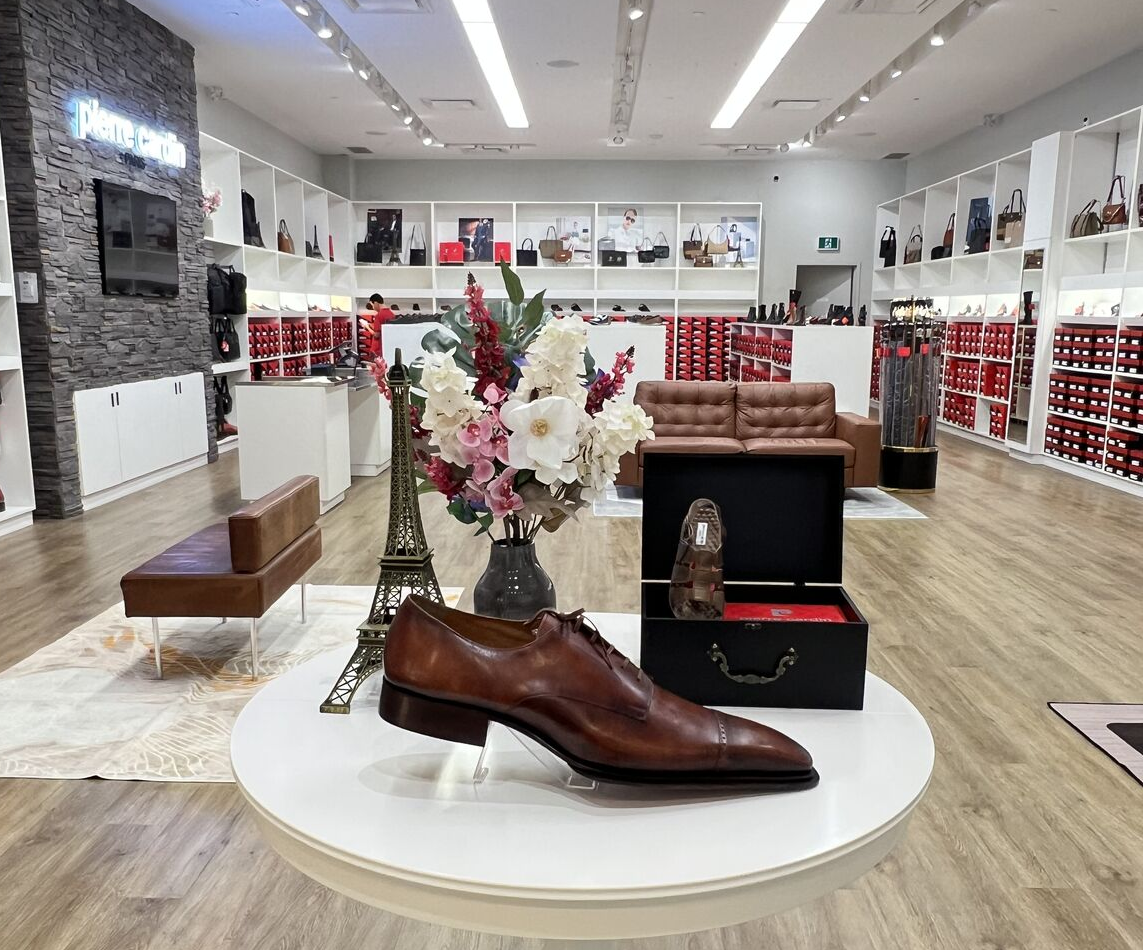
Pierre Cardin at Tsawwassen Mills in South Delta, BC. Photo: Shally Huai
Filling a Mid-Market Gap in Canadian Retail
The brand’s positioning comes at a time when Canada’s retail landscape is undergoing significant change. The decline of traditional department store anchors has reduced the availability of mid-tier footwear and accessories, creating an opportunity for new entrants.
Pierre Cardin is targeting what it describes as “affordable luxury” in the businesswear segment, offering leather footwear and accessories that sit above entry-level price points while remaining accessible to a broad consumer base.
Industry observers note that this segment has become increasingly underserved, particularly as consumers look for quality products without entering the highest luxury tiers.
In addition to its core assortment, the company is developing a higher-end offering that includes custom-made footwear. The concept involves in-store scanning technology that captures foot measurements in seconds, with made-to-order shoes delivered within approximately two weeks. Prices for these products are expected to range from $2,000 to $3,000.
The company is also exploring complementary services, including shoe repair, reconditioning, and the development of specialized insoles. These initiatives are intended to support a longer product lifecycle and reinforce a service-oriented retail model.
Nguyen added that the company is evaluating the feasibility of an extended warranty or replacement program, though details have not yet been finalized.
Pierre Cardin at Tsawwassen Mills in South Delta, BC. Photo: Shally Huai
Expansion Plans Across Canada and Beyond
Following the Vancouver opening, the company is actively evaluating locations for a Toronto flagship. Montreal is also part of the near-term expansion plan.
Beyond Canada, the operator has outlined ambitions to enter the United States, with potential locations in New York City and California once market and political conditions stabilize.
“We want to establish Canada first and build a strong foundation,” Nguyen said. “From there, we can expand into the U.S. and continue to grow.”
The longer-term vision includes positioning Canada as a central hub for the business, with potential capital market activity, including a public listing, being explored as part of future growth plans.
A Global Platform Anchored in Southeast Asia
The Canadian expansion is supported by a substantial existing footprint in Asia. The operator manages more than 100 stores across Vietnam and has expanded into Thailand and other Southeast Asian markets, while also participating in broader global production for Pierre Cardin footwear.
This scale provides the financial and operational foundation for the North American push, allowing the company to leverage established supply chains while adapting to local market conditions.
As an historical note, Pierre Cardin had a presence in Canada during its peak couture years. In 1968, the brand opened a location at Westmount Square in Montreal, which had just debuted as one of the country’s most prestigious retail destinations. At the time, the complex also housed the first and only Canadian locations for luxury fashion houses including Louis Féraud, Lanvin, and Hermès, reflecting the level of international prestige associated with the development nearly 60 years ago.
In the decades that followed, Pierre Cardin remained visible in Canada primarily through licensed products sold across multiple categories in department stores and multi-brand retailers. Those efforts were often fragmented, with different operators managing various product lines.
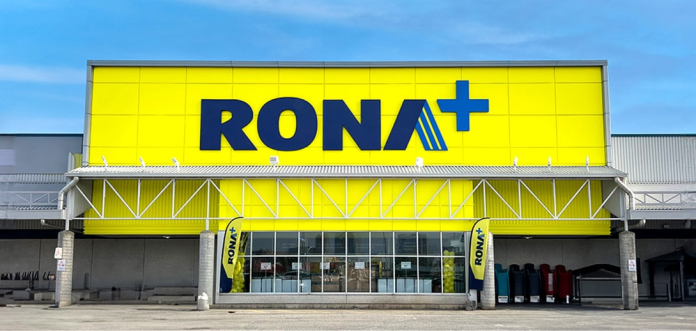
RONA inc., one of Canada’s leading home improvement retailers, operating and servicing over 425 corporate and affiliated stores, announced Monday that J.R. Roy is joining the RONA network of affiliated dealers.
Firmly rooted in the administrative region of Bellechasse-Etchemin, this company operates two home improvement centres with strategic locations in Lac-Etchemin and Saint-Léon-de-Standon, serving a territory where access to a complete offering of renovation supplies and services is a substantial issue for consumers and professionals, said the retailer.
On April 28, as part of a structuring internal succession project, three employees acquired the two stores that were previously owned by Émile Bilodeau. Already highly involved in daily operations, Ginette Carrier, Dominique Corriveau and Charles Grenier have over 75 years of combined experience in the construction and home improvement supply industry. Their two RONA J. R. Roy inc. stores offer a wide assortment of around 11,000 products, as well as key services, including a drive-through lumberyard to meet the needs of local DIY enthusiasts and contractors, explained the retailer.
“Supported by their 22 employees, the three co-owners are deeply motivated to maintaining their operational continuity, to keep providing proximity services and a well-established local expertise, and to developing their offering for DIY enthusiasts and Pros. Their commitment will be a powerful lever to accelerate the performance of both stores and ensuring structured, long-lasting growth in the region,” it said.
“Becoming RONA affiliated dealers is the outcome of a major strategic thought process on our acquisition journey, and a reflection that came naturally to us. We know our teams, our customers and our market really well, and we are eager to continue developing our stores while maintaining a high level of service and proximity in the community,” said Ginette Carrier, co-owner of J.R. Roy.
Alain Ménard
“First and foremost, succession is an entrepreneurial achievement that is driven by the commitment and vision of our dealers. Having a structured and well-defined succession plan is essential. In the RONA network, we firmly believe in the importance of continuity and legacy, which are vital to ensuring the longevity of local businesses and to keep meeting the needs of communities in the long term. We are happy to welcome and support the J.R. Roy group. Ginette, Dominique and Charles, we’re glad to have you in the RONA family”, added Alain Ménard, Senior Vice-President, RONA Affiliated Dealers.
RONA inc. is one of Canada’s leading home improvement retailers, headquartered in Boucherville, Quebec. The RONA inc. network operates and services over 425 corporate and affiliated dealer stores.