Home Blog Page 163

Hatch’d launches 1st location, marking debut of new breakfast QSR concept in Edmonton 

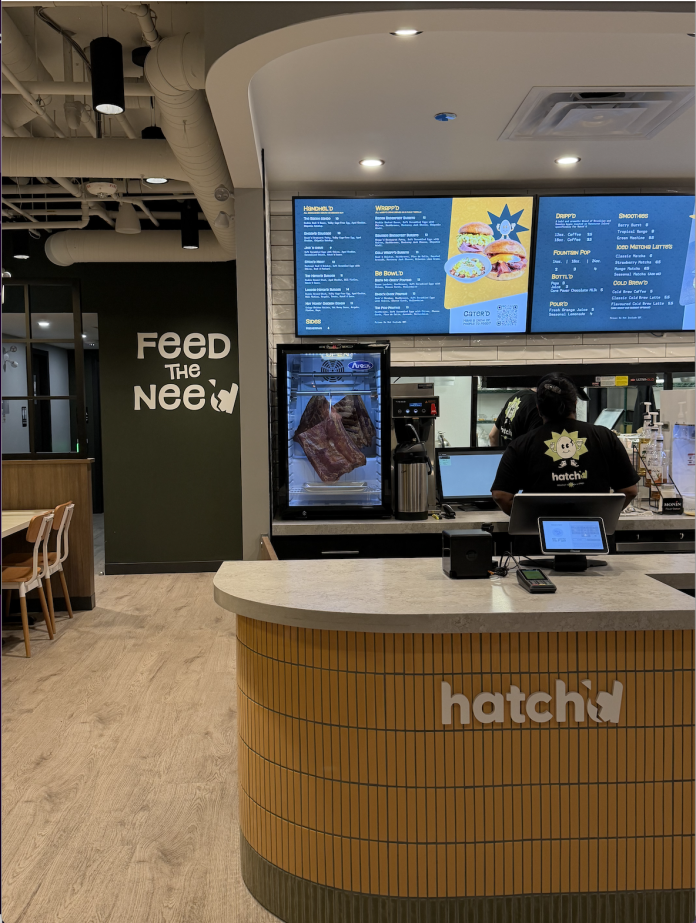
Photo: Hatch’d
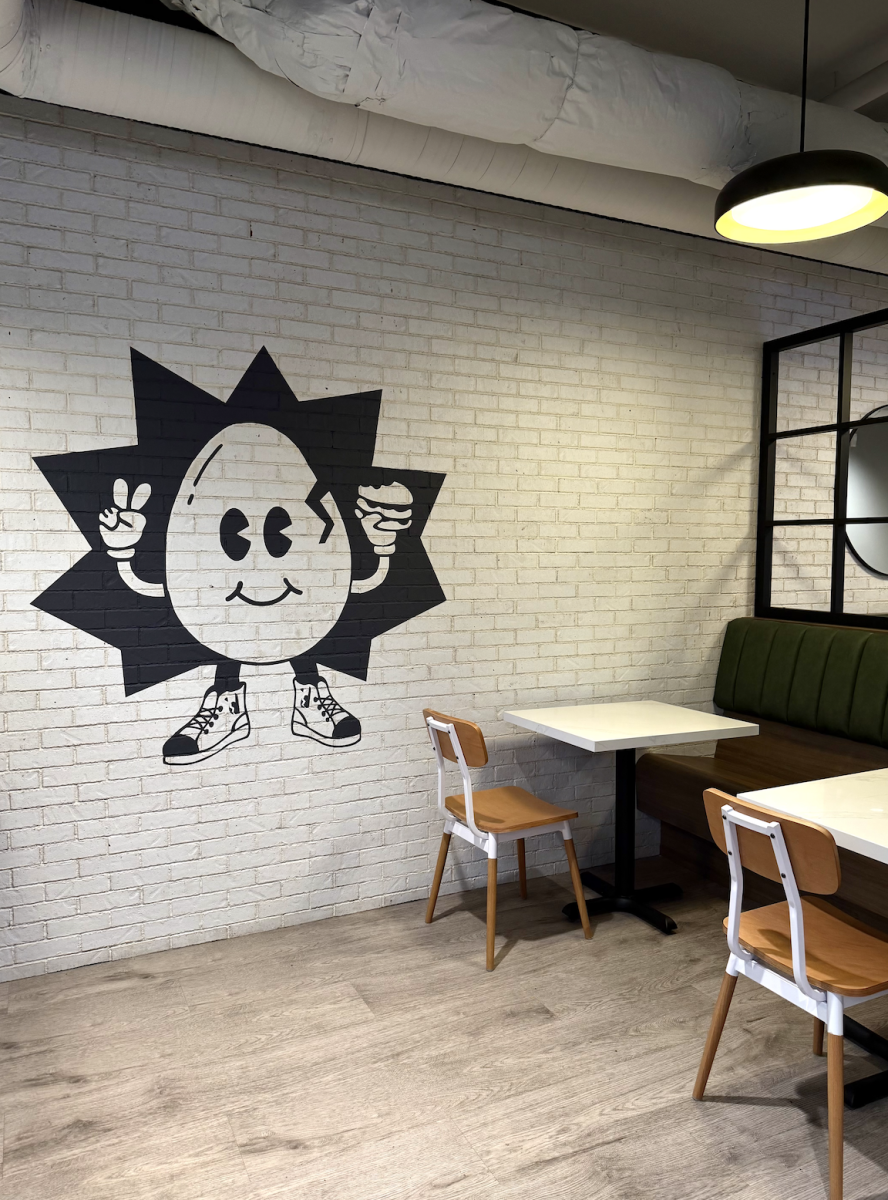
Photo: Hatch’d

Hatch’d, a new Canadian breakfast fast-casual concept, has officially opened its first-ever location in Edmonton, marking the debut of a brand designed to redefine the quick-service breakfast experience. Located at 8315 112 Street, steps from the University of Alberta and the U of A Hospital, Hatch’d introduces a thoughtfully streamlined model that emphasizes speed, quality, and flavour-forward menu development. 

Hatch’d was created in response to a growing demand for quick-service options that don’t compromise on craftsmanship or freshness. The concept focuses on operational efficiency and a curated menu, a combination that allows the team to deliver made-to-order, high-quality breakfast items with modern convenience.

The menu features all-day classics, including handheld breakfast sandwiches, burritos, bowls, and burgers. Signature items such as The Bacon Sando, Smok’d Meat sandwich, and Cali Wrapped Burrito highlight Hatch’d’s approach to balancing comfort with bold, approachable flavours. The bright, casual dining room seats 27 guests, supporting a mix of dine-in and grab-and-go traffic.

Brett Verhulst
Brett Verhulst

“Our goal with Hatch’d is to raise the bar for what quick-service breakfast can look like in Canada,” said Brett Verhulst, Brand Lead. “People want speed, but they also want food that feels crafted, flavourful, and consistent. Opening our first-ever Hatch’d here in Edmonton marks the start of that vision, and we’re excited to introduce a concept that brings more quality and creativity to the QSR breakfast category.”

The Edmonton opening also represents an early milestone in Hatch’d’s broader growth vision as the brand establishes its presence in Canada. This first location introduces guests to Hatch’d’s commitment to flavour, efficiency, and a modern approach to quick-service breakfast, showcasing the balance of convenience and craftsmanship at the heart of the concept. As the brand grows, the team remains focused on delivering a consistent, quality-driven experience rooted in community, while continuing to refine the flavours, menu innovation, and guest-first approach that define Hatch’d.

Verhulst said the new brand has been in the idea and planning stage for the past three years.

He described it as being a fast casual premium craft breakfast on the go. 

Photo: Hatch’d
Photo: Hatch’d

“We are kind of aiming to be that trendy kind of hip and cool spot where someone can come in and still get a very, very high quality breakfast, but on the go to meet their their lifestyles, whether it’s on the way to school or, you know, their morning breakfast before their office shift at nine o’clock, or for this current, this first location hitting the nurses and the doctors and the admin staff before they start their seven o’clock shift at at the hospital that we’re cross the street from,” he explained. 

Verhulst said there are negotiations taking place now for a second location in Edmonton, closer to the downtown, as well as for the Greater Vancouver Area and Calgary.

More from Retail Insider:

Photo: Hatch’d
Photo: Hatch’d
Photo: Hatch’d
Photo: Hatch’d
Photo: Hatch’d
Photo: Hatch’d
Photo: Hatch’d
Photo: Hatch’d
Photo: Hatch’d
Photo: Hatch’d

AI-powered charcuterie kiosk debuts at Calgary Co-op

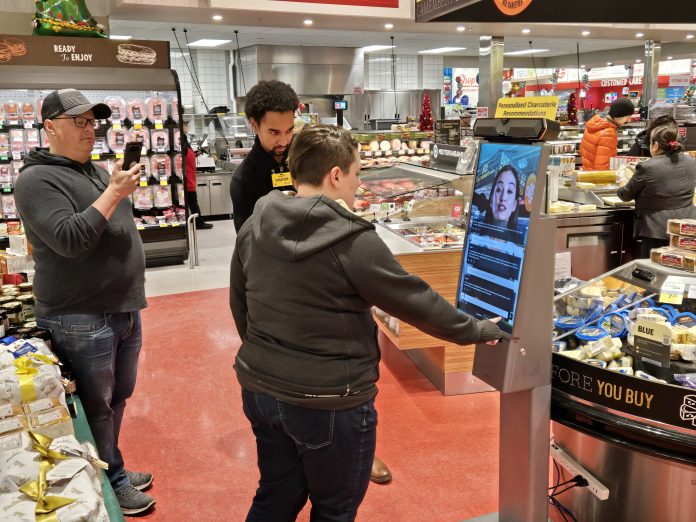
Photo: CGS Immersive

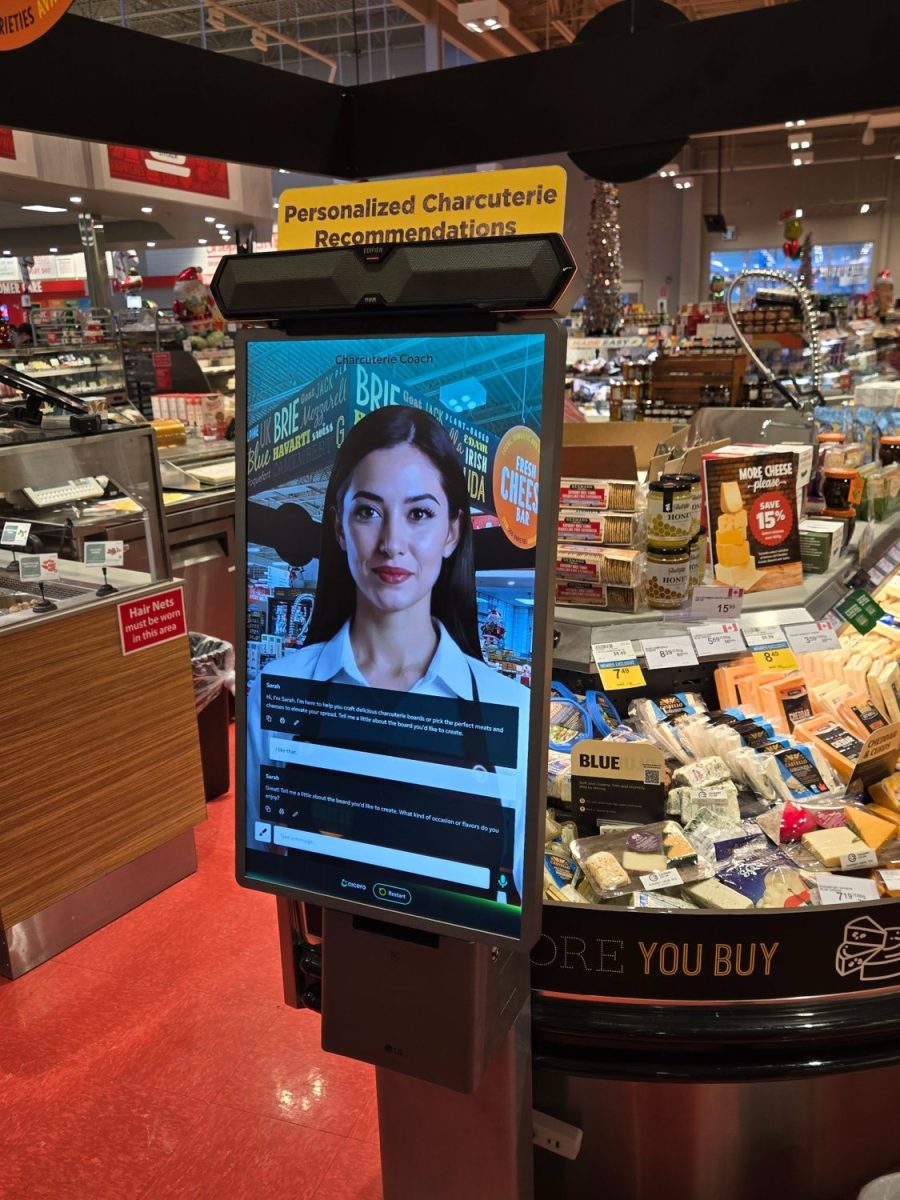
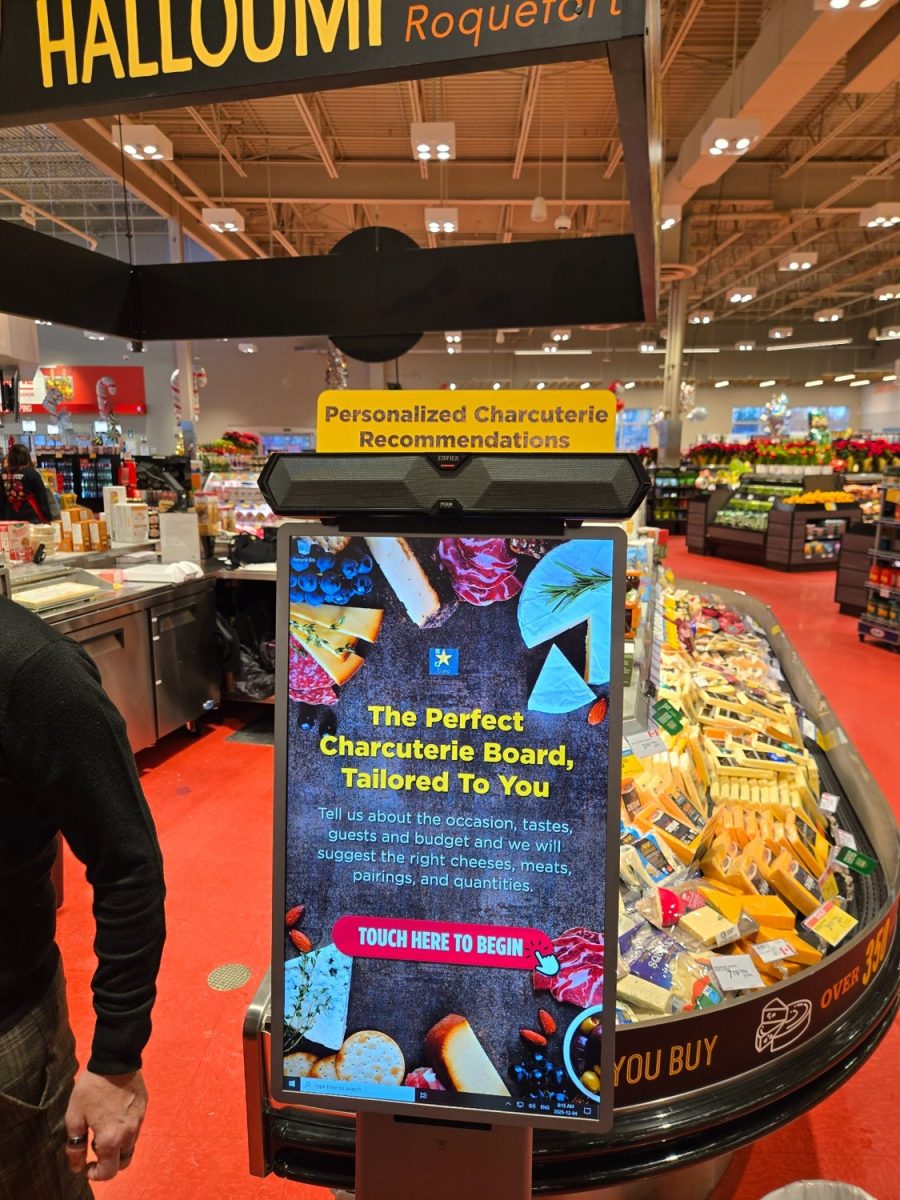
Calgary Co-op has debuted a new AI-powered charcuterie kiosk at its Oakridge store (150–2580 Southland Dr SW). The interactive kiosk —  built in partnership with CGS Immersive and powered by its lifelike AI platform, Cicero — acts as a “charcuterie sommelier,” instantly curating personalized boards based on a shopper’s budget, party size, flavour preferences, and in-stock deli items.

With charcuterie still one of the highest-margin categories, shoppers are looking for guidance while deli teams are stretched thin. Early pilots of these types of programs show average deli tickets rising from ~$8 to $40+, with the potential for up to $70K in incremental annual revenue per kiosk footprint, said CGS.

Using natural dialogue, shoppers share their budget, guest count, and preferences. The kiosk then generates a personalized board with individually priced items, pulling from real-time store inventory. Shoppers can print the list or hand it to deli staff for assembly.

Doug Stephen, president of CGS Immersive, said the company identified two big gaps: shoppers are often intimidated by the deli counter and building a board from scratch, and associates don’t always have the time or deep product knowledge to act like a personal cheese monger for every guest. 

Doug Stephen
Doug Stephen

“Cicero Charcuterie Sommelier lets anyone answer a few simple questions – guest count, theme, budget, meat/cheese/wine focus – and instantly get a beautifully visualized, store-specific board that can be self-assembled or prepared by the deli team. With Calgary Co-op, we co-designed the experience around their assortment, brand voice, their sommelier, and entertaining occasions so that Cicero feels like a natural extension of their deli experts, not a tech bolt-on,” he said.

Stephen said traditional recommendation engines say “people who bought this also bought that”; Cicero behaves more like a virtual cheese monger and sommelier, planning an entire occasion end-to-end.

“It blends a private large language model with each retailer’s product data, pairing rules, and brand standards to design complete boards – from cheeses and meats to crackers, fruits, and wine pairings – using only in-stock items from that specific store. Because the conversation starts with human questions (Who’s coming? What are you serving? What’s your budget?), the guidance feels like an expert talking with you rather than an algorithm pushing add-ons. 

“Cicero Kiosks can plug into the retailer’s existing stack –  inventory, and in the near future POS, CRM, and loyalty systems – so every recommendation is grounded in live store data and current promotions, not static planograms. The kiosk uses session-based interactions: it captures only what’s needed to build the board (guest count, budget, taste preferences) and runs all AI reasoning inside a private, encrypted environment where customer data is never shared externally or reused to train models for other clients. We also design the experience to show shoppers why something is being suggested (e.g., “pairs with your Pinot,” “in stock today,” “fits your budget”) so it’s clear, not a black box.” 

Stephen said the company’s charcuterie pilots demonstrate that when you turn an $8 deli stop into a curated entertaining solution, tickets routinely jump into the $30 – $50+ range and can unlock up to $70,000 per square foot in incremental revenue in the deli footprint. 

Photo: CGS Immersive

“For Calgary Co-op, we’ll be watching three things closely: sustained 4–5x growth in average charcuterie and deli ticket size, net-new board occasions from shoppers who weren’t previously buying charcuterie, and incremental lift across adjacent categories like bakery and wine. As long as the kiosk is consistently driving those behaviours, it pays for itself quickly and becomes a scalable lever for perimeter growth and labour efficiency,” he noted.

“Charcuterie is just the first chapter; the same Cicero “brain” can power custom cakes, prepared meals, seafood platters, wine curation, and even full-occasion planning across the store and the retailer’s app or e-commerce channels. Our roadmap is to make every perimeter department feel like it has its best specialist on duty 24/7, supporting not only guests at the kiosk or on their phones, but also associates with training, planograms, and step-by-step assembly guidance. Longer term, I see AI turning every touchpoint into a moment of service and education: shoppers discover new foods with confidence, teams work more efficiently, and retailers orchestrate a seamless blend of human and digital expertise across hundreds or thousands of locations.” 

Why It Matters

  • High-margin category: specialty cheese carries 40–60% margins and represents a multi-billion-dollar revenue opportunity — yet many shoppers feel intimidated or unsure what to buy
  • Holiday timing: December is peak season for charcuterie boards, entertaining, and specialty food purchases
  • Staffing pressure: 92% of shoppers want signage or staff guidance, but deli teams are stretched, especially during holidays
  • Rising complexity: younger shoppers expect personalized, interactive experiences — even in traditional categories like deli

How It Works

  • Pulls real-time deli inventory
  • Curates meats, cheeses, fruits, crackers, and pairings tailored to budget and taste
  • Includes wine/cracker pairing suggestions
  • Provides printouts for self-assembly or deli pickup
  • Offers step-by-step guides to support newer/seasonal deli staff
  • Short video overview: https://vimeo.com/1091791352/1bfb698363?share=copy 
Photo: CGS Immersive

What Grocers are Seeing

Financial impact

  • Average deli tickets rising from ~$8 → $40+
  • Up to $70K incremental annual revenue per kiosk footprint
  • Cross-department lift (bakery, produce, wine)

Operational efficiency

  • Consistent recommendations regardless of staff levels
  • Reduces shopper confusion and speeds up decision-making
  • Generates category insights to inform ordering and merchandising

Enhanced shopper experience

  • Especially appealing to Millennials and Gen Z
  • Helps shoppers feel confident building a board
  • Reduces friction during high-traffic periods
Photo: CGS Immersive

More from Retail Insider:

Lululemon CEO Calvin McDonald to Exit as Board Seeks Reset

Entrance doors to Lululemon at Yonge and Bloor in Toronto. Photo: Craig Patterson

Lululemon Athletica Inc. surprised investors late Thursday by pairing a strong quarterly earnings report with news of a leadership change at the top. Calvin McDonald, who has served as chief executive since mid-2018, will step down from his role and from the company’s board at the end of January. He will remain with Lululemon as a senior advisor through the end of March, the company said, as it begins a search for his successor.

The announcement came just hours after Lululemon reported results that exceeded Wall Street expectations. Earnings per share reached $2.59 for the quarter ended Nov. 2, compared with analyst estimates of $2.25, while revenue totaled $2.57 billion, ahead of forecasts of $2.48 billion. The stock initially moved higher on the earnings news and then surged more than 10 percent in after-hours trading once McDonald’s departure was disclosed.

The sequence underscored a broader truth about Lululemon’s current position. Strong quarterly performance has not been enough to ease investor concerns about the company’s longer-term trajectory. For the market, the leadership change appeared to signal a long-awaited reset.

Calvin McDonald

A Company Showing Two Different Faces

On paper, Lululemon remains a global growth story. Since McDonald took the helm seven years ago, the company has more than tripled its annual revenue and expanded its footprint to more than 30 geographies. Lululemon said it expects to generate approximately $11 billion in revenue this fiscal year, a dramatic increase from the roughly $3 billion it produced before McDonald’s arrival.

International markets have been central to that expansion. Mainland China has grown into Lululemon’s second-largest market, and new stores across Asia and Europe have continued to post solid gains. The company has also broadened its product portfolio, pushing further into lifestyle apparel and into activities such as tennis and golf, moves intended to diversify beyond its yoga roots.

Yet beneath that global growth, the company’s core business in the Americas has begun to show strain. North America remains Lululemon’s largest market, but it is also where sales momentum has softened most visibly. While international results have helped offset this weakness in consolidated figures, investors and analysts have increasingly focused on signs that the brand’s appeal at home is fading.

Shifting Consumer Tastes and Intensifying Competition

Lululemon’s early success was built on a tightly defined product offering that resonated deeply with consumers. Its leggings became a cultural staple, and its stores drew devoted customers willing to pay premium prices. Today, that dominance is far less assured.

Rivals such as Vuori and Alo Yoga have gained traction by blending performance wear with lifestyle aesthetics that appeal to a similar customer base. At the same time, broader fashion cycles have shifted, with some shoppers moving away from athleisure altogether and returning to categories like denim. In this more crowded and fluid environment, Lululemon’s once distinctive assortment has struggled to command the same loyalty.

The result has been slower growth in the Americas, a development that has weighed on investor sentiment even as the company continues to open stores overseas. International expansion has effectively masked domestic weakness, but it has not eliminated concerns about the health of the core brand.

Margin Pressure and the Tariff Hit

Compounding those challenges has been a sharp increase in costs tied to global trade policy. Lululemon has said it expects a $240 million impact on profit this year, largely due to the end of the de minimis exemption that previously allowed low-value packages to enter the United States duty-free.

For a retailer with a globally dispersed supply chain and significant cross-border shipments, the change has been particularly painful. The tariff burden has landed at a time when promotional pressure across the apparel sector remains elevated and consumers have grown more price-sensitive. Maintaining premium pricing while absorbing higher costs has become increasingly difficult.

These pressures have shown up in the company’s bottom line. In the most recent quarter, net income fell to $306.84 million, or $2.59 per share, down from $351.87 million, or $2.87 per share, a year earlier. Revenue rose, but profitability slipped, reinforcing the perception that growth has become more expensive to sustain.

Founder Criticism Moves Into Public View

If operational and financial challenges were not enough, McDonald’s tenure has also been overshadowed by unusually public criticism from Lululemon’s founder, Chip Wilson. Two months ago, Wilson, the company’s largest independent shareholder, took out a full-page advertisement in The Wall Street Journal accusing Lululemon of being “in a nosedive” and calling for urgent change.

Wilson has been particularly critical of McDonald’s strategic decisions, most notably the $500 million acquisition of the in-home fitness company Mirror in 2020. Wilson has said the deal ultimately squandered $1 billion and erased $10 billion in market capitalization. Lululemon later explored selling Mirror, then partnered with Peloton Interactive Inc. to make Peloton its exclusive digital fitness content provider before stopping sales of Mirror hardware altogether.

The founder has also taken aim at the company’s broader direction, criticizing its diversity and inclusion efforts and comparing its trajectory to that of Gap Inc., a once-dominant apparel retailer that struggled to adapt to changing consumer tastes. Although Wilson left Lululemon’s board in 2015, his continued ownership stake has ensured his critiques carry weight.

Retail analyst Neil Saunders, managing director of GlobalData, said Wilson’s attacks were among the factors behind McDonald’s exit, describing Lululemon as a brand in need of strong direction at a critical moment.

A Transition at the Top

As McDonald prepares to depart, Lululemon’s board has put an interim leadership structure in place. Chief Financial Officer Meghan Frank and Chief Commercial Officer André Maestrini will serve as co-CEOs during the transition, overseeing day-to-day operations while the company searches for a permanent successor.

The board has also expanded the role of its chairman, Marti Morfitt, who will become executive chair effective immediately. Lululemon said the move is intended to ensure continuity and execution of both near- and long-term growth strategies during the leadership change.

In a statement, the company said it is conducting a comprehensive search with a leading executive search firm to identify its next chief executive. The board said it is seeking a leader with experience driving companies through periods of growth and transformation, language that suggests an emphasis on revitalizing the brand while managing its global scale.

Market Response Reflects a Desire for Change

Investors responded swiftly to the news. Lululemon shares closed at $187.01 on Thursday, down nearly 50 percent year to date and more than 60 percent over the past two years. After the announcement, the stock jumped more than 10 percent in after-hours trading, a rally that spoke less to enthusiasm about near-term results than to relief that change was finally underway.

The reaction highlighted a broader lesson for the retail sector. Beating earnings expectations, while important, does not guarantee investor confidence if doubts persist about the underlying business. In Lululemon’s case, the market appeared to view McDonald’s departure as a necessary step toward addressing deeper issues.

Assessing McDonald’s Legacy

In his own statement, McDonald called serving as Lululemon’s chief executive the highlight of his career and said he was proud of what the company achieved during his tenure. He pointed to the brand’s global expansion and its evolution beyond yoga apparel as evidence of progress.

On LinkedIn, McDonald said his January departure had been discussed and carefully considered with the board as the company approached the end of its five-year strategy. Marti Morfitt thanked him for his leadership, describing it as visionary and crediting him with positioning Lululemon for the future.

Still, McDonald leaves behind a company at a crossroads. Lululemon has scale, brand recognition, and a global footprint that many competitors would envy. It also faces slowing growth in its largest market, rising costs, and a more competitive landscape than at any point in its history.

More from Retail Insider:

Retail Store Security: What Owners Should Know

Running a retail store comes with its fair share of challenges, and security should always be one of your top priorities. Protecting your business, customers, and employees requires a comprehensive approach considering physical and digital threats. A secure retail operation strengthens customer loyalty and employee morale, creating a foundation for long-term success.

Ignoring security can lead to significant losses, not only financially but also in customer confidence. Theft, fraud, and data breaches are ever-present risks, and addressing them proactively can save you time, money, and stress in the long run. Beyond immediate losses, a security lapse can harm your brand’s reputation, making it harder to regain trust.

Photo by Atypeek Dgn on Pexels

Securing Your Store’s Premises

Physical security is the first line of defense for your retail store. Ensuring that your premises are well-protected can deter theft and vandalism, giving you peace of mind. A layered security approach, combining technology with human oversight, offers the best protection.

Surveillance and Monitoring

Installing security cameras is one of the most effective ways to monitor your store. High-quality remote video surveillance cameras placed at entry points, cash registers, and storage areas provide a clear view of activity and can serve as evidence if an incident occurs. 

Opt for cameras with night vision and remote access capabilities so you can monitor your store even when you’re not on-site. Signs indicating the presence of surveillance cameras can act as a deterrent, discouraging potential criminals before they act.

For more information on enhancing your store’s security, click here. Signs indicating the presence of surveillance cameras can act as a deterrent, discouraging potential criminals before they act.

Access Control Systems

Use keycard systems or biometric locks as part of an access control system to secure stockrooms and offices, ensuring only authorized personnel can enter. Solutions like Coram integrate intelligent access management with real-time monitoring, which not only protects inventory but also significantly reduces the risk of internal theft.

Regularly review access logs generated by the access control system to identify unusual patterns, such as repeated entry attempts during non-business hours. With Coram’s unified security platform, these insights can be correlated with video surveillance for faster verification and more effective response to potential issues.

To turn policy into practice, partner with a retail-focused integrator. Mammoth Security delivers commercial-grade cameras, access control, and alarm systems engineered to work together—linking door events with video, automating lock schedules, and enabling secure remote management. Certified installers design coverage to eliminate blind spots at entrances, cash wraps, and stockrooms; deploy keycard or biometric readers; and configure alerts that reduce internal and external shrink. A complimentary on-site assessment can map optimal camera angles, door hardware, and networking for single stores or multi-location chains.

Training Employees on Security Protocols

Educated staff can identify suspicious behavior and respond effectively to potential threats. Ongoing training ensures that your team stays prepared as new challenges and threats emerge.

Teach your team how to spot unusual activities, such as customers lingering without making purchases or attempting to distract employees. Encouraging employees to report their observations promptly can help prevent theft and fraud. Consider using role-playing exercises to help employees practice identifying and addressing suspicious behavior in a non-confrontational manner.

Handling Emergencies

Prepare your staff for emergencies by conducting regular drills and providing clear instructions on what to do in various situations. Whether it’s dealing with a shoplifter or responding to a security alarm, confident and well-trained employees can make all the difference. 

Using a React PDF editor, create easy-to-access guides that outline emergency procedures, ensuring every team member knows their role in critical situations. An editing tool can make these guides dynamic and editable, allowing you to quickly update procedures as needed and distribute them efficiently.

Implementing Robust Inventory Management

A strong inventory management system can help you track your stock and identify discrepancies quickly. This not only aids in preventing theft but also ensures that your operations run smoothly. Organized and accurate inventory management minimizes losses and boosts operational efficiency.

Using Technology for Tracking

Invest in inventory management software that uses barcodes or RFID technology to keep tabs on your products. Automated systems can alert you to unusual patterns, such as frequent stock shortages or discrepancies between recorded and actual inventory. Integration with your sales systems can provide real-time data, helping you respond quickly to anomalies.

Conducting Regular Audits

Perform periodic inventory audits to verify the accuracy of your records. These checks help you identify potential theft or errors and provide an opportunity to address issues before they escalate. Schedule audits more frequently for high-value or high-risk items, and involve multiple team members to ensure transparency and accountability.

Secure Logistics Operations

Protecting your business doesn’t stop at the storefront. If your operations involve company vehicles, securing them is just as critical to your overall security strategy. Vehicles used for deliveries or transporting goods are vulnerable to theft and vandalism, making it essential to implement proper safeguards. 

Van insurance is necessary in this process, offering financial protection against unexpected damages or losses. By combining robust vehicle security measures with a comprehensive business van insurance policy, you can ensure that your mobile operations remain uninterrupted and well-protected.

Safeguarding Your Digital Assets

As more transactions move online, protecting your digital systems is just as important as securing your physical store. Cybersecurity should be a priority to prevent data breaches and protect sensitive information. With the increasing reliance on digital tools, neglecting cybersecurity can expose your business to significant risks.

Securing Payment Systems

Ensure that your point-of-sale systems are PCI-compliant and use encryption to protect customer data. Regularly update software to patch vulnerabilities and consider implementing two-factor authentication for added security. Encourage employees to follow secure payment protocols, such as verifying cardholder identities during transactions.

Protecting Customer Data

Store customer information securely and only collect what’s necessary. Use firewalls and antivirus software to defend against cyberattacks, and educate your staff on avoiding phishing scams and other online threats. Regularly review and update your data privacy policies to align with evolving regulations and best practices.

Preventing Theft and Shoplifting

Shoplifting remains a major concern for retail store owners. Deterrence measures and proactive strategies can significantly reduce the risk. An environment designed to discourage theft sends a strong message that you take security seriously.

Enhancing Store Layout

Design your store layout to minimize blind spots and ensure clear visibility of all areas. Placing mirrors in corners and arranging shelves to maximize visibility can discourage potential shoplifters. Position high-value items in areas where employees can easily monitor them, reducing their attractiveness as targets.

Deploying Loss Prevention Teams

Hiring or training employees to focus on loss prevention can be a game-changer. These individuals are trained to monitor the store, interact with customers, and handle incidents discreetly and professionally. Equip them with communication tools to coordinate with other team members and respond swiftly to potential incidents.

Establishing a Secure Environment for Customers

Your customers’ safety is critical to building trust and encouraging repeat business. A secure environment not only makes your store more appealing but also demonstrates your commitment to their well-being. Security and customer satisfaction go hand in hand, reinforcing your store’s reputation.

Have clear evacuation plans and emergency procedures in place. Display signage that informs customers about exits and provides instructions in case of emergencies. Regularly inspect safety equipment, such as fire extinguishers and alarms, to ensure they’re functional. Involve customers in safety drills where appropriate, creating a sense of shared responsibility.

Encouraging a Community Feel

Creating a welcoming atmosphere can discourage criminal activity. When your store feels like a safe and inclusive space, customers are more likely to stay alert and report suspicious behavior. Engage with your community through events or partnerships that build goodwill and foster a sense of belonging.

Conclusion

Retail store security requires a comprehensive strategy that includes employee training, advanced technology, and a focus on both physical and digital threats. By taking proactive measures, you protect not only your business but also your customers and employees. A secure store creates a foundation for growth, giving you the confidence to focus on other aspects of your business.

Staying vigilant and committed to security will help you mitigate risks and build a reputation as a trustworthy and reliable retailer. A secure store fosters a positive shopping experience, ensuring that your business continues to thrive in a competitive market. In an era where trust and safety are paramount, your commitment to security becomes a cornerstone of your success.

5 Ways AI Can Fix the Weak Spots in Your e-Commerce Store

Running a successful e-commerce store is all about optimization. You want the right people to be impressed by the right ads, visit your site, and have a delightful experience that ends in them not just buying something now, but becoming a steady customer with high lifetime value.

Nowadays, it’s impossible to discuss effective optimization strategies without involving artificial intelligence. Here’s how using AI can address five key weaknesses in your store and turn them into advantages that the competition will struggle to catch up with.

1.   Content Creation & Personalization

Successful e-commerce stores rely heavily on top-quality product images, informative listings, and compelling marketing materials. The right AI tools can help you generate any and all of these in seconds based on a single, natural-sounding conversation. Here are just a handful of the many benefits.

You get search-engine optimized and persuasive copy every time with guaranteed natural keyword integration. You can take existing product photos and liven them up by creating hero shots, removing undesirable backgrounds, etc. Most importantly, you can quickly produce and A/B test various creatives, from social media posts to email layouts, and find the ones that resonate with customers the most.

You can take existing product photos and liven them up by creating hero shots, removing undesirable backgrounds, or enhancing them with insMind’s AI Image Generator to quickly create polished visuals for product listings, ads, and social media.

2.   Customer Interaction

Part of the personalized experience most online shoppers now insist on is having 24/7 access to someone who will answer their questions and resolve issues. That someone no longer needs to be human for the vast majority of such interactions.

AI chatbots tirelessly and cheerfully answer product questions, handle tracking info and returns, or help with standard troubleshooting as well as FAQs. Paired with computer vision, they can even suggest products that most closely fit any inspirational pictures the customer uploads.

3.   Dynamic Pricing

Ideally, you’ll want your e-commerce store to stay in the spotlight while consistently optimizing margins. That’s where the power of automation and predictive analytics comes in!

Specialized AI tools draw data from various sources to lay out an optimum, adaptive pricing strategy. These include staples like historical data and seasonal events, but also tap into less obvious and time-sensitive sources like weather patterns or emerging viral trends on social media.

This lets you raise prices on high-demand items. You can also discount slower-moving products to free up inventory space without manually tracking market shifts.

4.   More Dependable Product Availability

Making AI-driven improvements to your store is a major upgrade. Yet, the advantages compound and become even better if you also partner with suppliers who leverage AI to optimize manufacturing and logistics.

For example, they can use predictive analytics – your store’s performance metrics included – to accurately estimate demand almost in real-time. They may also use AI to schedule maintenance at the most opportune times or distribute inventory to warehouses and fulfillment centers that are closest to the majority of customers.

You directly benefit from their AI-augmented practices by always maintaining adequate stock, even during unexpected spikes. Since logistics optimization also leads to streamlined shipping, you can expect far fewer abandoned carts due to products being sold out or having long delivery times.

5.   Better Fraud Detection and Prevention

E-commerce fraud has always been an unfortunate cost of doing business, and making AI available to everyone has only exacerbated it. Luckily, you can fight fire with fire and thwart fraudsters before they have a chance to damage your store’s reputation and financial future.

It’s another case of data to the rescue. AI is able to prevent bots as well as humans who might have stolen someone’s credit card info or are attempting an account takeover. It analyzes countless normal interactions and can quickly flag suspicious ones based on criteria like expensive carts, inhumanly fast checkouts, and even typing rhythms that don’t match human inputs.

Boosting luxury fashion brand efficiency with real-time delivery insights

Luxury fashion retail thrives on precision and exclusivity, where every detail matters. As technology advances, real-time delivery insights become indispensable for optimizing logistics in this high-stakes industry. These insights revolutionize how luxury brands manage store openings, closings, and relocations, ensuring seamless operations and exceptional customer experiences.

The 1,950 square foot Brinkhaus store has existed in Calgary for 70 years. A Vancouver location on West Georgia Street near Burrard opened about a decade ago and in 2018, it was converted to retail spaces for Graff and Patek Philippe

The luxury fashion market is evolving, with logistics efficiency becoming a hallmark of brand excellence. Technological advancements are pivotal in refining delivery processes, enhancing customer satisfaction, and reducing operational costs. In this context, vehicle tracking becomes essential to achieve these goals. By integrating sophisticated technology with logistics, luxury brands can streamline operations and provide precise delivery updates to their discerning customers.

Understanding the importance of real-time delivery insights in luxury fashion

Real-time delivery insights involve continuous monitoring and analysis of delivery data as events unfold. This technology allows luxury brands to track shipments and anticipate potential delays with precision. Access to real-time data empowers brands to make informed decisions about routing, inventory management, and customer communication, which are critical during store openings, closings, or relocations. When you have access to real-time information, you can respond swiftly to disruptions and maintain the high standards expected in luxury retail.

Utilizing real-time delivery insights offers several benefits for luxury brands aiming to enhance logistical efficiency. One major advantage is the ability to reduce lead times by identifying bottlenecks and optimizing delivery routes. With accurate data at your fingertips, planning becomes more efficient, allowing for adjustments that minimize delays and improve service reliability. Additionally, such insights enable better resource allocation and cost management, ultimately contributing to higher profitability in a competitive market.

The impact of delivery insights on luxury fashion logistics

Integrating real-time insights into your luxury fashion logistics can significantly streamline operations. By monitoring deliveries in real time, you can quickly identify inefficiencies within your supply chain and implement corrective measures. These insights help reduce delivery times by optimizing routes and improving coordination among logistics partners. As a result, your inventory management becomes more agile and responsive to the unique demands of luxury fashion.

Reducing operational costs is another benefit of using real-time delivery insights in luxury retail. By analyzing data patterns, you can identify cost-saving opportunities such as fuel-efficient routes or load optimization strategies. Furthermore, real-time insights support proactive decision-making, which enhances overall supply chain resilience. This capability not only boosts operational efficiency but also elevates your competitive edge in the luxury market.

Enhancing customer satisfaction through reliable updates in luxury fashion

Accurate delivery updates are crucial in building customer trust and satisfaction, especially in luxury fashion. When customers receive timely information about their exclusive orders, their confidence in your brand increases significantly. Real-time delivery insights enable you to provide precise estimated times of arrival and instant notifications of any changes. This transparency strengthens customer relationships and encourages repeat business.

Examples of improved service reliability include higher punctuality rates and fewer customer complaints regarding delayed deliveries. These improvements directly influence customer feedback and brand perception. By consistently meeting or exceeding expectations through reliable service, you cultivate positive experiences that drive customer loyalty. Leveraging real-time data ensures that your luxury fashion operations remain agile, responsive, and focused on delivering exceptional value.

Why Fashion Retailers Are Expanding Near University Campuses: Leasing Insights and Market Demand

Global estimates show that back-to-college shopping reached $408 billion in 2024. Students’ spending on shoes and clothing reaches almost half at 47% at the beginning of an academic year. Fashion retailers view this as a lucrative opportunity and are moving university-friendly shopping outlets closer to campuses.

Research shows that business premises near campuses are cheaper than renting space in high-end malls. This allows them to offer attractive discounts, lower costs and plan short-term deals. Foot traffic near colleges and universities is also high. Fashion spending is flexible and students engage in personalized discoveries while shopping.

Student demands and product mix influence

Modern fashion retailers are intentional, aggressively marketing their products. These brands implement back-to-school roadshows, pop-ups, and localized campus campaigns. College education enrollment has risen sharply in recent years. UNESCO statistics show an increase of student population by 56% in Japan and 54% in Ireland. Market research shows that what students want significantly influences fashion products.

Education challenges affecting college students have changed lately. Many students prefer to work part-time to help them meet rising needs and fees. It is harder to balance college work, employer demands and a healthy lifestyle. Paper writing trends have changed with most students seeking help from a writing service. Opting to pay for research paper helps them balance learning, work and improve grades. It is a solution for reducing stress and staying on track in one’s education journey.

College retail trends for 2026 and beyond show that young students look for affordability. Many, especially women, prefer newly designed styles. Many want a mix of historical fashion, modern materials and sustainability. They look for value, identity, and fashion that fits their tight budgets. Due to this, retailers stock the latest items and woo college shoppers with bundled deals. Some brands stock exclusive college-branded products to capture the market.

The benefits of expanding near university campuses

Anyone seeking to set up a retail base near college campuses must understand the dynamics of such environments. Students are driven by trends that make them respond quickly to the latest fashion offers. Retailers must also understand the college calendar and seasons like winter and summer. Setting up retail outlets offers fashion brands with benefits like the following.

Lower market entry costs

Most brands seek to test markets before fully entering into student-driven markets. They look for affordable spaces and plans that cost the least. Near campus premises offer these benefits. Brands can rent kiosks, pop-ups or lease spaces for the short term. These strategies are affordable, allowing brands to test the market. It gives them time to test trends or try out new products.

Expanding student population

The student population in Asia increased by 268% from 2000 to 2020. Latin America recorded a 54% increase, while Europe and North America recorded 12% from 2023 to 2024. This growing population offers a high market value to fashion brands. Students consistently shop for shows, accessories, clothing, etc. A 5% increase in student enrollments is a significant benefit for fashion retailers.

Social media influence factor

It is easier to build a strong market targeting the modern generation through social media influence. These channels offer fashion brands higher visibility and control. It drives trends and keeps students engaged. It is easier to build a strong market through digital campaigns and collaboration using these channels.

Market predictability

It is easier to predict the university education academic year. Fashion brands can predict when trimesters, quarters, or semesters begin and end. This helps them plan seasonal sales, college academic year opening campaigns, etc.

What checklists should new entrants consider?

The stocks that new entrants may consider depend on season, college location and country. Some countries have warm weather all year round, which makes selling summer fashion favorable. Some regions experience winter and brands must consider seasons like spring and autumn. Here are considerations that these brands may list.

  • Minimize risks by leasing short-term. Brands may also consider revenue-sharing models.
  • Test the market by renting a kiosk or pop-up space.
  • Enter the market at the start of an academic year.
  • Focus on student-tailored promotions. Add more weight to digital promotions and loyalty.
  • Use AI tools to monitor the market, student responses, and current and future trends.

What leasing strategy works for most brands?

Many brands approach specific universities to build partnerships. They may partner with campus retail providers or student unions. This offers an advantage because brands can secure prime spaces like student centers, stores. Negotiate for flexible terms like short leases or seasonal renting. Negotiate for smaller spaces or shared leases to save on costs.

Build on local marketing and engage college brand ambassadors. Invest marketing efforts during campus events. Use social media campaigns and distribute physical and digital fliers. Create an engaging online channel to help mix physical and online selling. Allow students to pay online and pick up at a physical location near campuses.

Risks that fashion retailers must consider

Beware of risks that might hinder growth or cause a sudden loss in sales. For example, sales often pick up at the beginning of the semester and suddenly lower or stop during holidays. Most brands organize massive clearance sales when the campus break seasons approach.

Be cautious of rising demand in retail spaces near campuses. This may push rent costs higher as more brands rush to secure the limited available spaces. Understand the trends in the local markets to ideas about shifting lease costs. Understand how student budgets shift. Students may have flexible budgets when opening school and tighter spending a few months later. Offer flexible prices to integrate seamlessly with changing budgets.

Understand exam schedules and seasons. Students tend to spend less on fashion during examination seasons. They have papers to handle during this season and would prefer to pay a writing service to help them write a grade-friendly paper. Their shopping priorities also change when the end of the semester nears. They need to save for fare or shop for gifts to share with family members back home.

Conclusion

Fashion retail spaces near the university campus offer many benefits to brands. They are affordable and provide a large walk-in and online traffic. New entrants should consider college cycles and enter at the start of an academic year. They should focus on local marketing, social media promotions and partnerships with student unions. It is worth considering testing the market before investing in long-term solutions.

Toronto Waterfront Retail Gains New Momentum

Downtown Toronto waterfront. Photo: Harbourfront Centre

The Toronto waterfront is heading into 2026 with fresh momentum. The Ontario Science Centre has confirmed that its interim home will be at Harbourfront Centre by summer 2026, a move that is already boosting confidence among local stakeholders and brokers. The announcement arrives just as the Toronto Waterfront BIA releases a new broker package that outlines visitor traffic, resident demographics and current leasing opportunities. Together, the developments reinforce an optimistic outlook for Toronto waterfront retail.

For Dorsa Alizadeh–Shabani, Manager of Operations at the Toronto Waterfront BIA, the timing could not be better. The district has seen a wave of new experiential operators, successful food and beverage concepts and steady improvements to the public realm. Although some retailers have closed, the Science Centre news adds a powerful cultural anchor to a neighbourhood that is already gaining ground.

Dorsa Alizadeh-Shabani

The Ontario Science Centre will expand its existing Harbourfront footprint into an interim 86,000 square foot facility by summer 2026. The site will include exhibition zones, classrooms, outdoor programming areas and room for hands-on science experiences for families and school groups.

“By establishing the Ontario Science Centre’s interim location at the Harbourfront Centre, we’re helping Ontario families access world class science programming even as we continue building a new, expanded and state-of-the-art Ontario Science Centre just steps away at Ontario Place,” said Minister of Tourism, Culture and Gaming Stan Cho. CEO Paul Kortenaar added that the expanded Harbourfront location “will offer even more opportunities for visitors to enjoy hands-on science experiences as we build our future home at Ontario Place.”

Toronto Waterfront BIA Executive Director Tim Kocur said the announcement reflects both cultural momentum and long-term destination building along the lake. “The waterfront’s growth as a destination attracting visitors to Toronto will be driven by two major factors this news helps to highlight. The waterfront will need to have four-season attractions and experiences along its entire route, and this is a great four-season expansion. And true destination neighbourhoods need to have support from both business investments combined with all levels of governments as well as civic institutions seeing the opportunity. It’s fantastic news to see the Province of Ontario and the Ontario Science Centre are happy with their current activation at Harbourfront Centre and want to expand their presence on Queens Quay.”

The consolidation of the Science Centre’s satellite location at CF Sherway Gardens into Harbourfront Centre is expected to channel more families, tourists and students directly into the district. The added foot traffic will benefit restaurants, experiential operators and everyday services throughout the area, giving retailers stronger weekday and weekend demand while supporting future leasing decisions along one of the city’s most dynamic corridors.

Tim Kocur

Data-Driven Case for a Growing Retail District

The Waterfront BIA’s updated broker package presents a district with both scale and potential. In 2024, approximately 2.9 million unique visitors generated more than 61 million total visits. The resident population of nearly 29,000 people has a strong spending profile with an average household income of $146,710 and high levels of disposable income.

Visitor profiles show a mix of young professionals, multigenerational families and diverse urban renters, a combination well suited to food, beverage, experience-based retail and cultural attractions. Strong walkability, cycling connections and public transit enhance accessibility. New rapid bus lanes along Queens Quay East have already increased travel speeds and ridership, supporting continued development in East Bayfront. The cumulative effect gives retailers confidence that Toronto waterfront retail has the year-round density and visibility required for long-term investment.

Experiential Concepts Reshape the Year-Round Offer

Both Alizadeh–Shabani and Kocur emphasized the rise of experiential operators as a turning point for the district. Ethos Climbing Gym has become a major indoor draw at 130 Queens Quay East and reported a strong first season. The floating sauna experience by Löyly, open in a slip near the Rogers Centre, has already built significant attention. With warm timber cabins overlooking the lake and a cold plunge pool set into the docks, the concept captures the growing interest in health, wellness and unique waterfront experiences.

Many of these operators remain open through winter, which helps shift outdated perceptions of the waterfront as a strictly seasonal area. Alizadeh–Shabani noted that the BIA has encouraged more lake-oriented experiences to reinforce the district’s identity. The arrival of new recreational amenities and immersive entertainment concepts indicates that message is resonating with operators seeking differentiation.

Toronto Waterfront BIA. Photo: Löyly Floating Saunas

Food, Drink and a Growing Evening Economy

Food and beverage continue to anchor the neighbourhood’s evolution. Queens Harbour Restaurant at 245 Queens Quay West has become a popular venue with strong early performance. Partner and general manager Mihai said the team selected the waterfront because it offered “the perfect mix of beauty, energy and community,” adding that their first summer surpassed expectations.

For winter, the restaurant has introduced a Winter Garden concept in its southern retractable-roof area, incorporating seasonal décor designed to attract repeat visits. Alizadeh–Shabani said the transformation has helped keep the venue top-of-mind as temperatures drop.

Grocery-anchored retail is also expanding its reach. Marché Leo’s on the east side includes a compact Hugo Boss clothing boutique within the store. The format, unusual in Canada, adds needed apparel options to the district and brings a new dimension to everyday convenience shopping.

Major sporting events continue to deliver strong returns for local operators. Moneris spending data from the broker package shows that restaurant transactions near the stadium jumped significantly during the 2025 World Series. With terraces and patios positioned between the stadiums and the lake, the waterfront benefits from some of the strongest event-related traffic in the city.

Queens Harbour restaurant. Image: Queens Harbour

East Bayfront Fills In Around New Amenities

East Bayfront remains one of Toronto’s most active development zones. Several ground-floor retail opportunities are now available, including spaces at 110 Merchants’ Wharf beside the Water’s Edge Promenade and a large-format opportunity at the base of the T3 Bayside timber office building.

World Swing, a virtual golf bar preparing to open in T3 Bayside, is among the most anticipated new concepts. Alizadeh–Shabani described it as “another destination business” that will draw visitors during colder months while supporting a diversified nightlife offer.

New public amenities continue to shape everyday quality of life. A temporary park near Marché Leo’s features two pickleball courts and a busy dog run. Even with its late fall launch, the park is frequently active. The East Bayfront Community Recreation Centre, connected to the expanded promenade, has become another hub. A recent Halloween-themed movie night hosted by the BIA drew about 350 people, demonstrating growing engagement from families and residents.

Toronto East Bayfront. Photo: Waterfront Toronto

Managing Vacancies While Supporting Retailers

The waterfront has experienced some closures, including a cannabis store and a fast-food chicken restaurant. Kocur emphasized that these reflect broader corporate issues rather than local performance, noting that similar closures have occurred in neighbourhoods. He stressed that on balance, new openings and replacements outpace closures, especially in the spring leasing cycle.

The BIA maintains a hands-on role in supporting the retail mix. Businesses often reach out directly describing the type of space they need. Alizadeh–Shabani and her team cross-reference requirements with available spaces in their database and connect operators with landlords or brokers. She described this as part of the organization’s commitment “to keep the area vibrant all year round,” highlighting the importance of direct collaboration with property managers.

More from Retail Insider:

Avoid These Common Mistakes When Buying a Small Business

Underestimating The Due Diligence Process

So, you’re thinking about taking the plunge and deciding to buy a small business. That’s exciting! But before you sign on the dotted line, there’s a step that many people rush through or just don’t give enough attention to: due diligence. It’s like checking under the hood of a car before you buy it, but for a whole company. Skipping this part can lead to some serious headaches down the road. First Choice Business Brokers always stresses how important this phase is. It’s not just about looking at the numbers; it’s about understanding the whole picture.

Scrutinizing Financial Records Thoroughly

This is where you really dig into the money side of things. You don’t just want to see the profit and loss statements; you need to see the nitty-gritty. What are you looking for?

  • Revenue Streams: Are they consistent? Are they dependent on just a few clients?
  • Expenses: Are there any hidden costs? Are the reported expenses accurate?
  • Cash Flow: Is there enough money coming in to cover the bills and then some?
  • Tax Returns: Do they match the financial statements provided?

It’s also a good idea to look at bank statements and credit card statements. Sometimes, what looks good on paper doesn’t quite add up when you see the actual transactions. If you’re feeling overwhelmed, this is where professionals can really help.

Beyond the money, you need to make sure the business is playing by the rules. This means checking out all the legal stuff.

  • Licenses and Permits: Does the business have all the necessary ones to operate legally?
  • Contracts: What agreements are in place with suppliers, customers, and employees? Are they transferable?
  • Leases: If the business rents its space, what are the terms of the lease? Is it a good deal?
  • Litigation: Is the business involved in any lawsuits, or has it been in the past?

Understanding these agreements can save you from unexpected costs or legal troubles after you buy. It’s also important to know if the seller has any outstanding legal issues they might be trying to offload.

Assessing Operational Efficiency and Assets

How does the business actually run day-to-day? And what does it own?

  • Equipment: Is it in good working order? Will it need immediate repairs or replacement?
  • Inventory: Is there too much, too little, or is it outdated?
  • Processes: Are there established procedures for how things get done? Are they efficient?
  • Technology: Is the software and hardware up-to-date and functional?

Looking at these operational aspects helps you understand the real value of what you’re buying and what it will take to keep things running smoothly, or even improve them. It’s easy to get caught up in the idea of owning a business, but seeing how it actually works is key. If you’re considering selling your business, getting these things in order beforehand can make the process smoother for potential buyers.

Due diligence isn’t just a formality; it’s your chance to uncover any potential problems before they become your problems. It’s about making an informed decision, not just an emotional one. Think of it as your final check to make sure the business you want to buy is truly the right fit and worth the investment.

Ignoring The Importance Of Valuation

So, you’re looking to buy a small business. That’s exciting! But before you get too caught up in the dream, let’s talk about something super important: figuring out what the business is actually worth. It’s easy to get swept up in the idea of owning a business, but if you don’t get the valuation right, you could end up paying way too much. This is where many people stumble when they want to buy a small business.

Understanding Different Valuation Methods

Think of valuation like trying to price a house. There isn’t just one way to do it, and different methods give you different numbers. You’ve got things like asset-based valuation, which looks at what the company owns minus what it owes. Then there’s market-based valuation, where you compare it to similar businesses that have sold. And don’t forget income-based valuation, which focuses on how much money the business makes. Each method tells a different story about the business’s worth.

Seeking Professional Appraisal Expertise

Trying to figure out the value on your own can be tricky. It’s like trying to diagnose a weird health symptom from a quick internet search – you might get close, but you could also be way off. That’s why getting a professional involved is a smart move. People at First Choice Business Brokers have seen a lot of businesses and know how to look at the numbers objectively. They can help you understand which valuation methods are best for the specific business you’re interested in and give you a more realistic price tag. It’s an investment that can save you a lot of money down the line.

Factoring In Future Growth Potential

What a business is worth today is one thing, but what about tomorrow? You’re not just buying what it is now; you’re buying what it could become. Is there room for expansion? Are there new markets it could tap into? Maybe the current owner just hasn’t had the time or resources to really push it forward. You need to think about these possibilities. A business that’s just coasting along might seem okay, but one with a clear growth path could be worth more, even if it costs a bit more upfront. It’s about seeing the potential, not just the present.

When you’re looking to buy a small business, don’t just accept the asking price at face value. Do your homework on valuation. It’s the bedrock of a good deal. If you’re thinking about how to sell your business, understanding how buyers will value it is just as important.

Here are a few things to consider when thinking about valuation:

  • What are the tangible assets (like equipment, property)?
  • What are the intangible assets (like brand name, customer lists, goodwill)?
  • How consistent has the business’s income been over the last few years?
  • What are the industry trends, and how might they affect this business’s future earnings?

Failing To Plan For Transition

So, you’ve found the perfect business to buy, the numbers check out, and you’re ready to sign on the dotted line. That’s great! But hold on a second. What happens after you buy it? Many people get so caught up in the excitement of acquiring a business that they completely forget about the actual handover. A smooth transition is just as important as the deal itself. If you don’t have a plan, you risk alienating customers, losing good staff, and generally making a mess of things right from the start. It’s not just about taking over; it’s about taking over well. First Choice Business Brokers sees this happen more often than you’d think. People are so focused on the ‘buy a small business’ part, they skip the ‘how do I actually run it now?’ part.

Developing A Post-Acquisition Strategy

This isn’t just a vague idea; it’s your roadmap for the first few months. What are your immediate goals? What needs fixing? What should stay the same?

  • Day 1 Priorities: What absolutely must happen the moment you take ownership? Think access to bank accounts, key introductions, and immediate operational checks.
  • First 30 Days: Focus on understanding the day-to-day. Meet the team, talk to customers, and get a feel for the workflow.
  • First 90 Days: Start implementing any planned changes, but do it carefully. Monitor results and be ready to adjust.

Don’t assume everything will just fall into place. You need a clear vision of what success looks like in the short term and how you’ll get there. This is where many sellers who want to ‘sell their business’ might offer some insights, if you ask.

Securing Key Employee Retention

Your employees are often the backbone of a small business. They know the customers, the processes, and the little quirks that make things work. Losing them after you buy can be a disaster.

  • Communicate Early: Let them know you value their contribution and that you want them to stay.
  • Understand Their Concerns: What are they worried about? New management? Changes to their roles? Address these directly.
  • Offer Incentives: Sometimes, a small bonus or a clear path for growth can make a big difference in keeping good people.

Communicating With Customers And Suppliers

These relationships are vital. A sudden change in who’s in charge, or how things are done, can spook people.

  • Introduce Yourself: Make sure customers and key suppliers know who you are and that the business is in good hands.
  • Maintain Continuity: For customers, try to keep the service or product quality consistent, at least initially.
  • Reassure Suppliers: Let them know that payments will continue and that you value the existing relationship.

Overlooking Market And Competitive Analysis

So, you’re thinking about how to buy a small business. That’s exciting! But before you get too far, let’s talk about something super important that a lot of people skip: really looking at the market and who else is out there.

It’s easy to get caught up in the idea of owning a business, but you’ve got to know if the industry itself is even growing. Is it something people still want or need? Or is it on its way out? Think about it like this: would you buy a video store today? Probably not. You need to see if the demand for what the business sells is going to stick around or even get bigger. First Choice Business Brokers always stresses this point. They’ve seen too many deals go south because the market just wasn’t there.

Identifying Key Competitors

Who else is selling something similar? You can’t just assume you’ll be the only game in town. You need to know who your rivals are, what they’re doing well, and where they’re falling short. This isn’t about being scared; it’s about being smart. Knowing your competition helps you figure out how you’ll stand out.

  • What are their prices like?
  • How do they market themselves?
  • What do their customers say about them?

Understanding Customer Demographics

Who are the people actually buying this stuff? Are they young, old, families, or singles? Where do they live? What are their habits? If you don’t know who you’re selling to, you’re just guessing. Understanding your target customer is half the battle when you buy a small business.

You might think you know who buys from a business, but digging into the actual data can be eye-opening. Don’t rely on gut feelings alone. Look at sales records, social media followers, and any customer surveys the business might have. This information is gold for planning your next steps and figuring out if this is the right move for you. It’s a step that can make the difference between a business that thrives and one that just gets by, or worse.

Thinking about how to sell your business? Make sure you’ve done your homework on these points too. It makes your business look more attractive to buyers when you can show you understand the market.

Neglecting Financing And Funding Options

So, you’ve found the perfect small business to buy. That’s fantastic! But before you get too excited, let’s talk about the money side of things. It’s easy to get caught up in the dream of ownership and forget that securing the right financing is just as important as finding the right business. Many buyers underestimate the complexity and variety of funding options available, which can lead to serious roadblocks.

When you’re looking to buy a small business, thinking about how you’ll pay for it needs to be front and center. It’s not just about having enough cash; it’s about finding the most sensible and sustainable way to fund the purchase. First Choice Business Brokers sees this happen more often than you’d think. People get so focused on the business itself, they don’t spend enough time figuring out the financial puzzle.

Exploring Various Loan Structures

Loans aren’t all the same. There are different types, and each has its own pros and cons. Understanding these can make a big difference in your long-term financial health.

  • SBA Loans: These are often a good bet for small business acquisitions. The Small Business Administration doesn’t lend money directly, but they guarantee a portion of the loan, making lenders more willing to approve it. They often come with longer repayment terms and competitive interest rates.
  • Traditional Bank Loans: These are more straightforward but can be harder to get for business purchases, especially if you’re a new owner without a long track record. Banks will want to see a solid business plan and collateral.
  • Lines of Credit: While not typically used for the entire purchase price, a business line of credit can be useful for covering initial working capital needs or unexpected expenses right after you take over.

When acquisitions rely on SBA loans, buyers should compare 7(a), 504, Express, and Microloan programs based on eligible uses, repayment structures, collateral requirements, and projected closing timelines. Resources covering Crestmont Capital SBA financing options can help prospective buyers better understand SBA loans, documentation requirements, qualification standards, and funding structures before finalizing an acquisition strategy. Using those benchmarks can also help buyers estimate down payments and evaluate whether projected business cash flow can realistically support repayment after closing

Understanding Seller Financing

Sometimes, the seller is willing to help finance the deal. This is known as seller financing, and it can be a really flexible option. It shows the seller has confidence in the business’s future and your ability to run it.

  • How it works: The seller essentially acts as the bank, allowing you to pay them back over time instead of needing the full amount upfront from a third-party lender.
  • Benefits: It can reduce the amount you need to borrow from a bank, potentially leading to lower overall interest costs. It can also smooth out the transition, as the seller has a vested interest in your success.
  • Considerations: You’ll need to negotiate the terms carefully, including the interest rate, repayment schedule, and any security the seller might require.

Assessing Your Personal Financial Capacity

Before you even start looking seriously, you need to be honest with yourself about your own financial situation. This isn’t just about your credit score; it’s about your overall financial picture.

  • Credit Score: Lenders will absolutely check this. A good score opens more doors and can get you better rates.
  • Down Payment: Most lenders will require you to put some of your own money down. How much can you realistically afford to contribute without jeopardizing your personal finances?
  • Personal Guarantees: Be prepared that most business loans will require a personal guarantee. This means if the business can’t repay the loan, you’re personally on the hook.

Figuring out the financing is a big part of the process. It’s not just about finding a lender; it’s about finding the right lender and the right loan structure that fits the specific business you want to buy and your own financial situation. Don’t let this step be an afterthought if you’re serious about making the move to buy a small business. It’s a key step, whether you’re looking to acquire a business or considering how to sell your business in the future and want to understand what buyers look for. First Choice Business Brokers can help guide you through these financial considerations.

Not Understanding The Seller’s Motivation

When you’re looking to buy a small business, it’s easy to get caught up in the numbers and the potential. But there’s a whole other side to the deal that many people overlook: why the seller actually wants to sell their business. This isn’t just idle curiosity; understanding their reasons can give you a serious edge. First Choice Business Brokers always stresses this point because it impacts everything from negotiation to the actual handover.

Identifying Reasons For Selling

Sellers don’t just wake up one day and decide to sell. There’s usually a story behind it. Knowing this story helps you gauge how serious they are and what their priorities might be.

  • Retirement: This is a common one. The owner is ready to hang up their hat and enjoy life. They might be more flexible on terms if they just want a clean exit.
  • Burnout or New Ventures: Sometimes, owners are just tired or have a new idea they want to pursue. They might be eager to move on quickly.
  • Health Issues: Personal or family health problems can force a sale, and this often means the seller needs to close the deal fast.
  • Market Changes or Lack of Interest: The business might be in an industry that’s changing, or the owner might simply not be passionate about it anymore. This can lead to a more motivated seller.

Assessing The Seller’s Commitment To Transition

How much help does the seller want to provide after the sale? This is a big question. Their willingness to stay on, even for a short period, can make or break the success of your acquisition.

  • Full Departure: Some sellers want out completely, with no strings attached. This means you’ll need a solid plan to take over everything from day one.
  • Short-Term Consulting: Many are willing to stick around for a few weeks or months to show you the ropes, introduce you to key contacts, and ensure a smooth handover. This is often ideal.
  • Long-Term Involvement: In rare cases, a seller might want to stay involved in some capacity, perhaps as an employee or consultant. This can be great for knowledge transfer, but it requires clear boundaries.

Leveraging Motivation In Negotiations

Once you have a handle on why they’re selling and how involved they want to be, you can use that information. If a seller is highly motivated to sell quickly due to retirement or a new opportunity, you might have more room to negotiate on price or terms. If they’re less urgent, they might hold firmer. It’s about finding common ground. Remember, when you buy a small business, you’re not just buying assets; you’re buying a legacy and a future. Understanding the seller’s perspective is key to a successful deal.

Don’t just focus on what the business is, but also on why the seller wants to sell it. This insight is often more telling than any financial statement and can guide your entire approach to the purchase.

Wrapping It Up

So, buying a small business can be a big step, and it’s easy to trip up along the way. We’ve talked about some of the common pitfalls, like not checking the books closely enough or getting too caught up in the excitement without doing your homework. Remember, taking your time, asking lots of questions, and maybe even getting a second opinion from someone who knows their stuff can make a huge difference. It’s not about being scared, it’s about being smart. A little bit of caution now can save you a lot of headaches later, and help you find a business that’s actually a good fit for you.