The holidays are fast approaching and the shopping season is officially in full force. *cue the Christmas music on repeat*
Shoppers are back in action, looking for the best deals and coveted holiday gifts – and now more than ever are looking for the most value when navigating gift giving this season. But how exactly are consumers deciding what and where are “worth” their highly coveted time and money when finding that perfect gift?
Megan Buchite
Online to Offline:
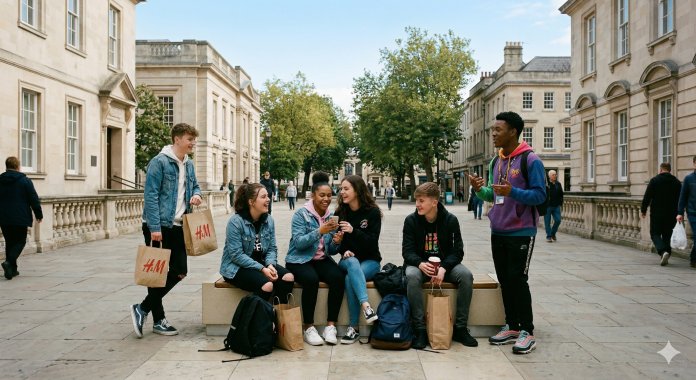
With Black Friday & Cyber Monday leading the way, shopping online to accomplish holiday gifting needs has become increasingly more popular over the last decade. But this year we are starting to see an interesting shift in that trend. Salesforce projected online spending between November 1 and December 31 to rise 2.1% this year, lower than the 4% increase in 2024. While many turn to online shopping for ease of access, conveniences and of course to get the best price for highly sought after items, others just begin their shopping journey online, but it doesn’t end there. Many shoppers begin their journeys online by researching and comparing product offerings. But we’re not just seeing a traditional search through Google anymore, we’re seeing younger generations shifting their discovery and research for new and trending products to social media and AI technology at increasing rates.
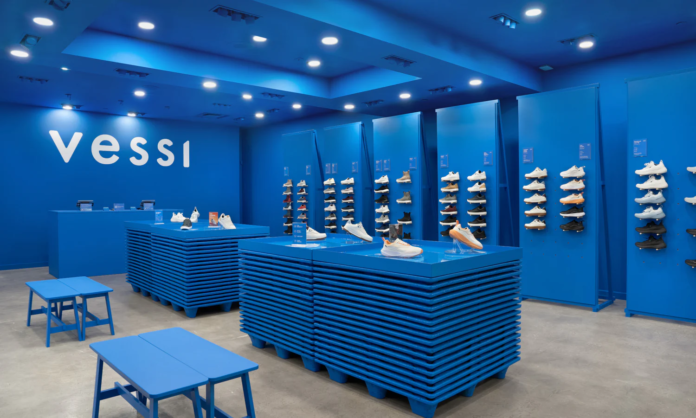
Price conscious consumers are taking notice of the online processes that can add to their total costs like shipping fees, purchase minimums and return fees – adding hassle to a process where shoppers are already trusting what they see online is what they get. When value is most important, being able to do an in-person, quality check of a product is now bringing more people in store to see the products they’ve researched online. In-store shopping allows for shoppers to see, feel and even sometimes sample a product before committing their cash to it. For the first time in years, PwC reports that 53% of consumers plan to do their holiday shopping in physical stores, tipping things back to the brick and mortar side of the scale.
Experience AND Tradition:
The holiday season brings a unique ambience different from any other shopping season. In-store holiday experiences bring more interaction and tradition, creating moments full of emotion and connection within the buying process.
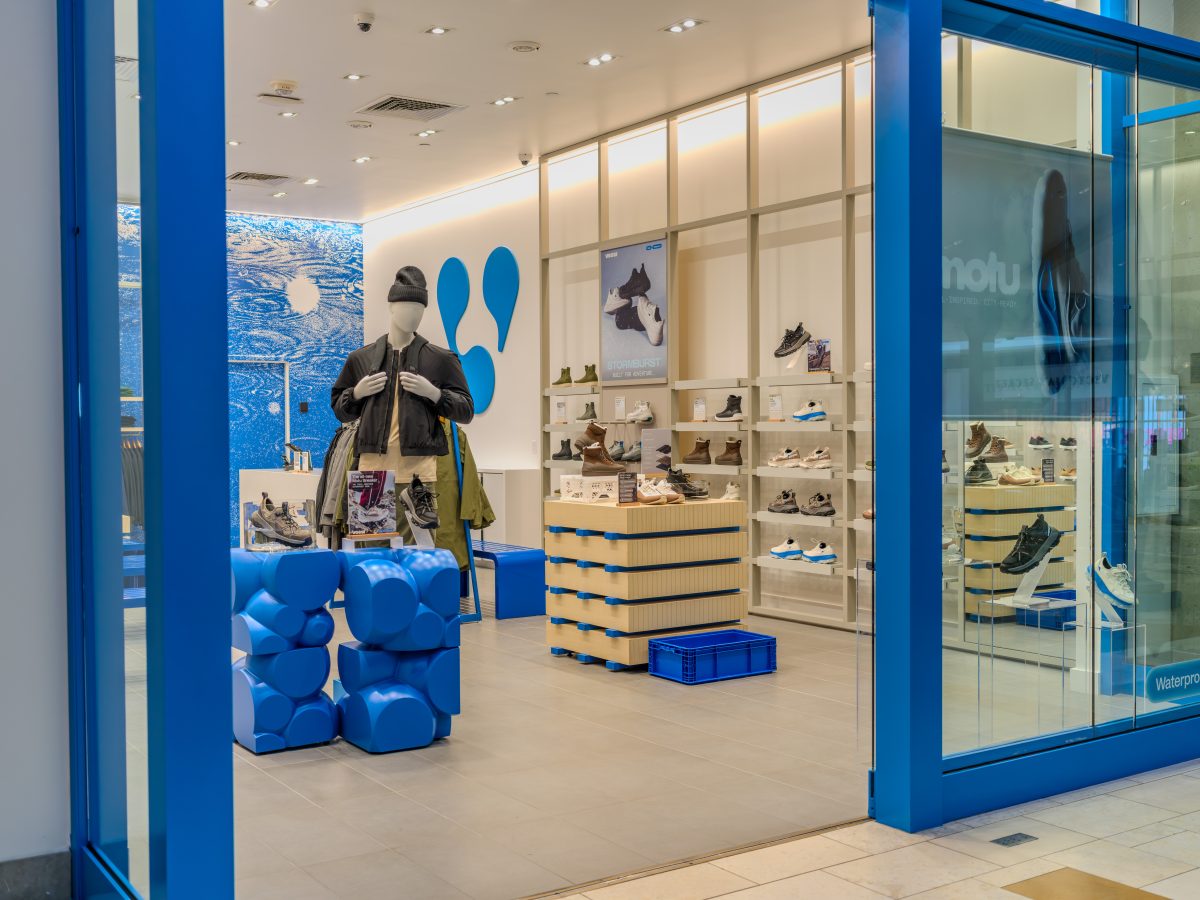
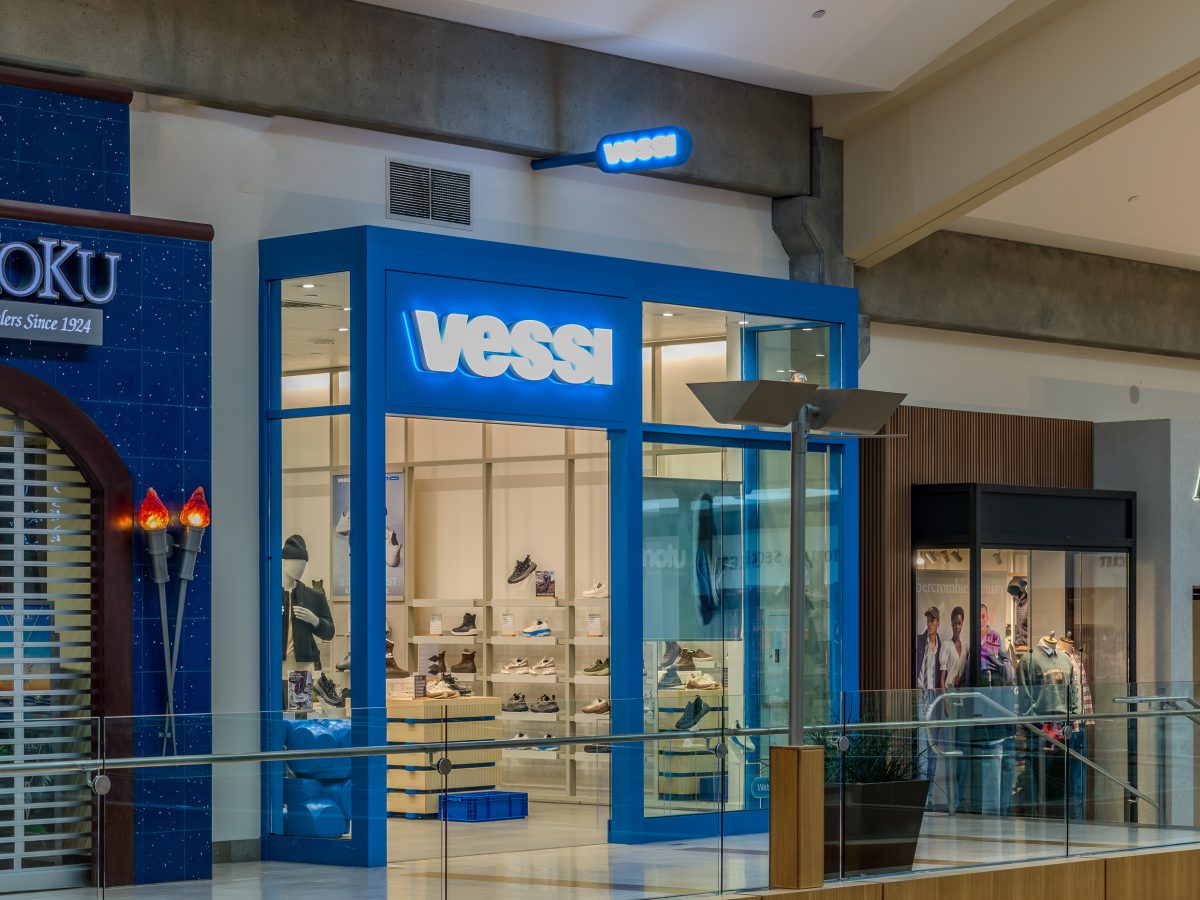
Window shopping through the mall on your way to visit Santa. Strolling the local downtown shops to see the light displays. The ‘holiday spirit’ primes people to be more in the mood to treat themselves and others. Retailers build an advantage in this spirited momentum, drawing shoppers into store fronts and further creating those memorable experiences and traditions that can be shared with friends and family as shoppers continue their buying journey.
What Does This Mean For Advertisers?
For advertisers, it’s about meeting in the middle. It’s now more important than ever to bring a strong media mix that is an accurate representation of what customers can expect to find from you both on and offline. You want to be along for the full ride of your customers’ buying journey from the product discovery on TikTok, to the online research on Reddit to the promotional and branded experience in store. Media professionals should also be strategic and mindful that the trend for in-store purchasing is on the rise. With shoppers returning to a more “traditional” form of shopping there is a great opportunity to meet them on the road and in the store with more traditional channels for messaging such as radio and OOH.
Photo: Leeloo The First
Advertisers should plan holiday campaigns that utilize an omni-channel approach to best meet customers where they are along their journey. Shaping messaging and creative that emphasizes not only product value but builds loyalty and sentiment through creating memories and sharing experiences to their customers now and into the new year.
Megan is an Integrated Media Planner at True Media. Megan is a curious and creative marketing professional who enjoys continually learning about the ever changing media and marketing landscape as well as diving into and learning about her client’s industries.
Retail Insider is streamlining its Canadian retail news from around the web to include a handful of top news stories that can be viewed quickly during the day. Here are the top stories from the past 48 hours.
Shoppers on Sainte-Catherine Street take advantage of deals on Black Friday in Montréal on Nov. 29, 2024. THE CANADIAN PRESS/Christinne Muschi
Canadian retailers saw meaningful gains over Black Friday 2025, according to new Salesforce data shared with Retail Insider on Saturday. The figures point to a solid start to the holiday season, although analysts caution that the lift came with signs of growing financial strain on consumers.
Online and in-store spending on Black Friday reached an estimated $865 million in Canada, which marked a 6 percent increase compared to last year. The results reflect steady demand, rising discount activity, and the growing role of artificial intelligence in how Canadians shop. Average discounting reached twenty eight percent, slightly higher than the twenty seven percent seen last year, contributing to higher conversion rates across several categories.
Buy Now, Pay Later Surges as Shoppers Seek Flexibility
Caila Schwartz, Director of Consumer Insights at Salesforce, said the topline growth demonstrates a resilient shopper, but one increasingly reliant on flexible payment options. She noted that the share of Buy Now, Pay Later transactions climbed from two point eight percent a year ago to more than five percent this Black Friday.
Caila Schwartz
Schwartz said this was a clear indication that many Canadians are depending on installment plans to manage holiday spending, with retailers leaning into aggressive promotions to capture that demand.
Payment preferences also continue to change in ways that suggest consumers are searching for flexibility. Aside from the sharp rise in Buy Now, Pay Later activity, mobile wallet usage grew to eighteen percent from sixteen percent last year. Both trends came at the expense of traditional credit and debit transactions, which fell from eighty percent of sales last year to seventy five percent this year.
AI-Driven Search Plays a Growing Role in Discovery
Alongside those shifts in payment behaviour, the role of AI has expanded rapidly. Salesforce reported that Black Friday AI-search-referred traffic in Canada increased fivefold compared to last year. The company said one hundred and seventy three million dollars in Canadian online purchases were influenced by AI and digital agents on Friday alone. Schwartz said AI has moved beyond being a helpful enhancement to becoming a key driver of product discovery for both retailers and consumers. She added that conversion rates originating from AI-powered search tools were four times higher than those from social channels, suggesting that shoppers are increasingly using AI to narrow choices and find value more efficiently.
Traffic patterns continue to evolve across platforms. Social media’s share of Black Friday traffic fell slightly to twelve percent from thirteen percent last year. Mobile traffic also dipped to seventy four percent from seventy five percent, although mobile ordering grew to sixty percent from fifty seven percent, which shows that shoppers are still comfortable completing purchases on their phones even if browsing patterns are shifting.
Outlook Heading Into Cyber Monday/Cyber Week in December
While the Canadian consumer remains active heading into December, the data suggests that retailers will need to monitor how shoppers respond to ongoing economic pressures throughout the final weeks of the holiday season. Retail Insider will provide further updates as Cyber Monday and early December numbers become available.
A shopping trip is usually routine, but when a dog bite occurs inside a business the situation becomes far more complicated and many injured customers begin wondering one question: are retail stores liable for dog bites? While dog owners are most often held responsible, there are situations where a store itself may also be legally accountable. Understanding how liability works inside a retail environment can help victims and business owners know what to expect after an incident.
General Responsibility for a Dog Bite
In most cases the primary liability falls on the dog’s owner. Many states hold owners responsible even if the dog had never shown signs of aggression before. Although the owner is usually the first party named in a claim, the location of the bite can make a significant difference. A bite that happens indoors during normal business hours raises questions about property safety and whether the store should have taken steps to prevent the injury.
A retail store is not automatically liable for every dog related injury on its premises. Instead, the core factor is negligence. If the business failed to act reasonably to protect customers, ignored visible warning signs, or created an environment where an attack was more likely, liability could extend beyond the dog owner.
When a Store Might Share Liability
A store may be considered partially responsible if employees were aware of the dog and had reason to believe it posed a danger yet took no action. For example, if staff observed the dog growling, pulling away from its handler, or snapping at passersby but continued to allow it in the public space, the store may be seen as contributing to unsafe conditions.
Liability may also exist when stores permit pets inside without implementing policies intended to maintain safety. A retailer that advertises itself as pet friendly but fails to require leashes or provide clear behavior rules is more exposed to legal claims. This is especially true if management previously received complaints or witnessed concerning behavior from a specific animal.
Dog Friendly Stores Face Higher Risk
Pet supply stores, grooming salons, home improvement chains, and any retail setting that openly welcomes animals must take greater precautions. Because dogs are expected inside these environments, customers reasonably assume the business has taken steps to ensure safety. A store in this category may need to enforce leash requirements, maintain animal free lanes, limit crowding, and separate animals that appear stressed.
If a bite occurs because a business did not respond to escalating tension between dogs or failed to train employees on how to handle animal incidents, the injured person may have grounds to pursue a claim. The more a store encourages dogs inside, the greater its duty to prevent harm.
When the Dog Belongs to the Store
Liability becomes even more direct when the store itself owns the dog. A guard dog, a resident shop pet, or even a friendly greeter animal is under the business’s control. If that dog bites a customer, the store cannot shift responsibility to an outside party. In these cases the business may be treated much like any dog owner and can be held accountable for injuries and damages.
Conclusion
Retail stores are not automatically at fault every time a bite occurs inside their walls. Most often the dog’s owner carries responsibility, yet a business may also face liability if it ignored warning signs, allowed unsafe conditions, or owned the dog directly. Every case turns on the facts, and determining fault depends on whether the store exercised reasonable care to protect those who walked through its doors.
Generation Z, also commonly referred to as Zoomers, is the demographic cohort born between the mid-to-late 90s and the early 2010s. The majority are the children of Gen X, born between the mid-60s and the late 70s, and it is expected that many will be the parents of Generation Beta, the cohort born between 2025 and 2039. Gen Z were the first to grow up with technology as an established commodity, with the majority having had access to online videos and content since they were young, while many of them played online games such as Minecraft and Club Penguin as well. They were dubbed the “digital natives”, but many of them end up struggling in digital workplaces.
Gen Z has been described as less hedonistic on average than the generations that preceded them, consuming less alcohol and being more focused on school and job prospects. They are better at delaying gratification compared to teenagers who lived in the 60s, have greater awareness when it comes to mental health issues, but are also dealing with the negative effects of excessive screen time and sleep deprivation. Generation Alpha are the children and teenagers born between the early 2010s and the mid-2020s. They are the first group that has never experienced a world without smartphones and social media.
They also experienced the effects of the pandemic as young children, and many of them have been defined by their perceived addiction to screens, earning them the somewhat pejorative nickname “iPad kids”. Streaming, social media, and portable digital technology have increasingly dominated children’s entertainment in the 2020s, while some studies suggest that obesity and allergies have also become increasingly prevalent since the late 2010s. As these generations come of age, studies and research begin to focus on their shopping habits and the ways in which they want to spend their money, as well as the manner in which their choice makes them different from Millennials, Gen Xers, and Baby Boomers.
Nostalgia is a big deal for Gen Z. Many of them seem to yearn for a time when they weren’t even born, an idealized era when today’s challenges and complex pressures (including the looming threat of climate change that is paired with economic struggles and the rise of technologies such as AI) either didn’t exist or weren’t so pressing. 80s and 90s styles are popular among the Zoomers, but the enduring trend is for 2000s styles, many of them dating back to the days when Gen Z members were young children themselves, and therefore more carefree.
You may have noticed a lot of Harry Potter, Lego, and Miffy references on clothing and accessories. Early 2000s Disney is also a source of comfort for many. The renewed popularity of Lilo and Stitch following the 2025 remake of the 2002 classic animation led many to want to add some cute items to their wardrobes, such as mini backpacks, crossbody bags, pins, and t-shirts. This nostalgia also extends to capturing personal memories, with many turning to photo books as a creative way to preserve favorite moments and aesthetic snapshots from their childhood and teen years. After all, who doesn’t love Lilo and Stitch? Buying apparel depicting these characters as a young adult is a fairly new phenomenon, and one that shows Zoomers are prepared to spend money on things that make them happy.
Algorithms
Online shopping has become increasingly popular since the days of the pandemic, and the younger generations love the accessibility and wide range of options it provides. About 50% of the Gen Z respondents who participated in a recent study revealed that online algorithms based on their preferences had a positive impact on their shopping experiences. Consuming more content allows their algorithms to become increasingly personalized so that they come in contact with even more items, creating a symbiotic cycle. Younger shoppers also report that they’re quite likely to purchase the goods recommended by their algorithms, in contrast with Millennials and Gen X.
However, some have also become increasingly aware of the fact that algorithms can lure them into compulsive shopping, especially since social media posts create the impression that you absolutely need and want an item that you end up not being that keen on after it is delivered. The fear of missing out is also a huge driver for many, but those who are interested in sustainability also point out that excessive shopping can impact the environment (through the creation of excessive waste and emissions), financial well-being, and the concept of personal style itself, as everyone seeks to replicate a certain look instead of branching out.
The landmark generation
Born exclusively in the 21st generation, Gen Alpha is known as the landmark generation. However, researchers have noted that there are few retail spaces dedicated exclusively to them. This is odd since they’re expected to be the largest generation in history, with more than 2 billion people born between 2010 and 2024. Many of them went directly for grown-up brands like Lululemon, Sephora, Target, and Walmart. The influence of their Millennial parents is felt here, as these are the brands that Generation Y are known to love and enjoy.
The younger Gen Alpha kids, whose parents still shop for them, end up with products for which their parents did quite a lot of research beforehand. The nostalgia factor is important here as well, with Nintendo, Disney, Lego, and Fisher-Price being among the favorites. Apple and Amazon are also among the generation’s favorites, also because of their parents. Most of those who have Gen Alpha kids, approximately 60% according to recent data, say that their children consume shopping content online. The kids themselves are guided by the influencers they follow in about 30% of cases, fueling the interest companies show for influencer partnerships.
To sum up, while Gen Z and Gen Alpha are just entering the world of retail shopping, with the latter still having their parents shop for them more often than not due to their young ages, analysts and experts have already recorded the presence of several trends and specific approaches that they have. To remain competitive, business owners will have to come up with strategies that attract these demographics, but focusing on sustainability and avoiding shopping for items you don’t need and don’t even want in the long term needs to become more important as well.
Former Hudson's Bay/Simpsons building at 176 Yonge Street in Toronto. Photo: Craig Patterson
Toronto’s historic Hudson’s Bay building at Queen and Yonge is set to glow again during the 2025 festive season, as landlord Cadillac Fairview launches a new program to lease the former department store’s street-facing display windows to brands and agencies. The initiative aims to reanimate one of the city’s most storied corners, while offering marketers an unusually large, street-level canvas on three major downtown corridors.
For decades, Torontonians associated the building with elaborate animated Christmas displays, first under Simpsons, then under Hudson’s Bay. Those Queen Street windows have been dark following the store’s closure June 1, prompting a steady trickle of nostalgic social media posts. According to Cadillac Fairview, that emotional connection is exactly what the program is tapping into, even as the format evolves.
“Just this morning a friend sent me a TikTok where people were panning those former windows and saying Toronto is not Toronto without them being activated,” says Jeff Simmonds, Director of Specialty Leasing at Cadillac Fairview. “There is definitely something in the air this time of year around those windows.”
Jeff Simmonds
The Cadillac Fairview holiday windows program will begin with a major unnamed brand taking over the run of seven street-level windows on Yonge Street for Holiday 2025, while additional bays along Bay and Richmond Streets are being offered to brands looking for high-impact seasonal displays or year-round storytelling opportunities.
Holiday Windows Return To A Storied Corner
The Queen and Yonge corner has anchored Toronto’s retail core for more than a century. Simpsons opened on the site in the 1890s and began creating Christmas windows aimed at children and their parents in the early 1900s. Archival accounts point to themed window displays at the store as early as 1913, with generations of families making a seasonal trip downtown to see the mechanical Santa scenes, toy vignettes, and storybook winter villages.
When the banner changed from Simpsons to Hudson’s Bay in 1991, the Christmas windows remained a constant. Under The Bay, the flagship typically presented five interconnected animated scenes along Queen Street each year, many designed and fabricated by specialists who also worked on major New York department stores.
Yonge Street/former Saks windows at the Former Hudson’s Bay/Simpsons building at 176 Yonge Street in Toronto. Photo: Dustin Fuhs / 6ix RetailFormer Hudson’s Bay window display in Toronto. Image: Shutterstock
Installation was a complex operation. Teams of visual merchandisers and technicians spent days building the dioramas, crawling through hidden access panels to adjust props and repair motors. Hundreds of mechanisms ran day and night throughout the season, all above a busy subway station that sent vibrations through the building.
The outdoor windows went dark in 2023 and 2024 as the section of Queen Street in front of the building closed for Ontario Line construction. Hudson’s Bay shifted its holiday focus indoors, while commentators began to describe the traditional animated windows as effectively gone in their historic form. For Simmonds and his team, the public response to that absence made clear that the city still cared deeply about what happened at the building’s base.
“Those windows became part of people’s holiday ritual,” he says. “They were never just about selling product. They were about memory and emotion.”
Yonge Street/former Saks windows at the Former Hudson’s Bay/Simpsons building at 176 Yonge Street in Toronto. Photo: Dustin Fuhs / 6ix Retail
Two Buildings, Three Streets, Dozens Of Window Bays
Cadillac Fairview has a unique vantage point on that heritage. The company acquired the Hudson’s Bay / Simpson’s Tower complex in 2014 through a roughly 650-million-dollar sale-leaseback with HBC, folding the historic property into CF Toronto Eaton Centre while Hudson’s Bay continued to operate as tenant.
Today, the complex at 176 Yonge Street and 401 Bay Street includes a series of window runs that wrap around three sides of the block. Some are classic deep vitrines originally designed for storytelling displays, while others are shallower bays that lend themselves to bold graphic campaigns.
Simmonds breaks it down simply. The most visible opportunity for Holiday 2025 is the run of seven windows on Yonge Street between Richmond and Queen, including the former Louis Vuitton corner. These are the traditional deep displays that many Torontonians remember from past seasons, and they have already been leased to a single brand for this coming holiday.
Richmond Street Aga Khan Museum windows at the Former Hudson’s Bay/Simpsons building at 176 Yonge Street in Toronto. Photo: Craig Patterson
“There are seven windows on the Yonge Street side, and all of them are now spoken for by one group,” he notes. “We are really excited. As a team, we have been working for quite a while to get the right partner locked in there.”
On the Bay Street side, just south of Simpson’s Tower, Cadillac Fairview has two connected window boxes that operate as a pair. Those bays already hosted a recent campaign for Sinai Health, produced with Diamond Marketing, that used bikinis and fabric in a bold women’s health message designed to stop pedestrians in their tracks.
Along Richmond Street, the façade includes roughly a dozen windows. Five westerly bays at Richmond and Bay are currently wrapped in a museum campaign, while other sections of the run remain available. Historically, some of those Richmond windows were covered over with advertising skins when Hudson’s Bay was still operating the store, which meant many Torontonians never experienced them as true display vitrines. Simmonds says that is changing.
“Anything is on the table for me,” he explains. “I am more than happy to work with brands who are looking to activate. We have the means to make these windows work, whether it is a full 3-D takeover or a static call to action.”
Bay Street frontage of the former Hudson’s Bay/Simpsons building at 176 Yonge Street in Toronto. Photo: Craig Patterson
From Animated Dioramas To Experiential Media
A key difference between the historic displays and the current program is that Cadillac Fairview is positioning the windows as an out-of-home and experiential platform rather than traditional department-store visual merchandising. The Hudson’s Bay holiday windows concept is less about a single retailer promoting its own assortment and more about hosted storytelling by external brands, agencies, cultural groups, and even charities.
“In out-of-home, static posters are one thing,” Simmonds says. “What we are offering is a chance to take something over, to build an immersive moment at street level, where people can really spend time with your story.”
That can mean different formats on different sides of the building. Deep windows on Yonge and Bay Streets are well suited to animated scenes, mannequins, or sculptural builds, while Richmond Street lends itself to large graphic treatments, bold typography, and QR codes aimed at drivers and cyclists. Traffic is often slow on Richmond, and Simmonds notes, with a smile, that motorists have plenty of time to absorb a message while they wait.
The first brand to take all seven Yonge Street windows is planning to start with a wrapped teaser campaign, covering the glass with static messaging before the full reveal later in the season. Simmonds says discussions have even included the idea of inserting a visible countdown clock into the run, so that people on the sidewalk can watch the days tick down to launch.
“It is a clever way to build anticipation while our teams are inside bringing the displays to life,” he says. “You get that sense that something is happening again at that corner.”
Yonge Street/former Saks windows at the Former Hudson’s Bay/Simpsons building at 176 Yonge Street in Toronto. Photo: Craig Patterson
Beyond December: A Year-Round Platform For Big Moments
While holiday will be the emotional anchor, Cadillac Fairview is explicit that it does not view the program as a one-season experiment. Once installations prove out on Yonge, Bay, and Richmond, the company expects the Hudson’s Bay holiday windows initiative to evolve into a flexible platform that can support other moments on the cultural calendar.
“To me, there is no reason why those windows cannot become Lunar New Year windows, FIFA windows, or Winter Olympics windows,” Simmonds says. “We have a massive year ahead of us in Toronto and in Canada. Until I am told otherwise, I look at these as an opportunity.”
That longer view matters because the future of the Hudson’s Bay building itself remains uncertain. The store has closed, and various scenarios have circulated in political and real estate circles, from potential government use to future mixed-use redevelopment. Any large-scale repositioning will take time, however, and the windows give Cadillac Fairview a way to keep the street engaged in the interim.
The company is also looking at nearby assets. At the southwest corner of Bay and Queen, Cadillac Fairview has completed a dramatic renovation of the historic Two Queen building, which now features a new ground level designed for retail or activation uses. There are no confirmed plans there for this holiday period, but Simmonds expects the address to play a role in future city-wide celebrations.
“The Two Queen project is absolutely beautiful,” he says. “My job is to keep walking those spaces, taking meetings, and finding the right fit. When we bring a brand into a redeveloped building like that, we want it to feel aligned with who we are as a company.”
Aga Khan Museum advertising on the Richmond Street side of the Former Hudson’s Bay/Simpsons building at 176 Yonge Street in Toronto. Photo: Craig Patterson
Specialty Leasing With An Experiential Mindset
The windows program sits within Cadillac Fairview’s specialty leasing team, which focuses on promotional activations, filming, pop-ups, and other non-traditional uses rather than just short-term store leases. Simmonds, who spent about a decade in experiential marketing before joining Cadillac Fairview ten years ago, says that background shapes how he looks at the portfolio.
“Any time I see a space that a brand can occupy, I am all over it and my team is all over it,” he notes. “We are always asking what can be done with a space, not just how it has been used in the past.”
That approach has already produced notable work at CF Toronto Eaton Centre, from centre court activations to branded takeovers tied to blockbuster movies and major sporting events. The Hudson’s Bay holiday windows program extends that logic to the building envelope itself, turning a closed department store into a changing gallery of narratives as different partners cycle through.
Simmonds says outreach for the windows has combined direct contacts with agencies and an unexpectedly creative use of AI tools. The team has been using generative platforms to mock up sample window concepts tied to specific brands, then sending those visuals to marketers to help them picture what a takeover could look like.
“If you think about the top ten brands you associate with holiday, chances are we have created a speculative window concept for them and sent it to someone on their side,” he acknowledges with a laugh. “We wanted people to see that these are not theoretical spaces. They are real, and they are ready.”
Newly reopened skyway from CF Toronto Eaton Centre into the former Hudson’s Bay/Simpsons building at 176 Yonge Street in Toronto. Photo: Craig Patterson
Linking Street, Skywalk And Mall
All of this happens within a larger circulation strategy at CF Toronto Eaton Centre. Cadillac Fairview recently reopened the elevated bridge that connects the mall to the former Hudson’s Bay building, allowing shoppers to move between the complex and the rest of the property at the upper level as well as through the underground concourse.
“There is a series of new corridors that guide people into the building and across the bridge,” Simmonds says. “That bridge is iconic, and we wanted it open in time for the holiday period so that we could maximize traffic for our retailers.”
As the mall prepares for a busy season that includes new openings like Eataly within the centre, the window initiative gives visitors another reason to explore the block at street level. Simmonds notes that retailers inside CF Toronto Eaton Centre may also choose to use some of the available bays to promote their own seasonal stories, pointing shoppers toward in-mall capsules and collections.
How Brands Can Participate
The windows will be priced on a negotiated basis that reflects factors such as length of term, production complexity, and whether a brand is taking a single bay or an entire run. Simmonds confirms that budgets need to account not only for leasing costs but also for building and installing the physical displays, which can be comparable to major trade show booths in terms of fabrication and logistics.
“Outfitting these windows is not something you do on a whim,” he says. “If you want to do it right, you invest in creating something that people will remember.”
At the same time, simpler executions remain possible, particularly along Richmond Street, where brands can deploy bold creative and QR codes in a more traditional out-of-home format. Cultural institutions, public-sector organizations, and non-profits are part of the conversation, building on the precedent set by the recent women’s health installation.
For Simmonds, the opportunity is as much about place-making as it is about media impressions.
“Those windows have always meant something to Torontonians,” he says. “If we can help brands become part of that story, while keeping this corner animated and interesting as the city evolves, that is a win for everyone.”
Brands, agencies, and cultural partners interested in future window opportunities can contact Cadillac Fairview’s specialty leasing team, led by Simmonds, to discuss availability on Yonge, Bay, and Richmond Streets for Holiday 2025 and beyond.
CF Pacific Centre in Vancouver. Photo: Cadillac Fairview
September’s Canadian retail picture reflects shifting consumer psychology as much as economics. With All Stores up 5.7% YOY and discretionary (All Stores less Automotive, Food, Pharmacies) up 7.7% YOY, we see three significant forces: the September 17 Bank of Canada rate cut nudged confidence and big-ticket intent; the September 1 removal of retaliatory tariffs eased price pressure on select imports; and a warmer-than-usual month extended late-summer spending. Together, these factors favoured categories where consumers perceive value, novelty, or seasonal utility.
Despite more back-to-office mandates that should boost daypart trips, Convenience Stores (and Gas Stations) are the only categories down YTD, which are intertwined. Our view hasn’t changed: the ongoing alcohol integration is cannibalizing margin and space. Valuable cooler/shelf real estate has been reallocated to low-margin alcohol, crowding out higher-margin, higher-frequency items (single-serve beverages, snacks, grab-and-go). Add sizable, sunk investments in fixtures and compliance, and reversibility is low, so we don’t see a near-term rebound.
This stance seems at odds with the Convenience Industry Council of Canada’s reported 12% sales increase from member surveys, touted as a win for alcohol. We think that’s a revenue-mix story, not an earnings or productivity story. Survey gains can reflect price/mix from alcohol without improving gross profit dollars per square foot or trip frequency. In short: dollars up in a survey can coexist with weaker profitability and softer non-fuel comps.
Foodservices and Drinking Places grew 5.2% YOY in September—modest, but logical. Domestic tourism stayed elevated into late summer/early fall, and warmer weather extended patios, which meaningfully supports beverage and occasion-led sales. That said, our foodservice expert flags a caution: higher cheques, not more patrons, are doing the work. Price increases, add-ons, and mix are carrying topline, but traffic remains fragile. As weather normalizes and promotional intensity rises into Q4, operators should watch guest counts and margin dilution closely.
On discretionary spend, Canada (7.7% YOY) is outpacing the US (5.7% YOY). Meanwhile, the US is showing comparatively stronger growth in essential categories. There are two potential reasons for this: First, the US may simply be performing better in staples. Second, tariff pass-through from importers to consumers could be inflating essential spend as importers push costs to consumers.
As we move further into the holiday season, JCWG is thinking about:
Will Black Friday remain the highest revenue day for retailers in 2025, or will other days (post-Black Friday weekend, Cyber Monday, etc.) surpass it?
With Cyber Monday falling into December, will Canadian retailers experience lower November sales?
Beyond Foodservices & Drinking Places, which categories benefit most (Clothing & Accessories, fan gear, TV/home-entertainment adjacencies, etc.) from the Blue Jays playoff run?
How are YOU preparing for the upcoming new year and preparing your 2026 strategy?
Retail Sales by Product Category, Same Month Comparison
Sales for the Month of September
Sep-25
Sep-24
YOY
All Stores
69,500,204
65,727,725
5.74%
Motor Vehicle and Parts Dealers
19,447,312
18,302,355
6.26%
Gasoline Stations
6,253,377
6,180,563
1.18%
All Stores Less Automotive
43,799,515
41,244,807
6.19%
Food and Beverage Stores
12,854,920
12,543,748
2.48%
Supermarkets and Other Grocery Stores*
9,074,485
8,877,193
2.22%
Convenience Stores
691,299
728,582
-5.12%
Specialty Food Stores
965,394
888,849
8.61%
Beer, Wine and Liquor Stores
2,123,743
2,049,125
3.64%
Health and Personal Care Stores
5,811,014
5,358,694
8.44%
All Stores Less Automotive, Food, and Pharmacies
25,133,581
23,342,365
7.67%
General Merchandise Stores
9,110,911
8,643,359
5.41%
Furniture, Home Furnishings, Electronic and Appliance Stores
3,814,637
3,526,680
8.17%
Furniture Stores
1,222,179
1,198,469
1.98%
Home Furnishings Stores
772,592
722,152
6.98%
Electronics and Appliance Stores
1,819,865
1,606,059
13.31%
Clothing and Accessories Stores
3,847,886
3,422,497
12.43%
Clothing Stores
3,041,710
2,667,384
14.03%
Shoe Stores
391,226
392,197
-0.25%
Jewellery, Luggage and Leather Goods Stores
414,950
362,916
14.34%
Sporting Goods, Hobby, Book and Music Stores
4,189,768
3,712,797
12.85%
Building Material and Garden Equipment
4,170,378
4,037,031
3.30%
Miscellaneous Store Retailers
2,767,933
2,425,655
14.11%
Cannabis Retailers
474,974
443,935
6.99%
Foodservices and Drinking Places
8,664,030
8,234,287
5.22%
Retail Sales by Store Category, Year to Date Comparison
Year-to-Date Sales Ending September
Sep-25
Sep-24
YTD
All Stores
618,929,048
589,782,807
4.94%
Motor Vehicle and Parts Dealers
175,412,784
163,170,097
7.50%
Gasoline Stations
55,970,679
58,161,981
-3.77%
All Stores Less Automotive
387,545,585
368,450,729
5.18%
Food and Beverage Stores
117,400,392
114,193,611
2.81%
Supermarkets and Other Grocery Stores*
83,962,336
81,218,078
3.38%
Convenience Stores
6,216,806
6,509,122
-4.49%
Specialty Food Stores
8,389,907
7,851,209
6.86%
Beer, Wine and Liquor Stores
18,831,345
18,615,204
1.16%
Health and Personal Care Stores
52,977,028
49,187,359
7.70%
All Stores Less Automotive, Food, and Pharmacies
217,168,165
205,069,759
5.90%
General Merchandise Stores
81,777,651
78,209,978
4.56%
Furniture, Home Furnishings, Electronic and Appliance Stores
32,224,819
30,656,099
5.12%
Furniture Stores
10,697,686
10,218,256
4.69%
Home Furnishings Stores
6,434,212
6,029,681
6.71%
Electronics and Appliance Stores
15,092,921
14,408,163
4.75%
Clothing and Accessories Stores
31,886,845
28,902,794
10.32%
Clothing Stores
24,820,219
22,355,064
11.03%
Shoe Stores
3,457,167
3,420,324
1.08%
Jewellery, Luggage and Leather Goods Stores
3,609,457
3,127,406
15.41%
Sporting Goods, Hobby, Book and Music Stores
35,086,789
32,428,668
8.20%
Building Material and Garden Equipment
36,192,060
34,872,217
3.78%
Miscellaneous Store Retailers
23,552,625
21,141,175
11.41%
Cannabis Retailers
4,142,417
3,796,044
9.12%
Foodservices and Drinking Places
75,750,552
71,319,811
6.21%
Ecommerce Sales
Sep-25
Sep-24
Ecommerce Sales, YTD
35,785,164
33,551,835
6.66%
Ecommerce Sales, YOY
4,067,762
4,203,314
-3.22%
Regional Sales, Year to Date Comparison
Region
Year-to-Date, 2025
Year-to-Date, 2024
YTD
British Columbia
85,000,432
79,388,838
7.07%
Vancouver
42,834,106
39,607,961
8.15%
Alberta
80,323,663
76,284,170
5.30%
Prairies*
40,956,831
39,274,948
4.28%
Ontario
229,704,750
219,233,785
4.78%
Toronto
101,444,125
98,225,191
3.28%
Québec
138,235,752
132,698,758
4.17%
Montréal
68,293,918
65,902,241
3.63%
Atlantic Canada
42,478,360
40,780,716
4.16%
Territories
2,229,266
2,121,593
5.08%
NATIONAL RETAIL BULLETIN
Stay up to date with JCWG’s monthly analysis on U. S. and Canadian retail sales.
The rise of e-commerce has revolutionized the retail industry in ways that were once unimaginable. Online shopping has become a dominant force in the market, offering consumers the convenience of purchasing products from the comfort of their homes. As technology continues to evolve, the boundaries between online and brick-and-mortar retail are becoming increasingly blurred. Consumers now have access to a vast array of products, from electronics and home goods to clothing and groceries, all available at their fingertips. This shift has forced traditional retailers to adapt and innovate in order to stay competitive, leading to a reimagining of the shopping experience.
Key to this shift lies in the growing importance of digital coupons and promo codes. Websites like Valuecom and PromoCodie offer a variety of deals, allowing customers to significantly reduce their shopping expenses. These promo codes are extremely attractive to shoppers because the discounts they provide can be used at checkout. For example, using the correctHome Depot promo code, consumers can enjoy substantial discounts on home improvement products, from tools and appliances to outdoor furniture and decorations. This has become a major draw for consumers who are constantly looking for ways to maximize their spending while enjoying the convenience of online shopping.
In addition to offering discounts, e-commerce platforms have also introduced personalized shopping experiences that leverage data to cater to individual preferences. Advanced algorithms analyze consumer behavior, allowing retailers to offer tailored recommendations based on past purchases and browsing history. This level of personalization enhances the shopping experience by presenting customers with products that are more relevant to their needs and interests. Whether it’s recommending the latest smart home gadgets or suggesting seasonal sales, personalized shopping is quickly becoming a standard feature of modern retail platforms.
Another significant development in the retail industry is the growing role of customer reviews and ratings. Online reviews have become a vital source of information for consumers, helping them make informed purchasing decisions. Retailers now rely on customer feedback to improve their products and services, fostering a sense of trust and transparency in the market. By leveraging social proof, companies can build stronger relationships with their customers, ensuring that they continue to return for future purchases.
In conclusion, the retail industry has undergone a profound transformation driven by e-commerce, and it continues to evolve as new technologies and consumer preferences emerge. Platforms like Valuecom play a significant role in this shift, offering consumers access to valuable promo codes and discounts that enhance the online shopping experience. As e-commerce continues to grow, retailers will need to embrace innovation and adaptability in order to stay relevant in an increasingly competitive market. Ultimately, the future of retail lies in the ability to merge the convenience of online shopping with personalized experiences and targeted promotions, creating a seamless and enjoyable shopping journey for all.
Taking on a full home renovation isn’t just a weekend project—it’s a huge commitment. You’re not just picking out paint colors or swapping out cabinets; you’re mixing investment strategy, bold design choices, and some serious project management. It’s nothing like handling a handful of minor updates. When you go this big, what really matters is finding the right person to run the show. For homeowners undertaking this journey, securing a dedicated contractor for full home renovation near Toronto means establishing a centralized command structure. This isn’t just someone handy with a hammer. A good contractor leads the team, keeps the budget in check, juggles schedules, and acts as a watchdog for quality every step of the way.
You need someone with real expertise because renovating an entire house means navigating a maze of structural work, electrical upgrades, HVAC changes, and critical components like plumbing services that must be carefully planned and executed at the right stages. Everything needs to line up perfectly, one phase after another, and meet strict local codes. The general contractor’s role is critical for integrating every specialized area, including technical jobs like high-value bathroom renovation services. If one thing goes sideways—say a vent isn’t installed right, or a beam isn’t secure—the whole project can be at risk. That’s why picking the right general contractor might be the most important financial decision you make during the renovation. This pro will take your architect’s plans, turn them into a step-by-step action plan, secure permits, spot design issues before they turn into money pits, and keep all those moving parts working together. If you don’t have this kind of leadership, chaos creeps in fast: delays pile up, miscommunication flares between trades, and costs spiral. One experienced point of contact keeps everything on track, translating vision into reality and making sure you don’t lose control of your budget as dozens of vendors and specialists come and go.
Even with a skilled general contractor handling the big picture, some parts of the house need extra attention. Bathrooms, for example, are small but packed with complexity. Unlike knocking down a wall or refinishing the floors, a bathroom is a tight spot where water, electricity, and air circulation all have to work together—day in, day out, in a damp environment. That’s why it pays to bring in a team that specializes in bathroom renovations. Their work goes way beyond swapping out tiles or installing new faucets. They engineer waterproofing systems, make sure your shower drains just right, set up lighting that’s safe for steamy rooms, and run water lines where you’ll never see them.
A real specialist knows the difference between porcelain and stone, which waterproofing membrane works best in a steam shower, and how to make every detail hold up over time. Bathrooms also give you one of the best returns when it’s time to sell, so getting the details right really matters. Quality work now means fewer headaches later—no hidden leaks, no creeping mold, no expensive repairs down the line. A dedicated bathroom pro manages every detail, from the right kind of vent fan to custom cabinetry and sleek frameless shower glass. The goal? A space that looks incredible, works flawlessly, and meets every code, so you get beauty, safety, and solid value for years to come.
New luxury wing at Toronto's Yorkdale Shopping Centre. Photo: Craig Patterson
After a year of contraction in 2024, the Canadian luxury apparel market is seeing a sharp rebound in 2025. According to new data from Trendex North America, total apparel sales increased 9.7 percent through August, far exceeding earlier forecasts of a modest 1.5 percent gain.
Luxury apparel sales, originally expected to rise between 1.6 and 2.2 percent this year, are now projected to grow between 3.9% and 5.6% by year-end.
Randy Harris, President of Trendex North America, said the turnaround was both welcome and surprising. “We thought growth of around two percent was reasonable, but the data now show a much stronger market than anyone expected,” he said. “The Canadian luxury apparel market is performing well above our early-year projections.”
Randy Harris
A Surprising Upswing in Apparel and Accessories
The latest Trendex report attributes much of this momentum to surging specialty store and accessory sales. Through August 2025, specialty apparel store sales were up 10.9 percent, while women’s accessories climbed 11.5 percent — both strong indicators of renewed consumer spending on premium products.
At the same time, tourism is regaining traction. Visits from non-U.S. markets rose 6.0 percent year-to-date, with European tourism up 6.3 percent and Asian tourism 6.0 percent.
“These tourism gains matter,” said Harris. “Overseas visitors are vital to the performance of Canada’s luxury sector. Their spending power is a key factor in the rebound we’re seeing this year.”
Luxury imports from Germany, Italy, and France also stabilized in 2025. While import volumes remain lower than pre-pandemic levels, the rate of decline slowed compared to 2024, easing pressure on retailers dependent on European brands.
Royalmount in Montreal. Photo: Bruno Ranieri
2024: A Year of Setbacks and Headwinds
The strength of 2025 follows a challenging 2024 when the Canadian luxury apparel market contracted 2.5 percent to C$2.7 billion. Trendex estimates women’s luxury apparel sales fell 8 percent to C$1.47 billion, while men’s luxury grew 7.6 percent to C$835 million. Purses and leather accessories accounted for C$418 million — or 15.3 percent of total luxury apparel sales.
Several factors weighed on last year’s performance. Economic uncertainty prompted aspirational consumers to delay purchases or trade down, while rising prices eroded value perceptions. Although non-U.S. tourism increased 5.7 percent, it failed to reach pre-COVID volumes.
“The luxury retail pipeline continued to expand last year, but demand did not keep pace,” said Harris.
Despite setbacks, 2024 did see several bright spots. New international luxury retailers entered Canada, Yorkdale Shopping Centre’s luxury wing neared full occupancy, Royalmount opened in Montréal, and both Holt Renfrew and Harry Rosen have advanced with renovations and new brand partners.
Bloor Street in Toronto. Photo: Craig Patterson
Industry Factors Driving the Rebound
Tourism and Urban Retail Momentum: Canada’s luxury retail recovery in 2025 is being driven in part by a sustained increase in international visitors, particularly from Europe and Asia. Tourist spending in urban centres such as Toronto, Vancouver, and Montréal has accelerated, benefiting flagship luxury stores and downtown shopping districts.
“The recovery in long-haul tourism is finally visible in sales data,” Harris noted. “It’s a leading driver for the Canadian luxury apparel market.”
Specialty Store Growth: Specialty retailers, including both mono-brand boutiques and high-end department stores, have been key beneficiaries. The segment’s 10.9 percent sales gain underscores that consumers are again gravitating toward premium shopping experiences.
“Specialty retail has been one of the strongest channels of the year,” Harris said. “The environment is more positive than it’s been in several years.”
The U.S. Market Effect: Trendex’s analysis of the U.S. luxury apparel market also influenced its revised Canadian forecast. During Q3 2025, major luxury groups including LVMH, Kering, Hermès, Zegna Group and Prada all reported higher U.S. sales. The spillover from American demand, Harris said, reinforces confidence among global luxury brands operating in Canada.
Projecting 2025 and Beyond
With retail performance strengthening and tourism improving, Trendex now expects Canadian luxury apparel sales to rise 4.5 to 6.1 percent in 2025. That would mark one of the strongest years since before the pandemic and a clear reversal from 2024.
Looking further ahead, Trendex projects the Canadian luxury apparel market will grow between 12.2 and 14.1 percent from 2024 through 2029.
Key variables include:
The performance of new mixed-use luxury developments such as Oakridge Park in Vancouver.
Continued recovery of European and Asian tourism.
Growth in online luxury sales and its impact on in-store transactions.
Expansion of resale luxury channels, which could draw spending from full-price stores.
Evolving attitudes among millennials and Gen X consumers toward conspicuous consumption.
The pace of economic growth and the value of the Canadian dollar.
“The combination of these factors will determine how much the market can sustain this new momentum,” said Harris.
New luxury wing at Toronto’s Yorkdale Shopping Centre. Photo: Craig Patterson
Regional and Channel Dynamics
Luxury retail growth in 2025 remains concentrated in major urban centres, led by Toronto, Vancouver, and Montréal. However, Harris pointed to growing potential in Calgary and Edmonton, where consumer demand for luxury goods is rising.
He added that the luxury market is becoming increasingly polarized between two dominant channels: luxury large-format stores and mono-brand boutiques. Holt Renfrew and Harry Rosen together accounted for 45 percent of luxury apparel sales in 2024, while specialty chains such as Michael Kors represented 16 percent.
“The large-format store remains the anchor of Canada’s luxury apparel retailing,” Harris explained, “but the mono-brand channel continues to grow as global brands deepen their Canadian footprints.”
Industry Outlook
The new data signal renewed optimism for luxury brands operating in Canada after a difficult two years marked by inflation, higher costs, and retailer exits such as Nordstrom and Saks. While challenges remain, the current rebound suggests that Canada’s affluent consumers and visiting tourists are once again spending confidently on high-end apparel.
“The market has regained its footing,” Harris said. “Canada’s luxury apparel market while only 8.3% of the comparable U.S. market, however is performing well above expectations. The luxury apparel market here is more resilient than many realized.”