Home Blog Page 179

Amazon focused on protecting the shopping experience 

Amazon photo
Amazon photo

Amazon has released its inaugural Trustworthy Shopping Experience Report, outlining the company’s approach to ensuring trust at every step of the shopping journey, including the progress made in deterring bad actors across the industry and removing counterfeit products from the retail supply chain in 2025. 

The company said this is made possible by its advancements in brand protection tools and dedication to global industry collaboration, including: 

  • A holistic approach to enforcement helps ensure bad actors are held accountable:
    • In 2025, Amazon identified, seized, and appropriately disposed of more than 15 million counterfeit products worldwide, preventing them from harming customers or being resold elsewhere in the retail supply chain.  
    • Since its launch in 2020, Amazon’s Counterfeit Crimes Unit has pursued more than 32,000 bad actors through litigation and criminal referrals to law enforcement. 
  • Increased Use of Amazon’s Brand Protection Features:
    • Amazon’s Intellectual Property Accelerator has helped more than 33,000 brands obtain new trademark protection, supporting business owners from 35 countries and in 18 languages, through a network of trusted IP law firms. 
    • More than 2.7 billion product units have been verified as genuine through Amazon’s Transparency program. 

“For the past five years, Amazon has published an annual Brand Protection Report—a detailed look at how we combat counterfeits, protect intellectual property, and safeguard the brands that sell in our store. But global retail has never been more connected—or more complex. Bad actors are constantly evolving their tactics, criminal networks operate across borders, and the threats facing retail extend well beyond counterfeits. At the same time, advancements in AI are giving us capabilities that didn’t exist a few years ago—allowing us to move from proactive to predictive, analyzing billions of signals simultaneously and detecting threats before they ever reach customers,” said the company.  

Photo: Amazon
Photo: Amazon

“That’s why (recently we released) Trustworthy Shopping Experience Report, providing a comprehensive look at how we’re working to protect customers, selling partners, and brands across our global store. The report expands our commitment to trust and safety, continuing to cover brand protection and anti-counterfeiting, but now also encompassing organized retail crime, product safety, scam prevention, and trustworthy reviews.  

“Our goal is to protect the store for customers, brands, and sellers alike. But we understand policies designed to protect customers can sometimes create friction for sellers trying to grow their business. That’s why we’ve invested in tools such as Amazon’s Account Health Dashboard, which gives sellers transparency and control into their adherence to policies, performance targets, and more. Ensuring that legitimate selling partners can thrive on Amazon is central to our mission, and this report reflects that commitment.”

Key takeaways  

  • Since 2020, Amazon’s Counterfeit Crimes Unit has pursued more than 32,000 bad actors through litigation and criminal referrals to law enforcement, across 14 countries.  
  • Amazon’s AI early warning system successfully anticipated a bad actor attack on a viral, new branded product, blocking the infringing listings a full eight days before the brand owner even shared their IP with us.  
  • In 2025, Amazon’s legal actions led to the shutdown of more than 100 websites attempting to facilitate fake reviews and scams targeting our store.  

More from Retail Insider:

DoorDash launching unique Mother’s Day experience

DoorDash photo
DoorDash photo

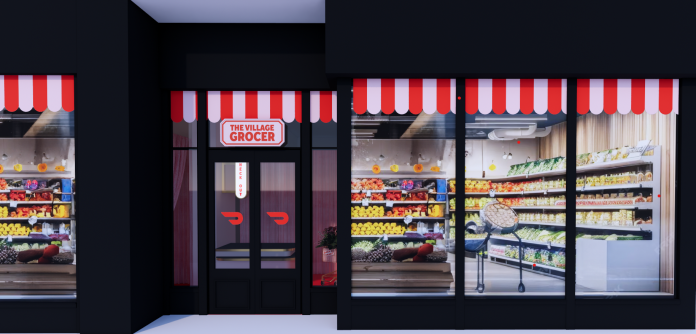
Motherhood takes a village and DoorDash is helping moms celebrate theirs with “The Village Grocer” – a two-city activation (Toronto and Calgary) that turns grocery runs into self-care experiences this Mother’s Day. 

It’s built on a simple insight: moms want one less thing to think about, not necessarily more gifts, says the company.

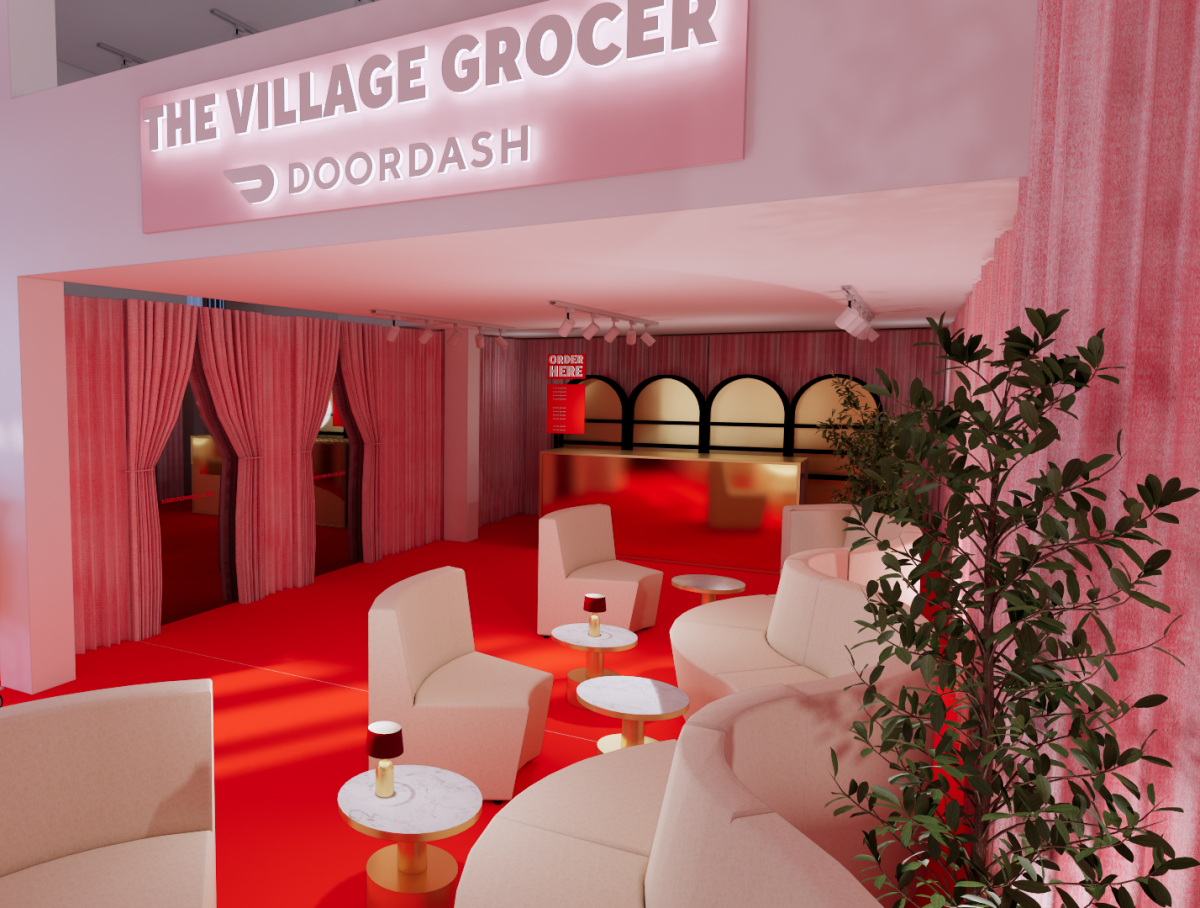
“The Village Grocer” looks like a neighbourhood grocery store from the outside, but inside, it reveals a fully immersive space where moms can trade running errands for manicures, food, and curated grocery goodie bags. It’s one way DoorDash is bringing its “time-saving” value proposition to life in a tangible way, it says.

The creative is carried through three themed “grocery aisles,” each pairing manicures, food, and florals into a single experience – from a comfort-led Italian pasta with butter yellow nails, to brunch-inspired pancakes with glazed donut chrome manicures, and a bold chili ramen set paired with red-hot nail art.

DoorDash photo
DoorDash photo

Beyond the physical experience, the campaign is designed as a full-funnel system:

  • A social-first activation built for shareability and earned reach.
  • An influencer program driving both awareness and traffic.
  • An integrated paid and organic amplification strategy tied to booking behaviour.

Limited, complimentary Grocery Aisle Bookings open on Monday April 27, with additional access for passersby via an on-site community café offering complimentary drinks and light bites– extending reach beyond the core experience.

The limited time, in‑person Mother’s Day experience blends a grocery store environment with moments of self‑care. Here’s how it works:

  • From the outside, the space looks like a neighbourhood grocery store.
  • Inside, it’s transformed into an experiential pop‑up where moms can book a short, guided experience through one of three themed “grocery aisles.”

Each Grocery Aisle is a 1‑stop experience that includes:

  • A complimentary mini manicure (each aisle has a distinct nail look)
  • A food pairing tied to the aisle theme (e.g., pasta, pancakes, chili ramen)
  • A curated grocery-style goodie bag to take home
DoorDash photo
DoorDash photo

Guests pre‑book a complimentary time slot via Eventbrite for a specific aisle. The idea is to flip a typical errand into a moment of pause and self‑care,  directly bringing DoorDash’s “saving you time” promise to life.

EventBrite links: 

For anyone who doesn’t have a booking, the space is still welcoming:

  • There’s an on‑site community café offering complimentary drinks and light bites for walk‑ins, so people can still experience the pop‑up and share socially without a full booking.

The experience runs in Toronto and Calgary around Mother’s Day, and is supported by creators, paid/social amplification, and earned media to extend reach beyond the physical footprint.

“Mother’s Day has traditionally focused on celebrating moms through their families, but what often goes unseen is how much moms support one another. Many moms aren’t looking for more gifts, but rather relief from the seemingly invisible everyday tasks they carry. The only other people who make them feel truly seen oftentimes are other moms. The campaign positions DoorDash as a great way to give moms an opportunity to celebrate each other through a lighthearted self-care experience,” said the company in a statement. 

“DoorDash has been helping Canadians save time for a decade, but for this campaign, we wanted to make that benefit tangible. The Village Grocer takes grocery shopping – a familiar errand – and transforms it into a secret moment of self-care. This gives moms a chance to briefly step out of their routine and enjoy a tailored experience just for them.”

DoorDash photo
DoorDash photo

DoorDash said the experiential component is measured through booking demand, attendance, and social amplification from attendees, with sentiment as a key indicator. 

“The digital component is tracked via reach, overall engagement, and performance tied to Mother’s Day gifting behaviour. These measurements combined provide an insightful view of both cultural impact and conversion across the campaign,” it said.

“The entire experience is designed to be shareable, with strong potential for UGC regardless of the medium. Influencers will help amplify both the physical activation and showcase the wide selection of Mother’s Day gifts available on DoorDash for moms in their lives.

“This activation reflects a conscious shift toward more integrated, experience-led storytelling. DoorDash is focused on creating moments that bring our platform benefits to life tangibly, particularly through key cultural occasions. It’s an approach we’ll continue to build on by combining experiential, content, and performance channels.

More from Retail Insider:

American Express Canada and DMZ’s grant program returns to support Canadian small business

Kampus Production photo

American Express Canada says applications are now open for Backing Canadian Small Businesses, a grant program aimed at empowering locally significant small businesses to grow and drive community impact. 

Funded by Amex Canada and administered by DMZ at Toronto Metropolitan University, 100 Canadian small businesses will be selected to each receive a $10,000 CAD grant and mentoring support from DMZ.

‍

“Backing small businesses is fundamental to who we are. Through this initiative, we’re reinforcing our commitment to helping Canadian entrepreneurs scale their ambitions, expand their capabilities, and drive lasting impact across their communities,” said Kerri-Ann Santaguida, Vice President and General Manager of Merchant Services at Amex Canada. 

‍
In addition to receiving a $10,000 CAD grant, selected small businesses will receive mentoring support from DMZ, a world-leading incubator and startup ecosystem with a proven track record of supporting Canada’s next generation of entrepreneurs. This support will consist of small group sessions and one-on-one meetings with experienced DMZ program mentors coaching in areas such as sales, marketing, operations, and leadership.

Kerri-Ann Santaguida

“At DMZ, we’re passionate about championing Canada’s entrepreneurs, who depend on access to funding, mentorship and the right resources to grow and scale their business,” said Abdullah Snobar, Executive Director of DMZ and CEO of DMZ Ventures. “Together with Amex Canada, we’re doubling down on our commitment to fueling the country’s entrepreneurial ecosystem, with a program that delivers real and tangible impact to small business owners from coast-to-coast.”   

Abdullah Snobar
Abdullah Snobar

Since 2021, Amex Canada has supported 350 Canadian small businesses with $3.5 million CAD in direct grants to small businesses through its various grant programs. 
Business owners can learn more, review eligibility and apply by visiting dmz.torontomu.ca/amexbackingsmall. Applications close on May 19 at 11:59 p.m. Eastern Daylight Time.

More from Retail Insider:

‍

Lunching with Lady Eaton Returns to Toronto May 17

College Park in Toronto, formerly Eaton's (Image: Dustin Fuhs)

The historic Round Room restaurant at The Carlu will once again come to life this spring as the “Lunching with Lady Eaton” event returns to Toronto on May 17, 2026, following a successful and sold-out debut in 2024.

The immersive experience will recreate the elegance of Eaton’s College Street flagship, offering guests the opportunity to dine in one of Canada’s most storied retail spaces while revisiting a defining era in department store history.

Lunching with Lady Eaton event, May 2024. Photo via Michael Binetti

A Historic Retail Experience Recreated

Originally opened in 1930, Eaton’s College Street was envisioned as a landmark retail destination and became one of the most significant department stores of its time. The building’s seventh floor housed the iconic Round Room restaurant, a lavish dining space designed under the direction of Lady Eaton, Flora McCrea Eaton, who played a key role in shaping the in-store dining experience.

The Round Room remained a prominent social and retail destination until the store closed in 1977, when Eaton’s shifted its downtown flagship to the Toronto Eaton Centre.

Today, the restored space operates as The Carlu, a designated National Historic Site known for its Art Moderne architecture and cultural significance.

Lunching with Lady Eaton event, May 2024. Photo via Michael Binetti
Chicken pot pie at the Lunching with Lady Eaton event, May 2024. Photo via Michael Binetti

Event Builds on Strong Demand from 2024

The 2024 edition of “Lunching with Lady Eaton,” hosted by local historian Michael Binetti, drew strong interest and sold out shortly after tickets were released.

That response appears to have set the stage for the event’s return in 2026, reinforcing growing consumer interest in experiential retail concepts that blend history, storytelling, and hospitality.

For one day, the Round Room will be transformed to reflect its original function, with guests dining on classic Eaton’s-inspired recipes while surrounded by period details and programming.

Historical displays in The Carlu as part of the Lunching with Lady Eaton event, May 2024. Photo via Michael Binetti
A model in historic Eaton’s fashions at the Lunching with Lady Eaton event, May 2024. Photo via Michael Binetti

Programming Reflects Eaton’s Legacy

The May 17, 2026 event will include a curated series of experiences designed to recreate the atmosphere of Eaton’s at its peak. According to event details, guests will enjoy a multi-course lunch, live music, and a vintage fashion showcase, alongside presentations exploring the history of Eaton’s and the influence of Lady Eaton.

The programming highlights how department stores once extended far beyond retail transactions, positioning themselves as cultural and social hubs within the city.

Historic photo of a Fashion Show in Eaton’s Round Room, College Street

Department Store Dining as Experience Retail

The return of “Lunching with Lady Eaton” reflects a broader trend toward experiential retail and nostalgia-driven programming, particularly in urban markets such as Toronto.

At its height, Eaton’s was known for transforming shopping into an event, combining retail, dining, and entertainment under one roof. The Round Room restaurant exemplified that strategy, offering an upscale dining environment that complemented the store’s merchandising and brand positioning.

Today, as retailers and landlords look for ways to drive engagement and foot traffic, these types of immersive, historically grounded experiences are gaining renewed relevance.

Michael Binetti addresses the crowd at the Lunching with Lady Eaton event, May 2024. Photo via Michael Binetti

A Unique Intersection of Retail and Heritage

While temporary in nature, the event underscores the enduring cultural value of legacy retail spaces and their potential for adaptive reuse.

By activating a heritage venue such as The Carlu, “Lunching with Lady Eaton” bridges Toronto’s retail past with contemporary consumer expectations, offering a rare opportunity to experience a bygone era in a modern context.

With strong early interest expected once again, the event is likely to attract both retail enthusiasts and consumers drawn to experiential dining and historical storytelling.

Tickets are $165 each and vegetarian options are available. Buy tickets here.

More from Retail Insider:

Daily Synopsis: Apr 23, 2026

Retail Insider’s latest articles are listed below, alongside Canadian Retail News From Around the Web. Calgary Co-op reported a slight sales increase and a return to profitability amid leadership uncertainty. EMMYDEVEAUX opened a boutique in Kelowna as its founder launches a mayoral campaign, signaling evolving retail engagement. Meanwhile, a JLL study outlined the Canadian retail market’s structural shift to value and luxury segments. Together, these stories highlight changing retail strategies and market dynamics across Canada.


🗞️ The Day’s Retail Insider Article List


🌐 Canadian Retail News From Around the Web

Calgary Co-Op reports slight sales growth for fiscal 2025

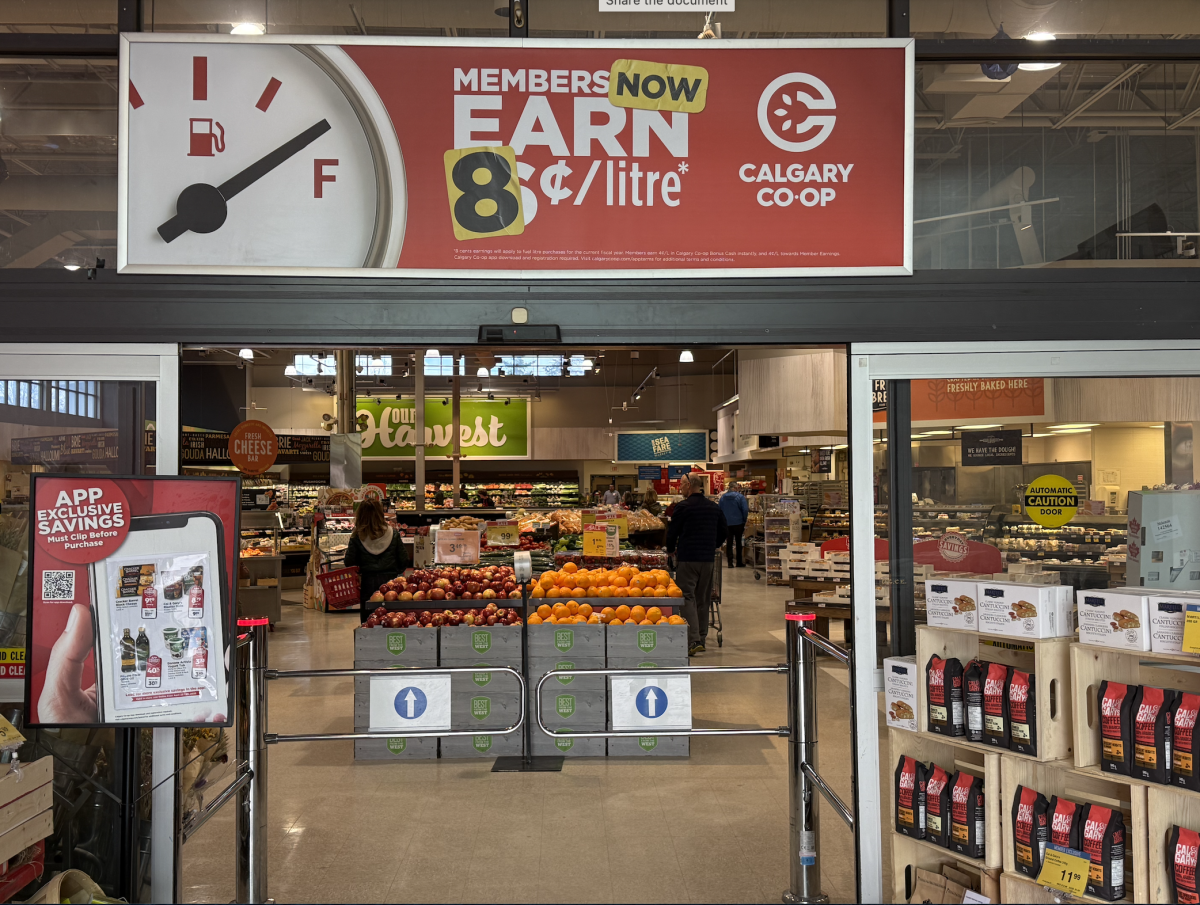
Calgary Co-op. Photo by Mario Toneguzzi

Calgary Co-op, which held its annual general meeting on Thursday, reported sales of $1.55 billion for the fiscal year ending November 1, 2025 compared to $1.48 billion the previous year.

It reported net earnings of $6.1 million compared to a net loss of $10.04 million the previous year. Its long-term debt rose to $413.46 million from $378.62 million the year before.

Sales in the Food category rose to $568.4 million from $552.56 million while sales for Pharmacy of $338.7 million were up from $242 million the prior fiscal year. The Petroleum category saw sales dip from $429.4 million in 2024 to $392.1 million last year.

Recently, the grocery chain, with more than 400,000 members, closed two of its stores in the city.

The company said it would not give media interviews at their AGM.

Michael Kehoe, Broker of Record with Fairfield Commercial Real Estate, said the brand is the local hero on the local retail scene with its clustered grocery stores, gas bars, Wine Spirits Beer and Cannabis outlets.

Michael Kehoe
Michael Kehoe

“The greater Calgary regional trade area is a battleground on the grocery retailing front, with gorilla-sized competitors like Costco, Superstore and Walmart,” said Kehoe who was attending the AGM.

“For a regional player with a local scale the industry is a ‘Darwinian’ struggle at the best of times. These are not the best of times with grocery shoppers and for Calgary Co-op that trades in an ultra-competitive retail category in a low-margin capital intensive business and the challenges I am sure are daunting.

“Many Calgarians and residents of the city’s satellite communities are Co-op members and shoppers. As a Co-op member for 40 years, I am hopeful that the firm’s leadership and a solid corporate strategy will keep our loyalty to this storied retail brand.

“Retail sales performance year over year is the true test of a retail brand and its leadership. As Confucius once said, “we live in interesting times.” These certainly are interesting times at the Calgary Co-op.” 

According to Co-op, due to “overwhelming” interest in the 2026 AGM, the company reached the venue’s room capacity and it restricted the meeting to voting-eligible members only. A member is eligible to vote at the Calgary Co-op Annual Meeting if they have purchased a one-dollar Calgary Co-op membership in the fiscal year ended November 1, 2025.

The grocery chain did not publicly release its annual 2025 report or annual 2025 financial results until just prior to the meeting.

Attendance at the meeting was 241.

Total sales for the year ended November 2, 2024 were $1.48 billion. Total sales for the year ending on October 28, 2023, amounted to $1.303 billion, compared to $1.284 billion in 2022.

In the 2024 fiscal year, the company’s net loss was $10.043 million compared to net earnings of 16.7 million in 2023 and $38.67 million in 2022.

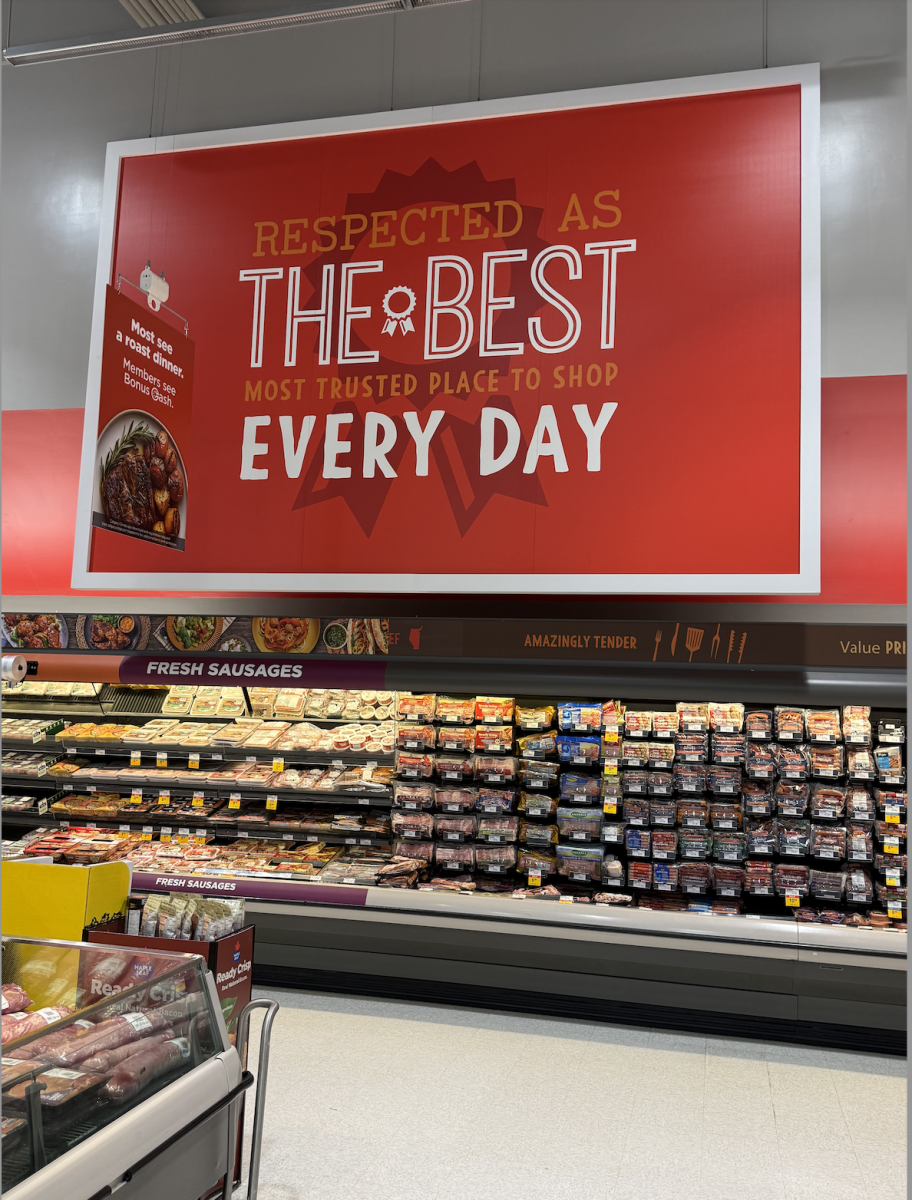
Calgary Co-op. Photo by Mario Toneguzzi

A proposal before the AGM asked that the grocery retailer provide a written statement to all member-owners regarding the long period without an apparent permanent CEO. The company has been without a permanent CEO since the departure of Ken Keelor in October 2024.

But Co-op said at the meeting that they are close to hiring a new CEO with an announcement possibly coming in the near future.

The proposal asked the Calgary Co-op Board to provide a written statement to all member-owners (via mail, email, or other direct letter to all member owners) acknowledging this matter, identify why a permanent CEO has not yet been found since Ken Keelor’s departure, and outline a plan and reasonable timeline for hiring a new CEO.

Calgary Co-op. Photo by Mario Toneguzzi

More from Retail Insider:

Calgary Co-op. Photo by Mario Toneguzzi

Maison Territo Showcases Stikki Peaches in New Art and Design Exhibition

Stikki Peaches artwork in the Maison Territo showroom in Montreal. Photo: Maison Territo

Art often plays a defining role in interior design, bringing personality, emotion, and depth to a space. Beyond furniture and materials, it is often the element that completes a room, creating a sense of identity and atmosphere. At Montreal’s Maison Territo, this relationship between art and design is being explored through a new exhibition featuring the work of Stikki Peaches, offering visitors a perspective on how contemporary artwork can complement and elevate refined interiors.

The exhibition will open on May 14 with a private RSVP-only event, followed by a public presentation in the showroom, allowing a broader audience to experience the installation over an extended period.

A Distinctive Voice in Contemporary Art

Stikki Peaches has developed a distinctive visual language that brings together pop culture, street art, and social commentary in richly layered compositions. His work feels bold and expressive, while still being thoughtfully balanced, creating pieces that are both striking in the moment and lasting over time.

This approach lends itself naturally to interior environments, where artwork can serve as a focal point or as a subtle layer within a broader design concept.

How Art Lives Within a Space

At Maison Territo, the presentation explores how art interacts with furniture, materials, and architecture. Stikki Peaches’ works are integrated into curated interiors, demonstrating how contemporary art can shape the character and atmosphere of a space.

In settings defined by refined materials and understated elegance, a strong artwork introduces contrast, bringing energy, character, and a sense of individuality. Rather than standing apart, art becomes part of the overall design language, contributing to a space that feels both cohesive and expressive.

Stikki Peaches artwork in the Maison Territo showroom in Montreal. Photo: Maison Territo

A Curated Experience at Royalmount

Located at Royalmount, Maison Territo’s 11,000-square-foot Montreal showroom presents a curated portfolio of internationally recognized brands, including Fendi Casa, Versace Home, Dolce & Gabbana Casa, and Bentley Home, some of which are available exclusively through Maison Territo in Canada.

The space is designed to showcase complete interior concepts, making it a fitting setting for an exhibition that explores the relationship between art and design. Visitors are able to experience how artwork, furniture, and materials come together to shape cohesive and expressive interiors.

An Invitation to Experience the Exhibition

The May 14 opening event will introduce the exhibition through a private RSVP-only gathering, offering invited guests an early opportunity to view the installation. Following the opening, the exhibition will remain accessible to the public, allowing visitors to explore the work within the showroom setting.

The exhibition reflects the idea that a refined interior should not only be visually compelling, but also expressive and memorable.Visit the Maison Territo website to learn more. Maison Territo is located at Royalmount, 5050 Côte de Liesse #1050 Mont-Royal, QC H4P 0C9 Canada. For more information, call 514-800-0102.

More from Retail Insider:

Stikki Peaches artwork in the Maison Territo showroom in Montreal. Photo: Maison Territo

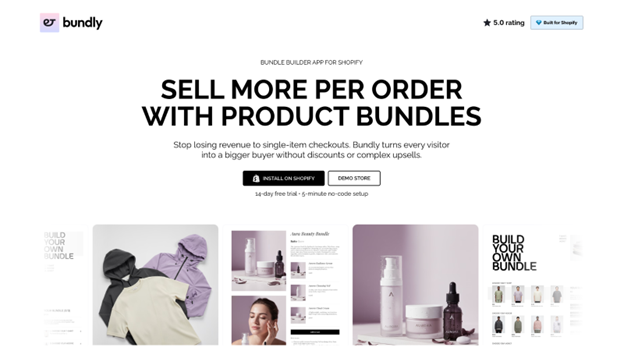
Using Shopify Bundle Builders to Grow Revenue

Shopify bundle builders are merchandising tools used by merchants to dynamically group products for increased order value, customer satisfaction, and dynamic price upselling․ 

These tools help stores sell static packs, sell mix and match products, and sell products in bulk without overwhelming shoppers or creating customer friction․ 

By optimizing well-tracked configurations early on, stores can turn casual browsers into repeat customers through bundling․

Understanding Bundle Builder Essentials

Bundle builders are tools provided by Shopify to merchants that allow them to create bundles of products as a way to incentivize customers to buy multiple products․ 

Bundles can have fixed combinations or allow customers to choose their own․ 

Other features include inventory sync to prevent overselling, tiered pricing, and widgets such as product-specific notifications for integration into product pages․

Merchants can use two types of bundles, fixed bundles for curated packages such as starter kits, and mix-and-match bundles for product categories with more SKUs, such as apparel and supplements․ 

Use of these two types of bundles allows fulfillment to be done in normal warehouse processes․

Flexible Bundle Foundations

Effective implementation hinges on flexible bundle configuration in Shopify, allowing customers to tailor selections from guided options. 

Setting minimum and maximum item limits prevents unprofitable combinations, while eligible product lists focus on high-margin or complementary goods. 

These foundational steps lay the groundwork for scalable bundling success, with tools like bundly.app offering streamlined setups for such dynamic experiences.

Step-by-Step Bundle Setup Strategies

Often, bundle products are selected based on items that are frequently purchased together, such as coffee with mugs or skincare items․ 

This increases the relevance of the suggestion and improves conversions․

Next, figure out your pricing․ 

You can charge a flat fee or a percentage discount based on the size of the bundle․ 

Offer tiered discounts (e.g., 10% off 3 items, 20% off 5) to incentivize upsizing without eroding your profits․ 

Test which discount amount works best for your audience․

Ordering and inventory control: the component inventory should be synchronized such that bundles are updated as stock levels change․ 

Out of stock items should block․ 

In complex catalogs, limit variants to the best performing ones, preventing picker fatigue or overwhelming the customer․

Improve the shopper’s on-page experience with progress bars to indicate selections, swatches to speed the process of selecting variants, and badges to communicate savings․ 

Ensure your pages are optimized for mobile and touch interactions, proceeding smoothly from selection to cart․

Optimizing Displays for Maximum Engagement

Spread the bundles across your whole store․ 

Create and promote bundles on category pages, homepages, and on product pages in the “frequently bundled with” section․ 

Cross-link to individual items in the bundles․

Visual layouts matter․ 

Use grids for many results, carousels for narrow selections, and sliders for one-dimensional flows․ 

Match branding colors, fonts, and spacing to build trust․ 

Use dynamic language like “limited stock available” to impart a sense of urgency without overstating your stock․

Post purchase upsells create reach: An offer on a thank you page for the bundles captures abandoned potential․ 

An email recap further strengthens this․ 

Measure the add to cart rate and abandonment to place iteratively․

Visual Widget Enhancements

Adding hover previews for bundled items, with their total cost and quick-add buttons, would entice players to bundle faster․ 

Doing so requires and rewards less effort in customizing their items, encouraging them to play more․

Pricing Tactics That Drive Conversions

Dynamic pricing takes the idea of bundles further․ 

Offer tiers based on volume, providing a bigger discount as the customer builds their cart․ 

Combine with BOGO thresholds for seasonal pushes, e.g., buy two get one half-off․

For simple packs, calculate the cost and desired profit, then calculate the total price․ 

Add a markup to make it competitive․ 

Compare-at pricing, which implies that the $60 bundle is worth $80 if sold separately․

Test psychological anchors․ 

Ending in .97 or .99 feels promotional․ 

Ending with a round number feels premium․ 

Conduct A/B tests for different segments, and use conversion data to optimize and remove poor-performing products․

Mix-and-Match Mastery Techniques

Interactive builders let customers select items from pre-approved lists, while specifying rules like categories or quantity limits without imposing rigid constraints․ 

Such personalization increases satisfaction and loyalty․

Sort items into essentials, add-ons, and upgrades, and require buyers to select one from each category or offer free-form shopping․ 

Preview carts with running totals increase transparency and reduce friction at checkout․

For variants, consider limiting the options to the most popular sizes or colors, or providing a way to browse niche stores․ 

Real-time availability checks ensure users are not disappointed and preserve trust․

Rule-Based Customization

Implement conditional logic such as unlocking premium add-ons only after core selections have been made․ 

This gamifies the tool․ 

Balance freedom and structure to avoid choice overload.

Inventory and Fulfillment Best Practices

Sync stock with the items needed to complete a bundle to prevent oversells․ 

If you fulfill separately, tag line items or pre-pack single SKUs in bulk․ 

This is scalable with growth․

Use analytics to forecast bundle demand․ Identify top-selling bundles for faster restock and analyze slow sellers for improvement․ 

Buffer low-stock items from bundles so singles are still available․

Warehouse efficiency may be improved by grouping items for picking that are similar or related․ 

Digital packing slips with breakdowns of bundles save time․

Measuring Success with Key Metrics

Track average order value lift․ 

A good benchmark is 15-30% lift from baseline, depending on the niche․ 

Monitor add-to-cart abandonment rates to spot UI issues or a lack of perceived product value․

The conversion rate on your bundle pages can indicate the outcome․ 

Compare both against single product pages and in traffic source segments․

Customer lifetime value increases with the number of repeat bundlers․ 

Tag buyers for post-purchase deals, build habits․ 

Quarterly, assess flops for sunsetting, and determine data-driven scale for hits․

Analytics Deep Dive

Are users dropping out at specific stages in the funnel? 

Measure time to select and bundle․ 

Use heatmaps, combined with customer feedback, to identify and resolve pain points․

Common Pitfalls and Fixes

Potential customers suffer choice paralysis․ 

Group similar items into bundles of 20-30, including bestsellers․ 

Clearly labeled “core” vs. “optional” styles simplify player choice․

Bundles can be poorly optimized for search․ 

Optimize bundle names like “Organic Tea Sampler Bundle – 5 Flavors”, use unique descriptions, and add internal links to improve discoverability․

Ignore performance on mobile tanks․ 

Test every flow on devices – selections, previews, checkout․ 

Responsive designs ensure parity across screens․

Advanced Customization Ideas

Layer upsells on bundles (with post-selection options like “add this for 10% more savings”) to build value and one-click add to maintain momentum․

Each season brings a new theme․ 

Bundles switch for holidays and summer essentials․ 

Time-limited badges provide motivation․

Personalization is apparent as quizzes place users in their ideal bundles, effectively serving users with suggestions․

Scaling Bundles Store-Wide

In an enterprise, these rules include global views of inventory, multi-language support, and hooks into existing APIs․ 

Start small, and scale up․

Dashboards can support team workflows․ 

Some teams set roles for bundle management with approval gates․ 

Audit trails track performance changes․

Omnichannel sync allows bundles to feed into a marketplace, providing consistent price and availability across experiences․

Future-Proofing Your Bundling Strategy

Shopper preference is also shifting to experiences peppered with interactivity, so builders that accommodate subscription services or AR previews, and are modular, are benefitting․

Compliance with data privacy regulations establishes trust through transparency in opt-in personalization choices․ 

Anonymized analytics data is sufficient․

Edge cases continue to be tested, drop-offs are revealed in heatmaps, and feedback is communicated through surveys․ 

Evolve bundles occur quarterly․

What Are the Best Crib Manufacturers for High-Volume B2B Sourcing?

When sourcing cribs for B2B (business-to-business) purposes, selecting the right manufacturer is crucial. For wholesalers, distributors, and large retailers, choosing a reliable crib supplier impacts everything from product quality and safety to timely delivery and customer satisfaction. In this article, we’ll explore the essential factors businesses should consider when sourcing cribs in bulk and present five of the best crib manufacturers for high-volume B2B sourcing.

The Importance of Selecting the Right Crib Manufacturer

For any business sourcing cribs, the stakes are high. Cribs are one of the most essential pieces of furniture for infants, and their quality directly influences safety, brand reputation, and customer loyalty. In the highly competitive world of B2B sourcing, partnering with the right manufacturer can help businesses ensure a steady supply of quality products that meet safety standards, are durable, and align with customer expectations.

The cribs you sell will represent your brand’s commitment to quality and safety. Additionally, given the large volume often involved in B2B sourcing, a reliable manufacturer can help avoid issues like delayed shipments, inconsistent product quality, and unanticipated price increases. For high-volume orders, the ability to build a long-term relationship with the manufacturer ensures smoother operations and better terms for future orders.

Key Factors to Consider When Sourcing Cribs in Bulk

Selecting the right crib manufacturer isn’t simply about finding a company that offers the lowest price. Several critical factors must be considered to ensure that the cribs you order meet both regulatory standards and your business needs.

1. Safety Certifications and Compliance

Safety should be the top priority when sourcing cribs. Cribs are essential for a baby’s sleep environment, so they must comply with strict safety standards. Make sure that the manufacturer provides documentation proving compliance with regulations such as the ASTM F1169 (U.S. safety standard), CPSIA (Consumer Product Safety Improvement Act), and EN 716 (European standards). This is crucial in assuring that the cribs are free from harmful substances and are sturdy enough to meet safety requirements.

2. Production Capacity and Lead Times

For businesses sourcing cribs in high volumes, the manufacturer’s ability to handle large orders within the specified time frame is essential. Check if the manufacturer has sufficient production capacity and can scale up when demand spikes. Additionally, inquire about their lead times and their ability to meet deadlines consistently. On-time deliveries are a significant factor in avoiding stockouts and maintaining smooth operations.

3. Product Quality and Durability

Product quality is another key consideration when choosing a manufacturer. Reliable manufacturers should have robust quality control systems in place to ensure the consistency and durability of their cribs. The materials used should be non-toxic and child-safe. You should also check that the cribs are built to last, as durable products lead to fewer returns and a better customer experience.

4. Customer Support and After-Sales Services

Effective communication and customer support are vital when working with manufacturers. If there are any issues with the product or delivery, it’s crucial that the manufacturer provides prompt support. After-sales services, such as warranties, are also important for handling defective products. A manufacturer that provides reliable customer service will help mitigate potential issues and foster a positive business relationship.

Best 5 Crib Manufacturers for B2B Sourcing

Now that we have outlined the key factors to consider when choosing a crib manufacturer, let’s explore five of the best manufacturers suitable for high-volume B2B sourcing. Each of these manufacturers has a strong reputation for quality, reliability, and safety.

1. Storkcraft

Storkcraft is a well-established name in the children’s furniture industry, known for producing safe, functional, and affordable cribs. They offer a variety of crib styles, including convertible cribs, which grow with the child. Storkcraft’s manufacturing facilities are certified to meet the highest safety standards, and they have a proven track record of fulfilling large orders with consistent quality.

Their commitment to safety and durability, coupled with competitive pricing, makes Storkcraft a great option for B2B businesses looking for high-volume crib suppliers.

2. Clafbebe

Clafbebe is a reputable and experienced manufacturer specializing in high-quality cribs and children’s furniture. Unlike many other suppliers, Clafbebe operates its own factory, giving it full control over the production process. This allows the company to maintain strict quality control, ensuring that every crib meets high standards for durability and safety.

The company is known for its advanced manufacturing capabilities, allowing it to offer a variety of designs and customization options tailored to the unique needs of different B2B clients.

Clafbebe also provides professional ODM (Original Design Manufacturer) services, allowing businesses to work directly with the company to develop customized designs that fit specific market demands. This flexibility makes Clafbebe a strong partner for businesses looking for unique products or those targeting niche markets.

3. DaVinci

DaVinci is another reliable manufacturer, offering a wide range of cribs designed to meet the needs of both budget-conscious and premium markets. Their cribs feature clean lines and modern designs, and the company prides itself on using sustainable, non-toxic materials in production. DaVinci cribs meet ASTM safety standards and are tested for durability and stability.

For businesses looking to offer high-quality, stylish cribs at affordable prices, DaVinci is an excellent choice. Their ability to produce large volumes without compromising on quality makes them a great B2B partner.

4. Milliard

Milliard is known for producing high-quality, functional, and innovative baby furniture, including cribs. They focus on creating versatile products that can easily transition from a crib to a toddler bed, offering extended value for consumers. Their cribs are designed to be easy to assemble, durable, and compliant with safety standards.

For B2B buyers who prioritize flexibility and functionality in their crib offerings, Milliard provides a reliable and affordable option.

5. Dream On Me

Dream On Me is a leading manufacturer of baby products, specializing in cribs, bassinets, and other nursery furniture. Known for their budget-friendly yet durable cribs, Dream On Me offers a range of options that cater to various price points. The company’s cribs meet all mandatory safety standards, including ASTM and CPSC regulations.

Dream On Me’s focus on delivering high-quality products at affordable prices makes them an attractive option for bulk orders, especially for businesses aiming to target the mid-range market.

Understanding the Role of Safety Standards in Crib Manufacturing

The safety of cribs is paramount, especially when sourcing in bulk for a business. The crib manufacturing industry is subject to numerous regulations to ensure that products are safe for babies. These regulations are enforced by various organizations, such as the U.S. Consumer Product Safety Commission (CPSC) and European standards like EN 716.

Manufacturers must comply with standards like ASTM F1169, which outlines the safety specifications for full-size cribs, and the CPSIA, which ensures that children’s products do not contain harmful chemicals like lead or phthalates. A reputable crib manufacturer should be able to provide certifications proving their compliance with these standards, offering peace of mind to businesses and end consumers alike.

Additionally, cribs should be tested for stability, durability, and the risk of entrapment, as babies are highly susceptible to accidents. Manufacturers who consistently meet these standards will help businesses build trust with their customers and avoid costly recalls.

Supply Chain Efficiency: Managing Logistics for High-Volume Orders

When sourcing cribs in bulk, managing logistics becomes a critical factor. The efficiency of the supply chain can significantly affect the overall success of a business. A reliable manufacturer should offer clear timelines for production and shipping, ensuring that products arrive on time and meet the agreed-upon quantities.

For B2B sourcing, it’s essential to consider factors like shipping costs, delivery lead times, and inventory management. Some manufacturers offer flexible delivery options, such as drop-shipping directly to your customers or offering warehouse storage for bulk orders, which can help streamline operations.

A manufacturer with a robust logistics network will reduce the risk of delays and stockouts, ensuring that your business can maintain consistent product availability and meet customer demands effectively.

Tips for Negotiating with Crib Manufacturers for Bulk Orders

When negotiating with crib manufacturers for high-volume orders, several strategies can help ensure the best deal. First, it’s important to have a clear understanding of your business’s needs, including minimum order quantities (MOQs), product customization, and pricing.

Consider offering long-term contracts or committing to future orders in exchange for better pricing or more favorable terms. Also, don’t hesitate to negotiate delivery terms, especially if you require urgent shipments. Some manufacturers may be willing to offer discounts for large orders or for prompt payments.

Having open communication with the manufacturer and being clear about your expectations will also help build a strong relationship, ensuring that both parties are satisfied with the terms.

Conclusion

Selecting the right crib manufacturer is one of the most important decisions for businesses in the baby furniture industry. A reliable manufacturer not only ensures the quality and safety of the cribs but also contributes to smooth operations, timely deliveries, and customer satisfaction. By considering factors like safety standards, production capacity, and supply chain efficiency, businesses can find a manufacturer that aligns with their needs.

Partnering with manufacturers like Clafbebe, Storkcraft, DaVinci, Milliard, and Dream On Me can help businesses source high-quality cribs in bulk, building long-term partnerships that ensure success in the competitive B2B marketplace.

How to Keep Engagement High Even When You’re Not Posting Daily

Many creators believe daily posting is the only way to keep engagement strong. The truth is very different. Engagement does not depend only on how often you publish content. It depends on how present you stay in the minds of your audience. When you build simple habits and light touch points, your followers remain active even when you post less. A calm and steady plan helps you grow without pressure, and your community continues to respond because they trust your presence.

Build a Clear Content Pattern

A steady rhythm helps people understand your style and engage with your posts. For example, when your content follows a familiar pattern, followers know what to expect and respond more often. Predictable formats also tend to improve engagement as they reduce the decisions a viewer needs to make.

You do not need a complex schedule. Choose a few themes that match your voice and reflect what your audience already enjoys. Repeating these themes in a simple cycle helps followers recognize your flow and stay engaged even during slower weeks.

Short formats can keep your page active on busy days. A quick idea, a short reminder from an older post, or a brief insight can hold attention without requiring a full piece of content. Over time, this steady pattern builds trust and encourages consistent interaction.

Stay Present Through Light Interactions

Posting less often does not mean losing visibility. However, small, steady interactions send strong signals to the algorithm. Replying to comments on TikTok can help content resurface to more viewers. Instagram also reports that fast responses help the system read an account as active.

Simple actions work well. A short message reply shows you noticed someone. A reaction to a follower’s story builds warmth. Liking a comment keeps conversations moving. These small moments strengthen familiarity, which is one of the most powerful drivers of long-term engagement. When you show up in small ways, you stay visible in both the feed and the minds of your audience. This keeps engagement stable even when uploads slow down.

Use Stored Content to Keep the Feed Active

A content bank helps you stay consistent without pressure. Many followers never see your posts the first time. Hootsuite notes that a large percentage of social posts are missed because of fast feeds, time zones, and algorithm filters. This makes reusing older material a smart strategy.

Repost high-performing content, because many viewers missed it before. You can also reshape older ideas into new formats. Turn a long post into a short tip. Turn a detailed explanation into a simple story. Turn a video insight into a single line graphic. You save time while still offering value.

Stored content keeps your page active and helps you stay consistent even during busy periods or creative slowdowns.

Use Stories as Quick Touch Points

Stories create some of the fastest engagement signals across all platforms. They require less effort than feed posts, yet they keep your audience warm. A Meta study found that more than half of people have visited a brand’s website after seeing its product or service in Stories. This shows how powerful short updates can be.

Stories help you stay present even when you are posting less. A simple behind-the-scenes clip shows your daily progress. A short question invites interaction. A small win creates a positive feeling for your viewers. These updates build a human connection and allow followers to stay in touch with your day.

You can also use stories to prepare your audience for upcoming content. A short preview of a new topic builds anticipation. Even one or two updates can maintain engagement during a quiet week on your main feed.

Boost Engagement With Community-Focused Actions

Community-driven content raises engagement more than passive viewing. People like to participate, not just observe. Buffer found that posts involving audience input can generate nearly 42 percent more comments compared to regular posts.

Try a few simple steps that deepen interaction:

  • Ask for opinions and let people share their thoughts.
  • Highlight comments that add value to your page.
  • Share user-created content to build trust.
  • Create small challenges that require easy participation.
  • Encourage conversations around trending moments.

These actions help people feel included. When your audience feels seen, they become more willing to stay active even when your posting schedule slows down.

Plan Your Slow Periods With Intention

Taking breaks is not harmful when you handle them with clarity. A short message explaining that your posting pace may slow down sets the right expectations. When followers know what is happening, they stay connected instead of drifting away. You can keep your presence alive during these pauses by sharing light updates about your work or upcoming plans.

A small hint about a new idea builds curiosity. One strong post when you return helps restart the engagement cycle in a clean way. Some creators also use steady engagement support to stay visible while they focus on long-term projects or creative planning.

A planned gap feels organized and respectful of your audience. It shows that you care about delivering quality instead of rushing content.

Conclusion

Daily posting is not the only path to strong engagement. A clear content pattern, light interactions, refreshed older posts, regular story updates, and community involvement keep your profile active. Planned breaks add structure and remove pressure. When you stay present in small but steady ways, your audience continues to respond. Engagement grows from connection, not from posting frequency. With the right habits, you can maintain a warm and loyal community even during your quietest weeks. Start applying one small habit today so your engagement stays strong even during your slowest weeks.