Home Blog Page 178

What Retail Leaders Should Know When Evaluating a Shopify Plus Partner

The ecommerce platform decision is no longer a technology choice. For retail brands doing $5M to $500M in online revenue, the platform and the partner running it shape customer experience, operational efficiency, and the speed at which the business can respond to market changes. That makes partner selection one of the more consequential decisions a retail executive will make in a given year.

Shopify Plus has become the default consideration for retail brands moving upmarket. The hosted infrastructure, the Shop Pay accelerated checkout, the native multi-store architecture, and the app ecosystem combine to produce fewer operational fires than any self-hosted alternative at similar scale. But the platform alone is not enough. The implementation partner determines whether a retail brand realizes those advantages or ends up fighting the platform for the next three years.

This guide outlines what retail executives should evaluate when choosing a Shopify Plus implementation partner.

The Scale Question: Who Has Actually Shipped This Before?

Every agency selling Shopify Plus implementation services will show case studies. The question is whether those case studies reflect the complexity of your business.

A brand with 50,000 SKUs, multi-region fulfillment, B2B wholesale, and ERP integration needs a very different partner than a DTC brand launching their first store on Shopify. Ask specifically:

  • How many Shopify Plus stores in the $10M to $100M annual revenue range has the agency shipped in the last 24 months
  • What percentage of those implementations were on time and on budget
  • How long the average engagement lasts after launch
  • Which clients are willing to be references

The last question matters most. Agencies that cannot produce three clients willing to discuss the engagement by phone are hiding something. A well-run relationship with an enterprise retail brand produces an advocate, not a cautious reference.

The Platform Question: Is Shopify Plus the Right Fit?

Before going deep on partner evaluation, some retail brands benefit from stepping back and asking whether Shopify Plus meets their requirements or whether a different platform approach makes more sense.

For most retail brands up to $500M in online revenue, Shopify Plus handles the operational complexity without modification. The platform’s native features plus the app ecosystem produce a workable stack that scales cleanly, and partner evaluation can focus on implementation depth rather than architectural debate.

For retailers with requirements that push beyond what Shopify Plus can easily accommodate, such as catalogs with hundreds of thousands of SKUs, complex B2B wholesale workflows with tiered pricing and company accounts, or multi-region operations with region-specific pricing and regulatory requirements, a different platform family like Magento or Adobe Commerce may fit better. Answer this question before partner evaluation begins, because the right agency for a Shopify Plus build is usually different from the right agency for an enterprise Magento build.

The Integration Question: Does the Partner Understand Your Stack?

Shopify Plus rarely operates alone. It connects to ERPs, PIMs, OMS platforms, tax engines, 3PL systems, loyalty tools, and retention platforms. The agency’s understanding of the integration layer separates a clean implementation from one that produces custom middleware your team will be supporting for years.

The right questions to ask are narrow. If NetSuite is your ERP, ask which NetSuite integration pattern the agency recommends and why. If you run Klaviyo, ask how they structure customer data syncing to avoid duplicate profiles and attribution conflicts. If 3PL integration is in scope, ask for a system architecture diagram and walk through it.

Agencies with real integration depth will have an opinion within the first conversation. Agencies without it will offer to bring in a technical lead later. The second answer is a warning signal.

The Retention Question: Who Owns the Customer Experience Post-Launch?

Shopify Plus implementations are not finished when the store goes live. The first 90 days after launch always surface performance issues, conversion tuning opportunities, and edge cases that did not appear in staging. The partner’s approach to that period determines whether the investment compounds or erodes.

Ask how the agency structures the first 90 days post-launch. A good answer includes weekly performance reviews, a prioritized backlog of optimization work, and a named account lead who stays on the engagement. A weak answer is a hand-off to a support team with SLA-based ticketing.

The best retail implementations treat launch as the start of the engagement rather than the end.

The Cultural Question: Does the Partner Fit How Your Team Works?

Retail brands and implementation agencies fail together more often than they fail separately. The cause is usually cultural rather than technical. A fast-moving retail team paired with a waterfall agency produces months of delay. An agency with a strict process paired with a chaotic client produces scope creep and budget overruns.

Before signing, evaluate:

  • How decisions get made on both sides
  • Who on the agency team will actually be in weekly meetings
  • How the agency handles scope changes mid-project
  • What happens when the project goes sideways

The last point is the most revealing. Agencies that can describe a project that went poorly and what they learned are more credible than agencies with a highlight reel of successes.

The Budget Question: What Are You Actually Paying For?

Shopify Plus implementations for retail brands typically run $75,000 to $500,000 depending on complexity, integrations, and customization depth. Anything below $50,000 for a full implementation should raise questions about what is being cut. Anything above $750,000 should trigger a scope conversation about whether the work might fit better on a different platform.

The pricing structure matters more than the headline number. Fixed-price engagements require thorough discovery to land accurately, and agencies that offer fixed pricing without paid discovery are either overpricing to cover risk or underpricing to win the deal. Time and materials engagements require discipline from both sides to avoid scope drift.

An experienced enterprise Shopify Plus partner will walk through a paid discovery phase before quoting the build. That phase produces the architecture, the feature scope, the integration specifications, and a fixed-price proposal. The discovery is not free and should not be expected to be.

The Strategic Question: Is This a Vendor or a Partner?

The difference between a vendor and a partner shows up in how the relationship evolves after the first engagement ends. Vendors sell a project, deliver it, and move on. Partners become an extension of the retail team, get involved in roadmap conversations, and help the brand navigate the next phase of growth.

Retail brands benefit from partners. Agencies that treat every client as a one-time implementation tend to produce implementations that do not evolve well. Agencies that invest in the long-term relationship are available when a new feature needs scoping, when the store hits a performance wall, or when the business decides to expand internationally.

Ask any agency in the final round whether they are still working with the first client they ever shipped on Shopify Plus. The answer reveals how the agency thinks about relationships.


CAFA Moves to Montréal as Industry Celebrates 2026 Winners

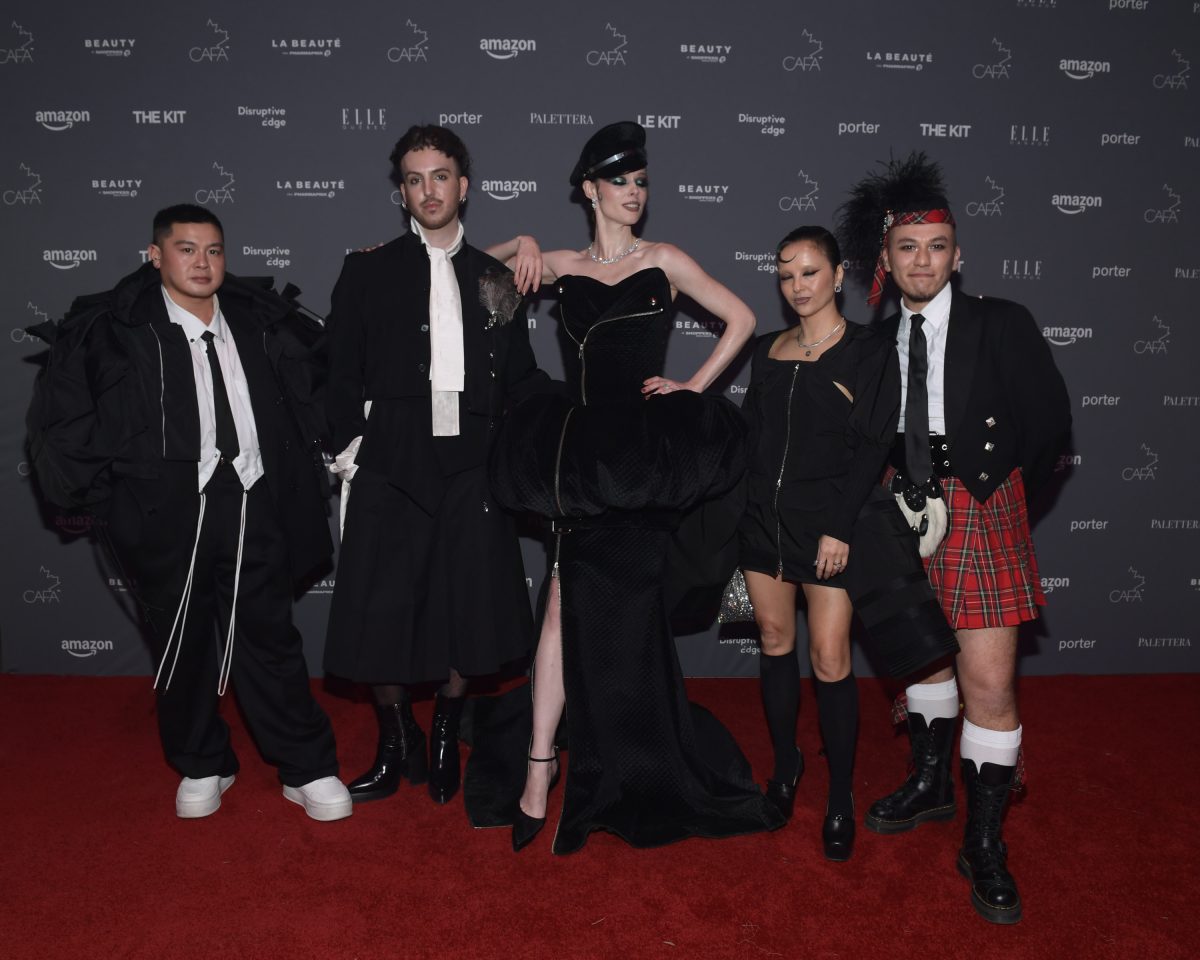
CAFA 2026, Credit: George Pimentel Photography
Vicky Milner, Co-Founder and President of CAFA

The Canadian Arts & Fashion Awards (CAFA) marked a milestone moment for Canada’s fashion industry on April 23, 2026, as it hosted its 12th annual gala in Montréal for the first time. The event, held at La Nesra, brought together designers, retailers, creatives, and industry leaders to celebrate excellence across the Canadian fashion landscape.

The 2026 edition represents a notable shift for CAFA, which had been held exclusively in Toronto since its inception in 2014. The move signals an evolution in how the organization engages with Canada’s fashion ecosystem, positioning itself as a truly national platform that reflects the country’s diverse creative and commercial centres.

“Tonight, we celebrated excellence,” said Vicky Milner, Co-Founder and President of CAFA. “We are proud to recognize the achievements of our nominees and honourees and look forward to the remarkable paths that lie ahead.”

Recognizing Industry Leaders and Emerging Talent

This year’s awards spotlighted both established leaders and emerging voices shaping Canadian fashion. Among the top honours, Andrew Lutfy received the Outstanding Achievement Award, recognizing his impact across fashion retail, real estate, and philanthropy. His leadership at Groupe Dynamite has helped scale Canadian fashion brands both domestically and internationally.

Fashion journalist Tim Blanks was presented with the Vanguard Award, honouring his decades-long influence on global fashion discourse. Meanwhile, international model and advocate Coco Rocha received the Changemaker Award for her work advancing standards and mentorship within the modelling industry.

Other notable recognitions included Sophie Theallet, who received the International Canadian Designer Award, and legendary designer Dorothy Grant, who was honoured with the inaugural Indigenous Fashion Award. The introduction of this new category reflects a growing emphasis on inclusivity and the recognition of Indigenous voices within Canadian fashion.

CAFA Red Carpet – Credit: George Pimentel Photography

Montréal’s Role in Canada’s Fashion Ecosystem

The decision to host CAFA Montréal 2026 in Montréal underscores the city’s longstanding role as a creative and manufacturing hub within Canada’s fashion industry. Montréal has historically been home to a significant portion of the country’s garment production, as well as a vibrant community of designers and fashion entrepreneurs.

By moving the gala to Montréal, CAFA is acknowledging the importance of regional diversity within the national fashion landscape. The shift also reflects a broader industry dynamic, where design and production capabilities in Montréal complement the retail concentration and commercial scaling often associated with Toronto.

This alignment highlights the interconnected nature of Canada’s fashion ecosystem, where creativity, manufacturing, and retail each play distinct but interdependent roles.

Portrait Studio – Credit: George Pimentel Photography

Award Winners Highlight Canada’s Design Strength

The 2026 winners further illustrated the depth of Canadian design talent. RVNG Couture was named Womenswear Designer of the Year, while École de Pensée received Menswear Designer of the Year.

In outerwear, Kanuk was recognized as Outerwear Brand of the Year, reinforcing the global strength of Canadian outerwear labels. Additional awards highlighted emerging designers and creatives across accessories, styling, image-making, and digital fashion.

The NewGen initiative, which celebrates emerging talent across creative disciplines, continues to serve as a pipeline for the next generation of industry leaders.

CAFA 2026, Credit: George Pimentel Photography

Retail and Brand Integration at the Gala

The event also demonstrated the growing intersection between fashion, retail, and brand experience. Sponsors including Shoppers Drug Mart Beauty, Amazon Canada, and Reitmans played a visible role through immersive activations and programming.

Shoppers Drug Mart Beauty introduced a portrait studio experience featuring Canadian beauty brands, while Amazon Canada showcased emerging designers through an interactive installation. These activations highlight how major retail and e-commerce players are increasingly engaging with fashion as a platform for storytelling, discovery, and consumer connection.


A National Platform for Canadian Fashion

Since its launch in 2014, CAFA has evolved from a Toronto-based industry event into a nationally recognized platform that supports Canadian talent and promotes the industry on a global stage. Past editions, held at the Fairmont Royal York Hotel helped establish the awards as a key fixture in the country’s fashion calendar.

The move to Montréal for CAFA Montréal 2026 reflects the next stage of that evolution. By broadening its geographic footprint, the organization is reinforcing its commitment to representing the full scope of Canada’s fashion industry, from emerging creatives to established global players.

More from Retail Insider:

From The Desk: Retail Revitalization and Strategic Expansion in Canada

Canada’s retail sector is currently shaped by a mix of renewal, expansion, and changing consumer habits. Retailers are upgrading existing spaces, opening new locations, and adjusting their strategies to appeal to both budget-conscious shoppers and luxury customers.

With major events like the 2026 FIFA World Cup and Montreal’s Formula 1 race week approaching, cities are investing more in improving shopping areas and creating engaging in-person experiences. At the same time, retailers are still dealing with challenges like rising prices and cautious consumer spending, forcing them to balance new ideas with careful cost management.

Local milestones and community leadership also play a role, helping retailers connect more meaningfully with customers and build stronger, more authentic brands.


Retailer News

Toronto’s Distillery Historic District is setting a new benchmark in heritage retail with the launch of The Cooperage Marketplace, an adaptive reuse development that blends 1860s architecture with boutique Canadian brand presence. This initiative illustrates a growing trend to integrate cultural preservation with retail innovation in urban precincts, providing an enticing experiential destination for shoppers and real estate stakeholders alike.

Simultaneously, Hillberg & Berk is aggressively expanding its Canadian footprint towards 30 stores by 2027 with a focus on Ontario and British Columbia, elevating hospitality-inspired store design and deepening community partnerships, including national women’s sports support. This dual emphasis on experience and social impact speaks powerfully to modern retail demands, particularly in suburban malls.

Meanwhile, Flying Tiger Copenhagen’’s entrance into Canada through Greater Toronto Area store launches reveals a global brand’s strategy to leverage a franchise model and asset-light approach, targeting Gen Z and Millennials with distinctive Danish design. The ambition to open 50 locations nationwide by 2030 positions the value-led segment for intensified competition, offering new retail alternatives within the GTA and beyond.

Lululemon’s coordinated push into Mexico with an e-commerce platform and plans to operate 30 stores by year-end underscores the continued significance of international growth for North American retailers, especially in emerging markets with burgeoning athleisure demand. This complements Lululemon’s domestic leadership transitions, intertwining product innovation with global scaling ambitions.

Notably, Giant Tiger’s celebration of 65 years nationwide, highlighted by customer contests and $93,000 in community grants, reflects a durable hybrid franchise model balancing national scale with grassroots relevance in Canada’s discount retail sector. Their milestone offers a potent reminder of the value economy’s resilience amid broader market shifts.

Canadian retail continues its structural shifts, with JLL’s report signalling a “barbell” trend favouring value and luxury retail segments, while the mid-market experiences contraction. This polarization is evident in changing retail real estate metrics, where neighbourhood and strip centres show vitality as mall vacancies rise, reshaping investment and leasing strategies for commercial stakeholders.

Statistical data confirms rising inflationary pressures, such as a 2.4% Consumer Price Index increase in March driven by surge in gasoline and food prices, notably fresh vegetables. These cost escalations compound the cautious consumer sentiment captured by the Bank of Canada survey, revealing elevated job loss fears and muted spending plans, all factors tempering retail growth and impacting rent negotiations and tenant strategies.

Financial results from METRO reflect this complex environment with a solid 4.1% sales increase in Q2 2026 and a 12.1% net earnings rise despite logistical disruptions, demonstrating resilience and strategic expansion in discount stores as supply chain efficiencies improve.

Meanwhile, Goodfood Market’s Q2 net loss of $7 million amid operational challenges spotlights the precarious nature of some direct-to-consumer models, reinforcing the imperative for operational efficiency and market fit in a tightly competitive sector.

Strong market conditions prevail in regions like Calgary, where tight retail vacancy at 2.9% and rising demand push rental rates up, fostering a promising climate for commercial real estate growth as noted by Barclay Street Real Estate. Additionally, evolving shopping centre performance discussed in Canadian Shopping Centre Performance Trends highlights top-tier malls enhancing their edge post-COVID, underscoring the need for mid-tier centres to innovate through diversification and experiential positioning.

Retailer People News

The leadership landscape includes notable shifts such as Apple’s appointment of Johny Srouji as Chief Hardware Officer, expanding his influence over hardware innovation following significant contributions to the company’s silicon strategy. This leadership move is a bellwether for technology-driven retail sectors closely aligned with consumer electronics demand and innovation cycles that shape retail and real estate ecosystems.

Complementing executive changes are industry reflections like Michael Kehoe’s insights on five decades of commercial real estate evolution in Canada, conveyed through the video documentary, emphasizing adaptability through diversification, experiential uses, and sustained physical retail relevance despite digital retail disruptions. His perspective offers valuable context for senior leaders navigating a sector in flux but ripe with opportunity.

Retailer Op-Eds

Within luxury retail, emphasis on staff as pivotal brand ambassadors emerges as a key differentiator. Insights into retail staff empowerment, commission structures, and leadership visibility from How Luxury Retail Actually Works reflect how human-centred strategies drive emotionally resonant client experiences and loyalty, crucial in an increasingly competitive Canadian luxury market challenged by digital transformation.

A significant policy discussion unfolds around public grocery stores in Canada, where critiques argue that government-run outlets face economic and operational hurdles that blunt their potential to address food affordability effectively, as argued in Public Grocery Stores Debate Gains Traction. Alternative approaches favour targeted financial supports such as GST/HST rebates and regional subsidies, offering stakeholders clearer frameworks for considering grocery retail models and consumer impact.

Meanwhile, persistent inflation in meat and produce prices signals enduring supply chain and energy cost challenges, a reality that complicates pricing strategies and consumer expectations. Added concerns around faulty scales worsening consumer overpayments are highlighted in Faulty Meat Scales Cost Canadians Millions, underscoring the importance of measurement accuracy and trust for food retailers and policy makers alike.


Editor’s Take

This week’s coverage highlights a Canadian retail landscape shaped by strategic growth that blends community values with new retail concepts. Projects like the Distillery District’s mix of heritage and retail, Hillberg & Berk’s purpose-driven expansion, and Flying Tiger’s entry into Canada show that retailers are focusing more on experiences and social impact to stand out and connect with customers.

At the same time, economic pressures like inflation and shifting consumer preferences continue to affect retail performance and leasing strategies. The growing divide between value and luxury retail means both retailers and landlords need clear strategies to stay competitive and support long-term growth.

Leadership and operations are also key themes, from Apple’s influence on future tech demand to the importance of staffing in luxury retail. Broader issues like public policy and inflation highlight how closely retail is tied to consumer confidence and regulation. Overall, success in today’s market depends on staying flexible, connected to communities, and able to balance tradition, innovation, and economic challenges.

This Week’s Articles

Retailer News

Retailer People News

Retailer Op-Eds

News From Around the Web

Retail Leaders Outline Strategy Shifts at Rotman Event

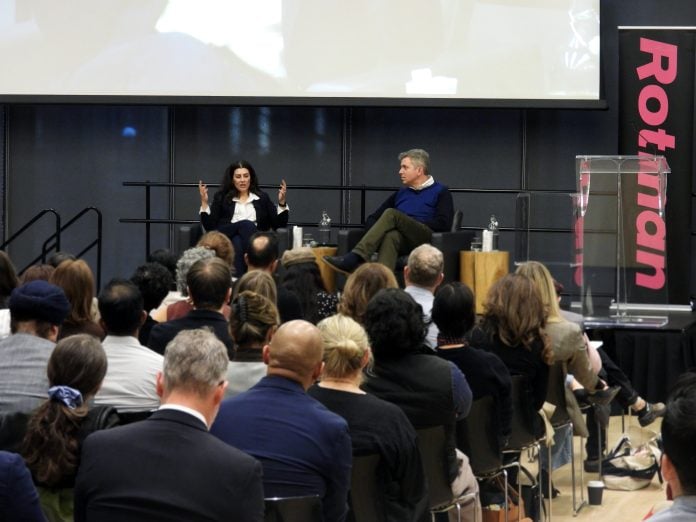
Jared Gordon of Faculty of Change interviews Jean Vashisht, Vice President, Business Development, Sleep Country Canada, at the Retail Insidier @ Rotman event in Toronto on April 15, 2026. Image: Rotman

Retail leaders from across Canada gathered at the Rotman School of Management at the University of Toronto on April 15 for an evening of discussion focused on the evolving dynamics shaping the industry. Hosted by Retail Insider, the event marked the publication’s first in-person gathering and brought together executives and industry professionals for a series of fireside conversations examining retail strategy in Canada.

The program centered on how retailers are navigating a period defined by shifting consumer behaviour, economic pressure, and rapid technological change. Throughout the evening, speakers returned to a common theme: retail is becoming more complex, more competitive, and increasingly dependent on execution across multiple fronts.

As noted in the opening remarks, the ability to anticipate change is becoming critical as retailers respond to ongoing uncertainty in the global and domestic environment.

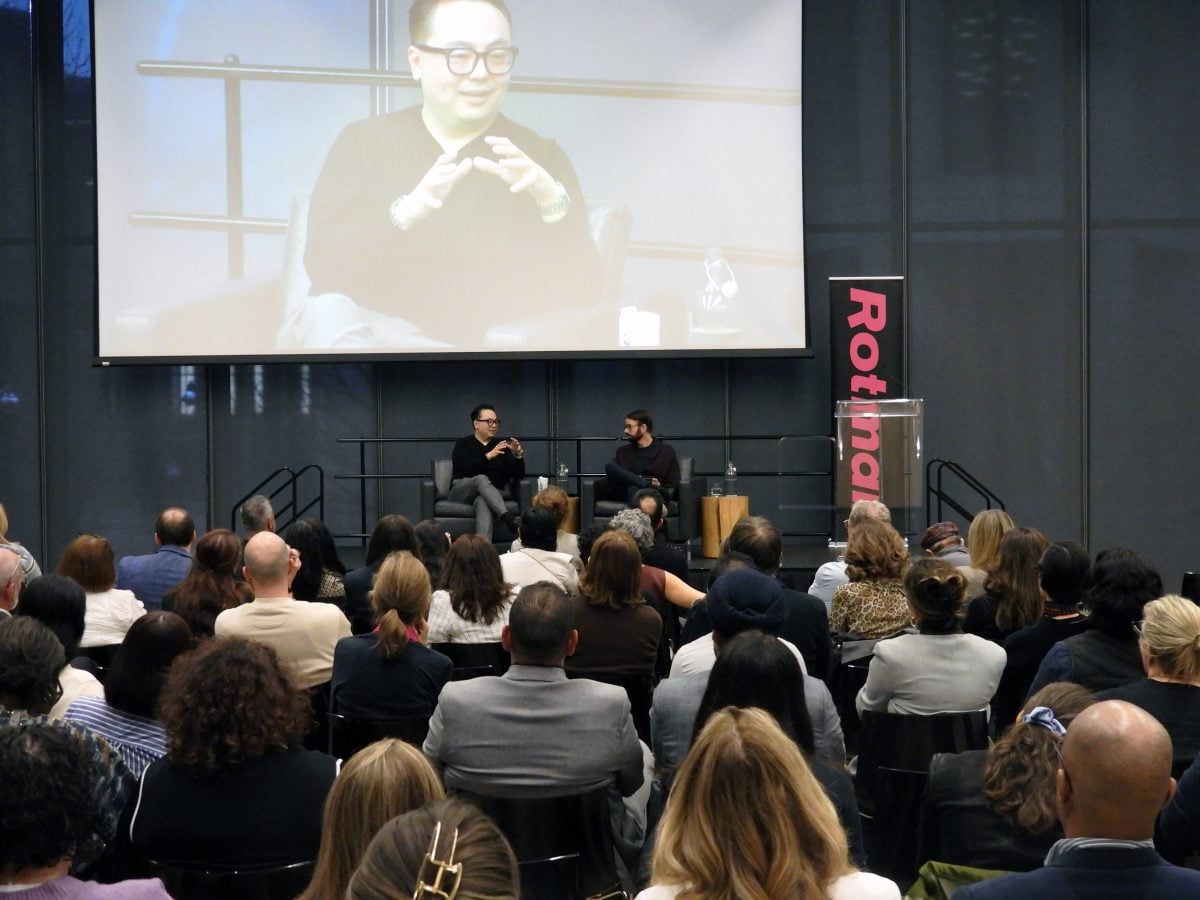
Craig Patterson interviews David Lui, CEO of Kit and Ace, on stage at the Retail Insider @ Rotman event at University of Toronto on April 15, 2026. Photo: Rotman

Retail Strategy in Canada Becoming More Demanding

A consistent message across all discussions was that the expectations placed on retailers have intensified significantly. Consumers are more informed, more selective, and increasingly value-driven in how they spend.

David Lui, CEO of Kit and Ace and co-founder of Unity Brands, emphasized that the pace of change has accelerated, with retailers needing to continuously adapt to new conditions.

“Retail is changing every day,” he said, noting that the industry has become more demanding across product, experience, and marketing. “There really is no channel anymore. It’s one.”

This convergence of physical and digital retail reflects a broader shift in how consumers engage with brands. Rather than thinking in terms of channels, retailers must now deliver a consistent experience across all touchpoints.

At the same time, Lui highlighted that consumers are becoming more intentional in their spending. While economic pressures remain top of mind, shoppers continue to prioritize quality and value, often choosing fewer but better purchases.

Walmart Canada Focuses on Price, Assortment, and Trust

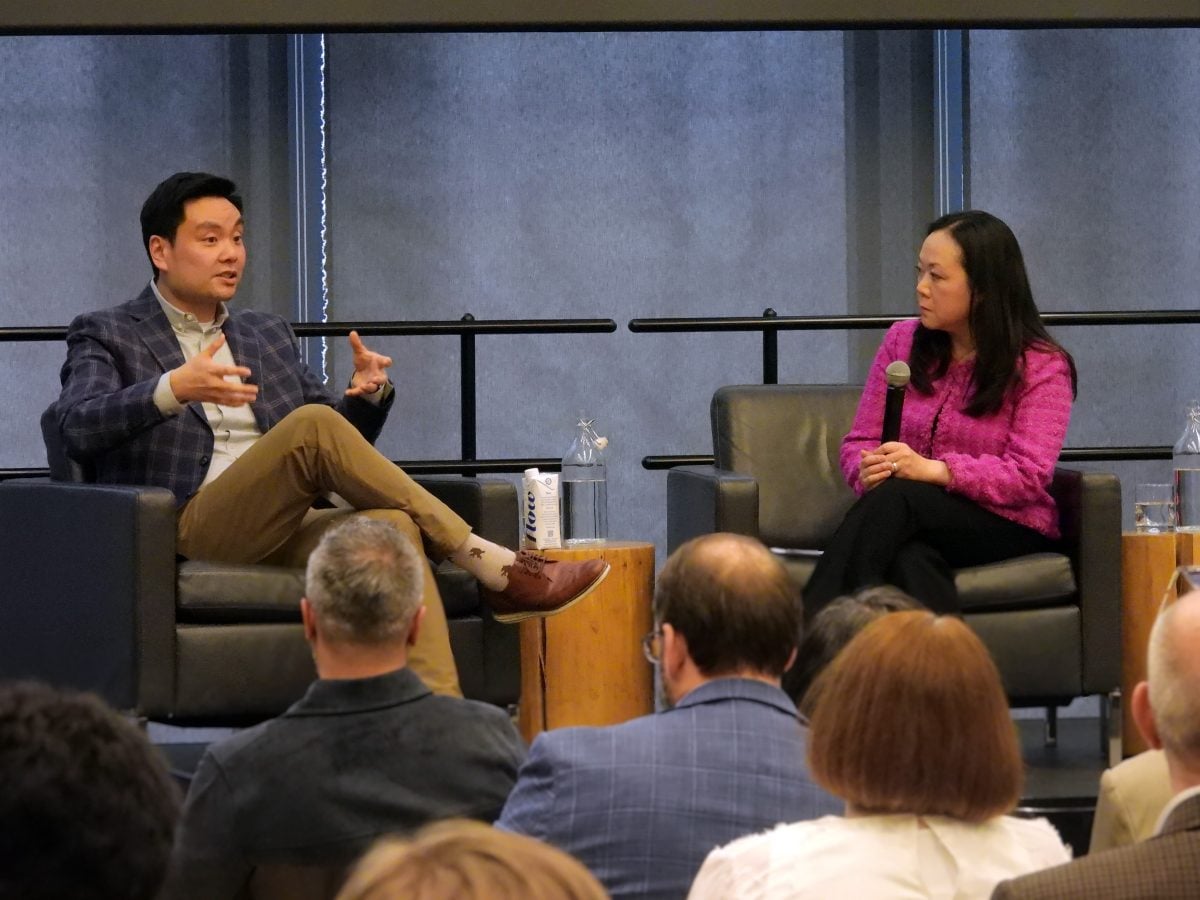
Andrew Go, Vice President of eCommerce and Marketing at Walmart Canada, outlined a structured approach to retail strategy that centers on four key pillars: price, assortment, experience, and trust.

For Walmart, maintaining an everyday low price model remains foundational. Go explained that consistency in pricing builds long-term customer confidence and reduces reliance on promotional cycles.

“Price is a cornerstone of who we are,” he said, adding that trust is built through consistent delivery over time .

Beyond pricing, Walmart continues to invest in expanding its assortment and strengthening its omnichannel capabilities. The company’s ability to integrate physical stores with digital infrastructure has become a key competitive advantage, particularly as it leverages its national store network to support rapid fulfillment.

Go also highlighted the role of technology, including artificial intelligence, in improving operational efficiency and enhancing decision-making. From supply chain optimization to personalized customer experiences, these tools are increasingly embedded across the business.

At the same time, he emphasized that technology remains an enabler rather than a replacement for human insight, describing Walmart as a “people-led, tech-powered” organization.

Cindy Chan, professor at Rotman, interviews Walmart Canada’s Andrew Go on stage at the Retail Insider @ Rotman event at University of Toronto on April 15, 2026. Photo: Rotman

Sleep Country Expands Beyond Traditional Retail Model

Jean Vashisht, Vice President of Business Development at Sleep Country Canada, provided insight into how the company has evolved beyond its traditional identity as a mattress retailer.

Over the past several years, Sleep Country has expanded into a portfolio of brands, including Endy, Hush, Silk & Snow, and Casper, reflecting a broader strategy focused on building a sleep ecosystem rather than a single-category business.

“There’s so much more to the business now,” she said, pointing to the company’s growth across both direct-to-consumer and physical retail channels .

A key driver of this strategy is the repositioning of sleep as a core component of overall health and wellness. As consumer awareness increases, retailers in the category are responding with more specialized products and differentiated brand positioning.

Vashisht also discussed the operational complexity of scaling digital-first brands into physical retail environments. While e-commerce provides speed and reach, brick-and-mortar retail introduces additional layers of infrastructure, merchandising, and customer experience that require careful execution.

Brand Building and Product Strategy Driving Growth

For Lui, brand building remains central to long-term success, particularly in categories such as apparel where competition is intense and differentiation is critical.

Following the acquisition of Kit and Ace, Lui and his partners focused on rebuilding the brand through product improvement and repositioning. He noted that while the brand retained strong recognition, it required significant changes in design, merchandising, and overall execution to meet customer expectations.

The company has since expanded its strategy through Unity Brands, which is building a portfolio of retail concepts including Mastermind Toys and Quebec-based Coco Village.

This approach reflects a broader trend toward consolidation and platform-based growth, where operators leverage shared capabilities across multiple brands.

Lui emphasized that successful brand development begins with product quality, rather than relying heavily on marketing spend.

“We believe brand does not start with paid media,” he said. “It comes from getting the product right.”

Speakers at the Retail Insider @ Rotman event at University of Toronto on April 15, 2026. Photo: Rotman

Physical Retail Continues to Play a Critical Role

Despite ongoing investment in digital channels, speakers consistently reinforced the importance of physical retail.

Stores are increasingly viewed as spaces for engagement, discovery, and relationship-building rather than purely transactional environments. This shift is influencing how retailers design stores, train staff, and integrate in-person experiences with digital capabilities.

Lui noted that in-store interactions often lead to higher conversion rates and stronger customer relationships, particularly when staff are able to provide personalized service.

Similarly, Walmart’s investment in new stores and infrastructure highlights the continued relevance of physical retail as part of an integrated network.

Consumer Behaviour Reflects Trade-Offs and Prioritization

Across categories, consumers are making more deliberate choices about where and how they spend.

While value remains a key consideration, speakers noted that shoppers are not exclusively trading down. Instead, many are reallocating spending toward products that deliver perceived quality, longevity, or personal value.

This dynamic is creating opportunities for retailers positioned at both ends of the market, while increasing pressure on those in the middle.

For premium and differentiated brands, the focus is on reinforcing value through product, experience, and brand storytelling.

Cindy Chan of Rotman interviews Andrew Go on stage at the Retail Insider @ Rotman event at University of Toronto on April 15, 2026. Photo: Rotman

Retail as a Career and Industry Opportunity

The evening also touched on the role of retail as a career path, particularly for students and emerging professionals.

Lui emphasized that retail offers a unique environment for learning, combining elements of operations, marketing, customer engagement, and strategy.

“Retail is one of the most fascinating industries,” he said, noting that it provides exposure to a wide range of business functions and real-world challenges .

Industry Outlook Points to Continued Evolution

The discussions at the Rotman event underscored a retail industry that is actively evolving rather than stabilizing.

Retailers are navigating a landscape shaped by economic uncertainty, technological advancement, and changing consumer expectations. Success increasingly depends on the ability to execute across multiple dimensions, from pricing and product to experience and operations.

At the same time, the conversations reflected a sense of opportunity. For companies able to adapt and differentiate, the current environment presents a pathway for growth and innovation.

As the industry continues to transform, events such as this highlight the importance of knowledge sharing and dialogue among leaders working at the forefront of Canadian retail. Retail Insider is planning to host its next event September 2026, with details to follow.

More from Retail Insider:

Inside the Fashion Shoot Shaping Freed & Freed’s Next Chapter

Freed FW26 Collection Cover. Image Via Freed & Freed
Marissa Freed, President @ Freed & Freed International

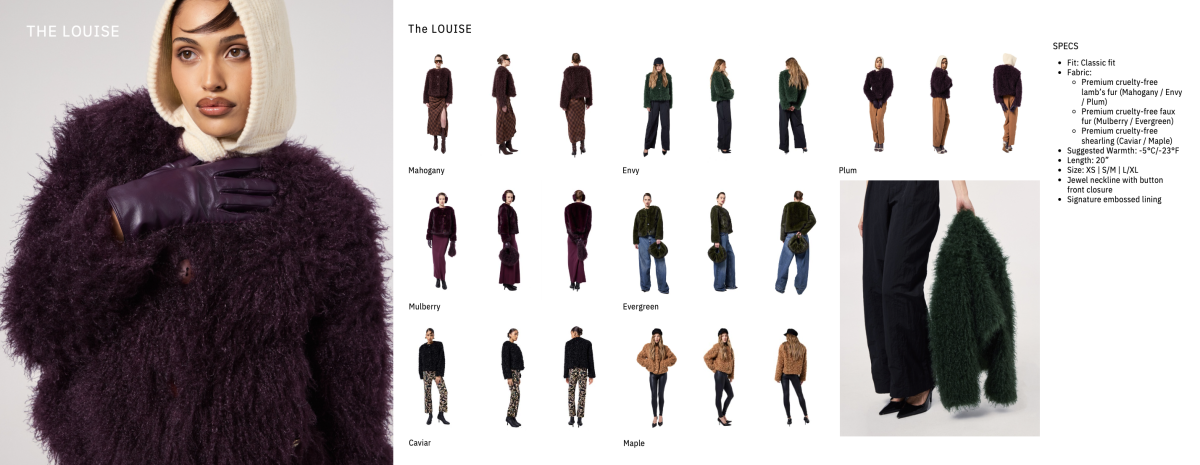
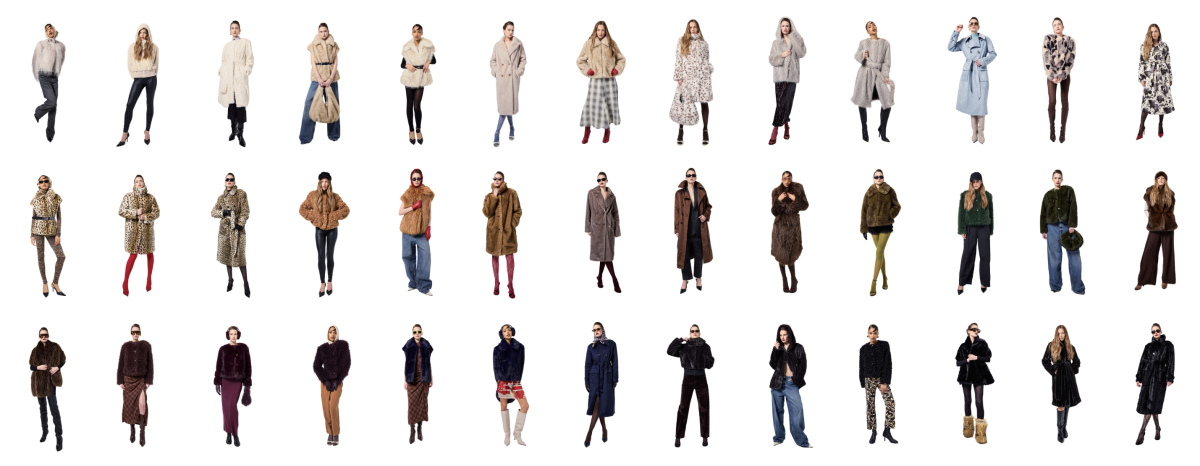
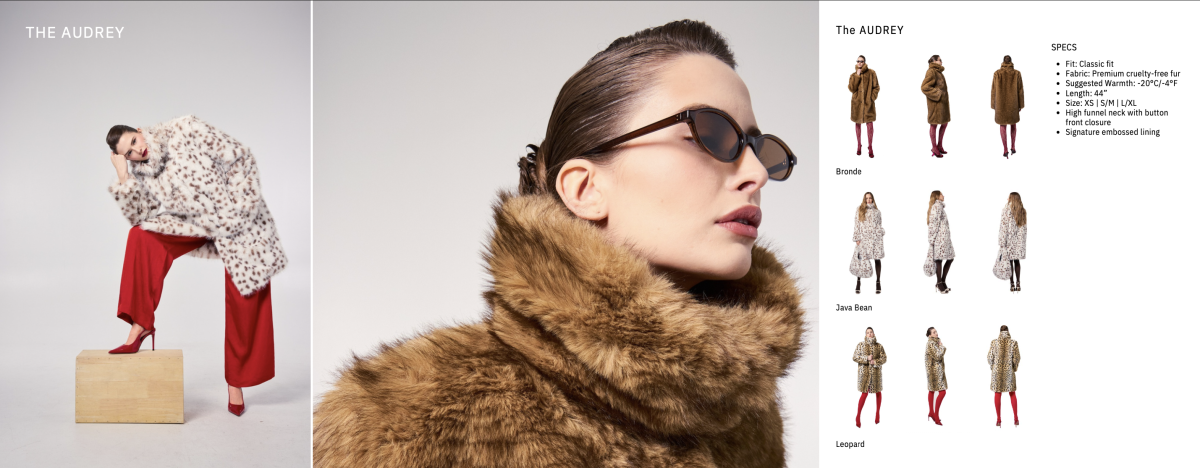
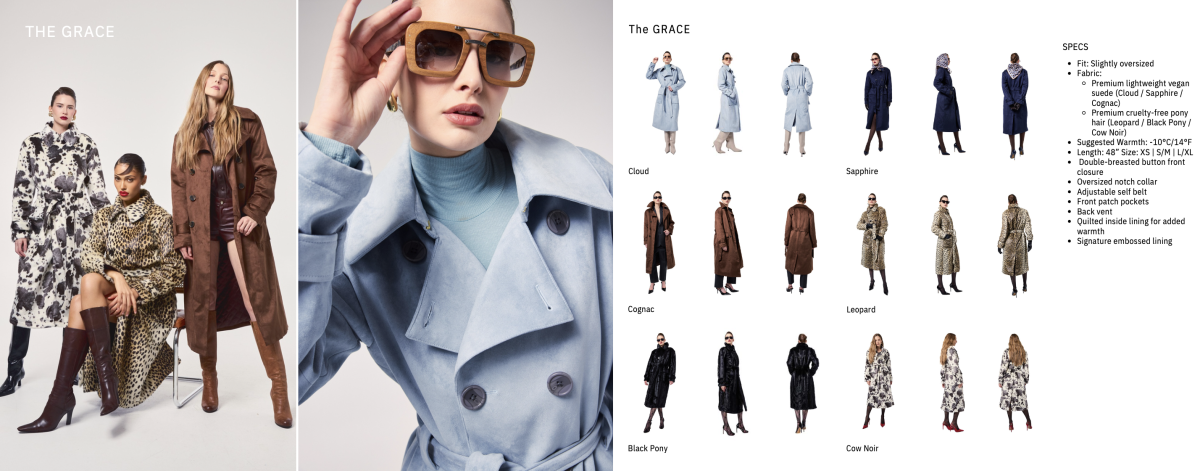
For Marissa Freed, a fashion shoot is never simply about capturing garments on models. It is an exercise in storytelling, discipline, memory, and intention. The latest editorial shoot for Freed & Freed reflects that philosophy in full, blending heritage, modern luxury, and deeply personal moments into a visual narrative that extends far beyond seasonal marketing.

The shoot, created for the brand’s upcoming Fall Winter 2026 collection, was designed to communicate sophistication and permanence at a time when much of fashion has become transactional. Freed approached the project as both a creative statement and a reaffirmation of the company’s values, from craftsmanship to emotional authenticity.

“When we’re trying to communicate what our brand is, we’re looking for aesthetic, but it’s more than that,” Freed said. “It’s sophistication. It’s richness. I want it to look expensive.”

A Creative Process Grounded in Intention

Freed is deeply involved in every aspect of the shoot, from concept development to hair, makeup, and model selection. Long before the camera is turned on, she assembles visual references and mood inspiration that she shares with the creative team.

“I oversee the creative direction, from makeup to hair, and develop the inspiration for the overall look,” she said. “I share that vision with the team before the shoot so everyone is aligned.”

This process allows Freed to maintain control over the final message while encouraging collaboration. The result is a cohesive visual language that reflects the FREED brand’s positioning as modern luxury rooted in heritage manufacturing.

The shoot leaned into dramatic posing and polished styling, a deliberate nod to the era when fashion editorials carried a sense of theatre and aspiration.

“It reminds me of what you saw in fashion magazines in the nineties,” Freed said. “There was glamour, drama, and confidence in the way models held themselves. That’s something we’ve lost.”

FREED FW26 Collection. Image Via Freed & Freed

Referencing Fashion’s Lost Glamour

Freed draws inspiration from a time when fashion imagery was treated as an art form. She cited the supermodel era and classic department store advertising as creative touchstones, when editorial photography helped define brands rather than simply display products.

“The nineties supermodel era was all glamour,” she said. “Now everything feels very digital, very fast. I think the comprehension of quality and fashion has become washed out.”

The shoot was designed to counter that trend. Each frame was constructed to feel deliberate and composed, with garments styled to emphasize longevity rather than trend saturation.

“We’re making ourselves look timely and relevant, but also timeless,” Freed said. “You should be able to wear these pieces ten years from now.”

Styling as Storytelling

One of the most striking elements of the shoot was the attention paid to hair styling, particularly a dramatic single curl that became a visual signature across several images. The detail was not accidental.

“That one curl came from an obsession,” Freed said. “I saw an image, fixated on it, and knew it was exactly the energy I wanted.”

When the model’s natural hair length was not sufficient to achieve the look, the team adapted, adding an extension to ensure the silhouette remained intact. For Freed, these details are essential to storytelling.

“It has to feel polished,” she said. “The pose, the hair, the way the garment moves, all of it communicates who we are.”

FREED FW26 Collection. Image Via Freed & Freed

Fashion as an Expression of Respect

Beyond aesthetics, Freed sees fashion as a form of art that deserves respect, both from the industry and consumers.

“Fashion is art in the same way that food is art,” she said. “A chef creates a tasting menu and you expect to pay for it. Fashion should be respected the same way.”

She expressed concern that price-driven consumption has eroded appreciation for craftsmanship, leading to a disconnect between consumers and the garments they wear.

“People complain about quality, but they still buy low-priced garments and then complain when they fall apart,” she said. “There’s a lack of respect for the garment.”

This philosophy informs how Freed approaches creative projects. The shoot was not about volume or speed but about reaffirming value.

FREED FW26 Collection. Image Via Freed & Freed

An Emotional Centrepiece

While the shoot was visually ambitious, its emotional centre came from the participation of Canadian model Stefanie Derksen, who returned to modeling after undergoing cancer treatment. Freed had followed Derksen’s journey and maintained contact during her recovery.

“She was worried her career would be over because she would have scars,” Freed said. “I told her people should celebrate what she’s survived.”

When Derksen chose the Freed & Freed shoot as her first major project back, the moment resonated deeply with the entire team.

“She flew in from Calgary and this was her comeback,” Freed said. “When she walked into the room, it was emotional.”

For Freed, the decision was instinctive. “Supporting her felt important. We’re in the same industry and we need to support one another.”

The impact was immediate. Stylists and industry contacts who saw Derksen’s return began booking her again, reinforcing Freed’s belief in the importance of community.

FREED FW26 Collection. Image Via Freed & Freed

A Reflection of Brand Values

The inclusion of Derksen was not framed as a marketing gesture but as an extension of the brand’s ethos. Freed & Freed has long positioned itself as a company that values people as much as product, from its Winnipeg manufacturing workforce to its creative collaborators.

“That moment captured everything the brand stands for,” Freed said. “Strength, resilience, beauty, and respect.”

The images featuring Derksen are now among the most powerful in the collection, not because of narrative framing, but because of authenticity.

FREED FW26 Collection. Image Via Freed & Freed

Looking Ahead Through Visual Language

As the brand prepares to release the collection later this year, the shoot serves as both a preview and a declaration of intent. Freed sees visual storytelling as a critical tool for differentiation in a crowded market.

“We’re trying to bring excitement and glamour back at a time when we need it,” she said.

The shoot also reinforces Freed & Freed’s broader ambition to elevate Canadian-made fashion through thoughtful design and presentation.

“Fashion should make you feel something,” Freed said. “If we can do that through our imagery, then we’re doing our job.”

FREED FW26 Collection. Image Via Freed & Freed

More from Retail Insider:

Armco Capital acquires Stephen Avenue Place and adjacent buildings in downtown Calgary

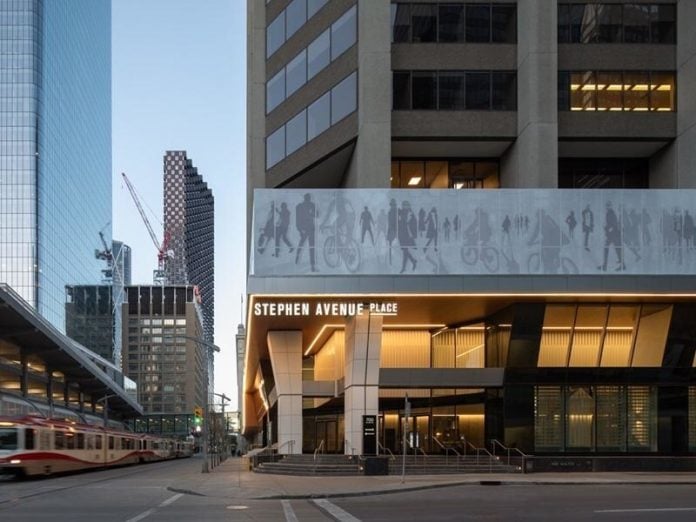
Stephen Avenue Place (CNW Group/G2S2 Capital Inc.)

G2S2 Capital Inc., under its banner Armco Alberta, has acquired Stephen Avenue Place along with the adjacent Kraft and Venator Buildings, further strengthening its presence in the heart of downtown Calgary and reinforcing its long-term commitment to investing in high quality real estate assets, it announced on Friday.

This landmark transaction brings together a prominent Class A office tower and a rare collection of contiguous high-street retail properties on Stephen Avenue, Calgary’s most recognized pedestrian corridor, further consolidating Armco Alberta’s footprint across a strategically significant downtown block, it said.

A Landmark Office Tower in Calgary’s Financial Core

Stephen Avenue Place is a 40-storey, Class A office tower comprising approximately 613,000 square feet of office and retail space. Prominently located in the Financial Core, the property offers efficient floorplates, institutional-quality construction, and a fully integrated connection to Calgary’s +15 pedestrian network and LRT system, explained Armco.

“The building includes a recently redeveloped retail podium of over 100,000 square feet, offering best-in-class dining, retail, and amenity space. Tenants benefit from a modern workplace environment supported by a fitness facility, premium conference centre, tenant lounge, and games room. The asset is anchored by a diversified roster of national and international tenants, reinforcing its position as a resilient downtown office destination,” it said.

Historic Retail Frontage on Stephen Avenue

Complementing the tower acquisition, Armco Alberta said it has also acquired the Kraft and Venator Buildings, two adjoining historic retail assets totaling approximately 33,566 square feet.

Situated directly on Stephen Avenue, these early 20th-century buildings contribute a distinctive architectural character to the corridor, offering retail at grade with upper-floor office space. Their frontage, visibility, and pedestrian exposure provide a rare positioning within a tightly held urban retail environment, supported by consistent foot traffic and adjacency to surrounding office, hospitality, and entertainment uses, said Armco.

Strategic Expansion in Calgary’s Premier Corridor

“The acquisition represents a deliberate expansion of Armco Alberta’s long-term strategy to build scale and connectivity within Calgary’s most important urban corridor. By integrating Stephen Avenue Place with the Kraft and Venator Buildings, the company strengthens its ability to activate a continuous, high-quality mixed-use environment across office, retail, and experiential uses,” it said.

The transaction also enhances Armco Alberta’s broader downtown Calgary portfolio, which includes First Tower, Altius Centre, First Canadian Centre, and Bow Valley Square. Collectively, these assets represent approximately 4 million square feet of mixed retail and office space, contributing to a significant concentration of downtown Calgary office holdings, added the real estate company, adding that the addition of Stephen Avenue Place further increases scale while the Kraft and Venator Buildings provide critical street-level activation along Stephen Avenue, reinforcing the corridor’s role as a vibrant commercial and cultural destination.

Steven Darrow
Steven Darrow

Steven Darrow, President, Atlantic Canada & Alberta said the transaction reflects continued conviction in Calgary’s downtown office market and the long-term strength of key urban corridors.

“This acquisition expands our presence in Calgary’s Financial Core and strengthens our position along Stephen Avenue,” said Darrow. “By bringing together institutional office scale with heritage retail frontage, we are enhancing a connected downtown platform that supports long-term tenant demand and sustained value creation. These assets complement our broader portfolio and reflect our continued focus on investing in locations with enduring relevance, strong connectivity, and long-term value creation potential.”

More from Retail Insider:

Retail sales surpass $72 billion in February: Statistics Canada

Ron Lach photo
Ron Lach photo

Retail sales increased 0.7% to $72.1 billion in February. Sales were up in seven of nine subsectors, led by increases at motor vehicle and parts dealers, according to a report released Friday by Statistics Canada.

Core retail sales, which exclude gasoline stations and fuel vendors and motor vehicle and parts dealers, were up 0.6% in February. In volume terms, retail sales increased 0.3% in February, said the federal agency.

Statistics Canada also provided an advance estimate of retail sales, which suggests that sales increased 0.6% in March.

“The largest increase in retail sales in February was observed at motor vehicle and parts dealers (+1.0%), rising for a second consecutive month. The increase was led by higher sales at new car dealers (+0.7%), followed by used car dealers (+4.0%),” said Statistics Canada.

“Sales at gasoline stations and fuel vendors were unchanged in February, following three consecutive monthly gains. In volume terms, sales at gasoline stations and fuel vendors edged up 0.1% in February.”

The federal agency said core retail sales rose 0.6% in February, posting their second consecutive increase. The gain was led by higher sales at general merchandise retailers (+1.2%) and food and beverage retailers (+0.9%). The increase in the food and beverage retailers subsector was led by higher receipts at supermarkets and other grocery retailers (+1.6%).

“Higher sales were also recorded at clothing, clothing accessories, shoes, jewelry, luggage and leather goods retailers (+1.1%) in February.

“The largest decrease in core retail sales came from building material and garden equipment and supplies dealers, which fell 0.6% in February after increasing 1.3% in January.”

On a seasonally adjusted basis, retail e-commerce sales decreased 0.6% to $5.1 billion in February, accounting for 7.0% of total retail trade, compared with 7.1% in January, added Statistics Canada.

Maria Solovieva
Maria Solovieva

Maria Solovieva, Economist, TD, said consumers delivered another solid month in February, with early indications pointing to continued strength in March.

“That said, inflation jumped in March, suggesting some of the momentum is being driven by higher prices rather than broad-based demand growth.  Our internal TD Spend data point to some softening in discretionary spending in March,” she noted.

“Higher energy prices will dent purchasing power, but we do not expect this to materially weaken domestic demand beyond what’s already embedded in our outlook. Together with the drags from weak population growth and trade-related headwinds the economy is expected to grow at a below-trend pace this year.”

Andrew Grantham
Andrew Grantham

“Overall, it appears that retail sales in Q1 have posted their best quarter for growth since before US trade tensions started to negatively impact consumer sentiment. However, with higher pump prices limiting the ability of some households to make discretionary purchases, we expect consumer spending to slow again in volume terms during Q2,” said Andrew Grantham, Senior Economist, CIBC Capital Markets.

Shelly Kaushik
Shelly Kaushik

“Two months of rising retail sales highlights underlying consumer resilience in the face of significant headwinds, namely elevated economic uncertainty and outright population declines. Still, softer spending volumes and signs of further weakness in March suggest consumers can only hold on for so long,” added Shelly Kaushik, Senior Economist, BMO Capital Markets.

More from Retail Insider:

Retail security measures driving customers away: DALBAR study

Vitaly Gariev photo
Vitaly Gariev photo

DALBAR, Inc. and its division Competitor IQ recently released the 2026 Retail Security and Loss Prevention Study, a survey of 500 U.S. and Canadian consumers on how loss prevention strategies affect the retail shopping experience. The findings reveal a significant tension between security and convenience – one that is already costing retailers sales, said DALBAR.

It said 38% of shoppers have abandoned a purchase due to in-store security measures.

Key Findings

  1. Security Measures Are Pushing Shoppers Out the Door
    A significant share of respondents report abandoning purchases due to security-related friction. Locked merchandise cabinets and access restrictions are the leading causes – and the full study breaks down exactly which measures are driving customers away.
  2. Locked Merchandise Is the Biggest Pain Point
    Many customers say locked displays negatively impact their shopping experience. Many feel mistrusted and will leave rather than wait – and the data shows a clear link to lost revenue that retailers cannot afford to ignore.
  3. Safety Matters, But Rarely Drives Store Choice
    Most shoppers already feel a baseline level of security when they enter a store. The study reveals which measures build customer confidence – and which ones backfire by sending shoppers online instead.
  4. Customers Want Technology, Not Barriers
    A strong majority believe AI and surveillance technology can better balance loss prevention with convenience. The full study includes detailed breakdowns of customer preferences by age, income, and retail category.
Anna Tarazevich photo

“Retailers are caught in a difficult position: theft is rising, but the measures used to combat it are alienating the honest shoppers they need to retain. The path forward lies in smarter, less intrusive security — and the data shows exactly what that looks like,” said the company.

The full report includes detailed findings by demographic, retail category, and security measure type – with actionable recommendations for loss prevention teams.

To request a full report, visit here: www.dalbar.com | www.ciqdata.com 

More from Retail Insider:

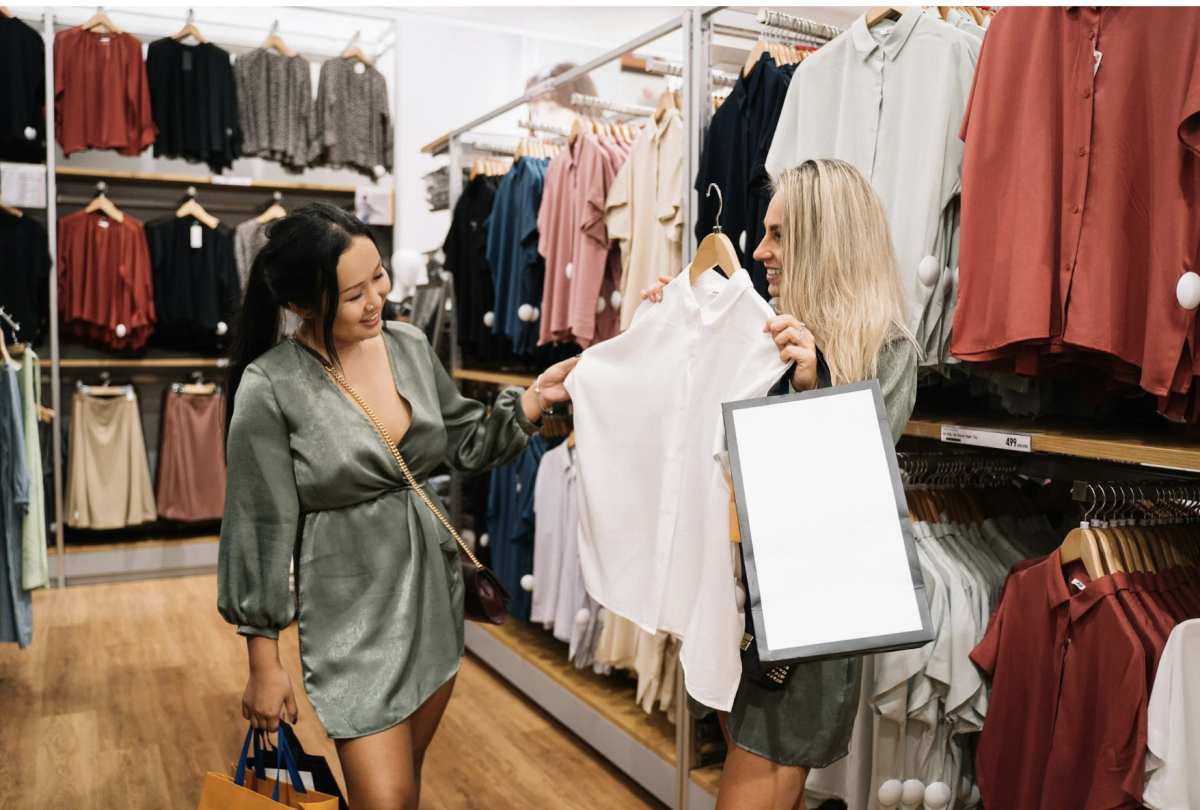
Gen Z: Balancing Treats and Budgets

cottonbro studio photo \
cottonbro studio photo

For Gen Z, treating yourself isn’t about throwing caution to the wind. It’s about finding those little moments of joy without wrecking your wallet. Whether it’s a favourite snack, a spontaneous dessert run, or finally caving on that clothing splurge, small indulgences are very much part of the routine. But so is being smart about it.

CouponFollow recently surveyed 1,008 Gen Z adults to find out how they actually balance the urge to treat themselves with the reality of their budgets, covering everything from spending limits to favourite ways to save.

The full report can be found here: https://couponfollow.com/research/the-treatonomics-index

Key Takeaways

  • Snacks (52%), desserts (51%), and clothing (49%) top the list of what Gen Z considers most worth spending on.
  • 2 in 5 Gen Zers (41%) say alcohol is the single biggest waste of money, nearly double any other category surveyed, including streaming subscriptions, gaming, and specialty coffee.
  • 63% of Gen Zers say paying full price is financially irresponsible.
  • 64% of Gen Zers would switch from a go-to brand to a competitor solely because of a discount.
  • About 1 in 4 Gen Zers have a $50-a-week or more treat budget, totaling more than $2,600 a year.
  • Nearly 1 in 5 Gen Zers (19%) say small treats are their main source of joy during the week.
Polina Tankilevitch photo

“Small indulgences have become a regular part of how Gen Z rewards themselves and gets through the week. At the same time, their answers show a clear line between what feels worth the money and what feels like a waste,” said CouponFollow.

Treating themselves is the norm for Gen Z, with 92% saying they do it in some form. The most common approach was balancing small treats with the occasional splurge, chosen by 44% of respondents. Another 30% said they leaned toward lots of small, affordable treats, while 18% preferred fewer but bigger splurges.

“These purchases are often tied to emotion as much as enjoyment. More than 1 in 4 Gen Zers (28%) said they treat themselves to cope with stress, while 21% use treats as a reward for accomplishments. Another 19% said small treats are their main source of joy during the week, and 7% said they serve as a substitute for larger milestones they can’t currently afford.

Men and women did not always approach treating themselves the same way. Women were more likely to favor small, frequent treats, with 33% choosing that option compared to 25% of men. And men were more than twice as likely to prefer bigger splurges (27% vs. 12%).”

More from Retail Insider:

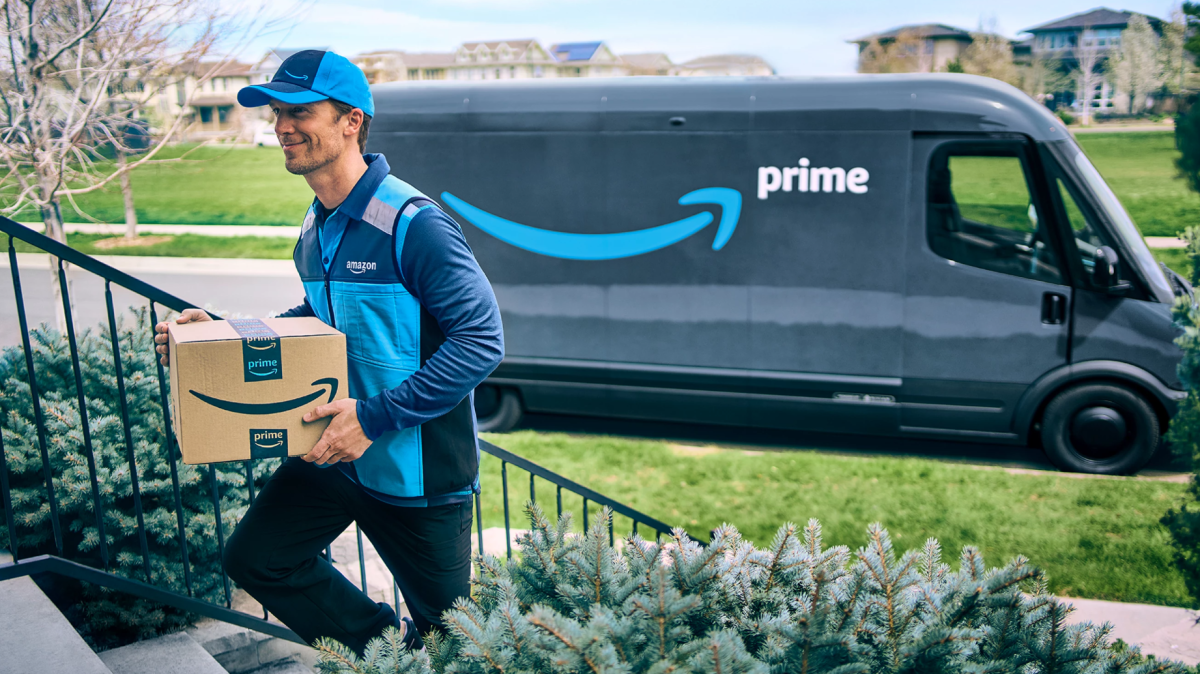
Amazon focused on protecting the shopping experience 

Amazon photo
Amazon photo

Amazon has released its inaugural Trustworthy Shopping Experience Report, outlining the company’s approach to ensuring trust at every step of the shopping journey, including the progress made in deterring bad actors across the industry and removing counterfeit products from the retail supply chain in 2025. 

The company said this is made possible by its advancements in brand protection tools and dedication to global industry collaboration, including: 

  • A holistic approach to enforcement helps ensure bad actors are held accountable:
    • In 2025, Amazon identified, seized, and appropriately disposed of more than 15 million counterfeit products worldwide, preventing them from harming customers or being resold elsewhere in the retail supply chain.  
    • Since its launch in 2020, Amazon’s Counterfeit Crimes Unit has pursued more than 32,000 bad actors through litigation and criminal referrals to law enforcement. 
  • Increased Use of Amazon’s Brand Protection Features:
    • Amazon’s Intellectual Property Accelerator has helped more than 33,000 brands obtain new trademark protection, supporting business owners from 35 countries and in 18 languages, through a network of trusted IP law firms. 
    • More than 2.7 billion product units have been verified as genuine through Amazon’s Transparency program. 

“For the past five years, Amazon has published an annual Brand Protection Report—a detailed look at how we combat counterfeits, protect intellectual property, and safeguard the brands that sell in our store. But global retail has never been more connected—or more complex. Bad actors are constantly evolving their tactics, criminal networks operate across borders, and the threats facing retail extend well beyond counterfeits. At the same time, advancements in AI are giving us capabilities that didn’t exist a few years ago—allowing us to move from proactive to predictive, analyzing billions of signals simultaneously and detecting threats before they ever reach customers,” said the company.  

Photo: Amazon
Photo: Amazon

“That’s why (recently we released) Trustworthy Shopping Experience Report, providing a comprehensive look at how we’re working to protect customers, selling partners, and brands across our global store. The report expands our commitment to trust and safety, continuing to cover brand protection and anti-counterfeiting, but now also encompassing organized retail crime, product safety, scam prevention, and trustworthy reviews.  

“Our goal is to protect the store for customers, brands, and sellers alike. But we understand policies designed to protect customers can sometimes create friction for sellers trying to grow their business. That’s why we’ve invested in tools such as Amazon’s Account Health Dashboard, which gives sellers transparency and control into their adherence to policies, performance targets, and more. Ensuring that legitimate selling partners can thrive on Amazon is central to our mission, and this report reflects that commitment.”

Key takeaways  

  • Since 2020, Amazon’s Counterfeit Crimes Unit has pursued more than 32,000 bad actors through litigation and criminal referrals to law enforcement, across 14 countries.  
  • Amazon’s AI early warning system successfully anticipated a bad actor attack on a viral, new branded product, blocking the infringing listings a full eight days before the brand owner even shared their IP with us.  
  • In 2025, Amazon’s legal actions led to the shutdown of more than 100 websites attempting to facilitate fake reviews and scams targeting our store.  

More from Retail Insider: